Thursday's technology stories

Report: Google in talks to buy HTC's smartphone business
HTC is reportedly in advanced talks to sell its smartphone business to Google, according to a report in a Taiwanese outlet spotted by Business Insider. Financial details aren't available, but the deal would reportedly only involve HTC's smartphone R&D team. HTC has previously been rumored to be considering selling part or all of its business, which include the smartphone operations as well as its Vive virtual reality unity.
Google declined to comment.
Deja Vu: Google bought Motorola several years back and drastically pared it down before selling it to Lenovo a couple years later.
Irony: Rick Osterloh, who ran Motorola at Google, now runs Google's hardware unit, which presumably would be the one that would inherit the HTC team.
Strategic value questionable: Motorola arguably had far greater assets, strong brand and patent portfolio, in addition to a larger hardware business. It's not clear what HTC would bring, aside from some additional hardware expertise to Google's Pixel team.

FTC settles with social media 'influencers' over alleged deception
Two social media influencers reached a settlement with the Federal Trade Commission, which claimed they endorsed a website without telling their fans they also owned the company.
Why it matters: This was the FTC's first action taken against individual social media influencers. That's a big deal in a world where popular social media users are increasingly taking money from brands to advertise products to their followers. Today the FTC released an updated version of their endorsement guide, warning individuals to disclose their business interests when sharing paid posts on Instagram, Snapchat and other platforms.

Amazon wants a second North American headquarters
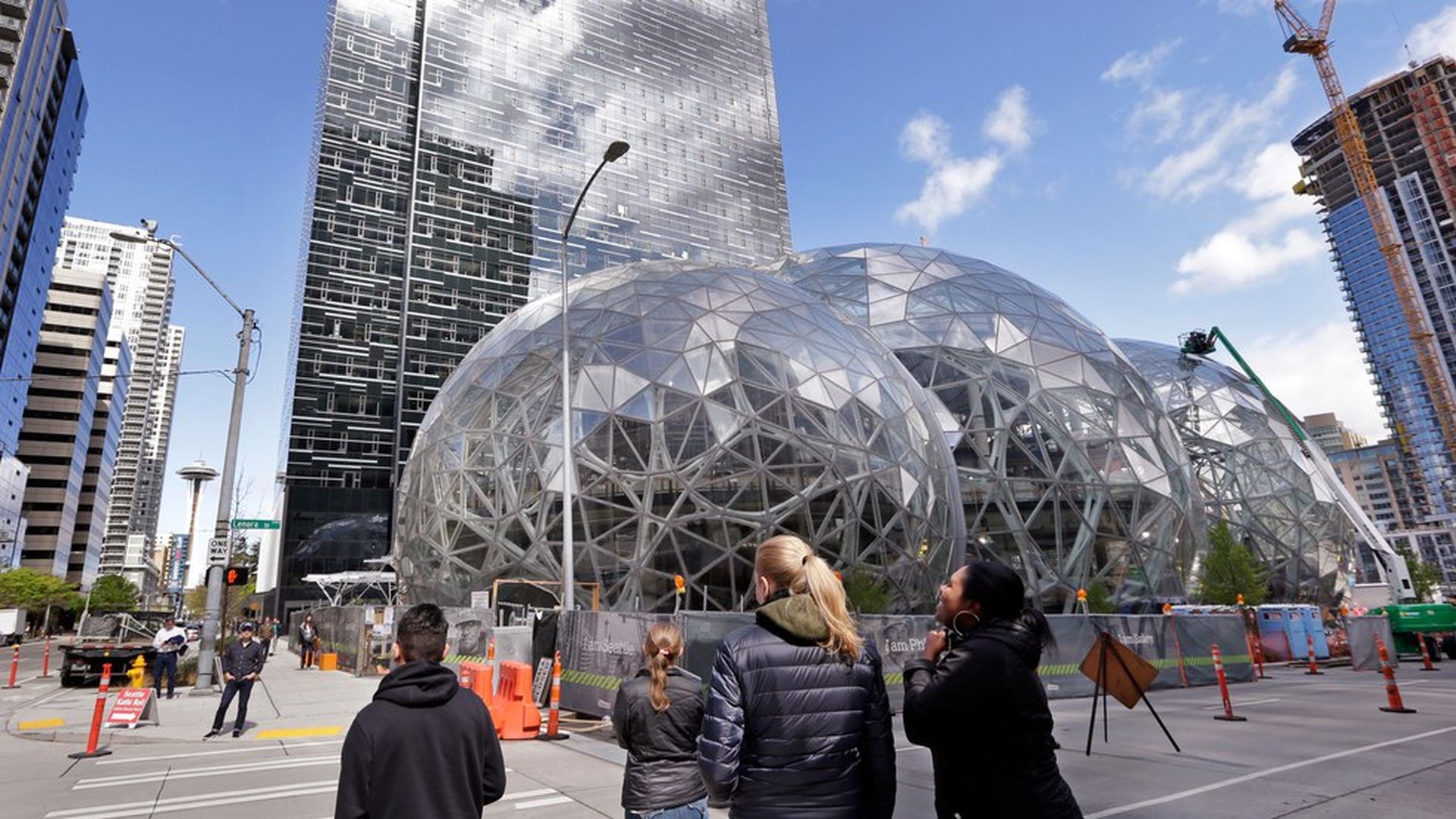
Amazon announced Thursday that it has opened a search for a second U.S. headquarters, where it will expand to 50,000 employees and invest $5 billion in construction and operations.
Why it matters: This announcement is a way for the company to show the benefits of its bigness: it has the means to spur major economic development in a state that needs it. Expect Amazon to look for potential headquarter cities in the Midwest and Rust Belt that have fallen on hard times.
Why now: Amazon is growing fast, which is starting to worry some policy makers about the disproportionate control the company increasingly has on a number of markets and what that means for mainstay retail operations in American communities (i.e. grocery stores). Meanwhile, many cities in the U.S. are struggling with the fall of mid-western manufacturing jobs and the concentration of high-paying tech jobs on the west coast.

Sex-trafficking bill hits a nerve in Silicon Valley
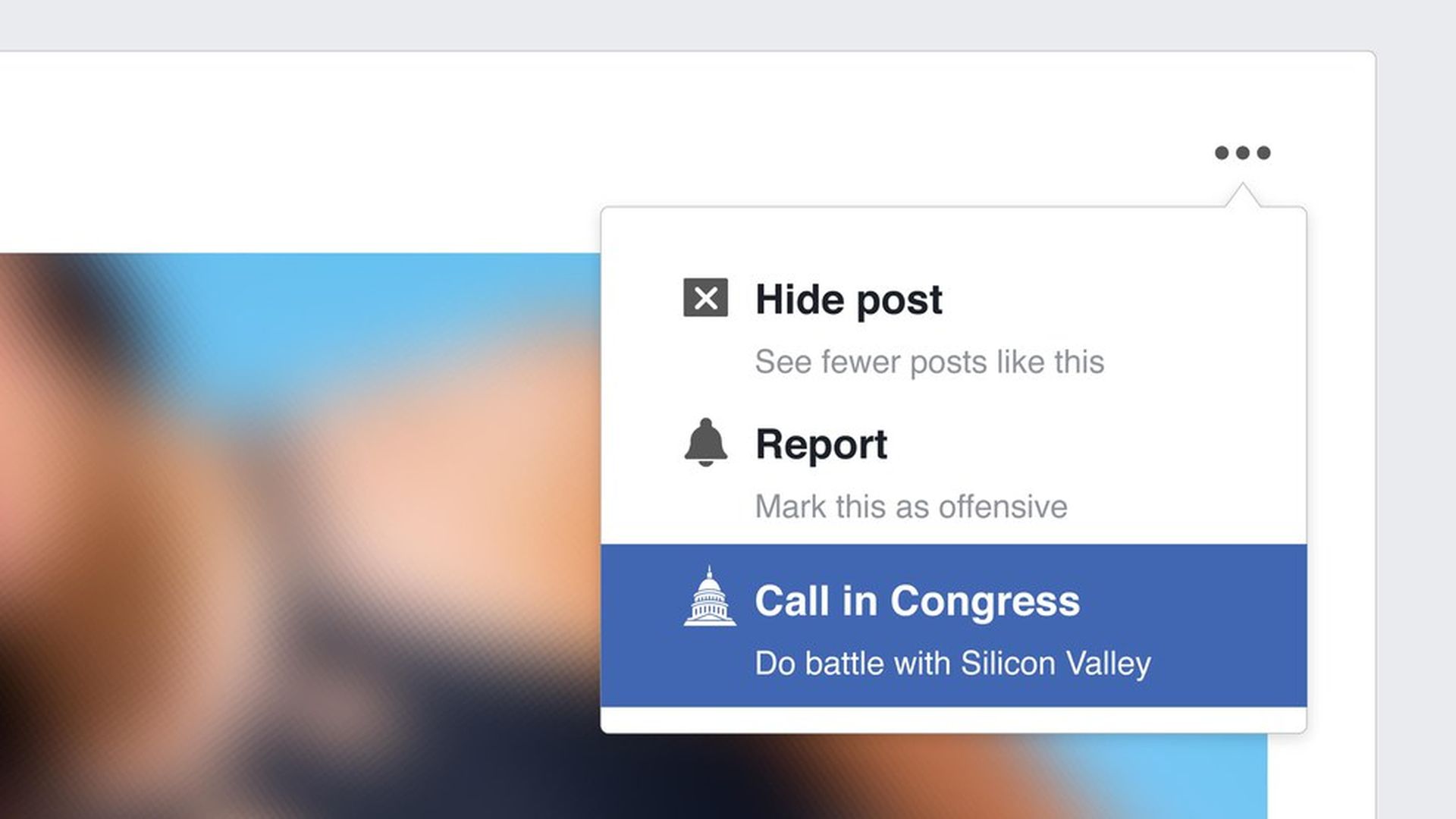
Of all the policy fights big internet companies are facing this fall, a sex-trafficking bill with bi-partisan support on the Senate has them rattled the most. And it has the potential to escalate quickly as critics of Silicon Valley firms look for opportunities to hit them where it hurts.
What it does: The bill, backed by senators Rob Portman and Richard Blumenthal, aims to hold online platforms liable for illegal ads that led to sex-trafficking.
Why it matters: Internet companies including Google, Facebook and Amazon say that the bill threatens the core of their business models — because they couldn't have grown to their current size if they were responsible for all of the content they host. But by opposing the measure, they're being painted as not doing enough to help the victims of sex-trafficking.
Dem has "more questions" after Facebook discloses Russian-bought ads
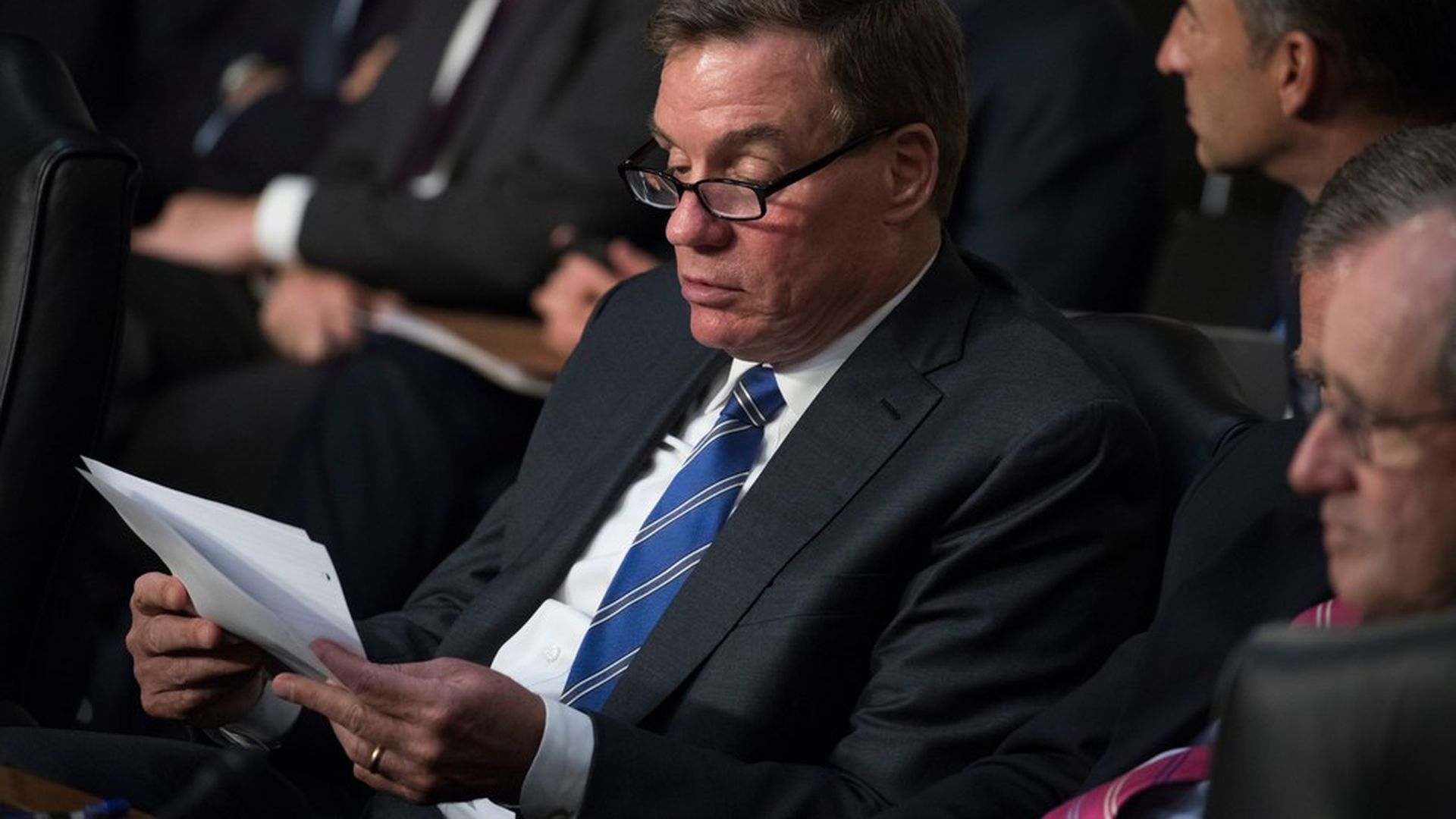
The top Democrat in a congressional investigation of Russia's influence on the election wants more information from Facebook following the social giant's disclosure that thousands of ads focused on divisive issues were likely purchased by a Russian operator between mid-2015 and earlier this year.
"I'd like to get a more comprehensive look than perhaps what we got today," said Mark Warner, the lead Democrat on the Senate Intelligence Committee. "I think today was a good first step, but I think there's more to come."
Facebook tells investigators about ads linked to Russia
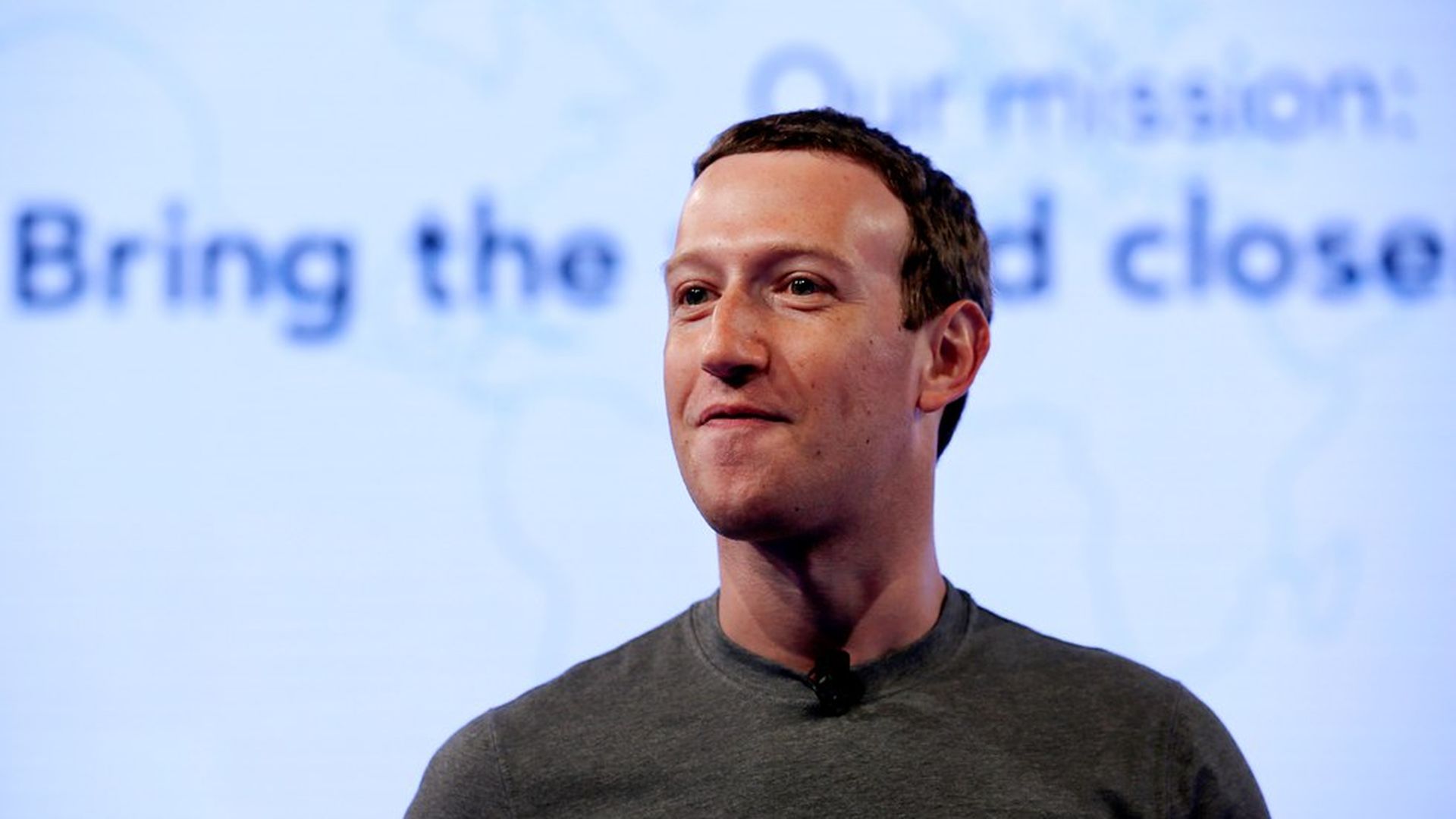
Facebook has told authorities investigating Russia's influence on the 2016 election about thousands of ads likely linked to Russia, many of which were connected to "inauthentic" accounts and Pages and focused on drawing attention to divisive social issues.
Why it matters: Congressional investigators — particularly Senate Intel Committee Vice Chair Mark Warner — have raised concerns about the possibility that Facebook's ad targeting tools could have been used to boost the spread of so-called "fake news" with the intention of influencing the election. That's raised questions about whether the Trump campaign could have worked with Russian actors to target that content.
This marks a shift for Facebook: Back in July, a company spokesperson told CNN said, "we have seen no evidence that Russian actors bought ads on Facebook in connection with the election." Importantly, the company isn't claiming to have uncovered any Russian government involvement with the accounts.
Self-driving debate moves to Senate as House clears bill
/2017/12/15/1513305319547.gif?w=3840)
House lawmakers approved a bill Wednesday that will allow federal authorities to supersede some state standards for self-driving vehicles in an early attempt to avoid a patchwork of regulations that could hinder the prospects of the nascent technology.
What's next: Transportation Secretary Elaine Chao is expected to announce updated guidance for self-driving vehicles next week. And a group of Senators are working on their own legislative package to tackle the issue. Senate Commerce Committee Chairman John Thune said Wednesday that draft text of that proposal could come "by the end of this week."
The flashpoint: Trucks. Senate Democrats are under pressure from labor unions who want them to follow their House colleagues in excluding from their bill commercial vehicles like trucks and buses, where automation could eliminate a significant number of jobs. Thune sounds skeptical. "That's what the Democrats want but at some point we have to address trucks," he told reporters, noting his committee had scheduled a hearing on the trucking issue for next week.
House prepares to take a big step on self-driving cars
Today the House is expected to pass the first major legislation to speed up the rollout of self-driving cars — an early step to outline standards for artificial intelligence-driven technologies. But there's still a long way to go before Silicon Valley and Detroit can fill the roads with driverless cars.
Why it matters: The bill's main provision would let the federal government preempt some state laws when it comes to self-driving cars — eliminating the potential for a patchwork of state regulations that would make it hard for the autonomous vehicle market to take off.
What's next: Department of Transportation Secretary Elaine Chao is expected to release revised guidelines for autonomous vehicles in the coming weeks — a year after the Obama administration published its first policy statement on the issue. The National Highway Traffic Safety Administration will also need to do its own rule-makings to develop specific safety standards for autonomous vehicles. The top job at that agency, however, is still vacant under the Trump administration.