Friday's technology stories

Uber's new CEO resigns from the NYT's board
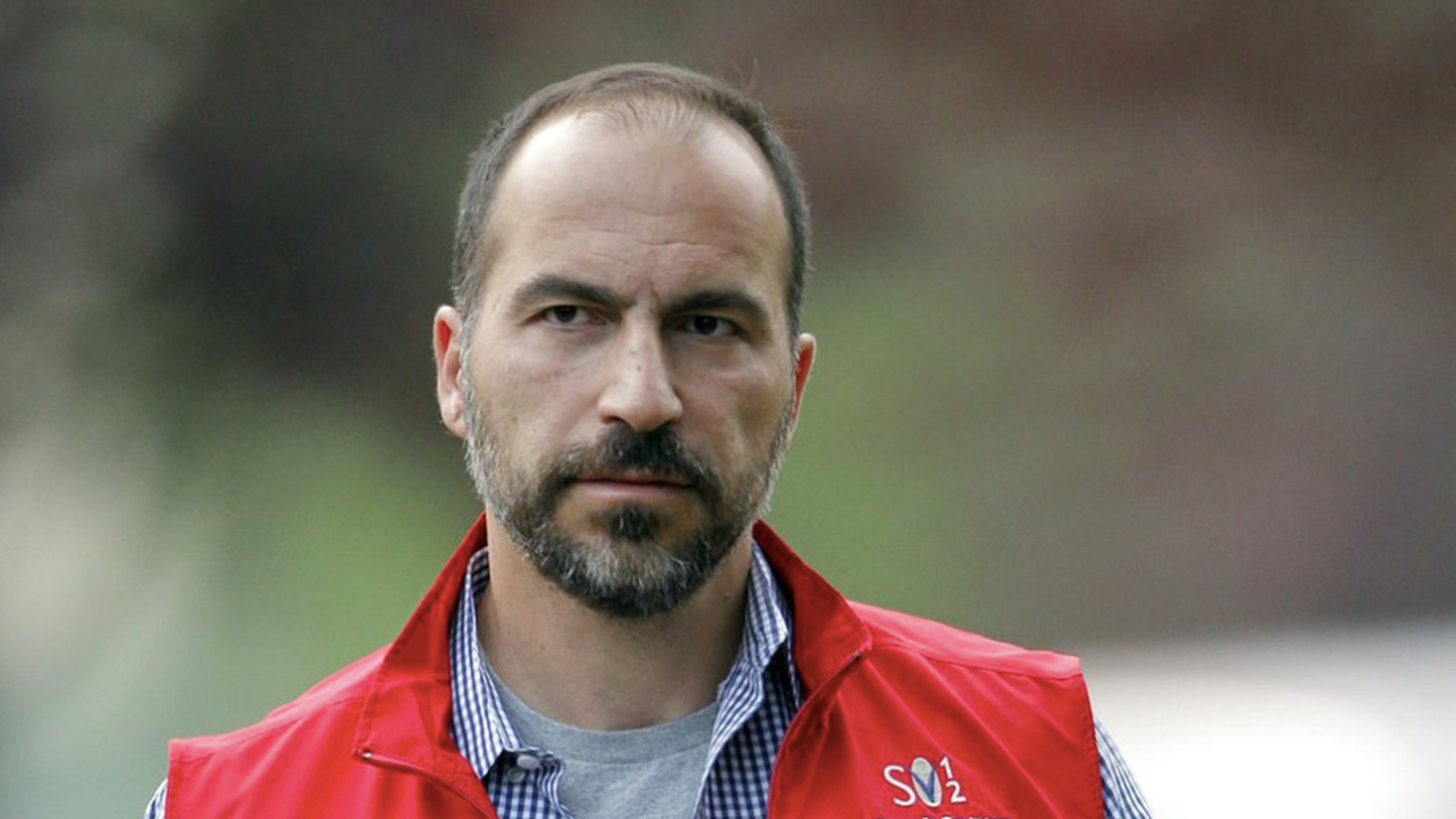
Dara Khosrowshahi, the new CEO of Uber, has resigned from the board of directors of the New York Times Company, which operates the newspaper, according to a new SEC filing. Khosrowshahi joined the board in 2015.
Clean slate: The filing states that he's stepping down "in light of his new role and increased responsibilities as Chief Executive Officer of Uber Technologies, Inc." His resignation will also help dispel some concerns over potential conflicts of interests as the news publication continues to cover Uber.
Khosrowshahi also on the board of Fanatics, and an investor in Convoy, which competes his company's UberFreight division.

VR's tough demand: Your undivided attention
/2017/12/15/1513305371840.gif?w=3840)
If you want to know why virtual reality hasn't taken off, you might want to blame our addiction to smartphones.
Why? While the power of VR is to be transported into an immersive experience, consumers will demand a lot out of something that makes them give up Twitter and Facebook, even for a few minutes.
One perspective: "It has to be a really compelling reason to get you to give up all that," Shauna Heller, a former Oculus worker who now consults on VR projects, said Thursday at the Mobile Future Forward conference near Seattle. "There aren't just a ton of those reasons just yet."
Possible current uses:
- Education is a prime use, in that it already requires full attention for the brain to really learn new material.
- Conquering fears or playing games probably also qualify.
"When those things fall away, the compelling reasons to put on a headset fall away with them," she said.


5 potential contenders for Amazon's next headquarters
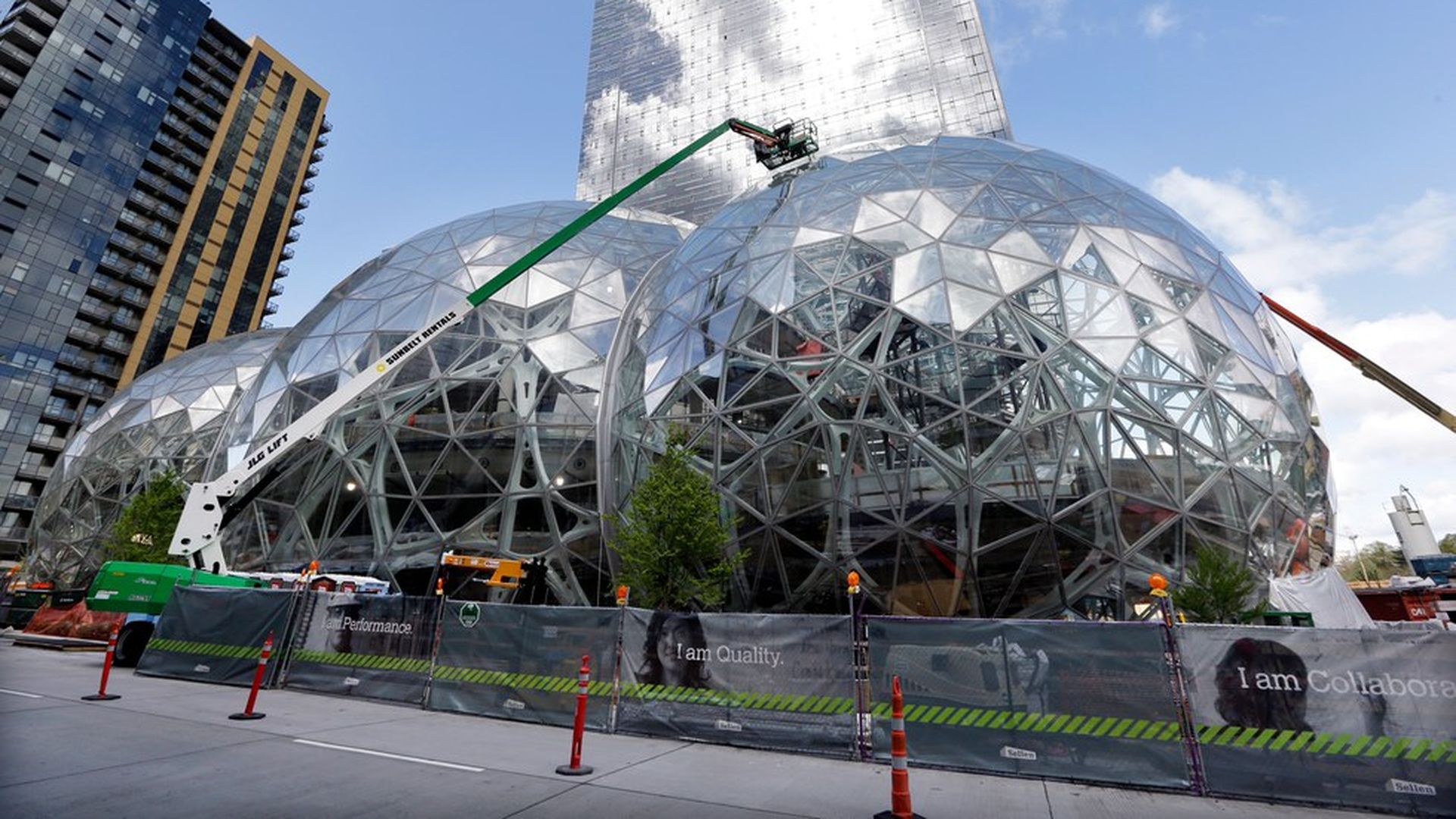
Amazon's search for a second headquarters has cities across the country scrambling to roll out the red carpet for the company, which promises to bring 50,000 new jobs and $5 billion investment — and immediate "tech hub" cred that so many communities covet. Based on the criteria Amazon provided, as well as the tech giant's political reality, we came up with a list of top five possible contenders to become Amazon's second mothership.
The five cities: Denver, Chicago, Phoenix, Minneapolis and Detroit.
Report: Google in talks to buy HTC's smartphone business
HTC is reportedly in advanced talks to sell its smartphone business to Google, according to a report in a Taiwanese outlet spotted by Business Insider. Financial details aren't available, but the deal would reportedly only involve HTC's smartphone R&D team. HTC has previously been rumored to be considering selling part or all of its business, which include the smartphone operations as well as its Vive virtual reality unity.
Google declined to comment.
Deja Vu: Google bought Motorola several years back and drastically pared it down before selling it to Lenovo a couple years later.
Irony: Rick Osterloh, who ran Motorola at Google, now runs Google's hardware unit, which presumably would be the one that would inherit the HTC team.
Strategic value questionable: Motorola arguably had far greater assets, strong brand and patent portfolio, in addition to a larger hardware business. It's not clear what HTC would bring, aside from some additional hardware expertise to Google's Pixel team.

FTC settles with social media 'influencers' over alleged deception
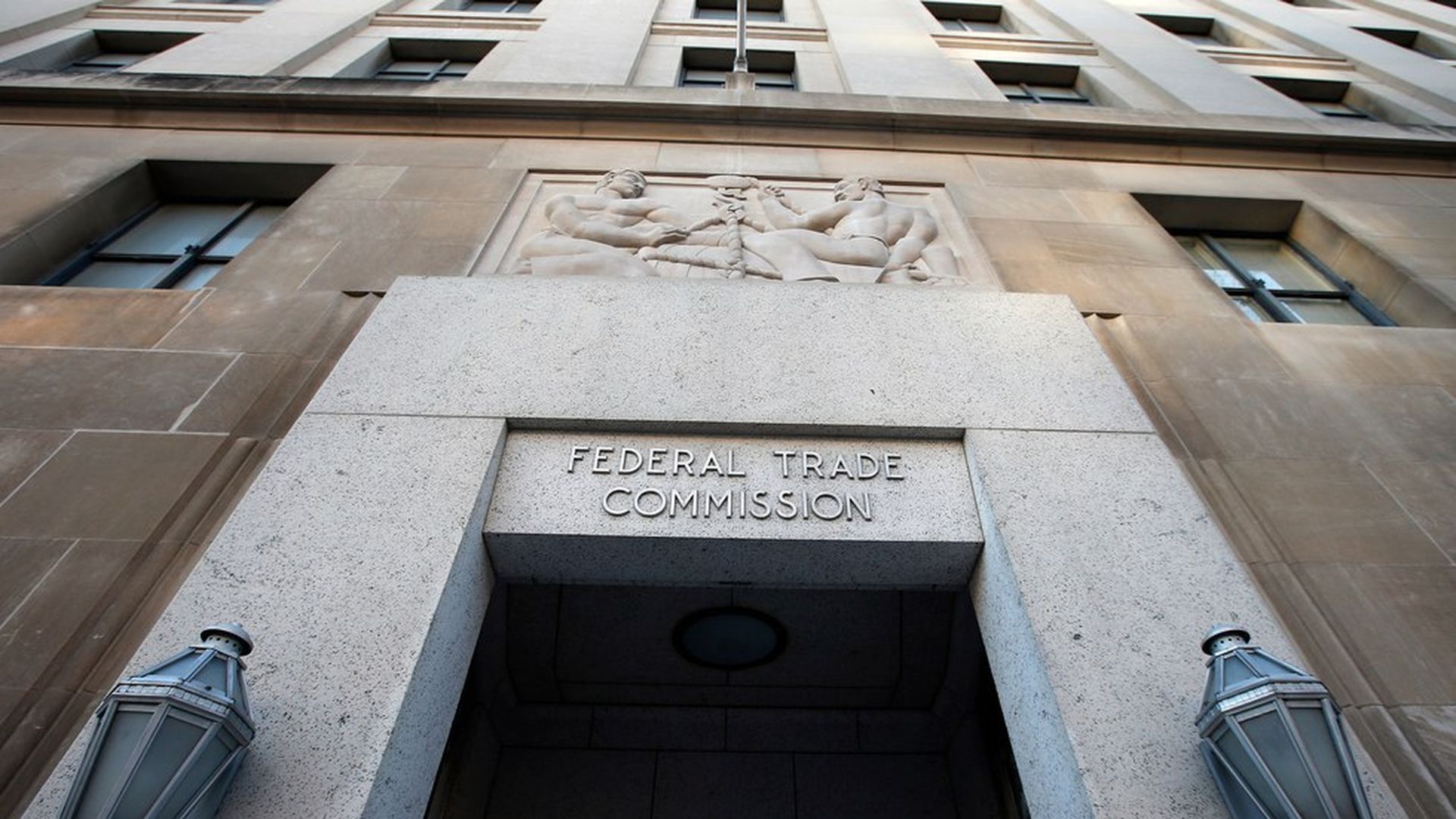
Two social media influencers reached a settlement with the Federal Trade Commission, which claimed they endorsed a website without telling their fans they also owned the company.
Why it matters: This was the FTC's first action taken against individual social media influencers. That's a big deal in a world where popular social media users are increasingly taking money from brands to advertise products to their followers. Today the FTC released an updated version of their endorsement guide, warning individuals to disclose their business interests when sharing paid posts on Instagram, Snapchat and other platforms.
Amazon wants a second North American headquarters
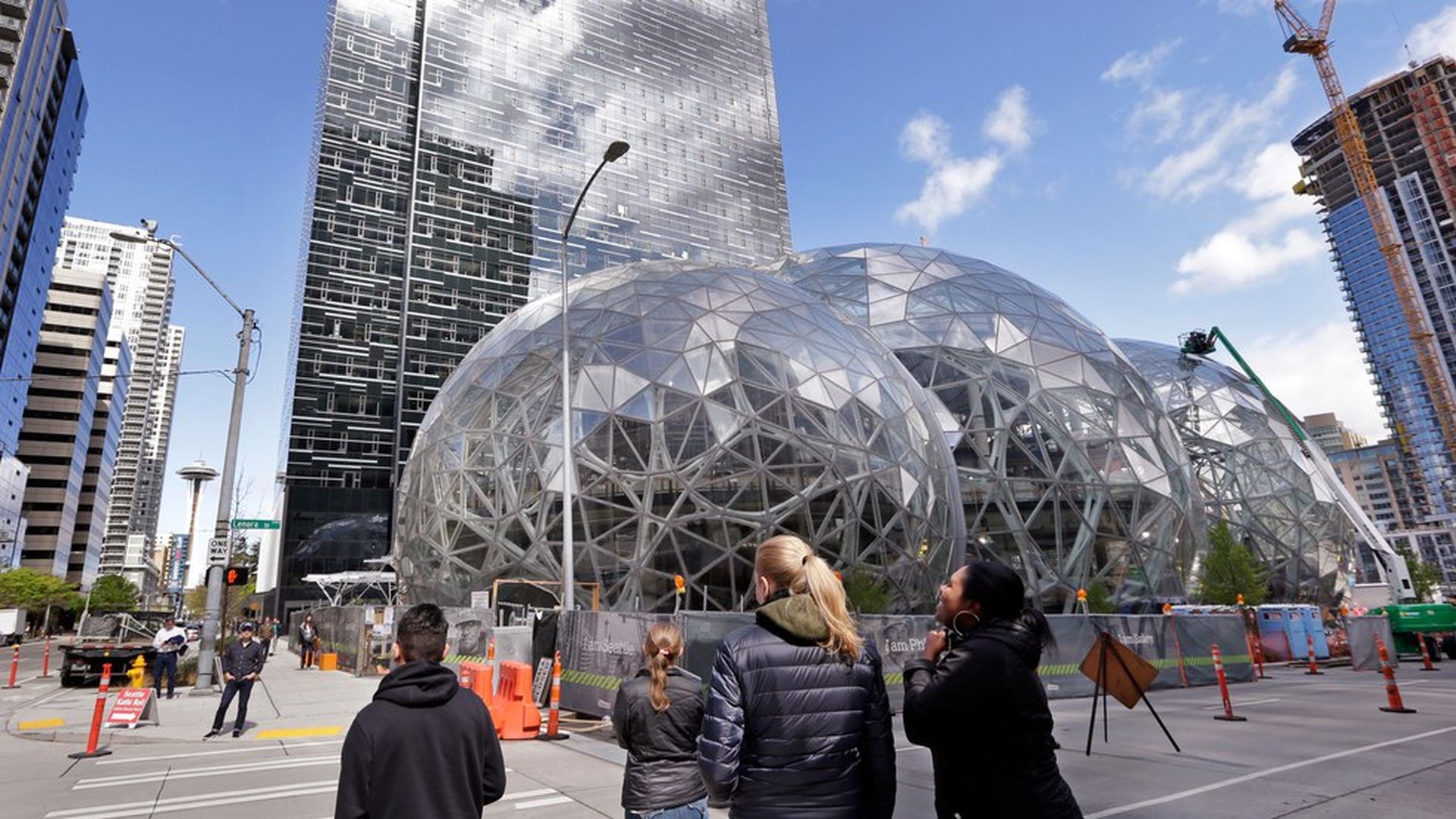
Amazon announced Thursday that it has opened a search for a second U.S. headquarters, where it will expand to 50,000 employees and invest $5 billion in construction and operations.
Why it matters: This announcement is a way for the company to show the benefits of its bigness: it has the means to spur major economic development in a state that needs it. Expect Amazon to look for potential headquarter cities in the Midwest and Rust Belt that have fallen on hard times.
Why now: Amazon is growing fast, which is starting to worry some policy makers about the disproportionate control the company increasingly has on a number of markets and what that means for mainstay retail operations in American communities (i.e. grocery stores). Meanwhile, many cities in the U.S. are struggling with the fall of mid-western manufacturing jobs and the concentration of high-paying tech jobs on the west coast.
Sex-trafficking bill hits a nerve in Silicon Valley

Of all the policy fights big internet companies are facing this fall, a sex-trafficking bill with bi-partisan support on the Senate has them rattled the most. And it has the potential to escalate quickly as critics of Silicon Valley firms look for opportunities to hit them where it hurts.
What it does: The bill, backed by senators Rob Portman and Richard Blumenthal, aims to hold online platforms liable for illegal ads that led to sex-trafficking.
Why it matters: Internet companies including Google, Facebook and Amazon say that the bill threatens the core of their business models — because they couldn't have grown to their current size if they were responsible for all of the content they host. But by opposing the measure, they're being painted as not doing enough to help the victims of sex-trafficking.