Wednesday's technology stories

Dem has "more questions" after Facebook discloses Russian-bought ads
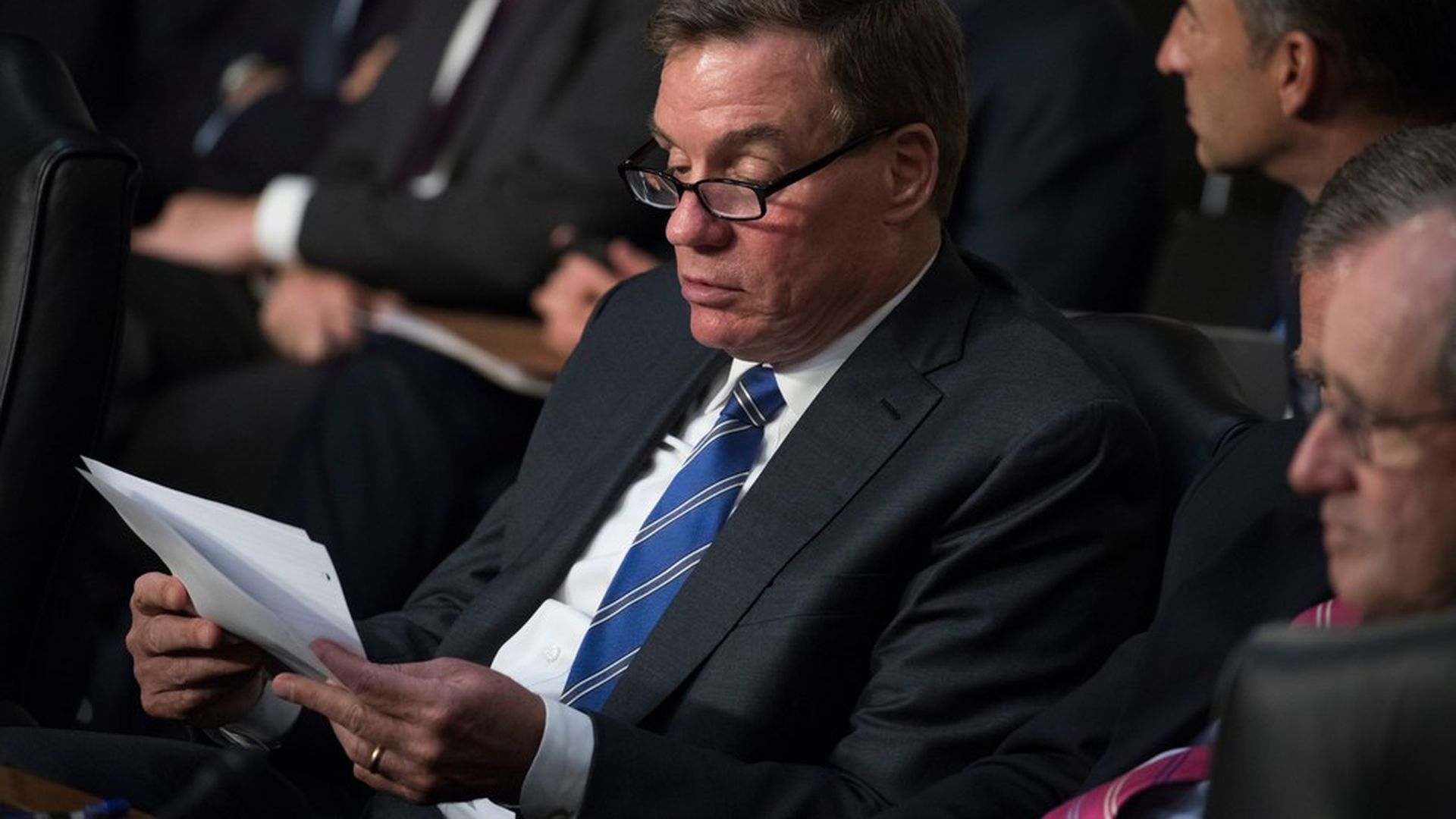
The top Democrat in a congressional investigation of Russia's influence on the election wants more information from Facebook following the social giant's disclosure that thousands of ads focused on divisive issues were likely purchased by a Russian operator between mid-2015 and earlier this year.
"I'd like to get a more comprehensive look than perhaps what we got today," said Mark Warner, the lead Democrat on the Senate Intelligence Committee. "I think today was a good first step, but I think there's more to come."
Facebook tells investigators about ads linked to Russia
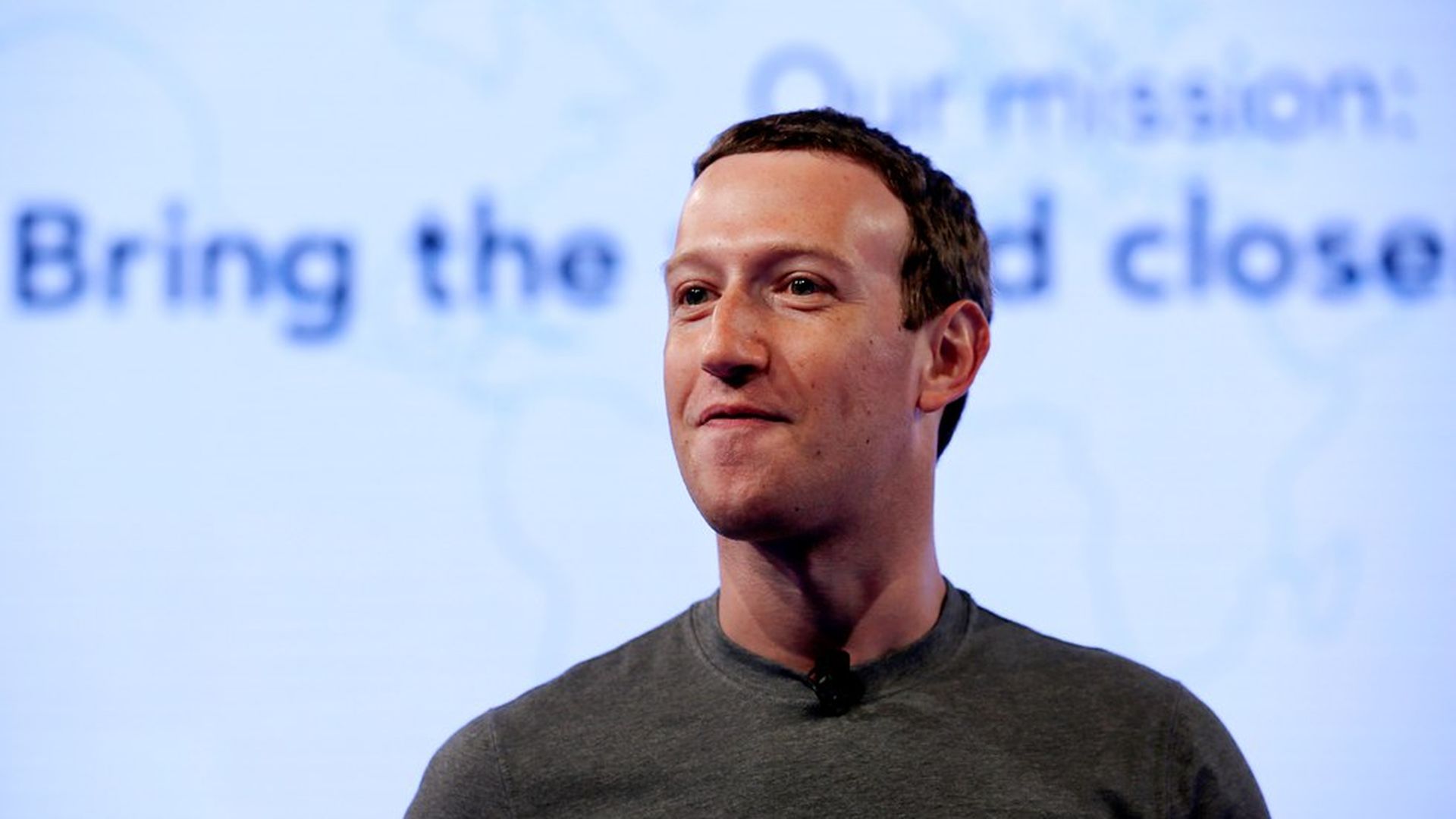
Facebook has told authorities investigating Russia's influence on the 2016 election about thousands of ads likely linked to Russia, many of which were connected to "inauthentic" accounts and Pages and focused on drawing attention to divisive social issues.
Why it matters: Congressional investigators — particularly Senate Intel Committee Vice Chair Mark Warner — have raised concerns about the possibility that Facebook's ad targeting tools could have been used to boost the spread of so-called "fake news" with the intention of influencing the election. That's raised questions about whether the Trump campaign could have worked with Russian actors to target that content.
This marks a shift for Facebook: Back in July, a company spokesperson told CNN said, "we have seen no evidence that Russian actors bought ads on Facebook in connection with the election." Importantly, the company isn't claiming to have uncovered any Russian government involvement with the accounts.
Self-driving debate moves to Senate as House clears bill
/2017/12/15/1513305319547.gif?w=3840)
House lawmakers approved a bill Wednesday that will allow federal authorities to supersede some state standards for self-driving vehicles in an early attempt to avoid a patchwork of regulations that could hinder the prospects of the nascent technology.
What's next: Transportation Secretary Elaine Chao is expected to announce updated guidance for self-driving vehicles next week. And a group of Senators are working on their own legislative package to tackle the issue. Senate Commerce Committee Chairman John Thune said Wednesday that draft text of that proposal could come "by the end of this week."
The flashpoint: Trucks. Senate Democrats are under pressure from labor unions who want them to follow their House colleagues in excluding from their bill commercial vehicles like trucks and buses, where automation could eliminate a significant number of jobs. Thune sounds skeptical. "That's what the Democrats want but at some point we have to address trucks," he told reporters, noting his committee had scheduled a hearing on the trucking issue for next week.
House prepares to take a big step on self-driving cars
Today the House is expected to pass the first major legislation to speed up the rollout of self-driving cars — an early step to outline standards for artificial intelligence-driven technologies. But there's still a long way to go before Silicon Valley and Detroit can fill the roads with driverless cars.
Why it matters: The bill's main provision would let the federal government preempt some state laws when it comes to self-driving cars — eliminating the potential for a patchwork of state regulations that would make it hard for the autonomous vehicle market to take off.
What's next: Department of Transportation Secretary Elaine Chao is expected to release revised guidelines for autonomous vehicles in the coming weeks — a year after the Obama administration published its first policy statement on the issue. The National Highway Traffic Safety Administration will also need to do its own rule-makings to develop specific safety standards for autonomous vehicles. The top job at that agency, however, is still vacant under the Trump administration.

Blackstone scraps $2.8b Australian mall sale amid Amazon arrival
Private equity giant Blackstone Group has abandoned the sale of its $2.8 billion Australian shopping mall portfolio amid buyers' fears that Amazon's pending Australian debut will hit brick-and-mortar stores hard, per Reuters. Instead, Blackstone will focus on renovating the malls to make them more competitive for the e-commerce giant's arrival.
"They had strong offers, but only for individual assets, not for the whole 10 (malls)," a source told Reuters. "There's been a hit on retail-sector sentiment because of the emergence of Amazon."
Why it matters: If Blackstone, the world's biggest alternative asset manager, can't keep up with even the mere mention of Amazon's arrival, then there is little hope that other small Australian companies will be able to either.