Sunday's technology stories

Amazon may get a multi-billion-dollar tax break

Amazon stands to reap billions of dollars in tax breaks and other incentives in what is shaping up as a feverish, sweepstakes-style contest among North American cities to host its second headquarters and up to 50,000 new jobs, experts say. Judging by other recent such competitions, the bids could reach $10 billion or even higher.
- In the likelihood that the bidding does reach such rich sums, the contest could rapidly reduce the number of cities and states that could afford to compete.
- A high price tag could hurt Amazon itself if it undercuts a locality's ability to fund good public schools, hospitals and infrastructure, the building blocks of both a successful business environment, and the high quality of life that attracts and keeps solid employees.
- The announcement comes as Big Tech — Amazon along with Apple, Facebook, Google and Microsoft — are already under increasing scrutiny for how they exercise their outsized market power.

Life's third act: man and machine
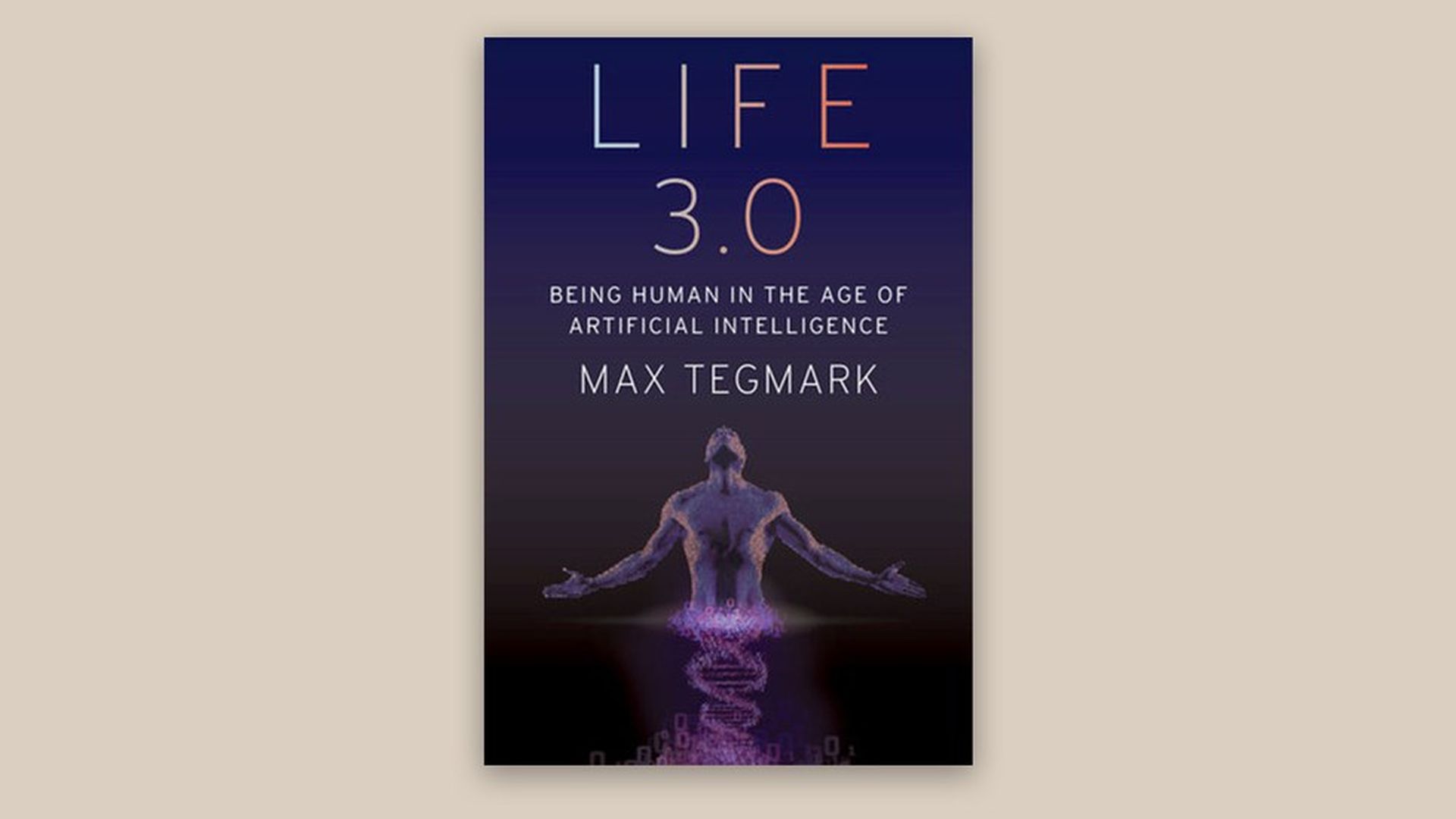
What role will the human race play in an age when artificial and superhuman intelligence roam the universe? MIT cosmologist Max Tegmark argues that we are thinking about the question all wrong.
To start out, the Stockholm-born Tegmark, a co-founder of the star-studded Future of Life Institute, refuses to be limited by a conventional understanding of life. Rather than springing from metabolizing cells, life in a post-biological world, he says, will be "a self-replicating information-processing system whose information (software) determines both its behavior and the blueprints for its hardware."
This of course describes DNA—the basis for all known life forms. But it also makes room to see artificial intelligence itself as a living thing.

Russia, AI, and the future of war

Russian President Vladimir Putin has rattled Elon Musk and many others since saying of artificial intelligence, "Whoever becomes the leader in this sphere will become the ruler of the world." Putin's more assuring subsequent remarks while speaking to Russian schoolchildren on Sept. 2 were lost in the din — that such an outcome was not optimal, and that if Russia is the one to break through and lead AI, "we will share our technology with the rest of the world, like we are doing now with atomic and nuclear technology."
This, according to a new report from Harvard's Belfer Center, is because of Putin's recent history of shaking the foundations of the West. Simply put, co-author Gregory C. Allen said in an email exchange with Axios, there is much to fear from Russia in a coming age of AI-enhanced warfare: China, the U.S. and Russia are leading the charge toward AI-enhanced warfare. But the nature of the new warfare plays to Russia's strengths.

Lyft's aims at Uber's attitude
"It matters how you get there," actor Jeff Bridges declares at the end of a new Oregon Trail-themed TV ad for ride-hailing company Lyft set to debut during NFL games this Sunday.
Our thought bubble:The ad takes aim at rival Uber's recent troubles over some of its potentially illegal practices (it's faced multiple probes and lawsuits in the last six months). Uber has often been described as having an aggressive culture focused on the ends over the means, something Lyft is suggesting may be the wrong attitude. The new ad also contrasts with a spot Lyft released last year in which it portrayed rival Uber in a much more obvious terms—three business executives sad around a dark-walled conference room at "Ride Corp.," spying on Lyft's customers.