Monday's technology stories

GM's Cruise introduces its next-gen self-driving cars
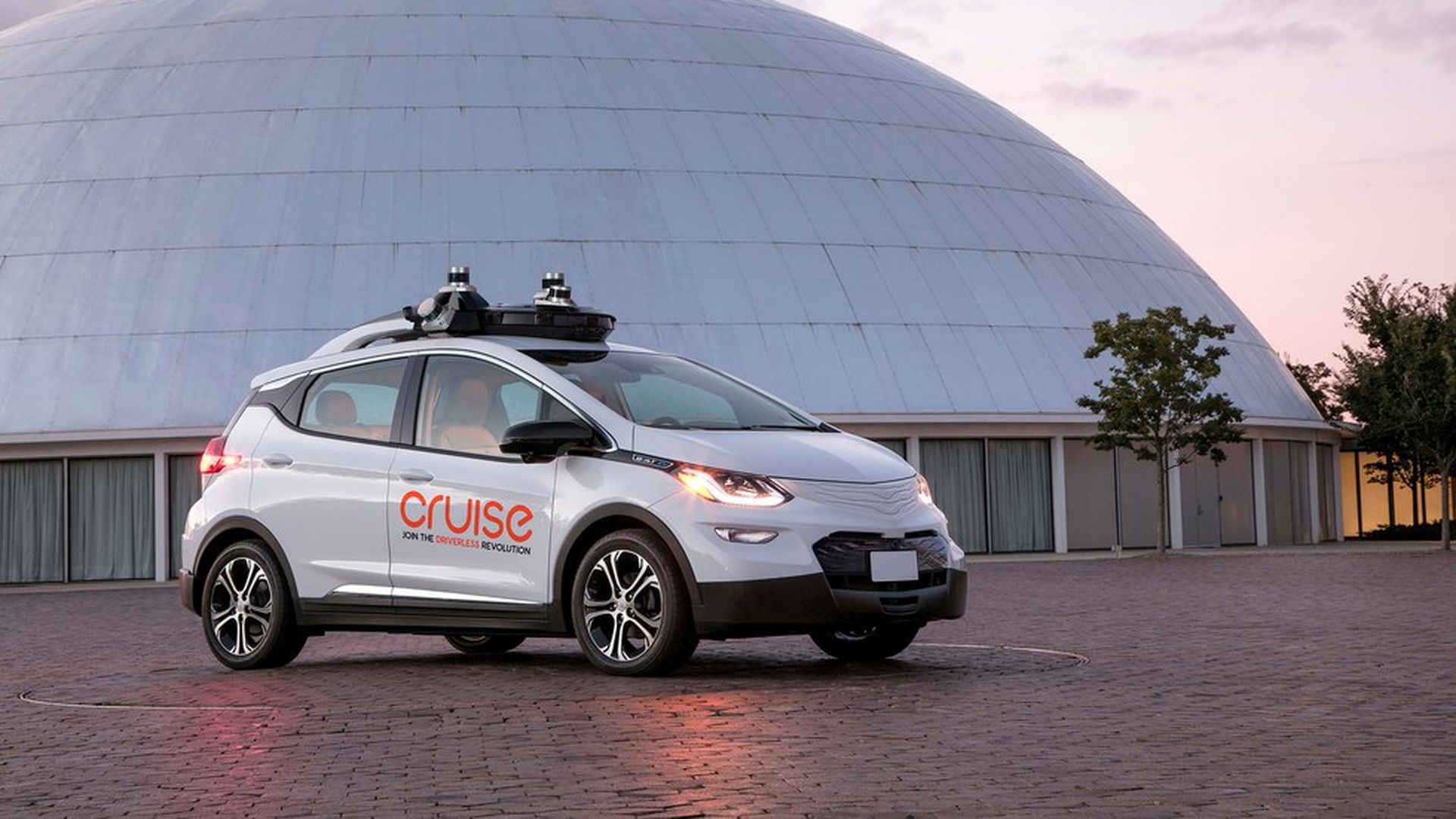
Cruise, the self-driving car startup that sold to General Motors last year, has reached a new milestone: it has a self-driving car model, based on its Bolt electric vehicle, that's now ready for the factory production line and ride-hailing passengers.
Why it matters: Cruise touts this new development as a giant step that puts it ahead of the competition. No one else, the company claims, has a "production design" self-driving car ready to roll off the factory line. This is also a reminder that unlike startups in the space, Cruise has the resources of a century-old automaker.

What Apple leaks tell us about the new iPhones

A leaked version of iOS 11 over the weekend confirmed much of what was already known and suspected about the new iPhones and other Apple devices.
- There will be three new iPhones. Two are incremental updates to the iPhone 7 and iPhone 7 Plus while the third is the all-new design with the edge-to-edge screen and lack of a physical home button. The leak suggests the phones will bear the names iPhone 8, iPhone 8 Plus, and iPhone X.
- As we have reported, the face recognition feature on the iPhone X will be a big, big deal.
- The Apple Watch will come in a connected, LTE-equipped version.
T-Mobile COO explains why the 'uncarrier' strategy is working
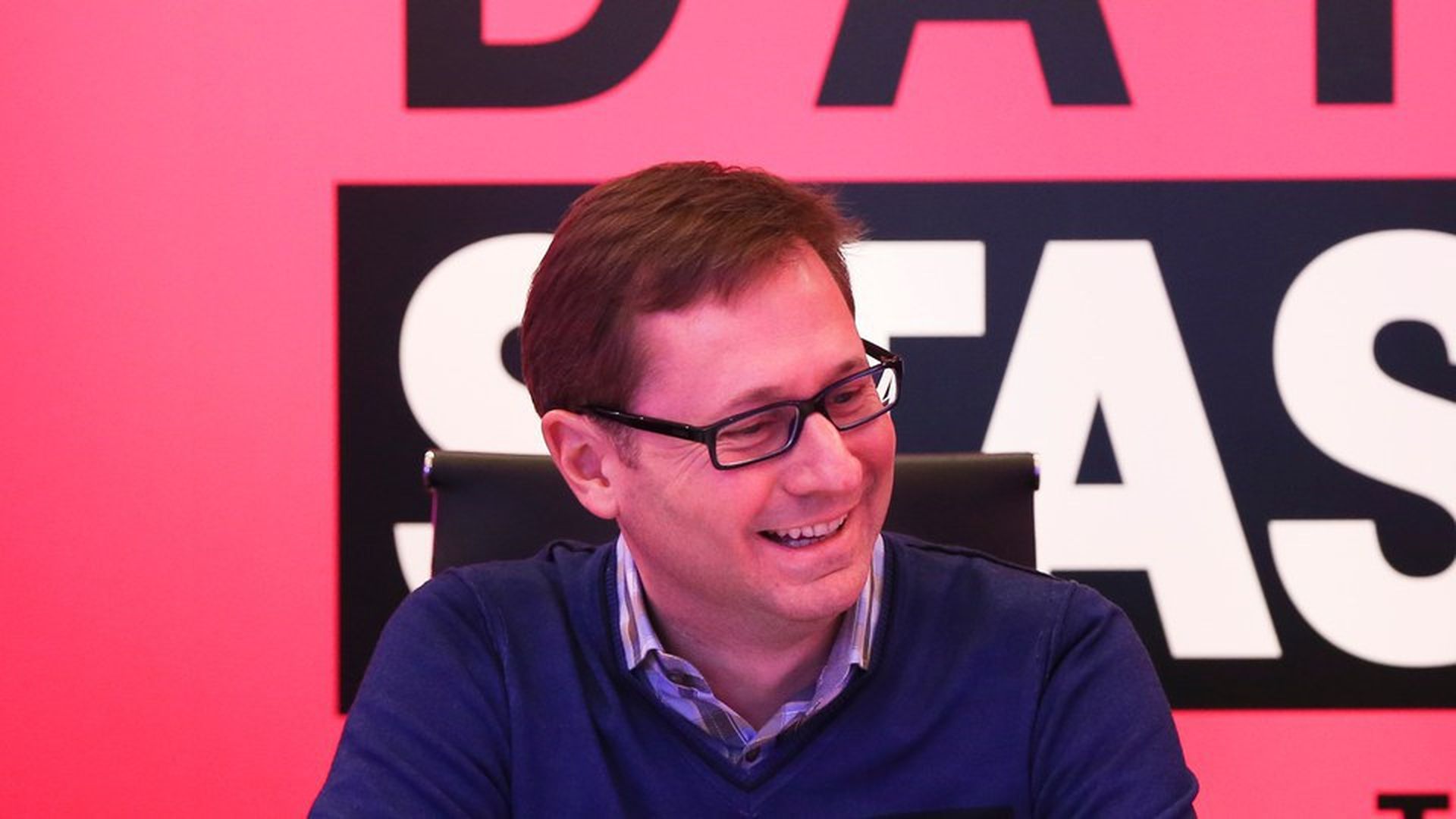
The sign hanging in T-Mobile COO Mike Sievert's office tells you much about his philosophy and that of T-Mobile USA:
Orville Wright did not have a pilot's license.
Its moves: In the past five years, T-Mobile has helped change much about the U.S. mobile industry, from ending two-year contracts and spurring a return to unlimited data, to free streaming of music and video. It's also helped move T-Mobile from a distant No. 4 to a feisty No. 3 that is consistently stealing customers from larger rivals AT&T and Verizon.
"Our strategy is working," Sievert said in an interview at the company's headquarters in the Seattle suburb of Bellevue. "AT&T, Sprint and Verizon are all in service revenue decline and have been for a while we're growing significantly."

Chief wireless lobbyist on the global race to 5G
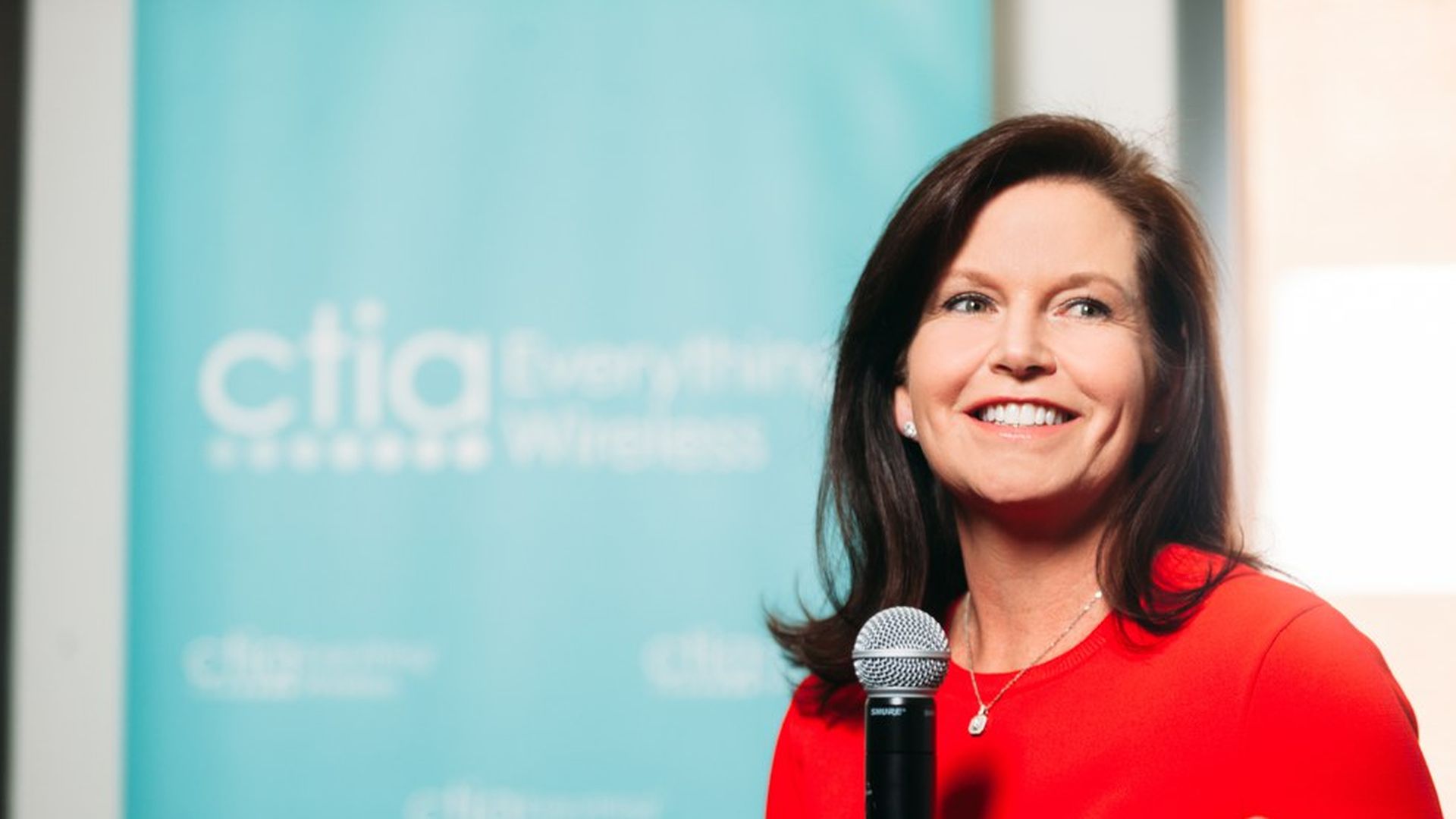
Mobile World Congress Americas kicks off today in San Francisco, and on the docket is plenty of talk about 5G technology and how it will power the Internet of Things, mobile entertainment and connected cars. Ahead of the show, Axios caught up with Meredith Attwell Baker, former Commerce Department official and FCC Commissioner who is now the wireless industry's chief lobbyist in Washington.
Why it matters: The wireless industry can't seem to get it's hands on enough airwaves to power networks to handle demand by smartphone-obsessed consumers. Wireless streaming and other content-rich applications are only increasing the competition for bandwidth. 5G networks take advantage of high-frequency airwaves that don't travel as far, raising the need for twice as many cell sites to power them.

IBM has given $240 million for a new AI research lab at MIT
IBM has donated $240 million to MIT for a new joint laboratory to research artificial intelligence, instantly producing one of the richest academic-industry efforts in the world. Anantha Chandrakasan, MIT's new dean of engineering, told Axios that the 10-year IBM grant is the result of discussions that began only in the summer, and will result in the establishment of the MIT–IBM Watson AI Lab.
The lab, to involve more than 100 AI scientists from both IBM and MIT, will conduct fundamental research and encourage faculty and students to spin out companies from discoveries they develop.
The lab's establishment comes amid an AI research-and-commercialization frenzy at universities, in Silicon Valley and in tech companies around the world, all attempting to capture part of what is seen as an inflection point in the next economy — the shift to intelligent products. In 2015, for instance, Toyota announced more than $1 billion in funding for its own center, plus research at both MIT and Stanford.

Amazon may get a multi-billion-dollar tax break

Amazon stands to reap billions of dollars in tax breaks and other incentives in what is shaping up as a feverish, sweepstakes-style contest among North American cities to host its second headquarters and up to 50,000 new jobs, experts say. Judging by other recent such competitions, the bids could reach $10 billion or even higher.
- In the likelihood that the bidding does reach such rich sums, the contest could rapidly reduce the number of cities and states that could afford to compete.
- A high price tag could hurt Amazon itself if it undercuts a locality's ability to fund good public schools, hospitals and infrastructure, the building blocks of both a successful business environment, and the high quality of life that attracts and keeps solid employees.
- The announcement comes as Big Tech — Amazon along with Apple, Facebook, Google and Microsoft — are already under increasing scrutiny for how they exercise their outsized market power.

Life's third act: man and machine
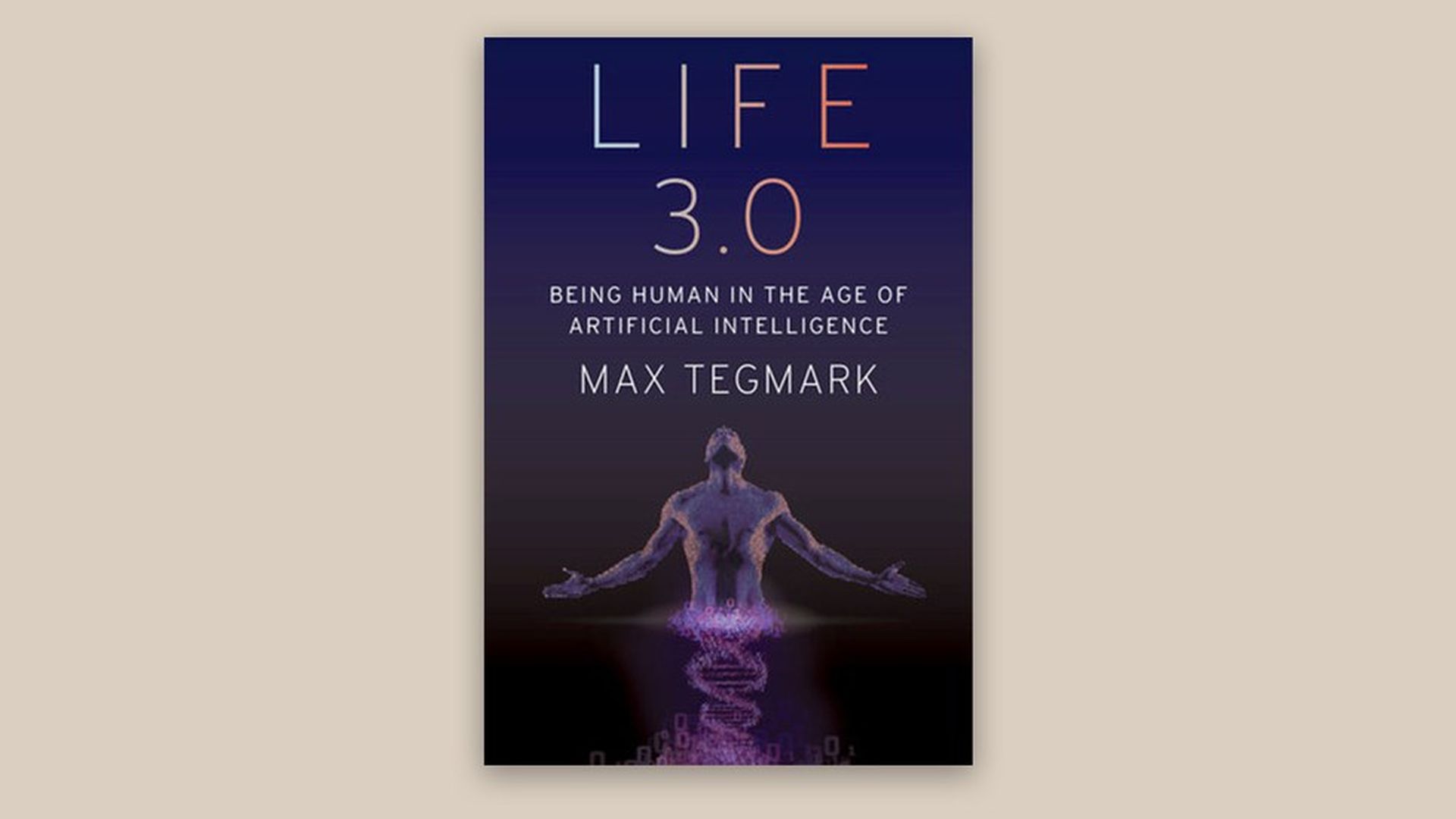
What role will the human race play in an age when artificial and superhuman intelligence roam the universe? MIT cosmologist Max Tegmark argues that we are thinking about the question all wrong.
To start out, the Stockholm-born Tegmark, a co-founder of the star-studded Future of Life Institute, refuses to be limited by a conventional understanding of life. Rather than springing from metabolizing cells, life in a post-biological world, he says, will be "a self-replicating information-processing system whose information (software) determines both its behavior and the blueprints for its hardware."
This of course describes DNA—the basis for all known life forms. But it also makes room to see artificial intelligence itself as a living thing.
Russia, AI, and the future of war

Russian President Vladimir Putin has rattled Elon Musk and many others since saying of artificial intelligence, "Whoever becomes the leader in this sphere will become the ruler of the world." Putin's more assuring subsequent remarks while speaking to Russian schoolchildren on Sept. 2 were lost in the din — that such an outcome was not optimal, and that if Russia is the one to break through and lead AI, "we will share our technology with the rest of the world, like we are doing now with atomic and nuclear technology."
This, according to a new report from Harvard's Belfer Center, is because of Putin's recent history of shaking the foundations of the West. Simply put, co-author Gregory C. Allen said in an email exchange with Axios, there is much to fear from Russia in a coming age of AI-enhanced warfare: China, the U.S. and Russia are leading the charge toward AI-enhanced warfare. But the nature of the new warfare plays to Russia's strengths.