Wednesday's technology stories

Facebook releases video chat app Bonfire in Denmark
Facebook video chat app, said to rival the popular Gen Z/millennial video group app Houseparty, is currently available in the Danish app store, The Next Web reports. The app reportedly lets users use Snapchat-like effects and filters.
Details around the product launch were first reported by The Verge in July. The new app would be called Bonfire and is reportedly aimed for a fall release.
Why it matters: Houseparty has proven to be very successful amongst a generation of younger people that studies show have recently been migrating over to Facebook rival, Snapchat. Facebook has made strategic investments in digital features, services and apps that eat at the user growth and success of competing apps or digital companies, like Snapchat, GoFundMe, Periscope, and Apple. Some have argued that the practice raises anti-trust concerns.

Silicon Valley faces a dangerous political shift

We've been sounding the alarm on this for months, and BuzzFeed editor-in-chief Ben Smith captures it perfectly in "There's blood in the water in Silicon Valley":
Facebook should probably ease out of the business of bland background statements and awkward photo ops, and start worrying about congressional testimony. Amazon, whose market power doesn't fall into the categories envisioned by pre-internet antitrust law, is developing a bipartisan lobby that wants to break it up. Google's public affairs efforts are starting to look a bit like the oil industry's.
These are the existential collisions with political power that can shake and redefine industries and their leaders, not the nickel-and-dime regulatory games Silicon Valley has played to date.
Be smart: This is the most important under-appreciated trend reshaping politics/tech/biz.

Report: Amazon considering Boston for second headquarters

Amazon has been considering locating its second headquarters in Boston, a person briefed on the matter told Bloomberg. That push is coming from "several senior" Amazon executives, Bloomberg's Spencer Soper reports.
Why it matters: Amazon says its new headquarters will cost $5 billion and create 50,000 jobs over about 15 to 17 years.
A source briefed on the matter said Boston's advantages include its proximity to Harvard and MIT, direct flights to Seattle and Washington, D.C. and a lower cost of living than some other big cities. Boston Mayor Marty Walsh was enthusiastic last week about Amazon's search, tweeting that it was "an incredible opportunity."
Go deeper:
Update: Amazon has now replied to the report on Twitter saying, "Bloomberg is incorrect - there are no front-runners at this point. We're just getting started & every city is on equal playing field"
Kremlin-linked operatives used Facebook to organize political events in U.S.
Russian operatives with reported links to the Russian government remotely organized anti-immigrant rallies in the U.S. by using Facebook Events, The Daily Beast reports.
The events reportedly included an August 2016 anti-immigrant and anti-Muslim rally in Idaho. The Facebook page behind that event had 133,000 followers when the social network shut it down last month.

Trump administration makes move on self-driving cars
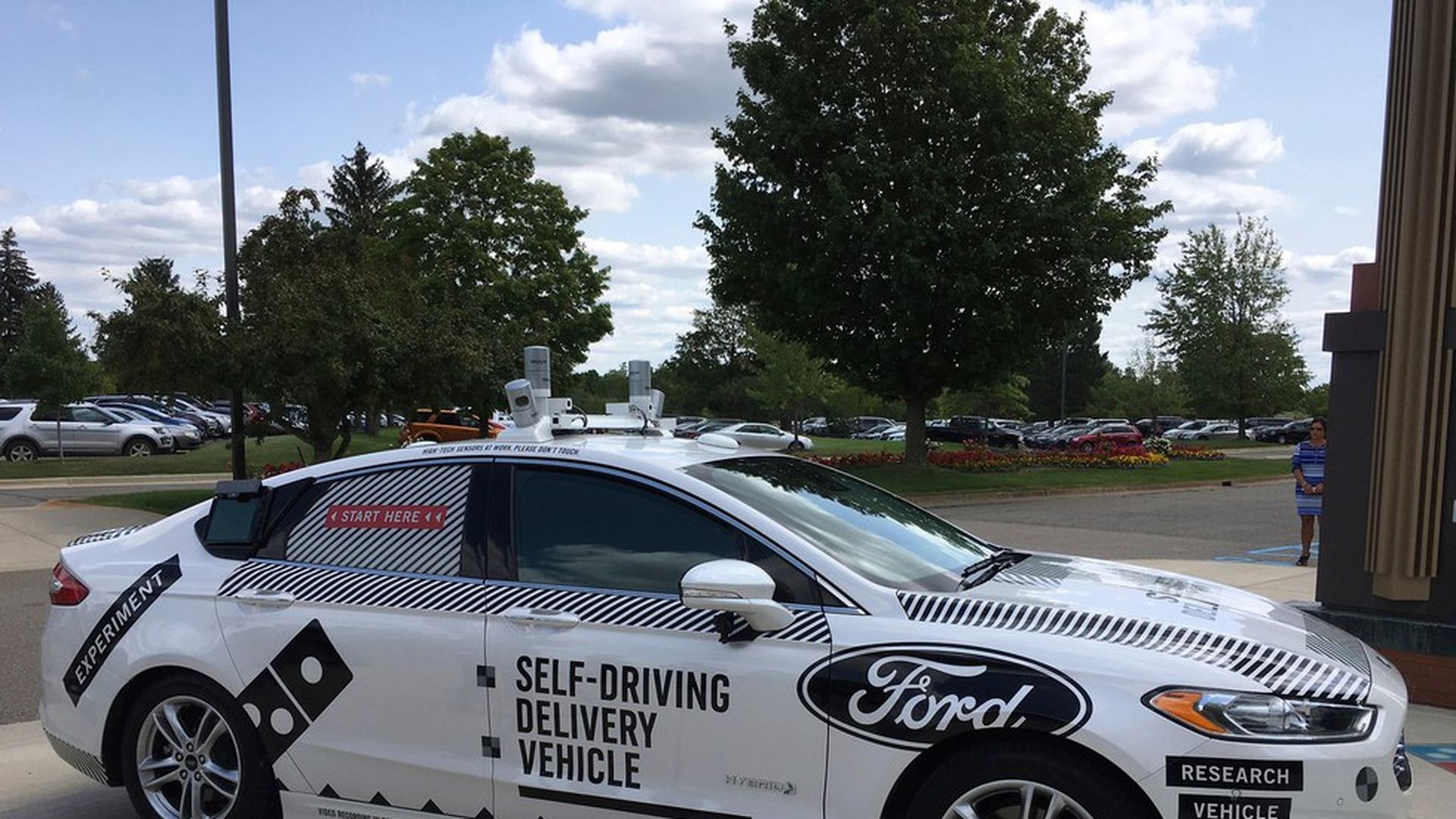
The Trump administration took its first step into the regulation of self-driving cars and trucks that could transform the nation's roadways. Transportation Secretary Elaine Chao rolled out updated voluntary guidelines for the vehicles during an appearance in Michigan:
- They clarify that you don't need to get pre-approval from the Department of Transportation before deploying a autonomous vehicles, the department's agency tasked with the issue said on Tuesday. That's in line with the industry-friendly leanings of the Trump administration.
- They also make other changes industry will appreciate, like pulling back on data-sharing requirements for companies and removing privacy from a clear part of the guidance, the agency said.
- And the guidelines clear up the role of state and federal governments. Automakers and technology companies don't want a patchwork of state safety regulations.
The big picture: Federal authorities are trying to stake out their place in dealing with self-driving technology as Detroit and Silicon Valley race ahead. The House has already approved a bill that would accelerate testing, and the Senate is in the process of vetting a similar proposal.

Hands-on with Apple's new iPhone X (Video)
We (briefly) got our hands on one the iPhone X demo units after Apple introduced the high-end device. Here are some quick impressions, followed by a video of the device in action.
Apple introduces iPhone 8 and iPhone X, adds cellular to watch
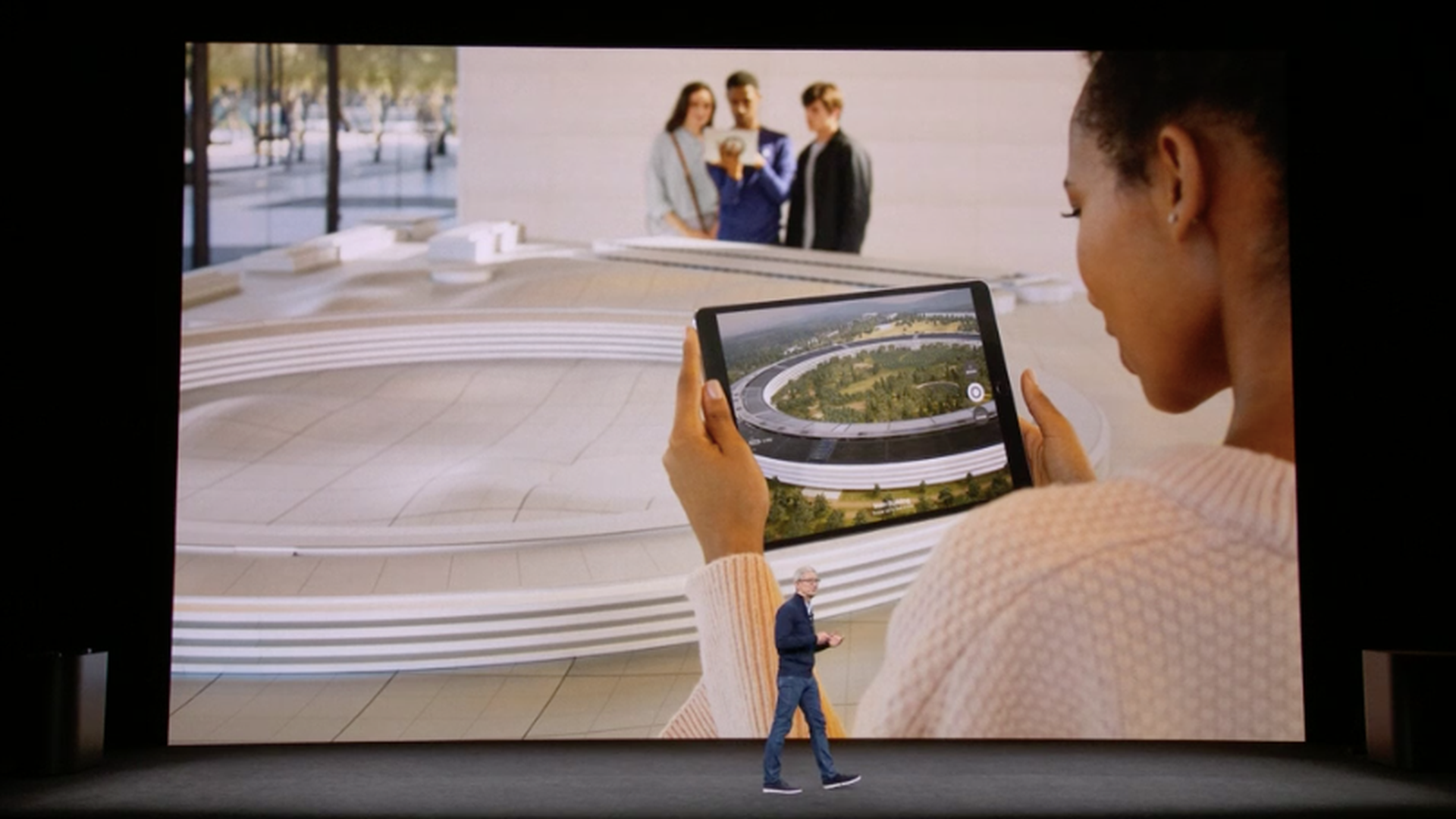
Apple's big event matched exactly what had leaked and what we said to expect. Apple has introduced the iPhone X, the iPhone 8 and iPhone 8 Plus, as well as a cellular-equipped Apple Watch and an updated Apple TV.
What to watch for at Apple's big event
/2017/12/15/1513305425197.gif?w=3840)
Thanks to some rather unprecedented leaking from within Apple's walls, we already know a great deal about what Apple is set to show off today at its brand new headquarters.
Count on three new iPhones (incremental updates to the iPhone 7 and 7 Plus, along with a high-end model with edge-to-edge screen, facial recognition and wireless charging capabilities). In addition, Apple is expected to introduce a cellular-equipped Apple Watch and an updated version of the Apple TV set-top box. Oh yeah, and iOS 11 will arrive for devices new and old.What matters most: The new iPhone dwarfs the other products in importance, as it accounts for a huge chunk of Apple's sales and profits and is critical to the company's long-term future. This iPhone, in particular, is expected to push the company in new directions as it uses a new screen technology, a different form of biometrics for securing the device and purchases, and also serves as a gateway into augmented reality.Competitive pressure: The new iPhone is paramount for Apple to maintain its edge in the face of stiff competition: Samsung and LG just introduced new phones and Google is expected to do so soon.Here are three things I'll be watching for:What do all the 3D sensors on the high-end iPhone do in addition to face recognition? I'd expect that Face ID will be the signature use, but also imagine the sensors could pave the way for more. One leaked use is to create animated emoji that mirror someone's facial expression, and I imagine there will be a lot more to come. Price and availability: As we've reported, we expect the high-end model of the iPhone to be in especially short supply. Knowing this, Apple could price it even higher than expected to ensure enough business goes to the more incremental updates, which should be easier for Apple to ship sooner. There'll be a fair bit of complaining about a high price tag, but I suspect many of those complaining will be the same ones willing to stay up until midnight to pre-order the high-end model. There's more price flexibility for phones in the U.S. given the fact most people pay in monthly installments.Augmented reality: ARKit, Apple's toolkit to make augmented reality apps mainstream, has been the iOS 11 feature developers have been most excited about and I'd expect Apple to have a much more complete story around it. Developers have been hard at work building ARKit apps based on the capabilities in iOS 11. With its dual camera and additional sensors, the new phone may be capable of even more tricks than prior devices running the new software.Plus: There are a couple of Apple products promised for this year that won't be ready to launch Tuesday. Apple has said a professional version of the iMac and the HomePod speaker should launch by December. It will be interesting to see what, if anything, Apple has to say about either product.Parting thought: There's little doubt that today's product launch will inspire many people to open their wallets. Perhaps just as important is whether, a decade in, a new iPhone can still manage to stir people's passion.