Thursday's technology stories

Why some employees critical of Uber are staying
Since Uber's avalanche of explosive allegations and controversies began earlier this year, one of the biggest questions has been: Why aren't more employees running out the door? Some executives and employees have certainly left, but many remain and continue to root for Uber's success.
Follow the money: For some employees, especially those who joined early enough, there's huge financial upside. And, until recently, walking away would have likely meant forfeiting equity.
- "How do you ask people to easily give up 95% of their potential wealth and retirement?" an investor (not in Uber) recently asked.
- Some employees who have chosen to stick around, despite being deeply critical of Uber's leadership, nevertheless would prefer to see their years of hard work ultimately pay out, two tell Axios.
Google hit with gender pay discrimination lawsuit
Three female former Google employees have filed a lawsuit against the search giant alleging gender-based pay discrimination, as the Associated Press reported. The former employees, Kelly Ellis, Holly Pease and Kelli Wisuri, all left the company after being put on career paths within the company that they say would pay them less than their male counterparts.
- The lawyer representing the women is seeking class action status to represent thousands of employees in California.
- The lawsuit comes after Google faced a probe by the Department of Labor over its employee pay after the agency found evidence of systemic pay discrimination resulting in lower wages for women.
- In 2015, nine months after leaving the company, Ellis posted a series of tweets detailing sexual harassment she said she experienced at Google from some of her male superiors, including inappropriate comments about her looks. Google's HR department reprimanded her for reporting the incidents instead of helping her, she said.
Update: In a statement, Google said it had yet to review the lawsuit in detail, but said "we disagree with the central allegations.

Why Apple might plow $3 billion into Toshiba's chip business
Apple is close to investing upwards of $3 billion for a stake in Toshiba's chip business, per Bloomberg. That would be as much more than the company spent on its biggest-ever acquisition, Beats Electronics. But in many ways, this would be less surprising than that deal. Apple declined to comment.
- While Apple doesn't generally do big acquisitions, securing component supply is an area where Apple is known for spending big. So, the notion that the company might be willing to invest $3 billion for a minority stake isn't actually so crazy.
- Right now the company is highly dependent on Samsung, a key rival, for memory chips.
- But: A Toshiba deal wouldn't end apple's reliance on Samsung. The Korean electronics giant also manufactures some of Apples other chips and is likely the main supplier of the OLED screen for the iPhone X.

Risky driving near schools peaks in afternoons
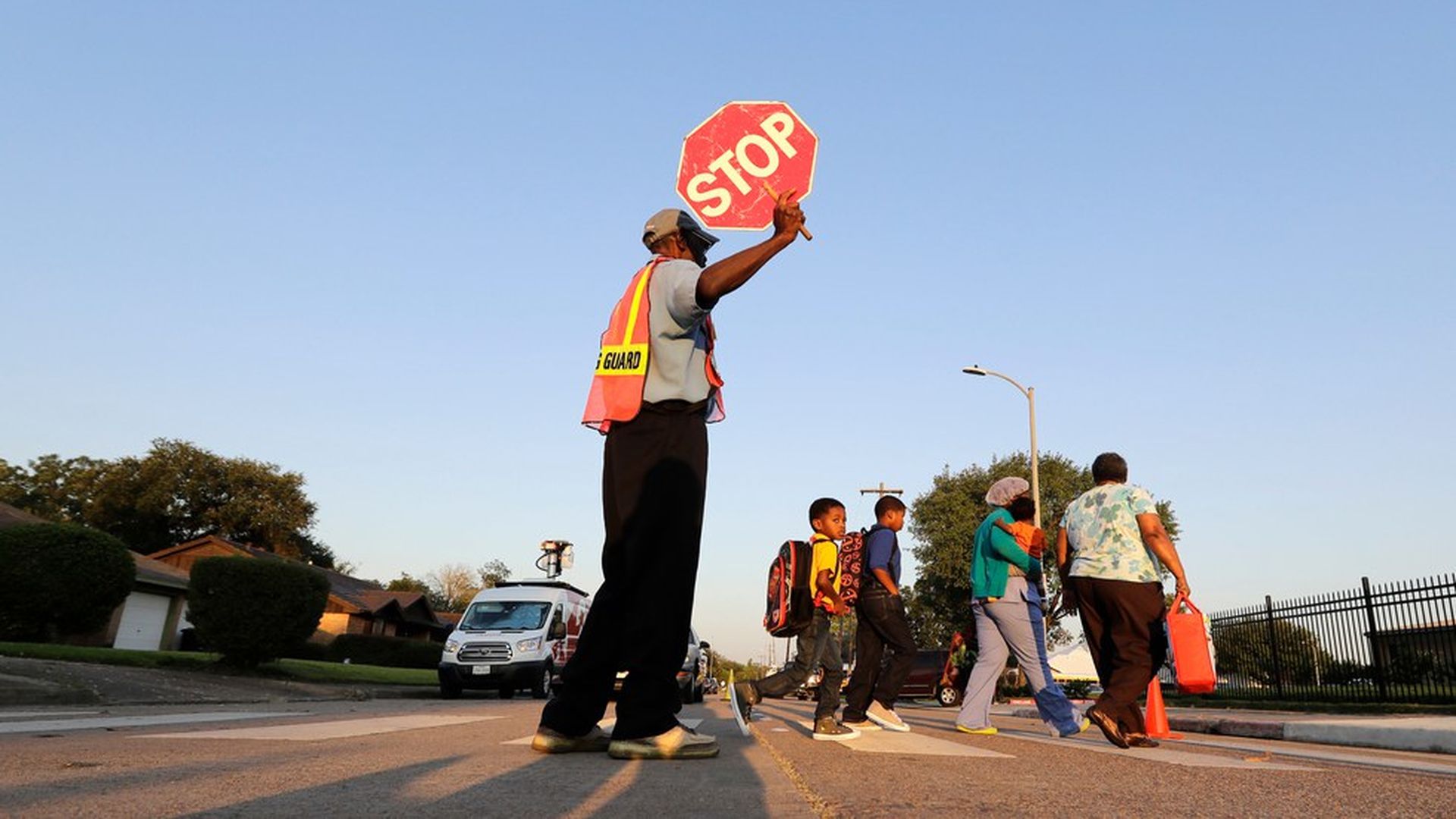
Risky driving behavior around schools is on the rise, with distracted driving due to cellphone use being a major contributor. The most dangerous driving behavior around schools happens during the critical pick-up time between 4 and 5 pm., and at schools in urban areas, according to a study released today by Zendrive, a driver analytics platform.
Why it matters: One out of every 11 U.S. public schools is within 500 feet of heavily trafficked roads, and motor vehicle crashes are the leading cause of death for U.S. teens. Collisions due to distracted driving are at all-time high: From 2015-2016, Zendrive found that there was a 14% increase in traffic deaths — the biggest increase in 50 years — with distracted driving a major factor.
You can see how safe the roads around your local schools are here.

Trump denies DACA deal, defends Dreamers
Why it matters: This morning's tweets show he's trying to appease his party by hammering in the need for "BIG border security" while avoiding questions of funding for his biggest promise of all: the border wall.
P.S. Trump on Dreamers: "Does anybody really want to throw out good, educated and accomplished young people who have jobs, some serving in the military? Really!........They have been in our country for many years through no fault of their own - brought in by parents at young age. Plus BIG border security"
Uber's autonomous cars have driven 1 million miles
A year ago today, Uber began to offer rides to Pittsburgh passengers in a fleet of its self-driving cars. Since then, it has expanded this test program to Tempe, Ariz. and has also put some non-passenger cars in San Francisco.
- To date, Uber's self-driving cars have raked in 1 million miles in autonomous mode (including passenger trips and testing) since the company opened its Advanced Technologies Group 2.5 years ago. This is a bit tricky to put into context as not all companies disclose the number of miles driven with the same time and location parameters, but here's a sampling of testing in California in 2016.
- Uber's cars have completed 30,000 passenger trips in the past year in Pittsburgh and Tempe/Phoenix.
Samsung pushes deeper into auto tech
Samsung is diving deeper into the future of auto technology with a new $300 million investment fund focused on connected car and autonomous vehicle technologies. It's also announcing a €75 million investment into TTTech, an Austria-based networking technology company for the industrial and automotive industries.
Bigger picture: Samsung earlier this year paid $8 billion to acquire electronics company Harman, which has an established automotive business and which is adding a new unit that will be focused on autonomous driving technology. Recently Samsung also obtained self-driving car testing permits in both South Korea and California.
Magic Leap in talks for new funding
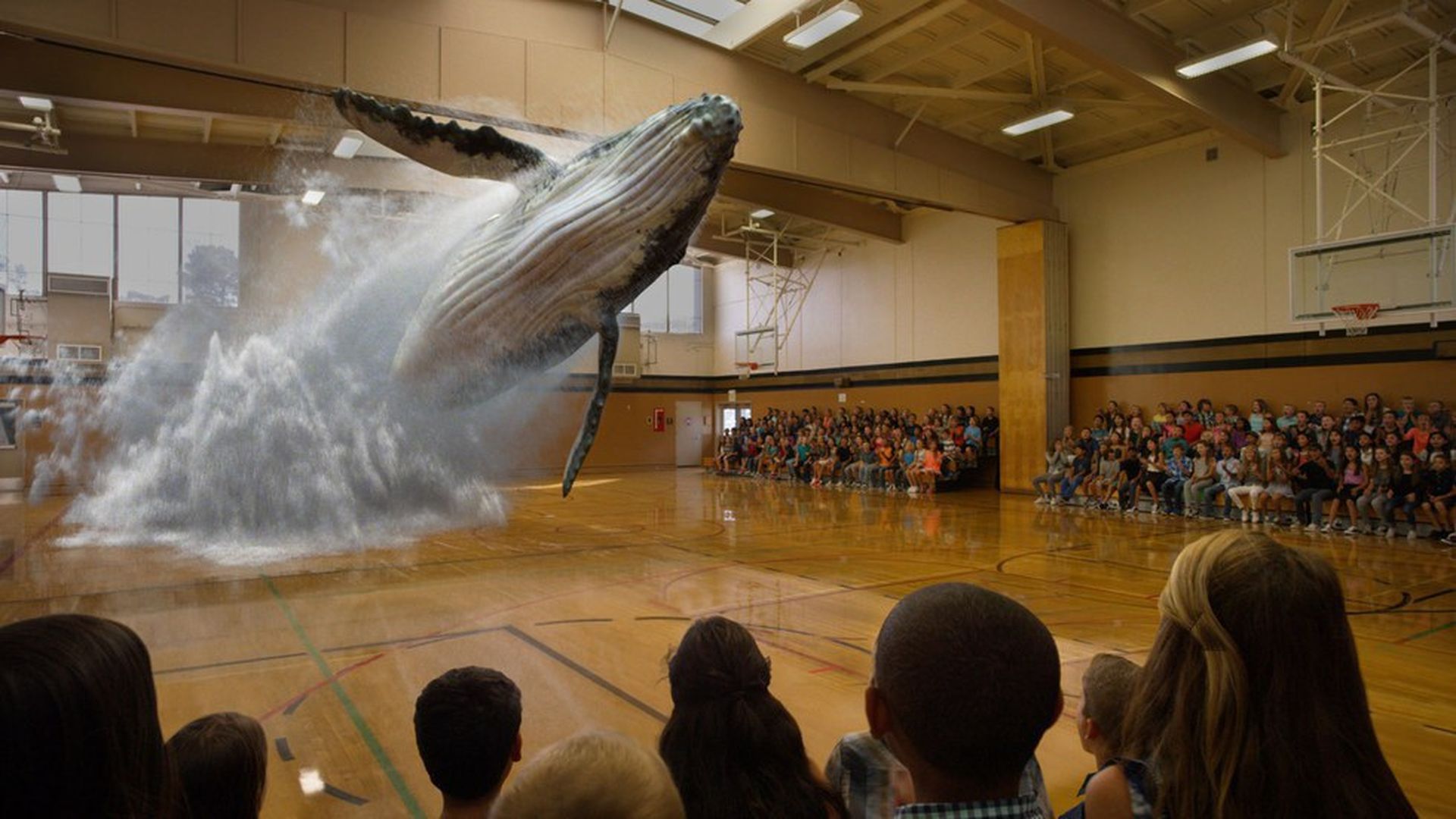
Magic Leap, the secretive "mixed reality" company, is seeking to raise more than $500 million in new funding at around a $6 billion valuation, as Bloomberg earlier reported and Axios has confirmed with a source. Among the expected participants is Singapore-based sovereign wealth fund Temasek.
Florida-based Magic Leap has already raised more than $1.3 billion in funding from investors like Alibaba, Qualcomm, and Google. It was last valued at $4.5 billion. The company is reportedly developing devices for so-called "mixed reality," a combination of virtual and augmented reality, although it has yet to publicly unveil any products.
A company spokesperson has not returned a request for comment.

The fake news industrial complex
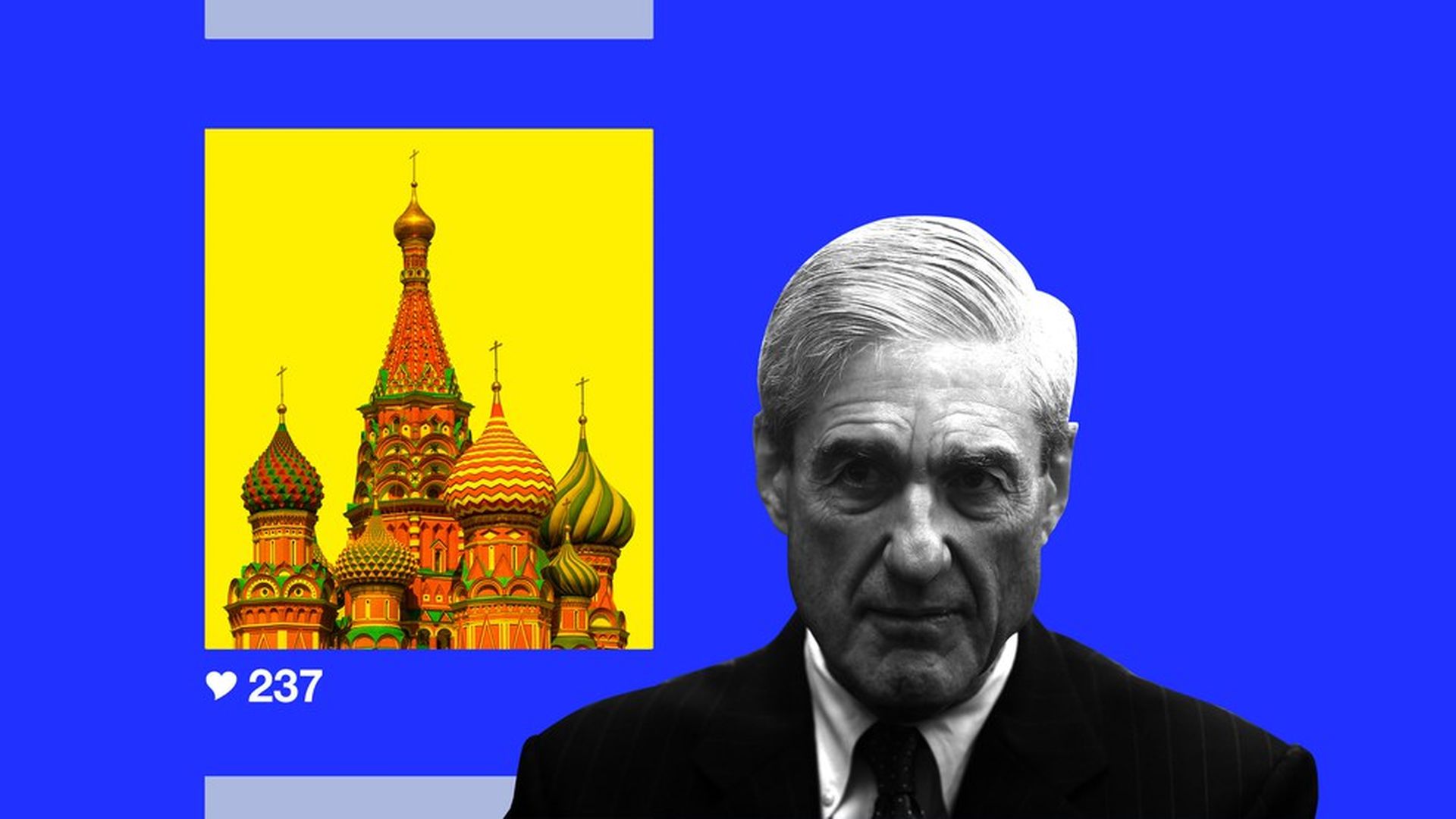
The year's most consequential storylines have collided — and are now one mega-story worthy of your undivided attention — with the revelation by Bloomberg's Chris Strohm that "Russia's effort to influence U.S. voters through Facebook and other social media is a 'red-hot' focus of special counsel Robert Mueller's investigation."
Why it matters: Mueller's investigation, based on people he's interviewing and questions he's asking, could very well expose in vivid detail not only Russia's influence in the election, and sketchy if not illegal behavior by Trump associates, but also how Facebook, Twitter and social media helped facilitate a lot of it.
The latest Mueller news would make the "House of Cards" writers blush, bringing together fake news, Mueller, Trump, Russia and the winds blowing against the tech giants.
Waymo drops remaining patent claim against Uber
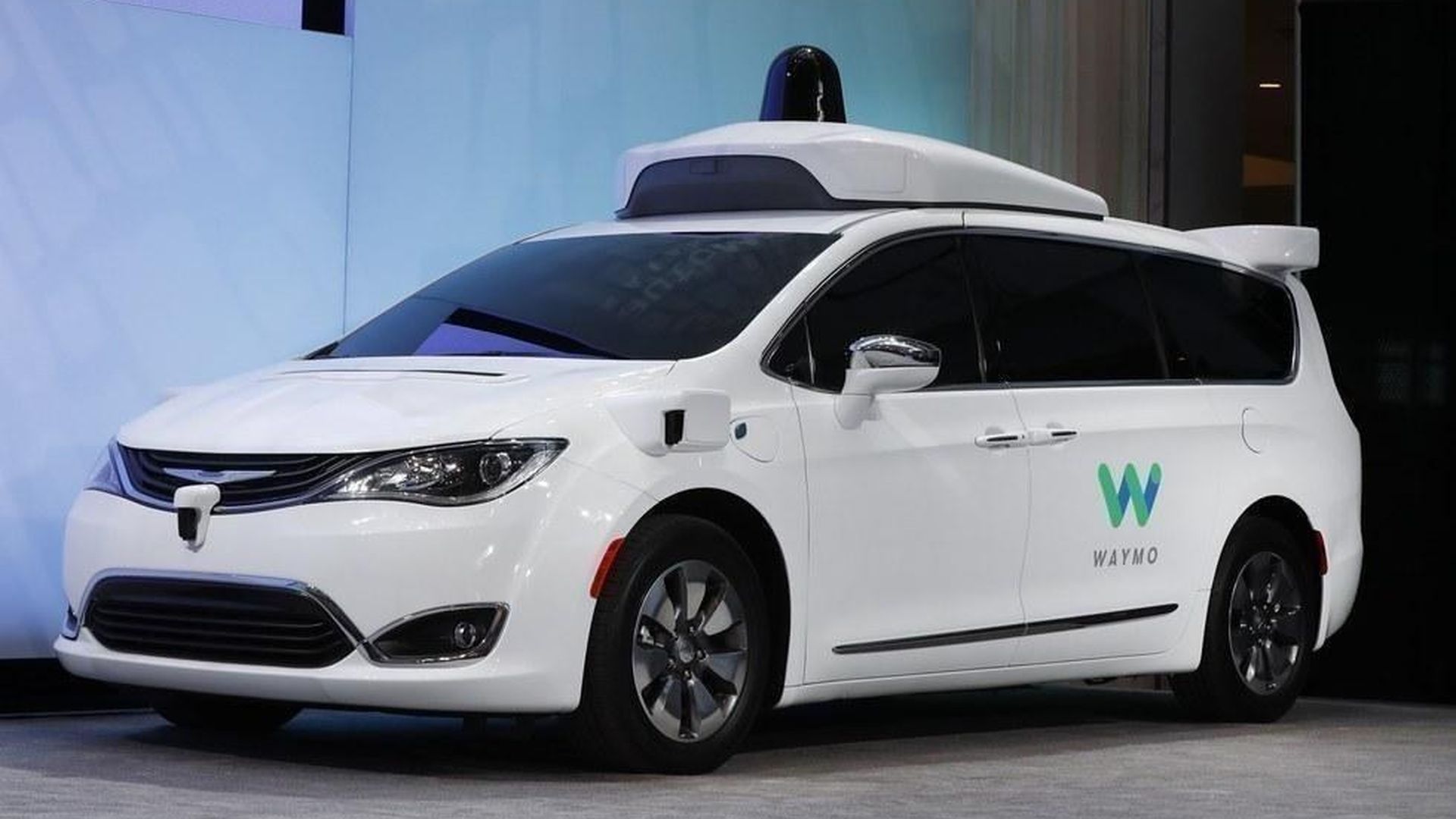
On Wednesday evening, Waymo, Alphabet's self-driving car unit, dropped its remaining patent infringement claim against Uber, which pertained to a LiDAR device named "Fuji," according to court documents. The move came after the ride-hailing company agreed to further redesign the device so that it doesn't resemble the patent.
- In July, Waymo dropped all but this patent claim against Uber's Fuji device. It also dropped all patent claims against another device, named "Spider," after Uber promised it was no longer using it in its self-driving car development, though it's reserved the right to bring those claims back should this change.
- Waymo spokesman: "Our goal from the beginning has been to stop Uber from using stolen Waymo technology and so we are pleased Uber is removing the design that infringes one of Waymo's patents... This agreement has no bearing on our trade secret claims..."
The case is scheduled to go on trial next month.
Undercover 'driverless' car tests light signals for pedestrians
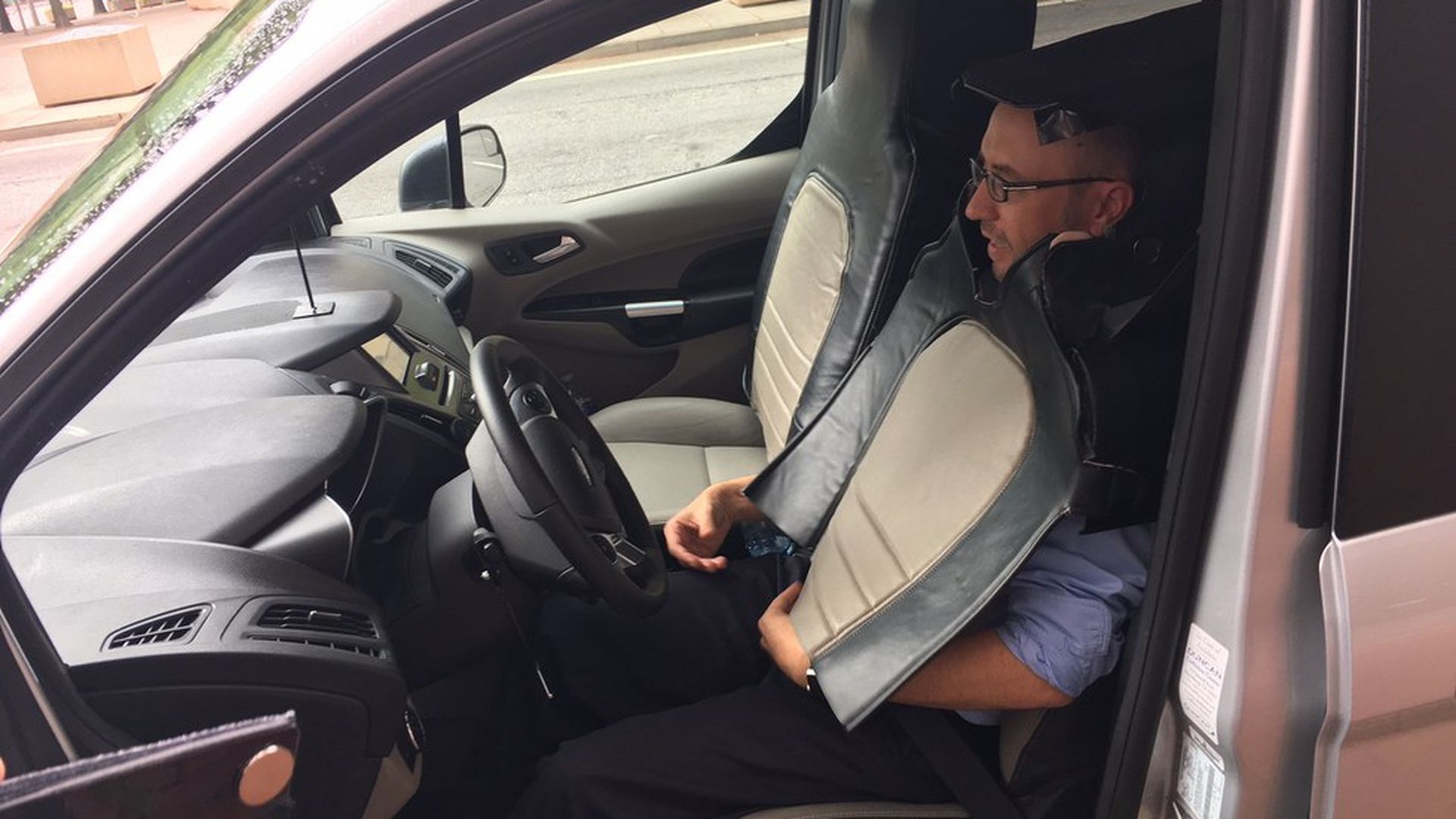
The internet freaked out last month when a "driverless" van was spotted roaming the streets of Arlington, Va. It turned out to be driven by a human wearing a "seat suit" as part of a study about how people interact with self-driving cars.
- Now we know why: Ford was testing light signals to communicate with pedestrians, bicyclists and other human drivers. It's part of the automaker's effort to create a standard visual language so autonomous vehicles can communicate their intentions to other road users.
- For example: Today, drivers may signal their intentions to pedestrians, bicyclists and other drivers with a hand wave, head nod or other visual cue to show their next move or to acknowledge it's OK to proceed through an intersection.
- Why it matters: Replacing those visual cues will be essential for people to adjust to a driverless world, said John Shutko, Ford's human factors technical specialist.