Tuesday's technology stories

Former Uber exec will be H&R Block's next CEO
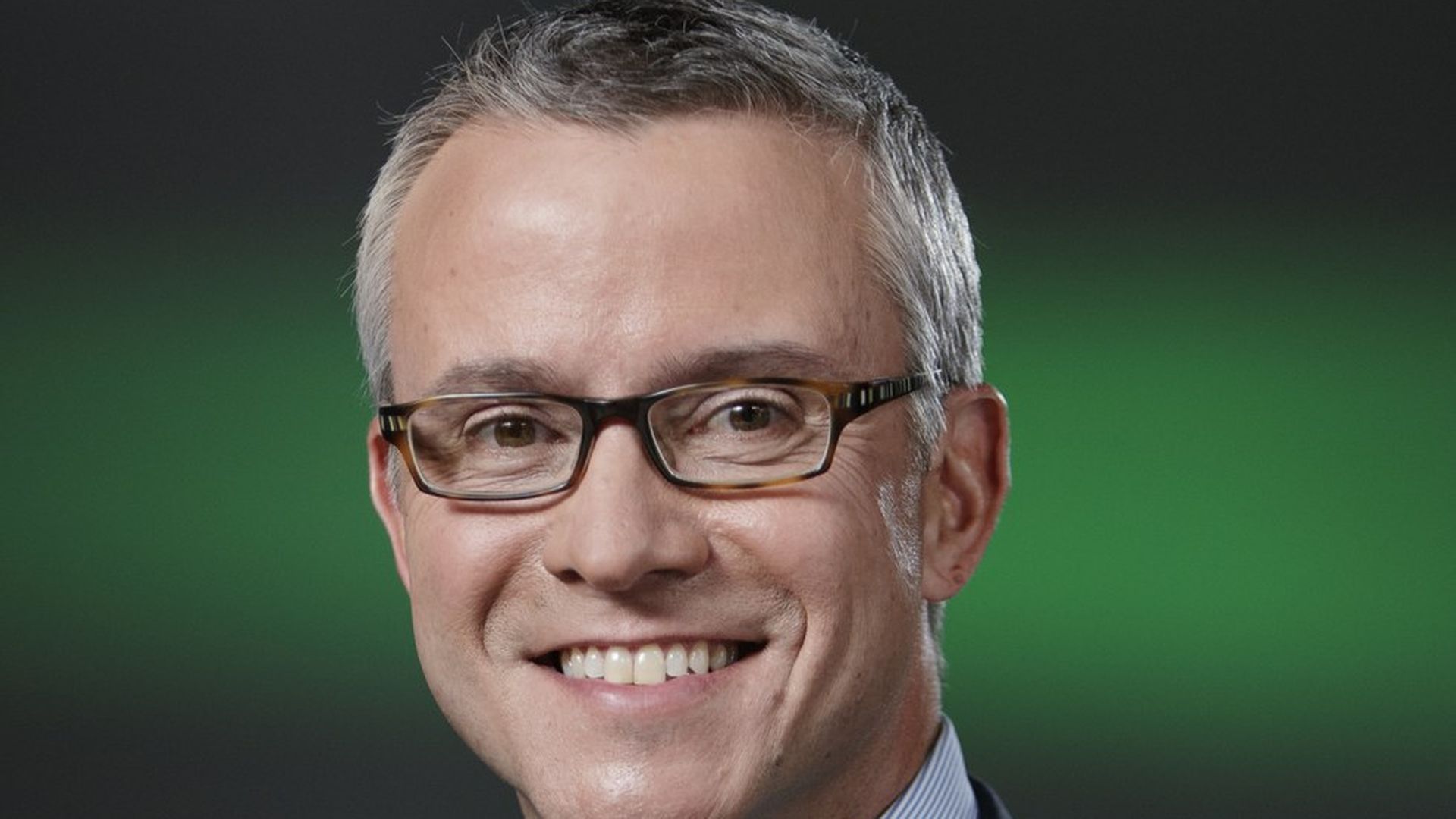
Jeff Jones, the former Target CMO who spent just six months at Uber as its president of ride-sharing, will be H&R Block's next CEO, starting in October, the company said today.
- Despite the enthusiasm around Jones' hiring last year, his departure was less positive. He left amid a flurry of controversies bubbling at Uber, including allegations of sexual harassment and discrimination within the company, and shortly after it announced plans to hire a COO.
- Jones on his departure: "It is now clear, however, that the beliefs and approach to leadership that have guided my career are inconsistent with what I saw and experienced at Uber, and I can no longer continue as president of the ride sharing business."
Jones is not the only Uber executive to leave the company in the last six months. Others include its head of finance, head of its AI labs, its head of product and growth, its PR chief, and several employees from its self-driving car teams — including Marakby's boss, former head of Google Maps Brian McClendon.
Blue Apron faces shareholder lawsuits
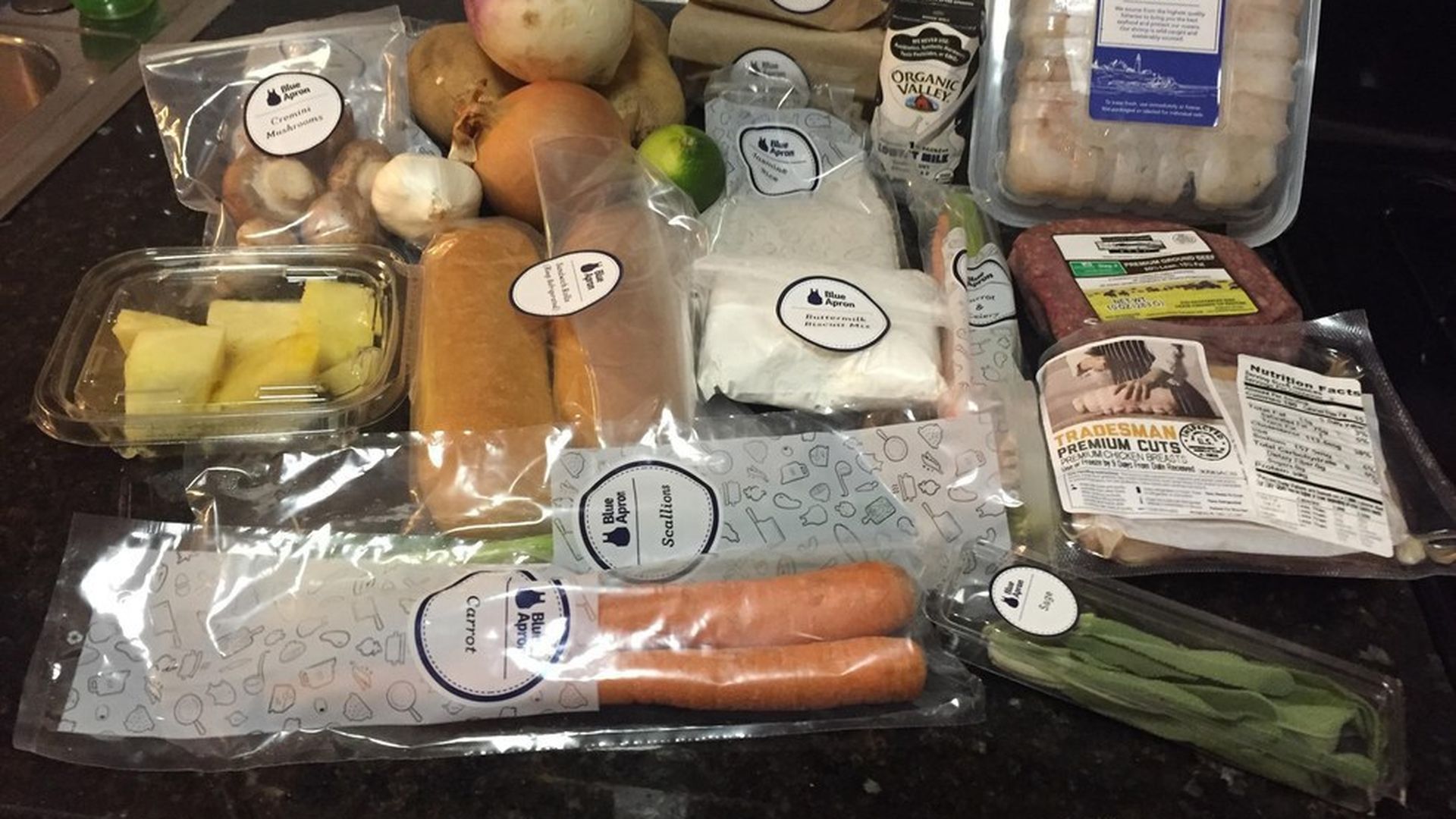
Blue Apron, the meal kits company that went public in June, has been hit with multiple shareholder lawsuits. They allege that the company misled investors about its business prior to going public, although only two suits have been formally filed, Axios is told. Now, these investors are angry and want their money back.
Tough crowd: Despite being a media darling while a private company, Blue Apron has had a tough time on the markets since going public — its stock price is now nearly half of what it was at the IPO. The company is also facing competition from Amazon, which recently debuted its own meal kits business, which investors claim Blue Apron knew and hid.
Amazon declined to comment on the lawsuits.
Uber adds new options for driver flexibility
Over the last few months, Uber has been on a campaign to repair its relationship with drivers via changes to its policies and service. This time, it's trying to make their driving more flexible thanks to new options in their mobile app, such as setting a trip arrival time if they need to be done by a certain time to pick up their kids from school, and notifications before long trips, for example.
- In the last six months, it's become clear to the company that it needs to take a friendlier approach in many aspects of its business, including its relationship with drivers.
- Driver turnover is a big problem for ride-hailing companies, and Uber has to compete for them with rival Lyft, which has cultivated a driver-friendly image.
- Uber published a paper on time and income flexibility for drivers to support its new policies.

FTC may take a deeper look at artificial intelligence
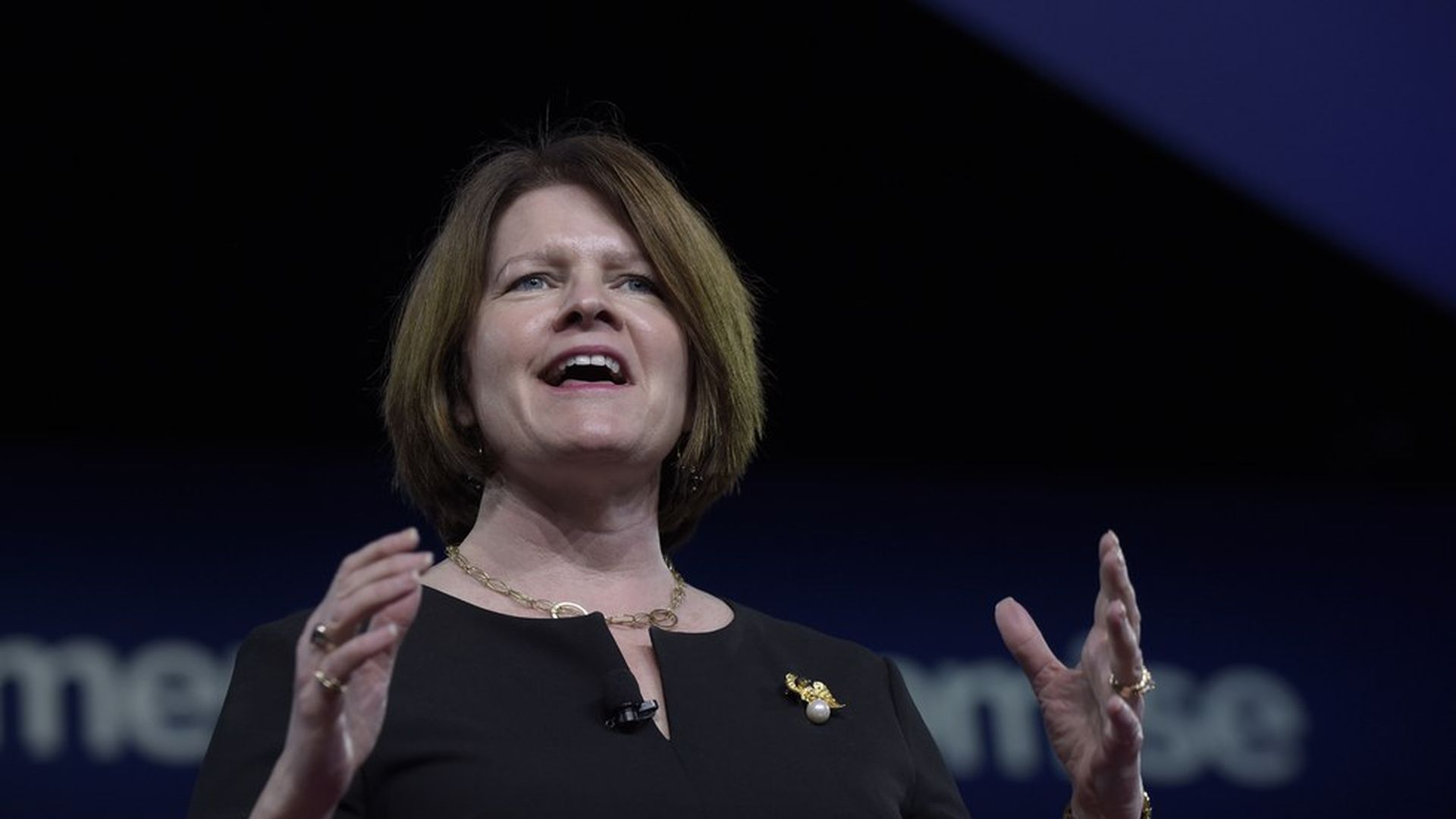
Acting FTC Chairwoman Maureen Ohlhausen said the agency hopes to take a closer look at artificial intelligence "because it has a consumer protection element to it but also has a competition element to it."Why it matters: In a split from the Obama years, the federal government in the Trump era has done very little to look at the policy questions posed by AI. That's starting to change — at a time when Silicon Valley is pouring more money than ever into the technologies.The bigger picture: Ohlhausen acknowledged there's promise in using artificial intelligence to process massive amounts of data. "They may say that you're at risk for cancer you didn't realize you were at risk for, or here's a product that would suit you really, really well," she said. "But it also could be used to harm consumers."Ohlhausen argued that the FTC — which focuses on whether the consumer has been harmed — is equipped to address these challenges.On a related note: The regulator was also asked about whether she would continue the efforts of the Obama administration to look at how algorithms can be biased. "We do enforce laws that are to protect consumers from discrimination, and I think that's appropriate for us to continue to think about and to continue to be vigilant for," she said.

Paul Allen-led team locates U.S.S. Indianapolis wreck
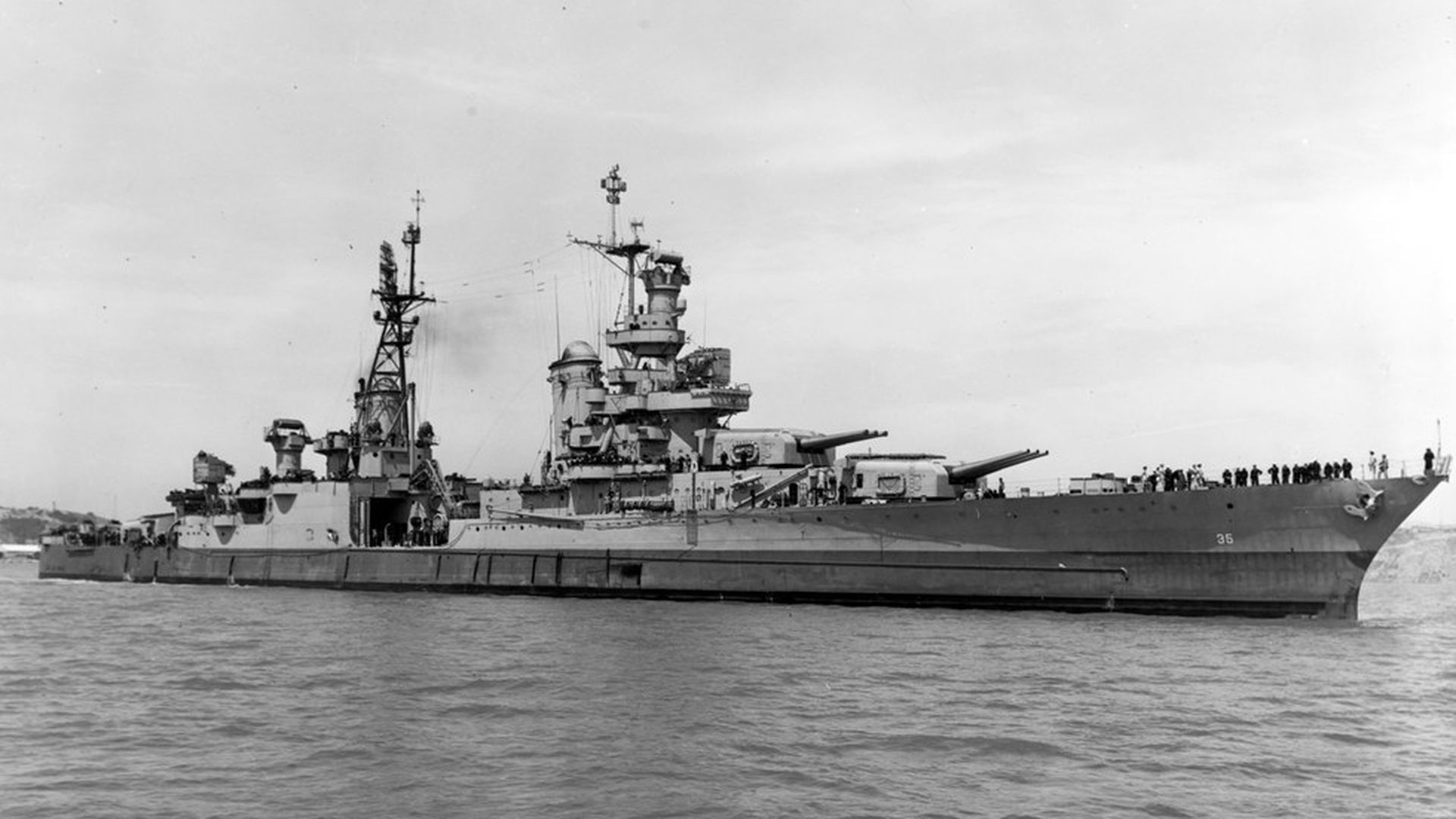
The remains of the U.S.S. Indianapolis, which sunk in the Philippine Sea in 1945 after being torpedoed by a Japanese submarine, were discovered by a research team led by Microsoft co-founder Paul Allen.
Think back: The Indianapolis is famous for its catastrophic sinking — just days after delivering components used in the atomic bomb that was dropped on Hiroshima — that left hundreds of sailors dead and hundreds more adrift in shark-infested waters for five days. (You may recall it from a scene in Jaws).
The reaction: From Capt. William Toti (Ret.), the spokesperson for the Indianapolis survivors' association: "They all know this is now a war memorial, and are grateful for the respect and dignity that Paul Allen and his team have paid to one of the most tangible manifestations of the pain and sacrifice of our World War II veterans."

Ford CTO: Driverless cars need a lot more than software
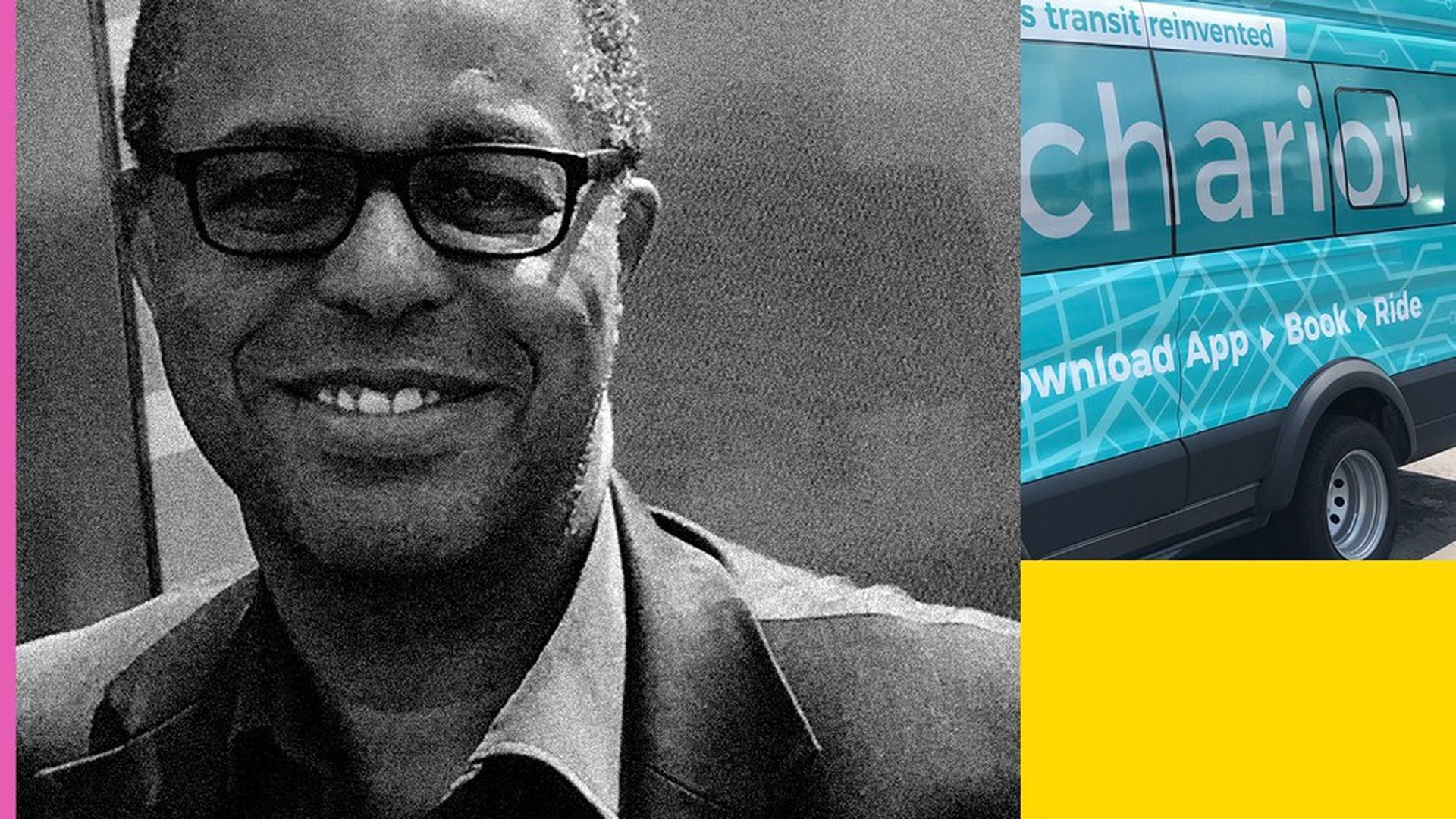
Ken Washington, who was recently named Ford's Chief Technical Officer, was in San Francisco last week, along with newly named CEO Jim Hackett, as part of a "City of Tomorrow" event that explored how autonomous vehicles and other transportation changes will reshape urban life.
I caught up with him to talk about the role of software, how autonomy will change car design and his view on tech giants Apple and Google. Here are a few highlights:
- The biggest influence will be how the cars are bought, sold and used: "You would design those vehicles differently depending on what business model (is being used). We're working through that business model question right now."
- Ford isn't closed to working with Apple and Google, but it is still treading carefully. "We are not ceding our future to anyone but at the same time we are being very strategic about who we partner with," Washington said. (Former CEO Mark Fields had warned carmakers risk the same fate as phone manufacturers in the smartphone era — seeing control and profits shift to software makers.)
- The biggest misconceptions about autonomous capabilities is that it's only about software. "People are imagining that the act of doing software for autonomy is all you need to do and then you can just bolt it to the car," he said.
- "I don't think it's possible to describe what an autonomous vehicle is going to look like," Washington said.
Sign up for Axios alerts and newsletters, including Ina Fried's daily tech newsletter "Login" by going here.

China's Great Wall wants to buy Fiat Chrysler
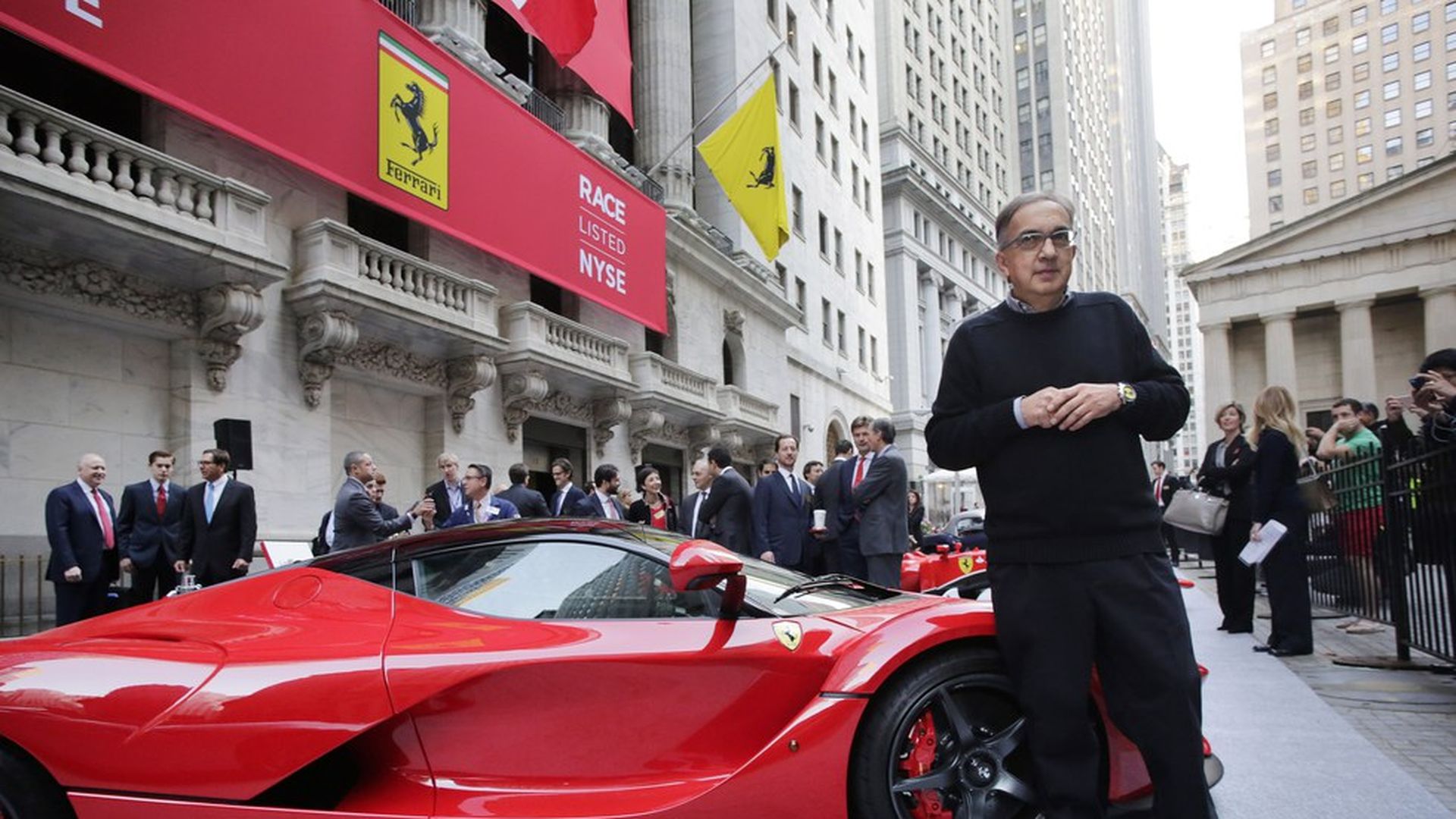
Great Wall Motor says it wants to buy all or part of Fiat Chrysler, another potential move by Chinese companies into American cars. The Chinese SUV-maker may bid specifically for its Jeep brand, Great Wall told Automotive News. The Italian-American company said it hasn't been approached yet, Reuters reported.
Until now, Chinese forays into the U.S. market have been in electric and autonomous vehicles.
- In 2014, China's Wanxiang bought Fisker Automotive, an American electric sports car startup once discussed in the same breath with Tesla.
- And two years earlier, Wanxiang bought A123, a bankrupt lithium-ion battery maker that had the largest IPO of 2009. Both companies had received much financial backing from the U.S. government before turning belly up.
- Earlier this month, Chinese-owned Faraday Future leased a factory in Hanford, CA., to build electric cars.
Why it matters: China has already made explicit that it intends to win the fierce global race to dominate electric and self-driving cars. In Fiat Chrysler, Great Wall is showing interest in a company run by CEO Sergio Marchionne, an Italian dealmaker who has floated a partial or full sale of the company to help finance its way into the electric and autonomous car competition.