Monday's technology stories

Paul Allen-led team locates U.S.S. Indianapolis wreck
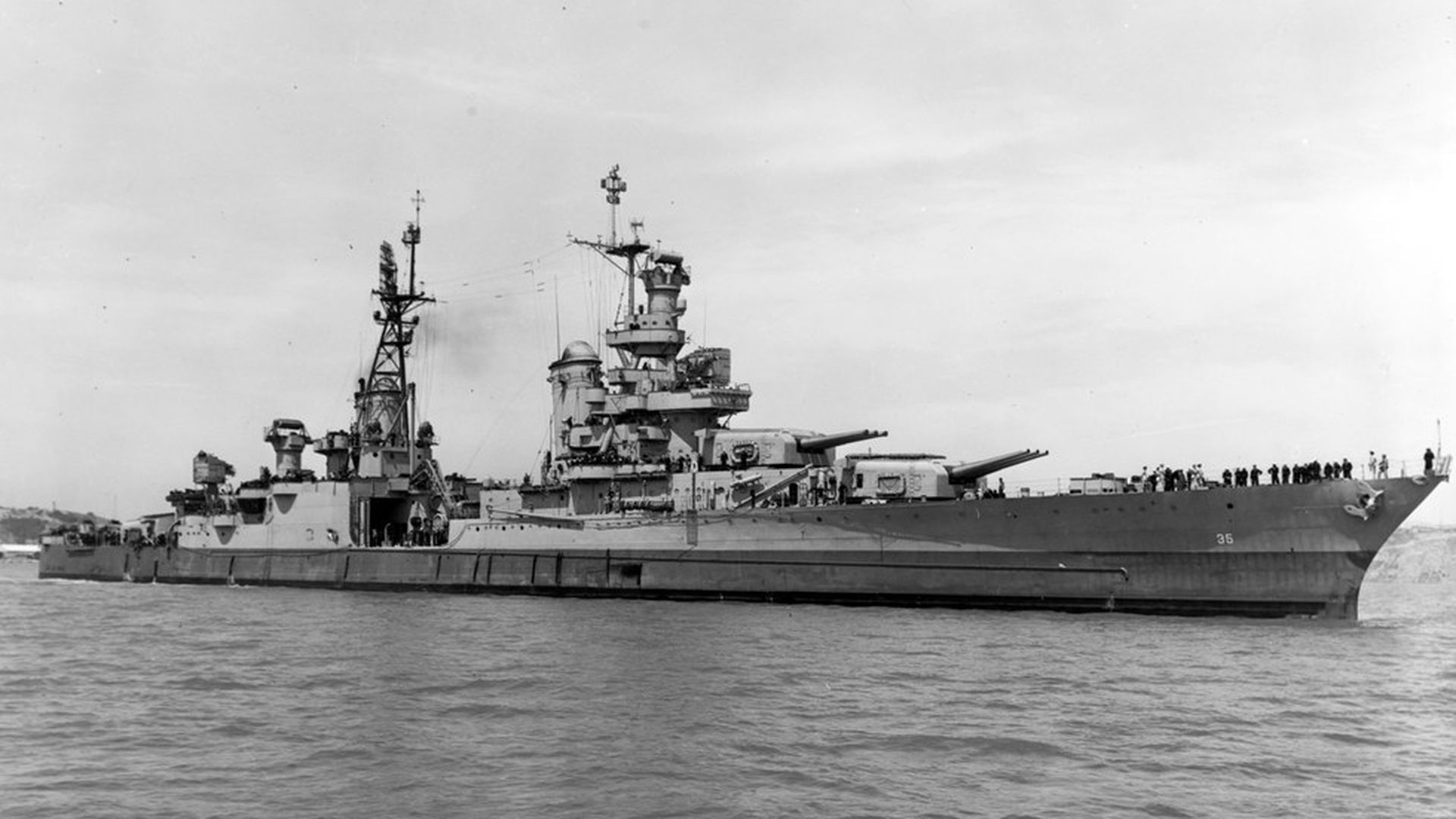
The remains of the U.S.S. Indianapolis, which sunk in the Philippine Sea in 1945 after being torpedoed by a Japanese submarine, were discovered by a research team led by Microsoft co-founder Paul Allen.
Think back: The Indianapolis is famous for its catastrophic sinking — just days after delivering components used in the atomic bomb that was dropped on Hiroshima — that left hundreds of sailors dead and hundreds more adrift in shark-infested waters for five days. (You may recall it from a scene in Jaws).
The reaction: From Capt. William Toti (Ret.), the spokesperson for the Indianapolis survivors' association: "They all know this is now a war memorial, and are grateful for the respect and dignity that Paul Allen and his team have paid to one of the most tangible manifestations of the pain and sacrifice of our World War II veterans."

Ford CTO: Driverless cars need a lot more than software
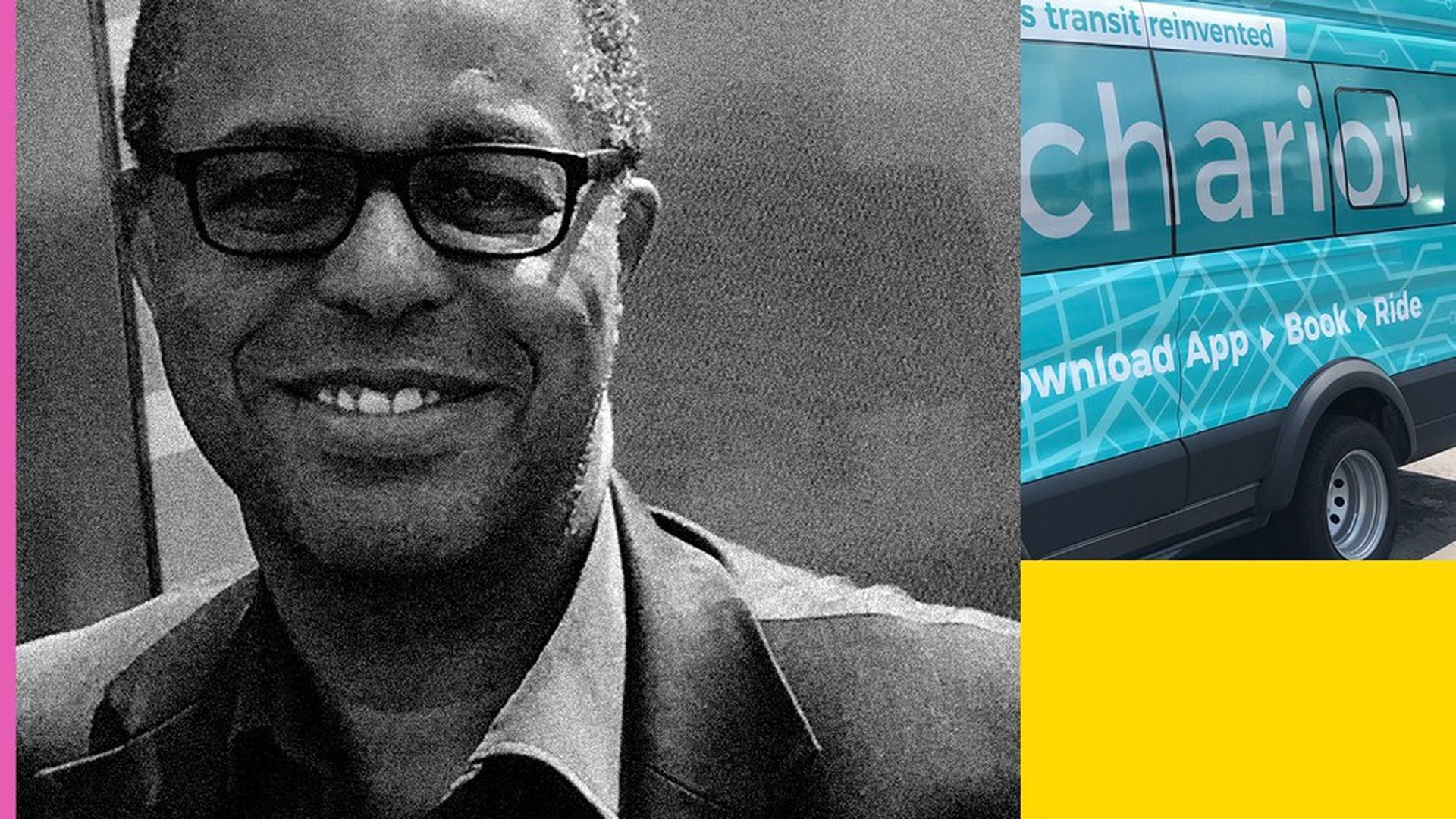
Ken Washington, who was recently named Ford's Chief Technical Officer, was in San Francisco last week, along with newly named CEO Jim Hackett, as part of a "City of Tomorrow" event that explored how autonomous vehicles and other transportation changes will reshape urban life.
I caught up with him to talk about the role of software, how autonomy will change car design and his view on tech giants Apple and Google. Here are a few highlights:
- The biggest influence will be how the cars are bought, sold and used: "You would design those vehicles differently depending on what business model (is being used). We're working through that business model question right now."
- Ford isn't closed to working with Apple and Google, but it is still treading carefully. "We are not ceding our future to anyone but at the same time we are being very strategic about who we partner with," Washington said. (Former CEO Mark Fields had warned carmakers risk the same fate as phone manufacturers in the smartphone era — seeing control and profits shift to software makers.)
- The biggest misconceptions about autonomous capabilities is that it's only about software. "People are imagining that the act of doing software for autonomy is all you need to do and then you can just bolt it to the car," he said.
- "I don't think it's possible to describe what an autonomous vehicle is going to look like," Washington said.
Sign up for Axios alerts and newsletters, including Ina Fried's daily tech newsletter "Login" by going here.

China's Great Wall wants to buy Fiat Chrysler
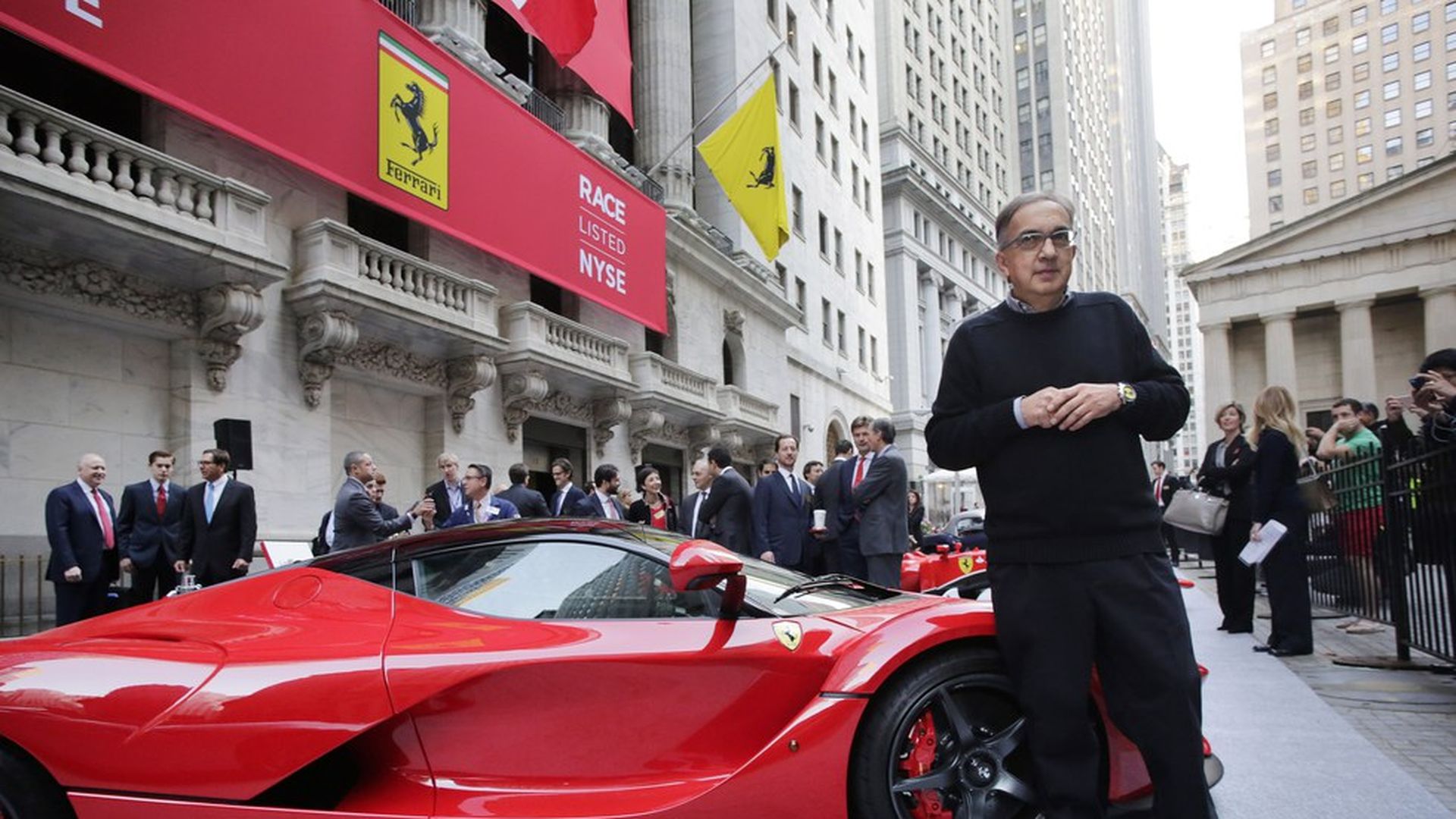
Great Wall Motor says it wants to buy all or part of Fiat Chrysler, another potential move by Chinese companies into American cars. The Chinese SUV-maker may bid specifically for its Jeep brand, Great Wall told Automotive News. The Italian-American company said it hasn't been approached yet, Reuters reported.
Until now, Chinese forays into the U.S. market have been in electric and autonomous vehicles.
- In 2014, China's Wanxiang bought Fisker Automotive, an American electric sports car startup once discussed in the same breath with Tesla.
- And two years earlier, Wanxiang bought A123, a bankrupt lithium-ion battery maker that had the largest IPO of 2009. Both companies had received much financial backing from the U.S. government before turning belly up.
- Earlier this month, Chinese-owned Faraday Future leased a factory in Hanford, CA., to build electric cars.
Why it matters: China has already made explicit that it intends to win the fierce global race to dominate electric and self-driving cars. In Fiat Chrysler, Great Wall is showing interest in a company run by CEO Sergio Marchionne, an Italian dealmaker who has floated a partial or full sale of the company to help finance its way into the electric and autonomous car competition.

Judge in Uber suit orders Waymo to disclose its own acquisition practices
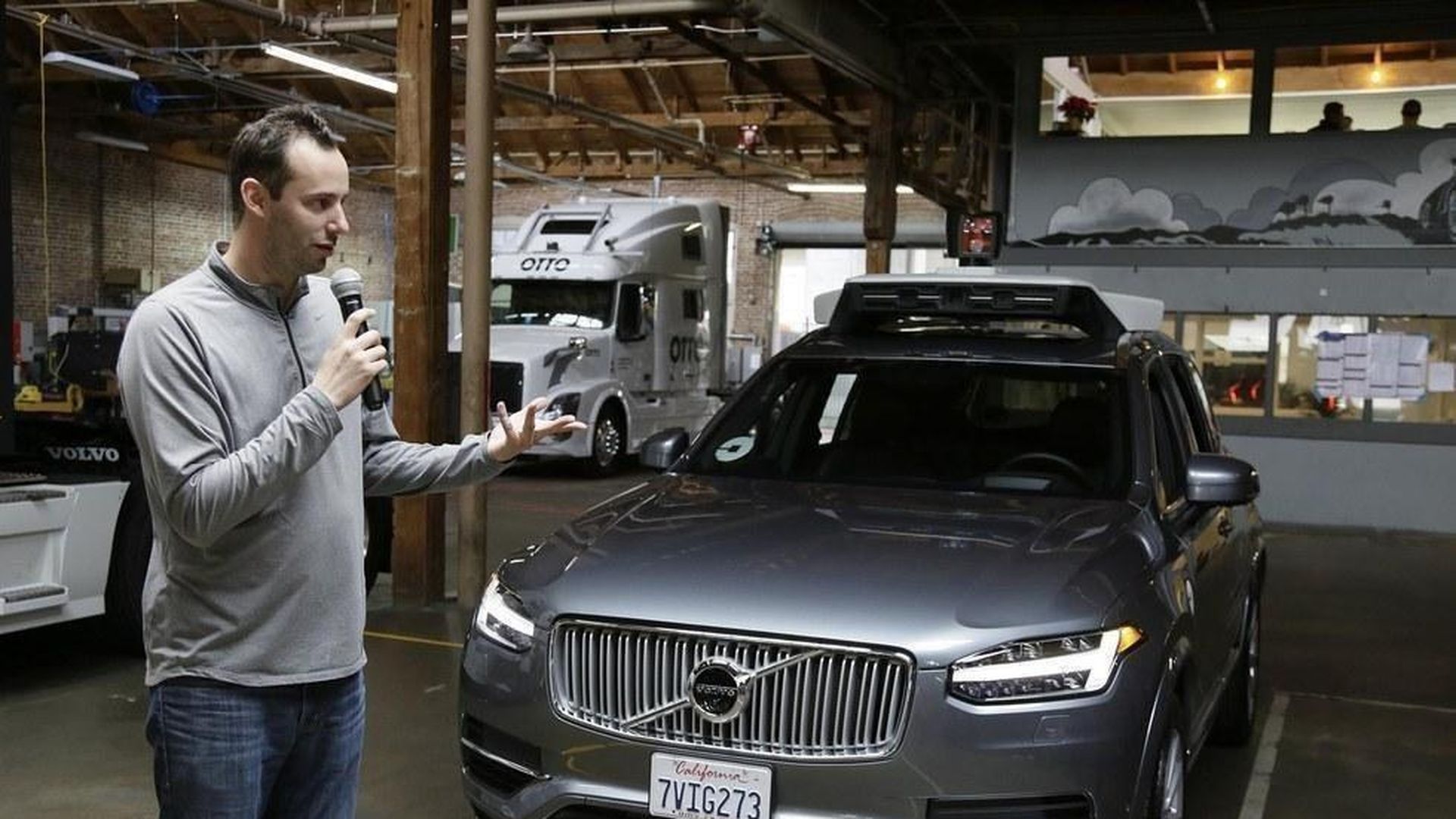
A magistrate judge has ruled that Waymo (and its parent company, Alphabet) must disclose certain information about how it conducts acquisitions in order to give the jury context about Uber's own process, according to a new court document.
Why it matters: In a lawsuit filed in February, Waymo accused Uber of stealing and using its self-driving car trade secrets when it acquired a startup founded by a former Waymo employee, Anthony Levandowski. So far in the case, Waymo has sought to paint certain steps Uber took as part of the acquisition process as unusual and suspicious, and plans to ask the jury to look negatively on these procedures.
A trial is scheduled for October.