Tuesday's technology stories

Intel enters self-driving car race with Mobileye acquisition
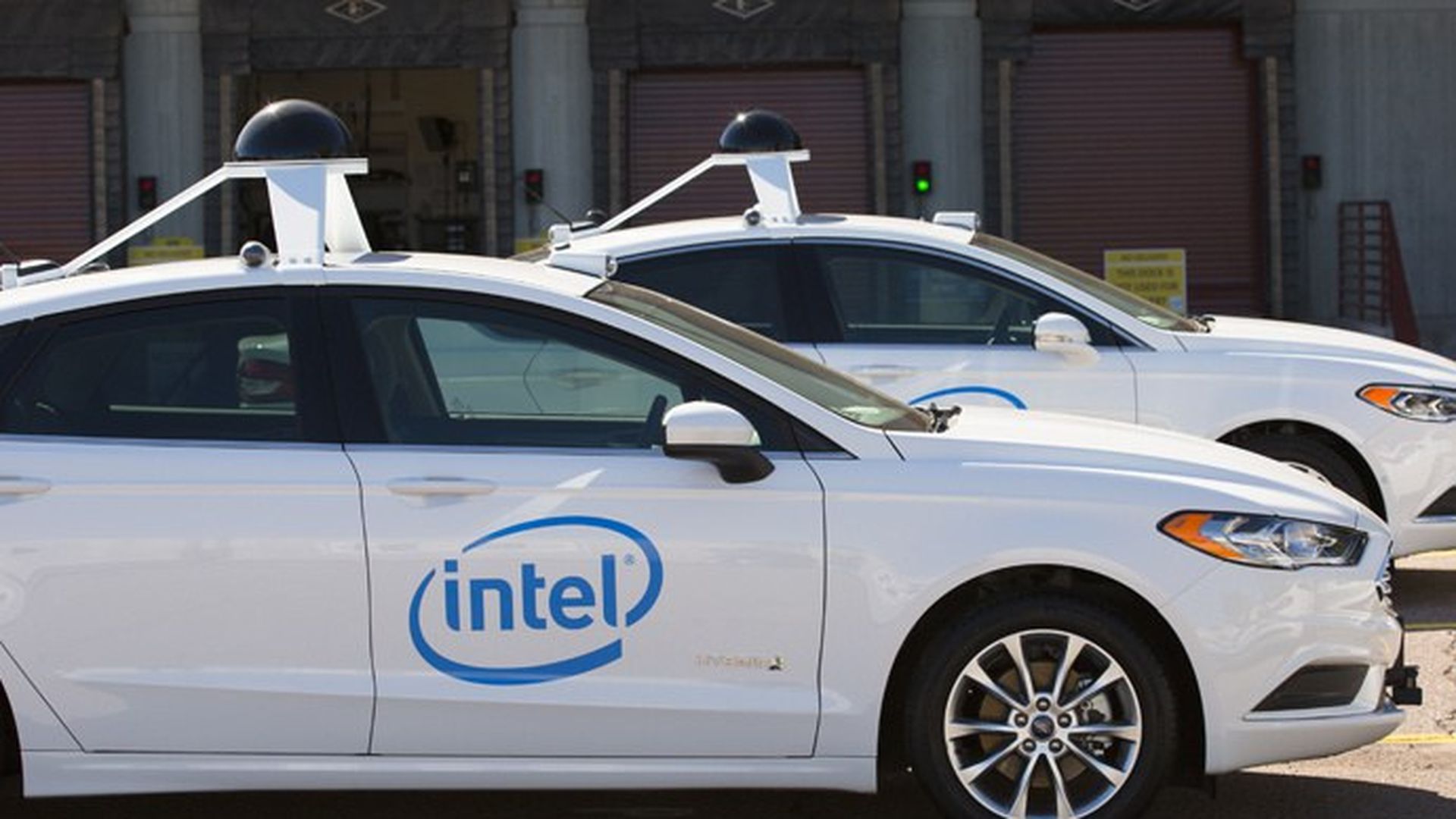
Intel says it is solidifying its aggressive push into the autonomous vehicle race with its $15 billion purchase of Mobileye.
Why it matters: On a call with reporters Tuesday, Intel CEO Brian Krzanich says that combining their resources will give it a major leg up for a market that's as big as $70 billion for hardware, software and services.
Mobileye co-founder Amnon Shashua, who will become Sr. Vice President at Intel, said Intel's new advantage is bringing a completely autonomous vehicle system under one umbrella, as opposed to the piecemeal approach other companies are pursuing.

The Amazon's trees can make it rain

Trees in the Amazon can generate rain, according to a new study
in Science
.
- How it works: Plants release water vapor through their leaves during photosynthesis, and in the rainforest that process actually creates "low-level clouds." A bonus effect: the rain from those clouds warms the atmosphere, causing wind patterns to shift and pulling more moisture in from the ocean.
- How they did it: Using a NASA satellite that studies the chemistry of the Earth's atmosphere, the team led by Rong Fu, a climate scientist at UCLA, found that water vapor over the Amazon was too high in the isotope deuterium to come from the ocean, and must instead come from plants.
- Why it matters: It's interesting that trees can play an active role in causing rainfall , but as Science points out, in this context it could mean that deforestation actually causes droughts.

IBM claims big breakthrough in speed of artificial intelligence

IBM today claimed a leap in "deep learning," the leading method to train intelligent machines to sort photos, decipher voices and drive autonomous vehicles, and compared the achievement to the jump to jet-powered aviation six decades ago.
The breakthrough, IBM said, could significantly improve fraud detection, medical diagnoses, and self-driving technology, beating a 2014 record set by Microsoft in the speed of a run of deep learning. The software also bested Facebook, until now the leader in this type of deep learning, IBM said. IBM made the software open-source, although it only runs on the company's platform, said Sumit Gupta, vice president for AI and deep learning at IBM.
"This is just as transformative as the jet engine, giving us the accuracy we need," Gupta told Axios.
Why it matters: Gupta said that in one training run, the time needed was cut from 16 days to seven hours, quickening the process of machine learning by 58 times. The result, he said, is to help shift deep learning from an impractically long process to a manageable one.

What Americans are listening to — based on where they live
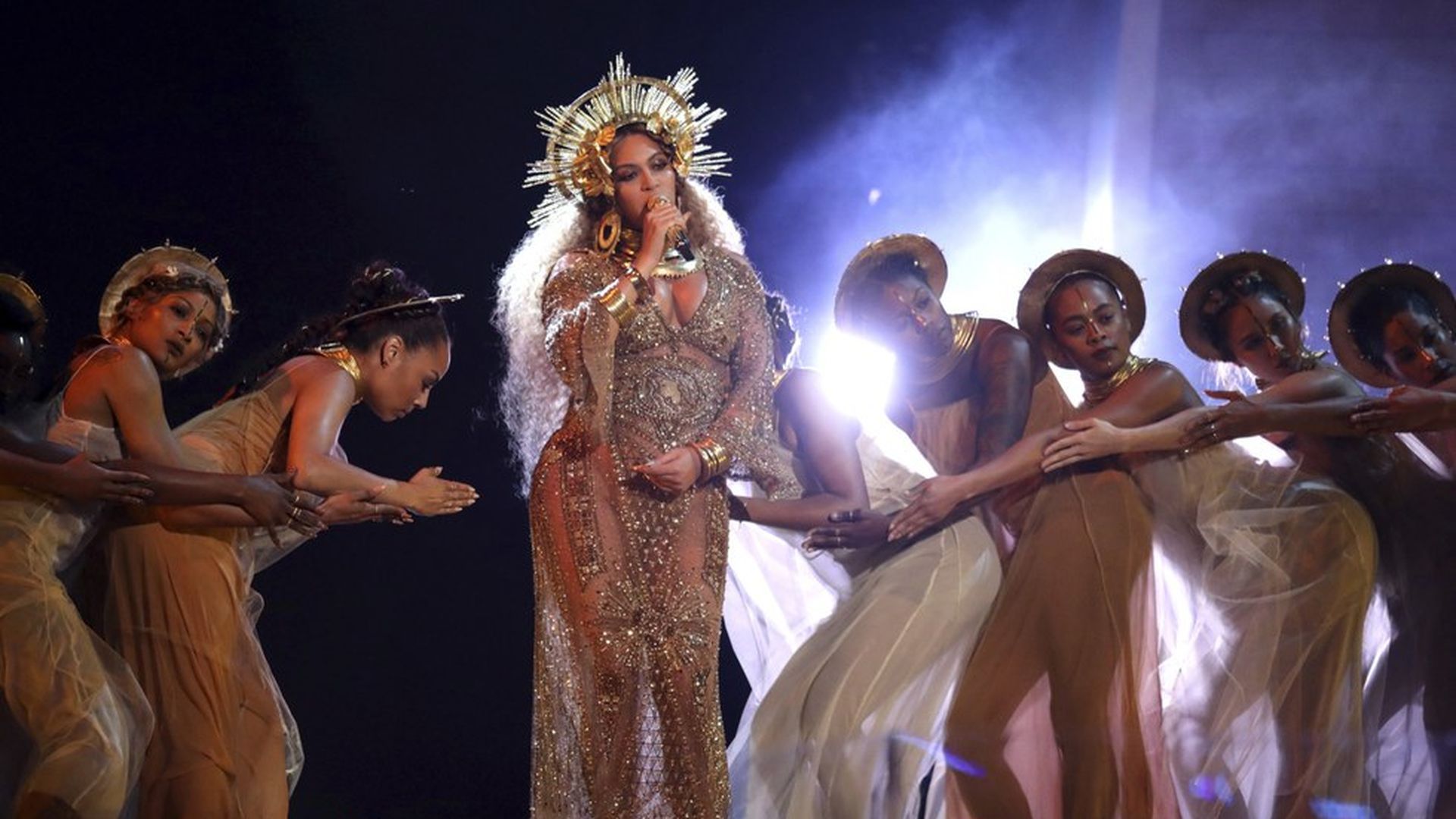
The New York Times' Upshot compiled a list of maps detailing breaking down the country's popular music tastes geographically, so if you're ever wondered where The Chainsmokers are most popular (answer: Northeast college towns), now you know.
- The method: The Upshot took the 50 most-watched artists on YouTube over the past year from this spring's Billboard Top 100 and used YouTube's geocoded streaming data to tally up their plays in metropolitan areas across the United States. The maps reflect each artist's relative popularity across the country.
- Some takeaways: Coastal and southern hip hop — Future, Migos, Lil Yachty — really doesn't play well out West. Artists with a rock/pop flavor — Taylor Swift, Coldplay, Ed Sheeran, Lady Gaga — aren't hugely popular in the South.
- Politico's Kevin Robillard tweets the truth: "This article makes one thing clear: Americans in every section of the country have truly terrible taste in music."

Didi Chuxing backs ride-hailing company in the Middle East

Chinese transportation giant Didi Chuxing has invested an undisclosed amount of funding into Careem, a Dubai-based ride-hailing company that operates in the Middle East and North Africa, as part of a new partnership. Careem recently raised $500 million in funding from Saudi billionaire Prince Alwaleed bin Talal's Kingdom Holding, Daimler, DCM Ventures, and Coatue Management, among others, valuing the company at over $1 billion.
Didi's global game: Didi has already put money into Southeast Asia's Grab, India's Ola, 99 in Latin America, Taxify in Europe and Africa, and Lyft in the U.S. The company has been aggressively investing in and forging partnerships with local players, undoubtedly as part of its ambitions to "play a global game," as president Jean Liu said last year. This strategy also pits it against Uber, which operates in most parts of the world, and in which Didi has a stake thanks to a merger last summer with the company's Chinese operations.
Google fires engineer who claimed women less suited to tech work
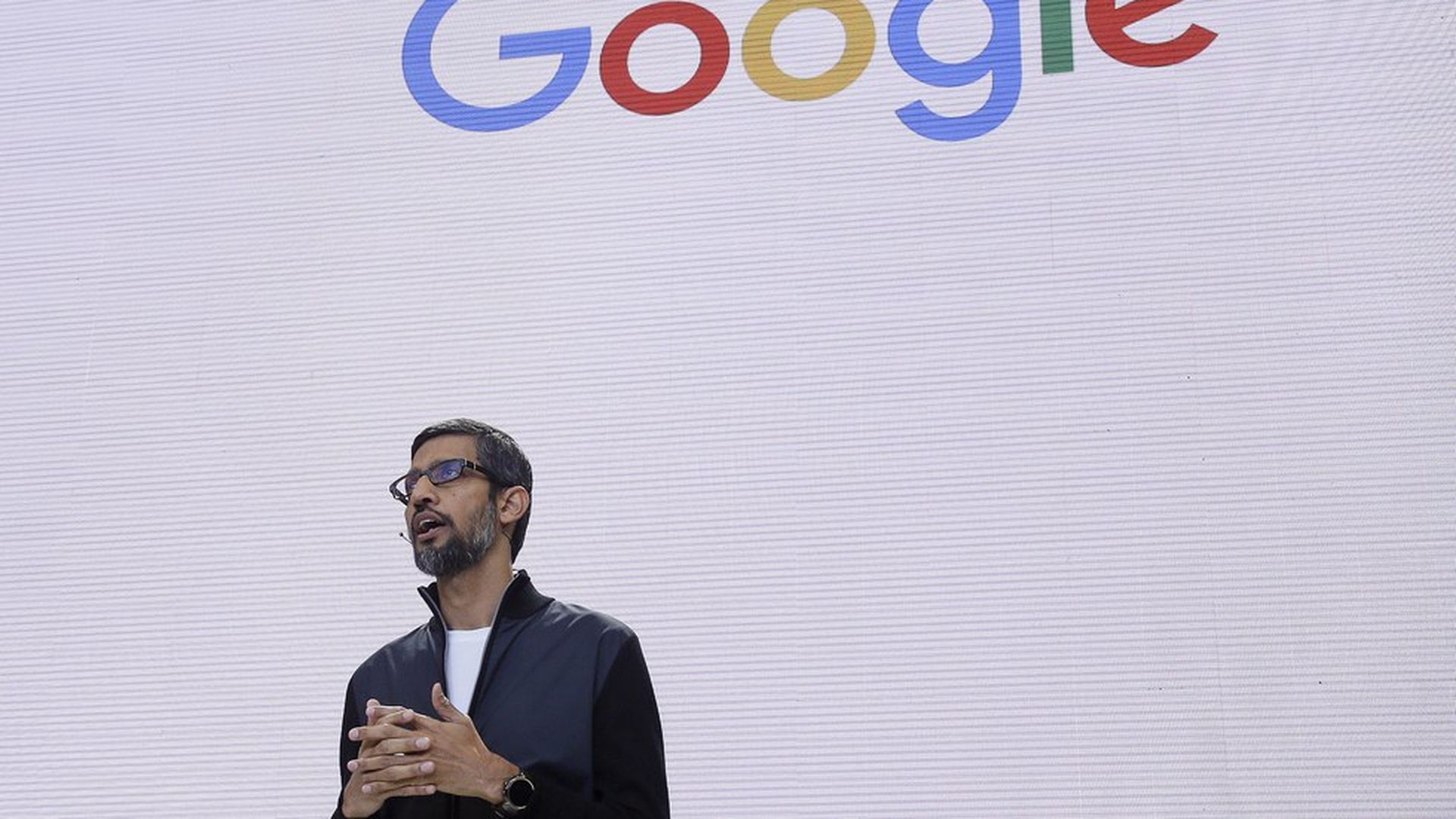
The Google engineer who wrote a memo claiming, among other things, that tech's gender gap existed in part because men were biologically better suited for the work has been fired, Bloomberg reports.
- James Damore, the memo's author, said he was fired for "perpetuating gender stereotypes."
- Google CEO Sundar Pichai said in a memo to staff earlier on Monday that Damore had violated the company's code of conduct: "To suggest a group of our colleagues have traits that make them less biologically suited to that work is offensive and not OK."
- Read more: Axios' Dan Primack on the tech industry's dirty little secret.
Uber chairman: Travis Kalanick won't be CEO again
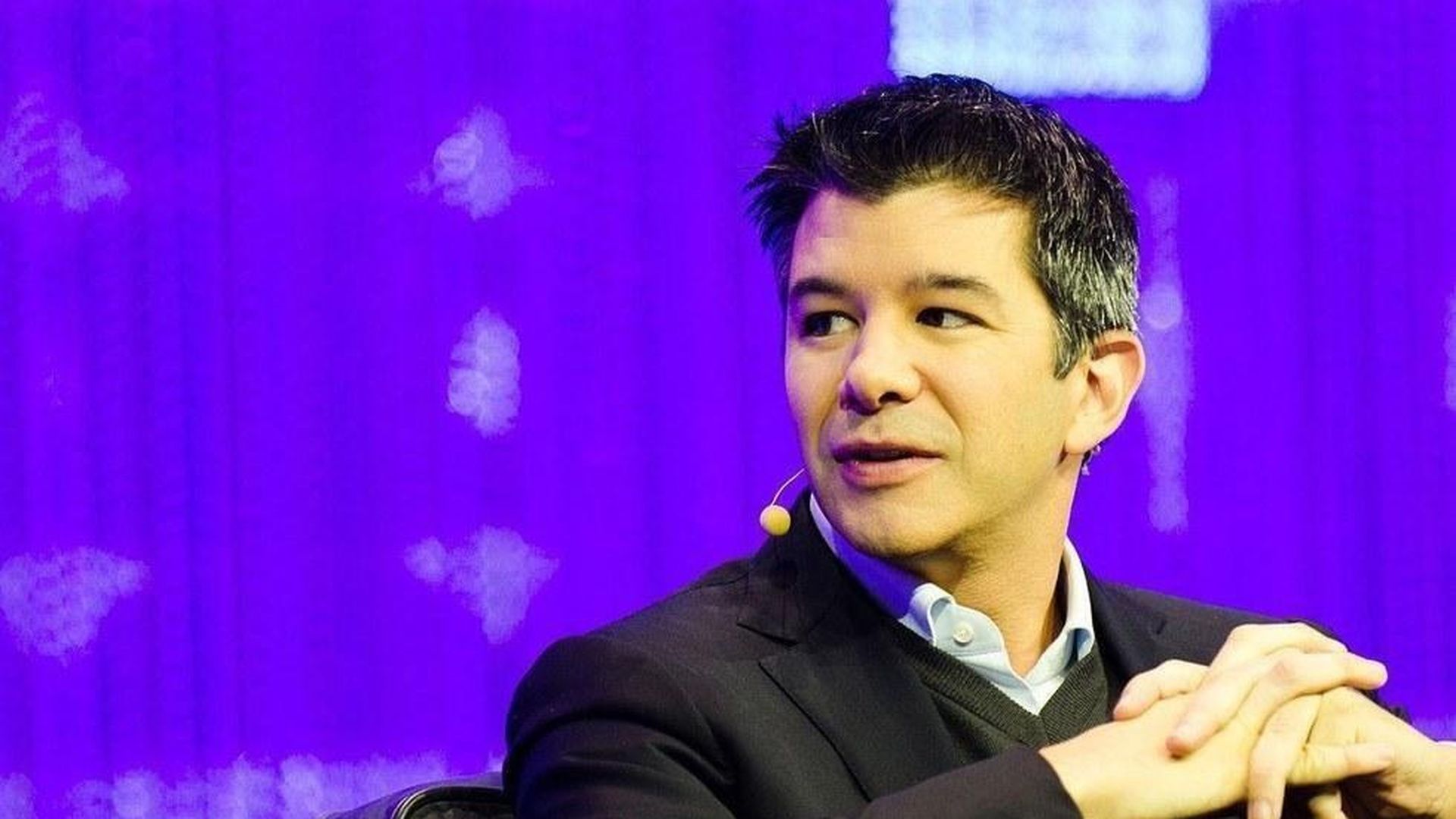
Garrett Camp, Uber's co-founder and chairman, is denying recent rumors that former CEO Travis Kalanick could regain his old job, according to an email to employees that wasobtained by Recode. Kalanick resigned as CEO in June after a group of investors pressured him to step down (despite not having enough voting power to force him out).
"It's time for a new chapter and the right leader for our next phase of growth," Camp wrote in the email. "Despite rumors I'm sure you've seen in the news, Travis is not returning as CEO. We are committed to hiring a new world class CEO to lead Uber."

Netflix's first acquisition: a comic book producer

Netflix has acquired comic book publisher Millarworld — its first acquisition ever — which you may recognize for graphic novels "Kingsman," "Kick-Ass," and "Wanted," which hit the big screens with major studios, grossing nearly $1 billion combined, per the WSJ.
- When Mark Millar worked for Marvel Entertainment, he developed comic books that inspired "The Avengers" and the film "Logan," released this year. Netflix was up in trading Monday afternoon. The deal price was not disclosed.
- The long game: Making Millarworld "compelling characters and timeless, interwoven fictional worlds" centerpieces of Netflix Originals, per Netflix.
- Why it matters: This shows Netflix entering the ranks of the likes of Warner Bro's, which purchased DC Comics in 1968 (whose Wonder Woman film passed $400 million domestically this weekend), and Disney, which purchased Marvel in 2009. Plus, by relying on its own content, Netflix can shed contract negotiations and the associated costs.

Kenya worries about fake news ahead of tomorrow's election

Kenya heads to the polls tomorrow to select its president, vice president, and members of Parliament, but the country is worried about the influence of fake news and unconfirmed reporting — especially after disputes following its last two elections left hundreds dead, per the NYT's Kimiko de Freytas-Tamura:
- Some hazy stories swirling around Election Day: Kenya's head of voting technology was found dead with signs of torture, the military apparently confirmed a document that planned to rig the election for current President Uhuru Kenyatta, and allegations that Kenyatta planned a military raid on the opposition's vote counting centers.
- By the numbers: A nationwide poll said that 33 percent of Kenyans have "little" to "no trust" in the commission overseeing the election.
- The big issues: Creeping inflation, cost of living, and unemployment — all exacerbated by ethnic splits that Kenyans worry might contribute to violence.