Friday's technology stories

Making Lidar cheaper

Lidar — the contraption on top of self-driving test vehicles that uses lasers to "see" — costs a ton of money: around $85,000. The full bill for other sensors, cameras, radar etc. required for future hands-off driving can run into the hundreds of thousands of dollars, plus the price of the car itself.
Mike Jellen, president of Velodyne, a key maker of Lidar equipment, claims the price will plummet under $10,000 once self-driving cars are selling in the hundreds of thousands or millions. The issue of Lidar's cost "is all marketing hype for new entrants," Jellen told Axios.
Why it matters: This is part of a technological war over the development of sensors, the winner of which could reap hundreds of billions of dollars in revenue if the world does turn to self-driving vehicles en-masse, as many analysts predict. The losers? Primarily, the millions of professional truck and taxi drivers around the world who may be shoved out of work.

Intel CEO sees VR sports as a billion dollar business
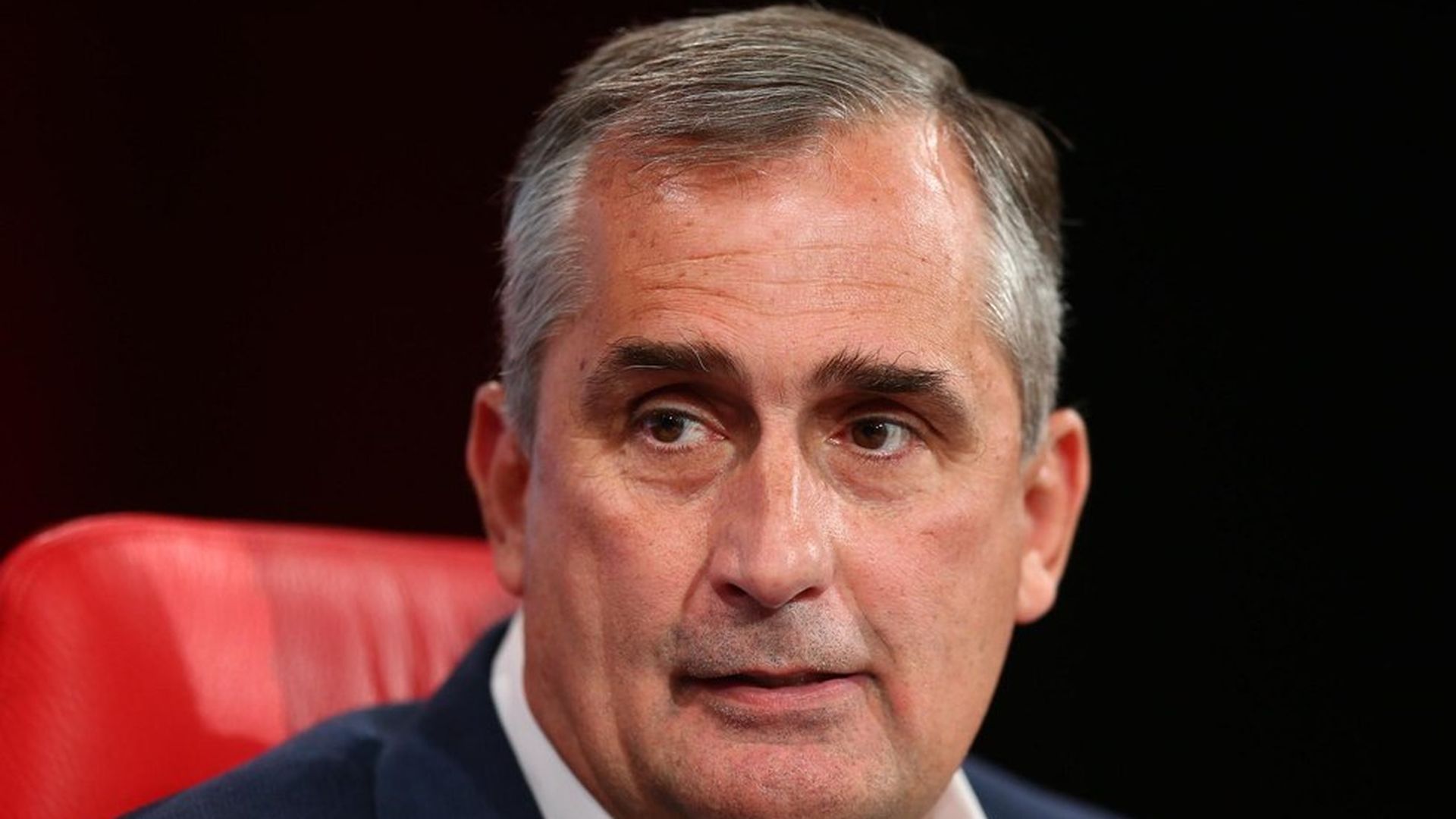
Intel CEO Brian Krzanich told Axios on Thursday that he sees virtual reality not only changing the face of sports, but also potentially being a multi-billion-dollar business for the chip giant.
"I think it can be a couple billion dollar business" he said in an interview after his appearance at Code Conference. "And the reason is this is a whole new feed... things like advertising, the ability to take that data and sell it... we're the only ones who we believe can produce this stuff."
Intel has made several acquisitions to build its sports VR business, including Replay Technologies and Voke. The result is technology that Krzanich says will let people soon watch live sports broadcasts and choose their own view, focusing on a key player or even watching the game from their point of view. "By 2019, you''ll be able to don on your VR headset and go anywhere on the field... and watch the game with maybe a two-second delay," he said.

Snap's video sunglasses arrive in Europe
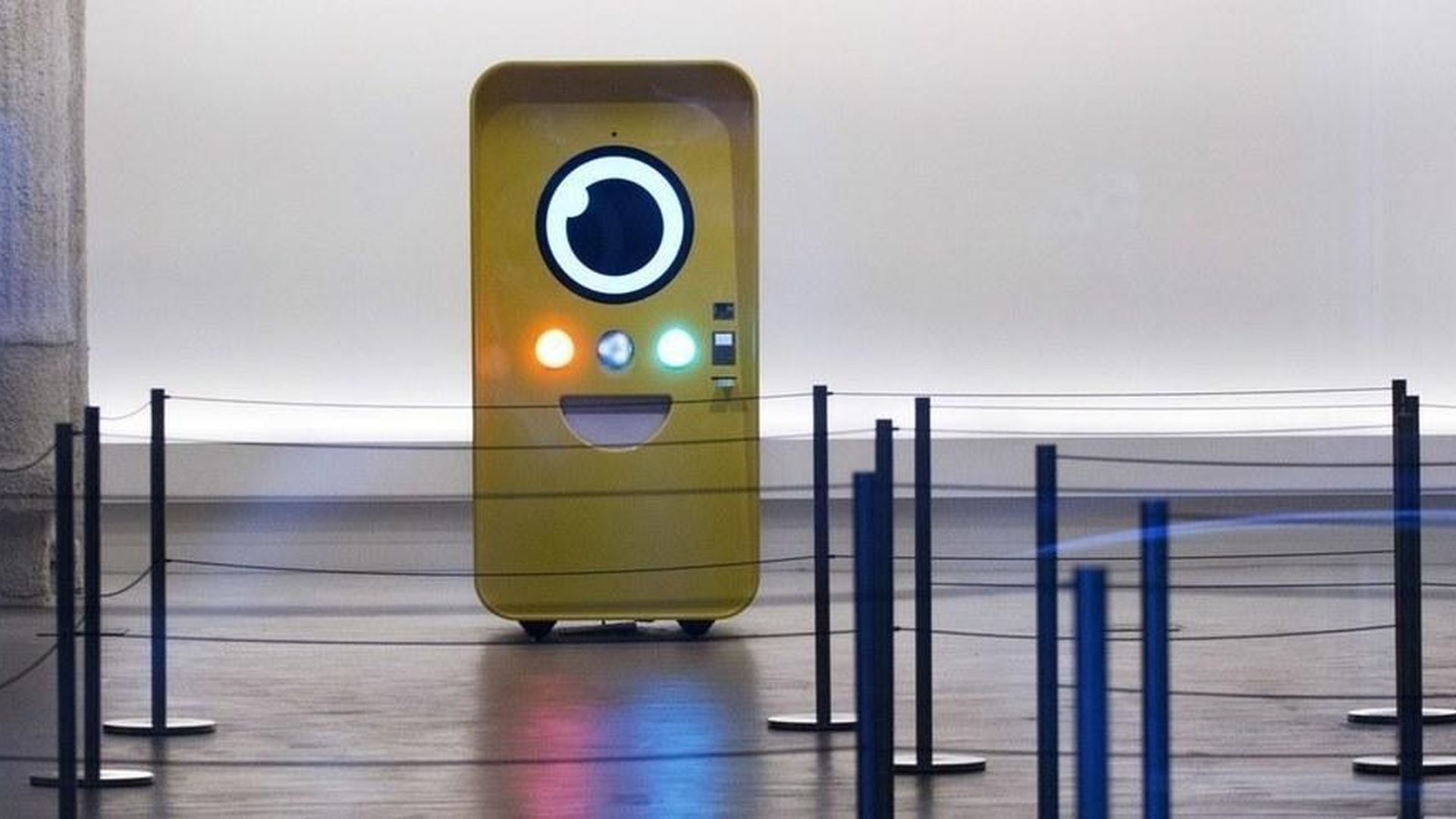
Snap's Spectacles are now available in Europe after debuting in the U.S. last November. They'll cost European customers about £130, or €150 (they cost $130 in the U.S.).
Snap's retail strategy for Spectacles has had exclusivity as its goal—after first only selling them via a traveling vending machine, Snap then opened a temporary retail spot in New York City and is finally making them available online.
Where to purchase: Residents of Austria, Belgium, Denmark, Germany, Spain, Finland, France, Ireland, Italy, Netherlands, Norway, Switzerland, Sweden, and the U.K. can order them online through the company's website. Snap's Snapbots, its signature bright yellow Spectacles vending machines, will also travel around Europe.

Waymo is testing a self-driving truck
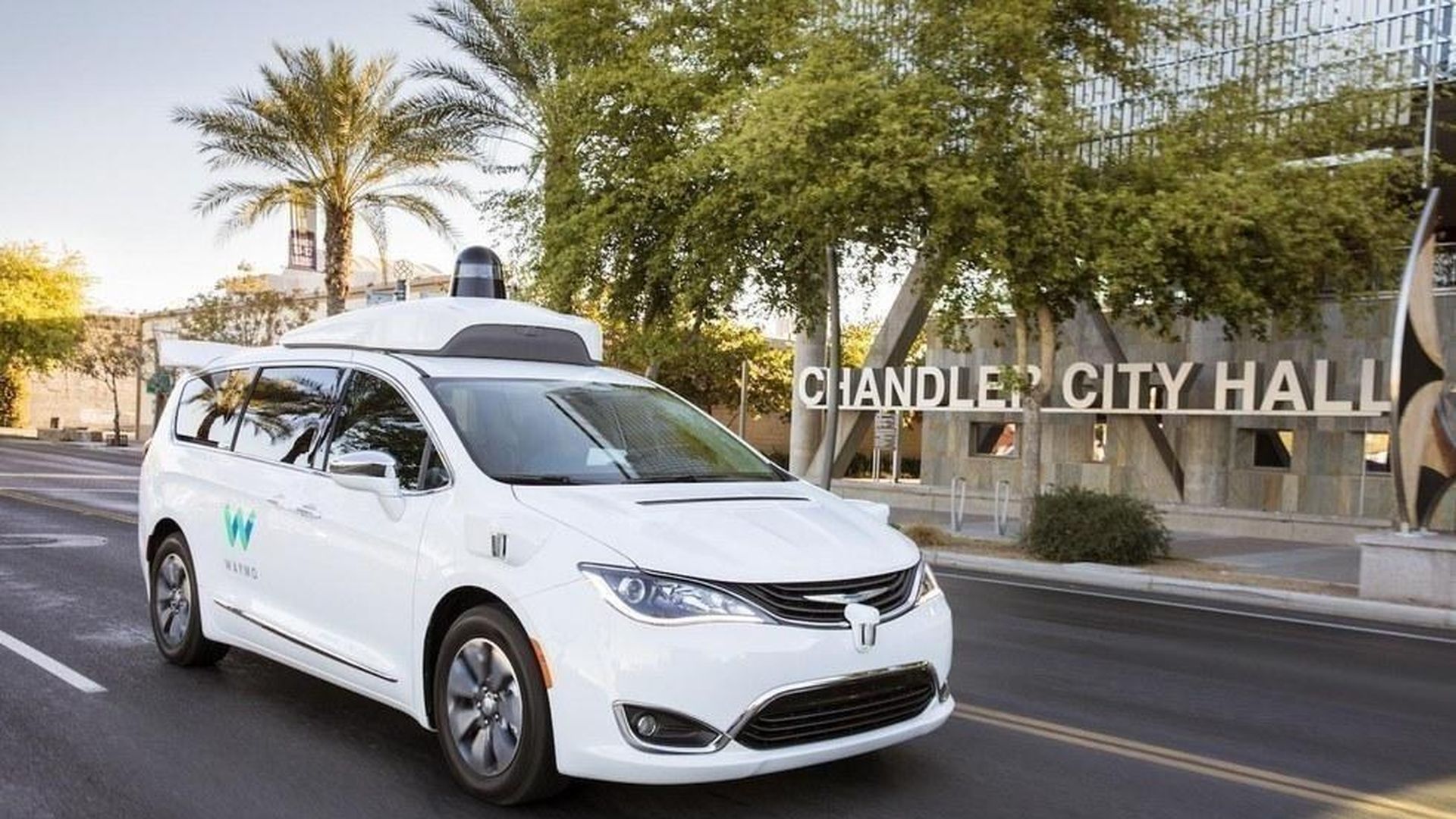
Waymo confirms it is trying out its technology on a Class 8 Peterbilt semi and testing it on a track in California. The company will start testing the truck's autonomous capabilities on roads in Arizona later this year with a test driver behind the wheel.
BuzzFeed News was the first to report on the test.
Why it matters: Self-driving trucks stand to transform the livelihoods of millions of truck drivers around the country. Uber is testing its own self-driving trucks.
Lyft releases first diversity report
Ride-hailing company Lyft has released its first ever workforce diversity report. And it's a bit better than some in the tech industry at not only employing white or Asian men, there's still room for improvement.
Why it matters: The lack of diversity in the tech industry has been a hot topic in Silicon Valley over the last couple of years. And while Lyft has generally enjoyed a positive public image as far as its business practices, this report shows that it nevertheless faces challenges similar to the rest of the Valley.
Europe says tech companies are removing more hate speech

The European Union says platform companies are removing more instances of reported illegal hate speech:
- Facebook and Google-owned YouTube both removed around 66% of content that they were notified about in a newly-released evaluation of a code of conduct adopted by European regulators and the companies. Richard Allen, Facebook's Vice President of Public Policy for Europe, the Middle East and Africa, said in a statement "that our partnership is having a significant positive impact for people in the EU."
- Twitter, meanwhile, only removed 37.5%. Karen White, Twitter's Head of Public Policy in Europe, said in a statement that the company tries to "to reach the right balance between showing all sides of what's happening and tackling hateful conduct."
Intel CEO: Apple would be foolish not to consider using own chips
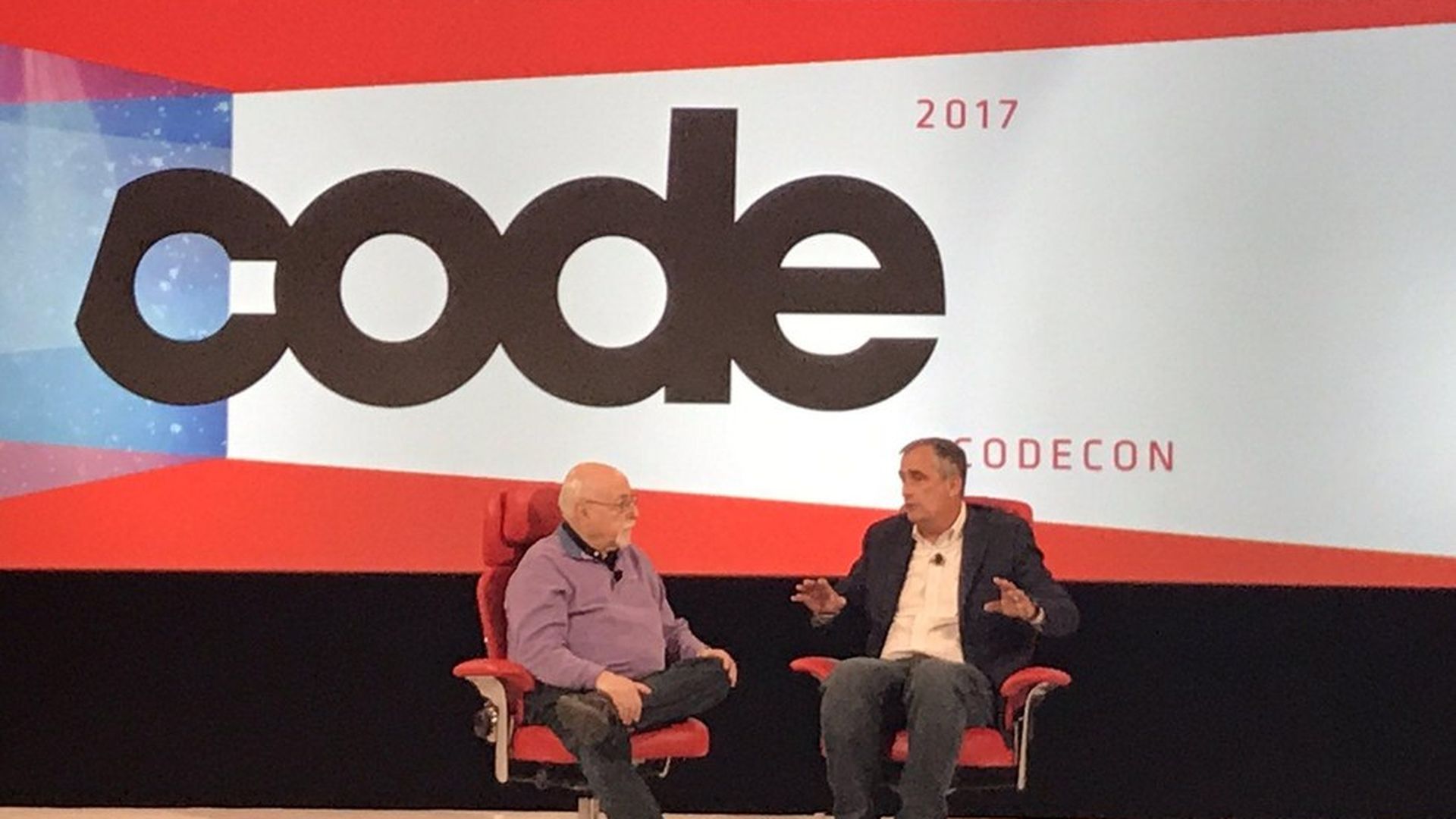
Asked about the prospect of Apple using its own chips in the Mac rather than those from his company, Intel's CEO says the company is probably always looking at whether such a move makes sense.
"As an engineer I think they'd be foolish not to do that test," Brian Krzanich said at Code Conference on Thursday. "We always look at it as a competitive battle we have to win. "Our job is to make our products so compelling – the power the battery life."

The next great test for computers: creativity
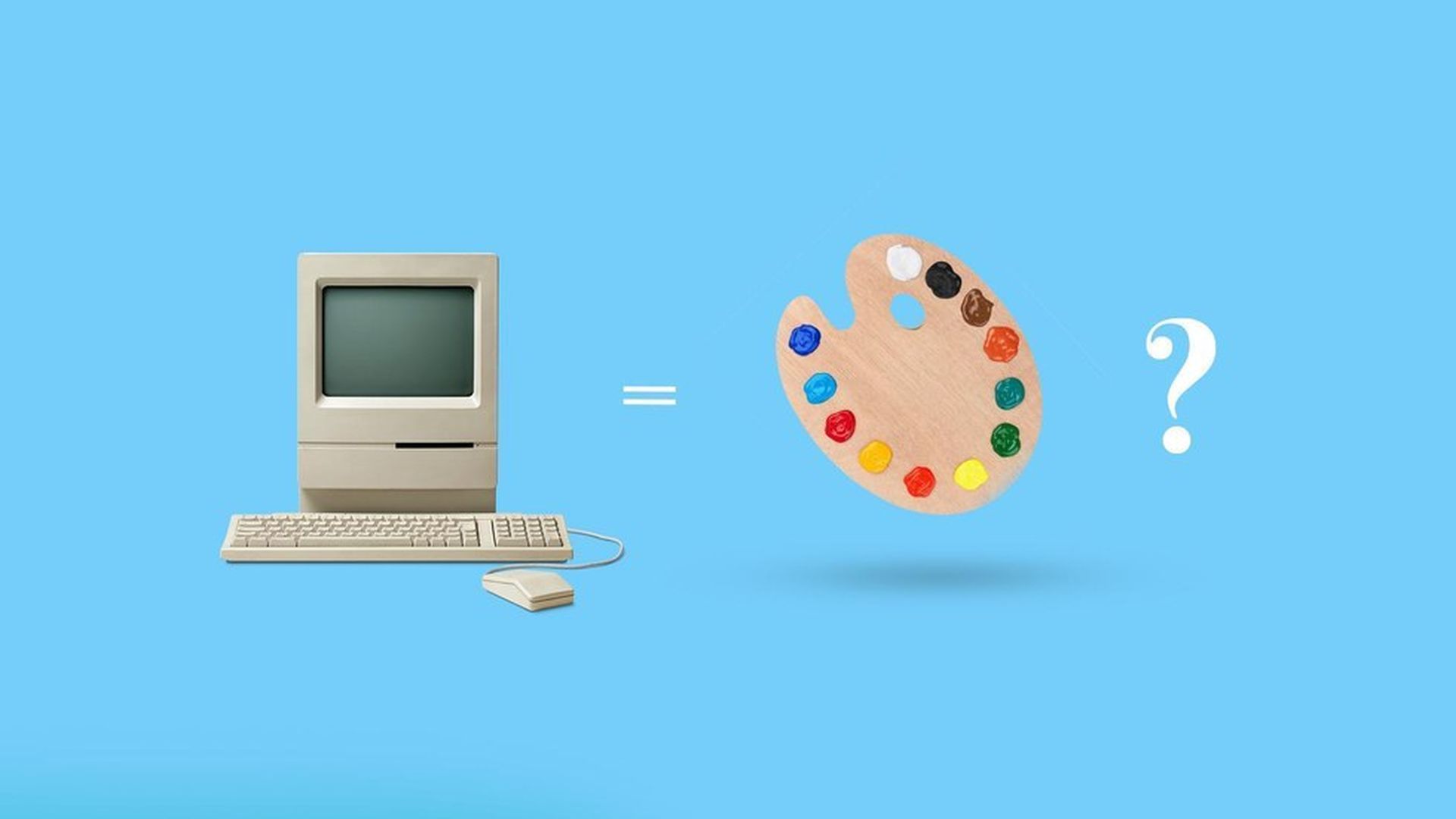
Computers beat us at our own games, surpass us in diagnosing some diseases and fool our senses. Some of us worry about them taking our jobs while others envision they'll free us up to do more meaningful, creative work. But as algorithms acquire and improve human skills, will they too become creative?
A contest at Dartmouth that serves as a Turing test for creativity assures us that hasn't happened yet. Contestants submit algorithms that produce sonnets, complete stories and can perform as one partner in dancing and singing duets. Last year's submissions for a short-story-concluding-code, for example, fooled just one human judge one time.
But will creativity remain a seemingly untouchable aspect of human intelligence? That's the question we asked researchers.
- Jesse Engel, artificial intelligence researcher, Google Brain: Augmenting human creativity
- Simon DeDeo, complexity theorist and cognitive scientist, Carnegie Mellon University and the Santa Fe Institute: thy commitment, decorated with Joy, begins to speak briskly
- Ed Newton-Rex, founder and CEO, Jukedeck: Computers are already creative
- Tony McCaffrey, CTO, Innovation Accelerator: Computers and humans and super-creativity
- Oded Ben-Tal, composer and researcher, Kingston University: Our definition of creativity will change
- Simon Colton, artificial intelligence researcher, University of London: Machines will be creative for, with and despite us