Saturday's technology stories

Exclusive: Apple Music executive Bozoma Saint John plans to leave the company
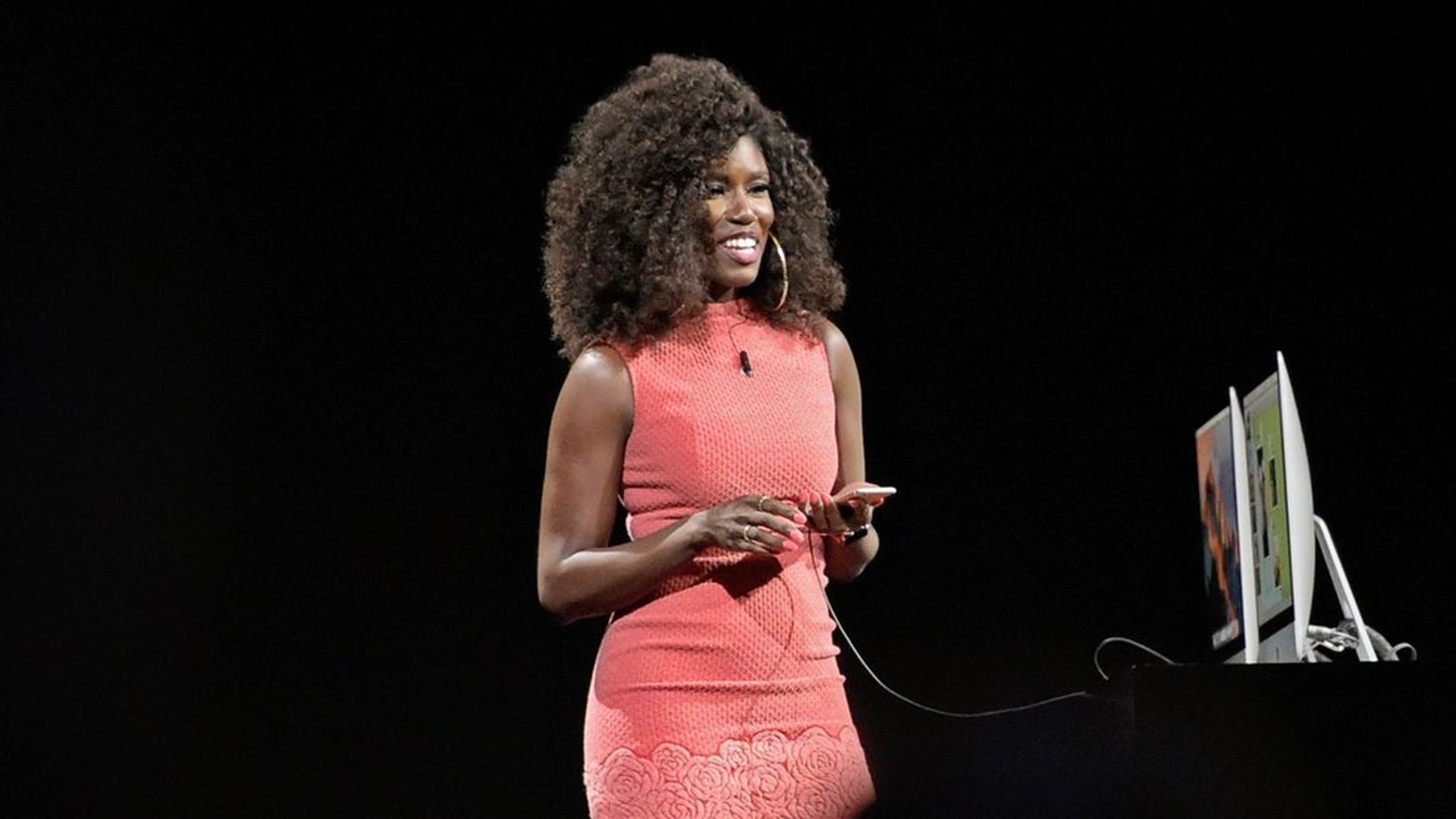
Bozoma Saint John, the Apple executive who garnered significant attention for her demo at last year's worldwide developer conference, plans to leave the company, Axios has learned. Saint John was head of Global Consumer Marketing for Apple Music (and predecessor Beats Music). Prior to that she was head of music and entertainment marketing for Pepsi.
An Apple representative declined to comment.
Why it matters: While Apple has several women of color in higher-ranking positions, Saint John had a high profile beyond Apple and was widely praised for her on-stage work last year. She was also fairly unique among Apple executives in maintaining a strong personal brand beyond her work identity, with a strong following on Instagram and Twitter. Her exit also comes shortly after Apple shifted former HR head Denise Young Smith to a new role as VP of diversity and inclusion.

Making Lidar cheaper
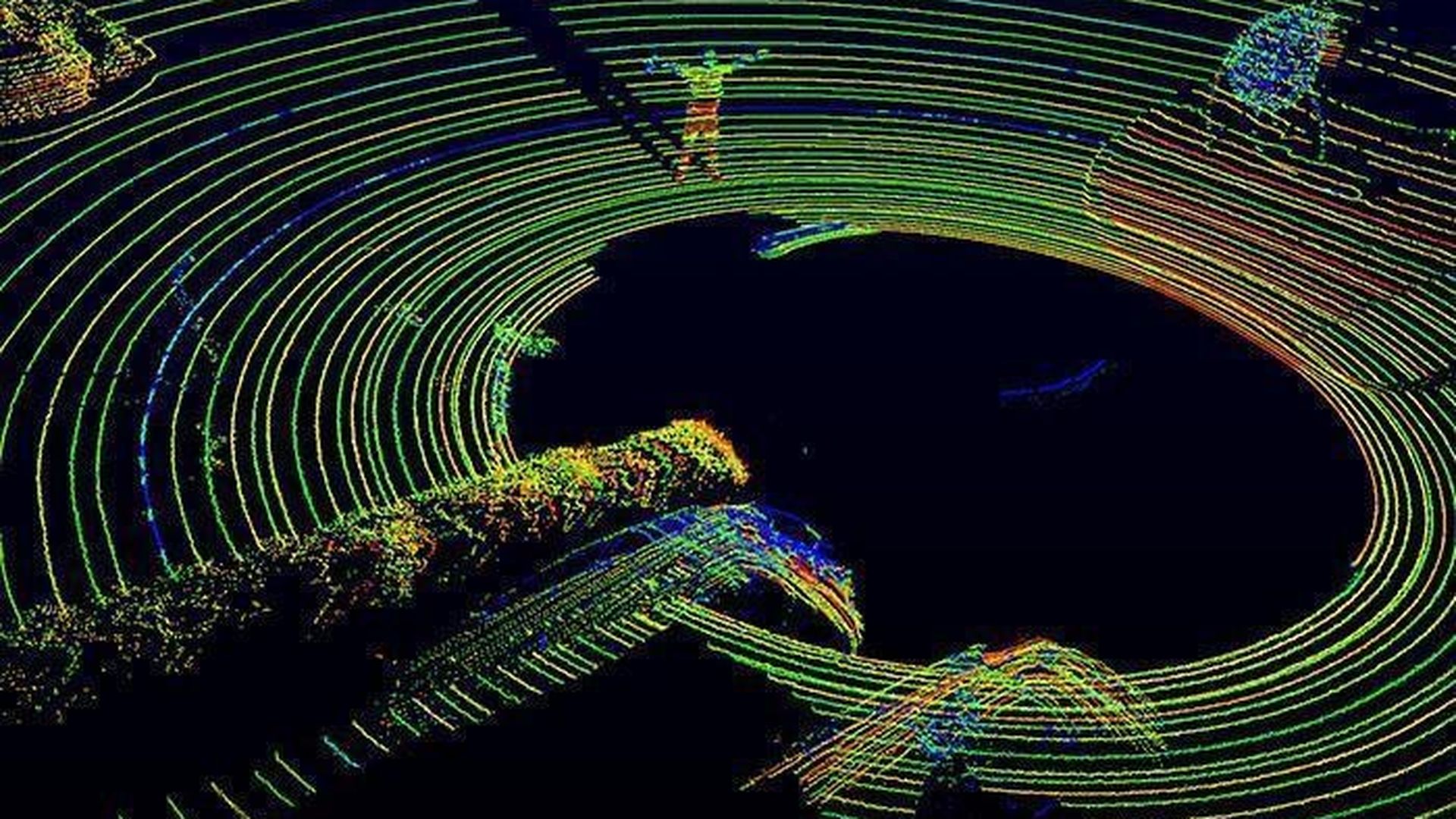
Lidar — the contraption on top of self-driving test vehicles that uses lasers to "see" — costs a ton of money: around $85,000. The full bill for other sensors, cameras, radar etc. required for future hands-off driving can run into the hundreds of thousands of dollars, plus the price of the car itself.
Mike Jellen, president of Velodyne, a key maker of Lidar equipment, claims the price will plummet under $10,000 once self-driving cars are selling in the hundreds of thousands or millions. The issue of Lidar's cost "is all marketing hype for new entrants," Jellen told Axios.
Why it matters: This is part of a technological war over the development of sensors, the winner of which could reap hundreds of billions of dollars in revenue if the world does turn to self-driving vehicles en-masse, as many analysts predict. The losers? Primarily, the millions of professional truck and taxi drivers around the world who may be shoved out of work.
Intel CEO sees VR sports as a billion dollar business
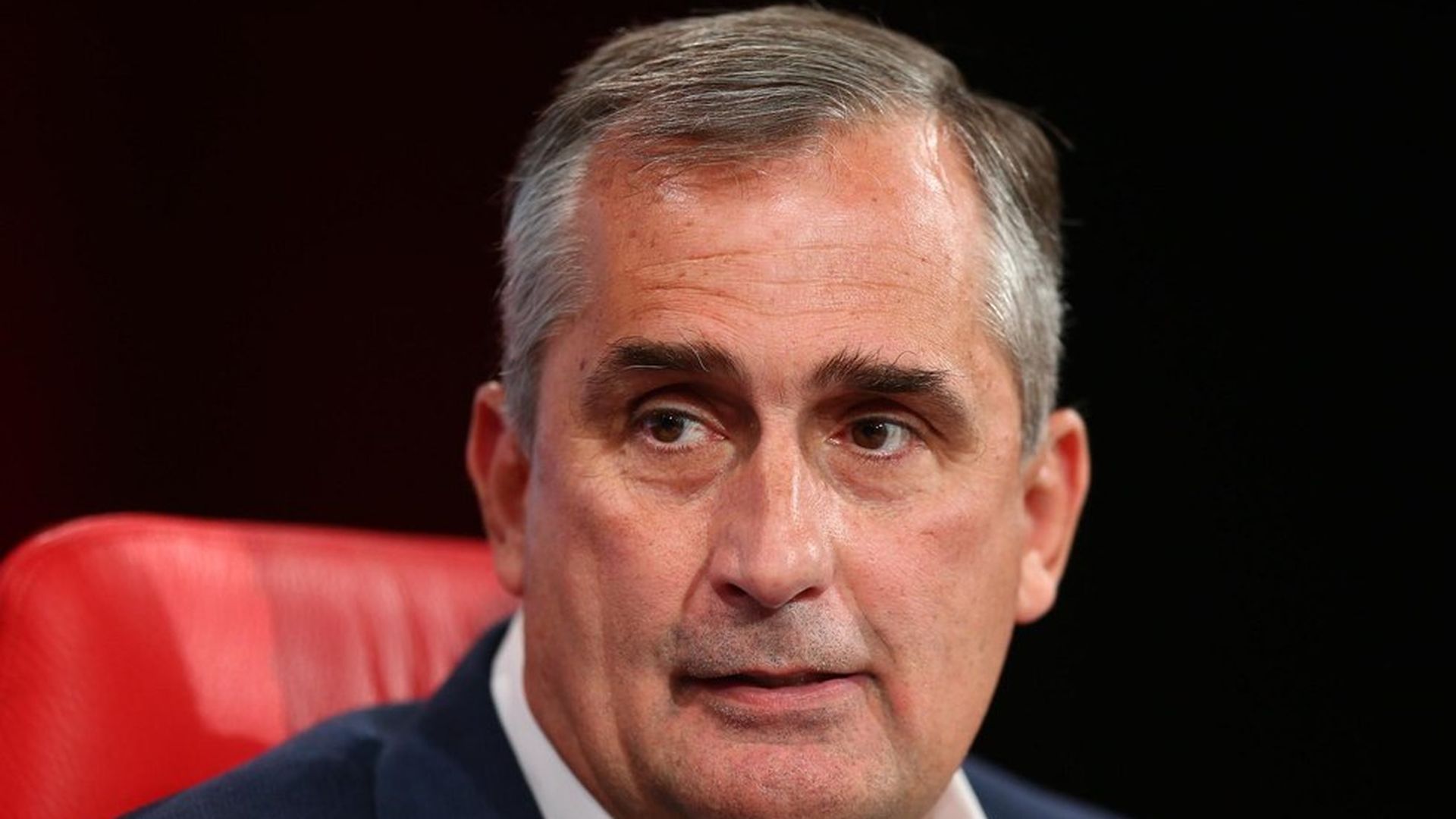
Intel CEO Brian Krzanich told Axios on Thursday that he sees virtual reality not only changing the face of sports, but also potentially being a multi-billion-dollar business for the chip giant.
"I think it can be a couple billion dollar business" he said in an interview after his appearance at Code Conference. "And the reason is this is a whole new feed... things like advertising, the ability to take that data and sell it... we're the only ones who we believe can produce this stuff."
Intel has made several acquisitions to build its sports VR business, including Replay Technologies and Voke. The result is technology that Krzanich says will let people soon watch live sports broadcasts and choose their own view, focusing on a key player or even watching the game from their point of view. "By 2019, you''ll be able to don on your VR headset and go anywhere on the field... and watch the game with maybe a two-second delay," he said.

Snap's video sunglasses arrive in Europe
Snap's Spectacles are now available in Europe after debuting in the U.S. last November. They'll cost European customers about £130, or €150 (they cost $130 in the U.S.).
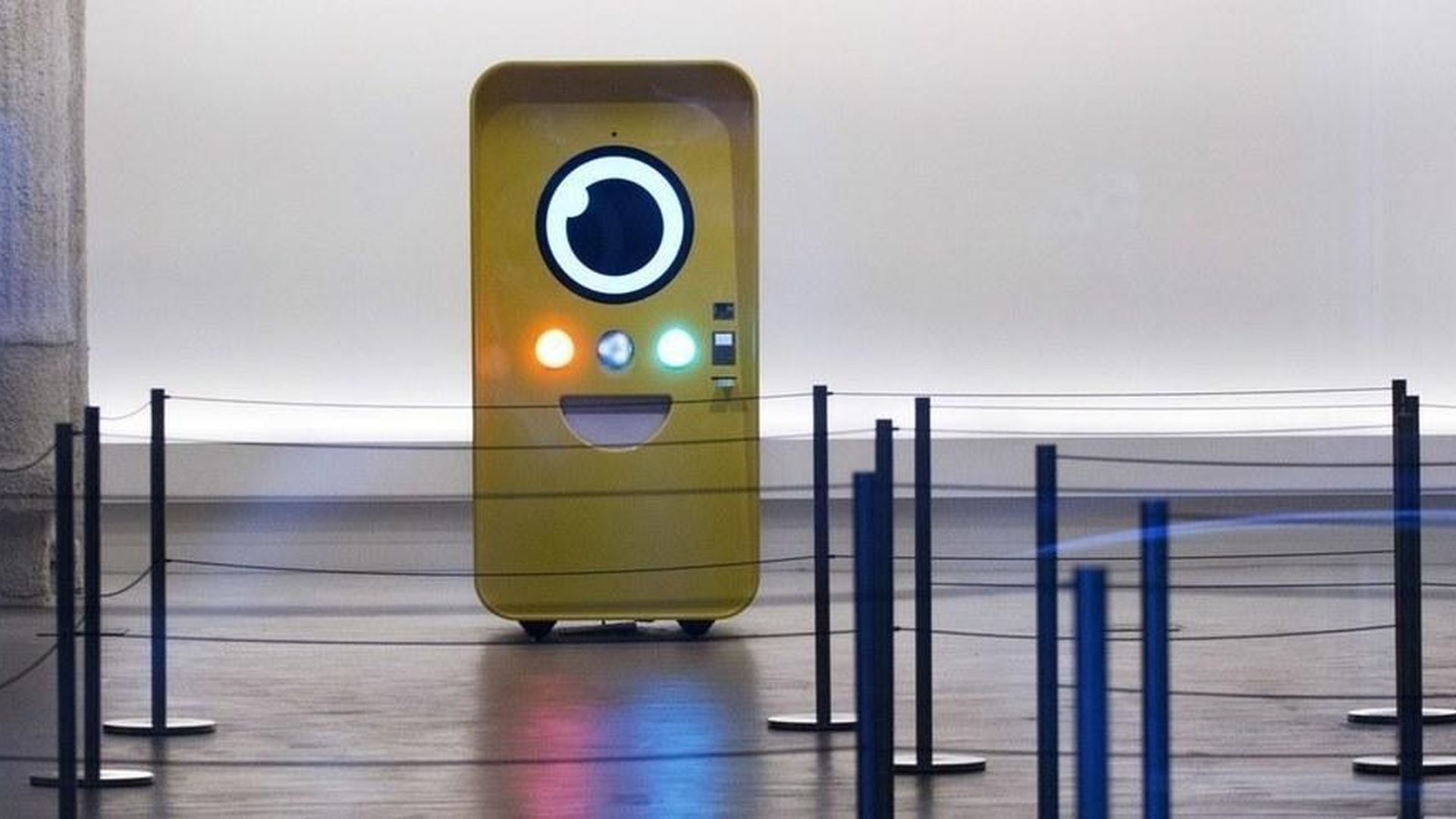
Snap's retail strategy for Spectacles has had exclusivity as its goal—after first only selling them via a traveling vending machine, Snap then opened a temporary retail spot in New York City and is finally making them available online.
Where to purchase: Residents of Austria, Belgium, Denmark, Germany, Spain, Finland, France, Ireland, Italy, Netherlands, Norway, Switzerland, Sweden, and the U.K. can order them online through the company's website. Snap's Snapbots, its signature bright yellow Spectacles vending machines, will also travel around Europe.

Waymo is testing a self-driving truck
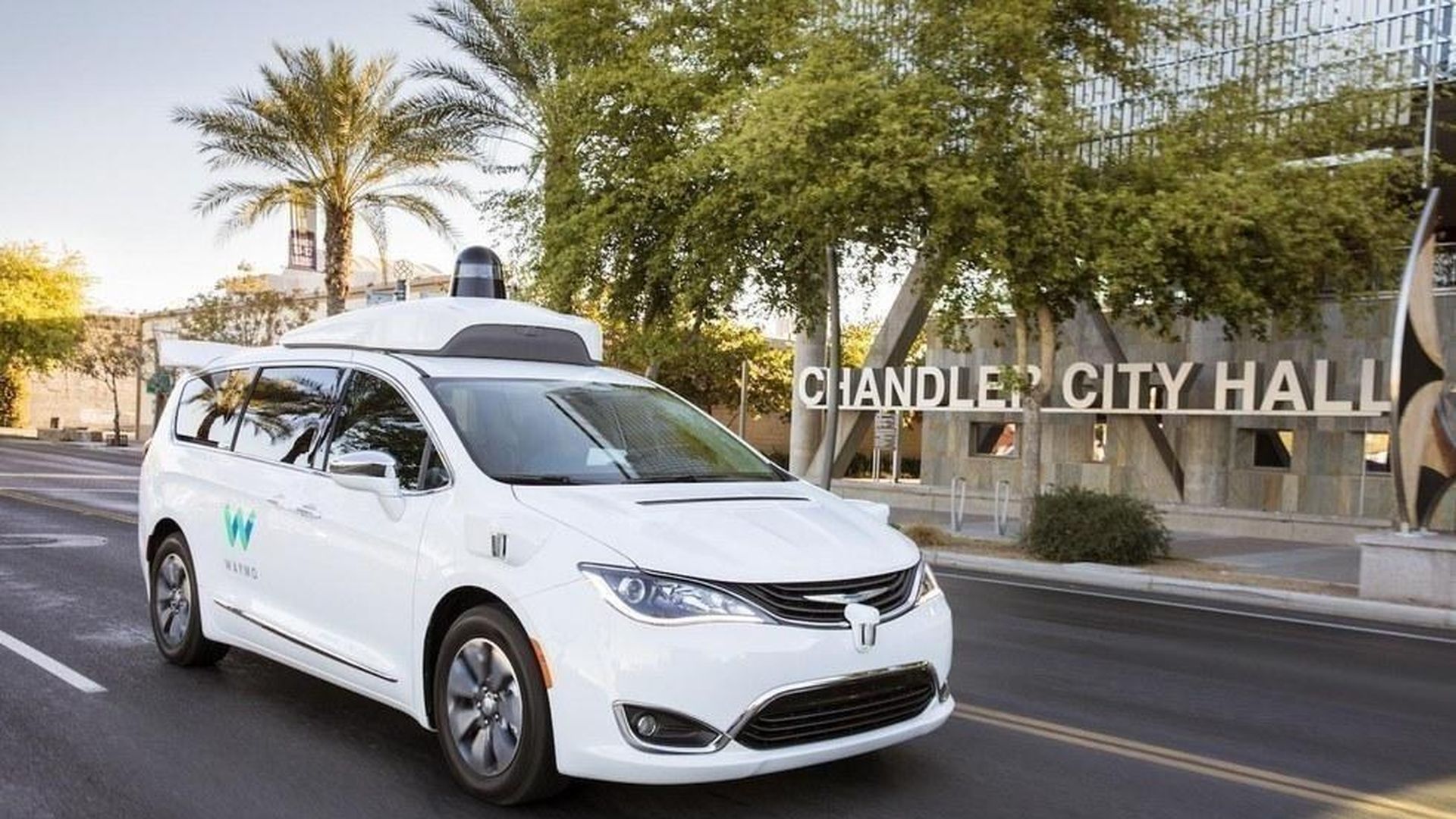
Waymo confirms it is trying out its technology on a Class 8 Peterbilt semi and testing it on a track in California. The company will start testing the truck's autonomous capabilities on roads in Arizona later this year with a test driver behind the wheel.
BuzzFeed News was the first to report on the test.
Why it matters: Self-driving trucks stand to transform the livelihoods of millions of truck drivers around the country. Uber is testing its own self-driving trucks.