Monday's technology stories

Apple removes Facebook and Twitter integration from iOS 11
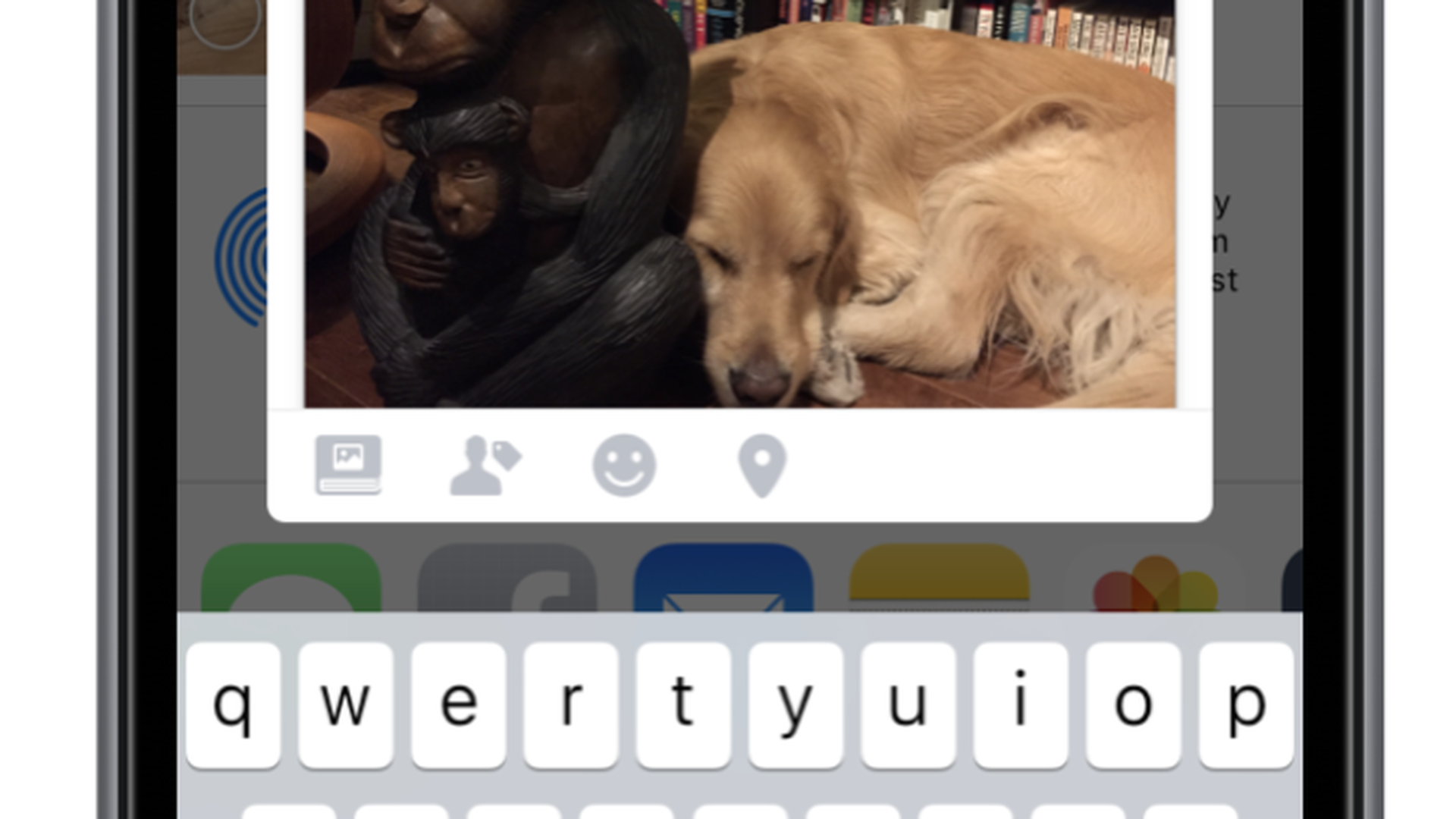
There are lots of new features in iOS 11, but one feature that is being pulled from the next version of the iPhone operating system is the built-in support for Facebook and Twitter, Axios has confirmed. Apple has had the ability to sign into Facebook directly from iOS since 2012 and Twitter integration since 2011.
Rather than continue to add support for different social services, Apple went with a different approach, adding sharing extensions with iOS 8 in 2014. Until now, it has maintained the single sign-on for Twitter and Facebook in addition to supporting the sharing extensions for a wider range of apps.
The bottom line: Now Facebook and Twitter will be treated like other apps, with the social networks forced to rely on the same iOS sharing extensions used by all those with whom they compete.


Uber delays company discussion of Eric Holder report
Uber has delayed a previously-scheduled discussion with its employees about the workplace culture report it commissioned after allegations of sexual harassment and gender discrimination, Axios has learned from multiple sources.
The investigation had been led by former U.S. Attorney General Eric Holder, and submitted last Wednesday to a subcommittee of Uber's board of directors. Many employees had been told to expect details during the company's weekly all-hands meeting on Tuesday (i.e., tomorrow), but word just came down that such information would not yet be forthcoming.
What happened? Uber PR declined to discuss the change in plans, but it's possible that the timing was affected by CEO Travis Kalanick's recent family tragedy.
Why it matters: Uber's aggressive reputation took a particularly ugly turn in February, when former site reliability engineer Susan Fowler published a detailed account of sexual harassment, discrimination, and Uber's refusal to address her complaints. Holder's report is expected to address these claims, plus broader issues of workplace inclusion and diversity. It also will be viewed in many quarters as a stand-in for Silicon Valley tech companies, as a whole.
Apple unveils a home speaker focused on music
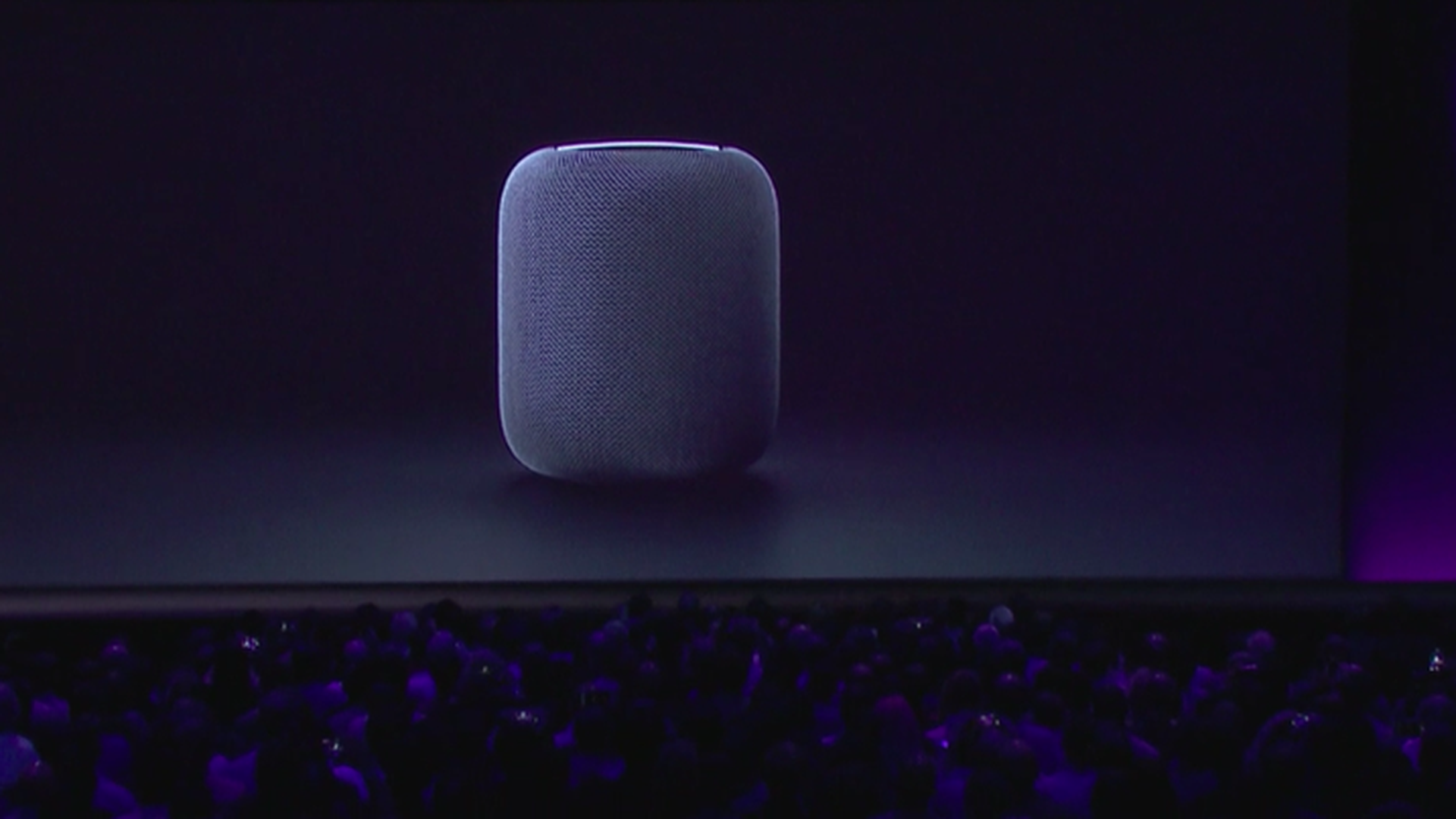
Apple unveiled a connected home speaker at its annual developer conference in San Jose, which is due out later this year. The speaker, dubbed HomePod, comes after months of questions (and recent rumors) as to whether the tech giant will release a device to rival Amazon's Echo and Google Home.
"We want to reinvent home music," said Apple CEO Tim Cook. Senior VP of marketing Phil Schiller disses competition, saying that others have good speakers, but no assistant, and those with a good assistant aren't great speakers. "None of them have quite nailed it yet," Schiller said.
History lesson: It's not Apple's first attempt at a home speaker. It had the ill-fated Apple Hi-Fi, a $349 iPod speaker that was a pet project of Steve Jobs.
Here are the specs:
- It's powered by the Apple A8 processor, same used in some iPhones. "It's perhaps the biggest brain ever in a speaker," Schiller said.
- Apple's Siri is integrated into HomePod.
- HomePod can do things like read the news, play music, set up alarms and reminders, check the weather.
- HomePod can connect to Apple's HomeKit and control smart home devices.
- Will cost $349 and come in white and "space gray"
- Will begin shipping in December in the U.S. and the U.K.
The story has been updated with the correct price for the iPod Hi-Fi.
Apple debuts peer-to-peer payments on iOS
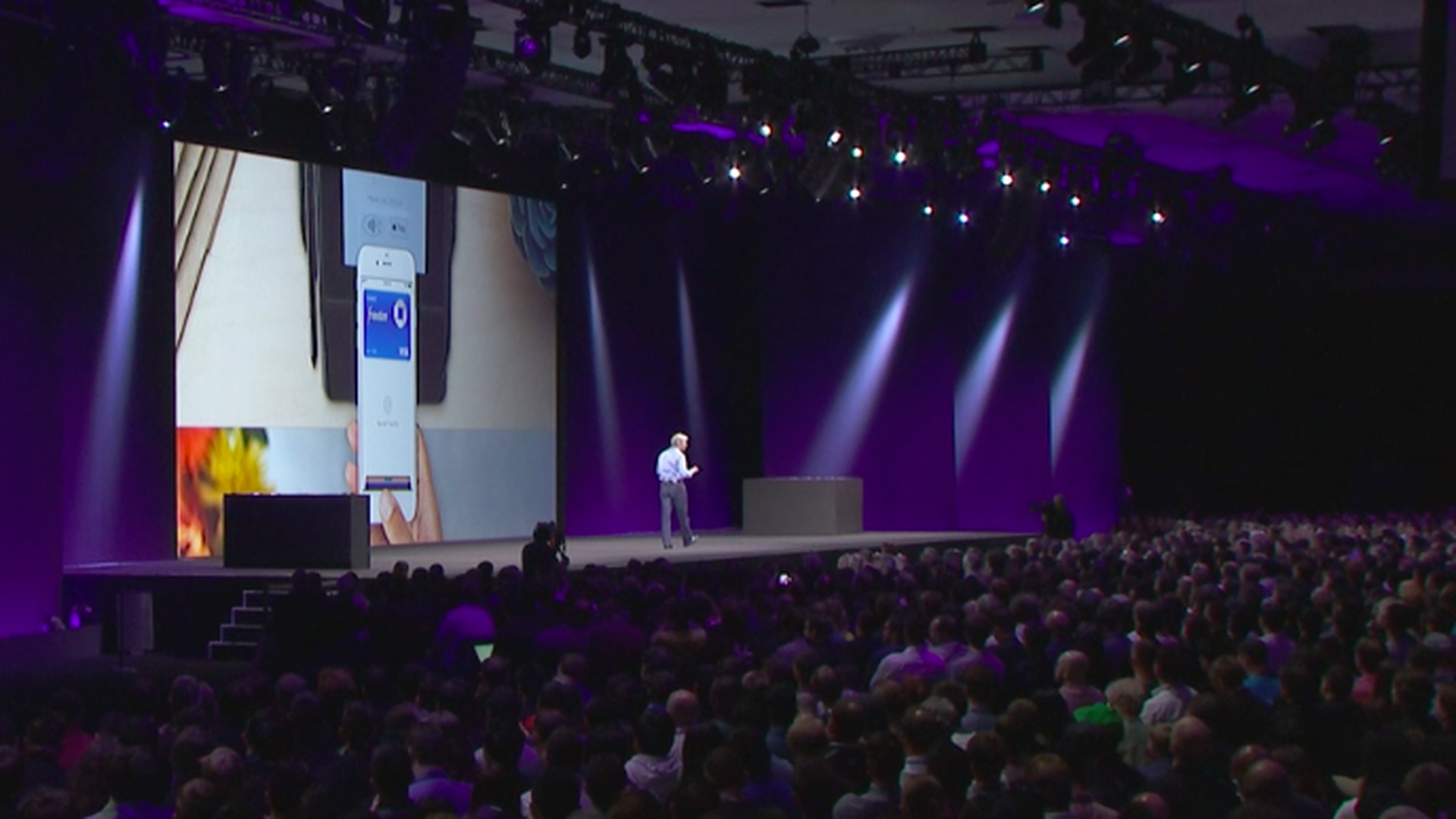
Apple is finally rolling out peer-to-peer payments as part of its update to iOS 11, the company announced on Monday at its annual developer conference in San Jose. The feature is part of Apple Pay, the tech giant's digital payments service, and can be accessed via iMessage, making it easy to send money right from a chat conversation with another user.
Taking on the competition: The much-rumored feature puts Apple in direct competition with services like PayPal's Venmo app and Square's Cash. Apple Pay, which is already available as an alternative to credit cards for paying in store and online, has been steadily growing in popularity, so its new peer-to-peer feature is sure to make existing competitors nervous. With that said, the feature only works for Apple Pay users, so people will won't be able to use it for payments to or from Android users.

Journalists keep getting in trouble for tweeting
In the past month:
- June 5: Breitbart writer Katie McHugh has reportedly been fired after sending a series of incendiary tweets following the London Bridge terrorist attack.
- June 4: CNN host Reza Aslan received heavy criticism and eventually apologized for tweeting inflammatory language about the president.
- May 29: Denver Post reporter Terry Frei was fired for tweeting that he was uncomfortable with a Japanese driver winning the Indy 500 on Memorial Day weekend.
- May 26: LBC radio host Katie Hopkins was fired for a tweet calling for a "final solution" to Islamic terrorism in wake of the Manchester terror attack
- May 24: Freelance writer David Leavitt apologized for tweeting insensitive remarks following the Manchester terror attack.
Terrorism trend: A lot of these tweets and ones from the past year (extended list below) are related to inappropriate comments/language used around terrorist attacks.
Why it matters: The implication of this is best summed up in an opinion piece by Damon Linker published Saturday in TheWeek: "Twitter is a place where the emphasis on instantaneous reaction undermines the already-waning ideal of objectivity in the news, as journalists whose published work strives for fairness and balance regularly spout off in reaction to this or that event without a moment's pause of reflection or restraint."
In the past year:
- January 31: New York Post reporter Bart Hubbuch was fired after sending a tweet that compared Trump's inauguration to 9/11 and Pearl Harbor.
- December 14: Politico reporter Julia Ioffe was fired over an obscene tweet about Ivanka Trump.
- October 13: Fox Business host Lou Dobbs apologized for tweeting the phone number and address of a Trump sexual harassment accuser.
Not just Twitter: This type of behavior has occurred on other social media outlets as well. A Politico editor resigned in November after publishing addresses of extremist leaders to Facebook.
Apple debuts new iMacs, iPads, previews iMac Pro, HomePod speaker and new software (Live updates)
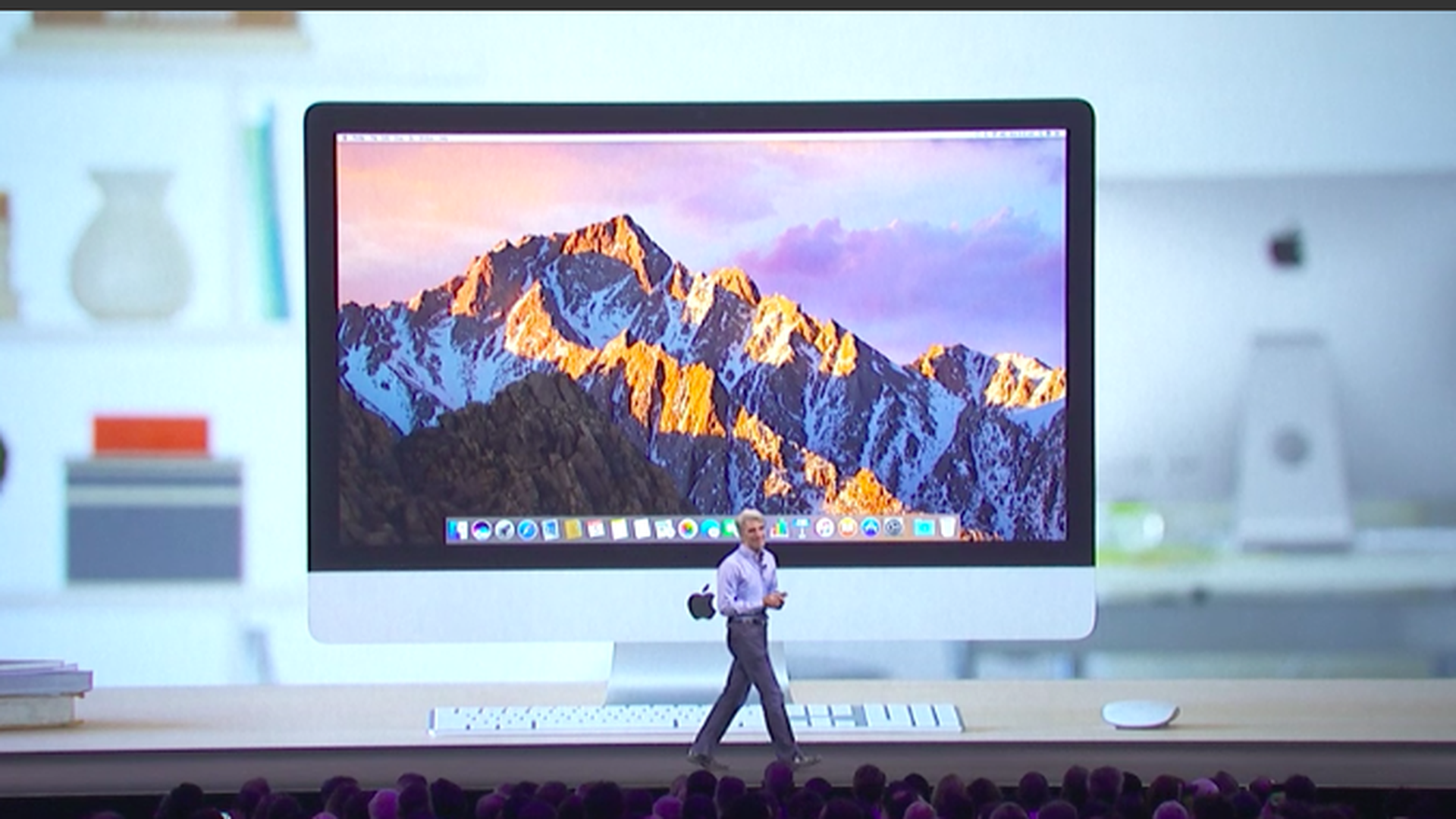
Apple's big annual developer conference usually serves as a prelude of what's to come, with Apple previewing the software that will power the fall's new iPhone and Mac updates. And Apple did that, previewing Mac OS High Sierra and iOS 11, due this fall.
- This year, though, the company is debuting new devices at WWDC, including new iMacs (and a tease of a high-end $5,000 iMac Pro coming in December), new iPad Pro tablets as well as some under-the-hood enhancements to its notebook line.
- It also is releasing a Siri-powered $349 home speaker, called HomePod, coming in December.
- Beyond that, Apple also announced peer-to-peer payments using Apple Pay and some early, but important moves into augmented and virtual reality.

SCOTUS to examine cell phone data privacy
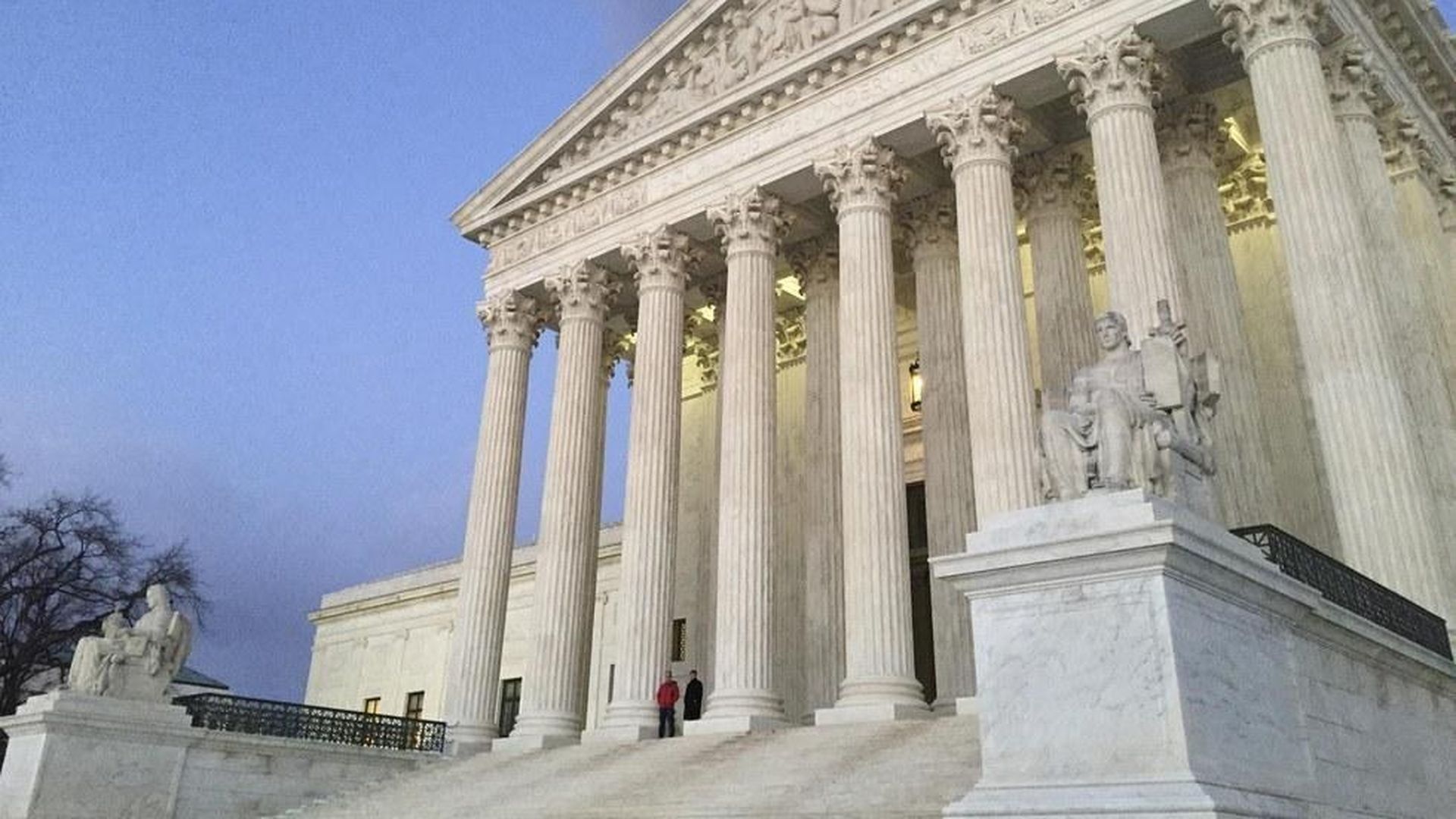
The Supreme Court said Monday it would weigh whether law enforcement needs to get a warrant when it wants cell phone data to figure out someone's location.
Why it matters: Privacy groups say some of the key precedents concerning phone records and police searches are out of date. This will be one of the most significant tests yet of how the court will balance decades-old law against the realities of the smartphone era.
Let's get technical: The case in question concerns a man convicted of a robbery partly because of evidence of his cell phone connecting with specific equipment, providing information on his location at the time. An appeals court has previously ruled that authorities didn't have to get a warrant to obtain the information.


Robots could hobble developing countries
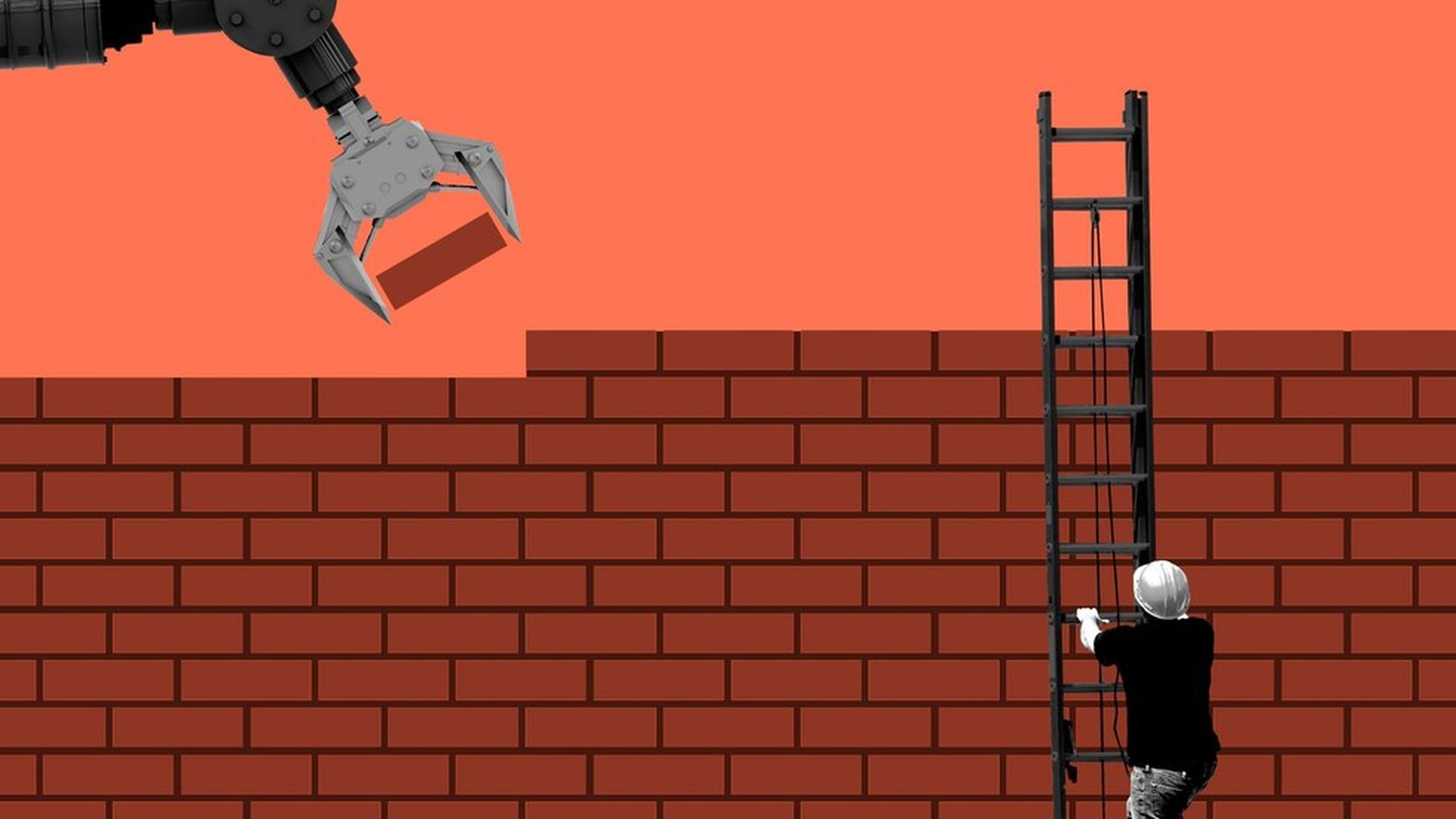
The traditional exit from poverty for poor countries — followed over the decades by Japan, Taiwan and South Korea, among others -- is to be the cheap labor for rich nations. But the robotics revolution may be foreclosing that route to the middle class, MIT economist Daron Acemoglu tells Axios.
Among the potential losers: Vietnam, China and Indonesia, said Acemoglu, co-author of some of the world's most influential recent papers on the impact of robotics.