Wednesday's technology stories

Facebook will show lawmakers which articles are popular with their constituents
Lawmakers are soon going to have a new tool to take the pulse of their constituents: Facebook.
The social giant is rolling out a product that will let lawmakers (or, more likely, their staffers) see what articles are popular with people who live in their district. The company argues it will help lawmakers better respond to the issues their constituents are focused on.
Why it matters: Lawmakers are more likely to listen to their constituents than a random caller or letter-writer, so this fine-tunes the process of identifying those voices as more chatter moves onto Facebook. It's also the latest civic-engagement move from the company, which has grappled with its place in the political landscape.

IBM taps community colleges to fill workforce pipeline
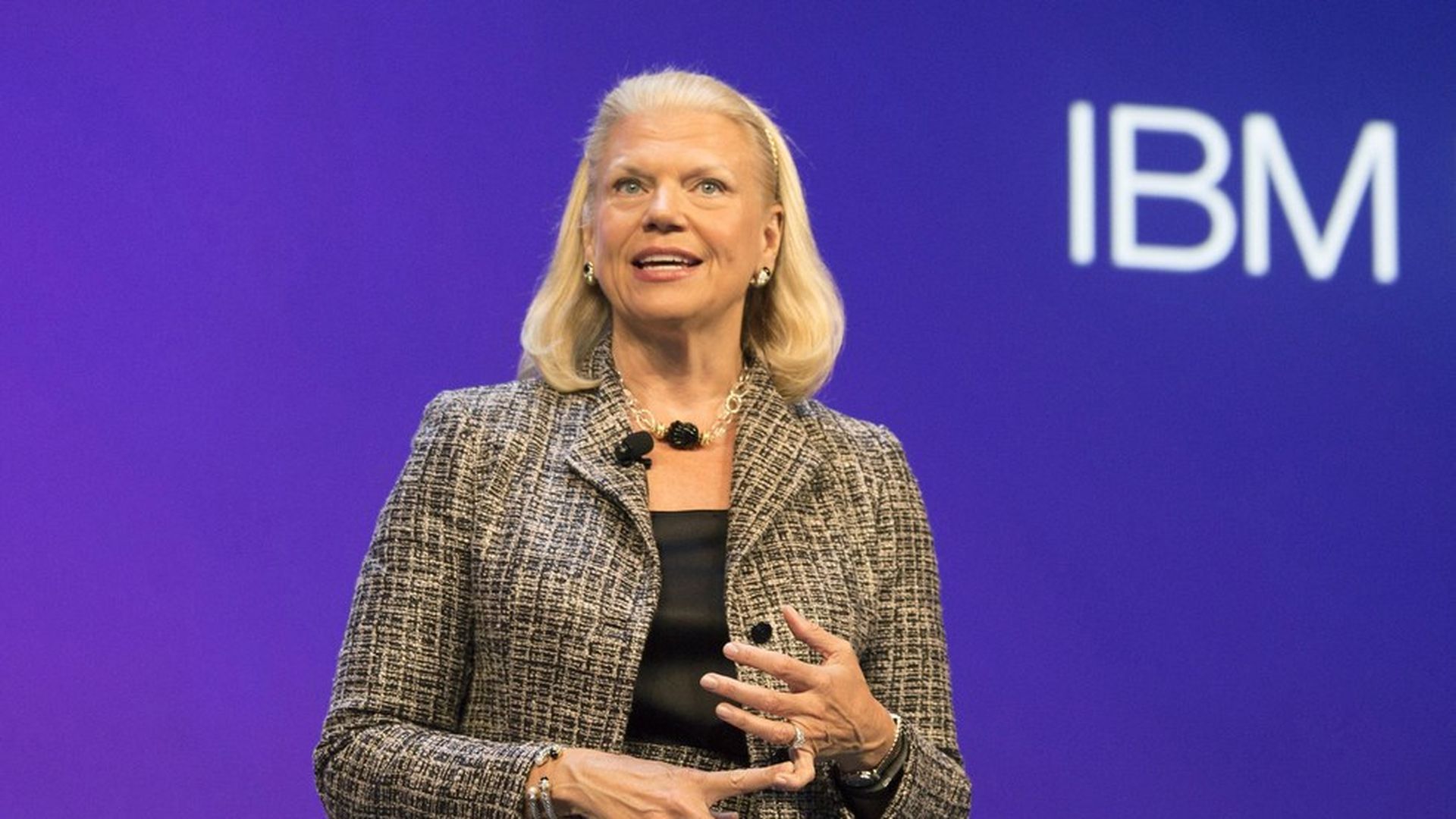
IBM is expanding partnerships with community colleges to offer local internships and apprenticeships for students not pursuing traditional 4-year degrees.
Why it matters: Business Roundtable's CEO Survey released Wednesday shows more than half of respondents' open positions do not require a college degree, yet only 11% of respondents describe involvement with community colleges as "very important" to training workers for the skilled jobs that tech companies have a persistent problem filling.
The Trump administration is encouraging public-private partnerships to provide alternative training pathways to match skilled workers with open jobs.
"New Collar" jobs: IBM is focusing on what it calls "new collar" jobs that have very specific skillsets such as data management, cybersecurity or health IT. IBM CEO Ginni Rometty says widening training programs will open up more opportunities to students who are not pursuing 4-year degrees and provide new options for companies struggling to fill open positions. The initiative will include schools near communities such as Raleigh, Austin, Houston and Boulder.
BlackBerry drives into connected car market
BlackBerry is deepening its role in connected cars with new virtualization software, announced Wednesday, that allows for the isolation of certain systems in the car so that a glitch in one area doesn't make other ones vulnerable. BlackBerry is positioning QNX Hypervisor 2.0 — as key to ensuring connected car systems are more secure.
Why it matters: BlackBerry has been in the process of trying to reinvent itself as a software and services company. It stopped making its own phones last year, although it still licenses others to sell Android phones under BlackBerry brand.
Partners: BlackBerry already has a licensing deal with Ford to help power its connected cars' infotainment technologies, which includes Hypervisor. The company also announced that the product will be used by Qualcomm as part of certain digital cockpit solutions.
Russia looms large over Senate surveillance hearing
The Senate Intelligence Committee holds a hearing Wednesday morning to discuss the reauthorization of Section 702 of the Foreign Intelligence Surveillance Act, a key provision of the law that is used to justify the digital surveillance of foreign nationals located abroad.
Why it matters: The provision expires at the end of the year unless lawmakers vote to reauthorize it. Privacy advocates — and some tech companies — take issue with the way that surveillance under the statute can capture the data of American citizens. Some Republican senators, meanwhile, have introduced legislation to re-up the provision and make it permanent.


Uber fires 20 employees based on harassment investigation
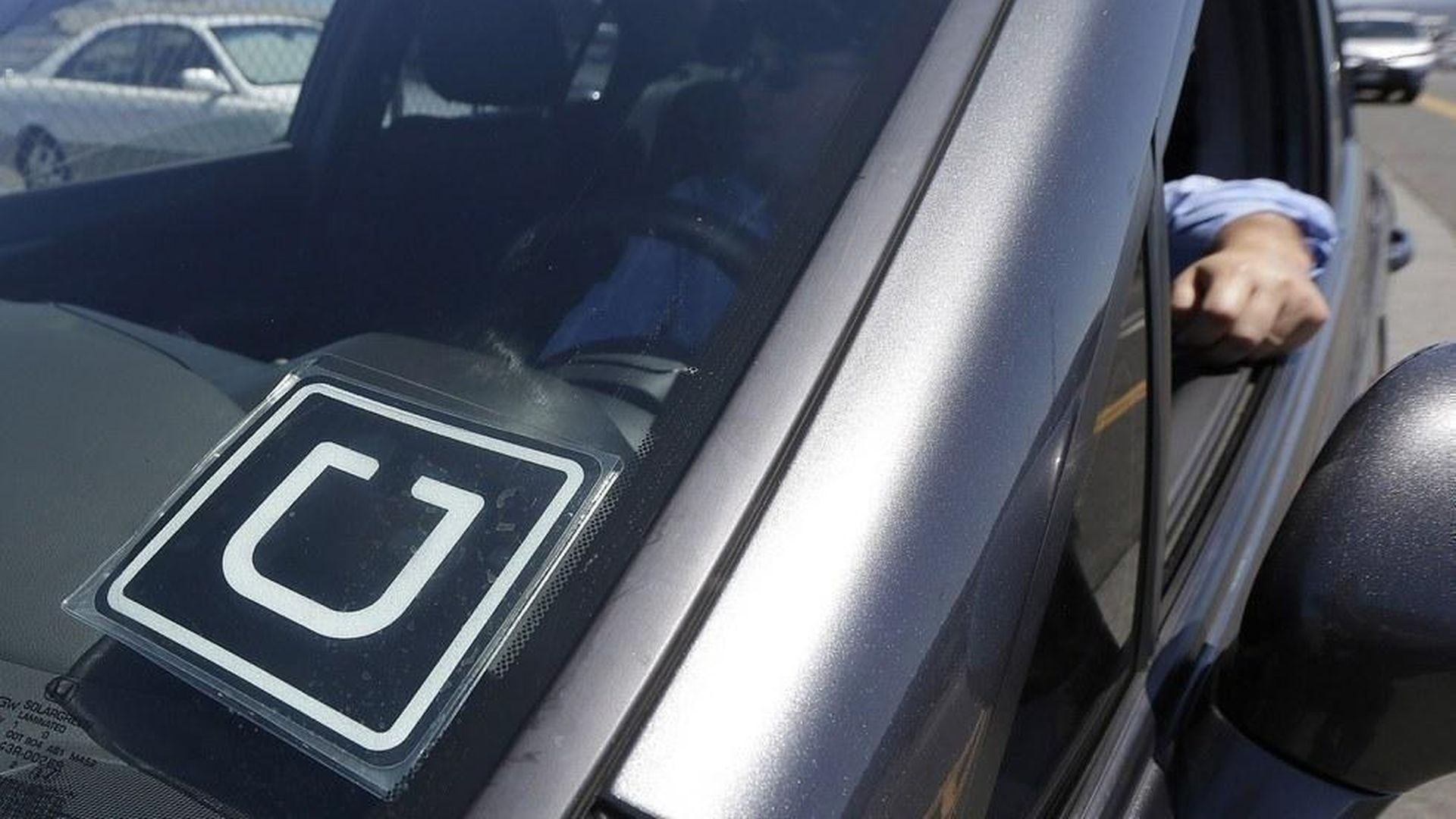
Uber told employees during a company-wide meeting on Tuesday that it has fired 20 employees in connection with an investigation by law firm Perkins Coie into workplace harassment and bullying, as first reported by Bloomberg and BuzzFeed.
Here are the key numbers, according to a source familiar with the situation:
- 215 total incidents
- 20 terminations
- 7 written warnings
- 31 employees required to undergo training and/or counseling
- 57 cases still under review
Correction: Axios originally reported that the 20 included former VP of product and growth Ed Baker, whose departure was previously disclosed in March, but that was wrong.
Questions remain: Another report, compiled by former U.S. attorney general Eric Holder's law firm and commissioned following a former employee's explosive allegations of workplace harassment and discrimination, is still being reviewed by Uber's board of directors. Results are expected to be shared with Uber employees during next Tuesday's all-hands meeting.
The headline has been updated to better reflect the reasons for the firings.
Uber hires ex-Apple Music exec Bozoma Saint John
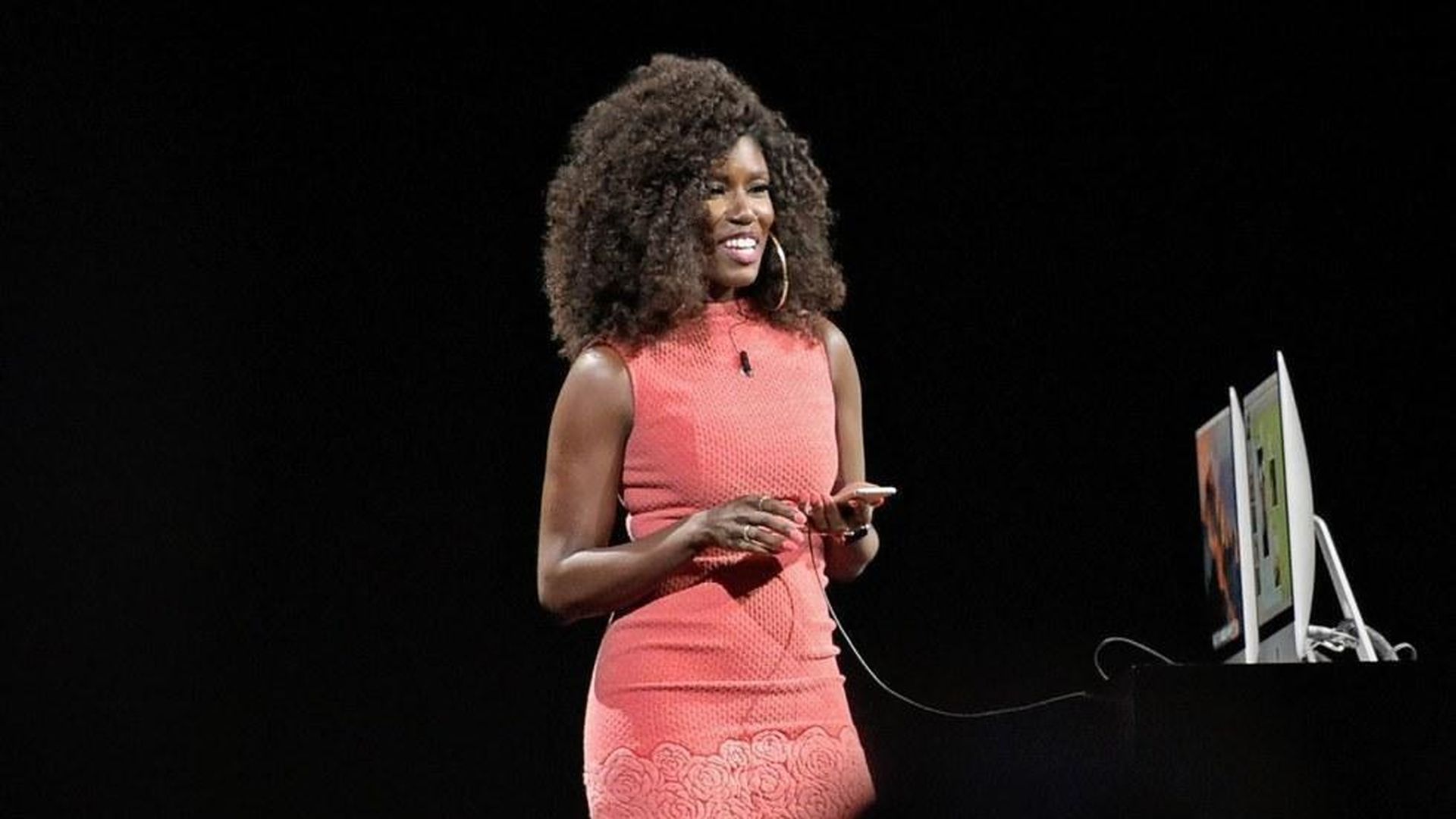
Bozoma Saint John is heading to Uber, just days after Axios broke news on her pending departure from Apple Music, where she was head of global consumer marketing, as TechCrunch first reported and Uber later confirmed. Saint John will be Uber's chief brand officer, said the company.
Better image: Saint John's hiring could help improve Uber's reputation in terms of diversity issues. The company has been under a cloud since February, when a former employee published claims of sexual harassment and gender discrimination. She also is a charismatic marketer, at a time when the company's broader image has been sullied and could help fill the gap left by Uber's president of ride-sharing, Jeff Jones, a seasoned marketing exec who left the company in March just months after joining.
The story has been updated with confirmation from Uber and Saint John's new job title.

3 things you might have missed from Apple's big event
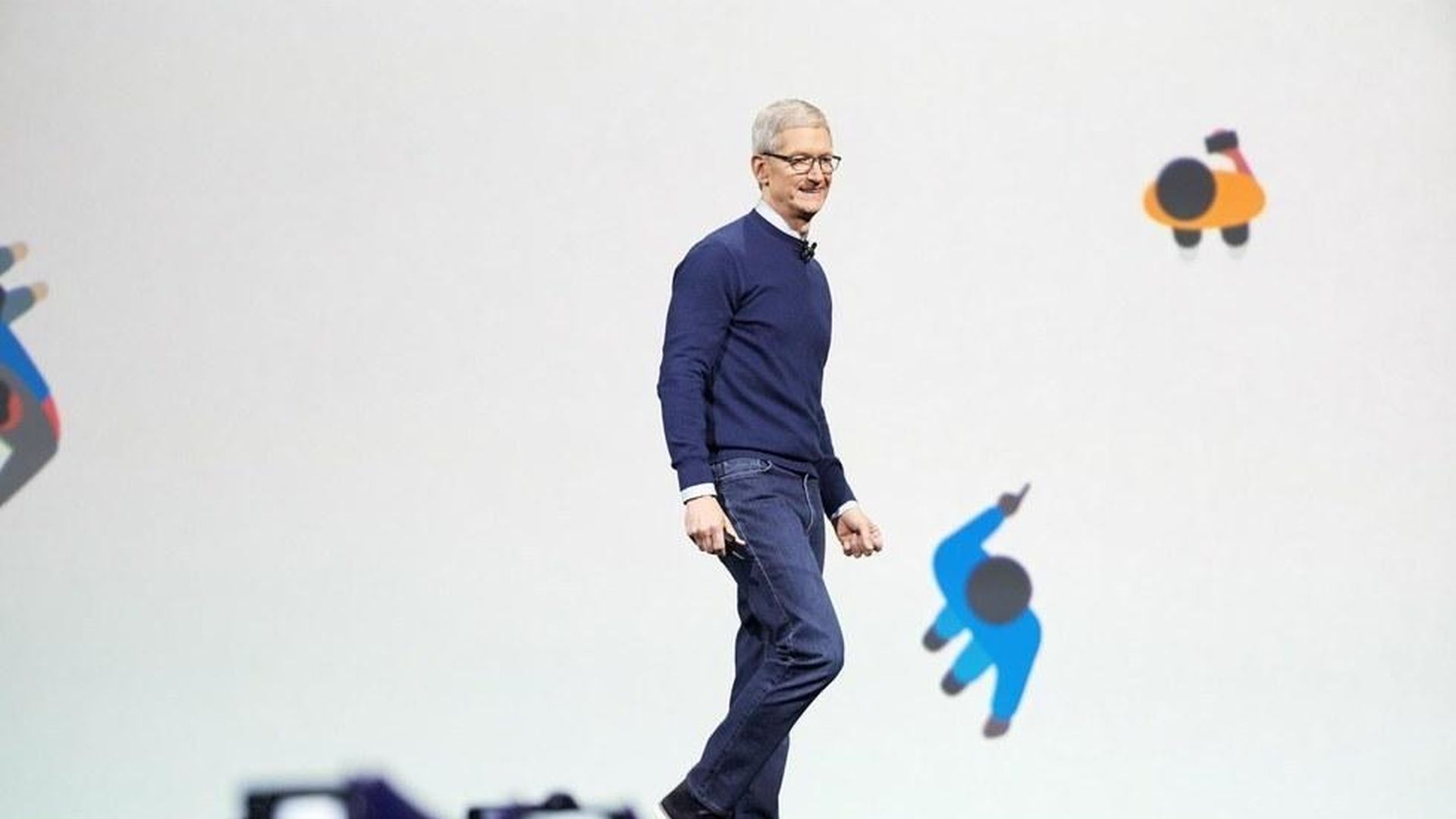
There were plenty of big announcements at Apple's Worldwide Developer Conference on Monday, There were new iMacs, new laptops, new iPads, a preview of iOS 11 and MacOS High Sierra, plus sneak peaks of the iMac Pro and HomePod speaker, both due in December.
Here are a few things that got less attention, but are nonetheless important:

How self-driving is really starting
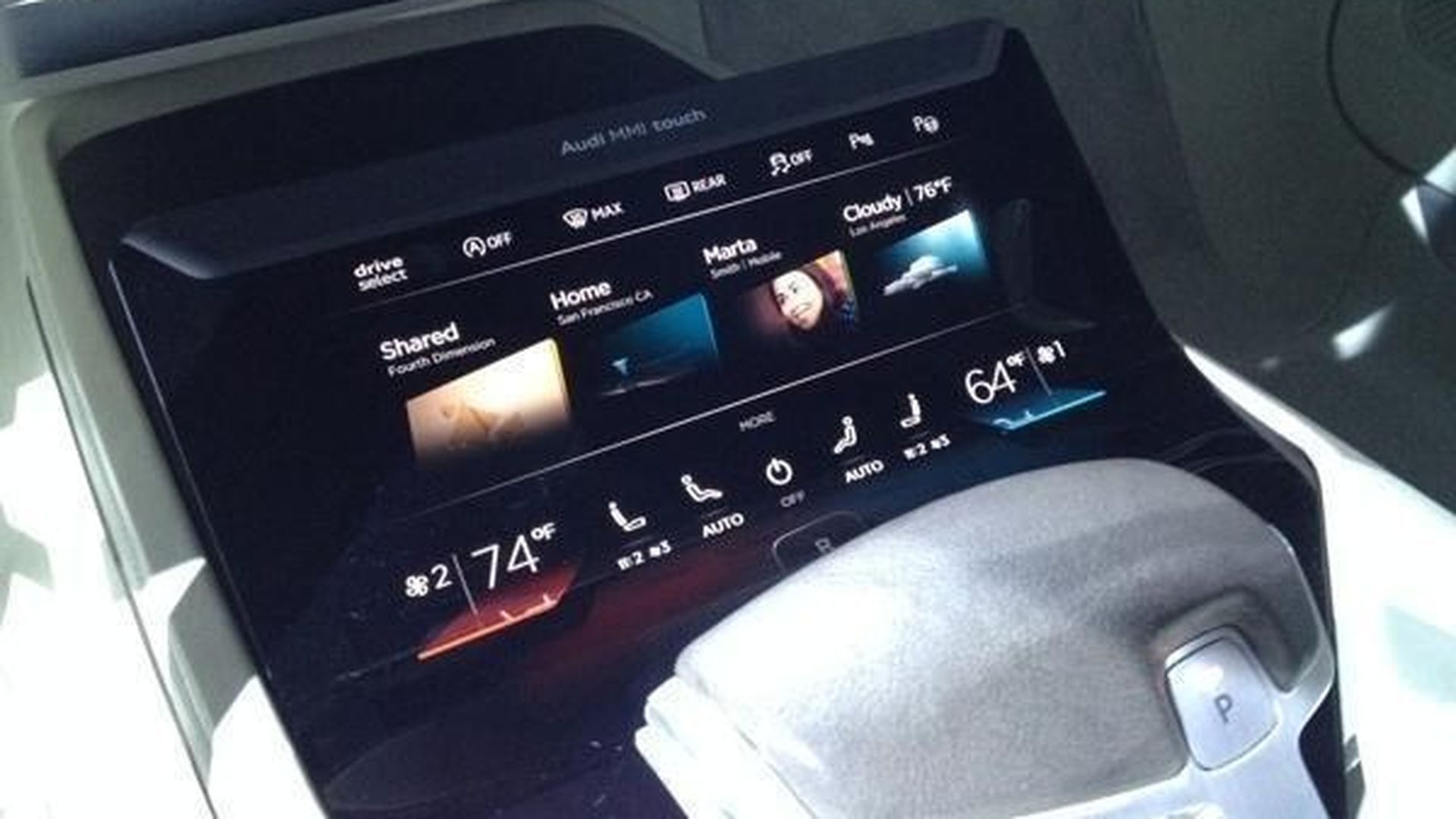
When Audi starts selling a pioneering self-driving car later this year, drivers will be able to watch the news on a built-in screen, send emails, and otherwise take their eyes safely off traffic-jammed freeways. What they won't do: drive in the city, or watch the car automatically veer around slower drivers.
We keep hearing that major carmakers and Silicon Valley are on the verge of selling fully autonomous cars. They aren't, as I saw yesterday on a test-drive of the Audi technology: Audi says it's setting the commercialization pace, but that full autonomy is years away from being safe enough for the market.
It's still cool: As Audi engineer Kaushik Raghu told me, being stuck in grinding freeway traffic, day after day, month after month, is one of the most soul-killing experiences for a lot of people. Those will be precious minutes saved from such teeth gnashing.

Almost Now: How many jobs will robots actually take?
Is this time different? Will robots, artificial intelligence and automation really take jobs? And how will people be affected? As Axios Future of Work Editor Steve LeVine says, "It's big."