Thursday's technology stories

BMW debuts ride-hailing service in Seattle

After testing it quietly for a few months, BMW is expanding a new ride-hailing service's test program to anyone in Seattle, the company said on Thursday. Ride is a new service under BMW's ReachNow division, which began with short-term car rentals.
How it works: Seattle residents can sign up for the service by downloading the ReachNow app. They can summon a ride immediately or book one anywhere from 20 minutes to seven days in advance, and can pre-set their car temperature and radio stations. ReachNow Ride has about 80 drivers who work for an independent company, according to the New York Times, unlike Uber and Lyft, which manages drivers themselves.
Why it matters: Although both ride-hailing companies and automakers are investing in self-driving technology, some automakers have also been exploring alternatives to traditional car ownership as services like Uber and Lyft have made it clear that changes are afoot. Others like General Motors, Ford, and Daimler are also experimenting in those areas.
The story has been updated to clarify that ReachNow Ride is still in its testing phase.

Verizon's Yahoo purchase expected to close next week
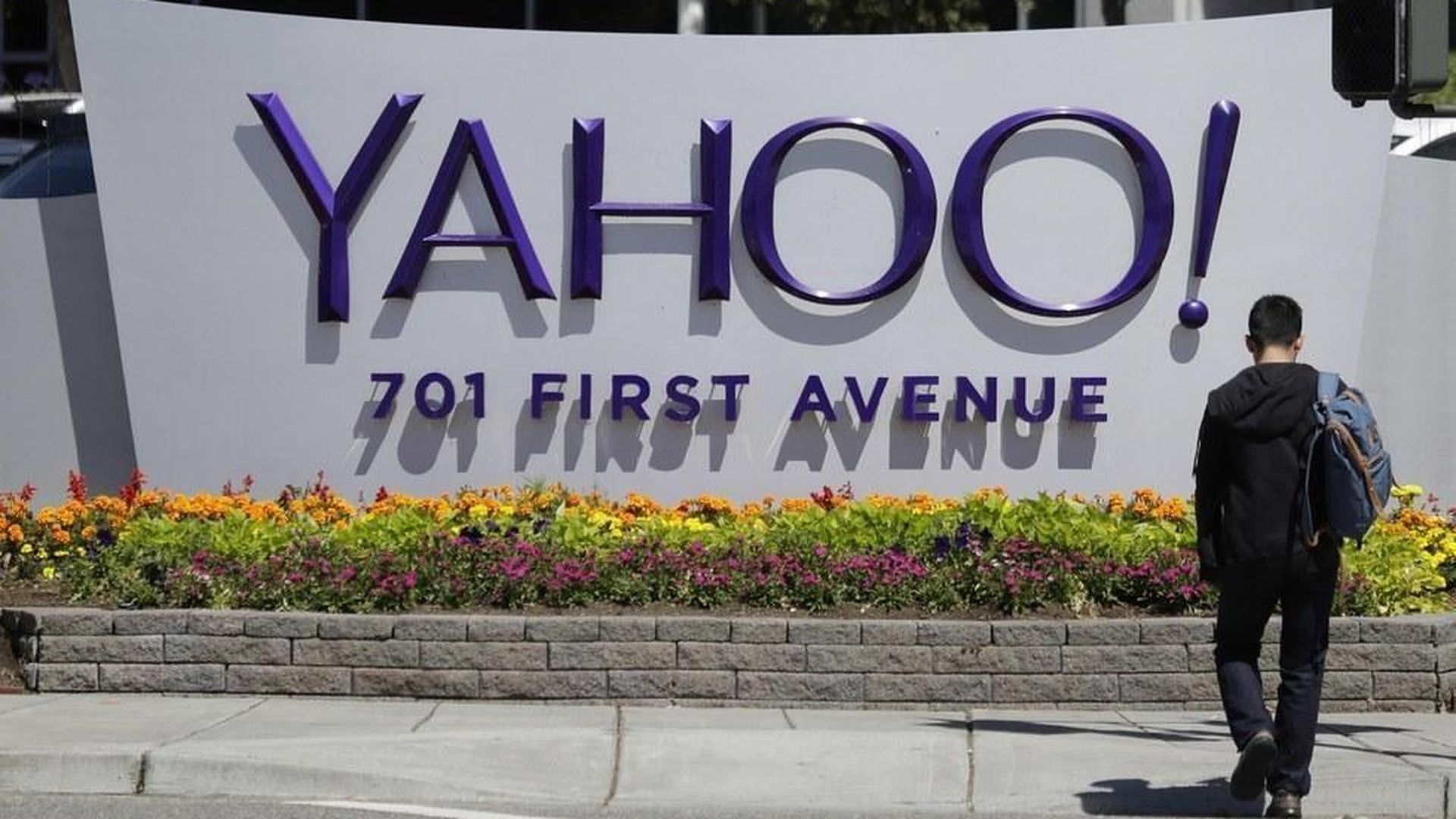
Yahoo's shareholders signed off Thursday on the sale of the company's core assets to Verizon, with the deal expected to close on Tuesday.
Worth noting: Job cuts are expected to accompany the deal. TechCrunch reported on Thursday that cuts are expected to amount to about 15% of the firms' combined workforce, echoing an earlier report from Recode that layoffs were coming.
Why it matters: It's been a long road to this deal because of revelations about breaches that hit Yahoo's user data and ultimately resulted in a price reduction for Verizon. But the merger is an important part of Verizon's strategy to become a bigger player in the digital ad world dominated by Facebook and Google.
States try to speed up deployment of 5G wireless networks
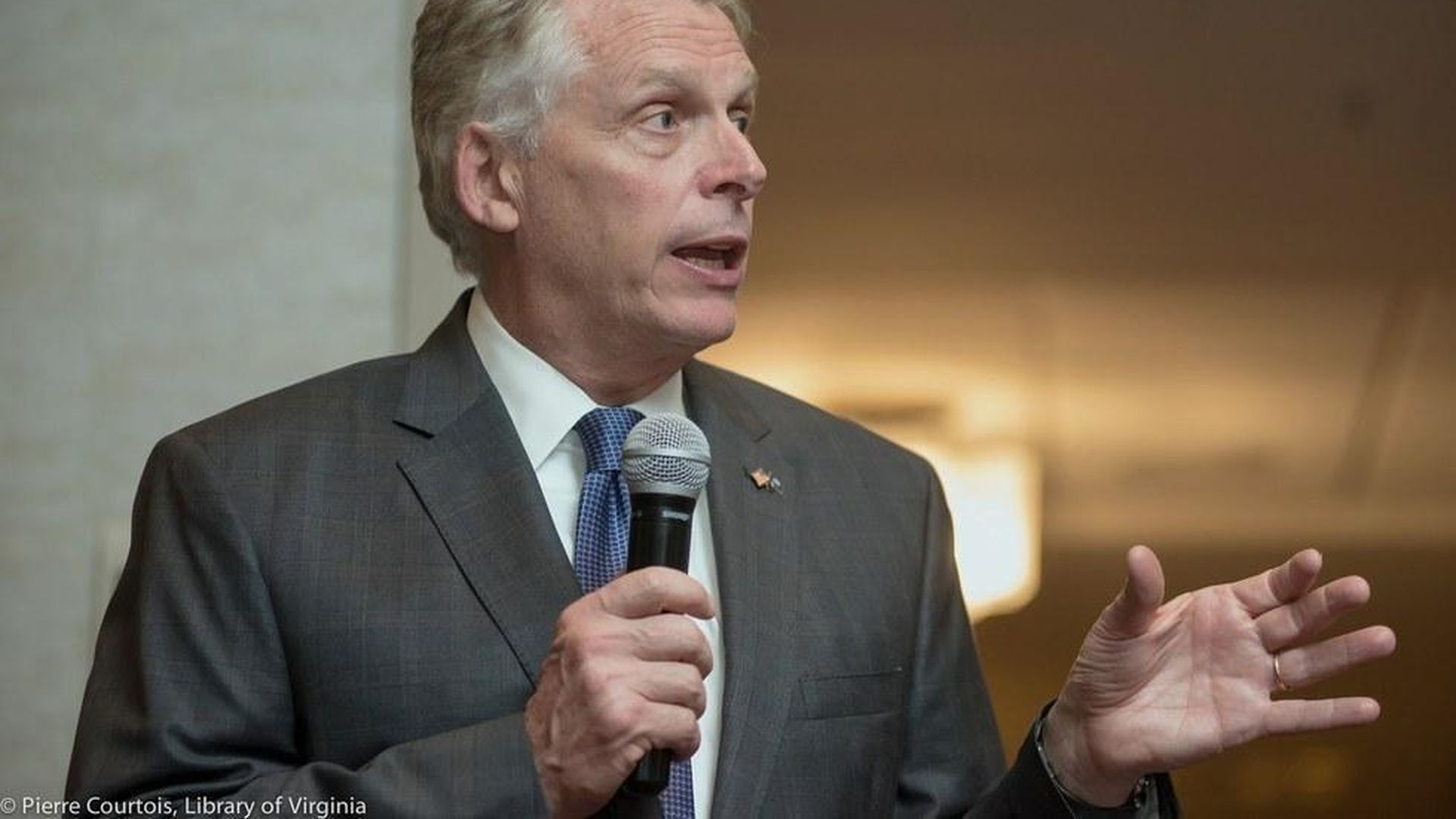
Virginia Gov. Terry McAuliffe this morning signs a bill designed to speed up the deployment of the small cell infrastructure needed to support 5G wireless networks. The bill provides a uniform process for installing the new network equipment on lamp posts, utility poles, buildings and public rights of way.
Why it matters: Permitting for new wireless facilities in municipalities can take a long time. So a number of states are trying to make the process less painful (and expensive) to encourage more rapid deployment of the networks, which require 10 to 100 times more antenna locations than 4G or 3G. Florida, Texas, Minnesota, Arizona, Colorado, Indiana and Iowa passed similar bills this year.
Facebook will show lawmakers which articles are popular with their constituents

Lawmakers are soon going to have a new tool to take the pulse of their constituents: Facebook.
The social giant is rolling out a product that will let lawmakers (or, more likely, their staffers) see what articles are popular with people who live in their district. The company argues it will help lawmakers better respond to the issues their constituents are focused on.
Why it matters: Lawmakers are more likely to listen to their constituents than a random caller or letter-writer, so this fine-tunes the process of identifying those voices as more chatter moves onto Facebook. It's also the latest civic-engagement move from the company, which has grappled with its place in the political landscape.

IBM taps community colleges to fill workforce pipeline
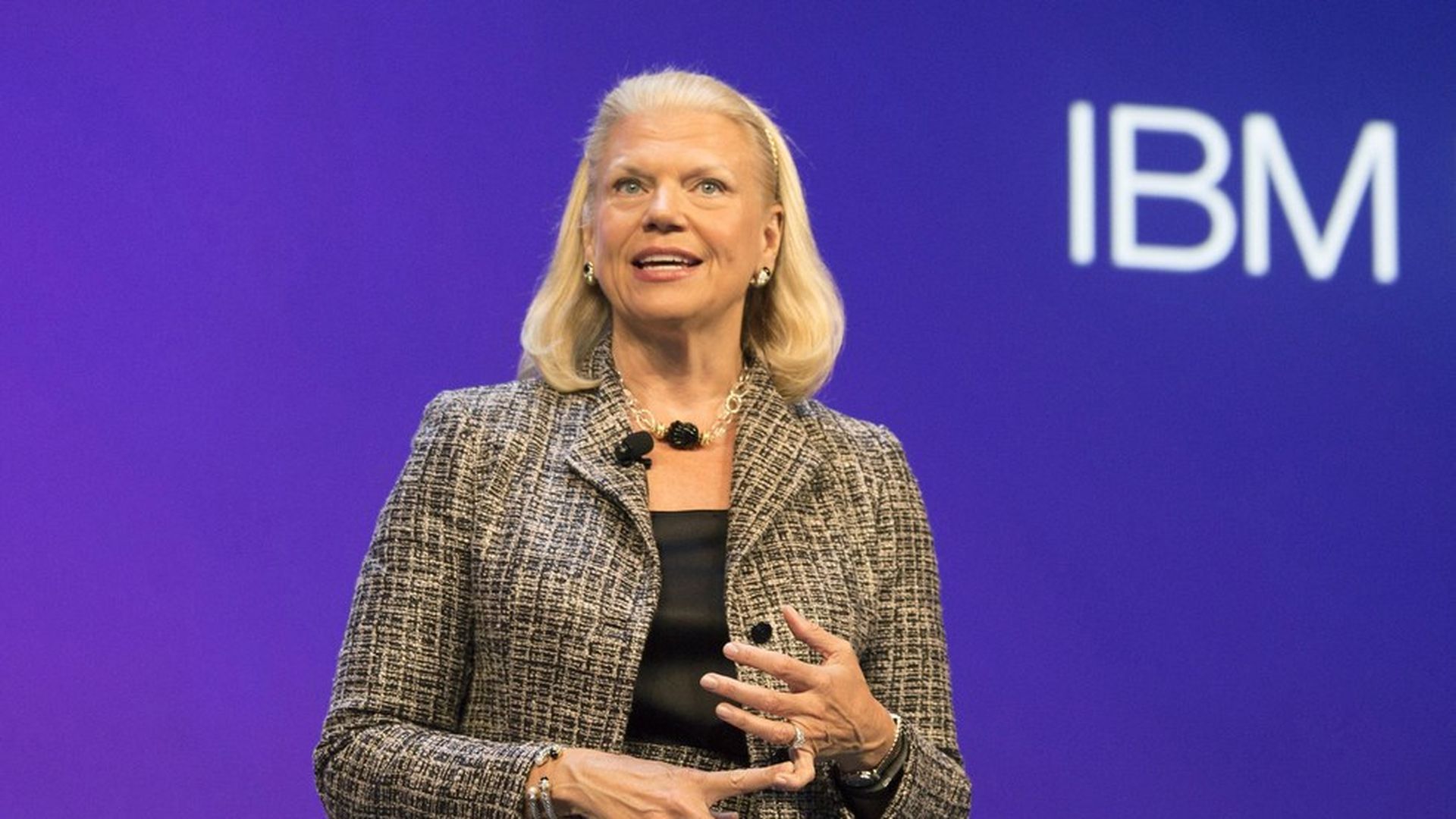
IBM is expanding partnerships with community colleges to offer local internships and apprenticeships for students not pursuing traditional 4-year degrees.
Why it matters: Business Roundtable's CEO Survey released Wednesday shows more than half of respondents' open positions do not require a college degree, yet only 11% of respondents describe involvement with community colleges as "very important" to training workers for the skilled jobs that tech companies have a persistent problem filling.
The Trump administration is encouraging public-private partnerships to provide alternative training pathways to match skilled workers with open jobs.
"New Collar" jobs: IBM is focusing on what it calls "new collar" jobs that have very specific skillsets such as data management, cybersecurity or health IT. IBM CEO Ginni Rometty says widening training programs will open up more opportunities to students who are not pursuing 4-year degrees and provide new options for companies struggling to fill open positions. The initiative will include schools near communities such as Raleigh, Austin, Houston and Boulder.
BlackBerry drives into connected car market

BlackBerry is deepening its role in connected cars with new virtualization software, announced Wednesday, that allows for the isolation of certain systems in the car so that a glitch in one area doesn't make other ones vulnerable. BlackBerry is positioning QNX Hypervisor 2.0 — as key to ensuring connected car systems are more secure.
Why it matters: BlackBerry has been in the process of trying to reinvent itself as a software and services company. It stopped making its own phones last year, although it still licenses others to sell Android phones under BlackBerry brand.
Partners: BlackBerry already has a licensing deal with Ford to help power its connected cars' infotainment technologies, which includes Hypervisor. The company also announced that the product will be used by Qualcomm as part of certain digital cockpit solutions.
Russia looms large over Senate surveillance hearing

The Senate Intelligence Committee holds a hearing Wednesday morning to discuss the reauthorization of Section 702 of the Foreign Intelligence Surveillance Act, a key provision of the law that is used to justify the digital surveillance of foreign nationals located abroad.
Why it matters: The provision expires at the end of the year unless lawmakers vote to reauthorize it. Privacy advocates — and some tech companies — take issue with the way that surveillance under the statute can capture the data of American citizens. Some Republican senators, meanwhile, have introduced legislation to re-up the provision and make it permanent.