Tuesday's technology stories

Uber is seeking a COO
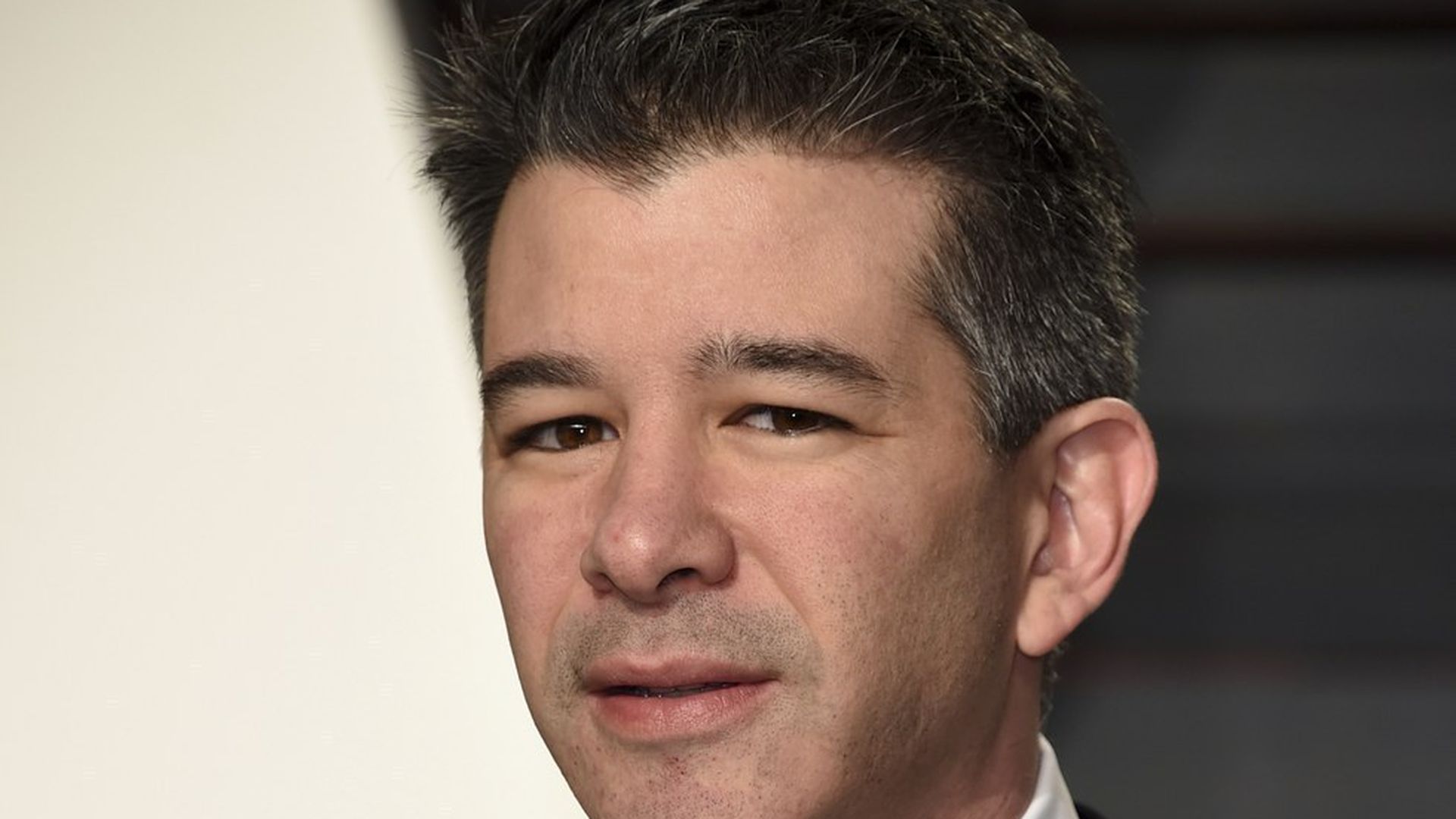
Uber, which has faced a tough last two weeks including allegations of sexual harassment, a lawsuit from Alphabet, and executive departures, is seeking a COO to assist CEO Travis Kalanick in running the company. The Information and Recode first reported the efforts before the company made a public announcement:
This morning I told the Uber team that we're actively looking for a Chief Operating Officer: a peer who can partner with me to write the next chapter in our journey. —Travis Kalanick

Mark Zuckerberg asks Bill Gates' advice for upcoming Harvard graduation talk
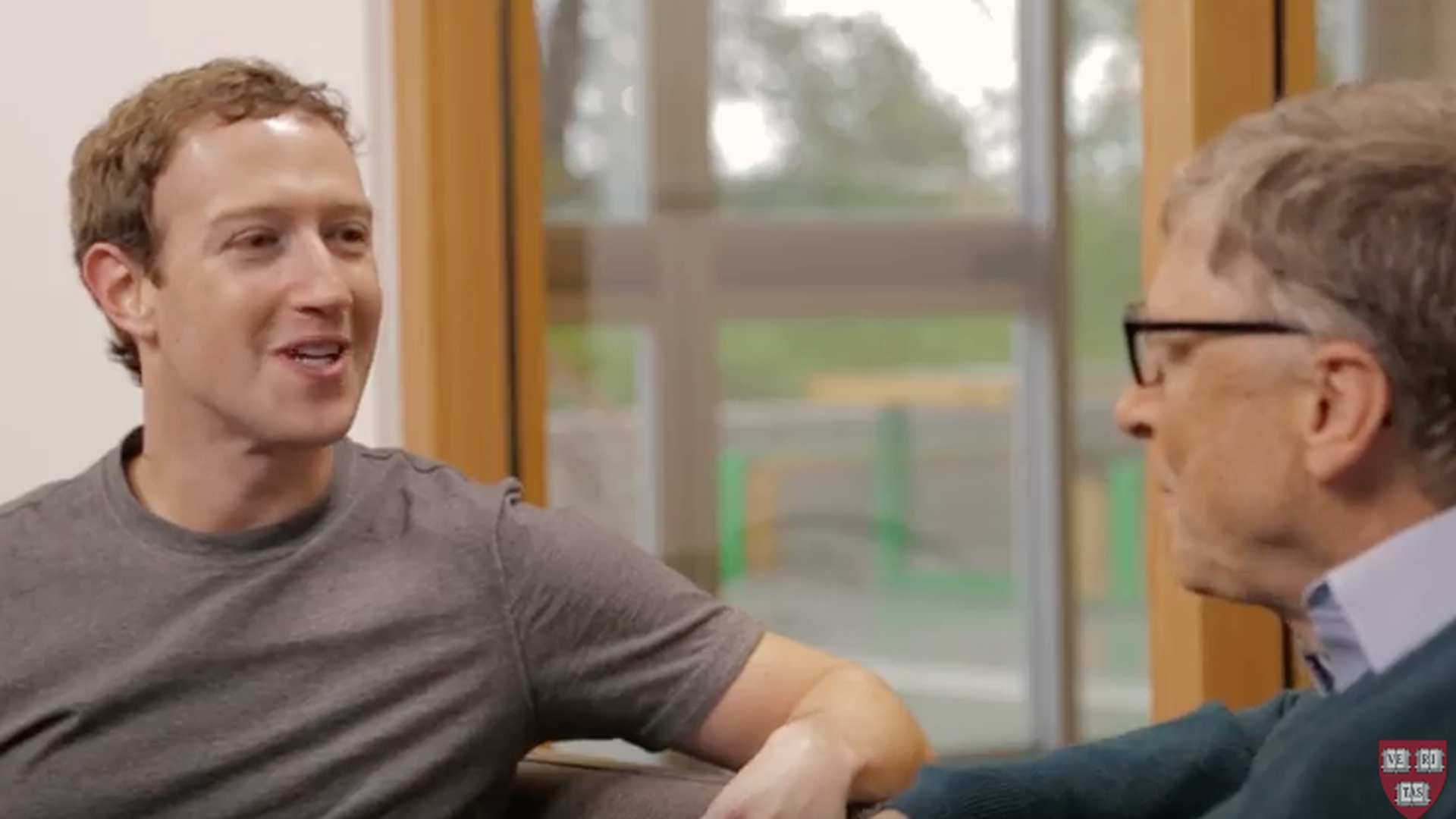
Facebook CEO Mark Zuckerberg was invited to give the commencement speech at Harvard on May 25.
Seeking inspiration, he turned to previous speaker, and fellow Harvard dropout Bill Gates for a fun YouTube video. It's the best, Gates tells Zuckerberg. You get an honorary degree and everything.
"You don't even have to go to class," Zuckerberg asks. "No, no, you just put that degree on your resume and it looks great," Gates replies.

WikiLeaks: CIA has been turning your phones and TVs into undercover mics

WikiLeaks released more than 8,000 documents it says originate from the CIA's Center for Cyber Intelligence that reveal its hacking capabilities and programs between 2013 and 2016, including malware, viruses, Trojans, malware remote control systems, and weaponized exploits. That amounts to several hundred million lines of code and more pages than were published in the first three years of the Edward Snowden leaks.
They're calling it "Vault 7." The main findings:
- The CIA has turned iPhones, Android devices, Windows operating systems, and Samsung TVs into covert microphones, known as "zero day" weaponized exploits.
- "Weeping Angel," which infests Samsung smart TVs, was developed with the UK's MI5/BTSS, and turns the TV in a "Fake-Off" mode to route audio over the Internet to a covert CIA server.
- The CIA has also developed attacks to remotely control popular smart phones so they send geolocation, audio, and text communications, and activate the phone's camera and microphone. The CIA either made these attacks or obtained them from the Government Communication Headquarters in the UK, the NSA, or the FBI, or purchased it from arms contractors. (Note, that bypasses the encryption of WhatsApp, Signal, Telegram, Wiebo, Confide, and Cloakroom.)
- The CIA has developed malware attacks and control systems for Windows, Mac OS X, Solaris, Linux, and more.
- The U.S. Consulate in Frankfurt operates as a covert CIA hacker base, covering Europe, the Middle East, and Africa. WikiLeaks disclosed instructions the CIA hackers use to get through German Customs.
CIA spokesman Jonathan Liu told the AP: "We do not comment on the authenticity or content of purported intelligence documents."

LinkedIn banned in Russia for refusal to adhere to local laws

Roskomnadzor, Russia's communications watchdog, said Tuesday that LinkedIn sent a letter stating its refusal to comply with a 2015 law that requires foreign companies to store Russian citizens' personal data on servers based in the country, per FT. In doing so LinkedIn has become the first social network to be banned under a law targeting foreign internet companies.
The oversight agency said that LinkedIn has "confirmed its lack of interest in working on the Russian market," and tweeted "R.I.P." with a photo of the company's logo. Meanwhile a LinkedIn spokesperson told Axios that the company is disappointed with the agency's actions, adding that, "While we believe we comply with all applicable laws... we have been unable to reach an understanding that would see them lift the block on LinkedIn in the Russian Federation. LinkedIn will continue to be available in the Russian language, and we hope that we are able to restore service in Russia in the future."
Why this matters: Moscow argues that the law protects Russians' privacy. But, as FT points out, it would also make it easier for Russian security services to conduct surveillance while also forcing Western internet companies to comply with the Russian mandate that all tech companies install automatic backdoors for the secret service.
This story was updated with a comment from LinkedIn.

Translating Trump tweets: What he means on drug prices
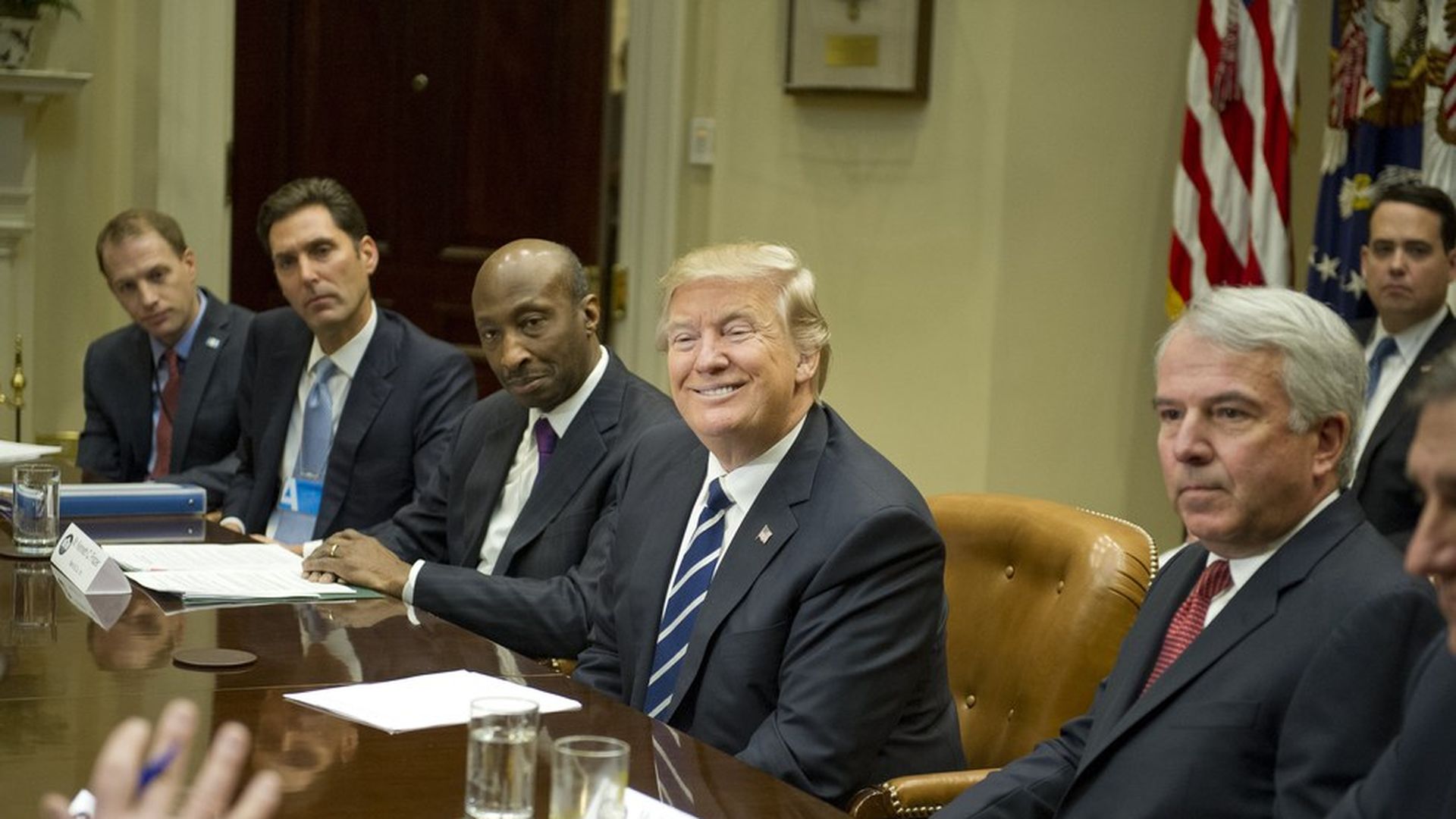
President Trump has been tweeting on health care this morning, and not just on the Obamacare replacement plan. Here's what he said about bringing down drug prices:
Unsupported embed type
Between the lines: It's unlikely that Trump is actually working on a plan of his own. Sometimes he says that when he really means he's just supporting what congressional Republicans are doing (see: Obamacare replacement bill). More likely, Trump is just repeating what he said at his January meeting with drug company executives: The best way to bring down drug prices is to promote competition. That's a plan Congress is already likely to take up, through a bipartisan bill to speed the approval of generic drugs.
From a White House spokesman: Trump is "committed to making drugs more affordable while promoting innovation, and cutting regulations to encourage drug companies to bring back operations and jobs to the United States."
A self-driving car startup is speeding up map data collection
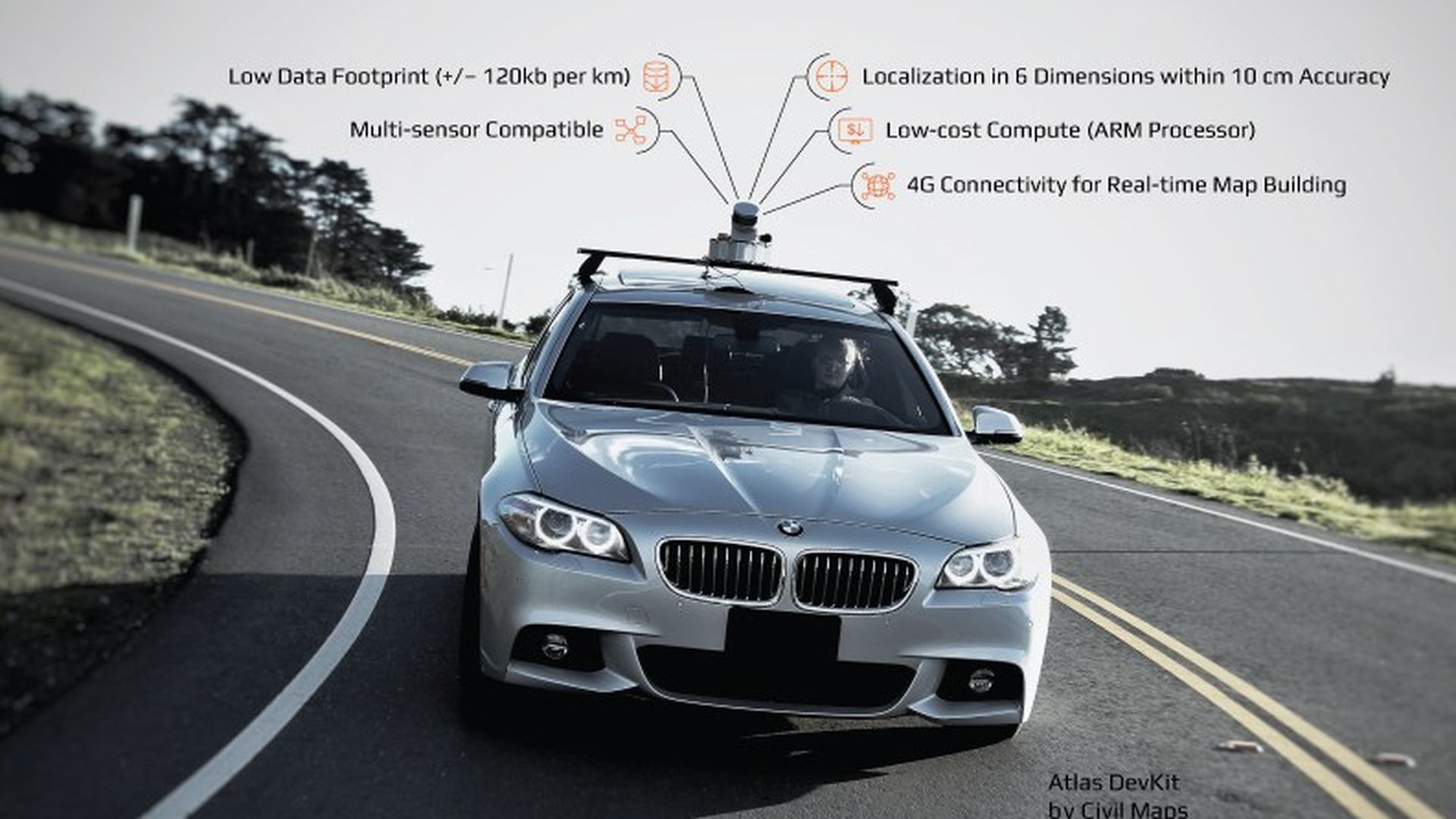
The race to build self-driving cars is on, and companies from major automakers to Google are rushing to cobble together sensors and teach cars how to drive on roads. Silicon Valley startup Civil Maps, in which Ford recently invested, is focused on a crucial layer: detailed three-dimensional maps that are constantly updated.
Accelerating tech: Civil Maps has built a kit, including a hardware unit with sensors and software for capturing and processing mapping data. It's now making that kit available to outside companies and teams working on self-driving cars as a starting point. These companies can then provide mapping data while they use the units for their own testing, while getting access to Civil Maps' constantly updating maps.

Why taxing robots won't be easy
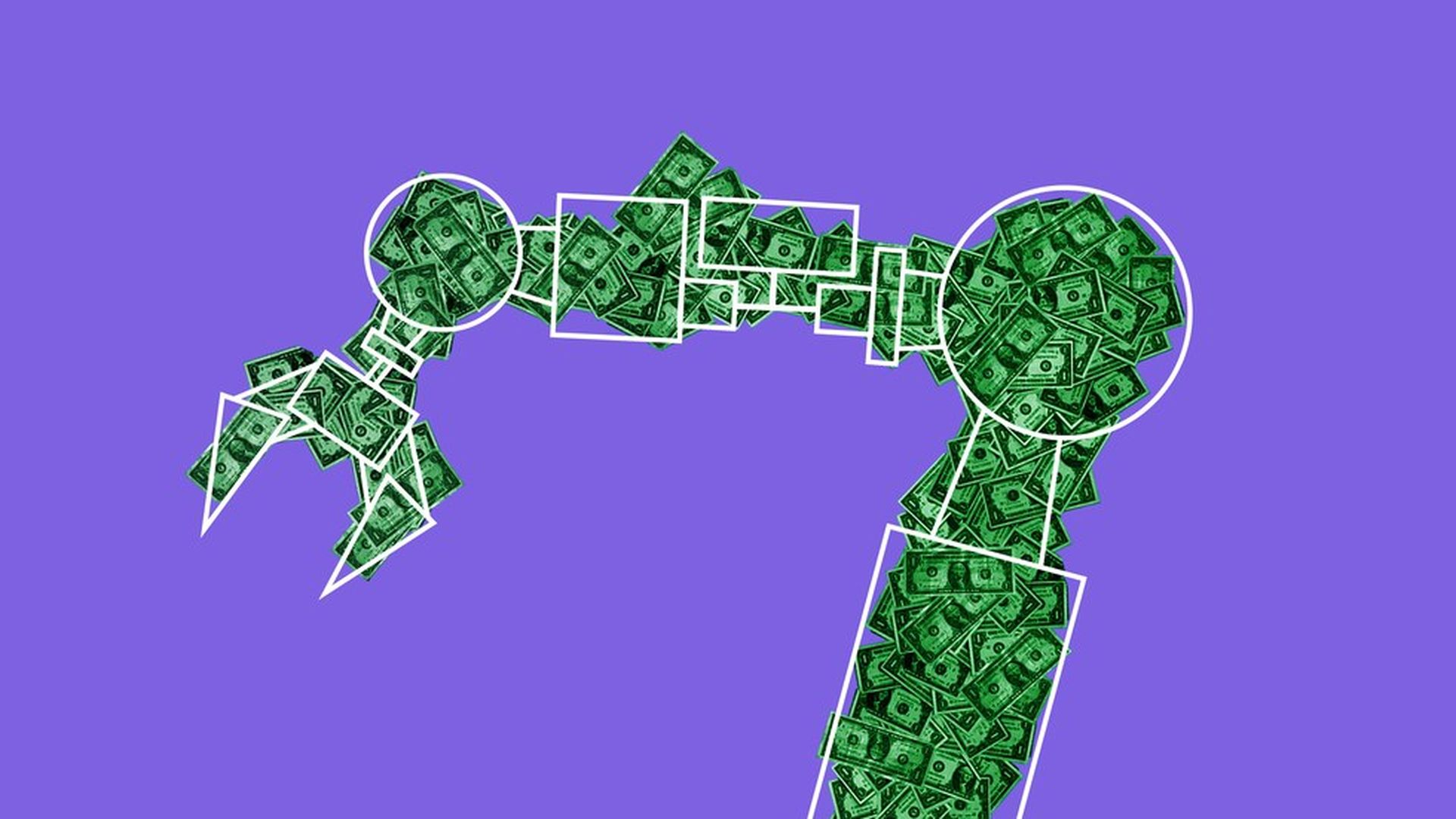
Increased automation in industries like trucking and fast food could mean a loss in income tax revenue as human workers are replaced by machines. Some big names in politics and industry think they've found a solution to that problem: tax the job-stealing robots.
That would be a complicated proposition.
Silicon Valley rep: Uber's tactics "deeply disturbing"
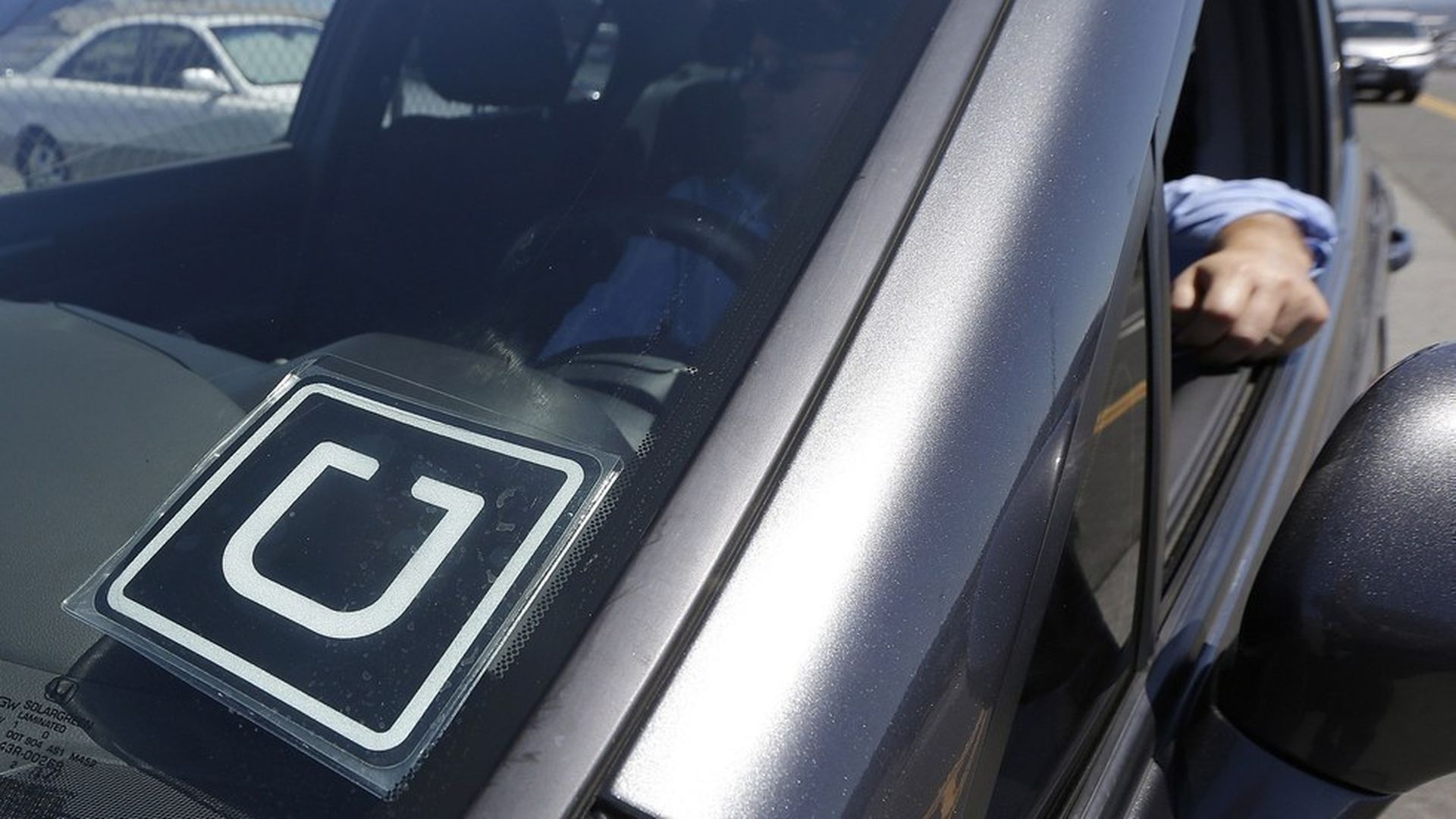
Silicon Valley congressman Ro Khanna isn't mincing words in response to a Friday New York Times report that Uber used an internal tool to dodge local officials who wanted to investigate the service. Here's what he had to say in a statement to Axios when asked about the report:
"Uber's practices of how it treats employees and how it has used technology to evade the law are deeply disturbing. Aldous Huxley showed that technology is amoral; it is not an end in itself. Technology companies must be guided by the values of decency and respect to make sure they are helping make a contribution to society. Uber is failing to live up to that standard."
Facebook's frantic live video push opened door to acts of violence
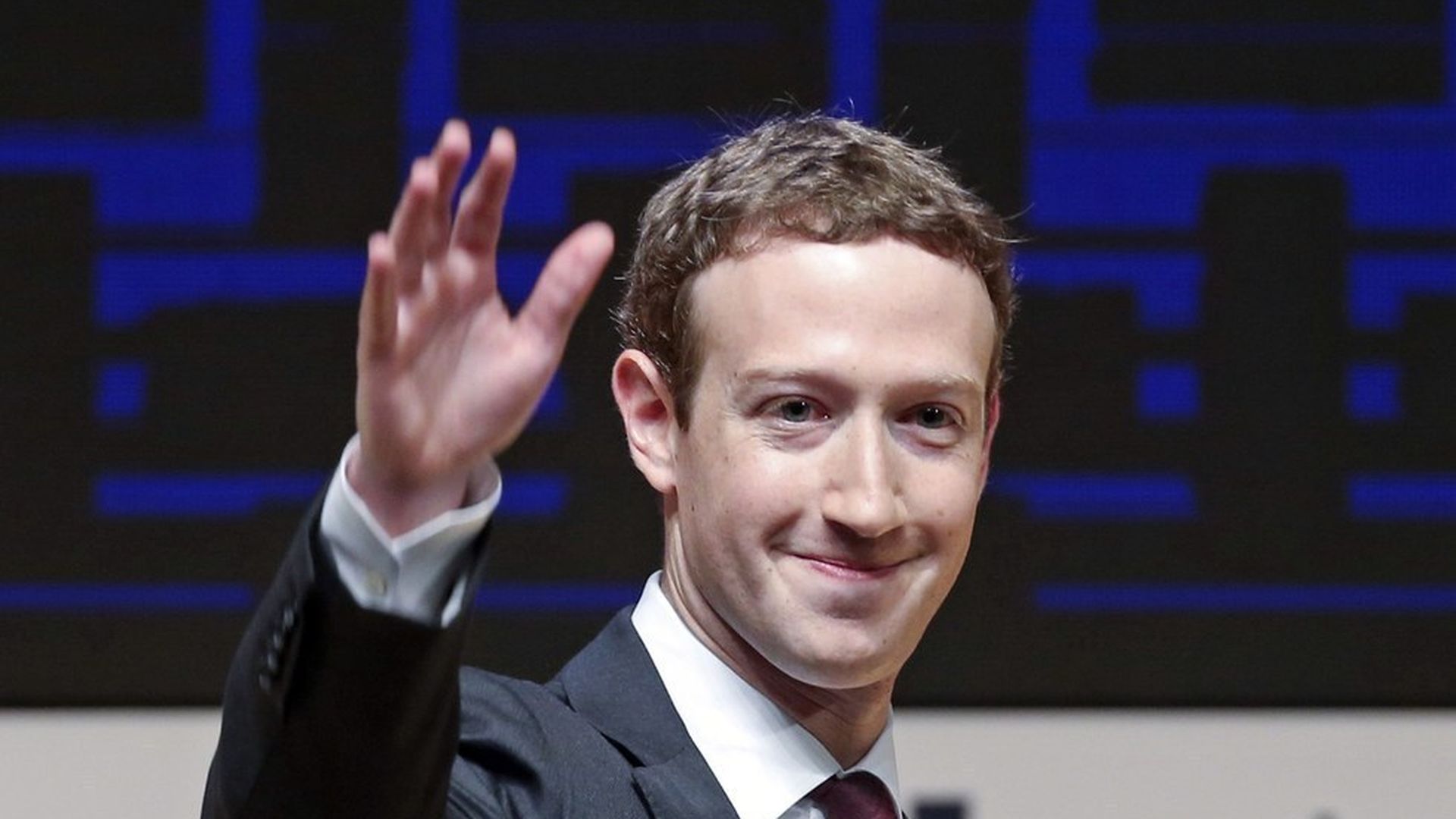
The launch of live video was so important to Facebook CEO Mark Zuckerberg that he took 100 engineers from across the company, starting early last year, and placed them in "lockdown" to focus on getting the project done in just a few months. And he dedicated $100 million to pay big brands to bring their content to Facebook, according to a new Wall Street Journal report.
The down side: Neither Zuckerberg nor the team adequately prepared for potential negative uses of the service, especially as an outlet for gruesome violence. According to the Journal, Facebook Live has shown at least 50 acts of violence, including murder, a beating and multiple suicides. Its policy focuses on taking down only content that glorifies hate or violence.
Why it matters: Live video is a key growth area for social media, with Facebook facing competition from Twitter and Snapchat, among others. Getting it right could mean a generation of new users and big ad dollars, while missing out risks losing relevance.
Google's latest antitrust battle is in Turkey
Today's daily reminder that antitrust complaints can crop up anywhere comes from Turkey, which has launched a probe of Google, according to the New York Times. The move comes at the behest of Russian search giant Yandex, the Times said.
The background: Google already faces multiple antitrust inquiries from the European Union and has been fined in Russia.
Why it matters: Dealing with antitrust issues takes time and energy and changes made for one country often get made globally, although the smaller the country the less likely that is to hold true.

Netflix lets you literally choose your own adventure

With the click of your remote, Netflix is experimenting with ways to allow users to decide how their stories could unfold.
Per The Daily Mail, the tech giant is testing technologies that would create an interactive format for dramas that stream on the platform. Actors and producers will create multiple endings — some simple and linear, some complex and and cyclical — that would allow users to engage with stories in a more custom, intimate way. With more consumption data on user preferences, Netflix is hoping to better target recommendations and content to match users' biases and habits, similar to Facebook's strategy online.
Timeline: In the short-term, customizing user preferences will help Netflix continue to migrate dwindling cable TV subscribers to streaming services — most of whom watch Netflix on a TV box-top set rather than on mobile. In the long term, customization techniques will help pull users to their platform away from other streaming services, like YouTube, which offers content in nearly twice as many languages, and Amazon, which has ramped up content efforts in hopes of rivaling Netflix with its larger Prime member base.