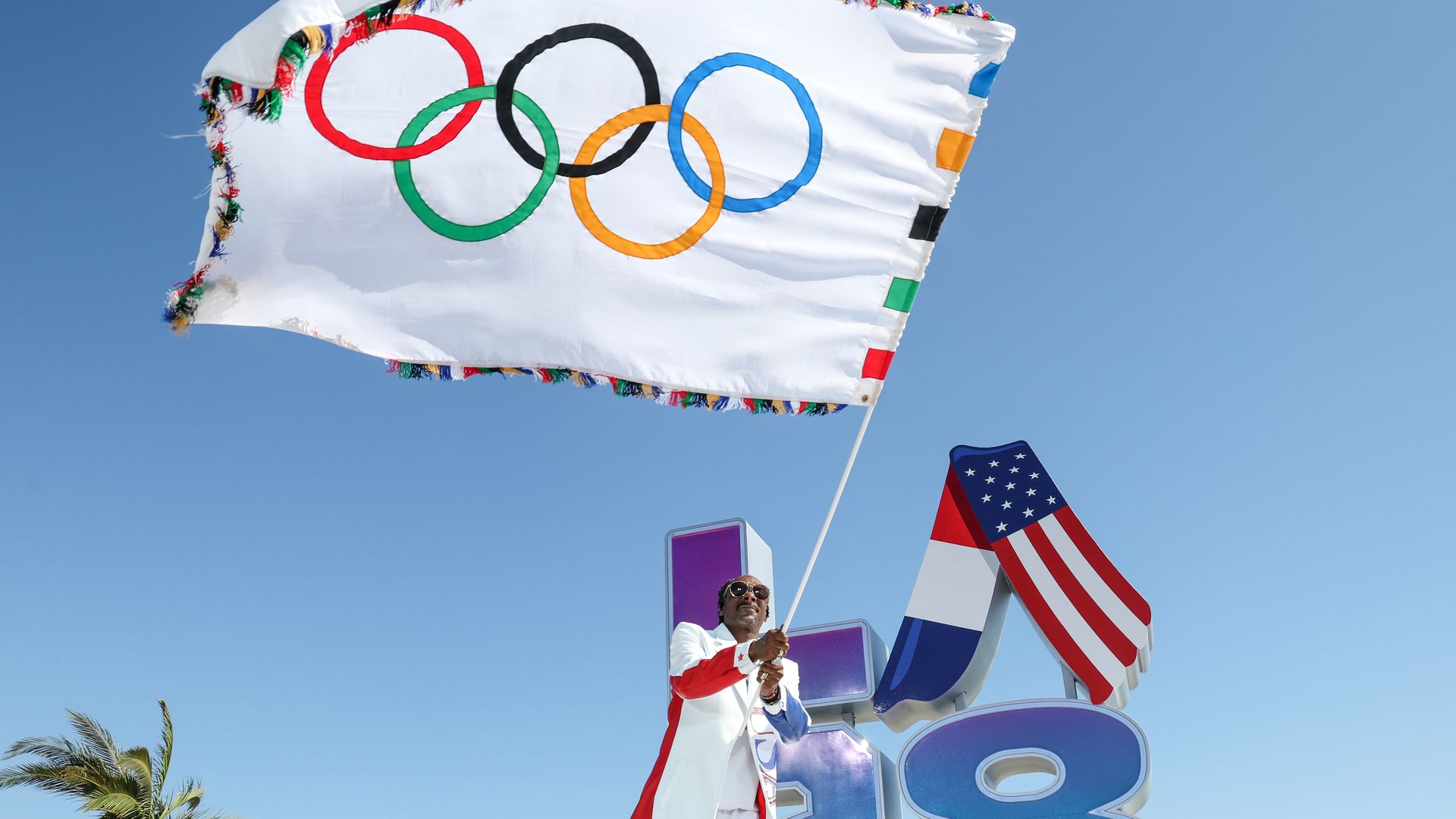
The closing of the Paris Games Sunday concluded with the handover of the Olympic flag to Los Angeles Mayor Karen Bass, officially kicking off the countdown to the 2028 Summer Olympics.
Why it matters: Organizers of the L.A. Games are taking a cue from Paris on striving for sustainability, vowing the tournament will be a "no build" and "car-free" feat.
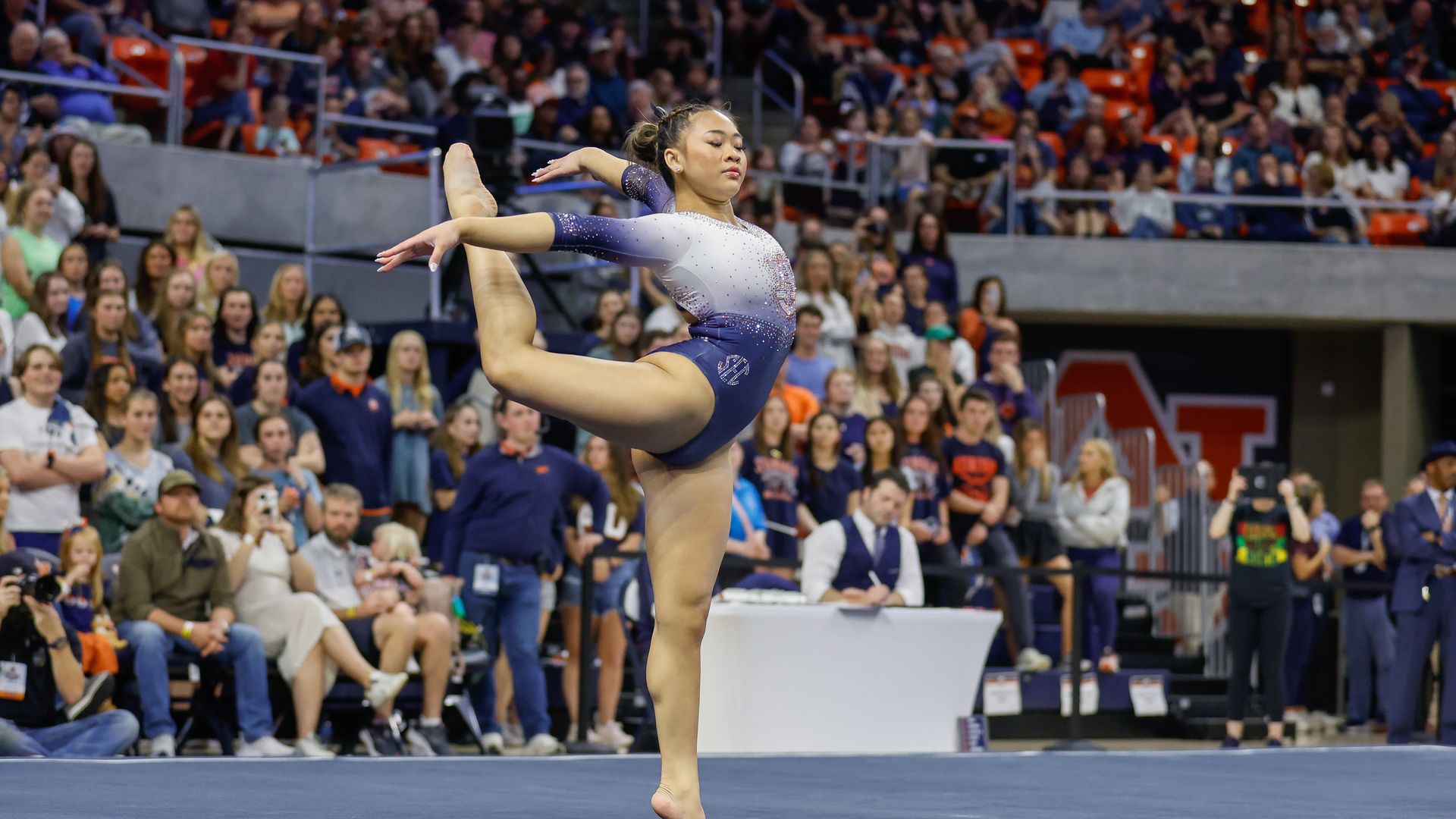
This year, more than 1,200 current, former and incoming NCAA athletes are competing in the Paris 2024 Olympic Games — and more than 840 are chasing gold for a country outside the United States.
Why it matters: College sports have been a key pipeline for Team USA talent throughout the decades of the Olympics — but American universities and their facilities have also evolved as training grounds for international competitors.
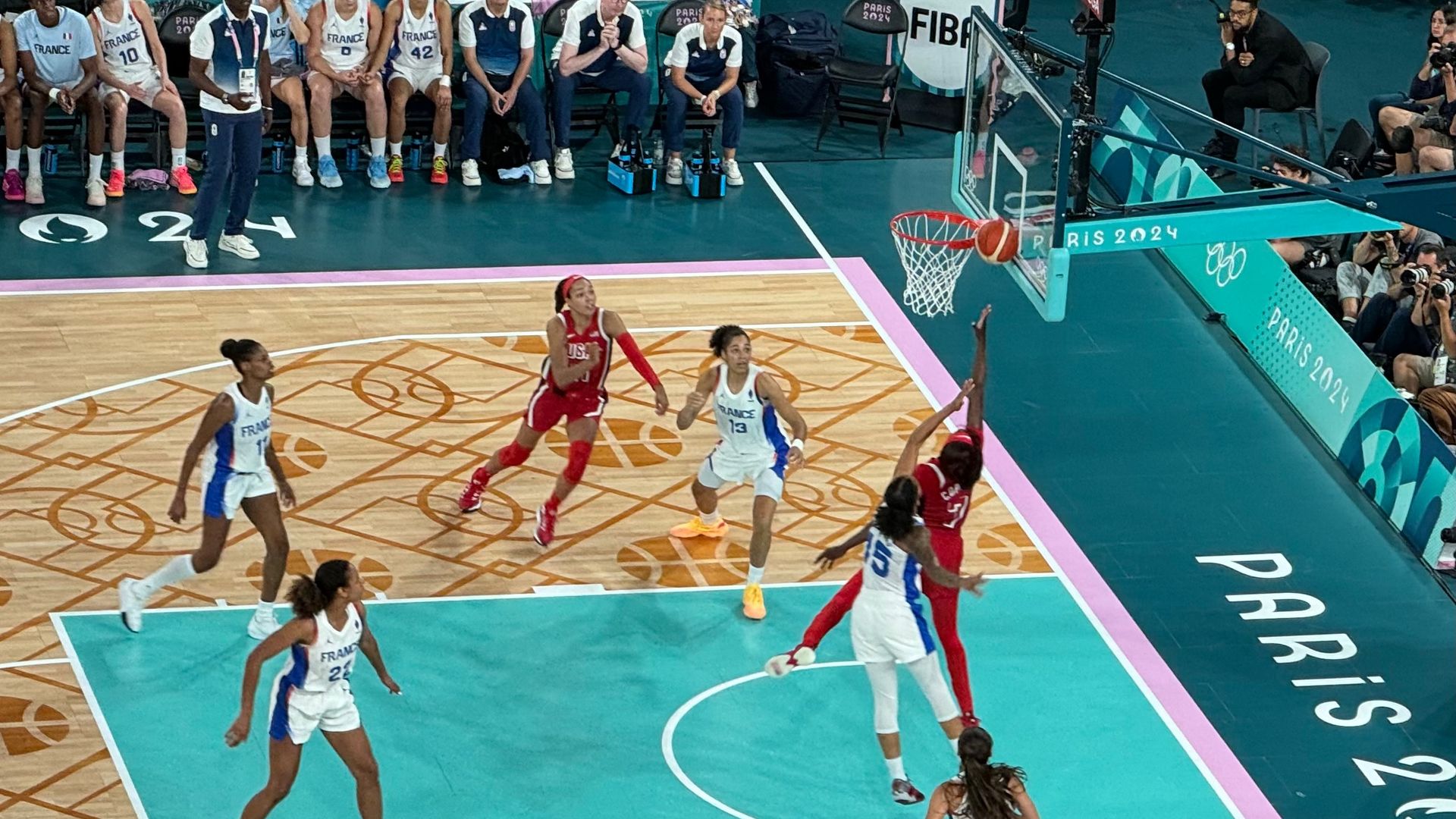
The U.S. women's basketball team erased a 10-point third quarter deficit to beat France 67-66 and claim their eighth straight Olympic gold medal at Paris' Bercy Arena on Sunday.
Why it matters: Arguably the most dominant team in Olympic sports, Team USA hasn't lost a single contest at the Games since 1992.
With all the noise made about Imane Khelif at the Paris Olympics, it's easy to imagine that gender controversy is a new thing. But, as author Michael Waters points out, battles over gender are as old as the modern Olympics themselves.
"You can actually draw a line from what we're seeing today all the way back to the early 20th century," says Waters, whose new book "The Other Olympians" explores some of the earliest gender bending and gender policing at the games.



/2024/08/07/1723001718054.gif?w=3840)