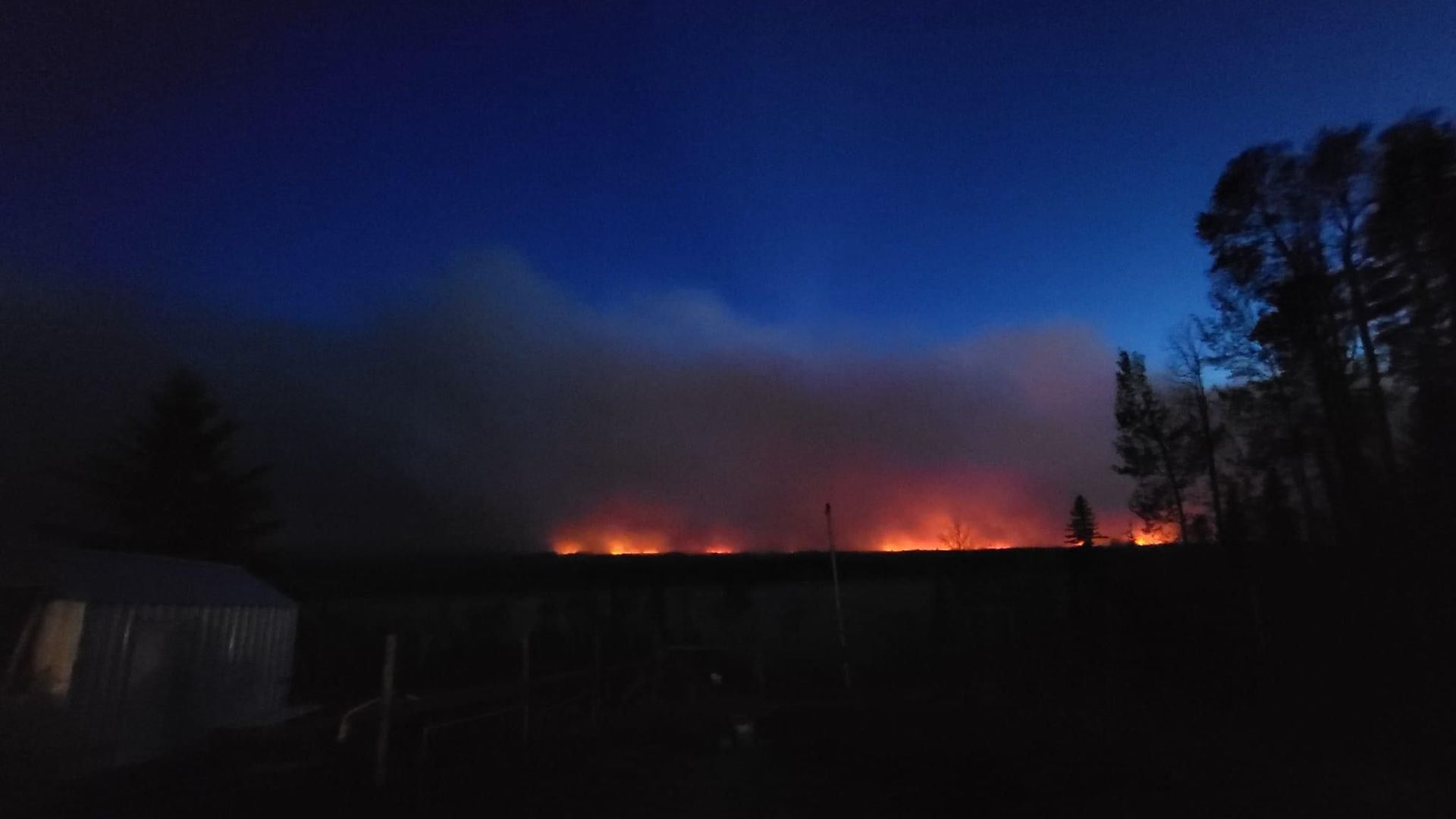
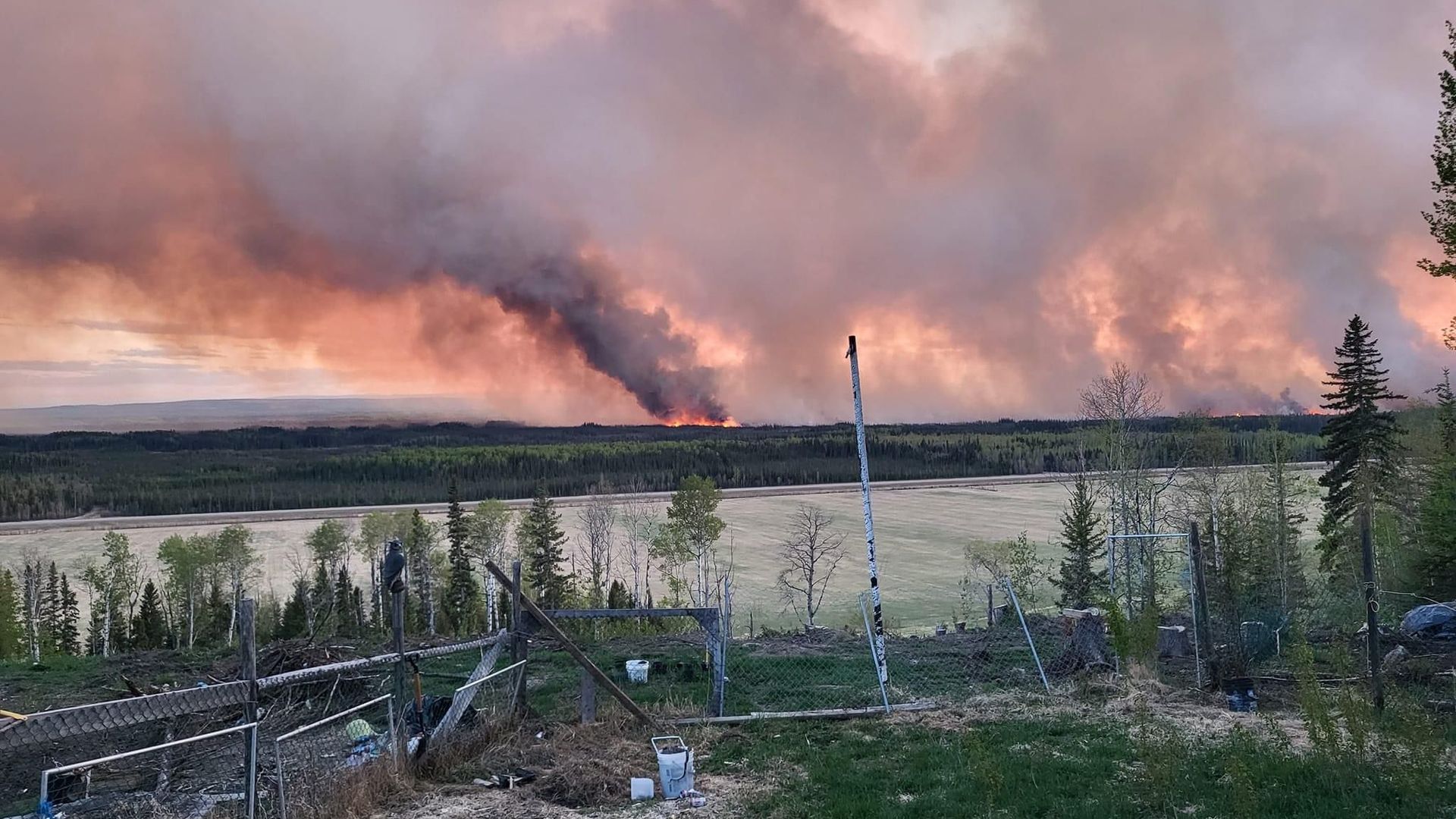
Smoldering combustion beneath northwest Canada's boreal forests has emerged onto the dry surface, re-igniting into fast-moving flames amid unusually warm, dry and windy conditions.
Why it matters: The fires that have emerged this month are a threat to homes and businesses and show how a wildfire season worsened by climate change can defy a clear end date.
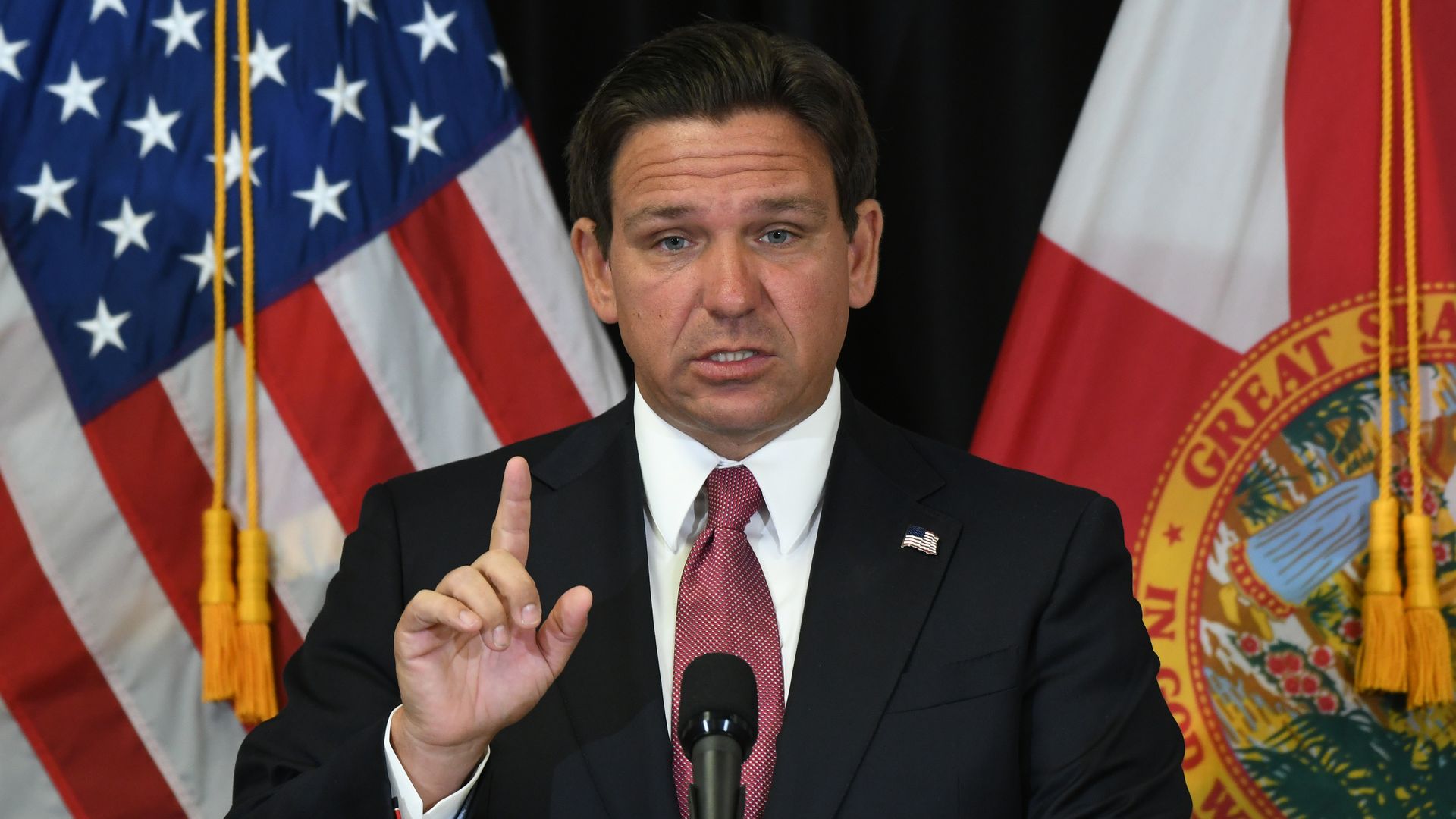
Florida Gov. Ron DeSantis (R) declared on X Wednesday that a bill he signed that removes climate change as a priority in state energy policy would restore "sanity" and reject "the agenda of the radical green zealots."
Why it matters: The bill that would also ban offshore wind turbines and bolster natural gas expansion after taking effect on July 1 comes as climate change's effects are already impacting Florida — notably a dangerous heat wave threatening the state's south this week that's already broken temperature records.
Officials in western Canada warned of "volatile wildfire activity," as dozens of blazes burn in dry conditions across the country, forcing thousands to evacuate and triggering air quality alerts in several U.S. states this week.
By the numbers: Most of the 134 blazes burning in the first major wildfires since Canada's record season that finally abated in October were in British Columbia (47) and Alberta (45) as of Tuesday evening, per the Canadian Interagency Forest Fire Centre.
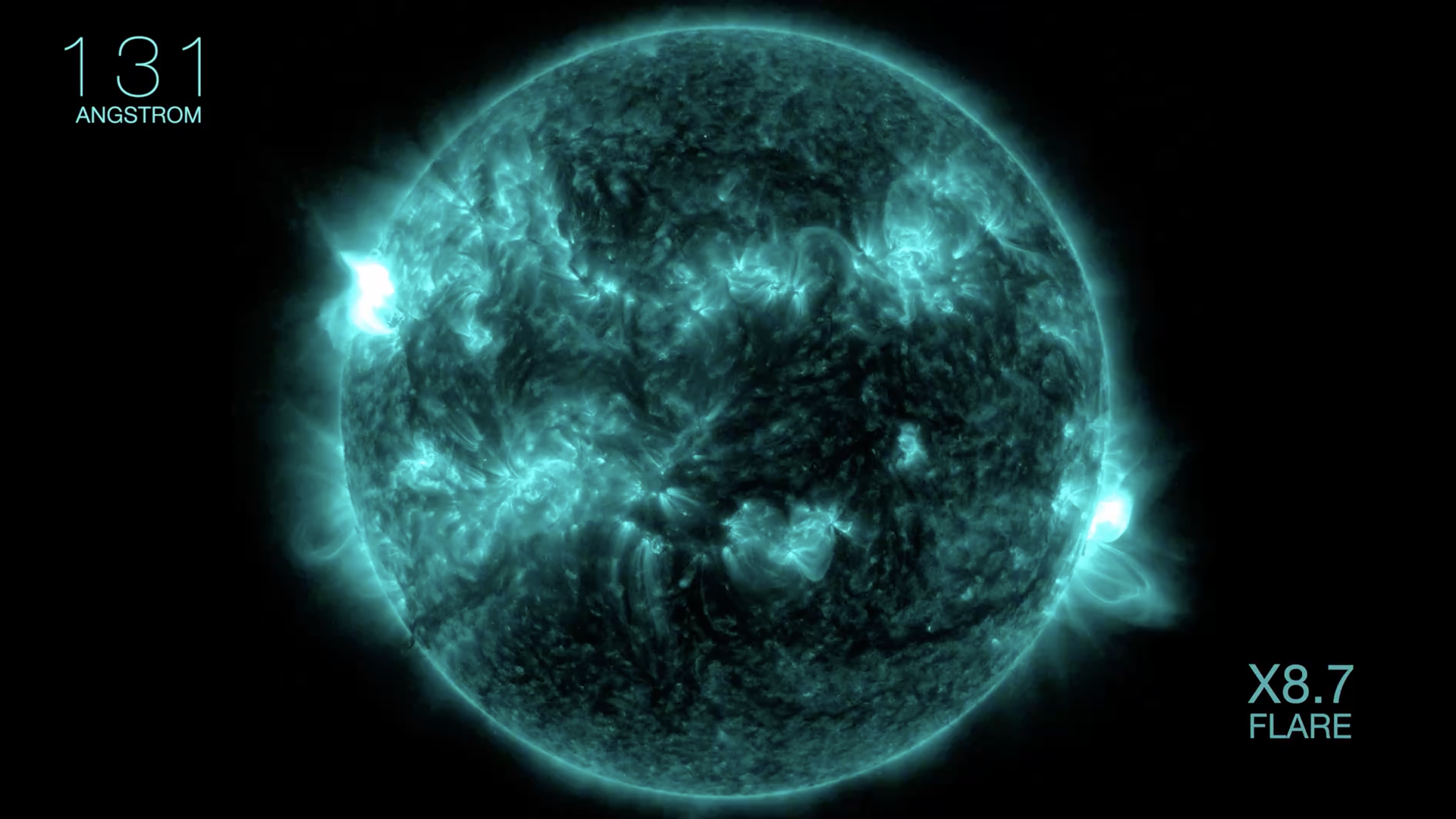
The Sun unleashed the largest flare of its current cycle on Tuesday, days after it generated a powerful solar storm that brought stunning auroras to Northern and Southern Hemisphere skies.
The big picture: "NOT DONE YET!" tweeted NOAA's Space Weather Prediction Center as it issued an alert warning of potential disruptions to radio signals due to the X8.7 flare — the largest since 2017.