The Pentagon will share some of what it knows about UFOs with the public.
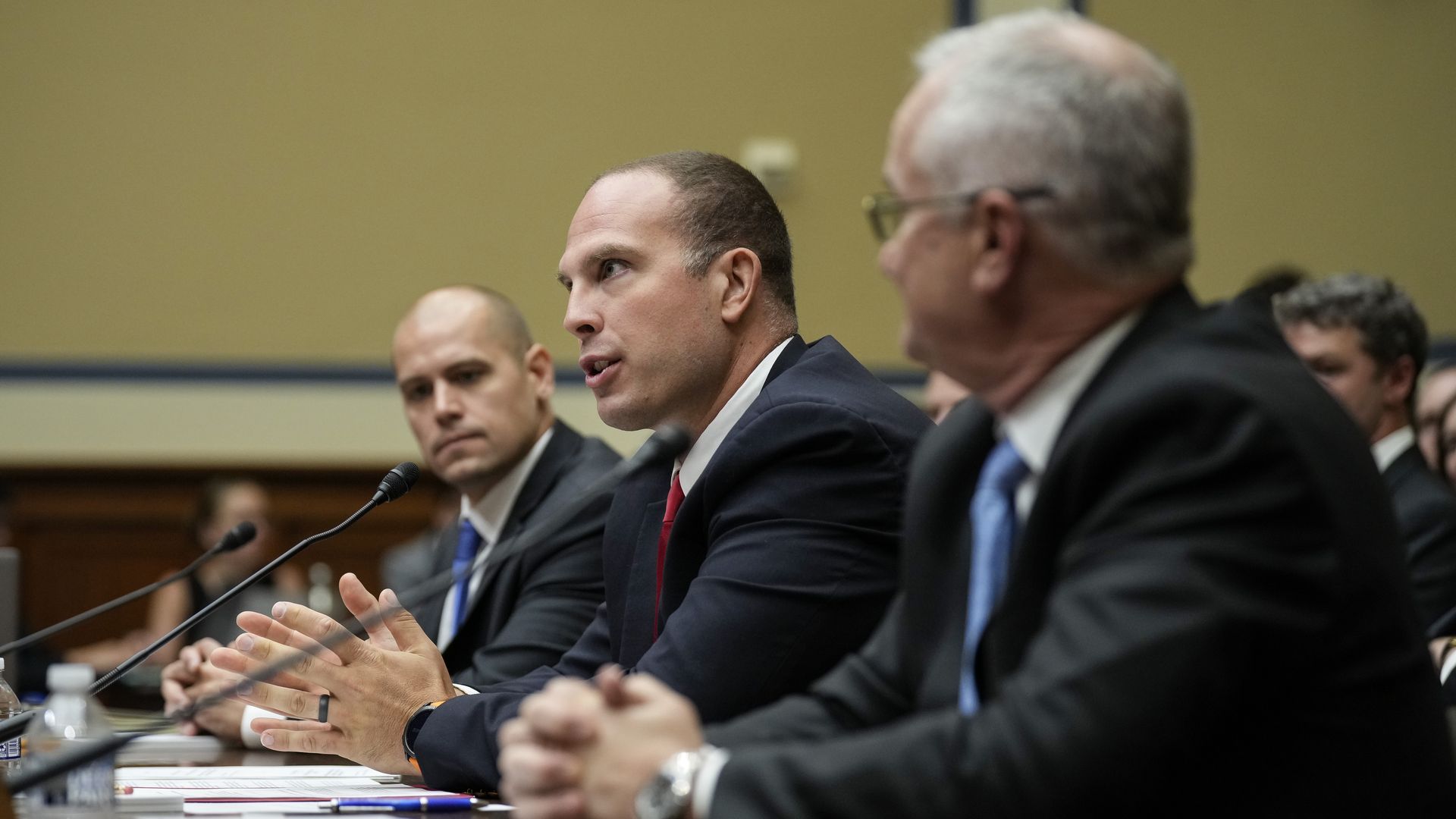
Why it matters: The U.S. government is going to share declassified information about unidentified anomalous phenomena (UAPs) in a new website unveiled on Thursday.
Hurricane Idalia's dramatic intensification during the 24 hours leading up to landfall was largely predicted, based on increasingly advanced computer modeling and data from NOAA and Air Force hurricane hunters.
The big picture: The storm illustrates how the National Hurricane Center's forecast capabilities are largely keeping pace despite climate-change-related trends in rapid intensification.
The stresses of marine heat waves, which are currently at record levels globally, are revealing some parts of the ocean are notably resilient, while others are susceptible to the pressures of a warming world.
Why it matters: The ocean's points of no return, when it can no longer sustain the billions of people it supports, are difficult to determine.
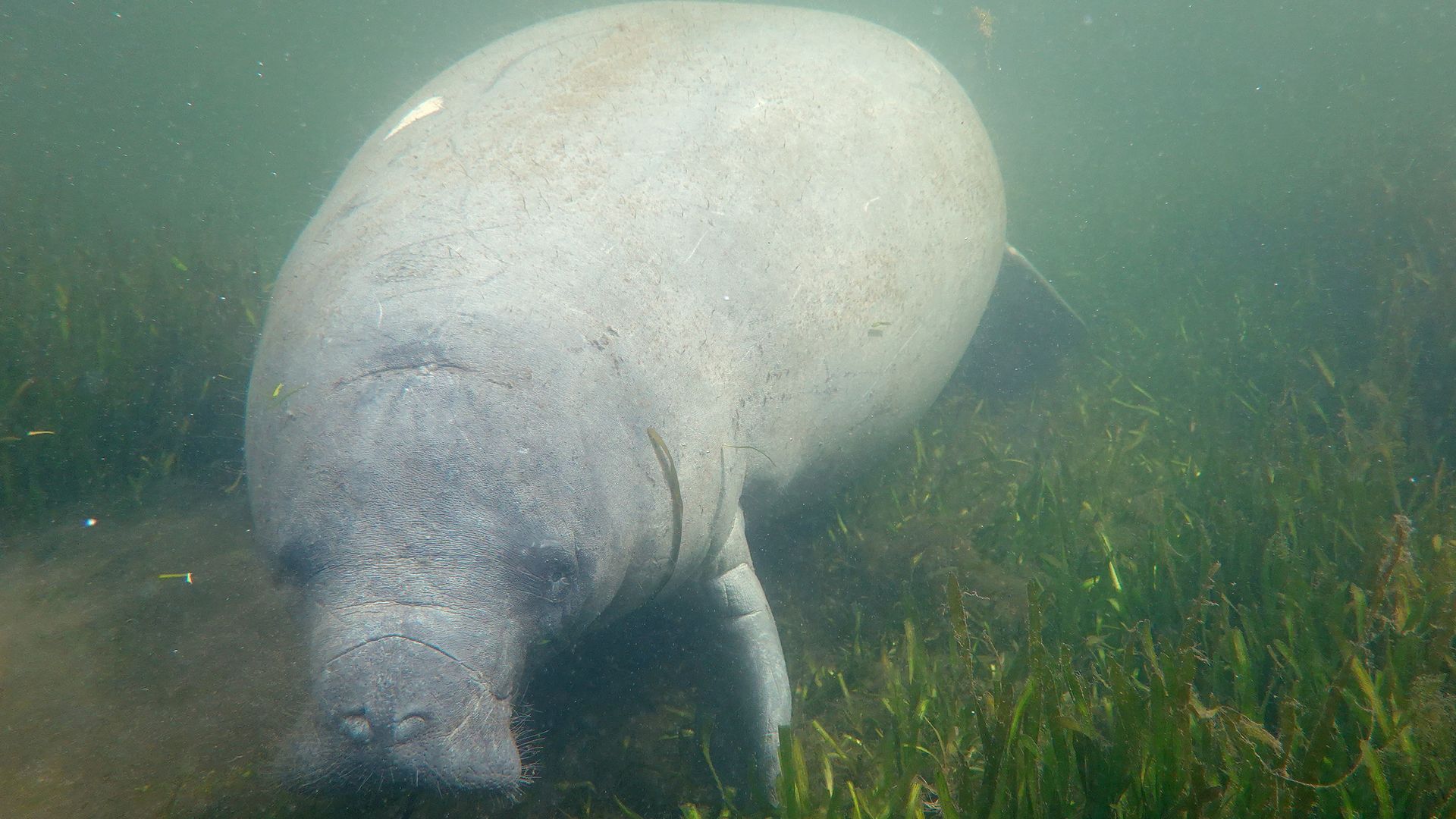
Many Florida manatees may be at risk after Hurricane Idalia slammed the state's Big Bend region as a Category 3 hurricane on Wednesday, conservancy groups have warned.
Why it matters: Before Idalia hit Florida, experts were "cautiously optimistic" the manatees were recovering from a major recent die-off event, during which 25% of the entire manatee population perished since 2020.
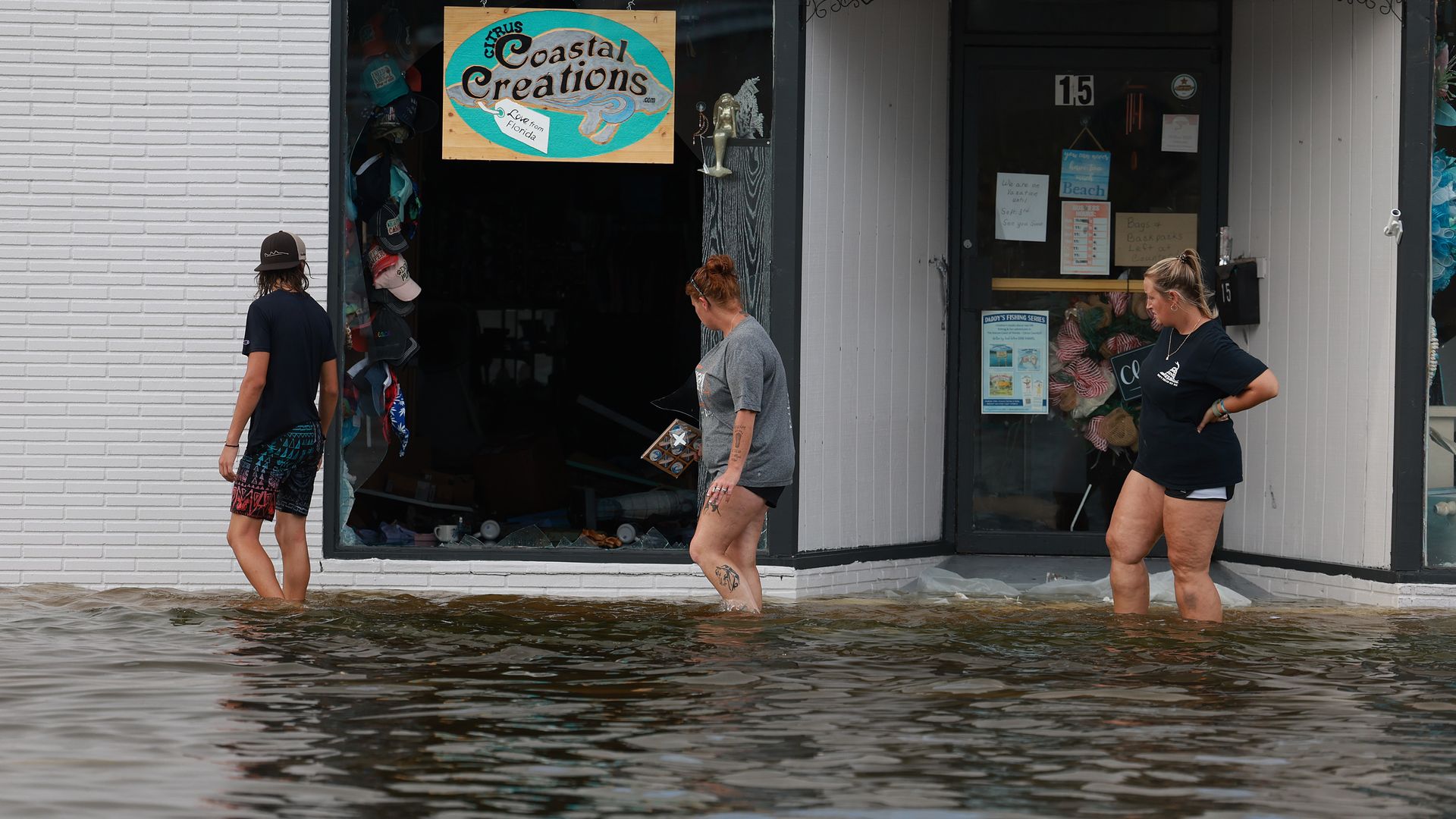
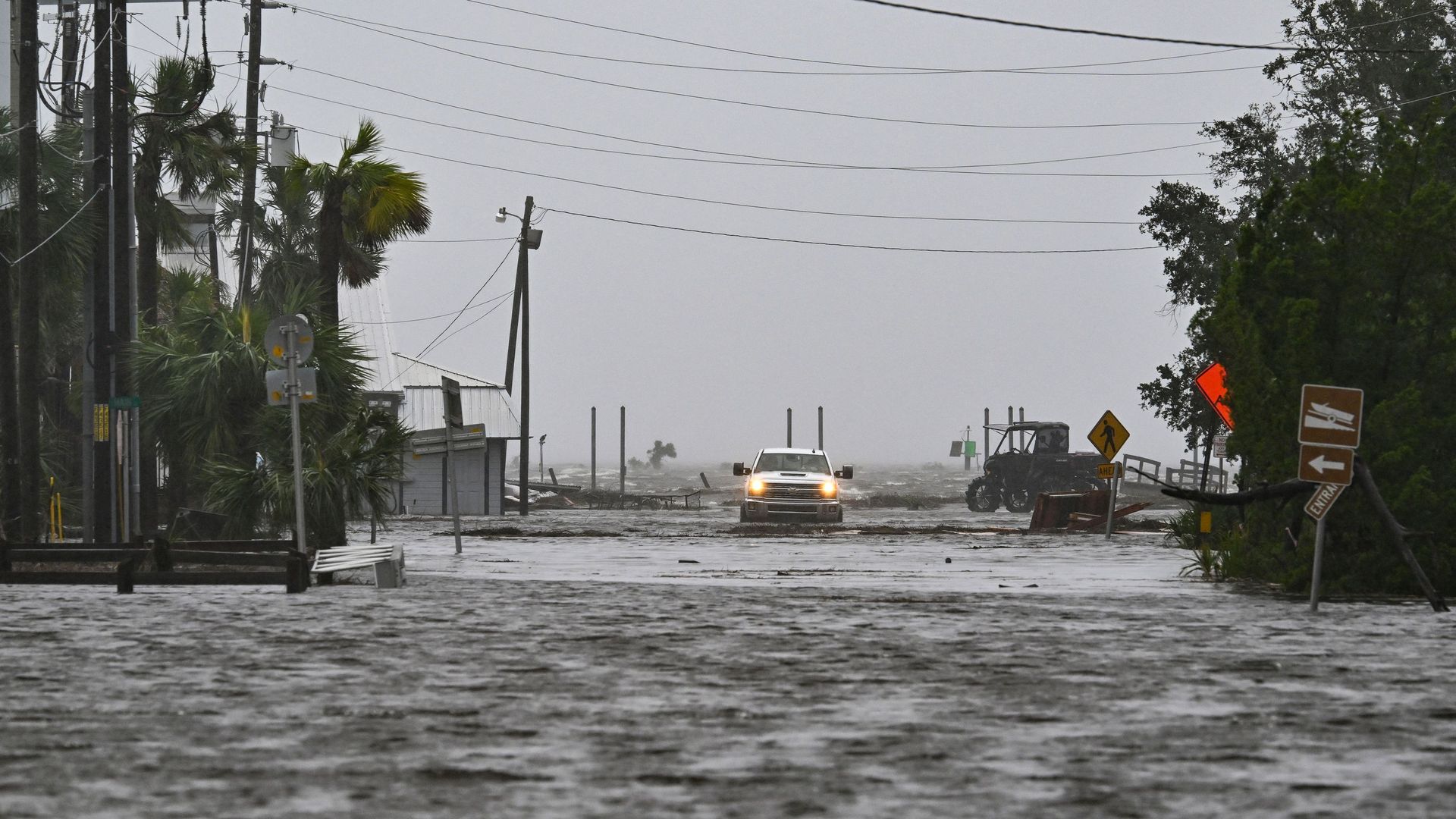
Tropical Storm Idalia was producing "very heavy rains" over North and South Carolina and causing "significant" flooding Wednesday night after earlier making landfall in Florida as a Category 3 hurricane, per the National Hurricane Center.
Threat level: Idalia weakened to a tropical storm about 5pm ET, but the NHC warned it would pummel Southeastern states with extreme weather, damaging winds and heavy rainfall through Thursday, making flash and river flooding likely across the region — and many places have already been inundated.



/2023/08/30/1693431180657.gif?w=3840)