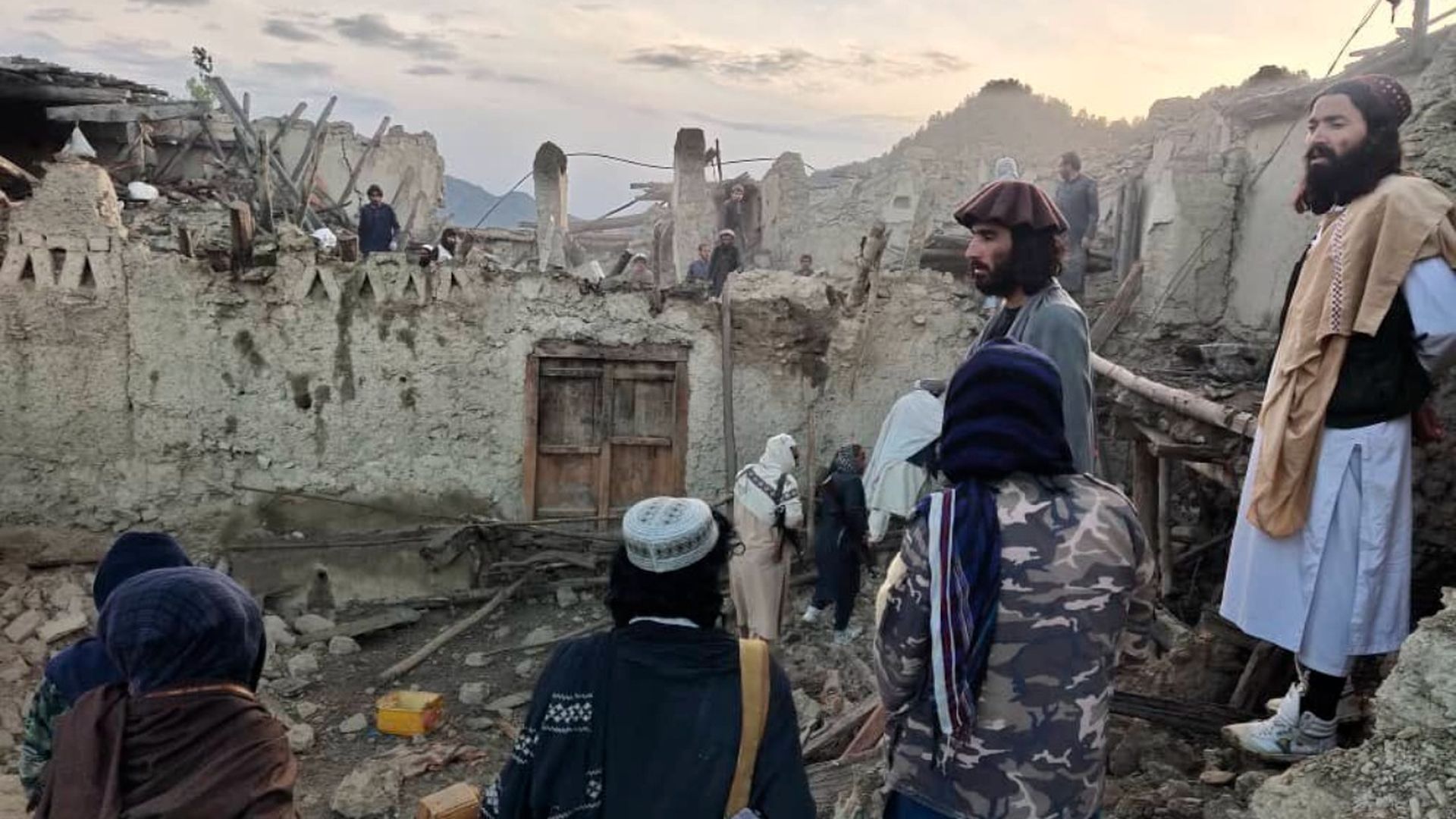
A powerful earthquake that struck Afghanistan early Wednesday killed at least 1,000 people and injured more than 1,500 others, officials said, per the state-run Bakhtar News Agency.
Driving the news: The magnitude 5.9 quake struck some 27 miles from the city of Khōst in southeastern Afghanistan, per the U.S. Geological Survey (USGS). The casualties occurred in the provinces of Khōst and Paktika, near the Pakistan border, officials said.
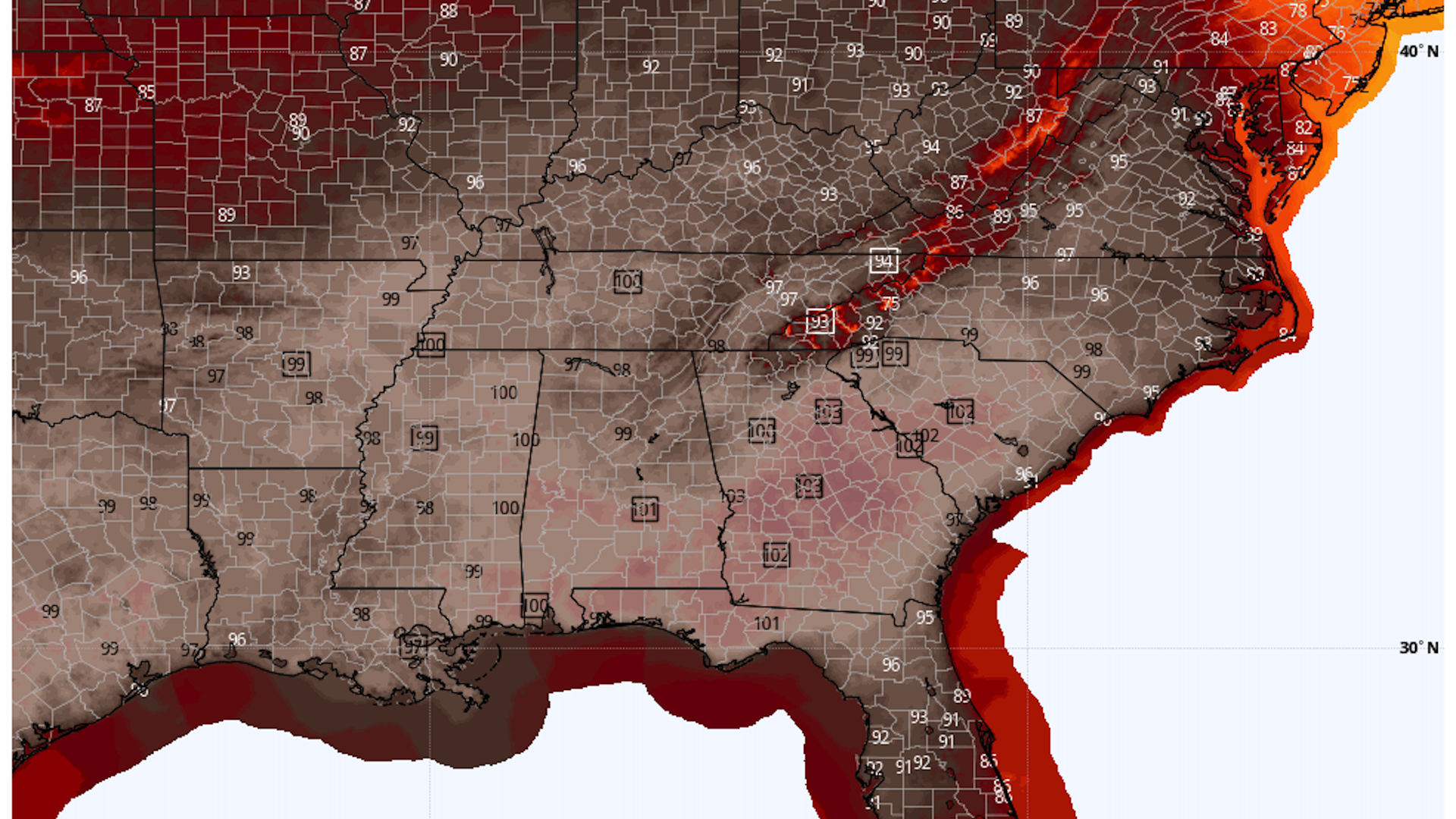
The heat wave that has blanketed a vast swath of the U.S. since early this month is now entering its third week, and it is intensifying in the Midwest before taking aim at the South and Southeast for the rest of the week.
The big picture: Combined with sultry levels of humidity at times, air temperatures in the low triple-digits will bring dangerous heat to cities including Nashville, Tennessee; Atlanta; Birmingham, Alabama; New Orleans; Houston and Dallas. Heat advisories were in effect for 42 million residents on Tuesday afternoon, from Michigan to New Orleans.
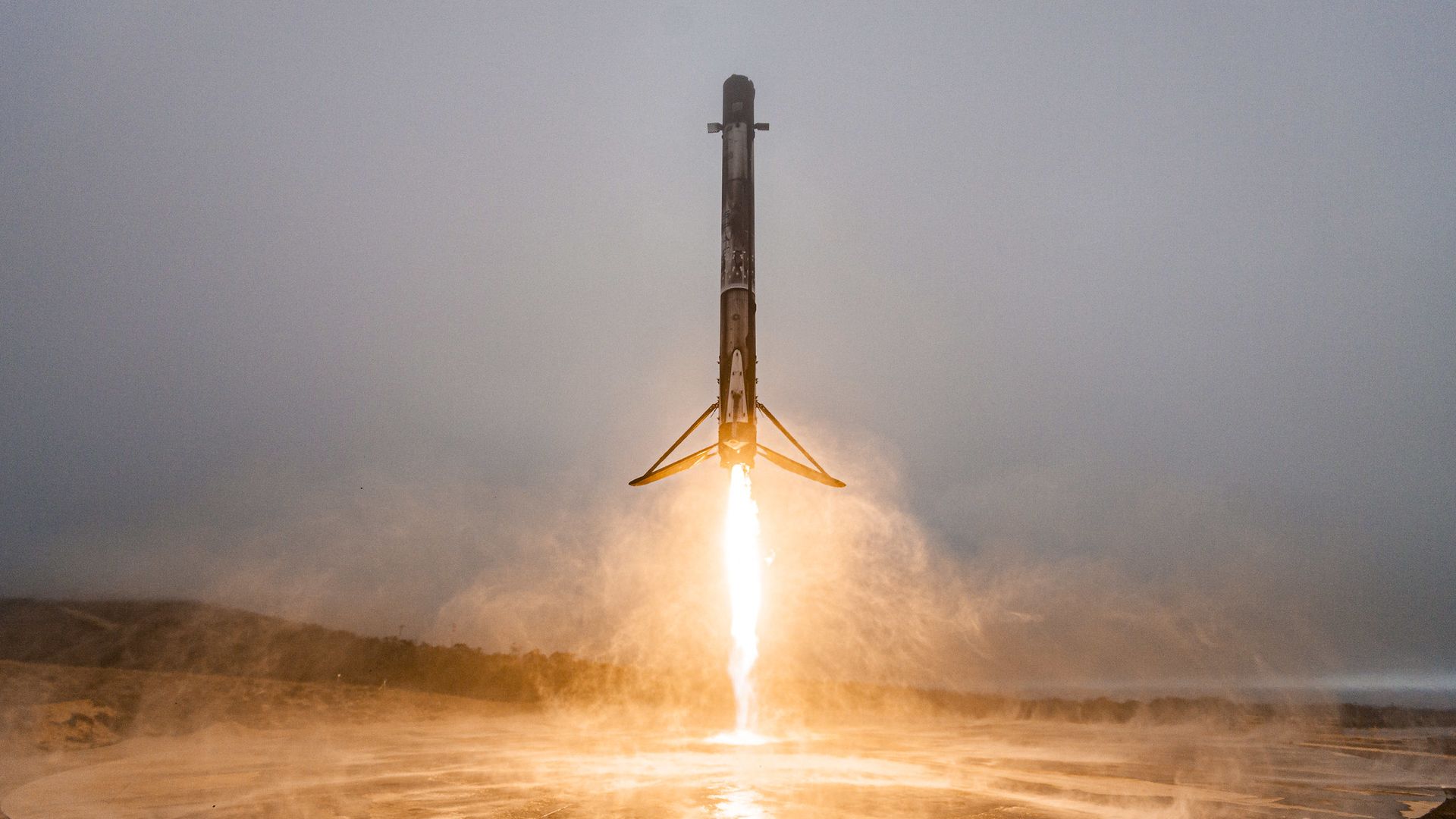
SpaceX launched three rockets in about 36 hours after a week marked by leaks that revealed some of the company's employees are increasingly unhappy with CEO Elon Musk's behavior.
Why it matters: SpaceX is arguably the most important rocket company operating today, but its triumphs on the launch pad wouldn't be possible without the company's workforce.
President Biden intends to nominate Arati Prabhakar as director of the White House's Office of Science and Technology Policy (OSTP), making her the first woman, immigrant or person of color nominated to hold the position.
Driving the news: Prabhakar's nomination comes after White House science adviser Eric Lander resigned from the post in February after violating the Biden administration's workplace policy.
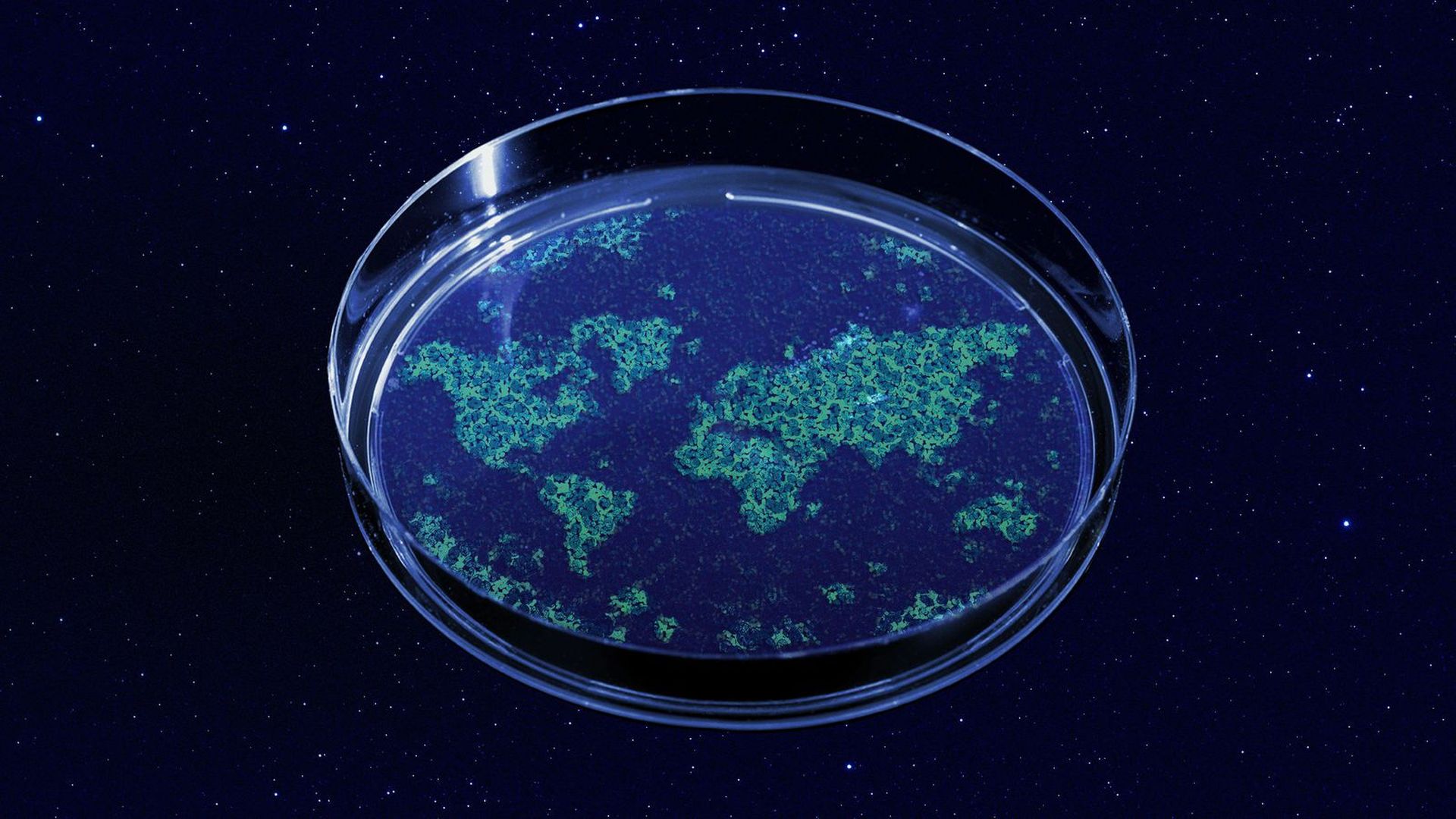
Scientists are tracking diseases from space and getting a new view of human health.
Why it matters: The proliferation of easy-to-use, relatively cheap and more comprehensive satellite data is allowing researchers to get a holistic view of what's happening on Earth during disease outbreaks and possibly learn how to predict the next one.
A tool used to analyze cancerous tumors based on algorithms built to map distant galaxies is getting a major influx of funding.
Why it matters: The imaging platform — called AstroPath — is able to pinpoint how certain tumor cells interact with the body's tissues, allowing doctors to potentially learn more about who might respond well to various treatments.
Two extraordinary heat waves sent temperatures soaring into uncharted territory in Europe and the U.S. prior to the summer solstice, setting new benchmarks for the month of June in several European countries.
Why it matters: The early season extreme heat is a development meteorologists are calling "unsettling" and "unprecedented." These events are a clear warning sign of global warming's growing influence on day-to-day weather.