Extreme heat currently roasting the Upper Midwest and northern Plains is forecast to shift south and southeastward during the week. Temperature records will be in jeopardy in cities such as Atlanta, Nashville, Memphis, Little Rock, and St. Louis during mid-to-late week.
Why it matters: Heat waves are an acute public health threat, since heat ranks as the top weather-related killer in the U.S. on average each year.
The legendary Marie Brenner tells me it's "a tonic at this frightening moment in our history":
In "The Desperate Hours: One Hospital's Fight to Save a City on the Pandemic's Front Lines" (out tomorrow), Brenner draws on 200+ interviews for a gripping account of NewYork-Presbyterian's heroics — with too little federal help — as COVID smothered the city.
Why it matters: "COVID would reveal everything — the pressure that made some crumble but also the valor that meant confronting the fragility of the big-business hospital system, with its marble halls and gleaming towers paid for by New York titans," Brenner writes. Brenner writes that Dr. Steven Corwin, the hospital system's president and CEO, had said somberly as he addressed thousands of NewYork-Presbyterian employees at an all-hospital briefing in March 2020:
"We are in this together — the cavalry isn’t coming."
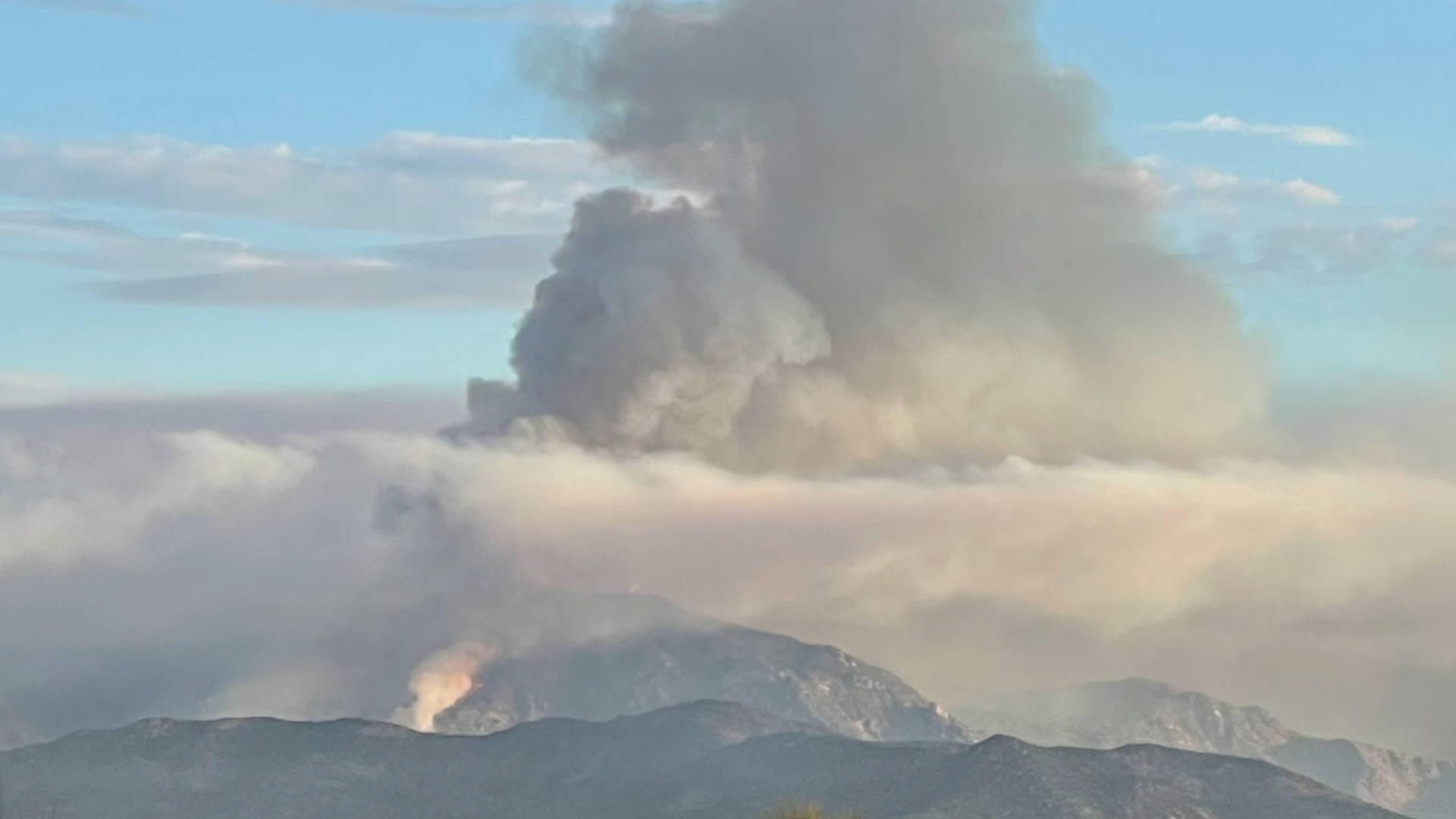
A massive wildfire at the Kitt Peak National Observatory southwest of Tucson, Arizona, was threatening telescopes in the area overnight.
Why it matters: The Contreras Fire that's at 40% containment destroyed four non-scientific structures last week and firefighters were battling flames near the McMath-Pierce Solar Telescope and and another one that's under construction on Sunday, per statements from the observatory.
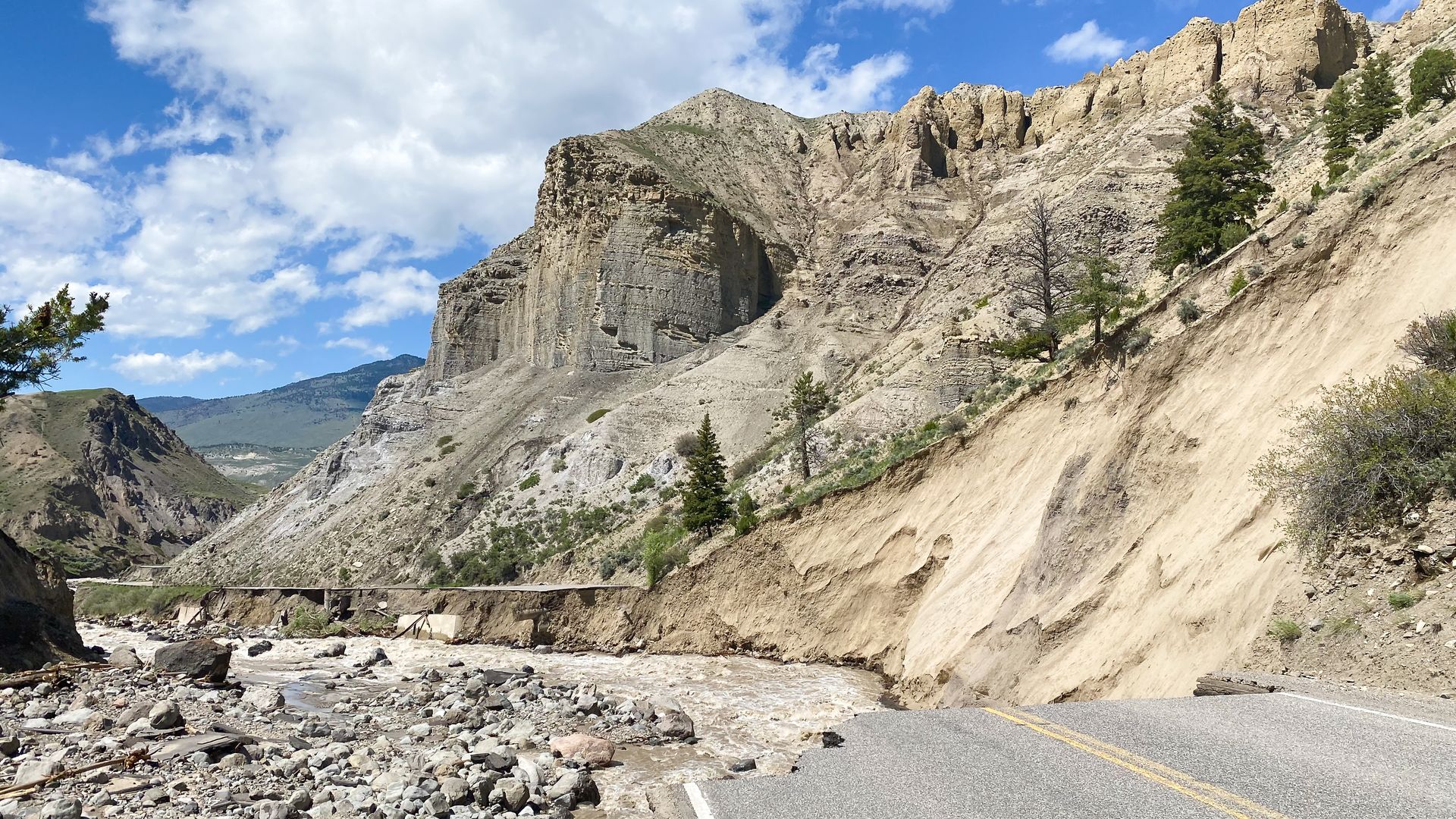
Yellowstone National Park will partially reopen to visitors on Wednesday, after massive flooding last week damaged roads and bridges in the park, the National Park Service announced Saturday.

/2022/06/20/1655737366050.gif?w=3840)