Weather-related disasters have become more common and more costly over the past 50 years but so far have killed fewer people than catastrophes in the past, according to a new report from the United Nations' weather agency.
Why it matters: The World Meteorological Organization's (WMO) report, which includes the most comprehensive reviews of mortality and economic losses from weather disasters to date, found the increase in extreme events has been driven by climate change and improved reporting.
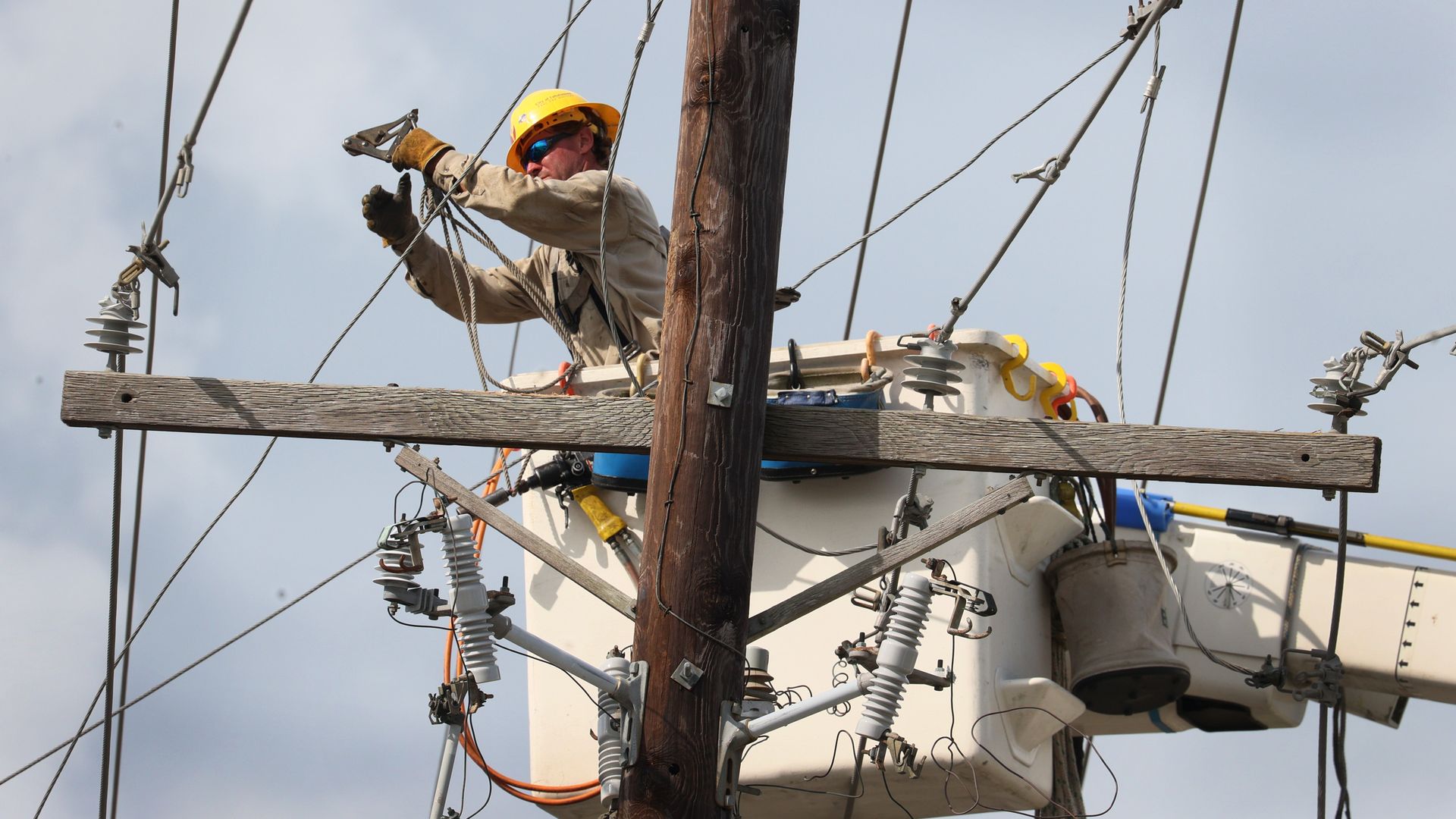
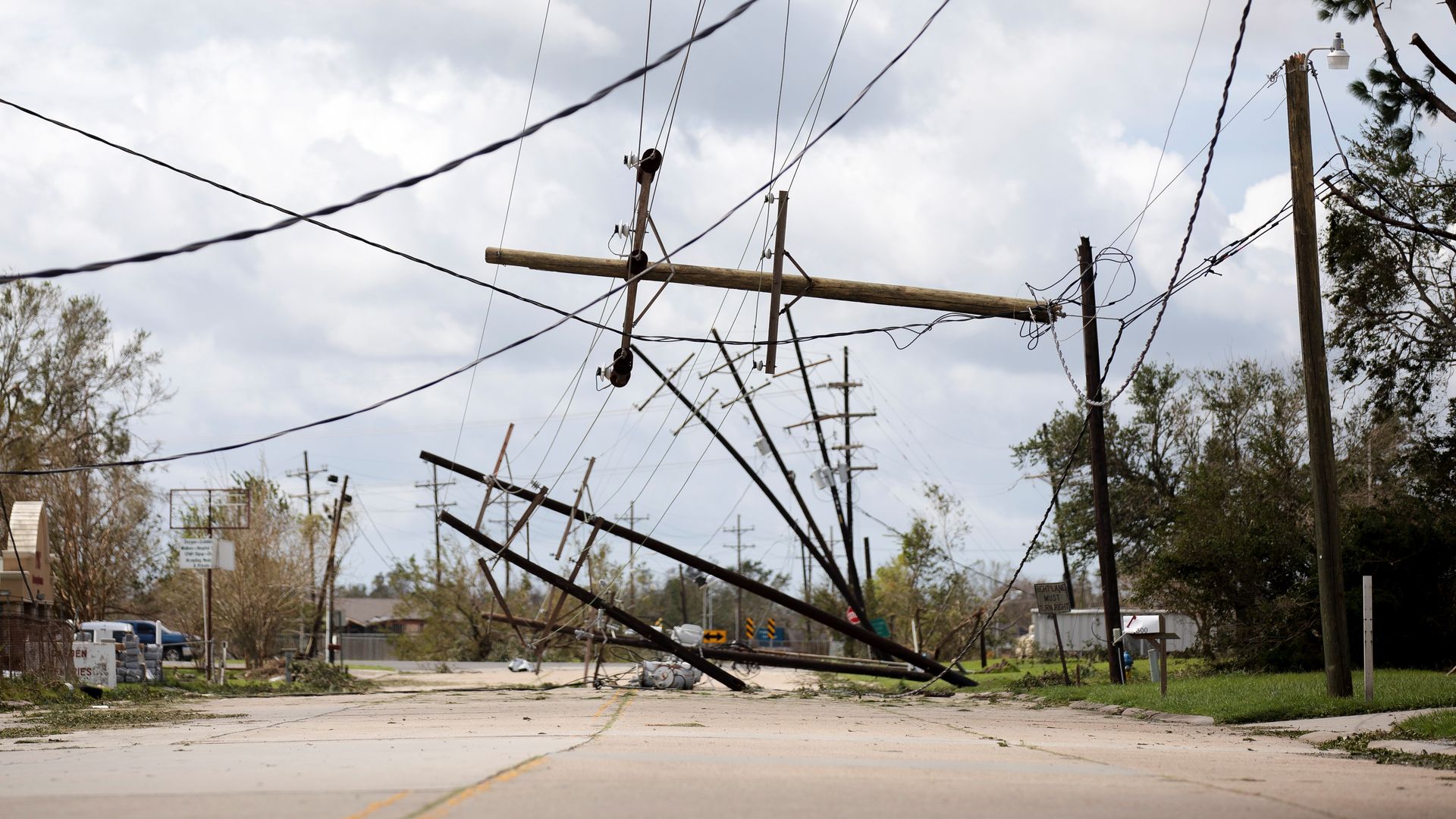
Power company Entergy on Wednesday announced that its crews turned on power for some customers in eastern New Orleans after Hurricane Ida tore through Louisiana and left approximately 1 million customers without electricity.
Why it matters: While outages still persist throughout much of the state, affecting hundreds of thousands of people, Wednesday's announcement offers a sign of hope for the region's recovery in the aftermath of the storm, AP notes.
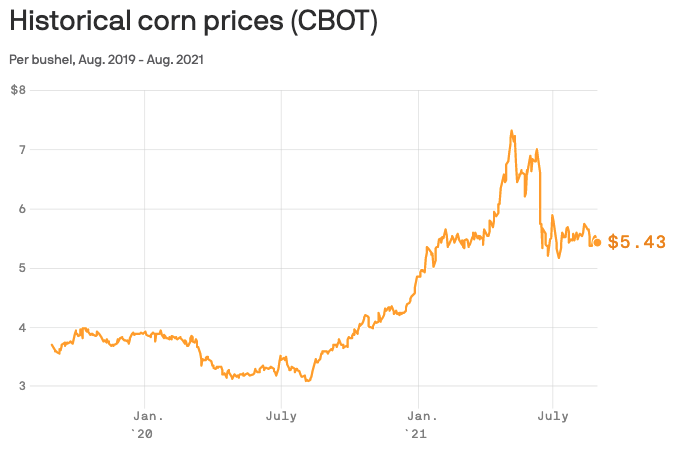
This year’s extreme weather, caused by climate change, is impacting crops to extremes that farmers haven't seen in their lifetimes.
Catch up quick: Prolonged heat waves and droughts have caused this year's corn, soybean, almond, honey, citrus and avocado production to crash and prices to skyrocket.
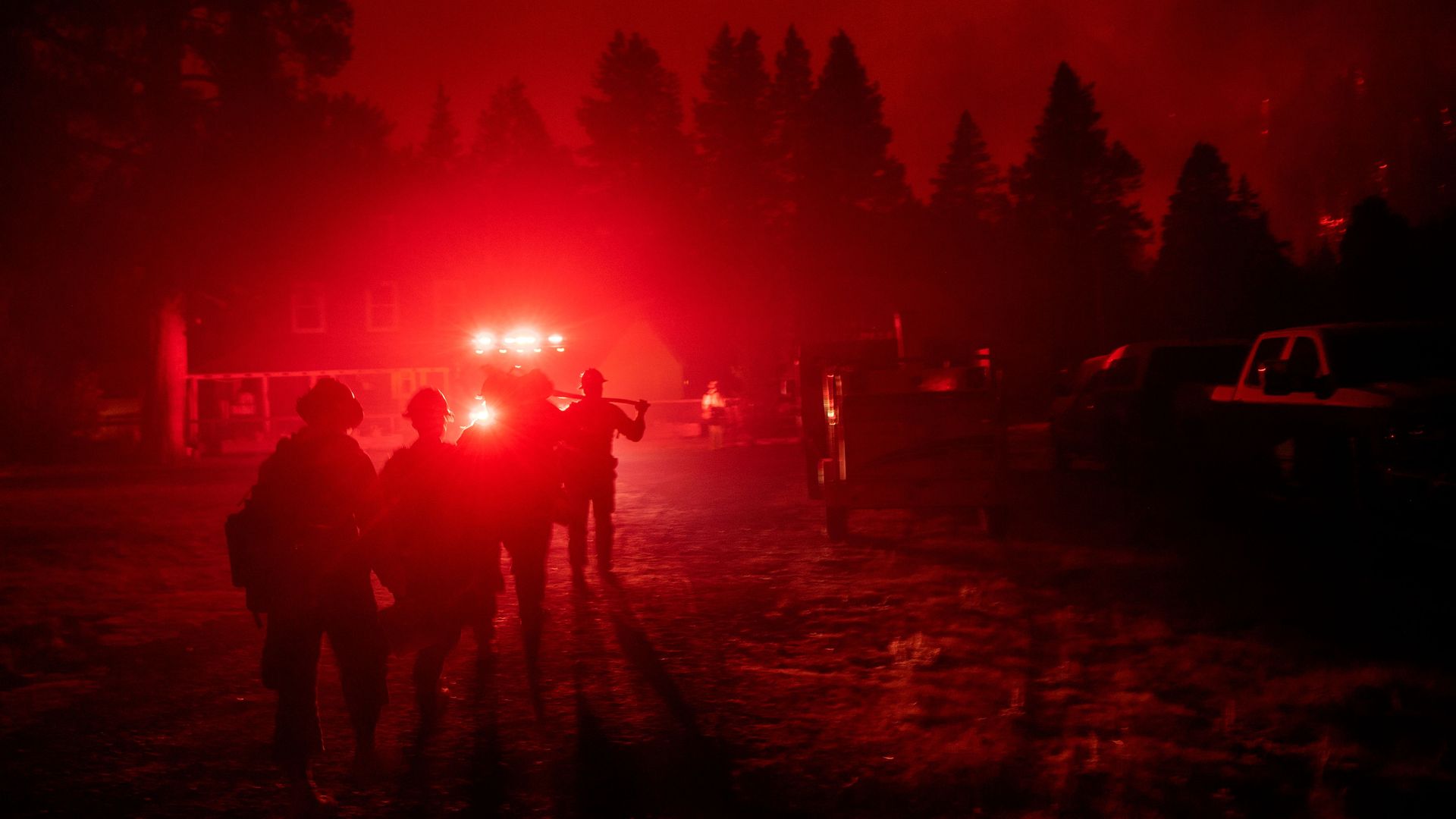
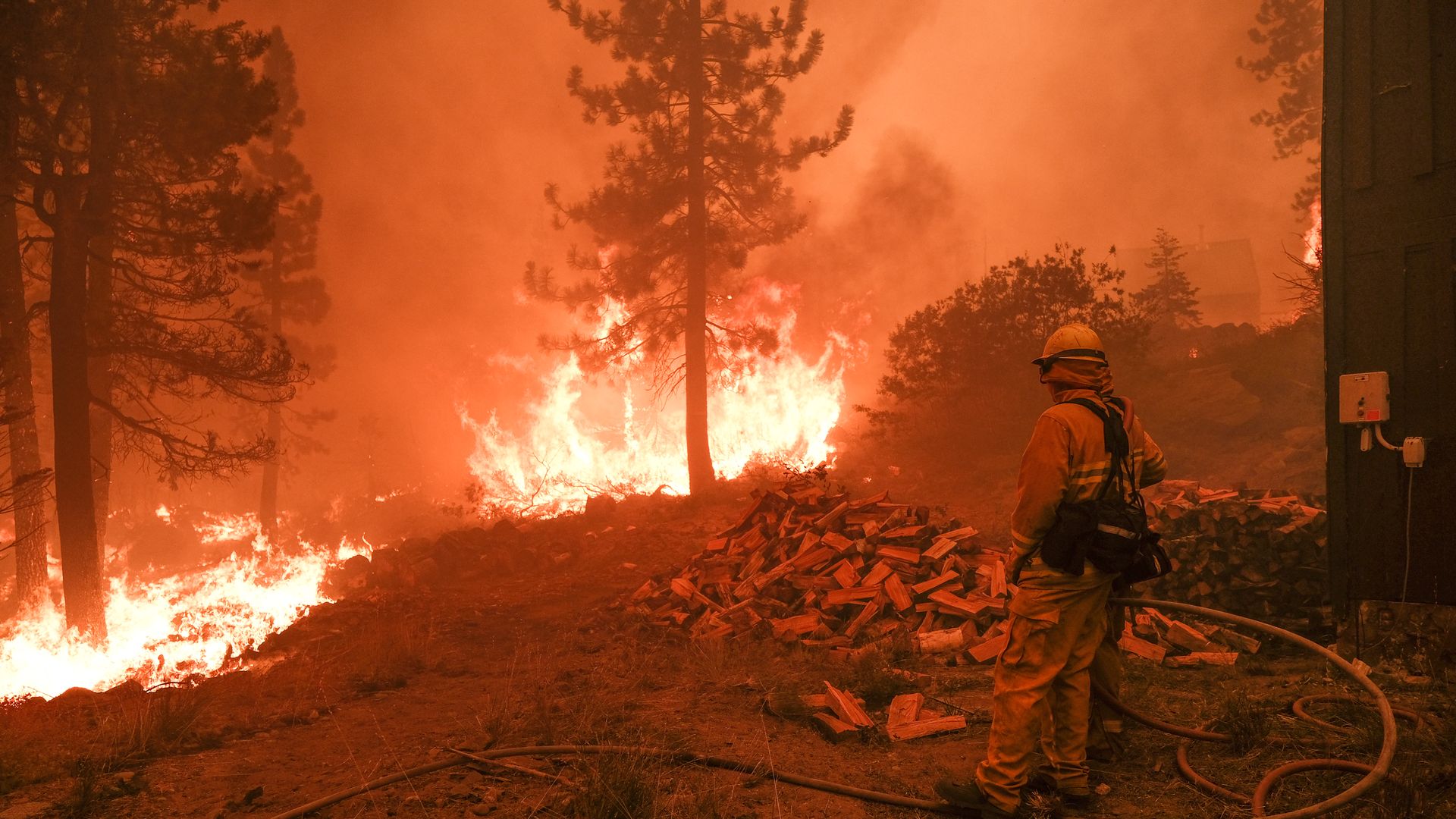
California firefighters worked into the night to try and stop the growing Caldor Fire from reaching the resort city of South Lake Tahoe, as evacuation orders were expanded to border communities in Nevada.
The latest: The wildfire had grown to more than 199,600 acres and was 18% contained, as it threatened almost 34,000 homes and other structures in the area, per the Sacramento Bee.
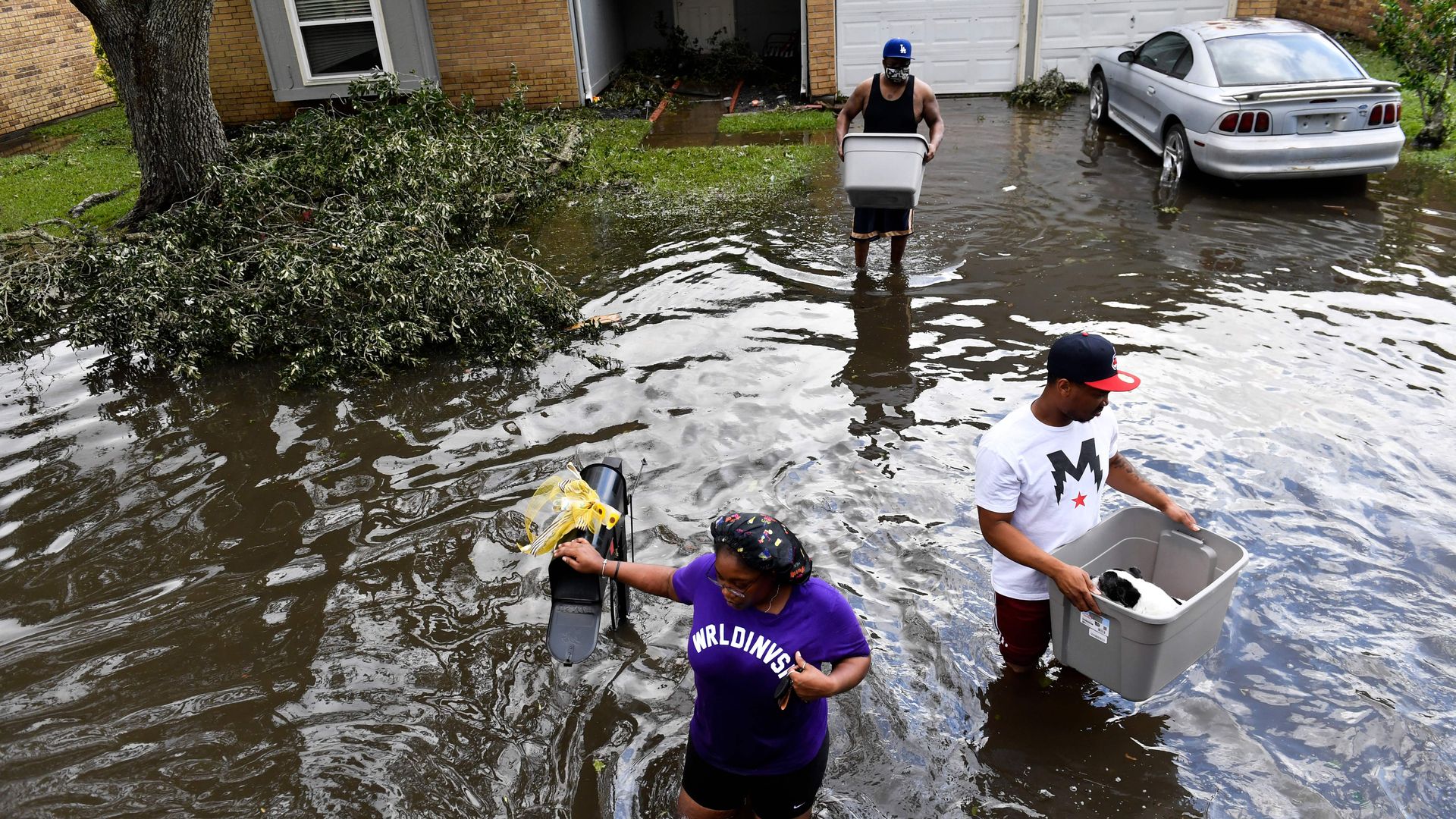
Louisiana Gov. John Bel Edwards (D) warned Tuesday that evacuated residents should not return to their homes until officials say it's safe due to the damage Hurricane Ida caused.
Driving the news: More than 1 million customers in Louisiana and nearly 50,000 in Mississippi were still without power on Tuesday, according to PowerOutage.us.
NASA's Perseverance rover is getting ready to make its second attempt to collect a rock sample on Mars.
Why it matters: One of the rover's main goals is to collect samples of interesting looking rocks — that may harbor signs of past life — on the Red Planet and store them for a future mission to collect and return to Earth.
Space startups garnered record investment last year, according to a new report.
Why it matters: The influx — despite the coronavirus pandemic — shows that investors are still interested in the growing industry and see relatively young companies as worthy of funding.
The big picture: The blaze has already destroyed more than 660 structures and damaged dozens of others. It had grown to more than 191,607 acres and was 16% contained as of Tuesday morning.
The National Weather Service has issued a heat advisory for New Orleans, Baton Rouge and Houma, Louisiana, to Gulfport, Mississippi, as residents swelter in the wake of Hurricane Ida. The storm knocked out electricity to power air conditioning.
Why it matters: Heat tends to be the top weather-related killer annually in the U.S., and prolonged exposure to hot temperatures without any relief — either from air conditioning or cooler temperatures at night — significantly raises the risks of heat-related illness.
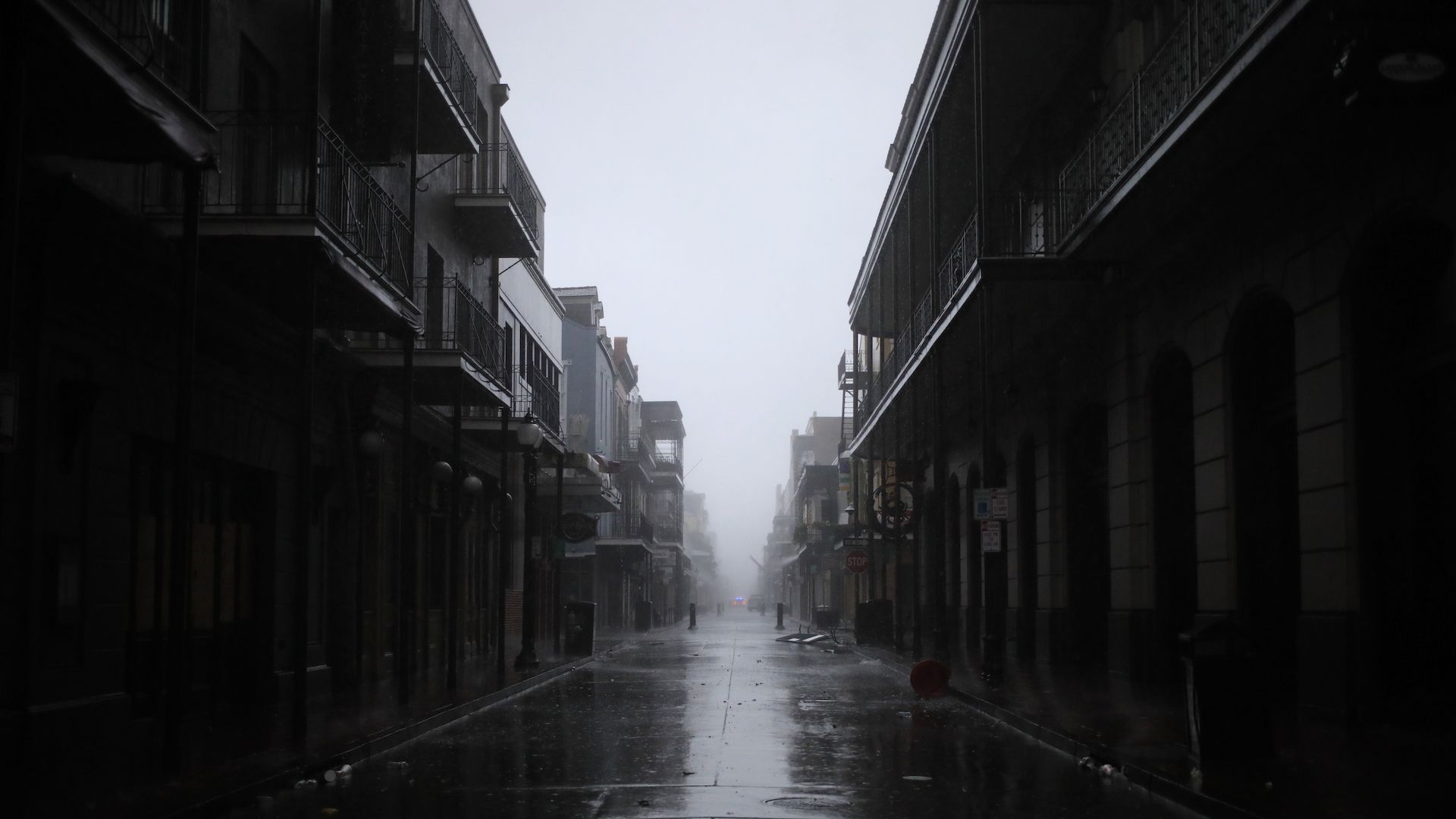
The powerful hurricane that plunged New Orleans into darkness for what could be weeks is the latest sign that U.S. power systems are not ready for a warmer, more volatile world.
The big picture: “Our current infrastructure is not adequate when it comes to these kinds of weather extremes,” Joshua Rhodes, a University of Texas energy expert, tells Axios.
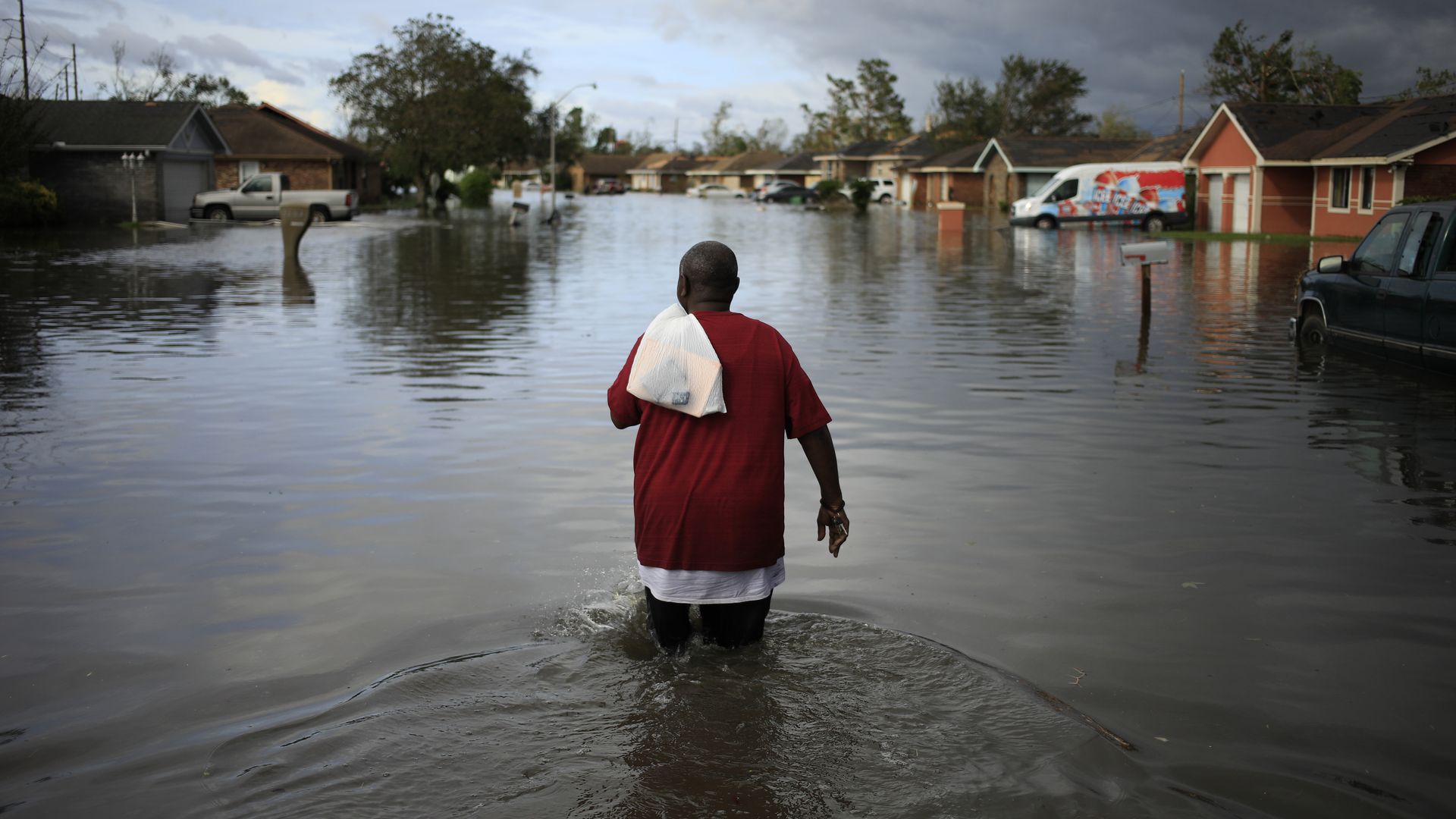
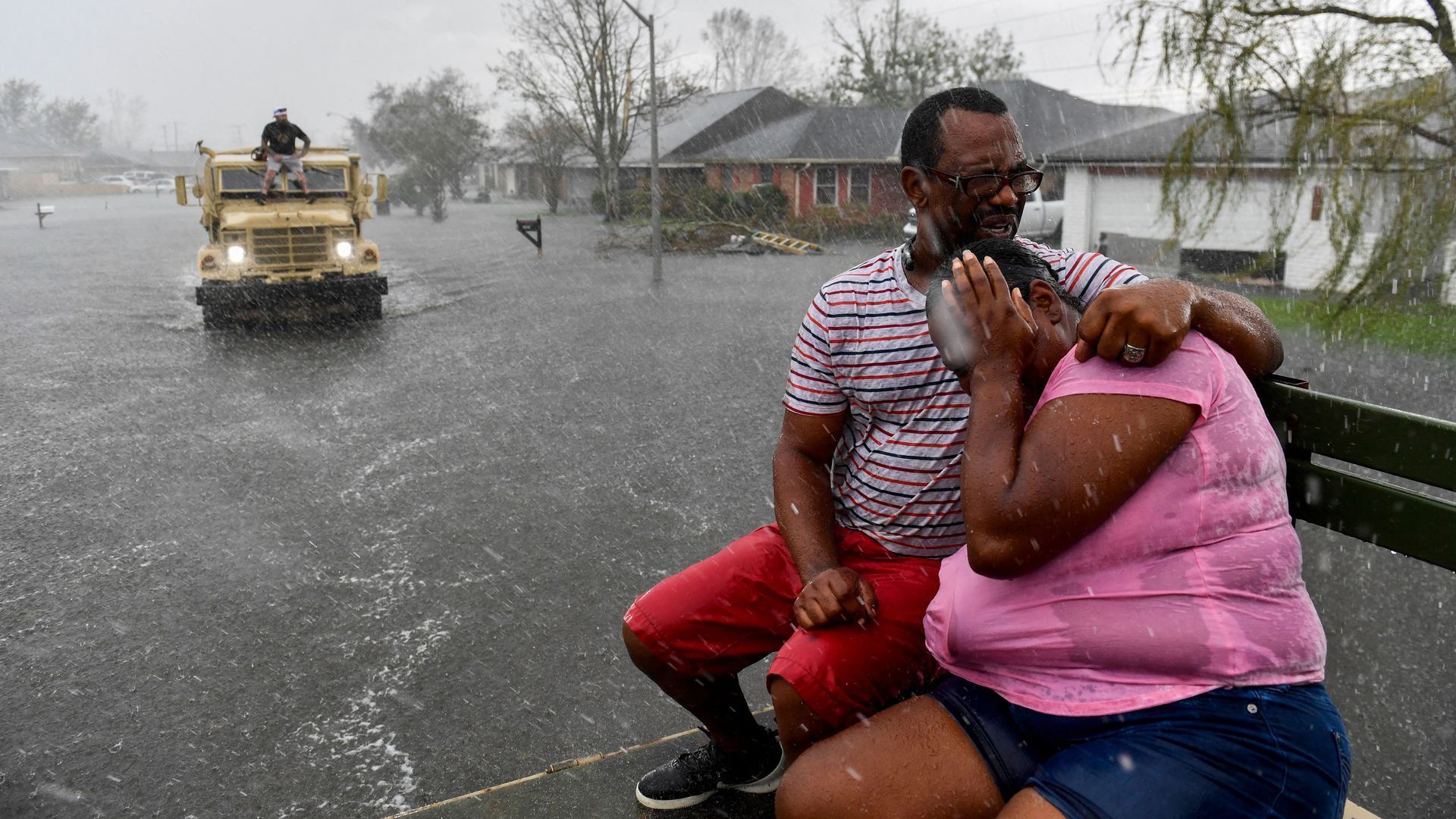
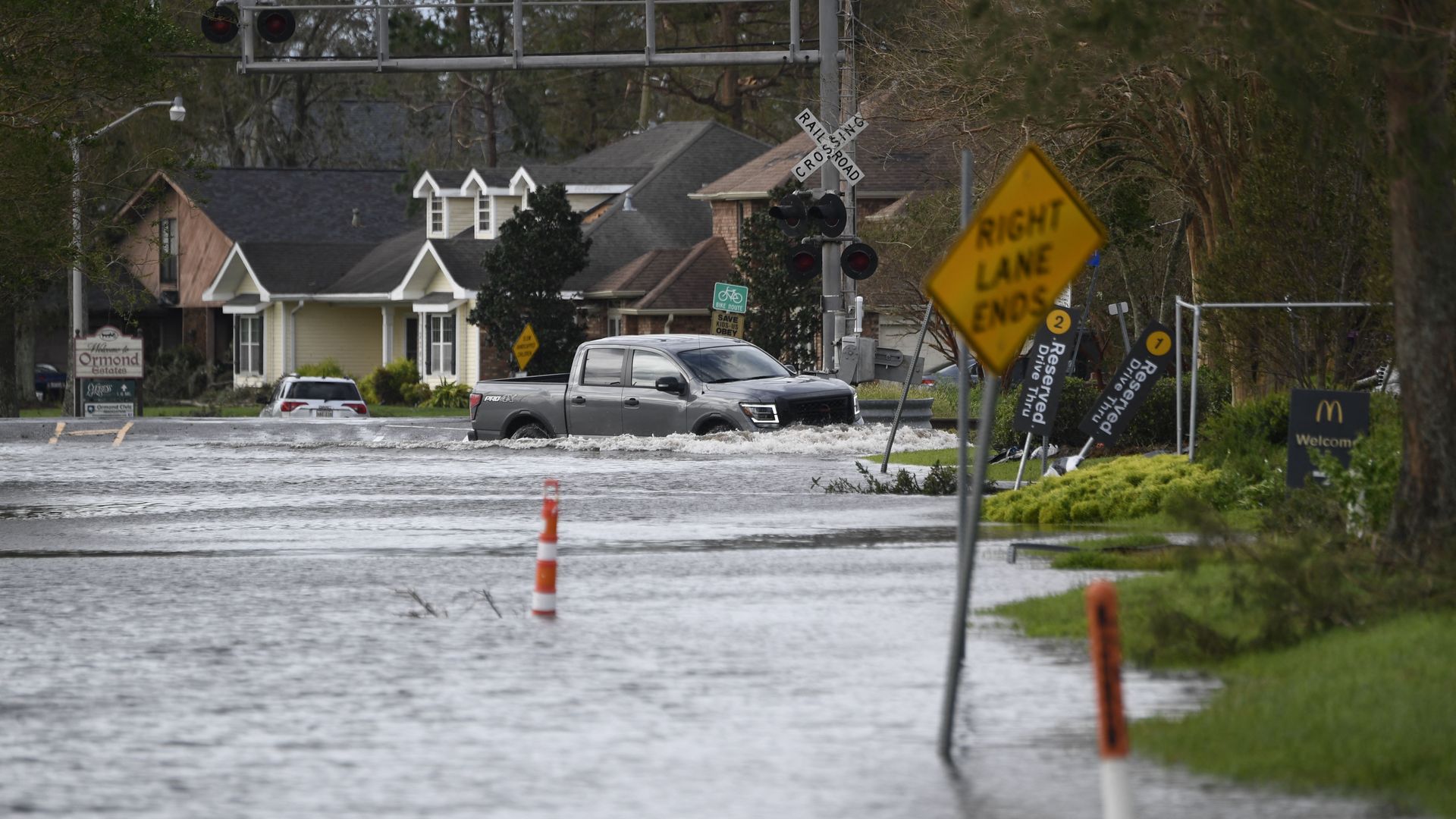
Crews were working to rescue people trapped by former Hurricane Ida's floodwaters as utility workers moved to try and restore power to over 1 million customers in Louisiana and nearly 60,000 others in Mississippi Monday, per AP.
The big picture: NASA Earth said preliminary data suggests Ida was the fifth-strongest storm "ever to make landfall in the continental U.S." when it hit Louisiana as a Category 4 hurricane Sunday, leaving New Orleans with no electricity except power from generators.
The launch next monthof the first all-civilian mission to orbit is an ambitious test for a burgeoning space industry's futuristic dream of sending many more ordinary people to space in the next few years.
Why it matters: Companies and nations envision millions of people living and working in space without having to become professional, government-backed astronauts. Those hopes are riding on SpaceX's next crewed mission, called Inspiration4.
The deadly former Hurricane Ida was bringing heavy rains, "dangerous" flash flooding, storm surge and extreme winds as the tropical depression moved northeast across Mississippi overnight.
Threat level: "Ida will continue to produce heavy rainfall tonight through Tuesday morning across portions of southeast Louisiana, Mississippi, and western Alabama, resulting in considerable flash and urban flooding and significant river flooding impacts," the National Hurricane Center warned.
A federal judge on Monday tossed out a Trump administration rule that rolled back protections for streams, marshes and wetlands across the U.S.
Why it matters: Environmental and tribal groups have pushed the court to vacate the rule, which the Biden administration has kept in place while coming up with its own protections policy. The new ruling will expand protections for drinking water supplies for millions of Americans and thousands of wildlife species, per the Washington Post.