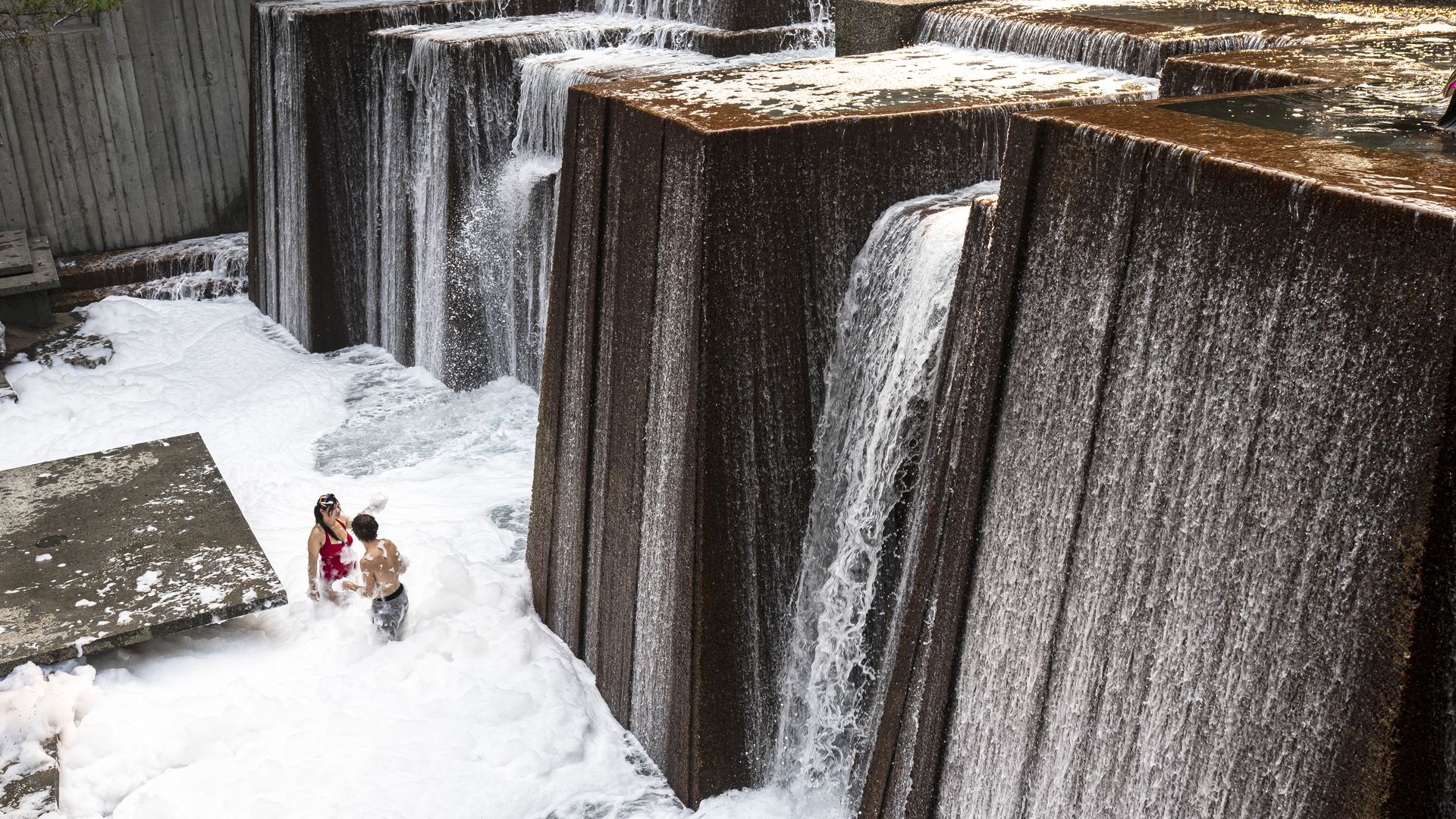
The extreme heatwaves that blasted the Pacific Northwest this summer exposed a new reality for hospitals that were overwhelmed by patients with heat-related illnesses.
Why it matters: State and local health departments in Washington and Oregon report those who succumbed to heat-related illness were often older, with pre-existing conditions and had no air conditioning. Many were also socially isolated.
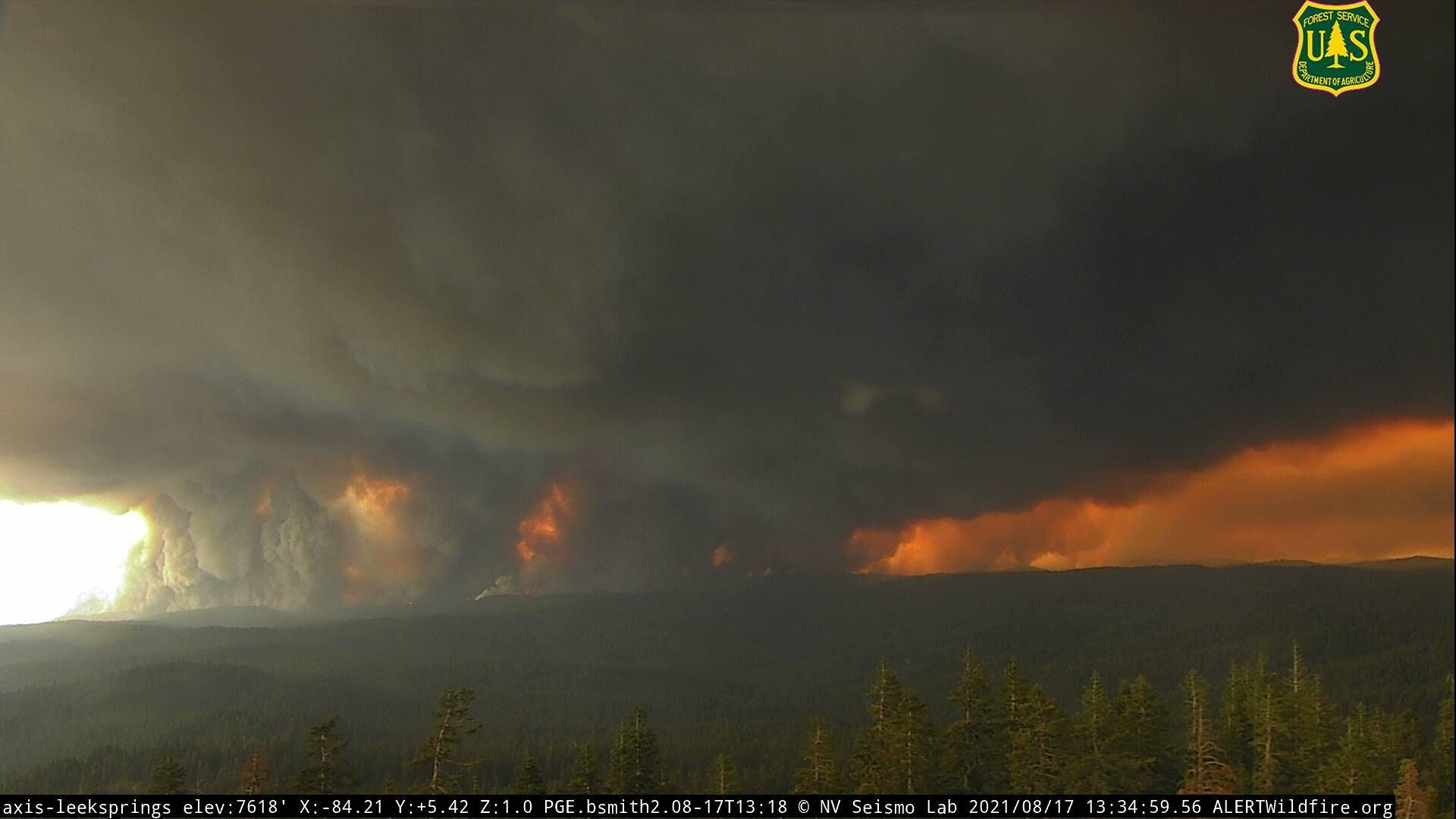
Red flag warnings are in effect over a vast stretch of the West — including California, Nevada and Montana, prompted by strong winds, high temperatures and drought conditions.
The latest: In Northern California, where fuel moisture and flammability are especially conducive to extreme wildfire behavior, the rapidly growing Caldor Fire prompted mandatory evacuation orders to be issued late Tuesday, as it tore through homes in and around the El Dorado County town of Grizzly Flats.
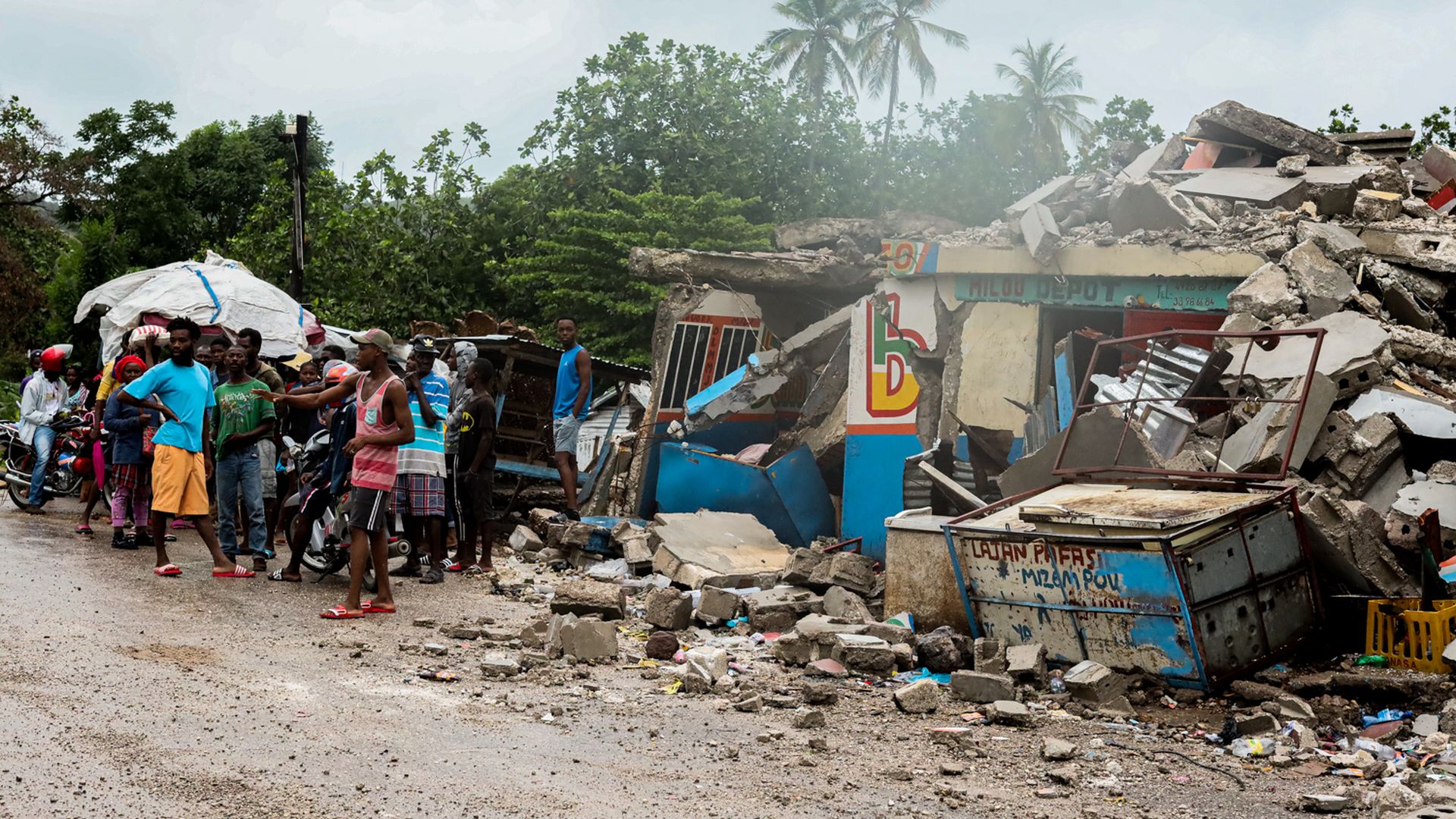
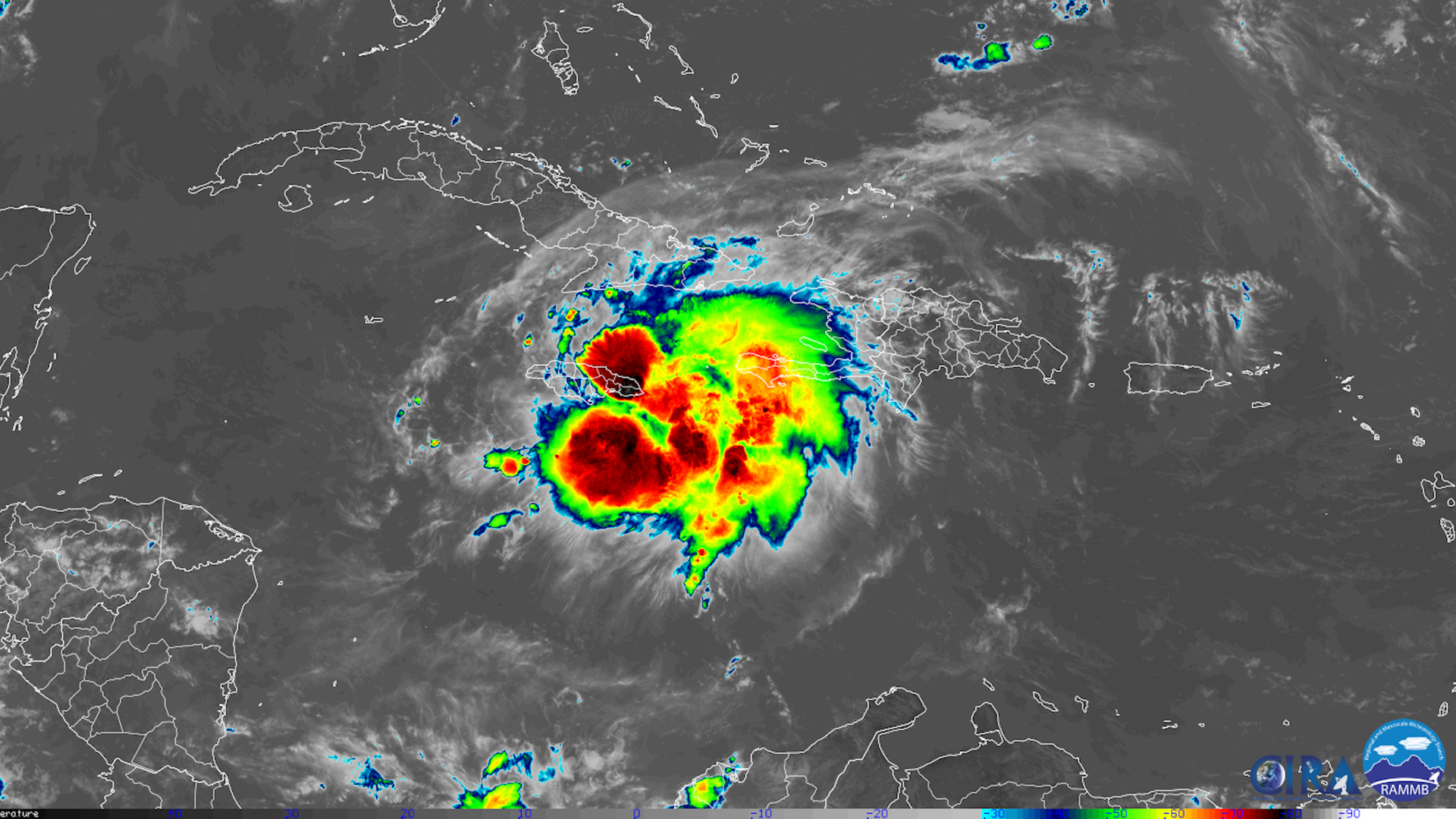
Tropical Storm Grace lashed Haiti Monday into Tuesday, complicating rescue efforts following Saturday's earthquake that left at least 1,941 people dead, nearly 10,000 injured and tens of thousands homeless.
The big picture: The temporary pause in search and rescue efforts due heavy rain and strong winds from the storm exacerbated growing anger and frustration in affected areas, AP reported.
Tropical Storm Grace has been drenching Haiti with heavy rain of up to 15 inches just days after the country was hit by a devastating earthquake. Social media posts show flooded roadways and homes.
Why it matters: The storm, with relatively weak winds of 50 mph, brought heavy rains at a time when many families were staying in temporary shelters after their homes were destroyed during the earthquake.
NASA's plans to land people on the surface of the Moon by 2024 are now essentially out of reach.
Why it matters: As the International Space Station comes to an end, geopolitical attention will start turning to the Moon, with the U.S., China, Russia and other nations engaged in various programs to get people to the lunar surface.
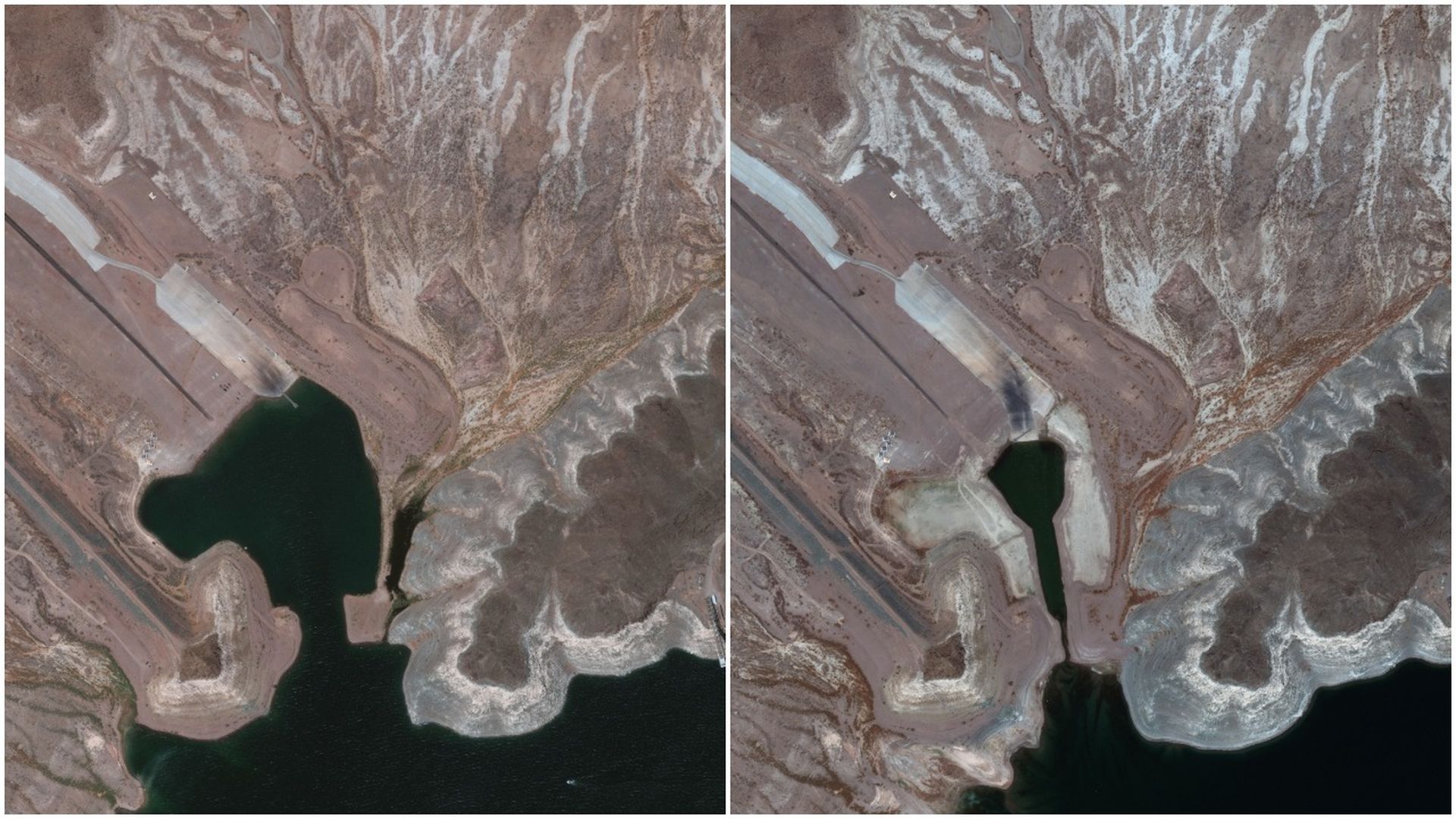
Newly released satellite images of the Colorado River and Lake Mead in Nevada show the impact the historic drought has had on the region in just one year.
The big picture: The nation's largest reservoir by volume is at its lowest level since being filled after the Hoover Dam's completion in the 1930s — prompting the federal government to this week for the first time declare a water shortage for Lake Mead. The Hoover Dam has been operating below its maximum capacity all summer, and it may drop further.






/2021/08/16/1629151875064.gif?w=3840)