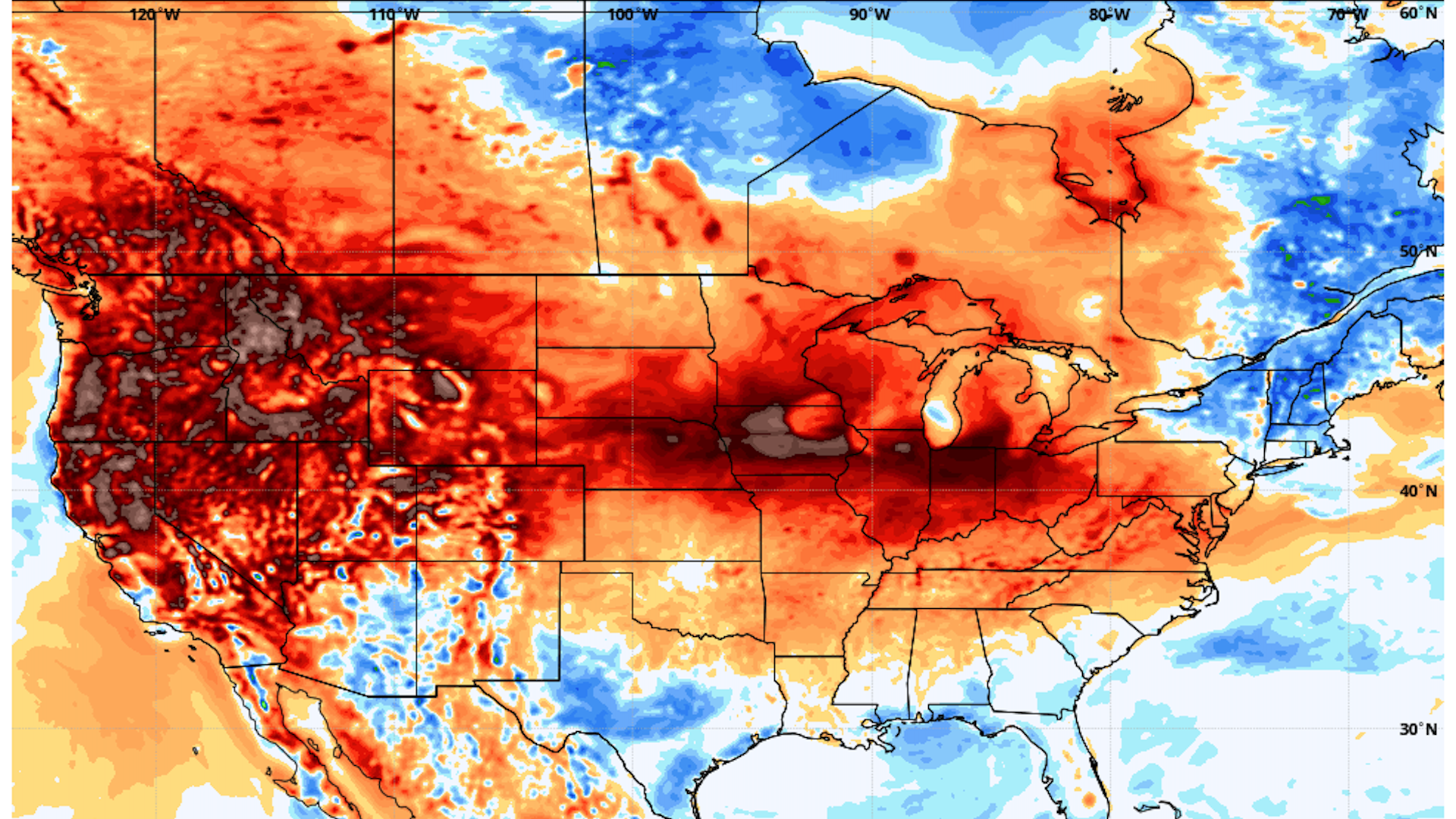
A significant and far-reaching heat wave is poised to build across much of the continental U.S. during the next few weeks, and it could be the most expansive in the country so far during this unusually hot summer, aggravating drought and wildfires.
The big picture: Forests across the West are already burning at a scope and intensity that's unusual for this time of year. Drought data released Thursday showed that what is already the worst Western drought so far this century is only intensifying. Any additional heat will aggravate an already dire situation.
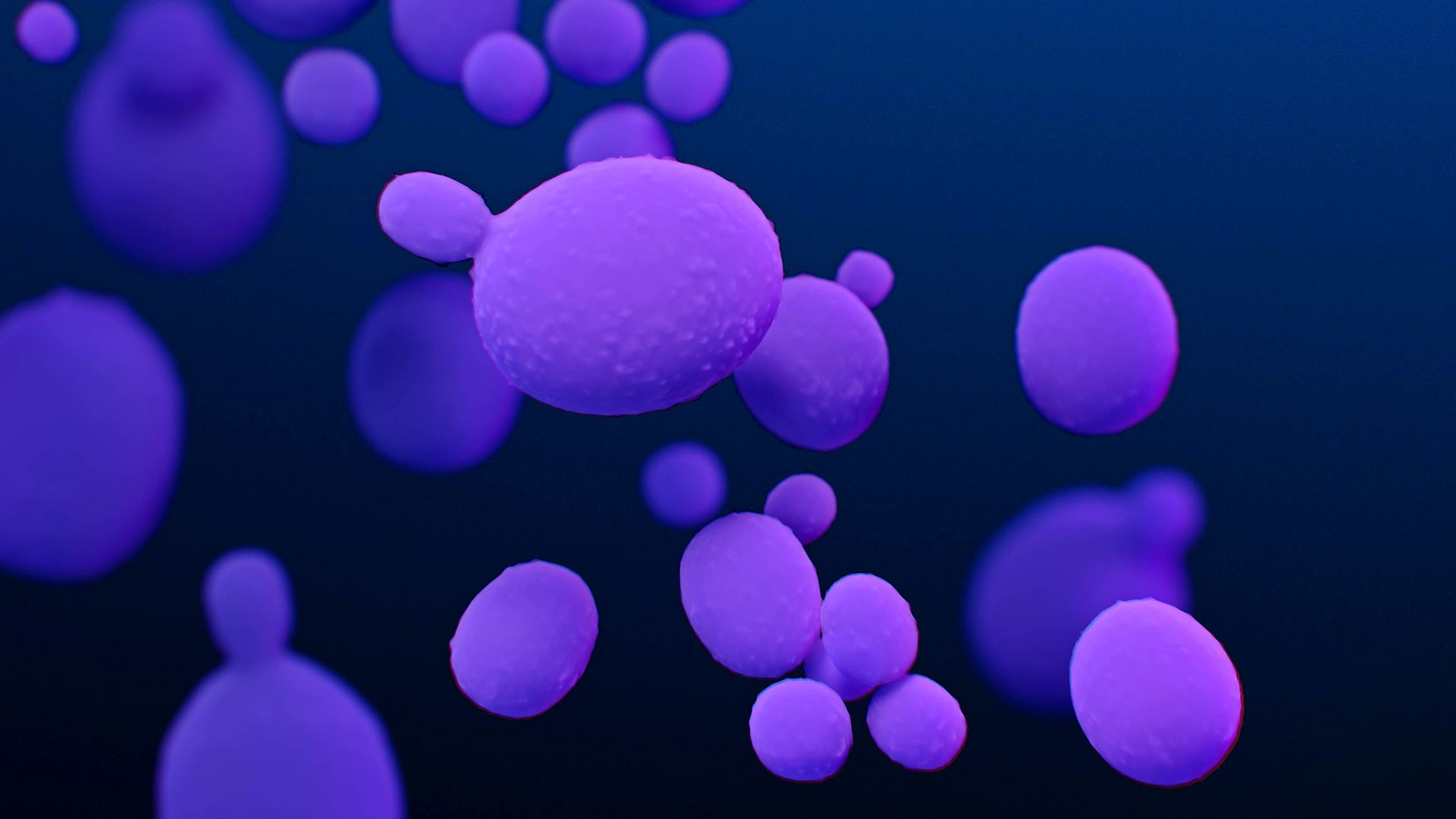
CDC officials are concerned about a strain of the Candida auris fungus that's resistant to all drugs and appears to have spread in small clusters in health care settings, rather than in individuals who had taken antifungals.
Why it matters: "The concern is that it could spread to any of the patients who are at high risk, not just the ones who've been treated before — and that the population who could acquire these potentially untreatable infections could be much larger," Meghan Lyman, medical officer in the CDC's Mycotic Diseases Branch, tells Axios.
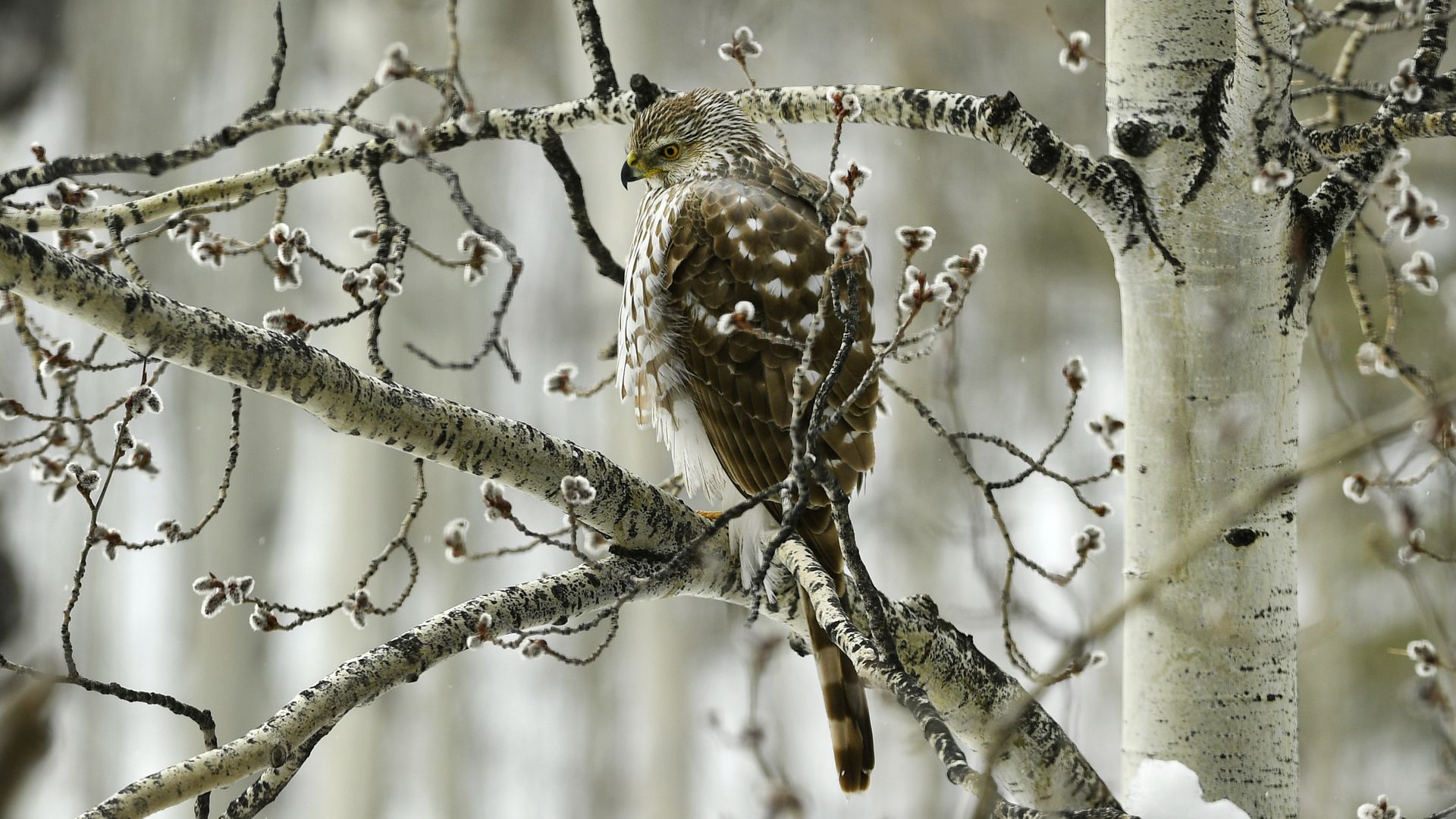
The extreme heat that arrested the Western United States and Canada last month has prompted scores of young baby hawks to launch themselves from their nests, and sparked a mass die-off of marine life, National Geographic reported Thursday.
The big picture: The historic heatwave coincided with the birds' nesting season, and the newly hatched hawks found themselves without any avenue of relief other than to throw themselves from their nests, National Geographic reported.
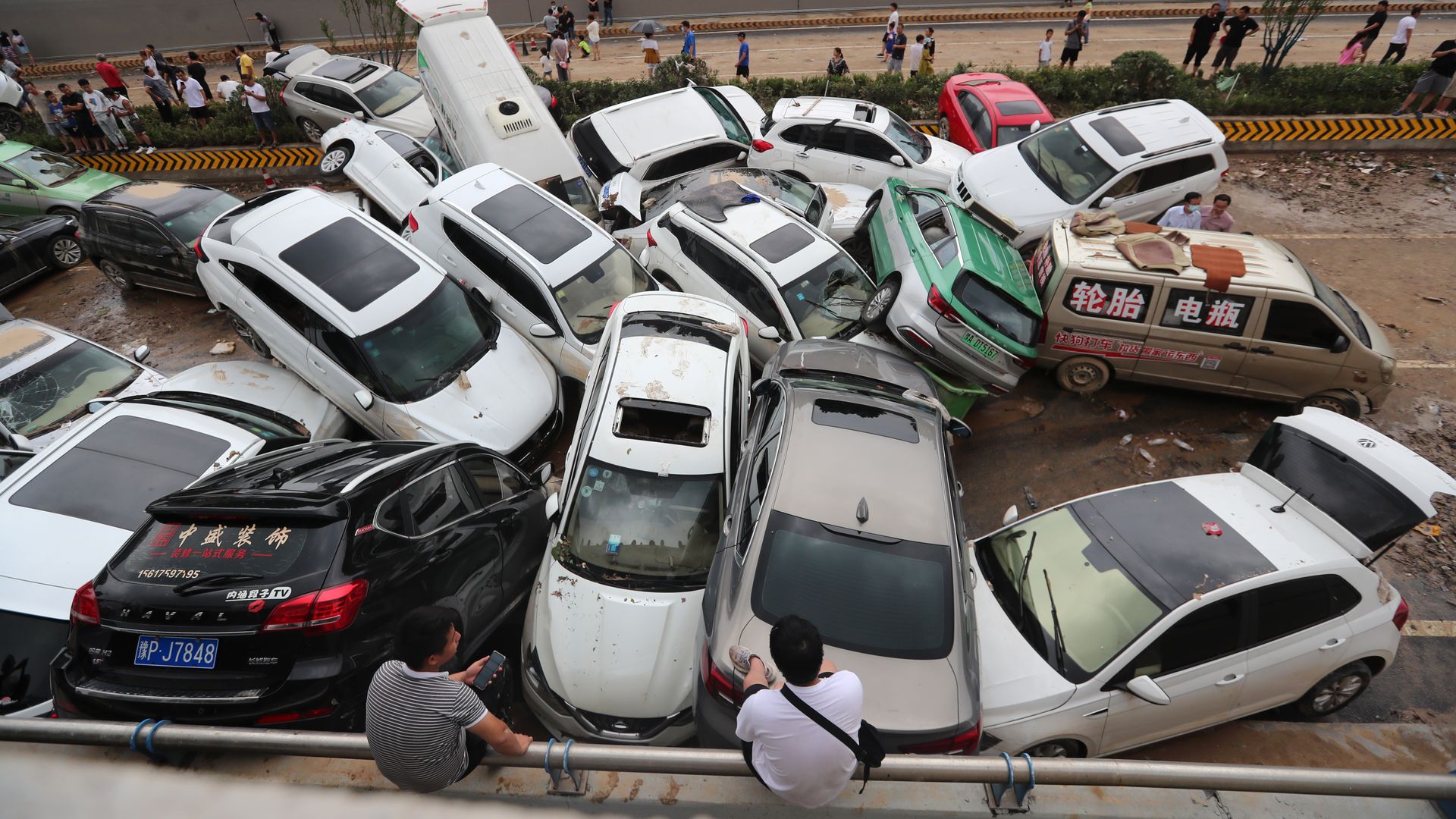
Flooding from torrential rain in China's Henan province has killed at least 33 people this week and eight more remain missing, according to CNN.
The big picture: Flooding has displaced hundreds of thousands of people and led to at least 1.22 billion yuan (around $190 million) in damage across the province, which is home to more than 99 million people.
AI is speeding up thediscovery of the structure of proteins that drive biological processes across organisms.
Why it matters: If researchers can predict what shape a protein will take, they can better understand how it works — and potentially target medicines for proteins that cause disease or create antibiotics that can disable resistant bacteria's proteins.
Space travel once unified Americans with the excitement of scientific discovery and wonderment. But the recent suborbital trips headlined by Richard Branson and Jeff Bezos have been much more divisive, with critics accusing the billionaires of taking pricey joyrides while the Earth below them literally burns.
Axios Re:Cap goes deeper with engineer and Virgin Galactic executive Sirisha Bandla, who flew alongside Branson, to better understand what space tourism could also mean for the future of science.
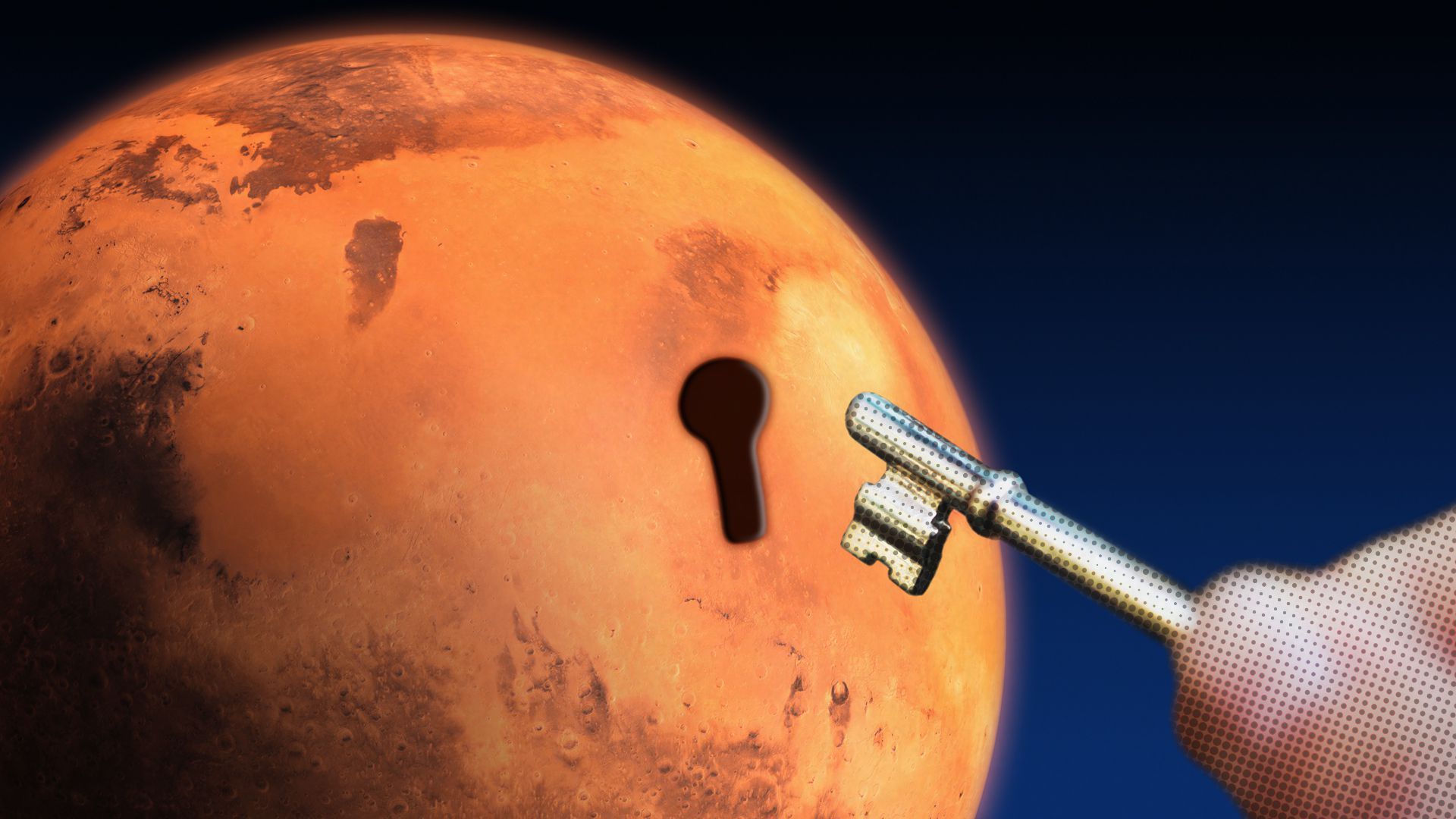
Seismic action on Mars is revealing new details about the inner structure of the Red Planet.
Why it matters: Mars' interior holds the key to understanding how the planet and its atmosphere formed — and provides clues about how other rocky planets, like Earth, become habitable.
Wildfires across parts of the U.S. and Canada are burning unusually intensely and emitting larger amounts of carbon dioxide into the atmosphere than typical during midsummer, scientists say. Massive blazes in Siberia are also adding more greenhouse gases to the atmosphere, while contributing to local air pollution.
Why it matters: The fires are thriving in areas experiencing extreme heat and drought conditions. They are both a consequence of climate change and an accelerant of global warming.
A top Chinese health official said Thursday the government doesn't accept World Health Organization plans for a follow-up investigation into COVID-19's origins — labeling a theory that it started from a laboratory leak a "rumor," per AP.
Why it matters: National Health Commission Vice Minister Zeng Yixin's comments come days after WHO Director-General Tedros Adhanom Ghebreyesus said it was "too early" to rule out the lab leak theory and proposed a second phase of study into the virus' origins.