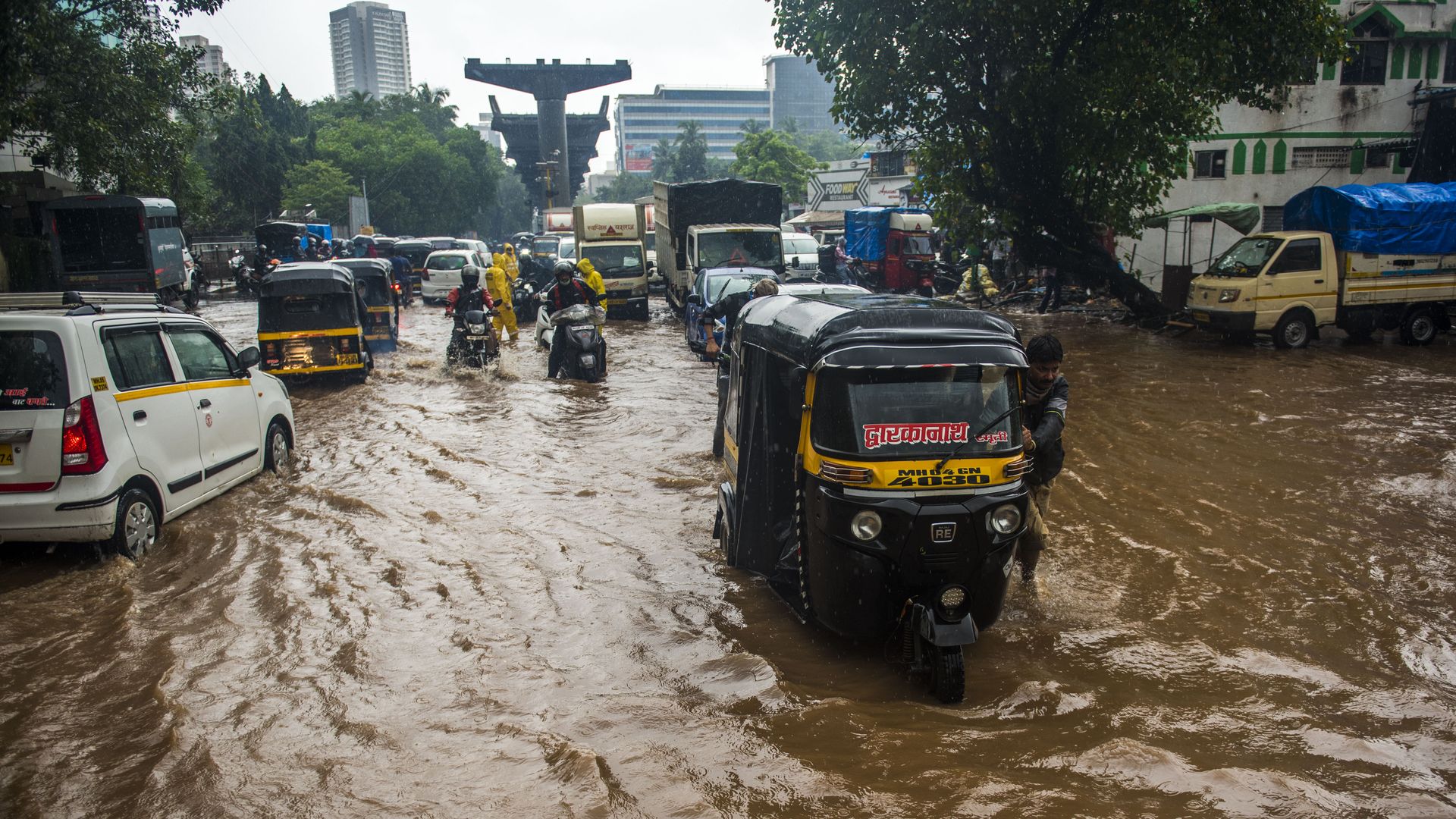
At least 125 people are dead after monsoon rains triggered landslides in the western Indian state of Maharashtra, authorities said on Saturday, according to Reuters.
State of play: Downpours lasting several days have impacted hundreds of thousands of people, as major rivers are in danger of breaking through their banks.
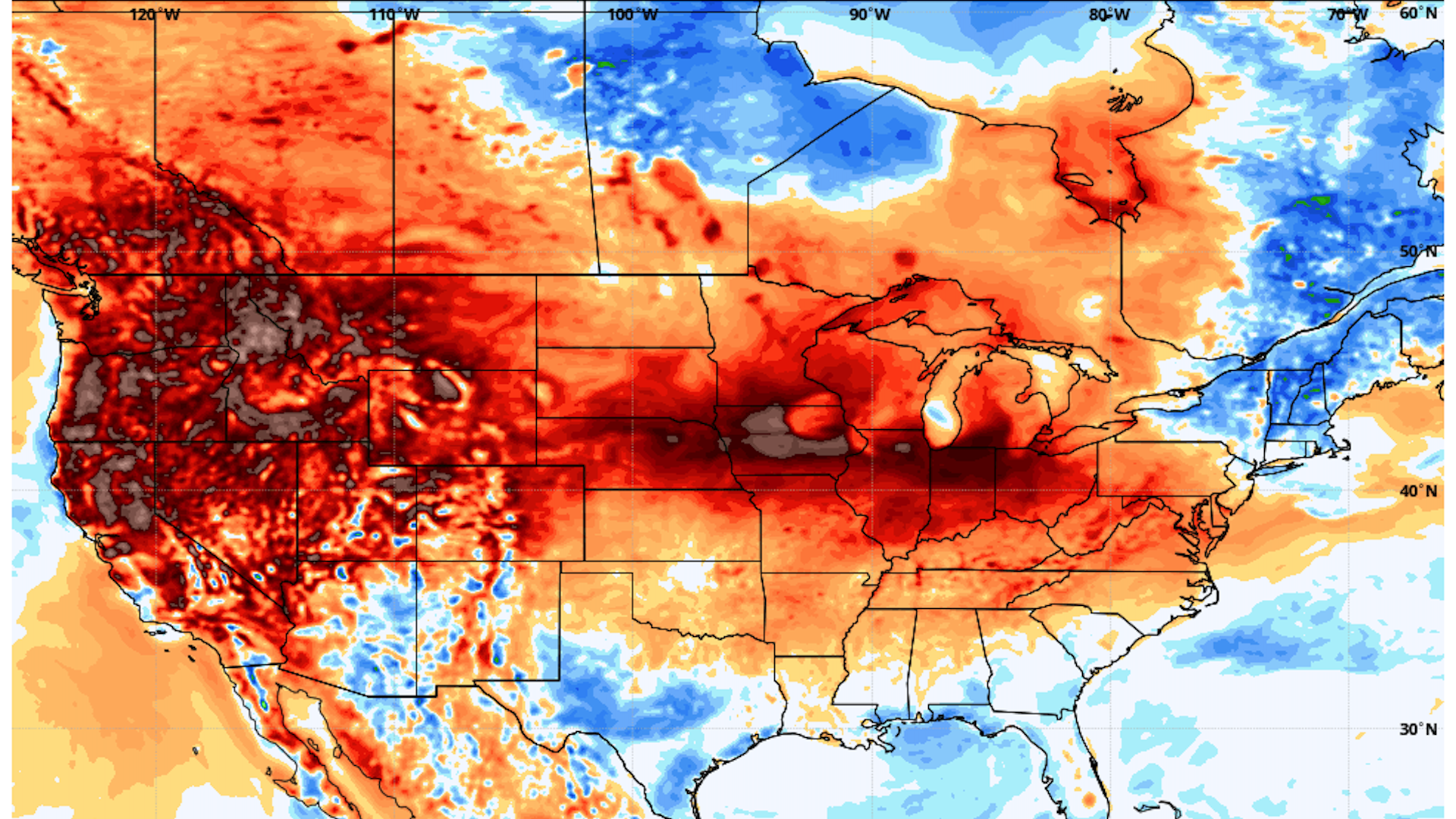
A significant and far-reaching heat wave is poised to build across much of the continental U.S. during the next few weeks, and it could be the most expansive in the country so far during this unusually hot summer, aggravating drought and wildfires.
The big picture: Forests across the West are already burning at a scope and intensity that's unusual for this time of year. Drought data released Thursday showed that what is already the worst Western drought so far this century is only intensifying. Any additional heat will aggravate an already dire situation.
CDC officials are concerned about a strain of the Candida auris fungus that's resistant to all drugs and appears to have spread in small clusters in health care settings, rather than in individuals who had taken antifungals.
Why it matters: "The concern is that it could spread to any of the patients who are at high risk, not just the ones who've been treated before — and that the population who could acquire these potentially untreatable infections could be much larger," Meghan Lyman, medical officer in the CDC's Mycotic Diseases Branch, tells Axios.
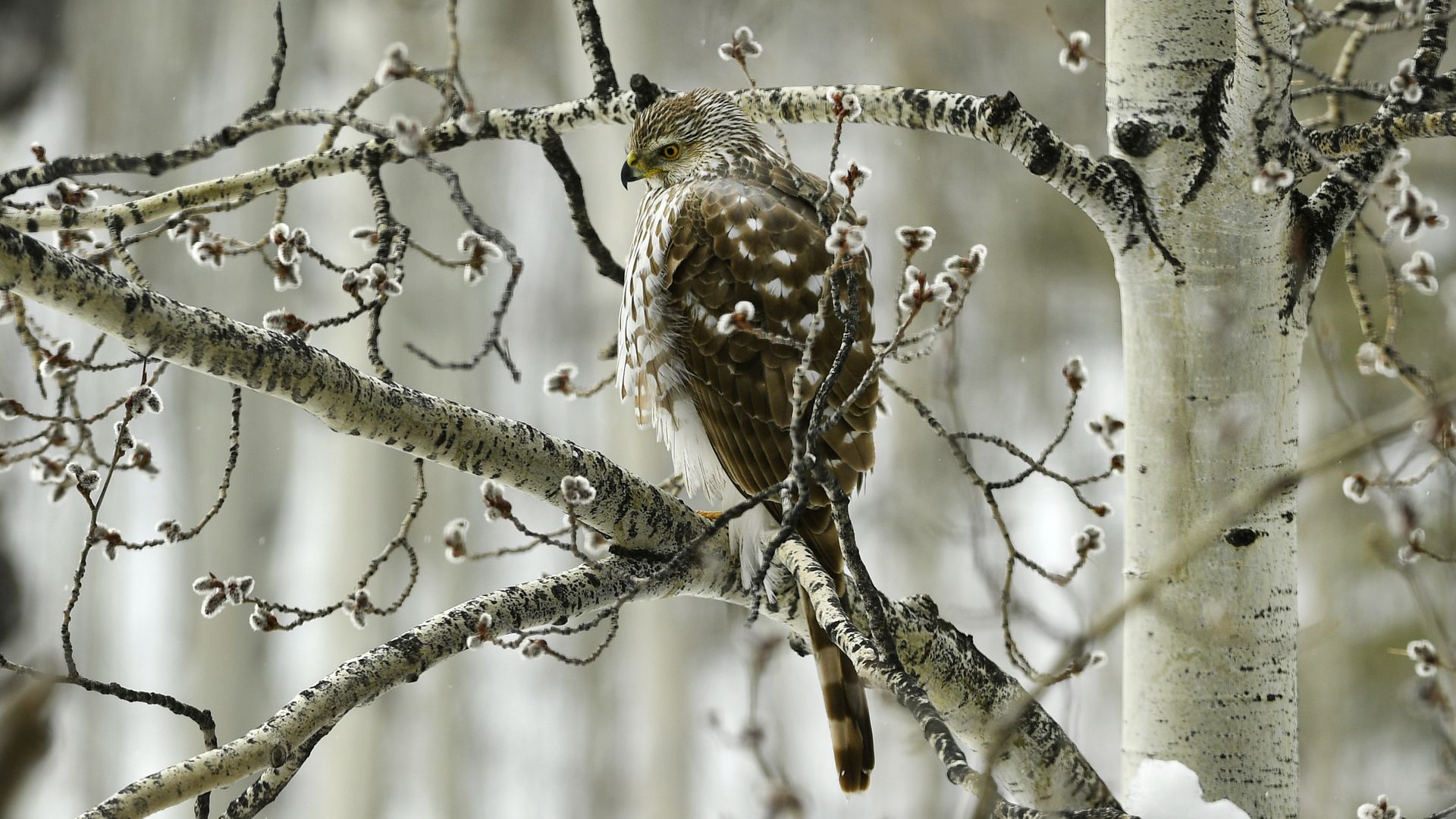
The extreme heat that arrested the Western United States and Canada last month has prompted scores of young baby hawks to launch themselves from their nests, and sparked a mass die-off of marine life, National Geographic reported Thursday.
The big picture: The historic heatwave coincided with the birds' nesting season, and the newly hatched hawks found themselves without any avenue of relief other than to throw themselves from their nests, National Geographic reported.