Houston Methodist Hospital on Tuesday suspended 178 employees without pay for 14 days for failing to comply with its COVID-19 vaccine requirement.
Driving the news: The Texas hospital's CEO, Marc Boom, said in a message to staff shared with Axios that 24,947 workers had been vaccinated against the virus by Monday's deadline. 27 of those who didn't get fully vaccinated "have received one dose ... so I am hopeful they will get their second doses soon," Boom said.
The Senate voted 68-32 on Tuesday to approve a sweeping China-focused global competition bill, overcoming Republican objections that had threatened to derail the $200 billion+ bipartisan package.
Why it matters: The bill's supporters cite the measure as evidence that the deeply divided Senate can still function on a bipartisan basis, despite the last-minute chaos that forced Majority Leader Chuck Schumer (D-N.Y.) to delay final passage for weeks.
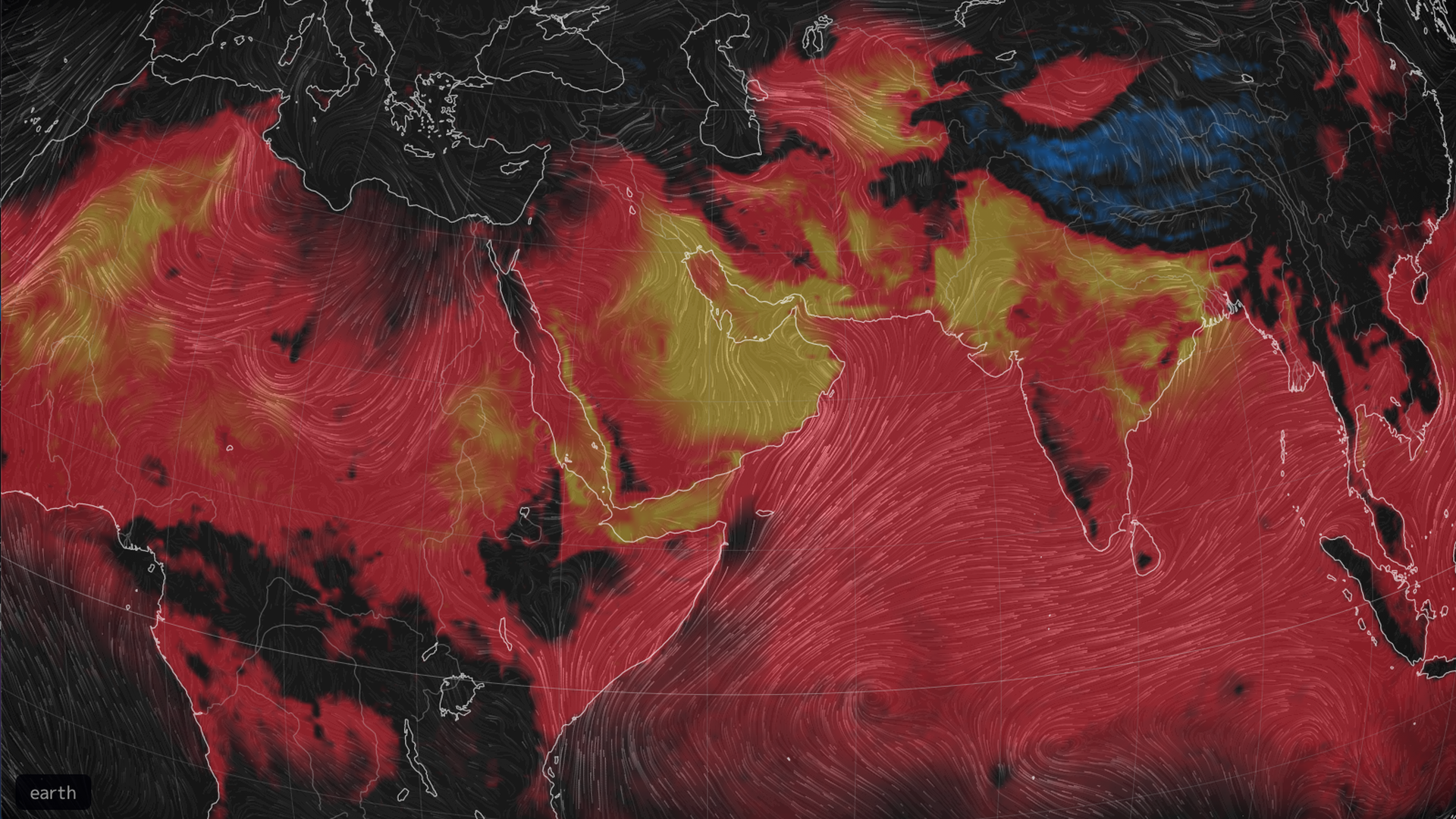
At the same time as much of the Lower 48 states are seeing temperatures soar through the 90s, an unusually severe heat wave for this time of year has also struck the Middle East.
Why it matters: While these extreme weather events have roots in various weather systems, human-caused climate change is raising the odds and worsening the severity of extreme heat events worldwide.
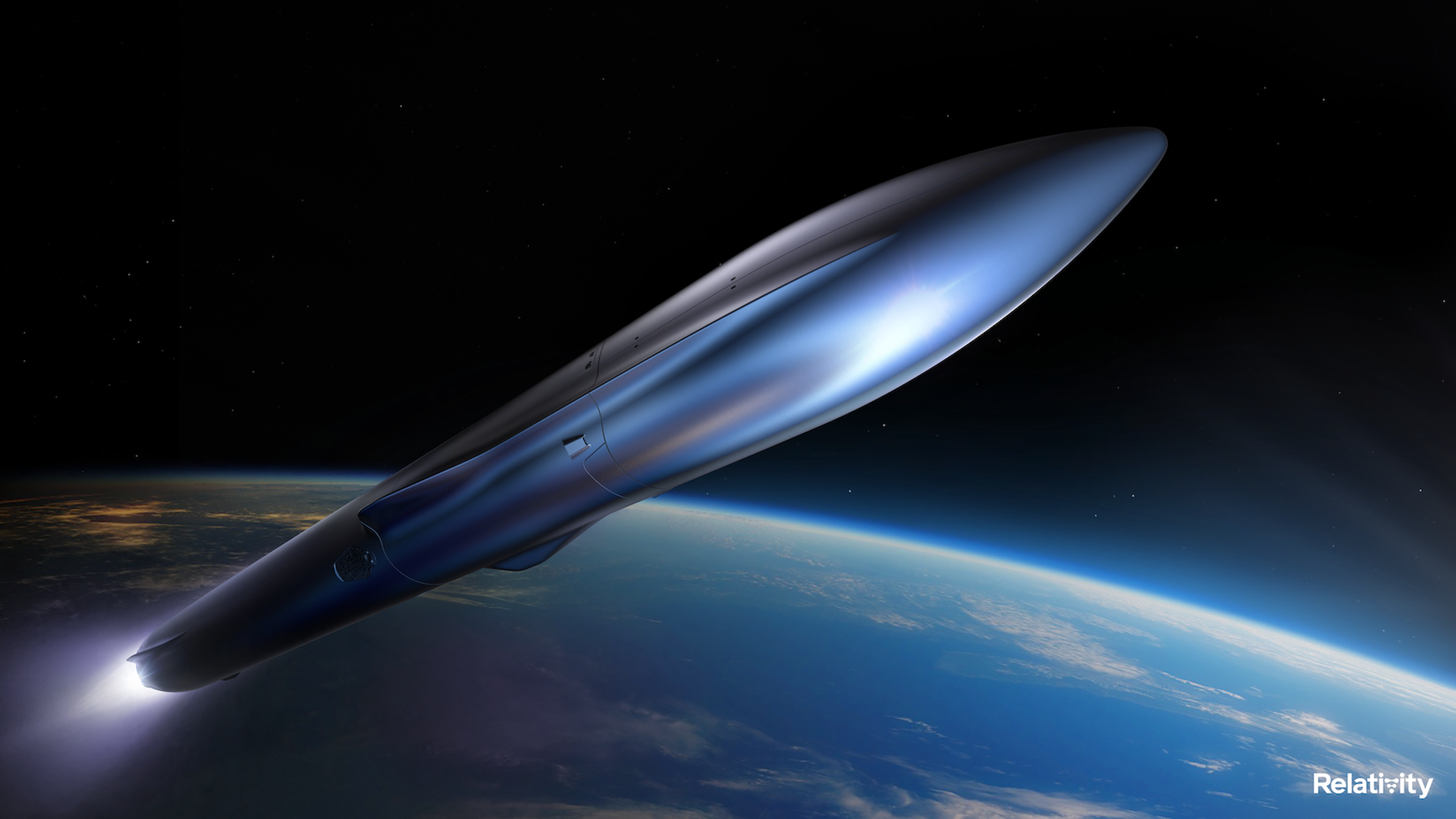
Relativity Space has raised $650 million to help fund its plans to build a fully reusable, 3D-printed rocket.
Why it matters: Relativity is part of a growing number of launch companies looking to capitalize on governments and other companies hoping to send their wares to space in the coming years.
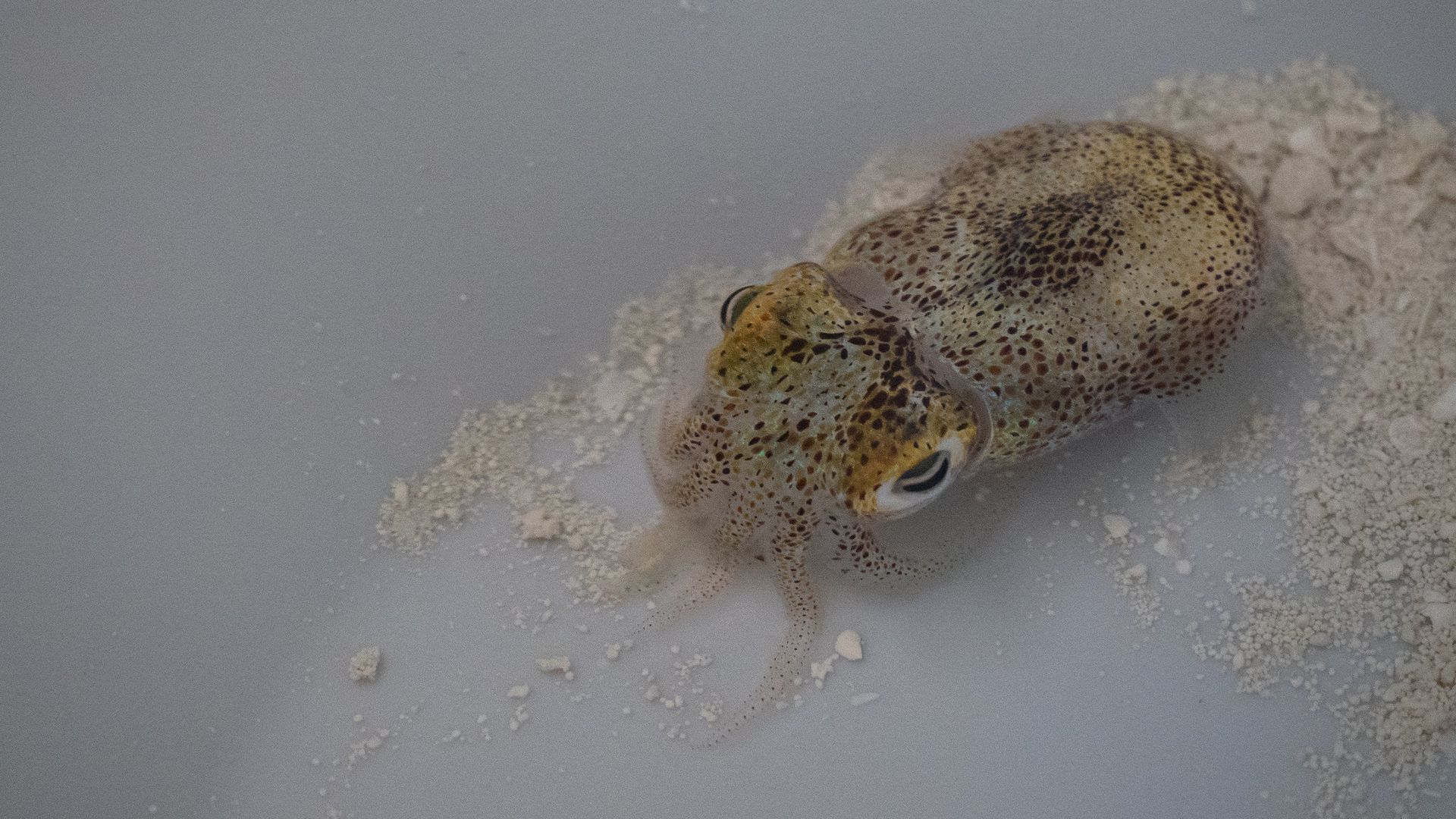
Squids and tardigrades are now safely ensconced on the International Space Station after their flight to space this weekend.
Why it matters: The tiny creatures will be used for experiments that could help scientists learn more about how various organisms might behave in space.
NASA is sending missions to Venus for the first time in more than 30 years, breathing new life into the scientific quest to understand the oft-ignored planet.
Why it matters: Understanding Venus is thought to be key to learning more about how habitable worlds form within our own solar system — and outside of it.
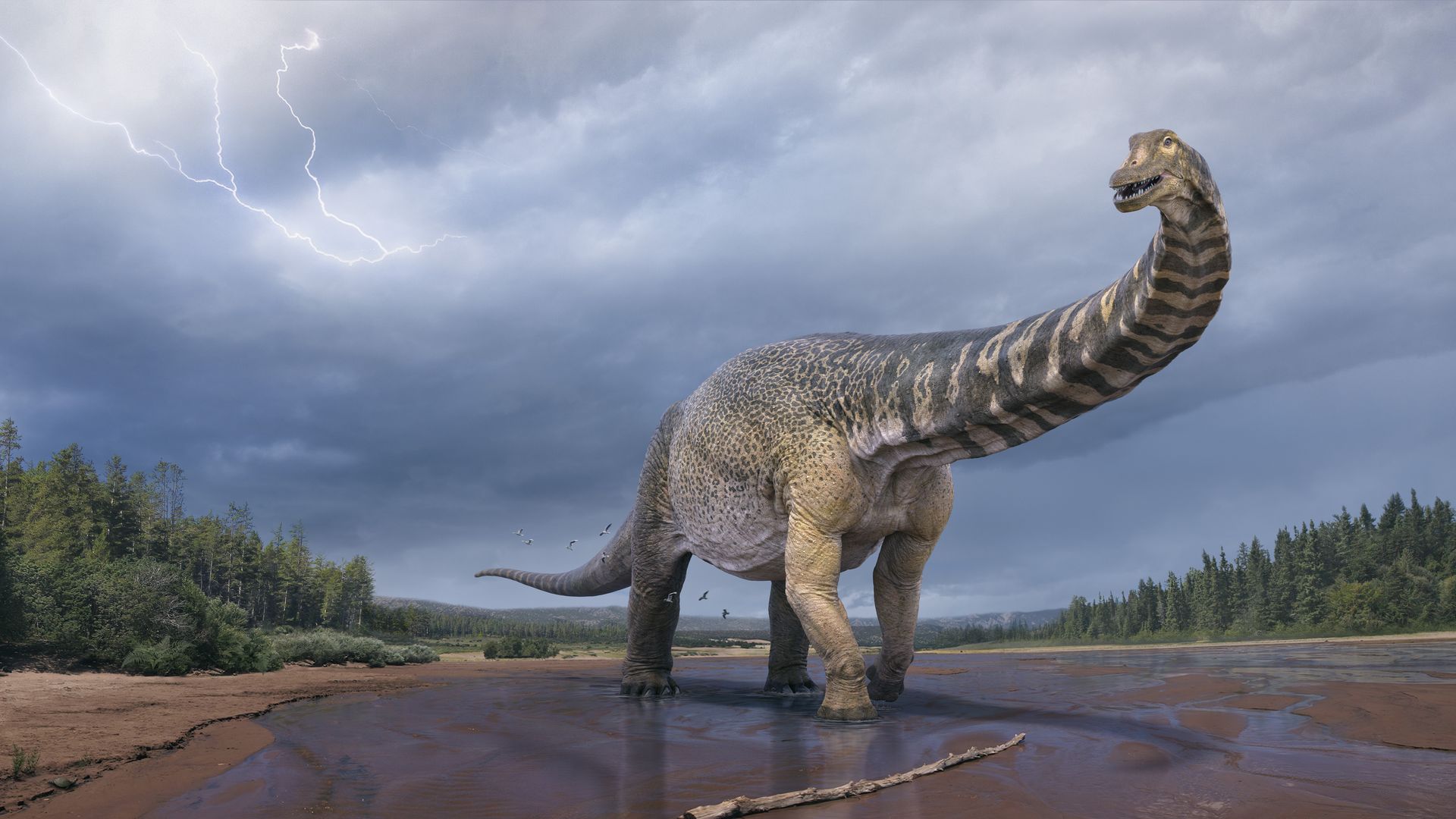
A new dinosaur species discovered in Australia's Queensland region is the largest dinosaur ever found in the country — and it's among the biggest in the world, researchers announced Monday in the journal PeerJ.
The big picture:Australotitan cooperensis, nicknamed Cooper, is believed to have walked the Earth 90 million years ago. Scientists estimate that Cooper would have "weighed about 70 tons, measured two stories tall and extended to about the length of a basketball court," the New York Times notes.