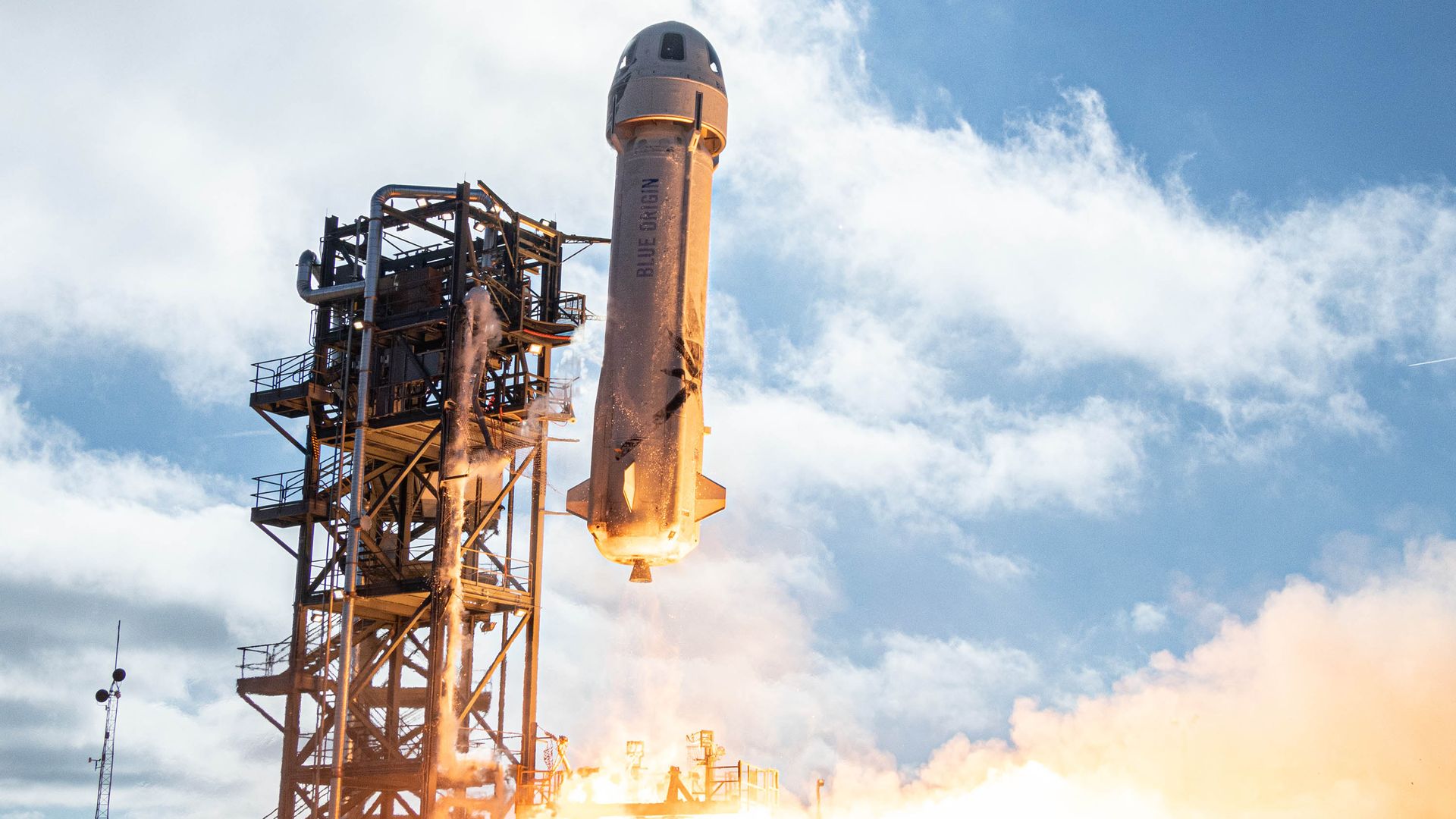
Blue Origin's auction of a seat on the company's first passenger flight to space comes to an end on Saturday with a live webcast of the event.
Why it matters: The company's first crewed suborbital flight will kick off its bid to send paying tourists up to the edge of space, a market expected to grow in the coming years.
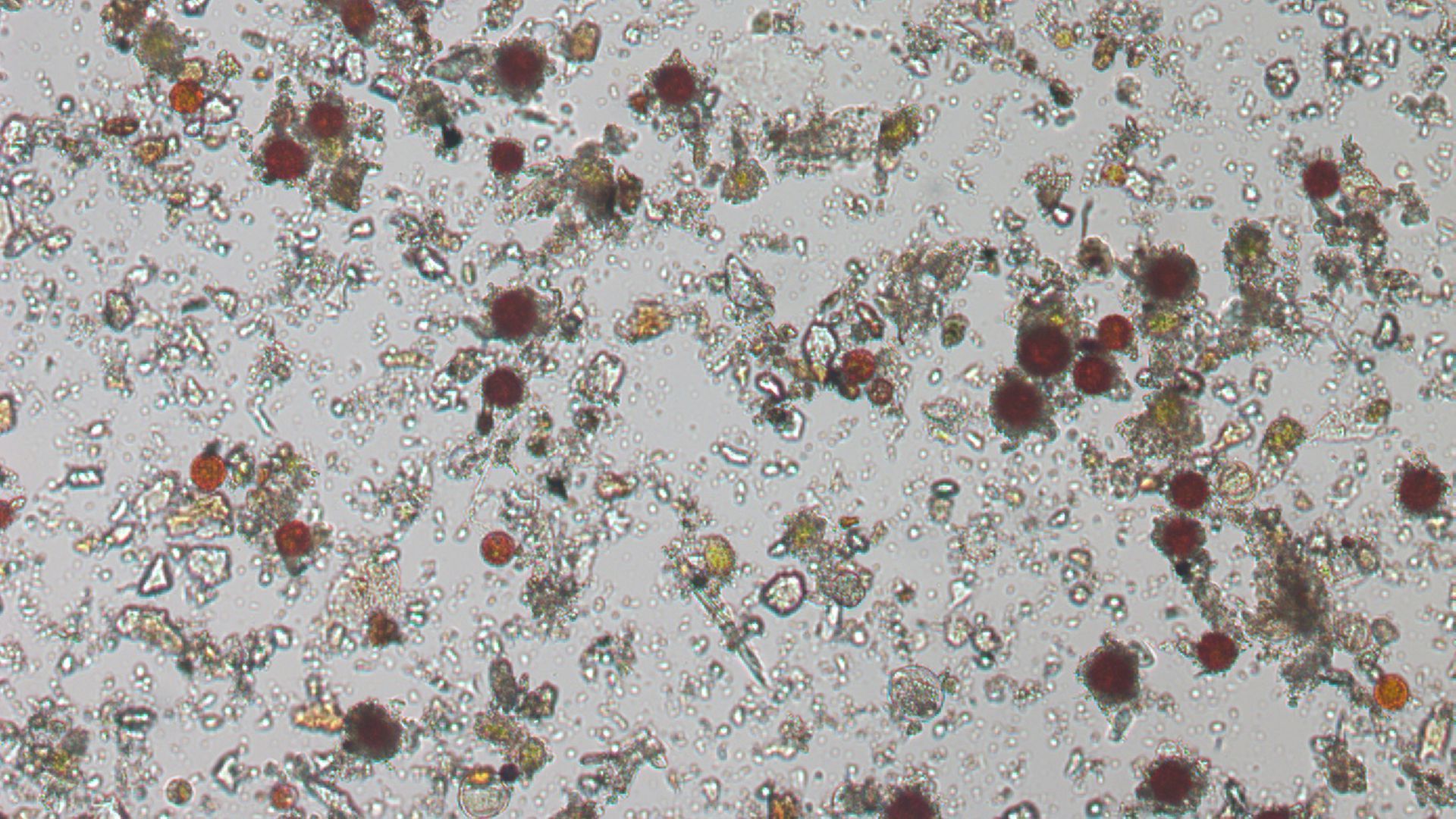
High in the French Alps, blooms of microalgae color the snow they live in red each spring. A team of researchers this week published a study detailing some of the algae species found in these streaks of "glacier blood."
The big picture: Very little is known about snow algae — a link in the mountain ecosystem's food web — and how their blooms may be affected by rising levels of atmospheric carbon dioxide and climate change.
The controversy over the origin of the COVID-19 virus is renewing focus on how the risks and benefits of pathogen-altering experiments are weighed and managed.
Why it matters: Better governance of biorisks would limit the threat of a human-made pandemic — and could help identify the origin of future outbreaks more quickly and with a lot less controversy.
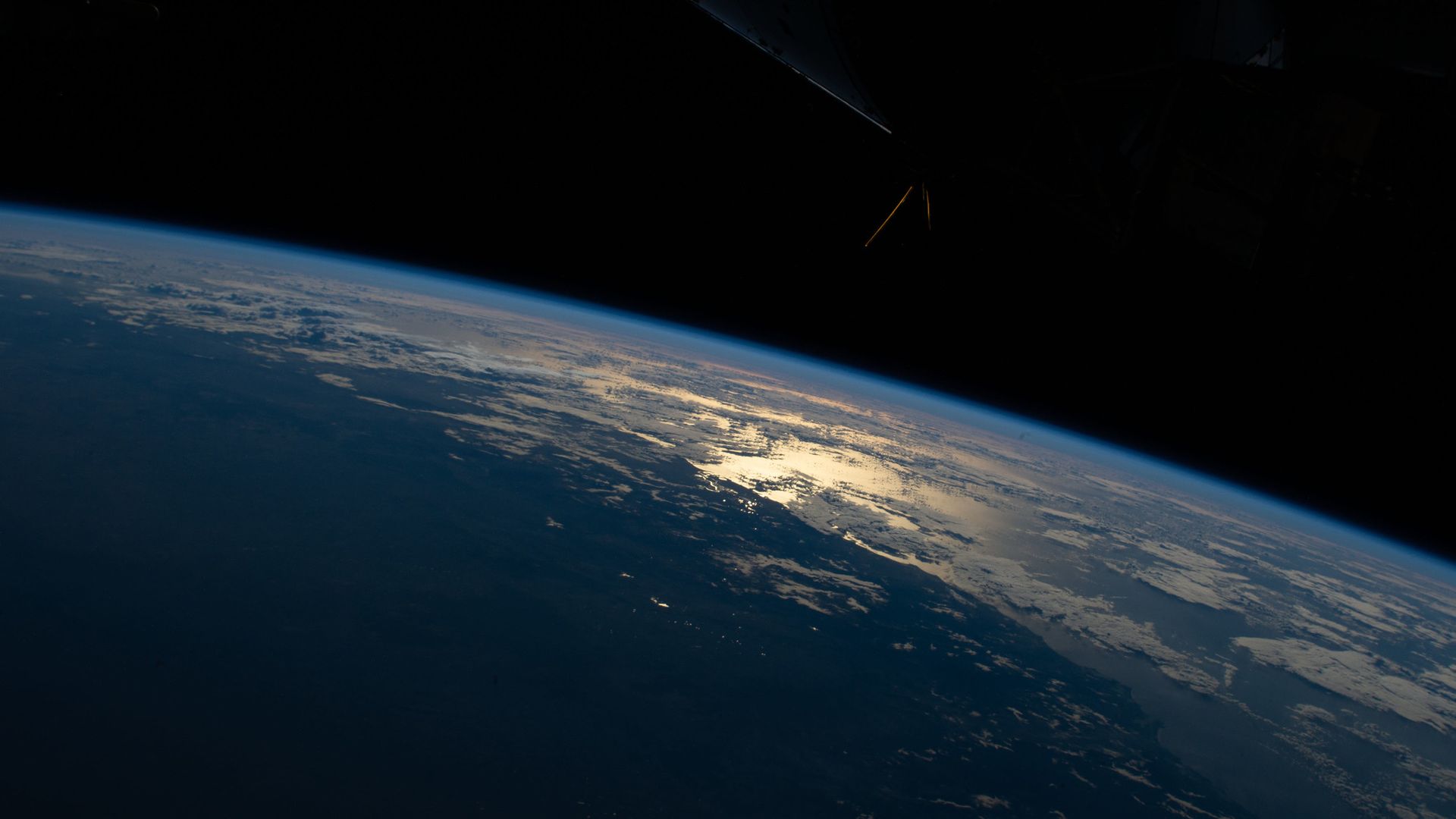
Companies planning to build robots to explore the Moon and track junk in space are among the 10 startups chosen for an Amazon Web Services' program designed to help mature their businesses.
Why it matters: This latest venture is part of Amazon's play to become even more involved with the space industry, helping to support customers as their satellites beam huge amounts of data back from orbit.
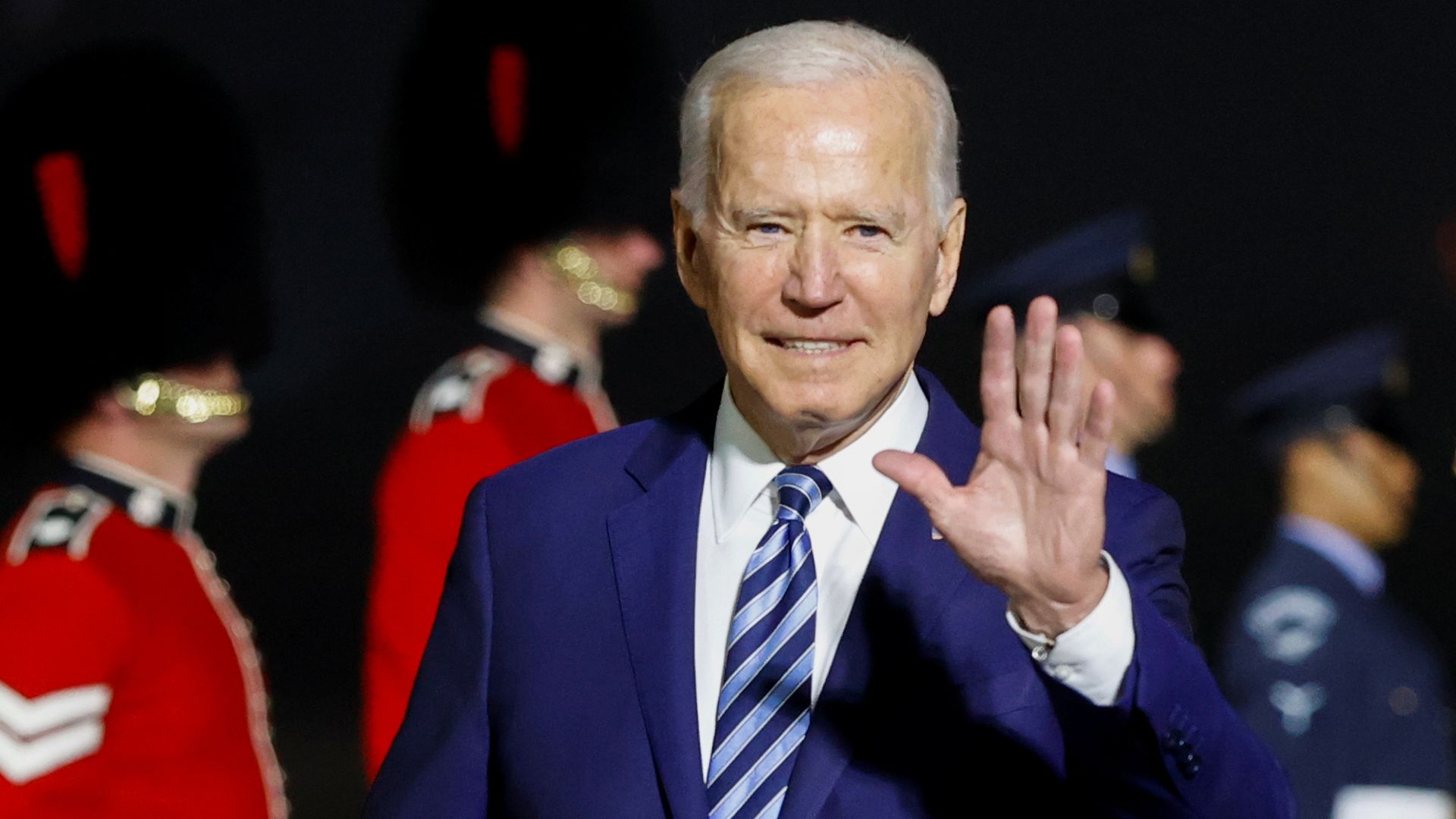
The Biden administration will ship the first batch of 500 million doses of Pfizer-BioNTech COVID-19 vaccines to 92 countries and the African Union from August, the White House announced Thursday morning.
Details: "200 million doses will be delivered by the end of this year and the remaining 300 million will be delivered in the first half of 2022," the White House said in a statement.