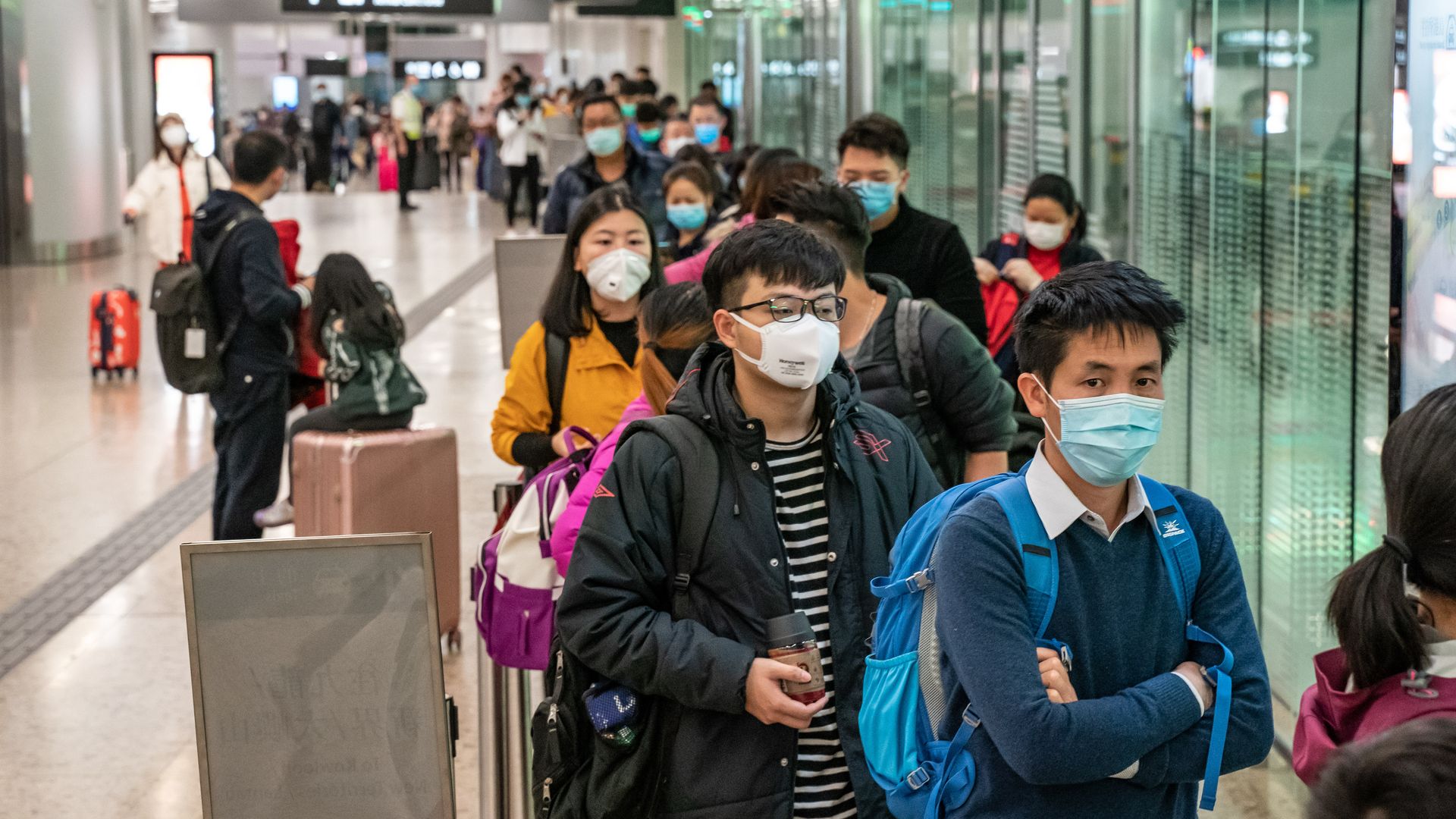
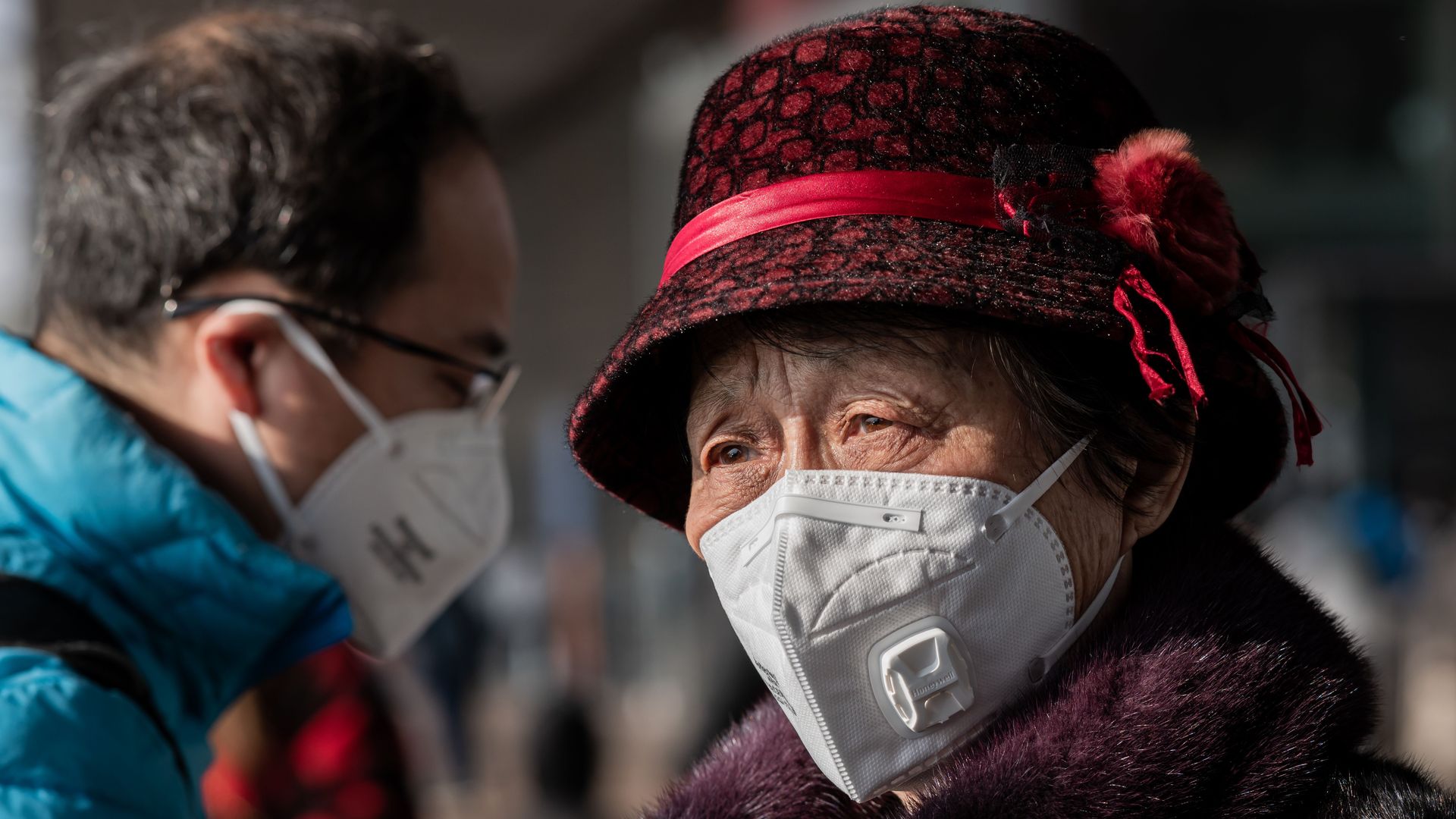
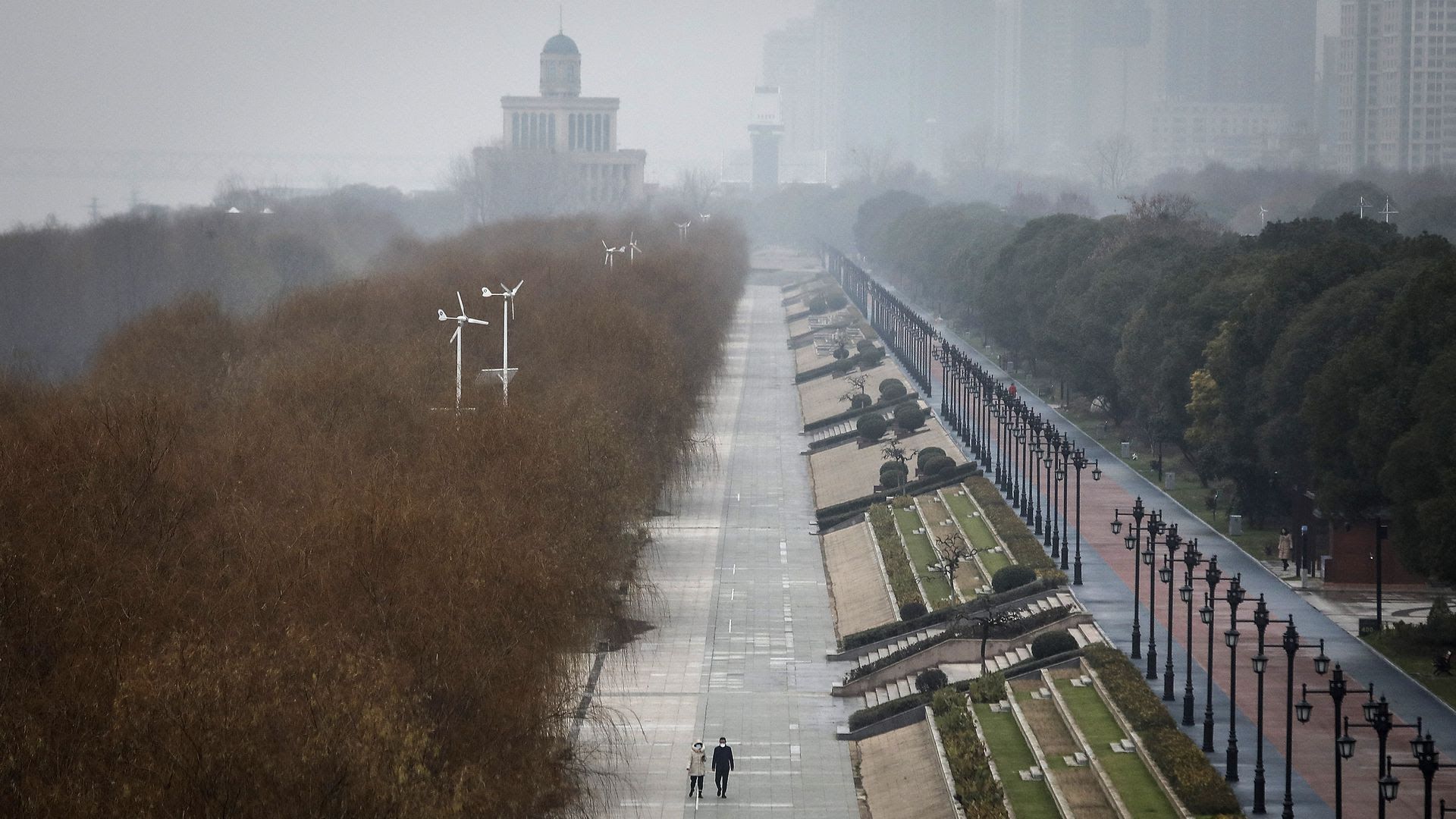
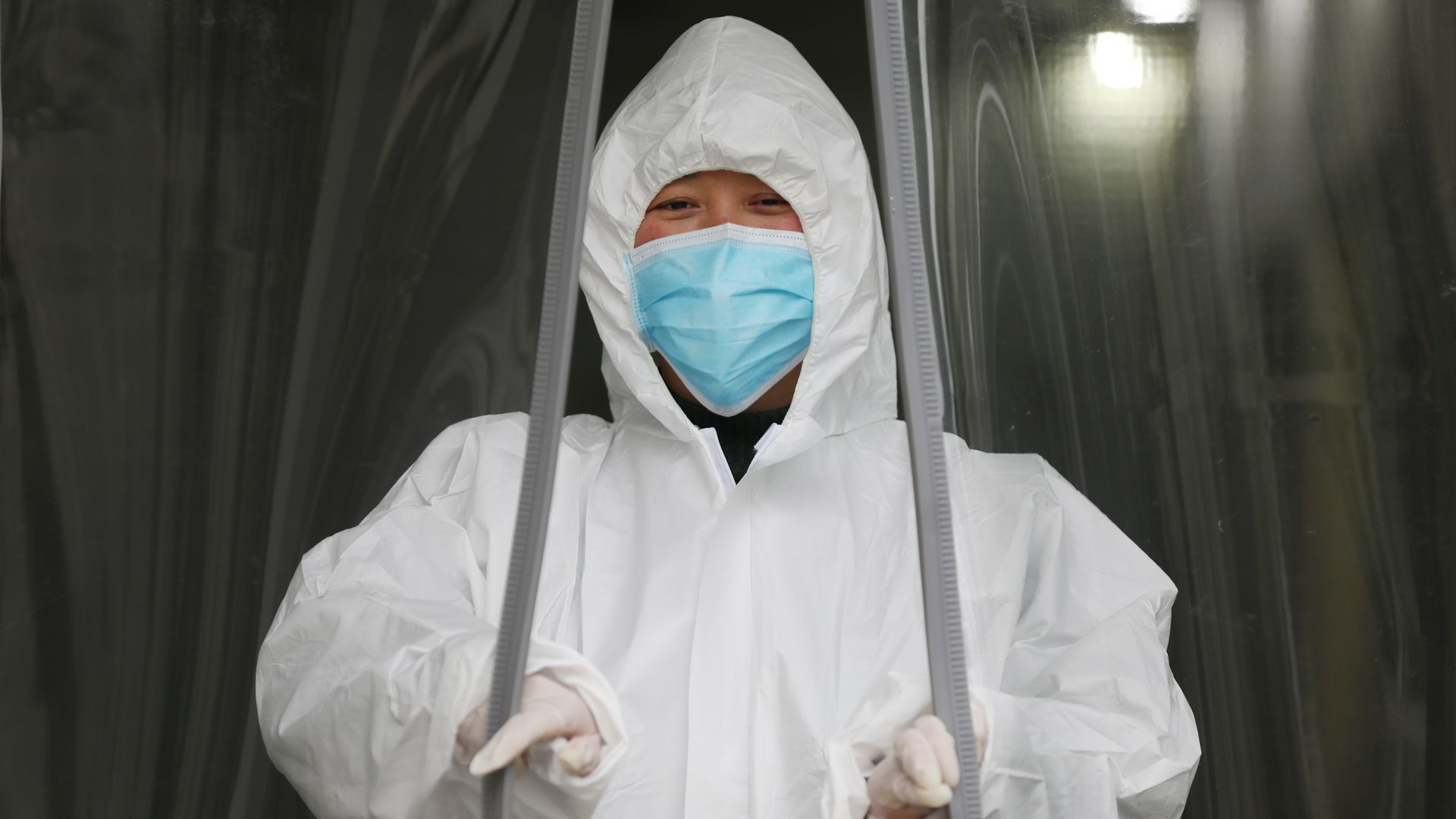
The collision of urbanization, population growth and the rapid movement of people and goods across borders is heightening global pandemic risk.
Why it matters: Aside from the tragic human cost, outbreaks such as the coronavirus, and the fear that accompanies them, are threatening to roil geopolitics and the global economy.
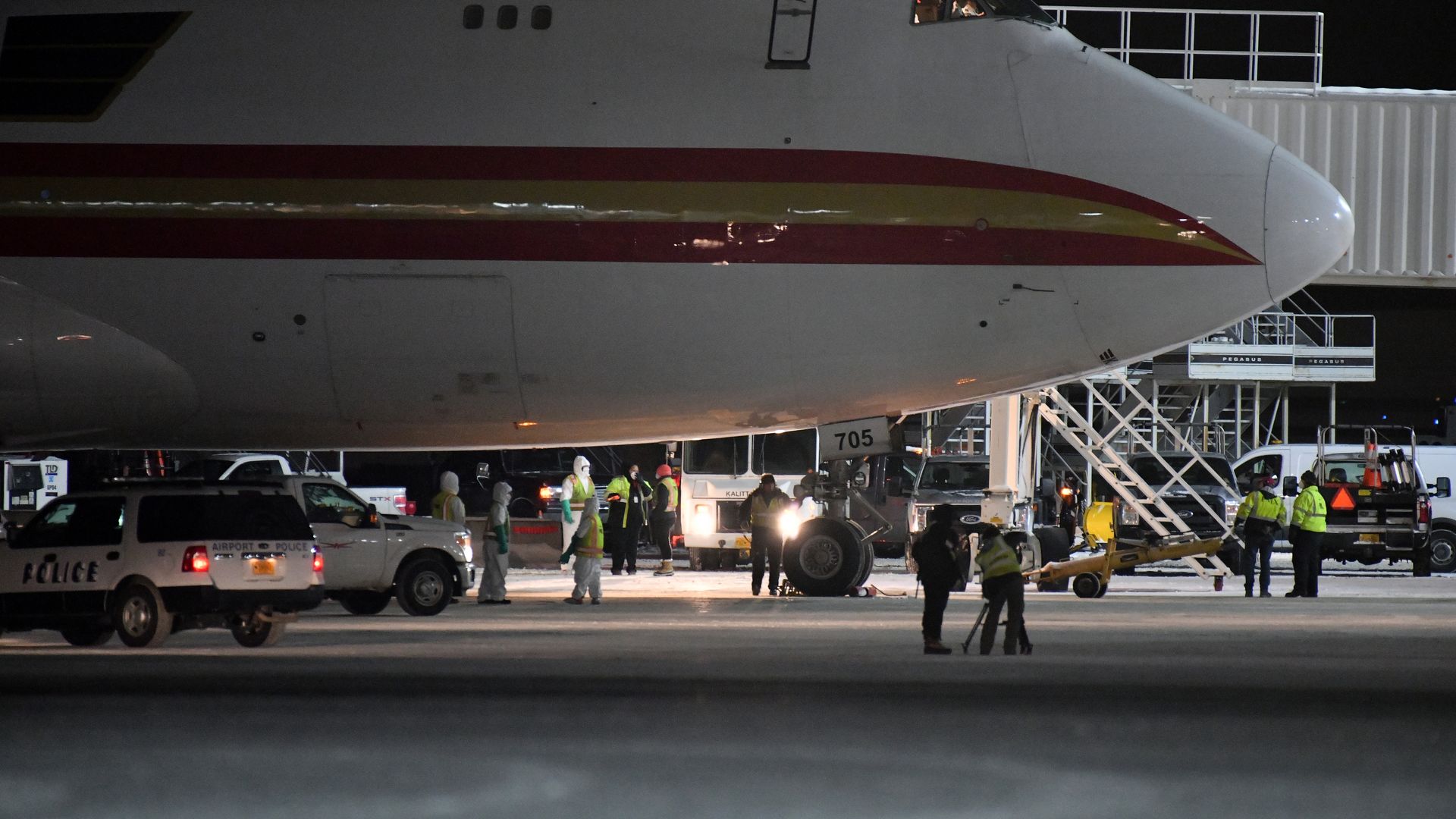
A chartered plane carrying some 195 Americans from Wuhan, the epicenter of the coronavirus outbreak in China, landed in March Air Reserve Base in Riverside County, California, early Wednesday, according to the Centers for Disease Control and Prevention.
What's happening: The passengers were screened before takeoff, during the flight, during refueling in Anchorage, Alaska, and upon arrival, said Nancy Messonnier, director of the National Center for Immunization and Respiratory Diseases. None of them showed symptoms of the virus, but they have volunteered to stay on the base for three days.
Washington would double the amount of federal funding in basic science research per a new proposal by Oklahoma Rep. Frank Lucas, the top Republican on the House Science and Technology Committee, as a way to address climate change.
The big picture: Lucas' policy as part of House Republicans’ broader efforts on the matter is far narrower than the sweeping draft legislation Democrats unveiled Tuesday that aims to slash emissions over the next 30 years.
Scientists in Melbourne, Australia, have become the first to re-create the Wuhan coronavirus outside of China.
Why it matters: It's a "significant breakthrough," which will enable accurate investigation and diagnosis of the virus globally, per a statement by the Doherty Institute released Tuesday morning (ET). It's hoped it will help efforts to treat the virus.
If you’re freaking out about coronavirus but you didn’t get a flu shot, you’ve got it backwards.
The big picture: A novel outbreak will always command more attention than a common illness, and the coronavirus is a serious health threat. But our newfound hyper-vigilance about infections might be more helpful if we could redirect some of it toward influenza — a significantly deadlier virus that strikes every year.
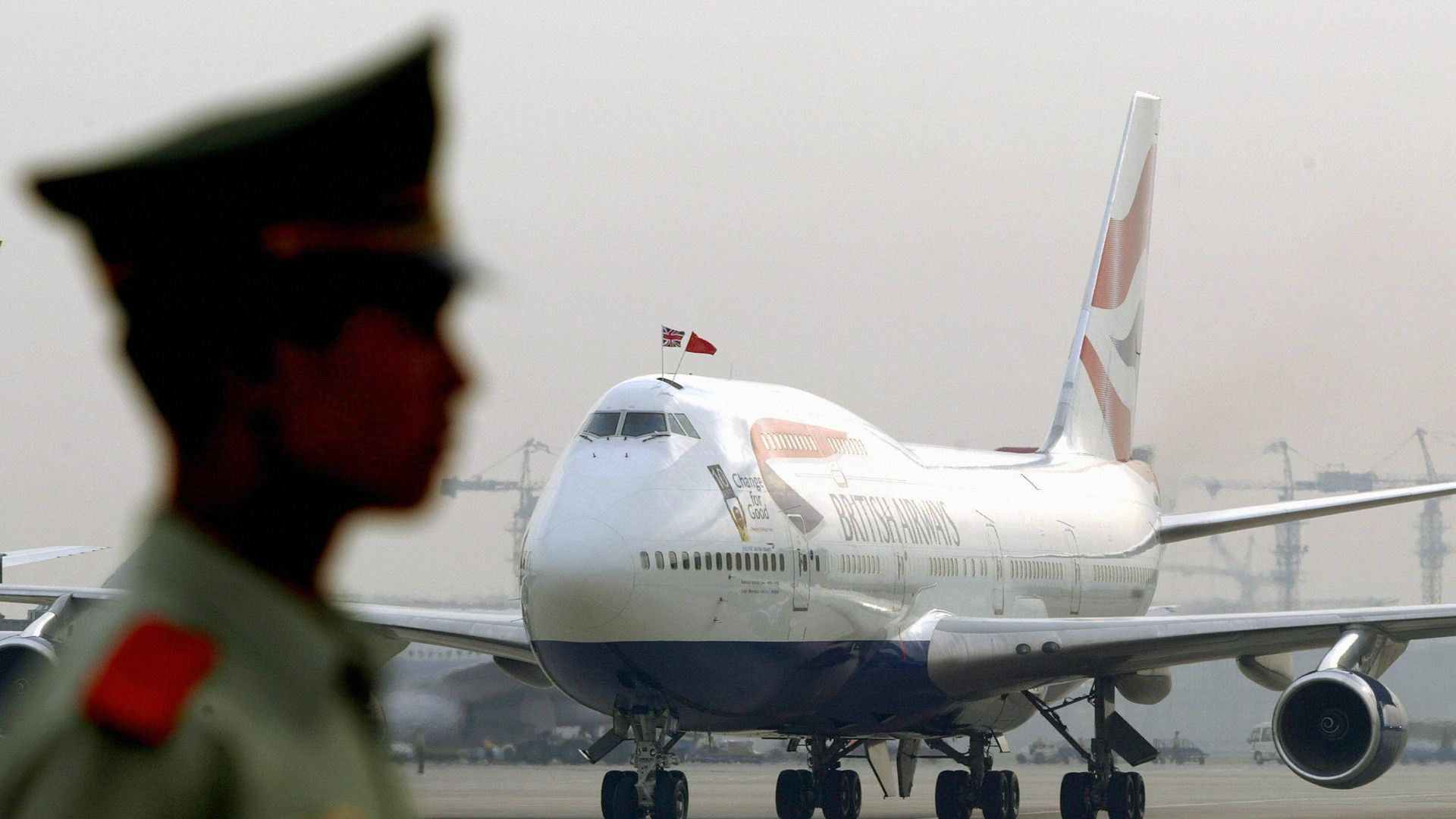
British Airways has suspended all direct flights to and from mainland China in response to the coronavirus, the airline confirmed in a statement to news outlets Wednesday morning.
Why it matters: It's the first major international carrier to suspend flights to China. No direct flights to China are currently available on BA.com, the airline's website, for January through February. "We apologise to customers for the inconvenience, but the safety of our customers and crew is always our priority," the statement reads.
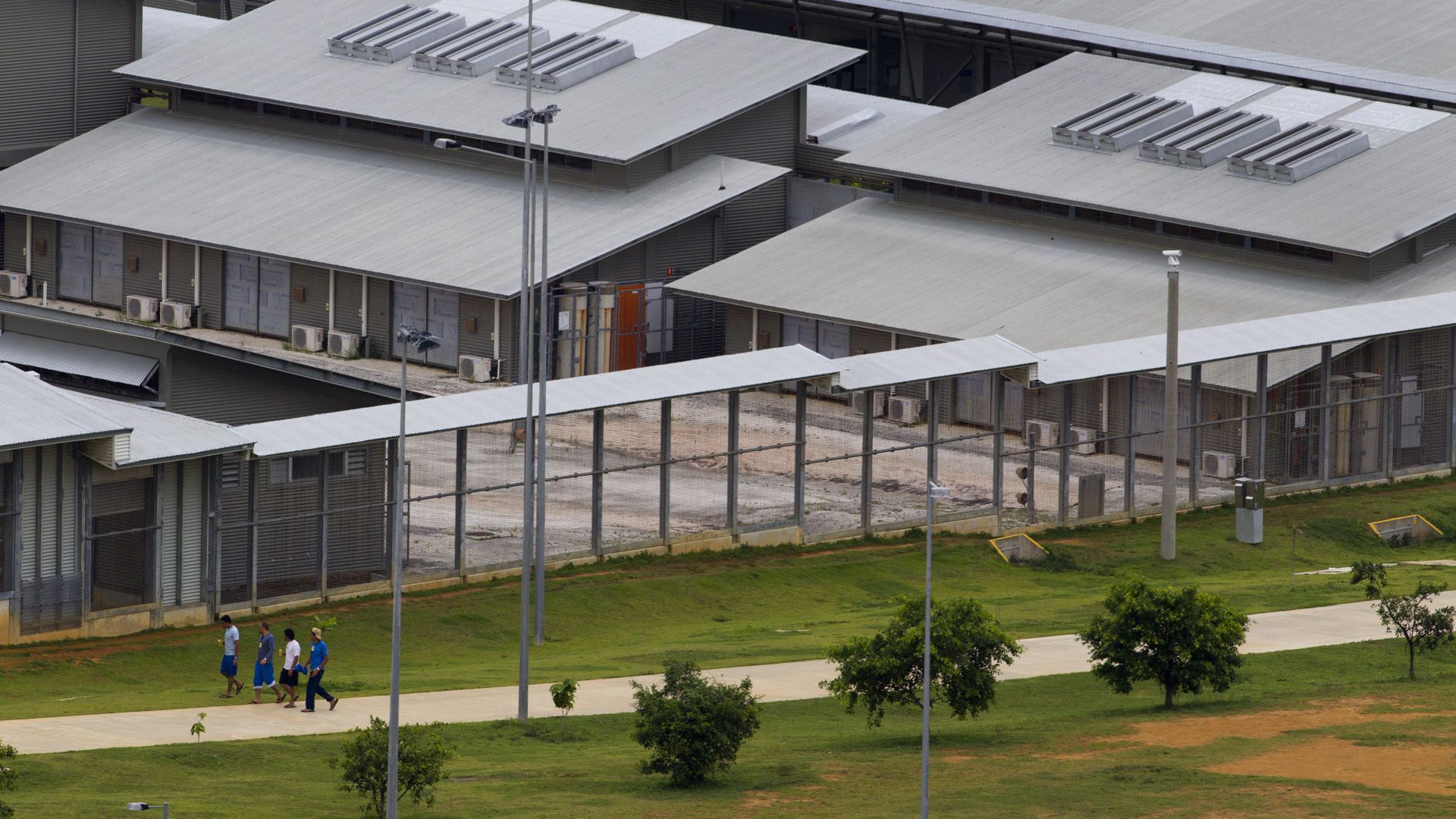
Australian Prime Minister Scott Morrison told a news conference Wednesday the country's national airline Qantas would evacuate "isolated and vulnerable" Australians at risk from coronavirus in China and quarantine them on Christmas Island.
The big picture: Authorities would prioritize evacuating children and elderly people in the virus-hit city of Wuhan to the island, an Australian territory some 870 miles from Indonesia notorious for its now-closed refugee detention center. Citizens would also be evacuated from China's Hubei province, Morrison said. It's a joint evacuation with New Zealand, which has about 50 affected citizens. Australia has 600.
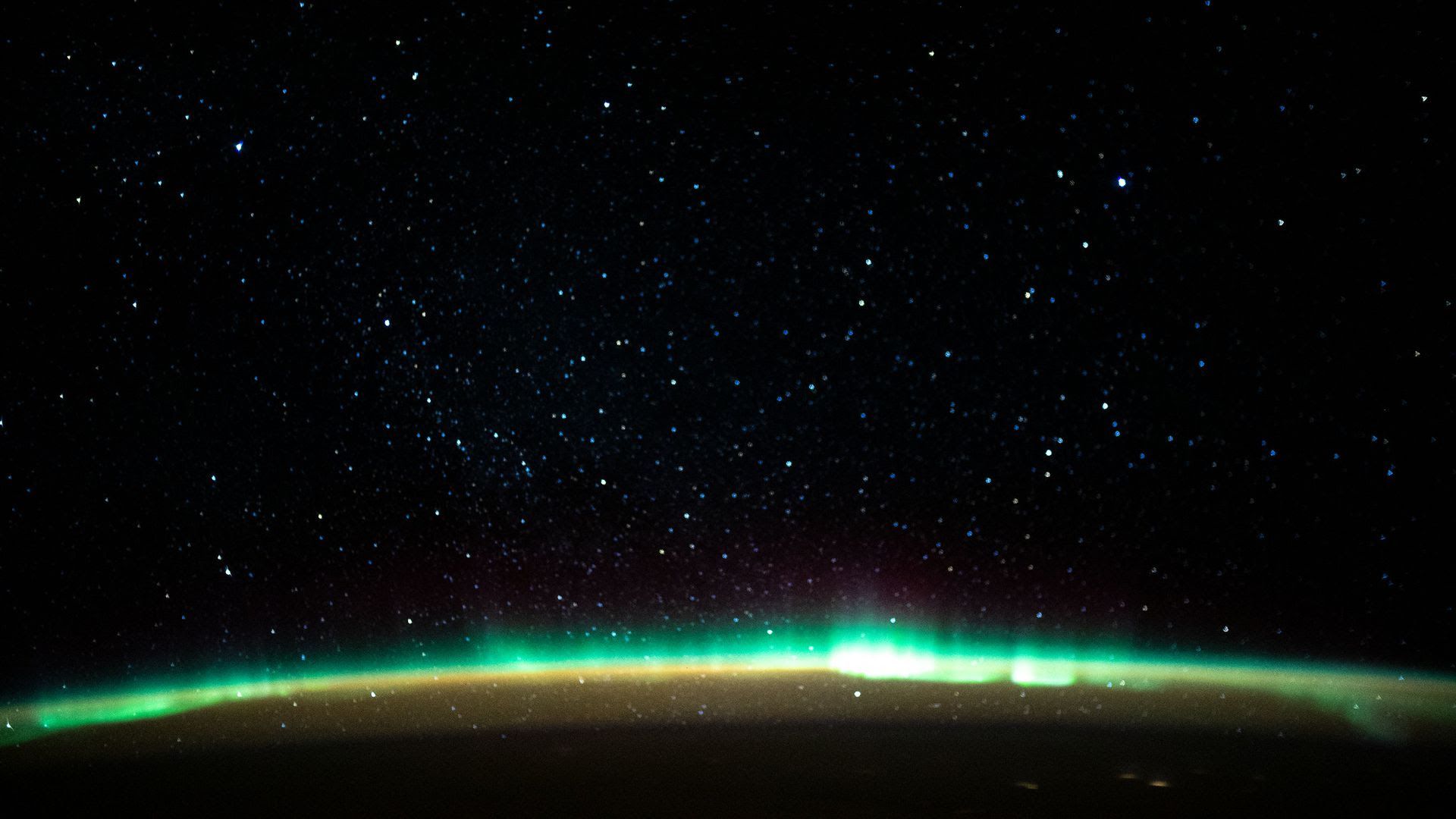
Looking down on the lights of the aurora from above is something very view people have had the chance to experience.
The intrigue: This photo, taken by an astronaut onboard the International Space Station, gives those of us bound to Earth's surface a taste of what the view from space is like.
China agreed on Tuesday to allow international experts, expected to include Americans, to work on the ground with their scientists on the fast-spreading coronavirus.
Why it matters: Roughly 60 cases are outside mainland China, where the outbreak has infected at least 4,633 people. While China quickly provided global access to the virus genome, the epidemiology of how the virus works is hard to determine from outside China with little public data.
A 7.7-magnitude earthquake struck the northwest coast of Jamaica Tuesday, according the U.S. Geological Survey.
Be smart: The quake could spur tsunami waves as high as a meter along some coasts of Belize, Cuba, Hondura, Mexico, Jamaica and the Cayman Islands, according to the National Tsunami Warning Center.
On Thursday, NASA will shut down the Spitzer Space Telescope, ending a mission that transformed how we understand the invisible machinations of the universe.
Why it matters: While the telescope is still able to function today, NASA made the decision to shut it down, saying $14 million per year is too high a cost for its diminishing science return as the observatory will likely be inoperable soon.
Royal Bank of Canada'soil analysts found that departures from the five largest Chinese airports fell by nearly 800 flights this past weekend compared to the prior one — and air traffic in the five airports closest to Wuhan has dropped by nearly half in recent days.
Why it matters: The analysis, which even included a look at foot traffic, was meant to assess how the coronavirus outbreak in China affected flight traffic within major Asian airports. "We have not observed a change in consumer traffic in the busiest Asian airports outside of China," the bank said in its report.
Some analysts are beginning to wonder if oil markets are overly spooked by the potential for the coronavirus to dent energy demand as travel and economic activity are crimped.
Why it matters: The human health toll is what matters most, with at least 107 people dead so far. But the coronavirus is also rattling markets, and is arriving when the oil market was already awash in supplies and demand growth was modest.
The spread of the coronavirus in China has raised concerns about the pharmaceutical industry's global supply chain, STAT reports.
Between the lines: China produces a large portion of the ingredients used to make drugs. As the coronavirus spreads and sends China increasingly into lockdown, it's causing experts to question whether the supply chain is stable.
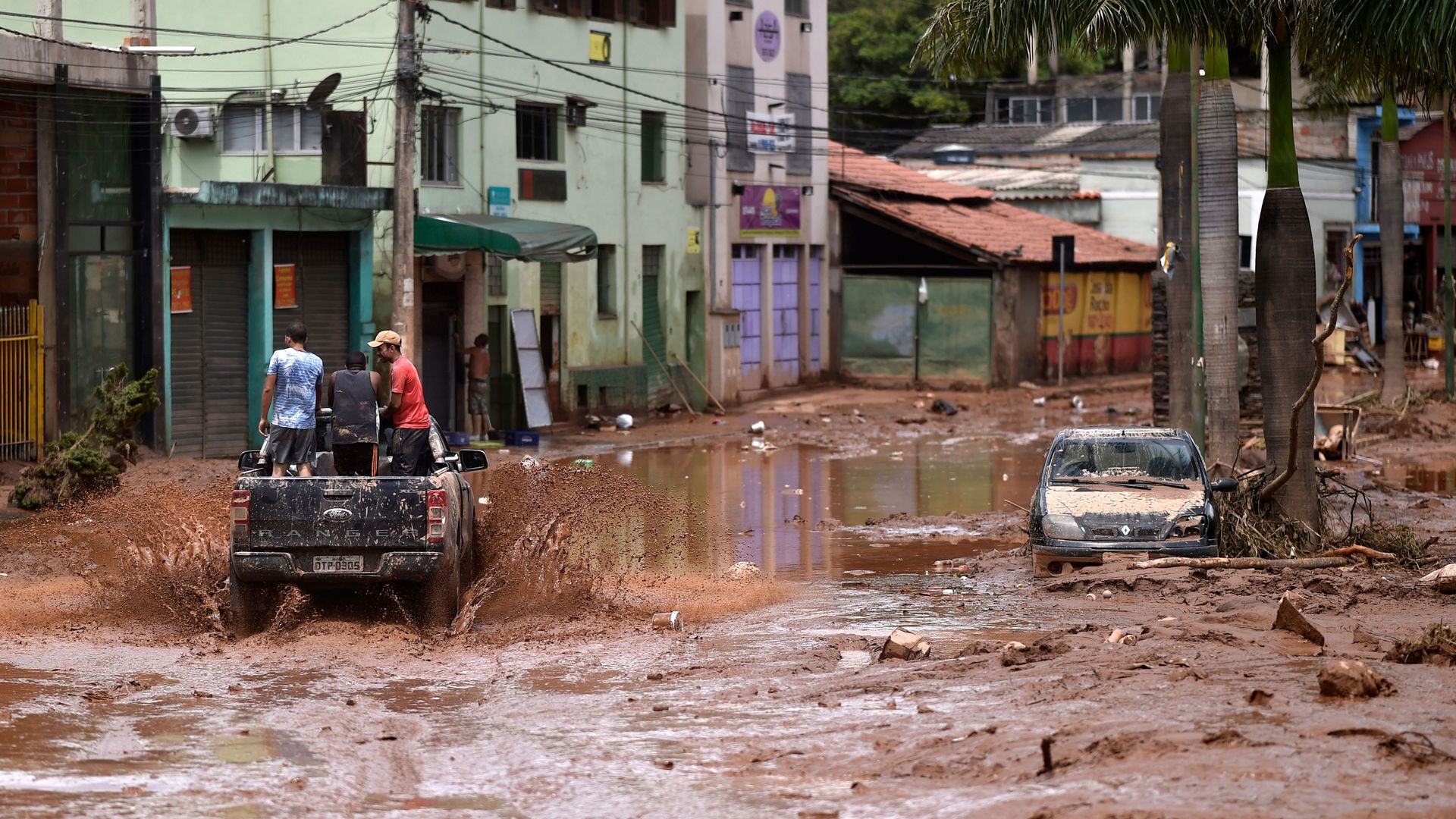
Days of heavy rains, floods and landslides in southeast Brazil have killed at least 54 people and displaced 30,000 others, AP reports.
The big picture: Brazilian President Jair Bolsonaro said the military had been mobilized to help as over 100 cities had declared a state of emergency, per CNN. While rains were dissipating Monday, they're expected to return later this week in some places, AP notes.