Washington has always viewed Silicon Valley as culturally strange. But the current crop of AI leaders is becoming a monumental political liability, lawmakers and White House advisers tell Axios.
Why it matters: Even pro-AI government officials and lawmakers wish AI founders would do what every other major industry chief does — shut up and just build their products ... safely.
By centering the conversation around digital sentience and global catastrophe, AI leaders are turning an already complicated regulatory debate into an impossible moral panic.
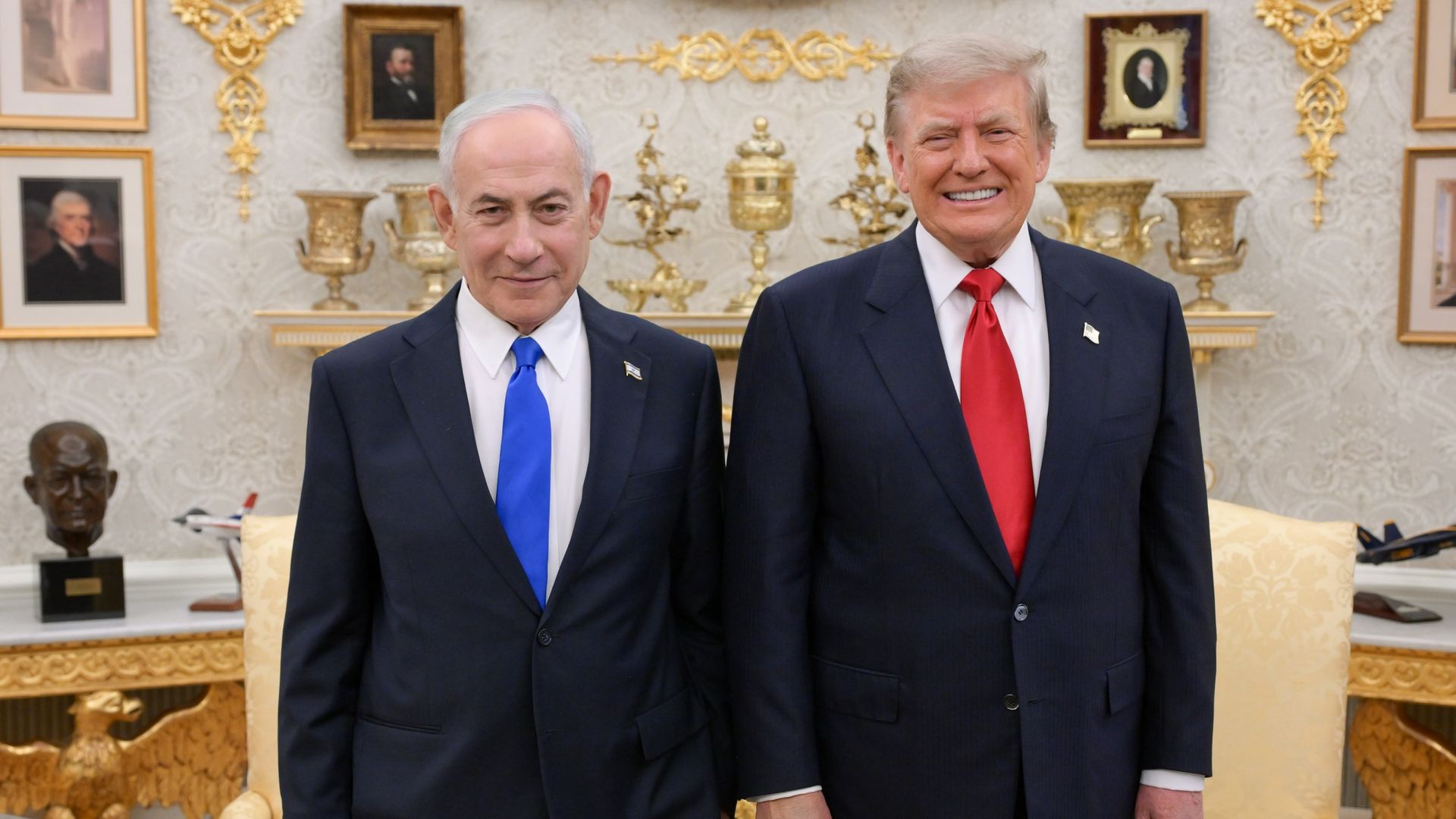
President Trump has endorsed Benjamin Netanyahu in Tuesday's Israeli election, but some of his advisers see opportunity for his Middle East agenda in a government led by someone else, U.S. officials tell Axios.
Why it matters: Trump has never worked with an Israeli prime minister other than Netanyahu, and doesn't personally know any of the other candidates. The two have forged a close but often turbulent relationship.
The Justice Department alleged that two ex-FBI officials lied to Congress about the bureau's investigations into Hunter Biden, according to a complaint unveiled Friday.
The big picture: Republicans in Congress have continued to question the government's handling of probes into the former president's son, who was ultimately convicted of federal gun charges and pleaded guilty to tax offenses.
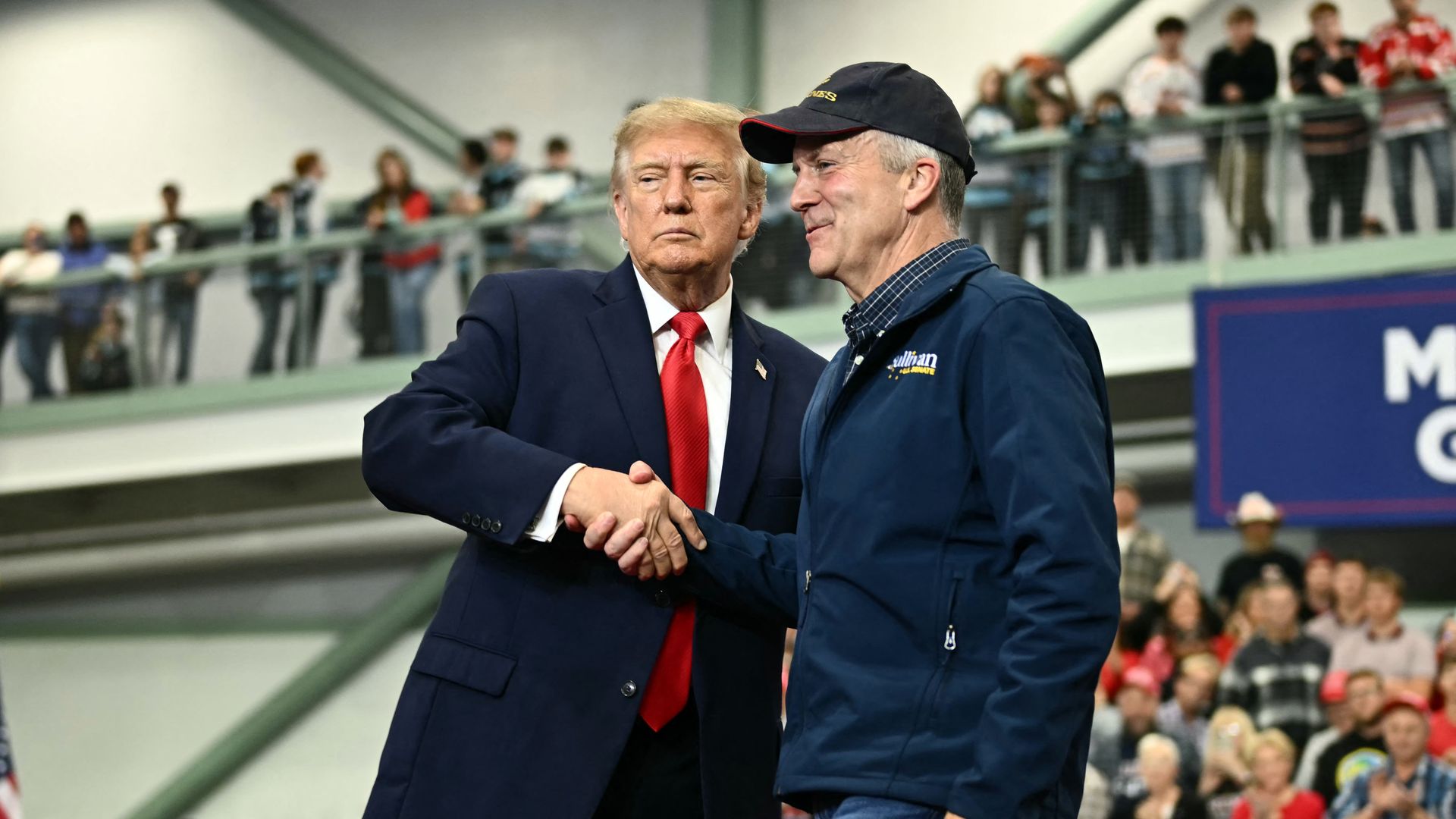
The Trump administration sued Alaska on Thursday to delay certification of election results if incumbent Republican Sen. Dan Sullivan loses.
Why it matters: The race between incumbent Sullivan, Democrat Mary Peltola, and retired teacher Dan Sullivan has been marked by controversy, with Republicans accusing Democrats of trying to confuse voters by planting a candidate with the same name.
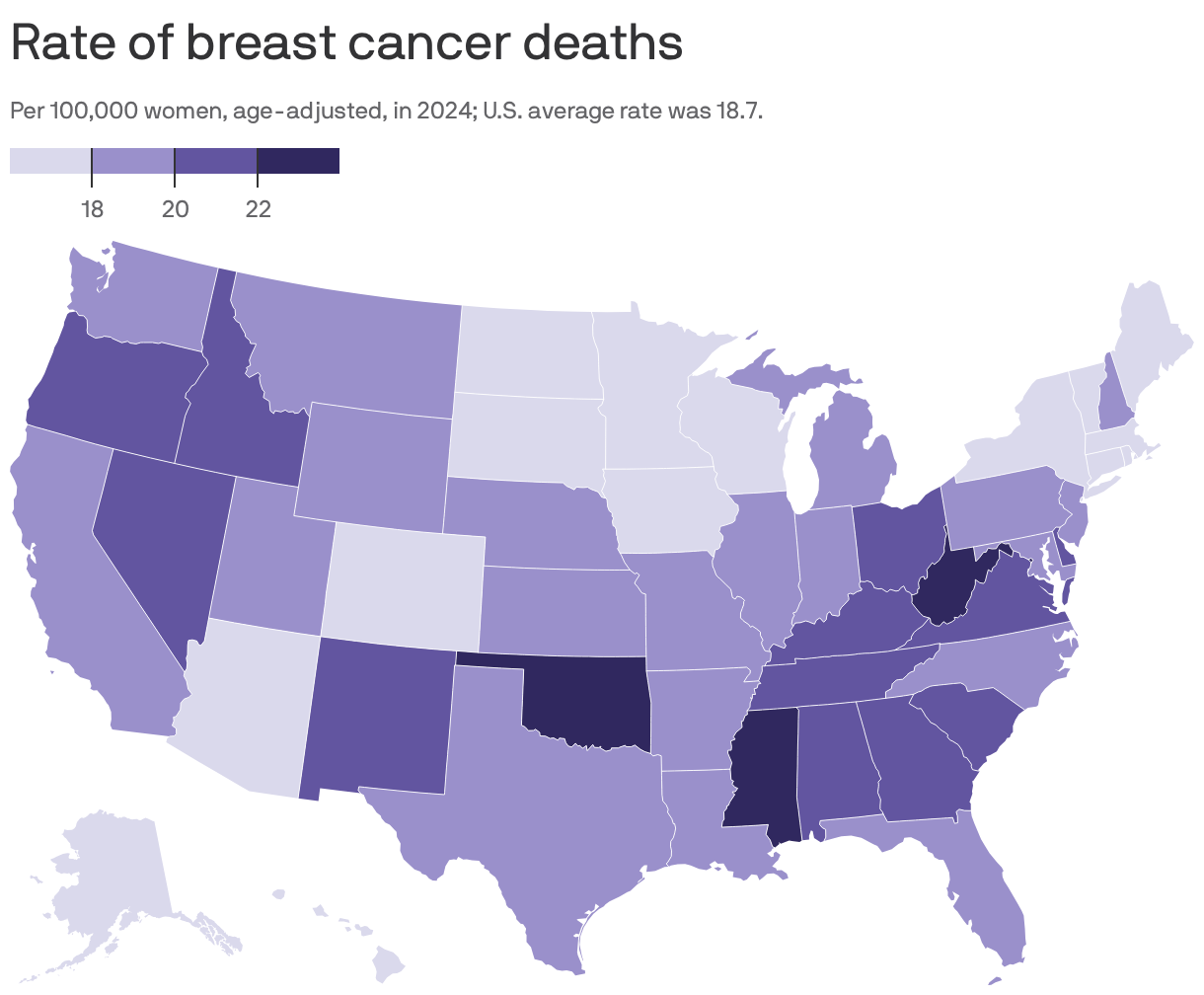
Data: CDC; Note: Age-adjusted rates account for differences in population age. Map: Brad Jennings/Axios
Breast cancer mortality has fallen nationally over the past decade, but where women are most likely to die from the disease hasn't changed much.
Why it matters: Breast cancer death rates remain disproportionately high in lower-income states, particularly across the Southeast, David Radley, a senior scientist at the Commonwealth Fund, tells Axios.
On a recent evening near a secure U.S. facility, three federal agents saw a flying object they couldn't identify: a large "matte black triangle" that moved as fast as a fighter jet, made no sound and then disappeared, according to FBI and Defense Department reports.
Why it matters: The 15-foot flying triangle is classified as a UFO-like "Unidentified Anomalous Phenomena" because the U.S. doesn't have the technology to make such a craft — and neither do its adversaries.
Here's a surprising combination of words: Municipal bonds are sexy right now — offering historically attractive returns at a time when states and localities need more and more cash.
Why it matters: That may be good news for investors, but it costs taxpayers who foot the bill when states and localities borrow money by issuing these bonds.
Democrats in a pair of deep-red states are testing the religious right's dominance by putting their Christian faith at the center of their campaigns — potentially creating a template for the party to compete in similarly forbidding terrain.
Why it matters: Upsets by Texas' James Talarico and Kansas' Adam Hamilton would all but ensure that Democrats take the Senate.
A recent poll from Pew shows both an opening and an obstacle: White evangelicals still strongly favor Republicans, while many other Christian groups lean Democratic or are more narrowly split.
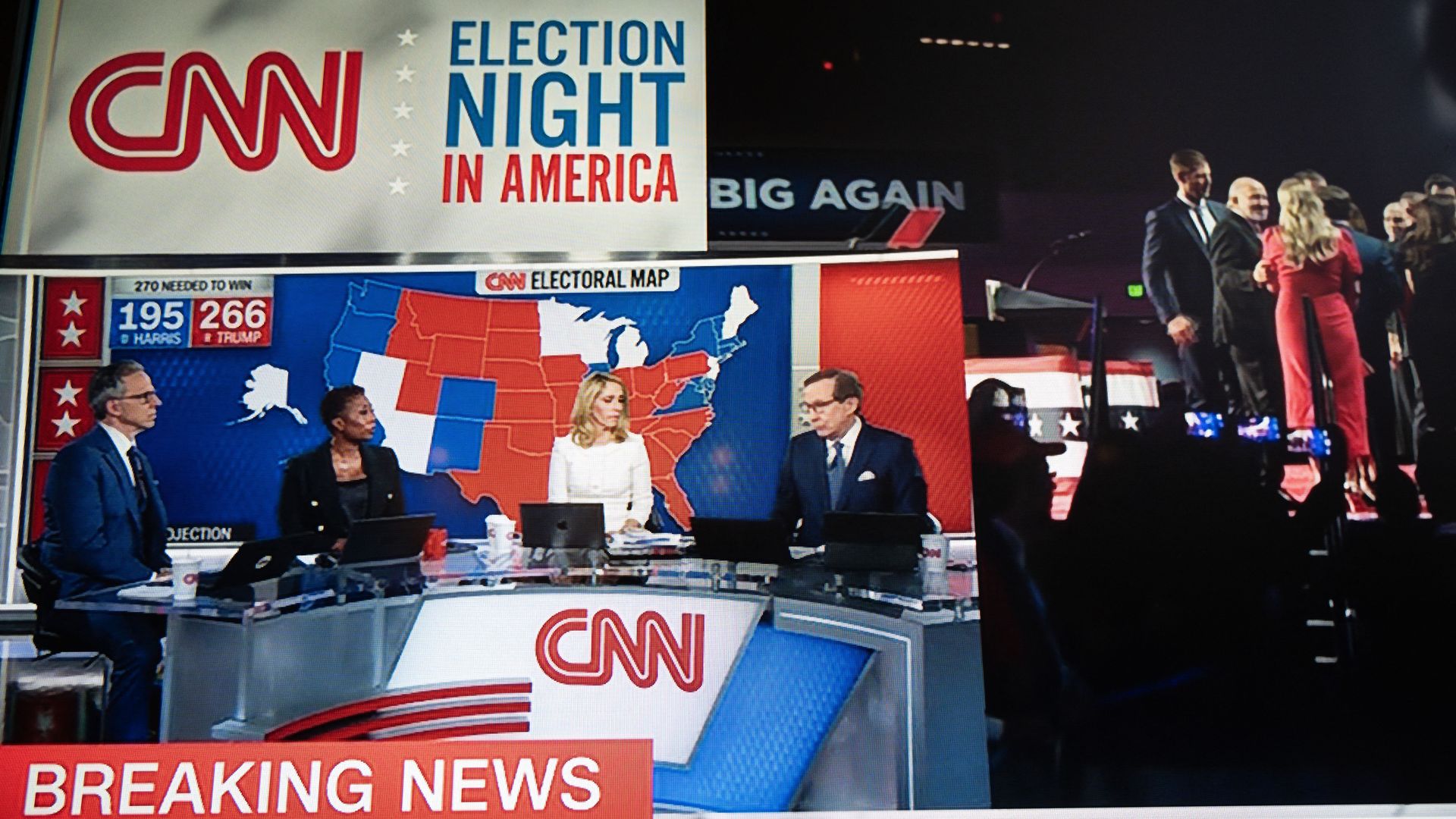
Senate Majority Leader John Thune (R-S.D.) and Minority Leader Chuck Schumer (D-N.Y.) are living out their midterm nightmares — with nominees they didn't want and former colleagues they no longer control.
Why it matters: Together, Schumer and Thune are stuck with five Senate races in which their party establishments thought they had a better chance of winning with someone else.