LA CROSSE, Wis. — Progressive insurgents Francesca Hong and Abdul El-Sayed want to shake up the next race for the White House — a notion that will likely petrify many top Democrats.
Why it matters: They aren't running for president — they're vying for statewide office this year in presidential battlegrounds, and their campaigns are closely watched tests of the Bernie Sanders–style populism they want their party to embrace in 2028.
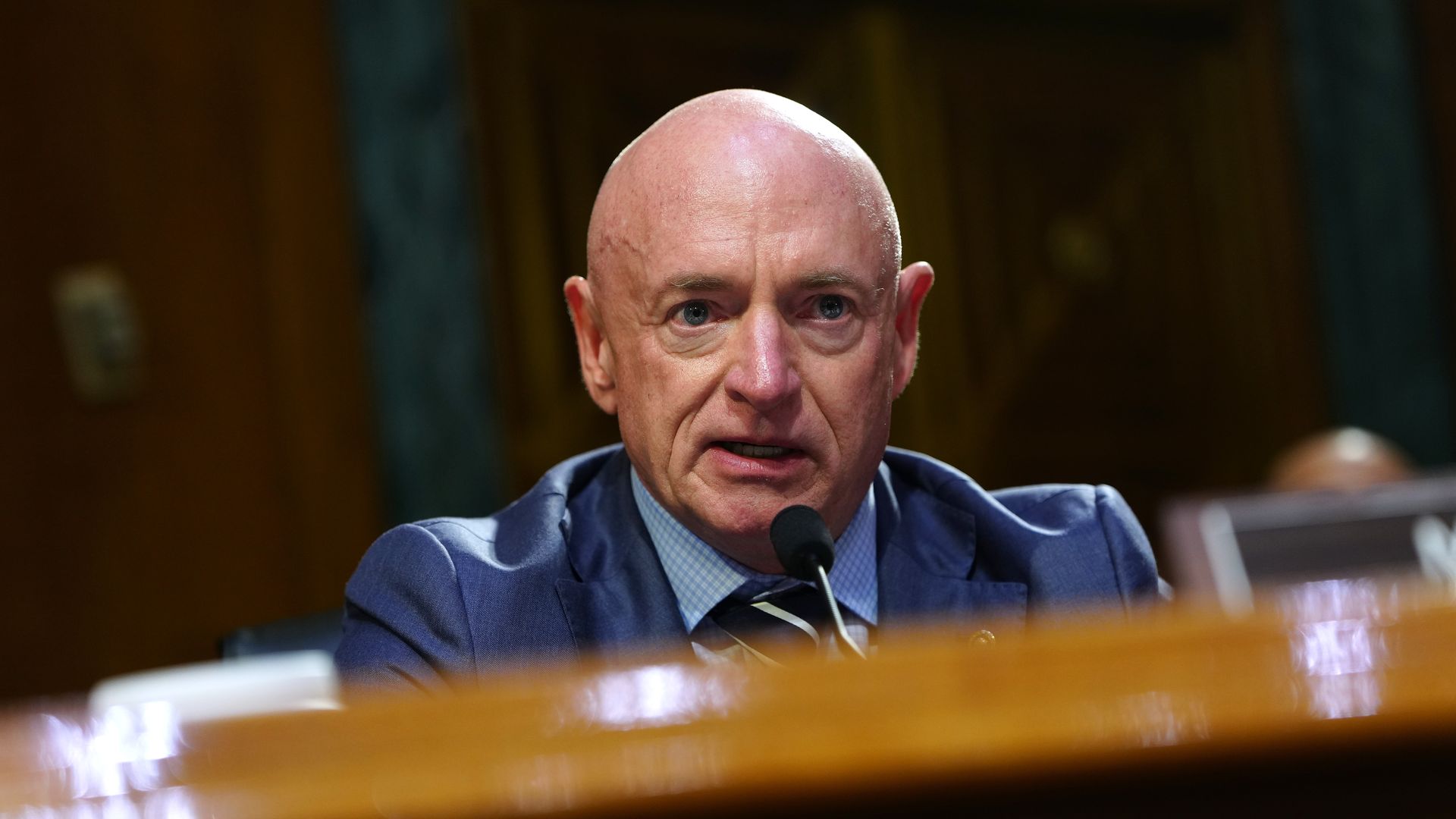
A liberal group working to elect scientists to public office has a 2028 message for Arizona Sen. — and former astronaut — Mark Kelly: Run, Kelly, run.
Why it matters: 314 Action Fund has raised its profile this cycle, elevating candidates with STEM backgrounds who've pitched themselves as a bulwark against public health cuts and Health and Human Services Secretary Robert F. Kennedy Jr.
President Trump signaled on Sunday that he's prepared to allow economic pressure on Iran to mount — as opposed to ordering a new military offensive — even as the country continues to defy the U.S.
Why it matters: Only a week ago, Trump was on the verge of ordering a return to major combat operations. But in an interview with Axios, he did not make any new military threats.
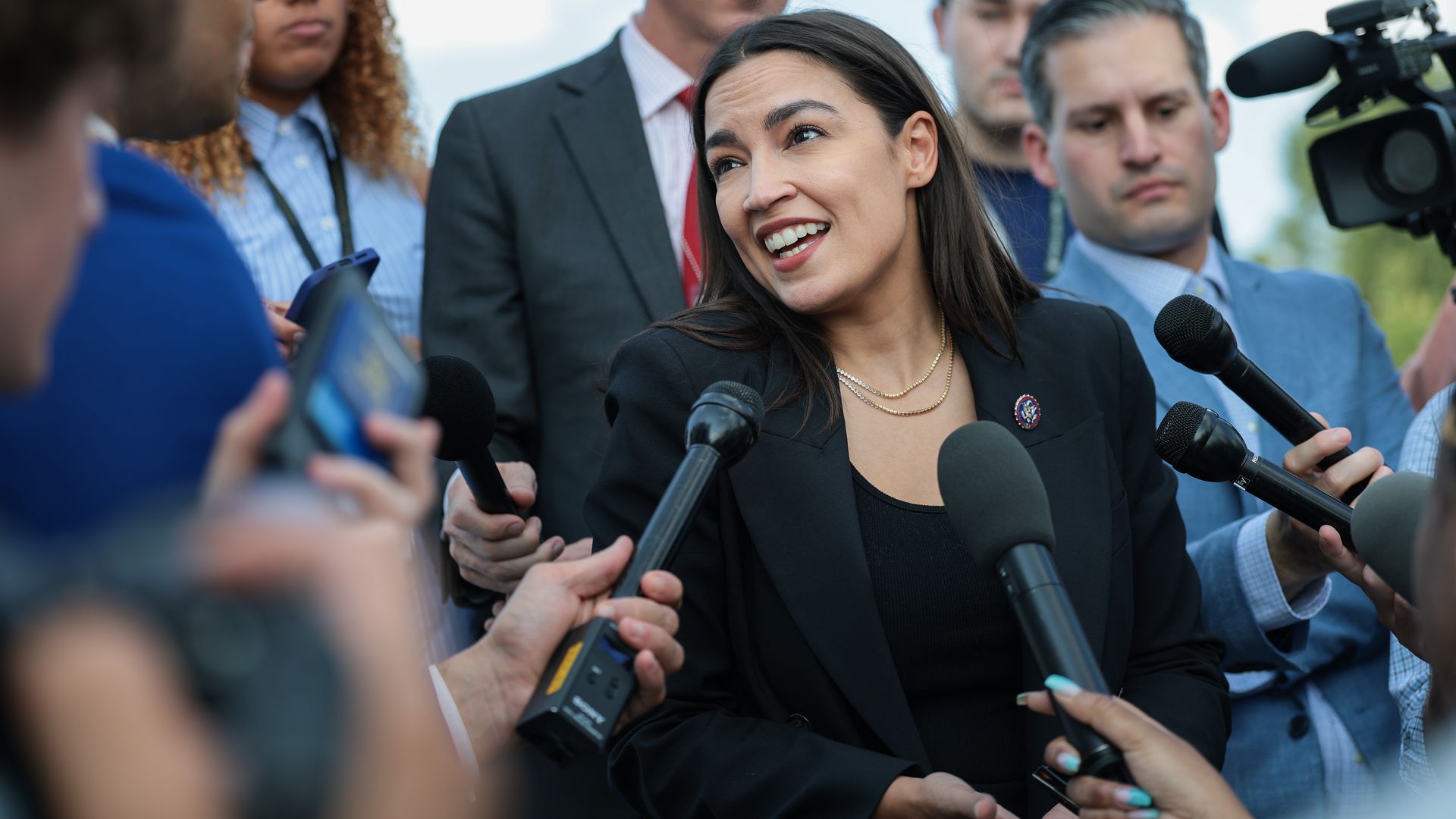
Rep. Alexandria Ocasio-Cortez (D-N.Y.) left the door open Sunday to either running for president in 2028 or challenging fellow New Yorker and Senate Democratic leader Chuck Schumer.
Why it matters: Ocasio-Cortez is emerging as a leading potential heir to the movement built by Sen. Bernie Sanders (I-Vt.), and whichever path she chooses could reshape the future of Democratic politics.
Something big has shifted for all of us. I noticed it last week, while preparing for our Axios board meeting.
First, there was a discussion around six-month horizons. And I kept thinking: This is pure fantasy — it's impossible to envision our company and our world even a few months from now.
Second, we're having an amazing year. Yet I felt compelled to offer the board a gut check unthinkable even a year ago: Yes, we're crushing it, but that could all change in a month. Truth is, for the first time ever, my confident line of sight is six weeks tops.
Why it matters: We have entered what I call post-processable velocity — a speed of change exceeding the ability of any individual, company, market or government to fully absorb, understand and respond to it in real time.
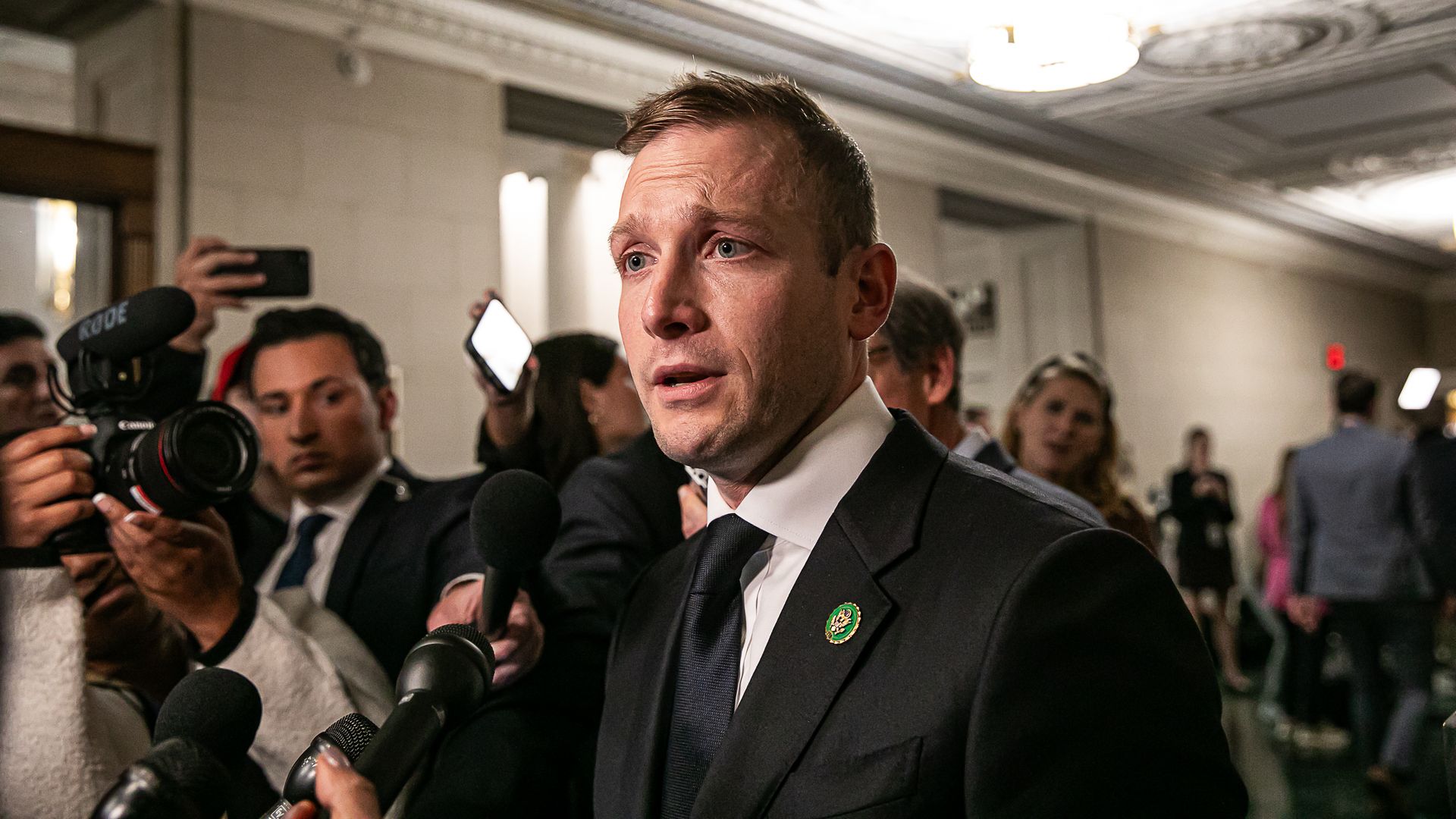
Rep. Max Miller appeared to let a crucial Saturday withdrawal cutoff pass in Ohio's 7th Congressional District, effectively closing Republicans' last practical window to replace the embattled incumbent on the November ballot.
Why it matters: A district that favors Republicans has suddenly become a potential Democratic pickup as the GOP fights to preserve its narrow House majority, and Ohio law gave party leaders no room to replace Miller without his cooperation.
The Senate passed a stopgap spending bill early Saturday that would keep the government funded through Dec. 11, moving Washington closer to avoiding another shutdown before the November midterms.
Why it matters: The bipartisan 90-6 vote would push the next government funding deadline past Election Day while offering some checks on the Trump administration.
Nothing has improved my work and life more than my new operating philosophy:Simplify.
I've seen such a dramatic improvement at Axios, and in my personal life, that I co-wrote a new book explaining step by step how it works. It's called "Simplify: Do 50% More with 50% Less."
Why it matters: Axios co-founders Jim VandeHei, Roy Schwartz and I dig deep into real-world experience and science to show you why most people waste years of their lives doing needless stuff out of habit or inertia.
Synagogues across the U.S. are having congregants train to be volunteer security teams as antisemitic assaults hit record levels and Jewish gathering places face increasing threats.
Driving the news: The front doorways of many synagogues are becoming both a place of welcome and a security checkpoint — a sign of how antisemitism is reshaping Jewish life in America.
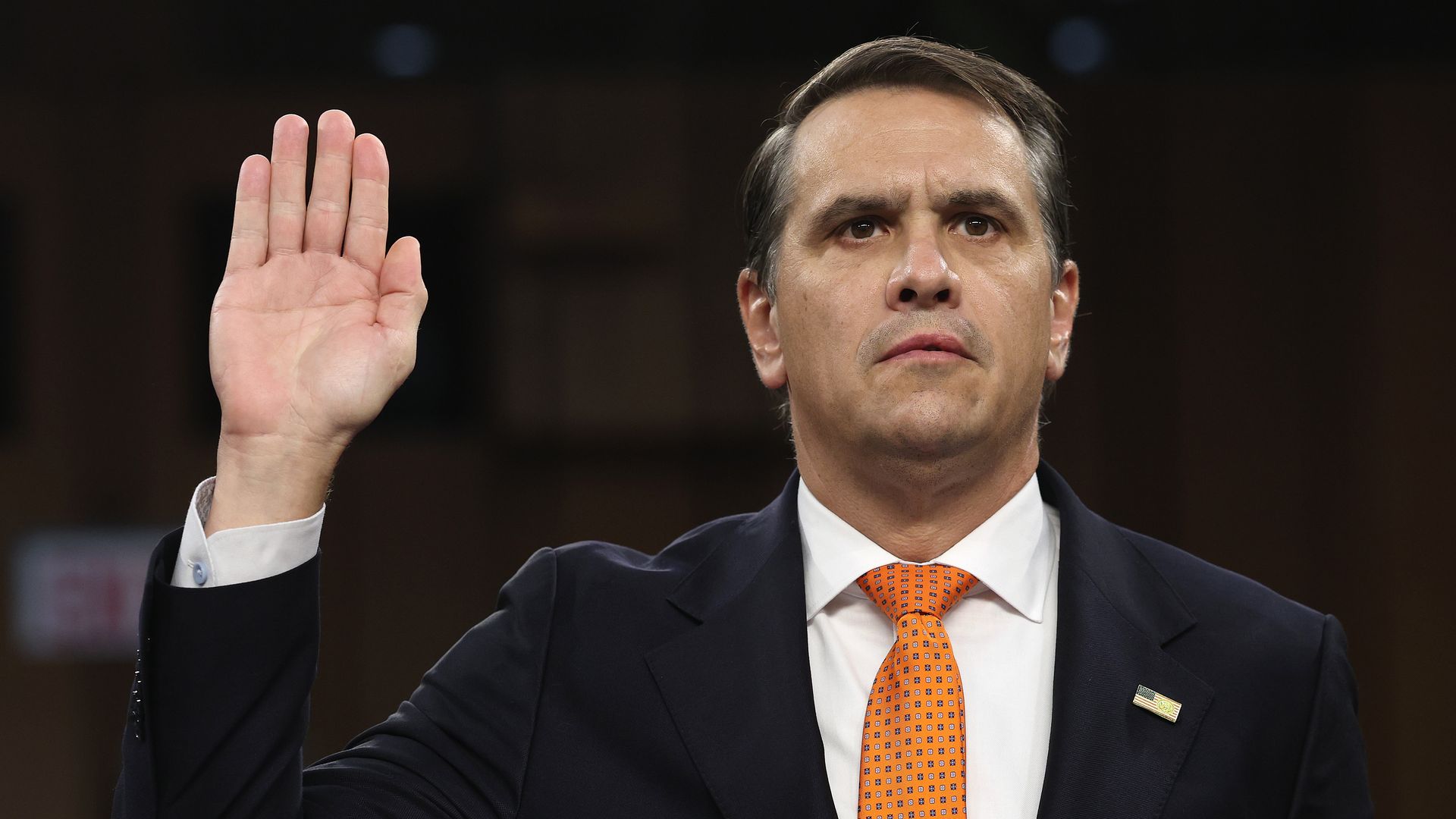
The Senate voted to confirm Todd Blanche as the next attorney general early Saturday, cappinga tumultuous path to office for President Trump's former personal attorney.
The big picture: Blanche's appointment is a win for the Trump administration, especially after a journey that saw some Republicans hold out at multiple stages of the process.
Sens. John Cornyn (R-Texas) and Thom Tillis (R-N.C.) both eventually supported Blanche's advancement after Blanche confirmed that a controversial $1.776 billion fund to pay out perceived victims of political weaponization was dead.
Driving the news: The pre-dawn vote was split 50-49, mostly along party lines.
Every Democratic member present voted against the Trump nominee, joined by GOP Sens. Lisa Murkowski (Alaska) and Susan Collins (Maine). Sen. Mitch McConnell (R-Ky.) was not present amid a lengthy health-related absence.
Sen. Bill Cassidy (R-La.) was broadly seen as Democrats' best shot at blocking Blanche's nomination, but he announced Friday that he'd vote in favor of the president's former personal attorney.
Blanche has been serving in the role in an acting capacity since this spring.
State of play: Blanche will now formally take over the post held by Pam Bondi before she was pushed out.
With Blanche as acting attorney general, the DOJ has continued its unconventionally close alignment with the White House, renewing attempts to prosecute individuals in line with the president's wishes.
Friction point: While Blanche won over Republican defectors on the controversial fund, he's continued to face sharp criticism from survivors of Jeffrey Epstein — stemming from another controversy that threatened to derail his nomination.
Tillis had given Blanche another mandate to earn his vote: meeting with Epstein victims. Blanche did so, but multiple survivors publicly panned the meeting as demoralizing and unproductive.
The bottom line: Not much changes with "acting" dropped from Blanche's title. But his confirmation represents the official start of an aggressive new era for the DOJ.