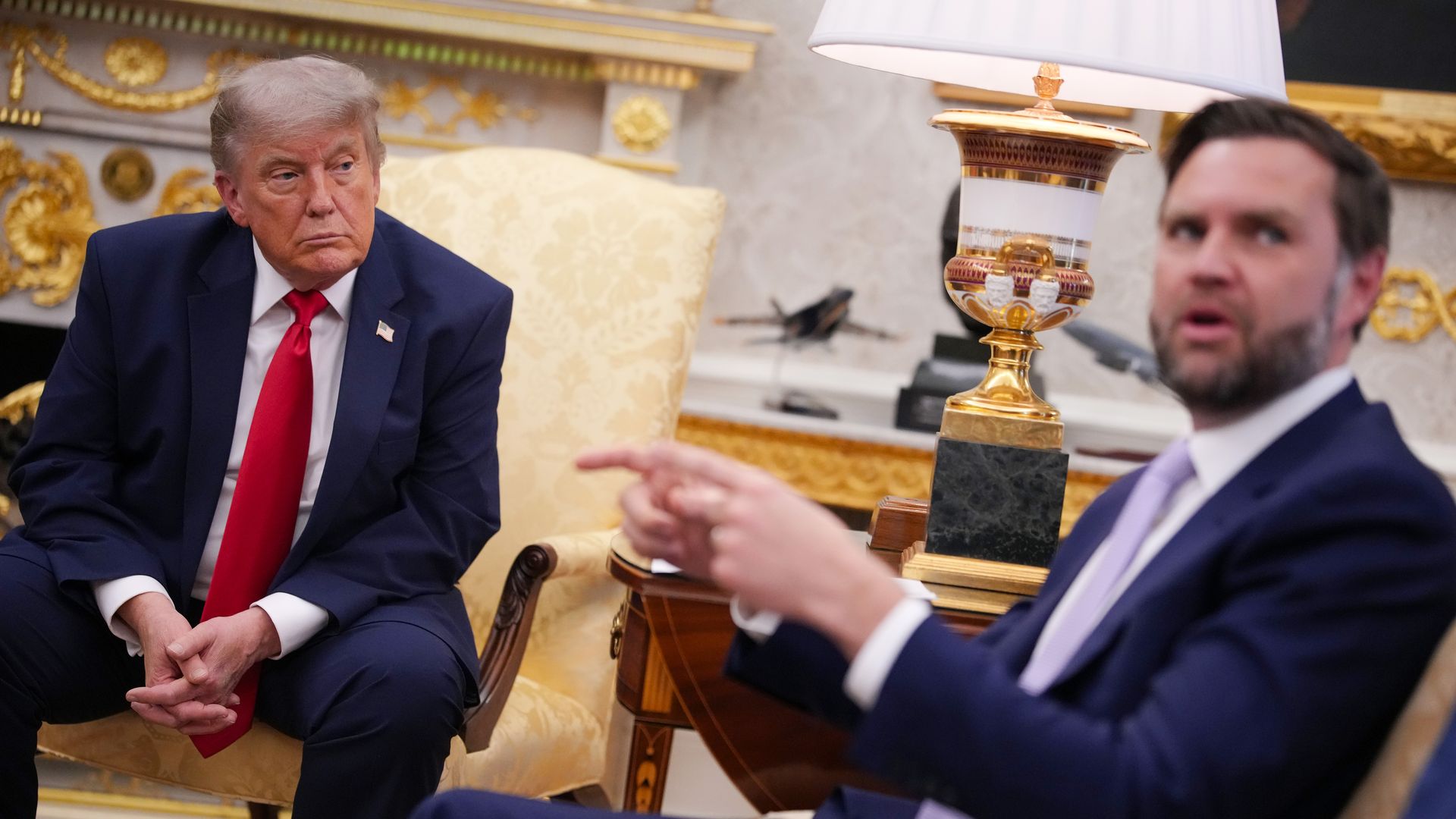
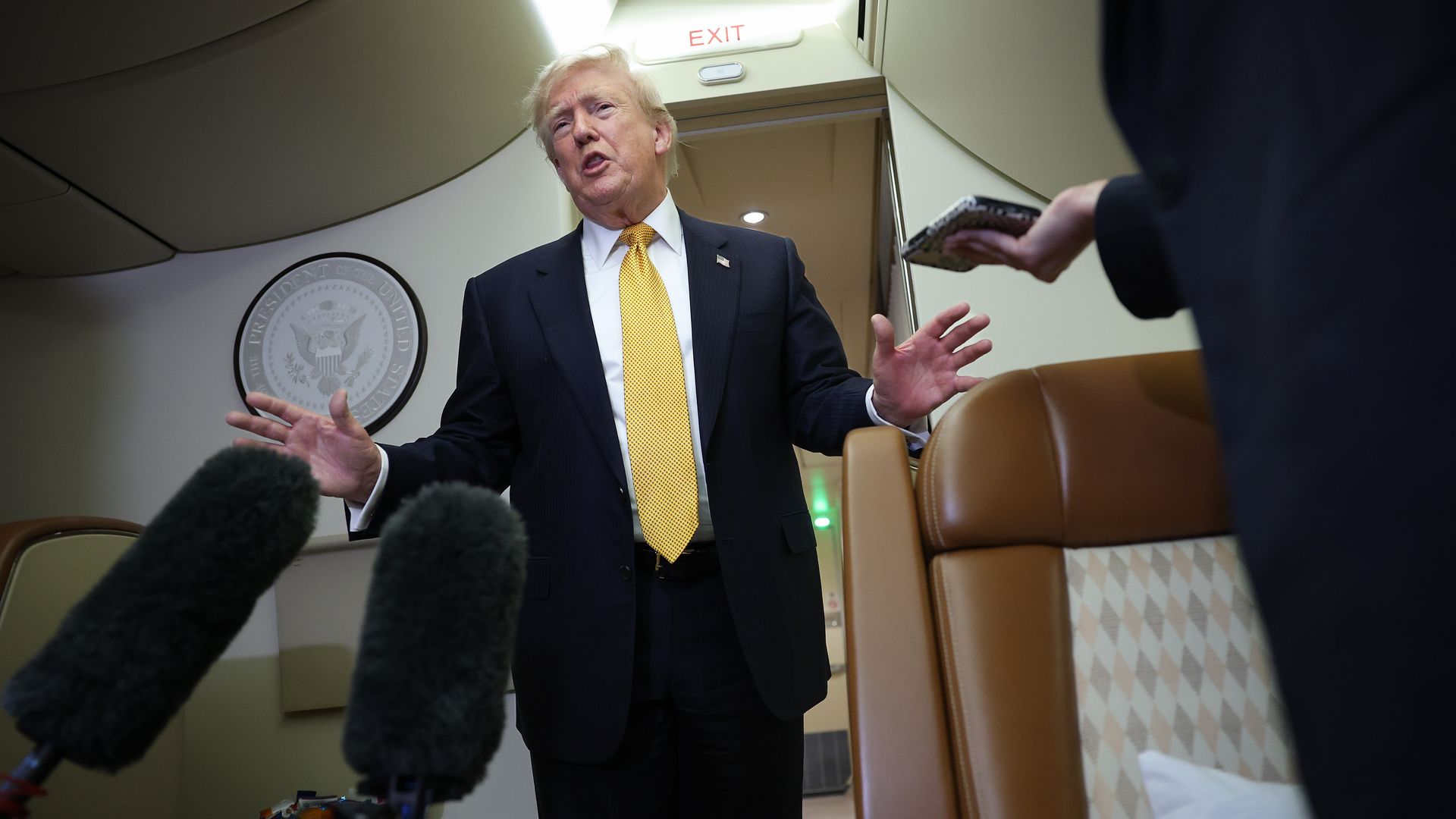
The Trump administration is demanding that Iran publicly acknowledge that the Strait of Hormuz is open and pledge to stop firing on commercial ships.
The message has been conveyed directly and through regional mediators, three U.S. officials said in a briefing with reporters Friday.
Why it matters: The administration says Iran violated the memorandum of understanding it signed with the U.S. three weeks ago by repeatedly firing on commercial vessels in and around the strait.
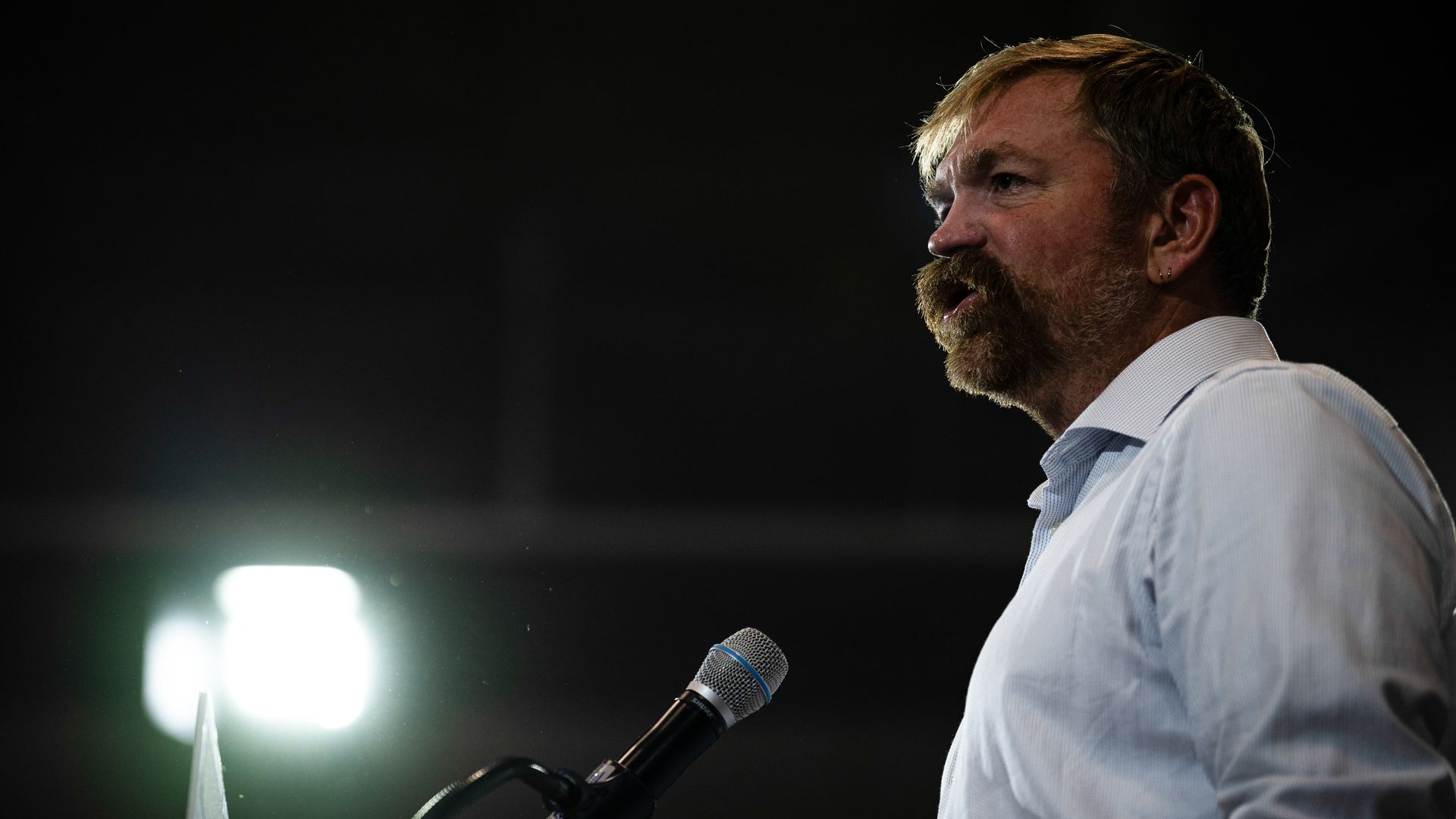
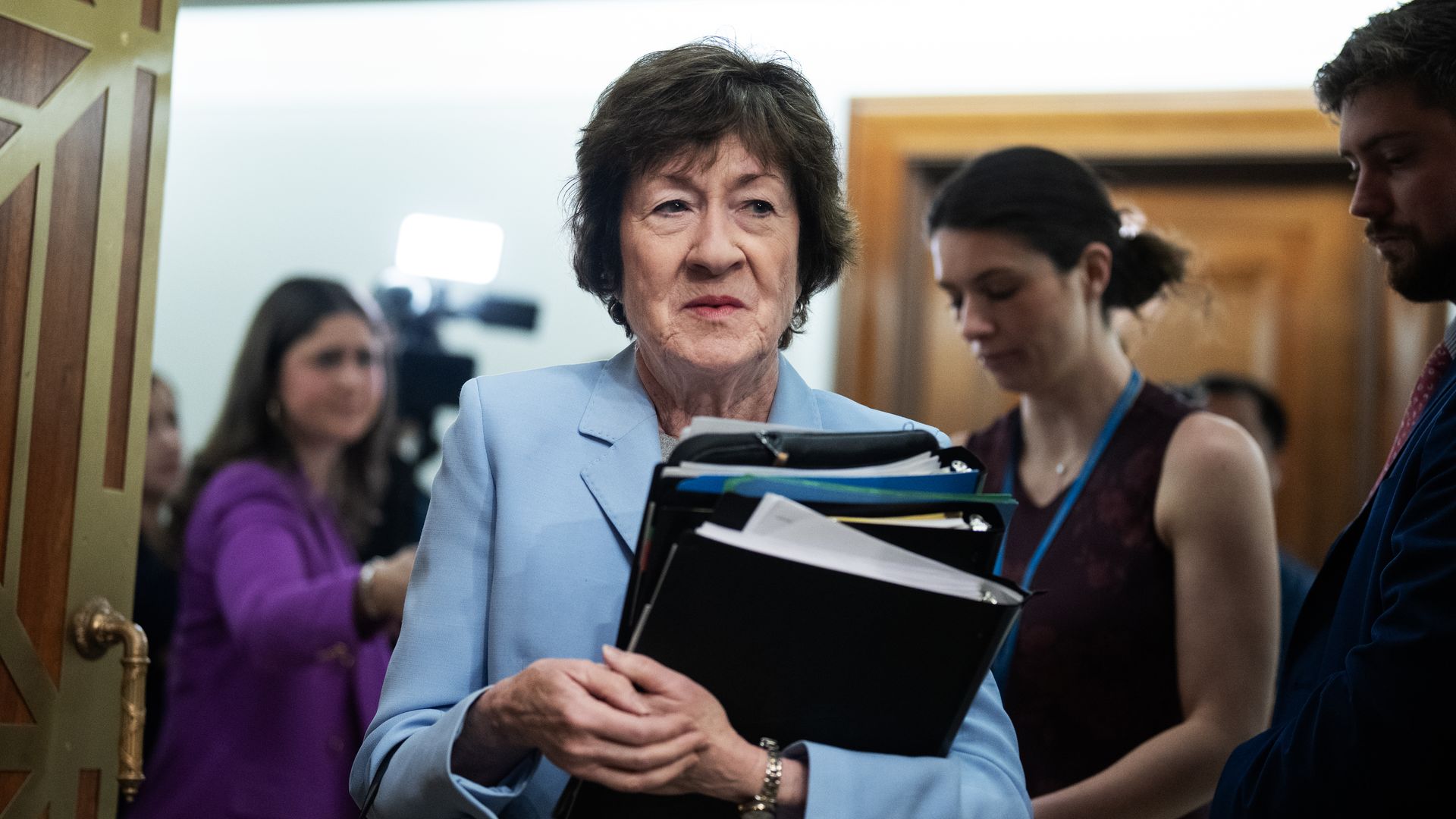
Democrat Graham Platner filed paperwork Fridayto officially remove his name from the ballot, ending his tumultuous bid to unseat Republican Sen. Susan Collins in Maine.
Why it matters: Platner's exit ahead of the Monday deadline clears the way for Democrats to name a replacement candidate in a race that is critical to their effort to win a Senate majority in November.
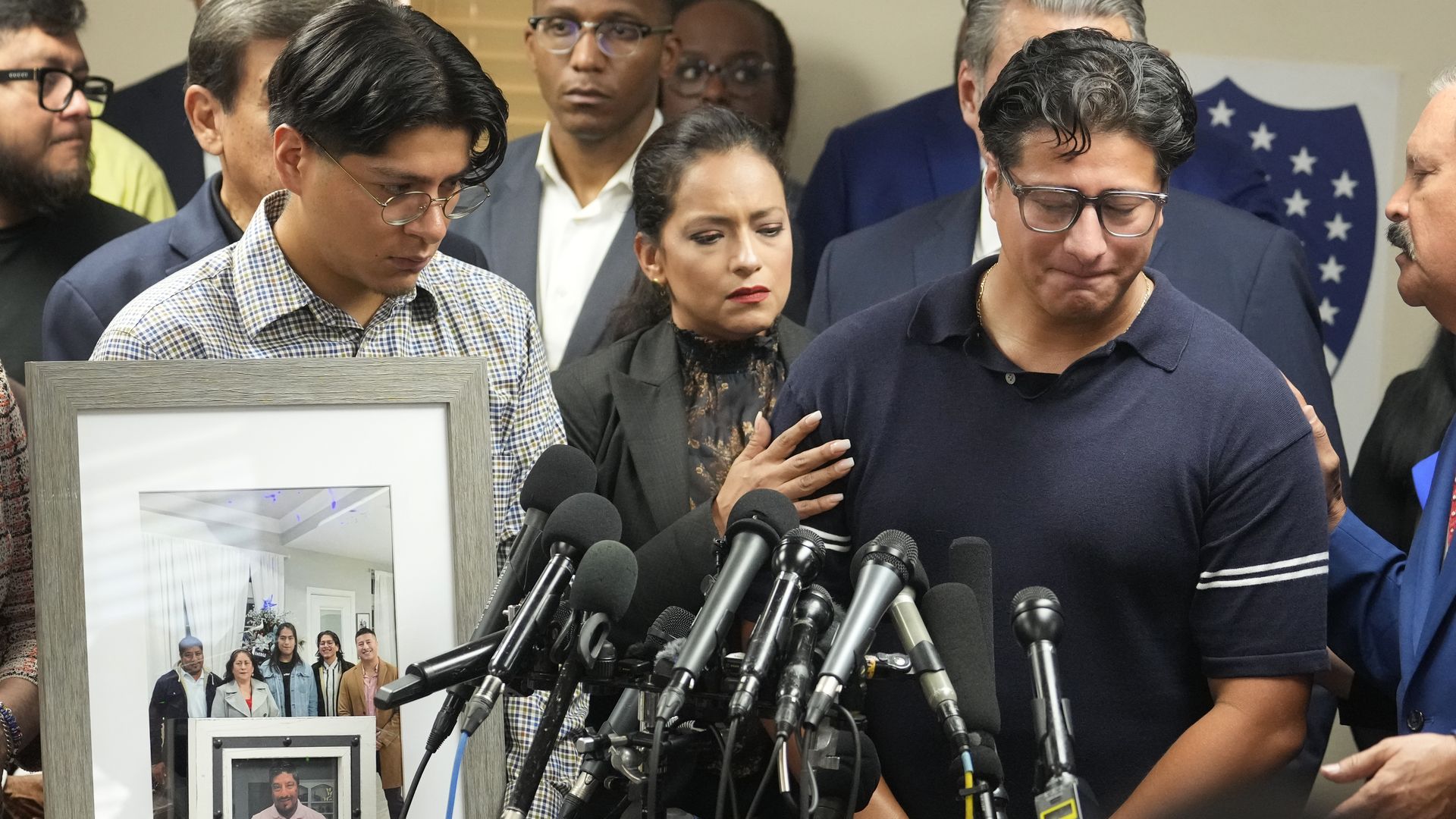
The three men who were in a van with Lorenzo Salgado Araujo when he was fatally shot by an ICE agent in Houston are disputing the Department of Homeland Security's account, according to their lawyer, saying the driver never tried to run over agents.
The big picture: New details are emerging after the fatal shooting of Salgado Araujo, 52, on Tuesday, including surveillance video and eyewitness accounts.
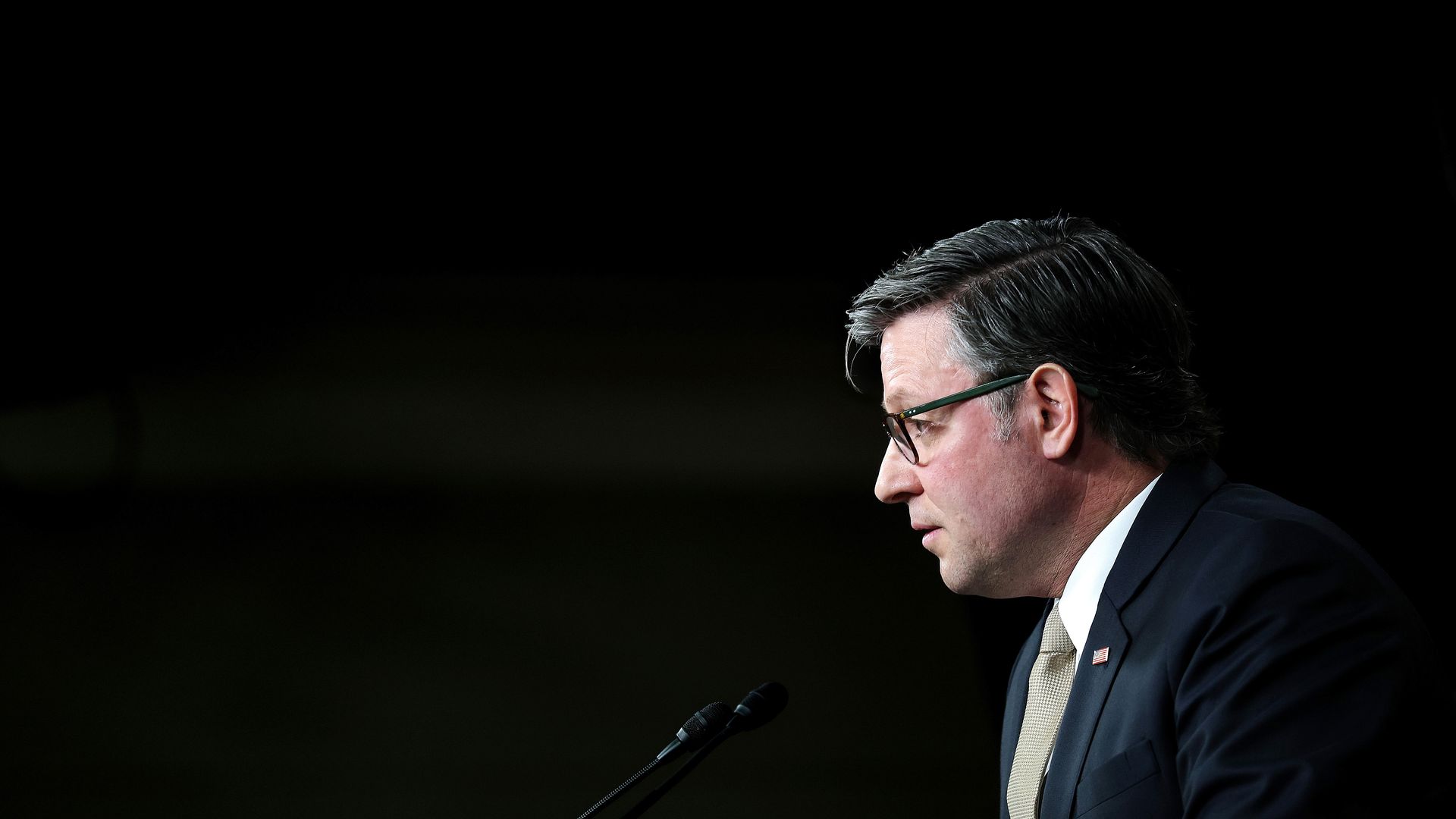
Speaker Mike Johnson will face the same problem next week that he faced last week: a bloc of Republicans willing to shut down the House floor over the GOP's signature election bill, the SAVE Act.
Why it matters: It's difficult to see how Johnson (R-La.) will overcome the paralysis that has overtaken the House floor — and Republicans across the conference are increasingly frustrated.
Senate Republicans are anxious to avoid giving Democrats another opening to force a government shutdown weeks before the midterm elections.
Why it matters: The appropriations process is a slog, Sen. Mitch McConnell's absence adds a complication, and election season raises the stakes. Add to that the Senate is haunted by three shutdowns in the past year.
It's been a long and winding road for the bipartisan 21st Century ROAD to Housing Act, but it looks set to become law Friday evening. Probably.
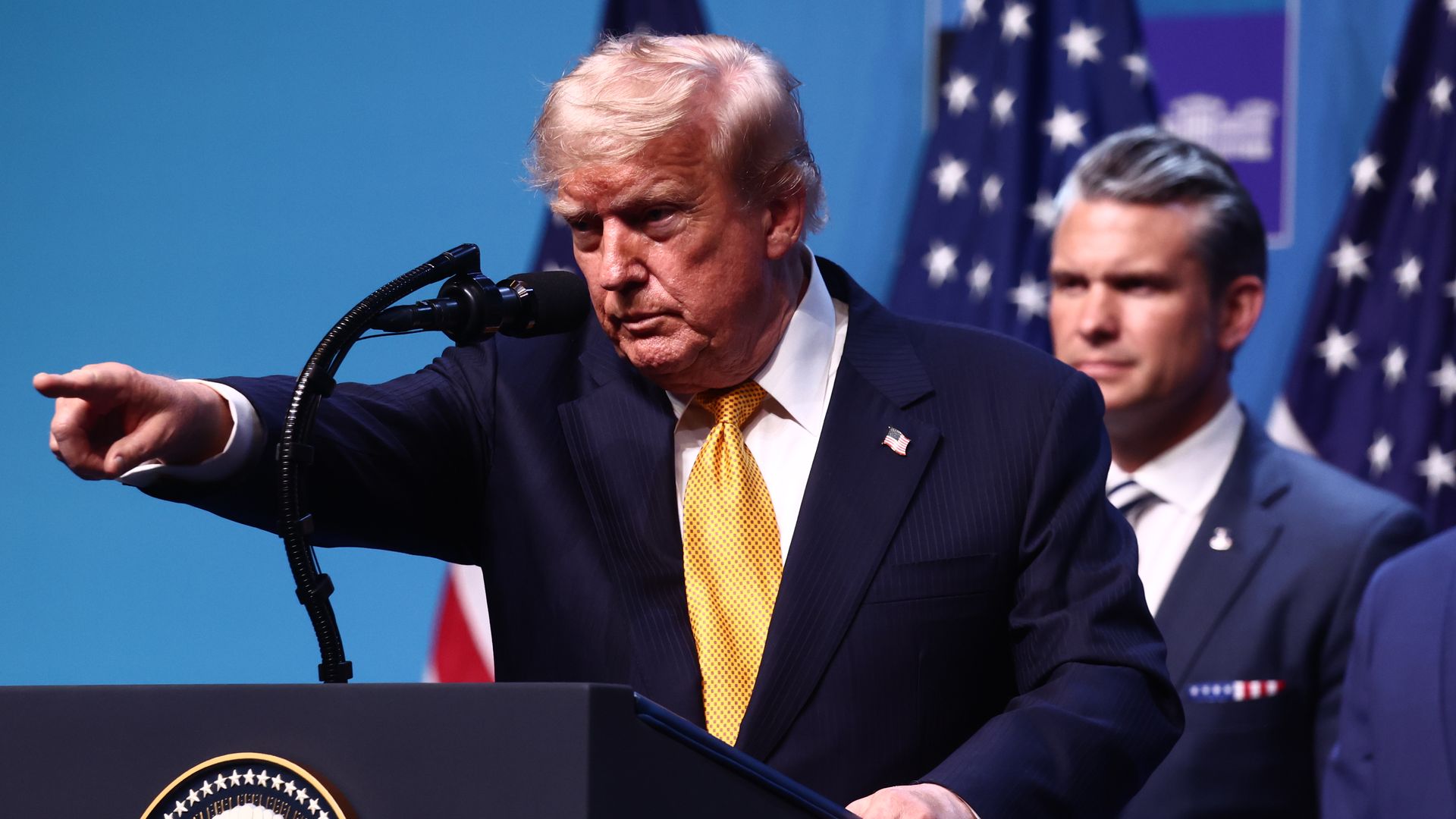
Driving the news: President Trump said Friday morning on Truth Social that he won't sign the bill, the most sweeping action to encourage housing supply in decades, in protest of Congress failing to move unrelated legislation on election security.
But it's what he didn't say that matters most. Trump did not say he will veto the housing legislation. In the absence of a presidential veto, the bill will automatically become law at midnight.
Zoom in: The legislation reflects a rare cross-the-aisle consensus that the underbuilding of housing is a severe problem for the U.S. economy.
It includes provisions that encourage local governments to allow more permissive zoning, streamline environmental regulations for home construction and much more.
What we're watching: We're most intrigued by provisions that loosen restrictions on manufactured housing, in particular no longer requiring that the homes be built on a permanent chassis.
That opens up the possibility of major new innovation in building houses in factories, achieving greater productivity, producing houses that don't feel like downscale trailer-style mobile homes.
Crack spreads — energy industry measures of the gap between crude prices and refined products like diesel — have soared in recent days as the global fuel picture is increasingly determined by global politics and war.
Why it matters: Crack spreads are basically the profit margin that refiners add on top of the price of a barrel of crude in order to come up with the prices they charge for refined products like diesel.
Because the crack spread for diesel fuel, charted above, is rising, diesel fuel will likely get more expensive.
And because diesel is a key input for industries like trucking and agriculture, higher diesel prices will ultimately be passed along to consumers, at least in part.
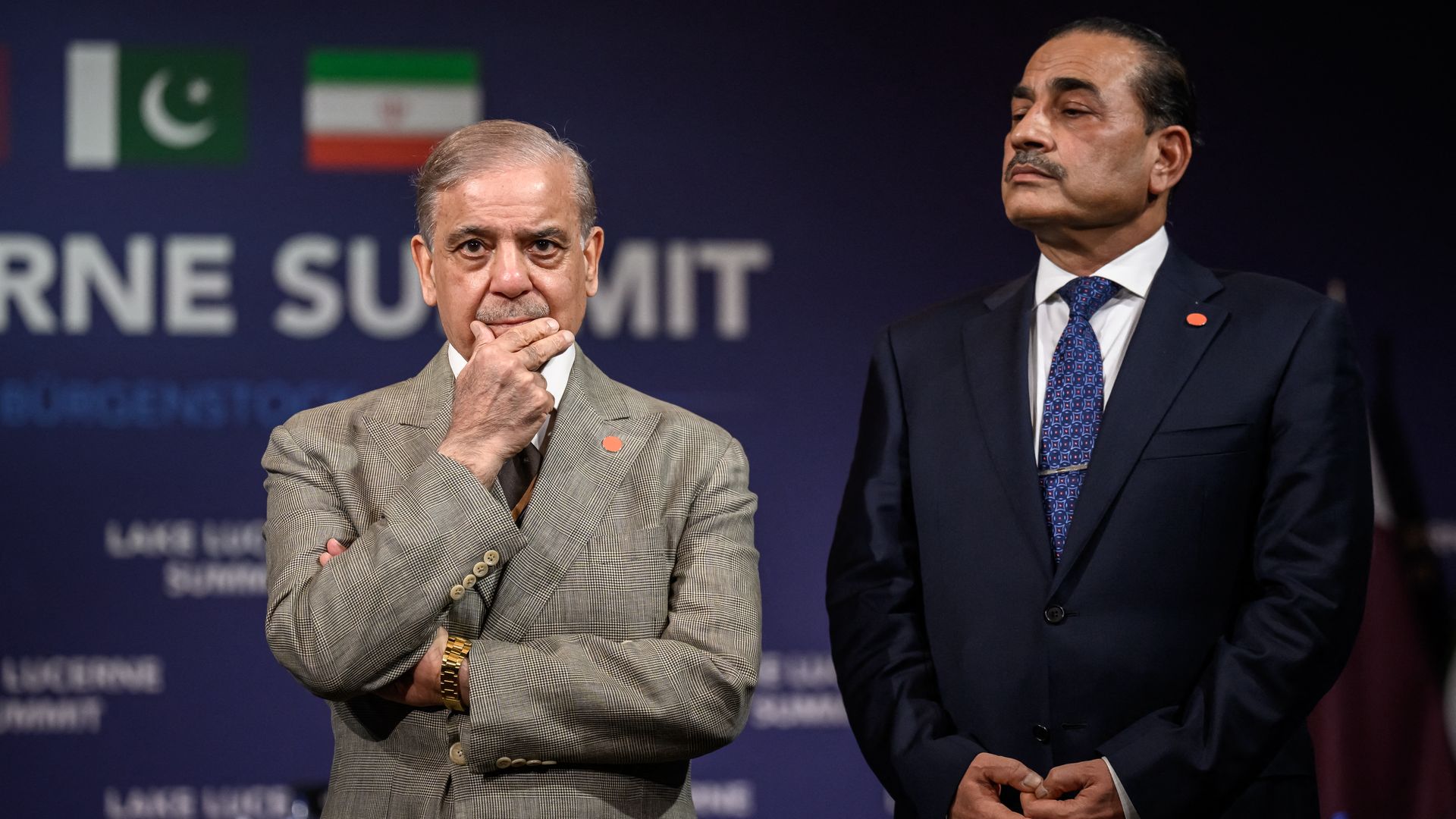
Qatar, Pakistan and other regional mediators are trying to de-escalate tensions between the U.S. and Iran and revive negotiations on a nuclear deal, according to two sources from the mediating countries and a U.S. official.
Why it matters: While President Trump announced on Wednesday that the U.S.-Iran memorandum of understanding (MOU) and the ceasefire were "over" and ordered two rounds of airstrikes, he is focused on reopening the Strait of Hormuz and still wants to avoid a return to an all-out war with Iran.
A parade of prominent conservative figures are descending on a Utah courthouse this week to attend the preliminary hearing for the man accused of murdering Turning Point USA founder Charlie Kirk.
Why it matters: The show of support in Provo underscores that, nearly a year after his assassination, Kirk remains a unifying figure across the Republican Party and the MAGA movement.