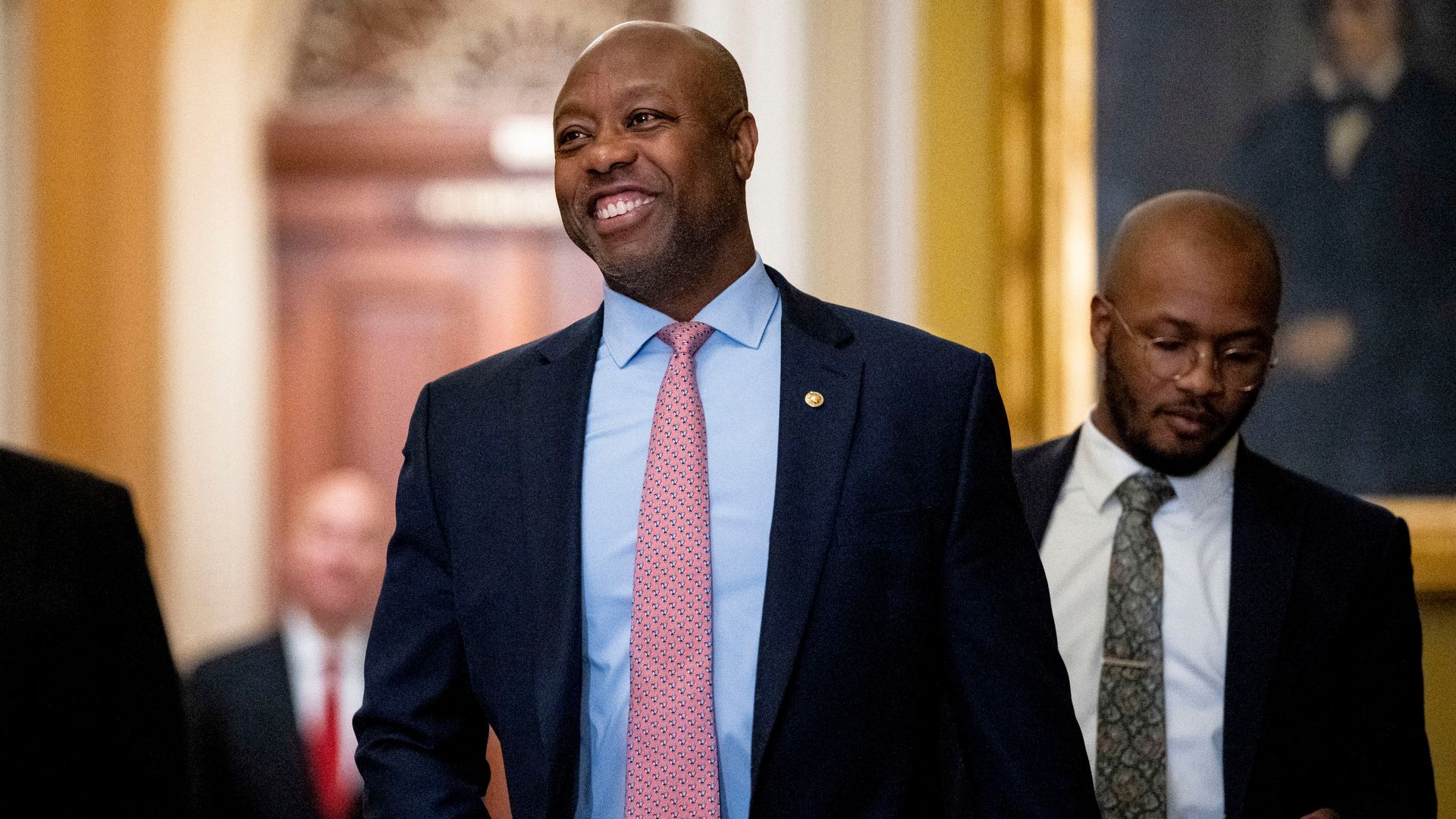
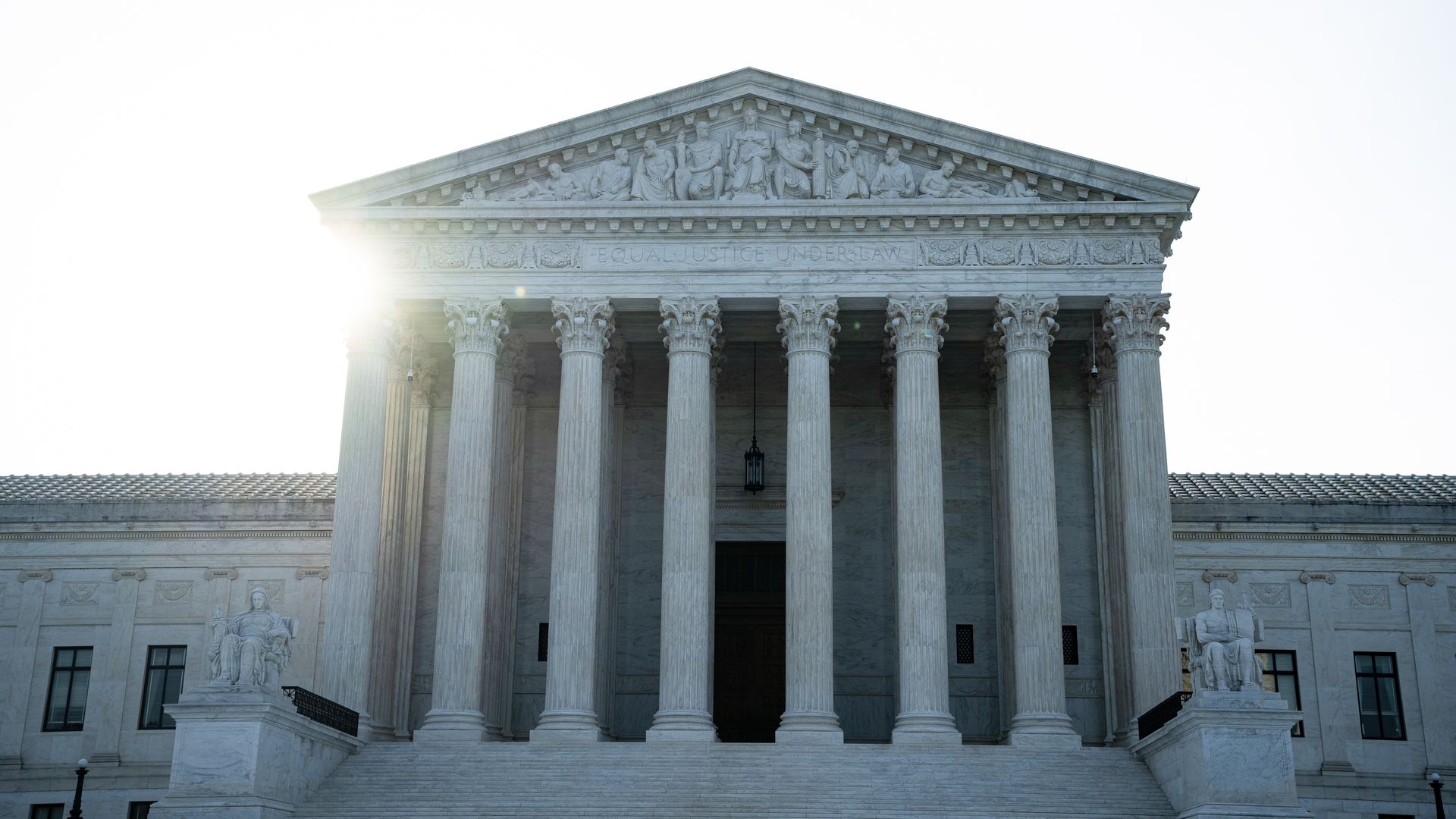
The Senate GOP campaign arm won a major Supreme Court boost in the party's bid to hold congressional majorities on Tuesday.
Why it matters: Republicans' reliance on mega-donors and their cash-flush committees positions them to benefit more than Democrats from the ruling, which allows committees to spend unlimited sums in coordination with candidates as they face electoral headwinds in November.
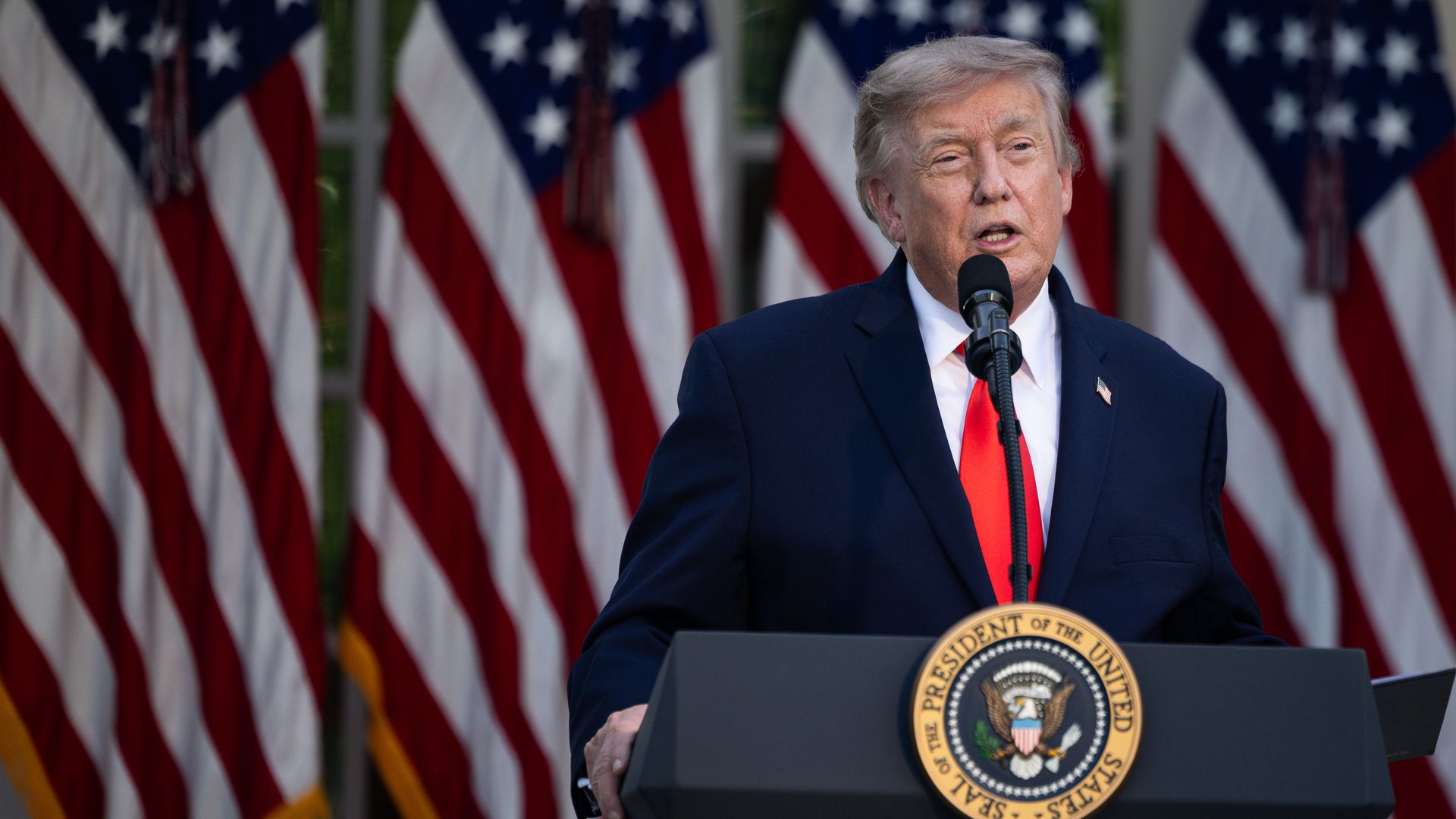
President Trump said Tuesday that Republicans would hold a midterm convention for "the first time ever" in September in Dallas.
Why it matters: National party conventions are typically held only during presidential election years, making a midterm gathering an unusual effort to rally supporters and shape the party's message ahead of the midterms.
Several dozen House Democrats voted with Republicans on Tuesday to quash a second attempt to restrict the U.S. from assisting Israeli military operations in Lebanon.
Why it matters: That's a significantly smaller group than voted against the measure earlier this month, with Democratic leadership supporting it this time.
It's been just over a year since Japan's Nippon Steel bought U.S. Steel, after agreeing to invest $11 billion into the Pittsburgh-based icon by the end of 2028.
Thus far, almost all of that money remains a promise.
More than a dozen House Republicans tanked a procedural vote for the must-pass defense bill — once again over the GOP's signature election bill, the SAVE Act.
Why it matters: The SAVE Act has become a recurring source of chaos for House Republicans, repeatedly derailing procedural votes and stalling unrelated legislation.
One big reason why D.C.'s July 4 fireworks show is being pushed later: President Trump is scheduled to give a 45-minute speech on a National Mall stage, a source involved in the planning tells Axios.
Why it matters: With temperatures expected to hit 102°F and inauguration-level security on the Mall, every delay ripples through the evening — keeping people in the heat longer, slowing trips home and pushing bedtimes.
The Supreme Court in its next term will hear challenges to local bans on the AR-15 rifle, one of the most popular firearms in the country.
Why it matters: The court previously rejected a case challenging Maryland's ban on the AR-15, but Tuesday's grant suggests the justices are interested in reviewing the restrictions in light of recent decisions expanding citizens' access to firearms.
Congressional conservatives were quick to call for legislation — and even a constitutional amendment — to end automatic citizenship for people born in the U.S. after Tuesday's Supreme Court decision.
Why it matters: The ruling pushes Republicans' fight against birthright citizenship from the courts to Congress, where they face nearly impossible odds.
House Democrats grappled privately Tuesday morning with a vote to pare back U.S. aid to Israel in what one senior lawmakers described as an "intense" meeting.
Why it matters: Many lawmakers are caught between substantive concerns about the measure and fear of intense backlash from their base if they oppose it.
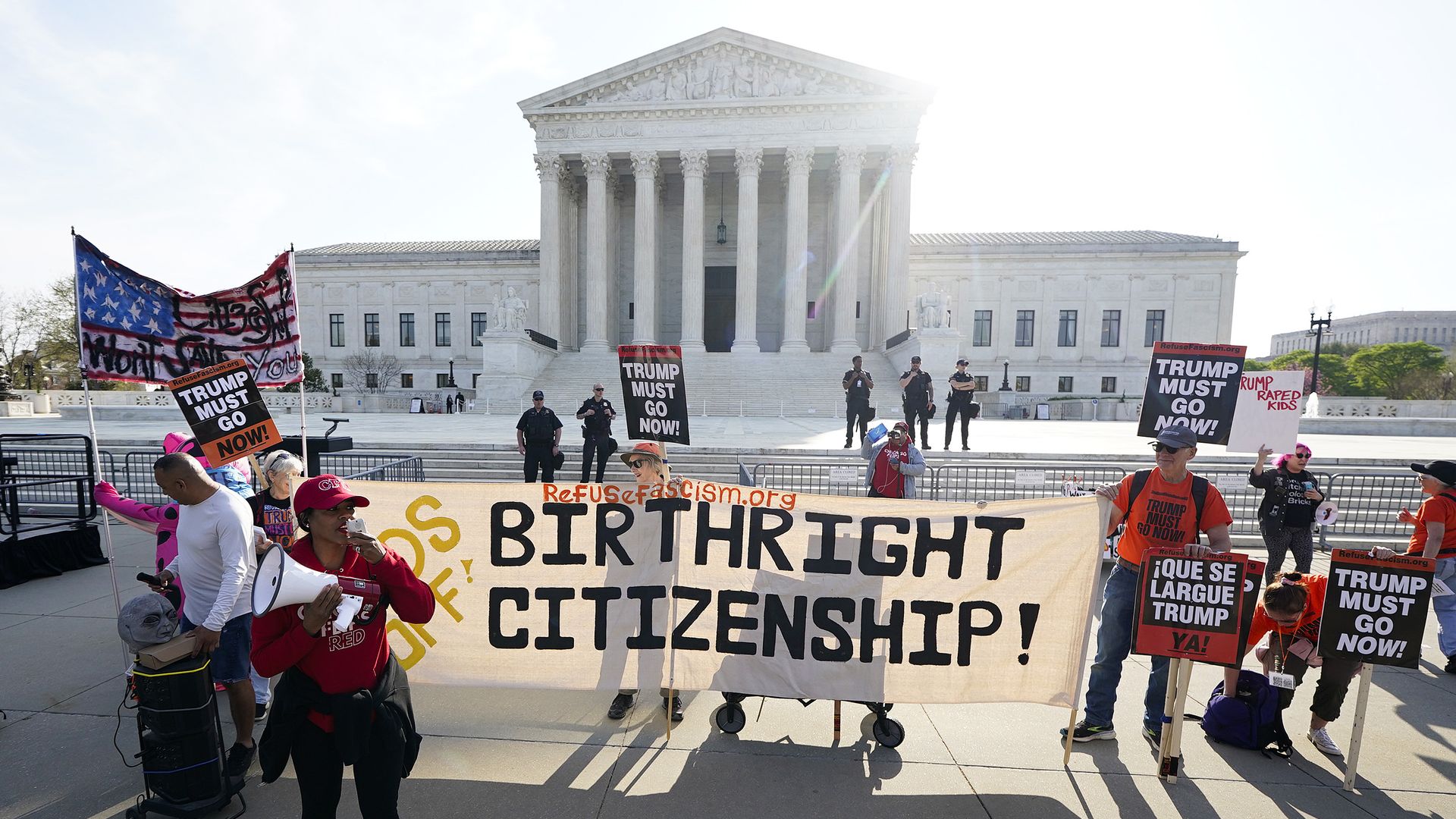
The Supreme Court struck down President Trump'sexecutive order restricting birthright citizenship on Tuesday, reaffirming the long-held belief that any person born on American soil is a citizen.
Why it matters: The decision is a blow to Trump, who sought to limit by executive fiat who is eligible for American citizenship as part of his widespread immigration crackdown.
Immigration advocates are celebrating the Supreme Court's decision to uphold birthright citizenship as a win for children, families and the Constitution.
But the decision was largely anticipated — and it's just one of a growing wave of worries over policies involving citizenship and immigration.
The big picture: Legal disputes remain over the Trump administration's speedy deportation campaign, a ramped-up effort to revoke citizenship and recent Supreme Court decisions that undercut immigration protections.
On the surface, Monday's Supreme Court ruling that keeps Lisa Cook in place as a Federal Reserve governor for now was a win for believers that the central bank works best when insulated from the day-to-day control of the president. The details aren't so clear.
The big picture: The court punted on several key questions that will determine how much ability President Trump and his successors have to fire Fed governors.
Moreover, the decision was closer than many court watchers anticipated, with four of six conservative justices dissenting.
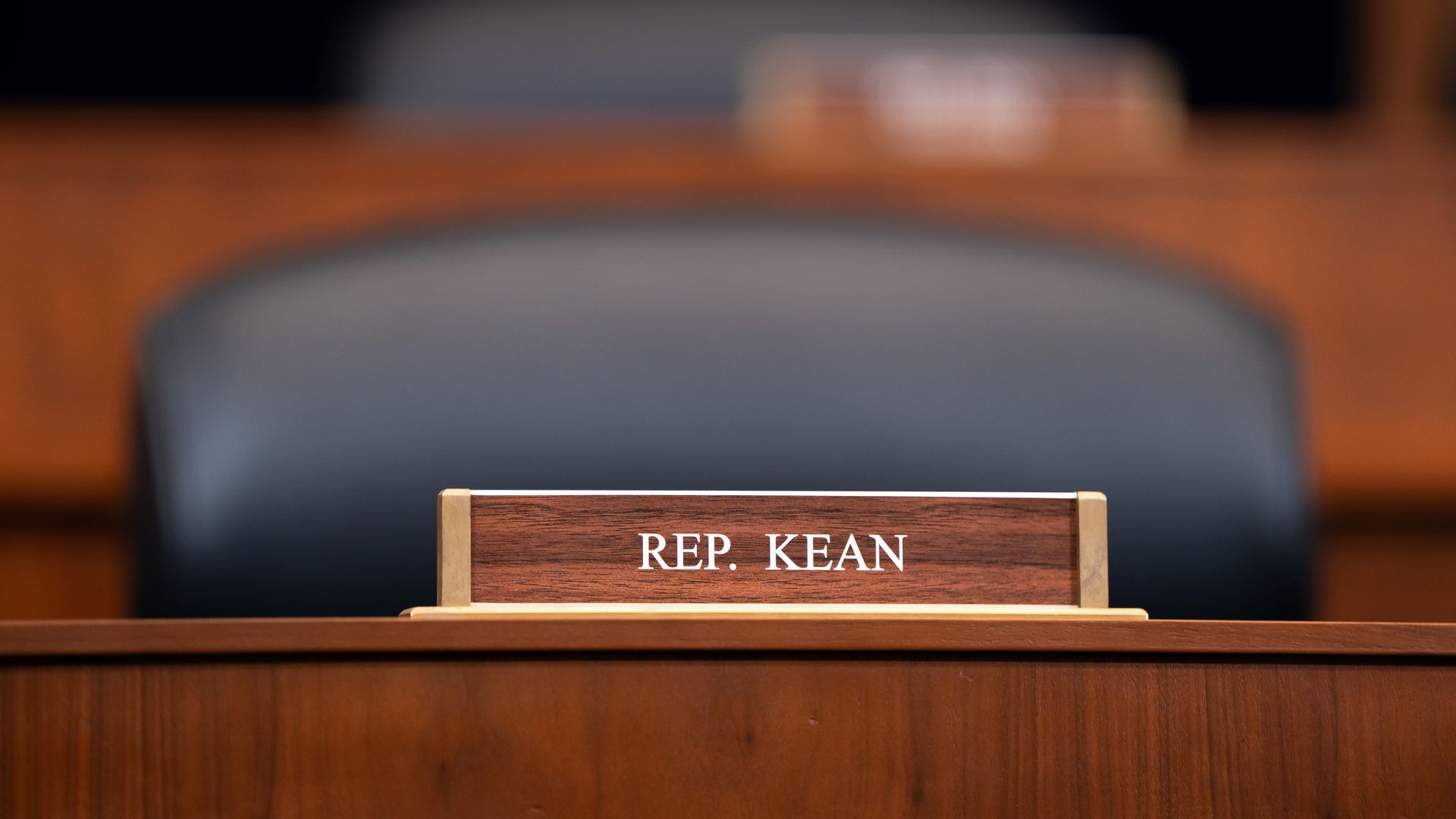
Rep. Tom Kean (R-N.J.) on Tuesday said he missed nearly four months of House votes because of "a diagnosis of depression," ending speculation over an absence that became one of the longest by a sitting member of Congress.
Why it matters: Kean's disappearance from Congress left New Jersey's 7th District without a voting representative for more than 100 days.
The Supreme Court on Tuesdaystruck down federal limits on how much political parties may spend in coordination with candidates, handing party committees a major win and reshaping campaign-finance rules ahead of the midterms.
Why it matters: Freed from the caps, party committees can now spend without limit alongside their candidates — making them a far more powerful magnet for the big-dollar money that's flooded into super PACs over the past 15 years.
The Supreme Court ruled Tuesday that states can ban transgender girls from girls' school sports teams, handing conservative states a historic victory in their fight to restrict trans rights.
Why it matters: The decision caps a yearslong, Republican-led push through statehouses and school boards to define girls' sports by sex assigned at birth.
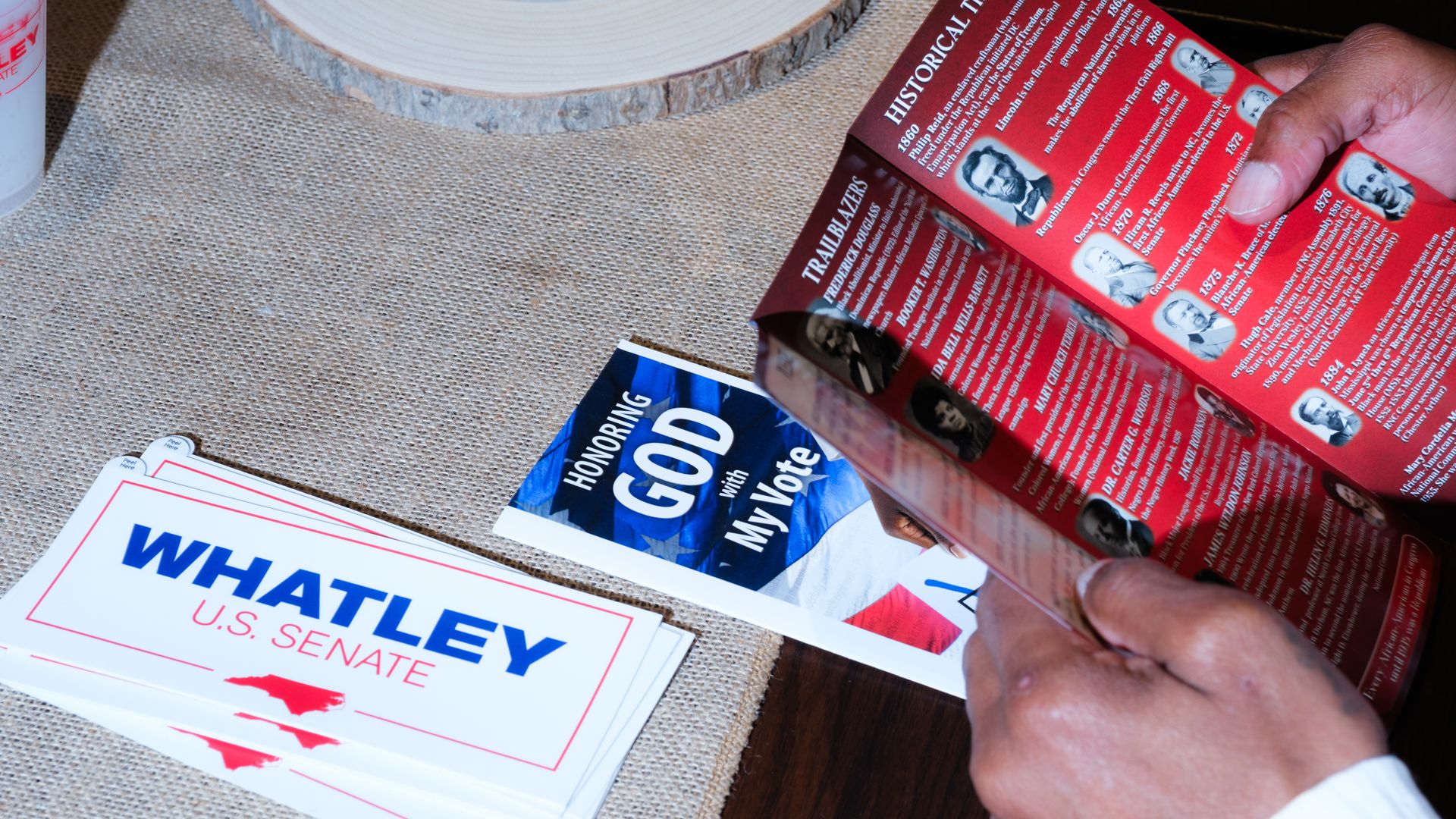
70 years after the Red Scare and 35 years after the fall of the Soviet Union, President Trump and Republicans are trying to re-introduce a national fear of "godless communists" ahead of the critical midterms.
Why it matters: A wave of resounding victories by Democratic Socialists has the GOP trotting out a message that last worked when most of those candidates weren't even born.
The Supreme Court this term gave President Trump powers over the federal government that no modern president has held. But it blocked his administration on two of the biggest issues for markets: the Fed and tariffs.
Why it matters: Its rulings hand the president firmer command of the federal bureaucracy, signaling to businesses that regulatory policy will be less stable — and more political — with every election.
But the cases preserve limits around the Fed and emergency tariff powers, where investors feared political interference could unsettle markets.
A slew of Trump health nominees are awaiting Senate confirmation hearings — and most have to go through a committee chaired by a senator who recently clashed with President Trump.
Why it matters: While the administration tries to staff up some health agencies after last year's DOGE cuts, top leadership roles remain unfilled.
As he tries to hammer out a peace deal with Iran, President Trump has a dovish adviser in Vice President Vance perched on one figurative shoulder — and a hawkish Secretary of State Marco Rubio on the other.
Why it matters: The success of the talks — and therefore the health of global oil markets — greatly depends on how well Trump deploys each man to balance competing interests in Iran, Israel and Lebanon.