A group of congressional Republicans is urging the U.S. International Trade Commission to enforce U.S. patent rights in a case involving Taiwan Semiconductor Manufacturing Co., according to a letter exclusively obtained by Axios.
Why it matters: This escalates a fight over whether the world's largest chip manufacturer, TSMC, should receive special consideration because of its role in providing the U.S. the chips necessary to stay ahead in the global AI race.
A federal commission moved Wednesday to formalize rules allowing prediction markets to offer the equivalent of sports betting nationwide — with some specific types of trades disallowed.
Why it matters: Prediction markets like Kalshi and Polymarket have been surging in popularity, allowing users to risk money on sports, politics, news, financial markets and entertainment.
President Trump's top aides so feared leaks about their handling of the Jeffrey Epstein files that they held multiple damage-control meetings in the classified confines of the Situation Room, Maggie Haberman and Jonathan Swan write in "Regime Change," their hotly awaited book about Trump's second term.
In a New York Times Magazine excerpt,posted today ahead of the book's publication on June 23, the two Times reporters describe in cinematic detail how top Trump officials, including Vice President JD Vance and Chief of Staff Susie Wiles, gathered in the Situation Room last summer to debate how to manage the growing scandal.
The White House is now abuzz over the leak about leak control.
OpenAI has banned China-linked accounts that used ChatGPT to draft social media influence campaigns targeting U.S. debates over tariffs and AI data centers, the company said Wednesday.
Why it matters: The campaigns don't appear to have been effective, but they show how pro-China actors are testing AI tools to amplify existing political and economic divisions in the U.S.
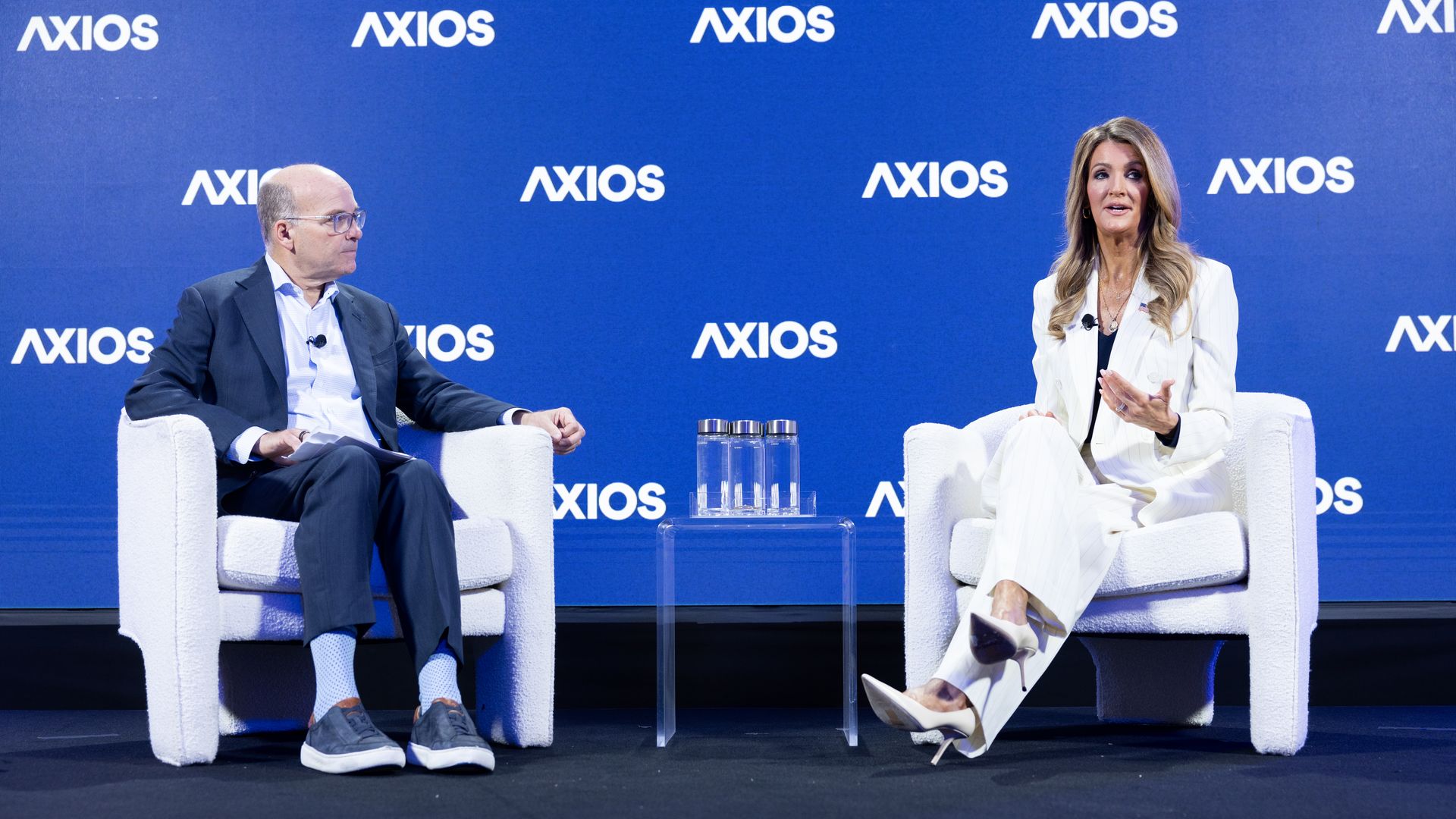
WASHINGTON, D.C. — Officials from federal agencies and local governments at a June 9 Axios Live event said public-sector organizations should embrace nimbleness.
Why it matters: The rise of artificial intelligence and shifting economic conditions are putting pressure on leaders to innovate and support their workforces and communities.
The summit was sponsored by Anthropic.
What they're saying:
10 years is "too slow" to build "our first AI supercomputer for science," U.S. Department of Energy undersecretary for science Dario Gil said.
"We are growing at a rate less than inflation, so that necessitates different thinking," Washington, D.C. Mayor Muriel Bowser said.
"I'm trying to introduce … measured risk" in decision-making, U.S. Office of Personnel Management director Scott Kupor said. "Let's at least have the conversation about, OK, what's the downside that might happen here?"
Threat level: Winning "the AI arms race" is crucial, U.S. Small Business Administration head Kelly Loeffler said.
"If China wins, this is going to be really problematic for the entire country."
Yes, but: Some communities risk being left behind, said Rep. Adriano Espaillat (D-N.Y.).
Advancement must be "democratized" and reach "every neighborhood, senior centers, after-school programs, churches [and] small businesses," he added.
The bottom line: "The most important thing … is to move with the speed that is commensurate with the technological revolution that is unfolding," Gil said.
Content from the sponsor's segment:
Anthropic is "an organization with a very clear mission, and that is to help humanity get through the AI transition as safely as we possibly can so that we can get to the benefits," said its head of North American government affairs, Brian Peters.
The Trump administration and Congress should be focused on "urgency" and "oversight" when it comes to AI, Peters added.
Inflationhit the highest rate in over three years in May, as the economic fallout from the Iran conflict ripples through the U.S. economy.
Why it matters: Inflationary pressures tied to the war keep building, squeezing household budgets and raising the risk that interest rates stay higher for longer.
With the Iran war now over 100 days old, here's the latest rolling snapshot of how it's driving changes in energy markets.
The big picture: Global oil use is going down (in the short term), UN climate officials are using the crisis to push for clean energy, and coal is getting more use in the Asia-Pacific region.
Harbinger is ready to produce thousands of unmanned hybrid-electric vehicles a year for national-security customers, chief executive John Harris told Axios.
The news follows the rollout of Harbinger Praesidia, the business' dedicated defense division.
Why it matters: The vehicles are autonomy-ready, easily exportable and can be configured for a wide range of missions, including resupply, communications, troop transport, patrol and counter-drone, according to specs shared with Axios.
Skyler Shuford, a Hermeus co-founder, has a new startup, Reaxiomatic. He's keeping much of it out of the public eye.
The big picture: Reaxiomatic is dedicated to aerospace and defense, Shuford confirmed in an interview. It could easily be associated with the growing American reindustrialization and supply-chain-awareness crowds.
"At Hermeus, we built an organization that can design, build and fly brand-new jets from scratch in about a year, which is about eight times faster than any near-peers. A similar playbook can, and must, be applied to other critical defense systems," Shuford told Axios.
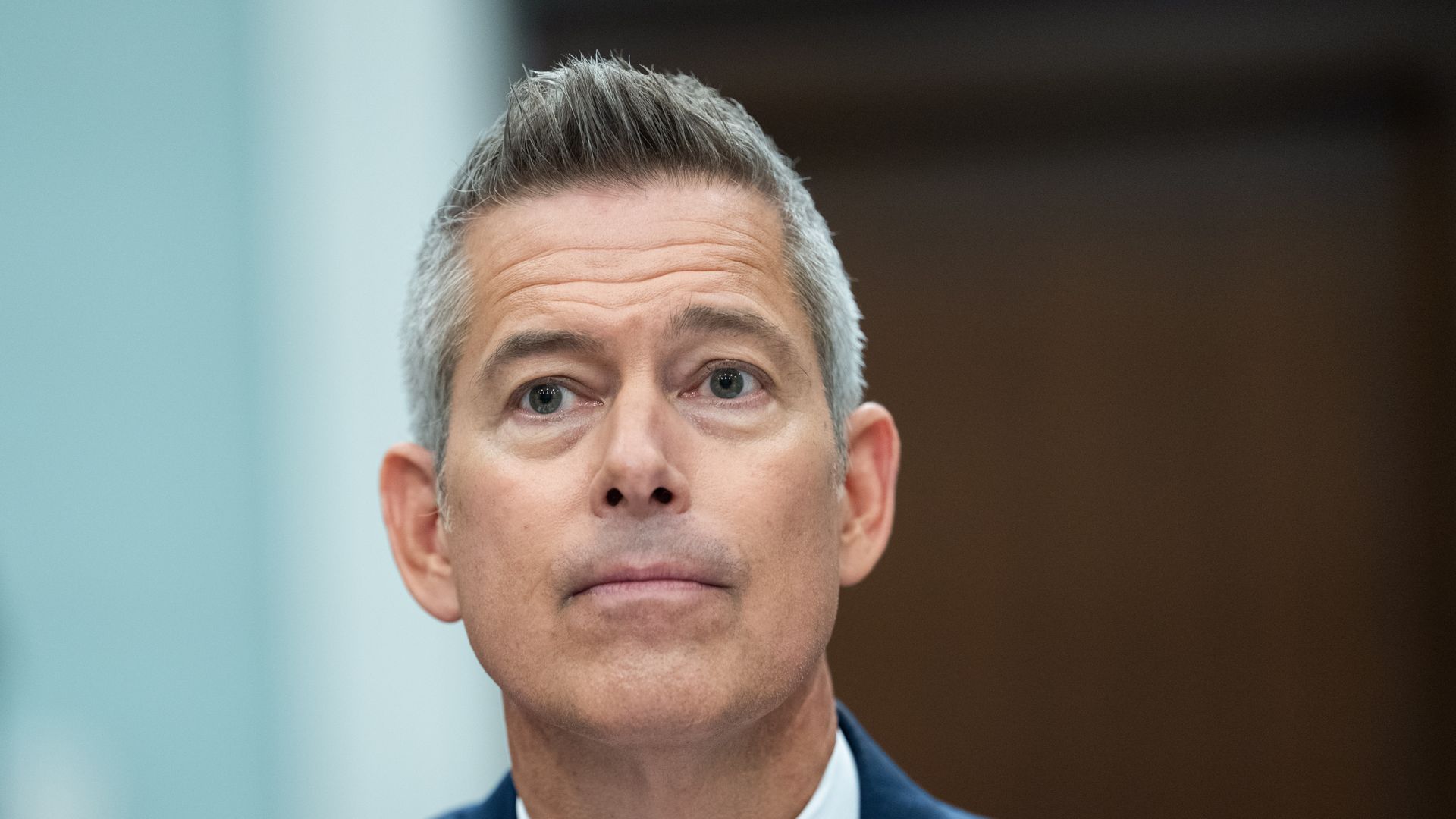
Transportation Secretary Sean Duffy is going all-out to get his 26-year-old son-in-law elected to a Wisconsin House seat, infuriating Republicans in the district who say he's abusing his office and access to President Trump.
Driving the news: The campaign of first-time candidate Michael Alfonso has Duffy's fingerprints all over it — from Trump's endorsement of him at Duffy's urging, to tens of thousands of dollars in campaign money from transportation interests that the secretary holds sway over.
The last Supreme Court decisions of the term include major tests of presidential power and election law that could have lasting implications on voting and governance.
The big picture: After blessing a wave of partisan gerrymandering, the justices have yet to weigh in on election disputes over campaign financing and mail-in ballots just months before voters head to the polls to elect a new Congress.
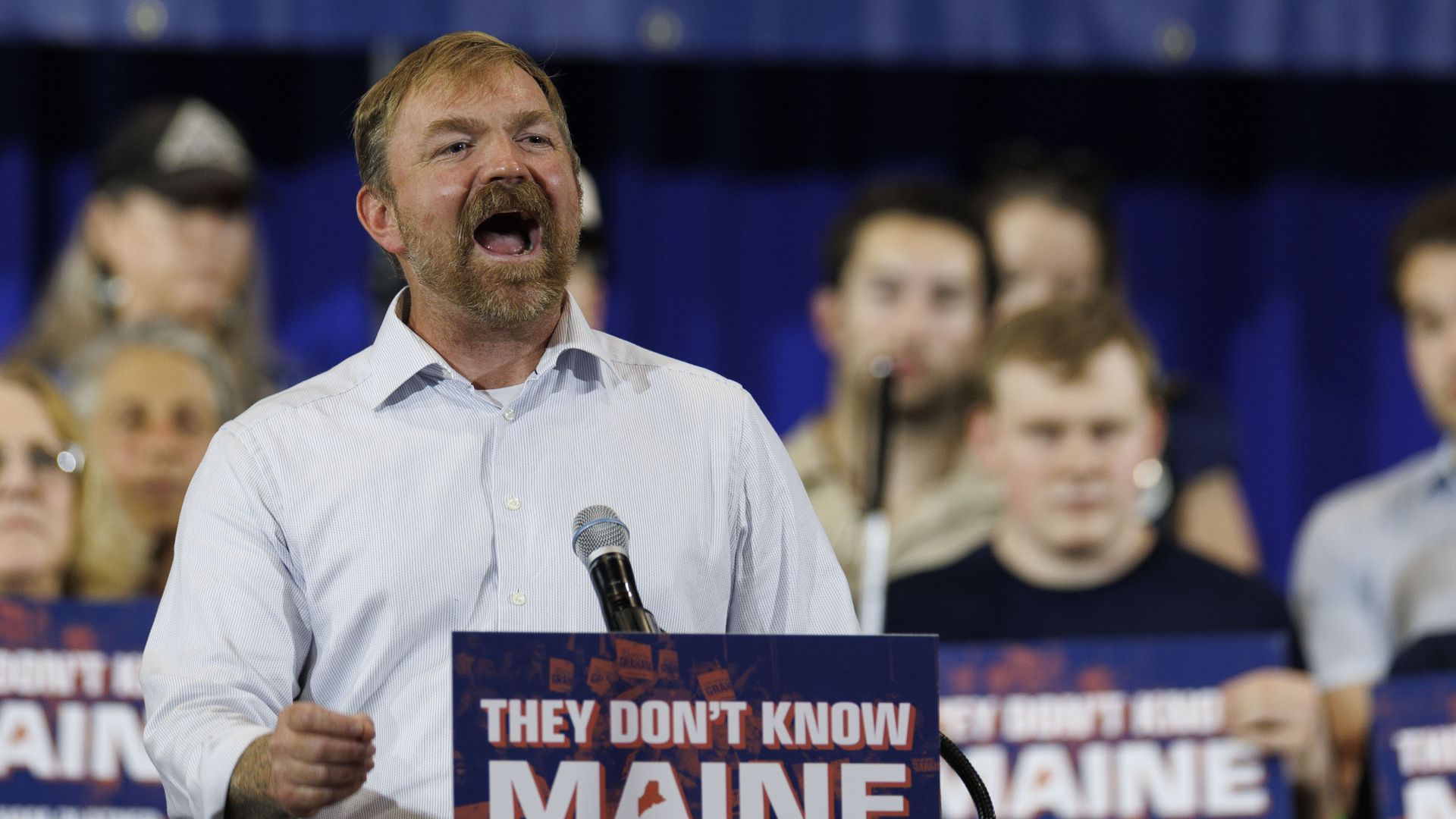
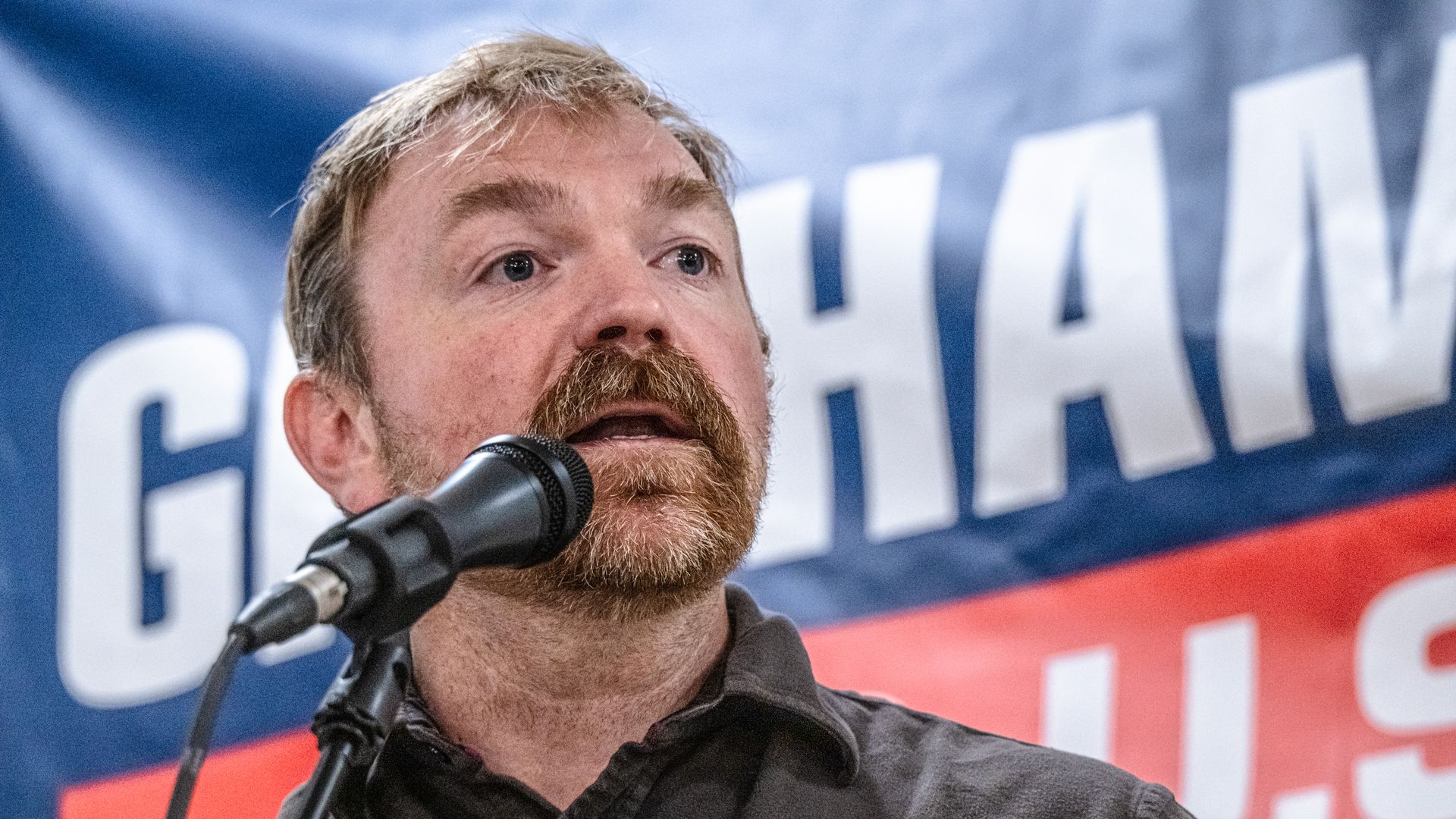
Maine Democrats handed progressive firebrand Graham Platner an easy win in Tuesday's Senate primary, looking past his personal scandals in hopes he can oust five-term GOP Sen. Susan Collins in November.
Why it matters: Tuesday's results set up what's sure to be a nasty, expensive battle for a seat that will go a long way toward determining control of the Senate. They also illustrated the huge contrasts now animating the political parties:
Graham Platner, a scandal-plagued Marine combat veteran, won Maine's Democratic Senate primary Tuesday in a race that's seen as the party's best Senate pickup opportunity in November.
Why it matters: Many Democratic strategists and elected officials worry that Platner has too much baggage to defeat Sen. Susan Collins (R-Maine) — and that his candidacy will doom the party's chances of retaking the Senate in the 2026 midterms.