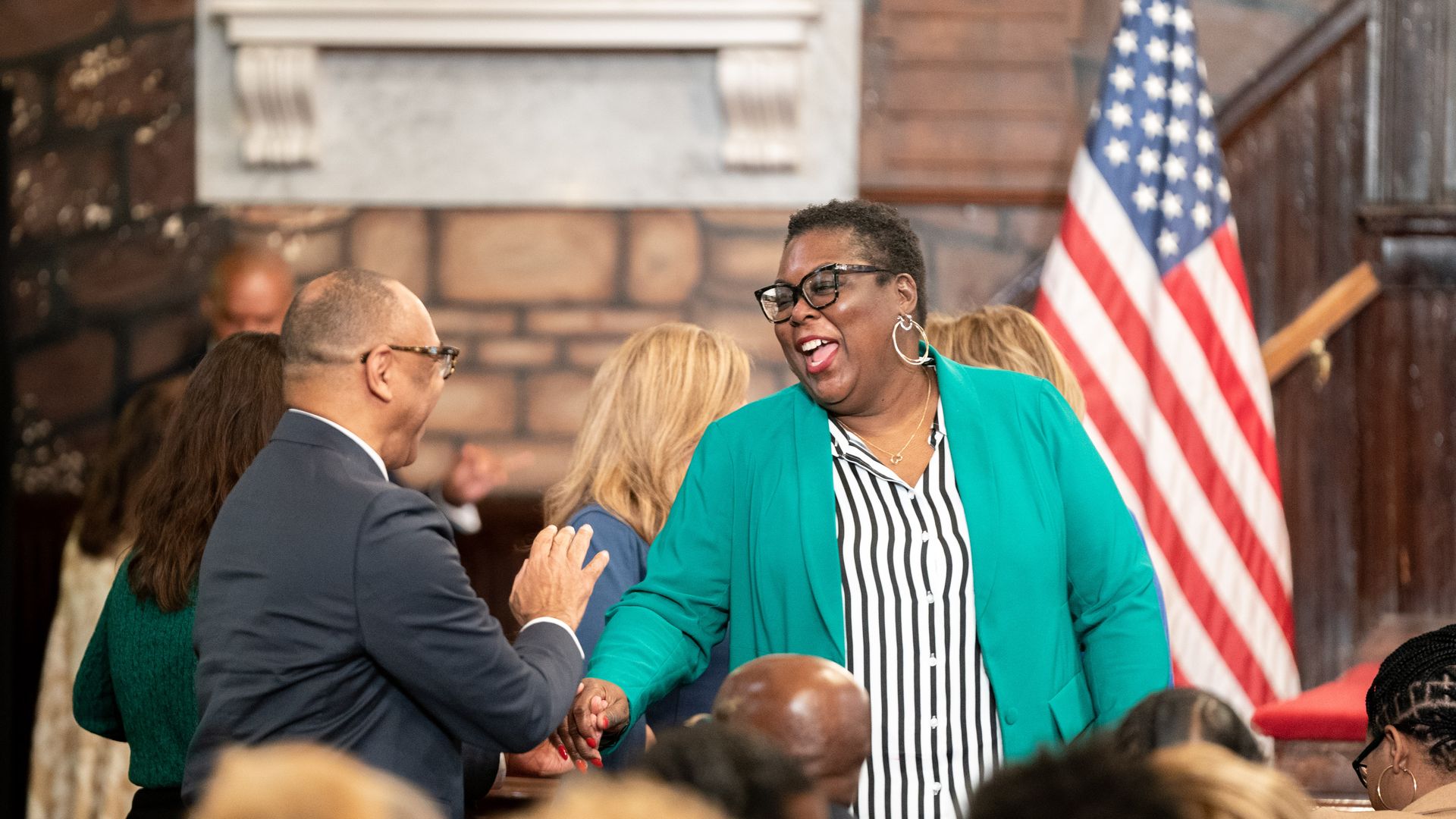
Top South Carolina Democrats are courting social media influencers for help in persuading national party officials to pick the state to hold the nation's first presidential primary in 2028, Axios has learned.
Driving the news: South Carolina will host a "creator" briefing alongside the national party's meeting in Los Angeles this week — a reflection of the growing importance of Democrat-friendly influencers as the party seeks to recapture young voters from the GOP.
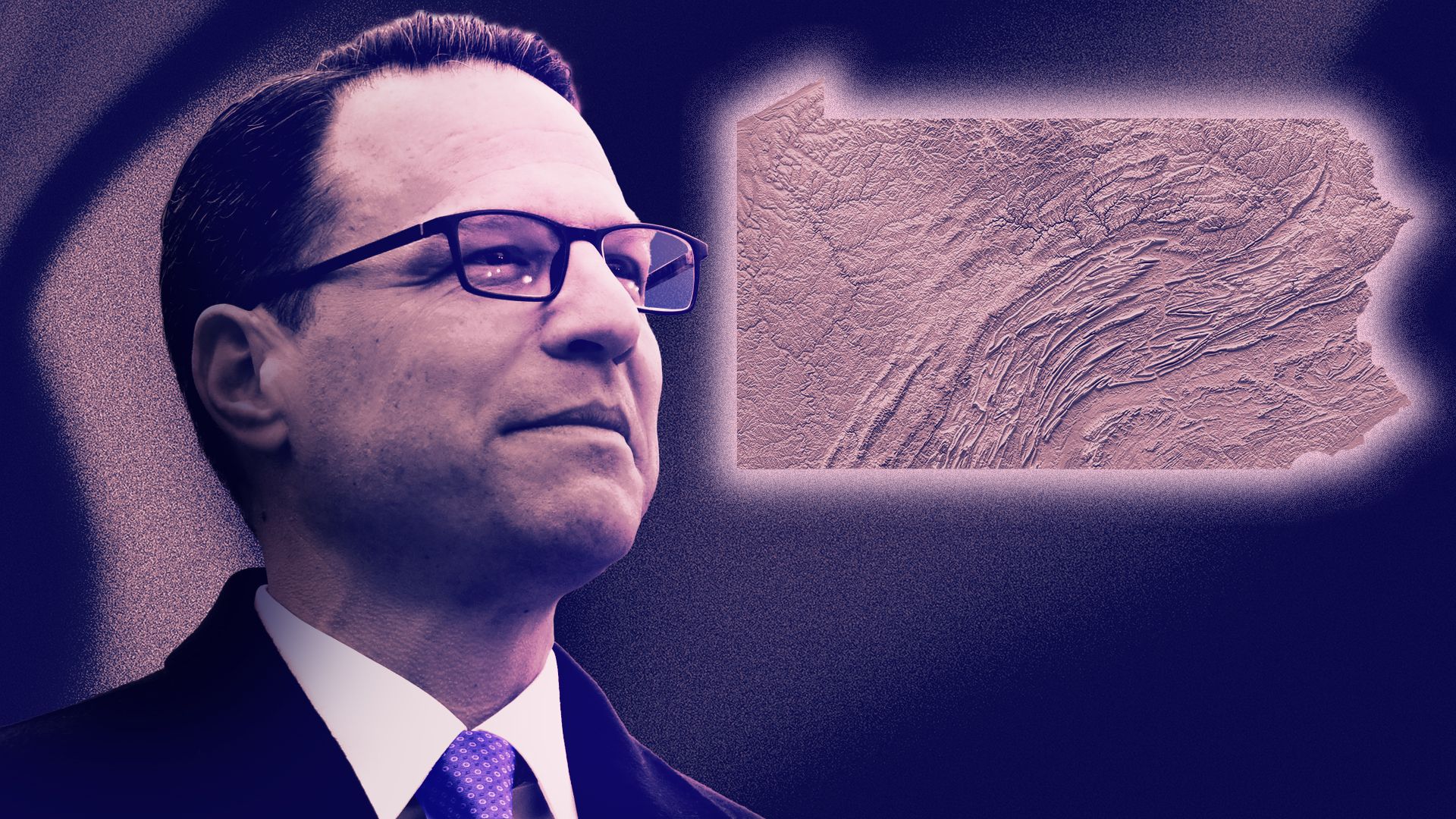
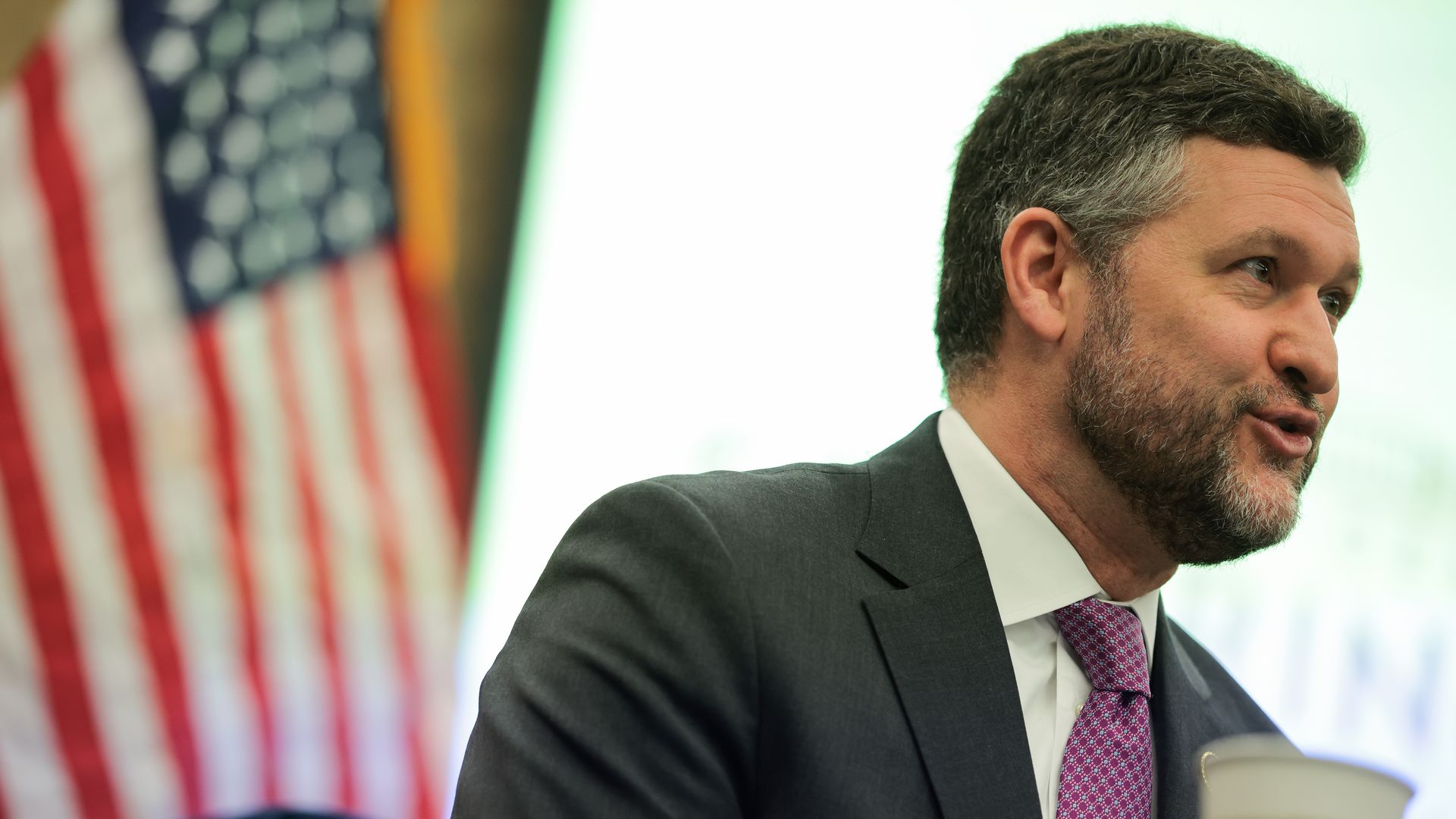
Pennsylvania Gov. Josh Shapiro has a plan that could give him an edge in the 2028 presidential primary: Engineer a blowout for his state's Democrats in next year's midterms to prove he can turn the electoral college's biggest battleground blue again.
Why it matters: Shapiro has quietly and methodically tightened his grip on Pennsylvania's Democratic machine in recent months — recruiting key congressional candidates, clearing the field for them and remaking the state party.
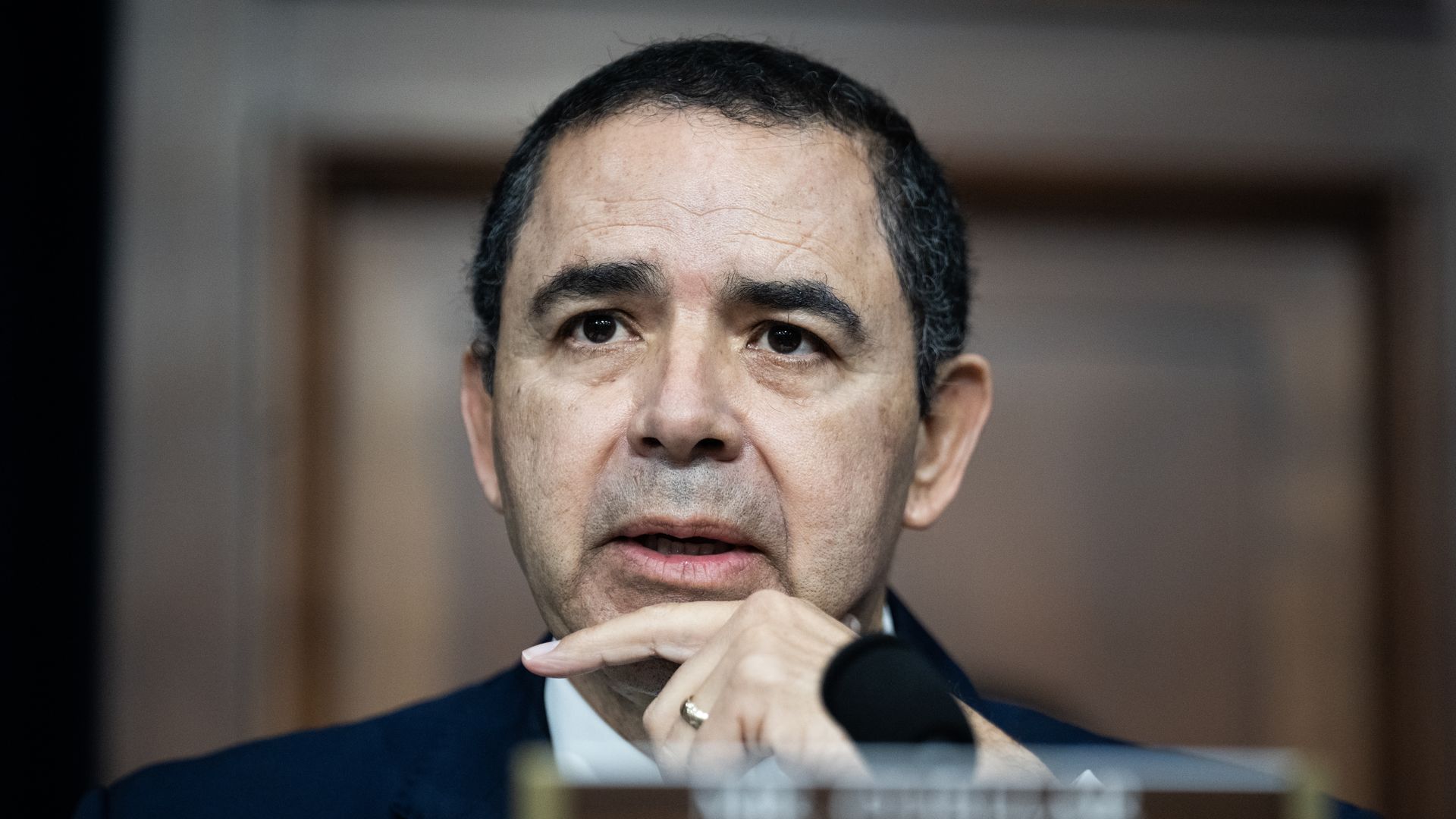
President Trump blasted Rep. Henry Cuellar on Sunday for "a lack of LOYALTY" days after he pardoned the Texas Democrat in a shock move last week.
The big picture: Trump signaled he expects loyalty in return for his pardons and that he's willing to threaten "no more Mr. Nice guy" if he doesn't get it.
President Trump this week "signed off on what we're calling the Golden Fleet," Navy Secretary John Phelan told Axios on Saturday.
Why it matters: Exactly what the Golden Fleet comprises — or how it begins taking shape, let alone gets built — has been the subject of much expert speculation and opinion-page banter.
President Trump, facing mounting pressure over inflation at the grocery store, ordered a sweeping investigation into food price-fixing that especially targets foreign companies.
Why it matters: The order highlights a key tension of his domestic policy. It has proven difficult to have cheap food without cheap foreign labor, imports and capital.
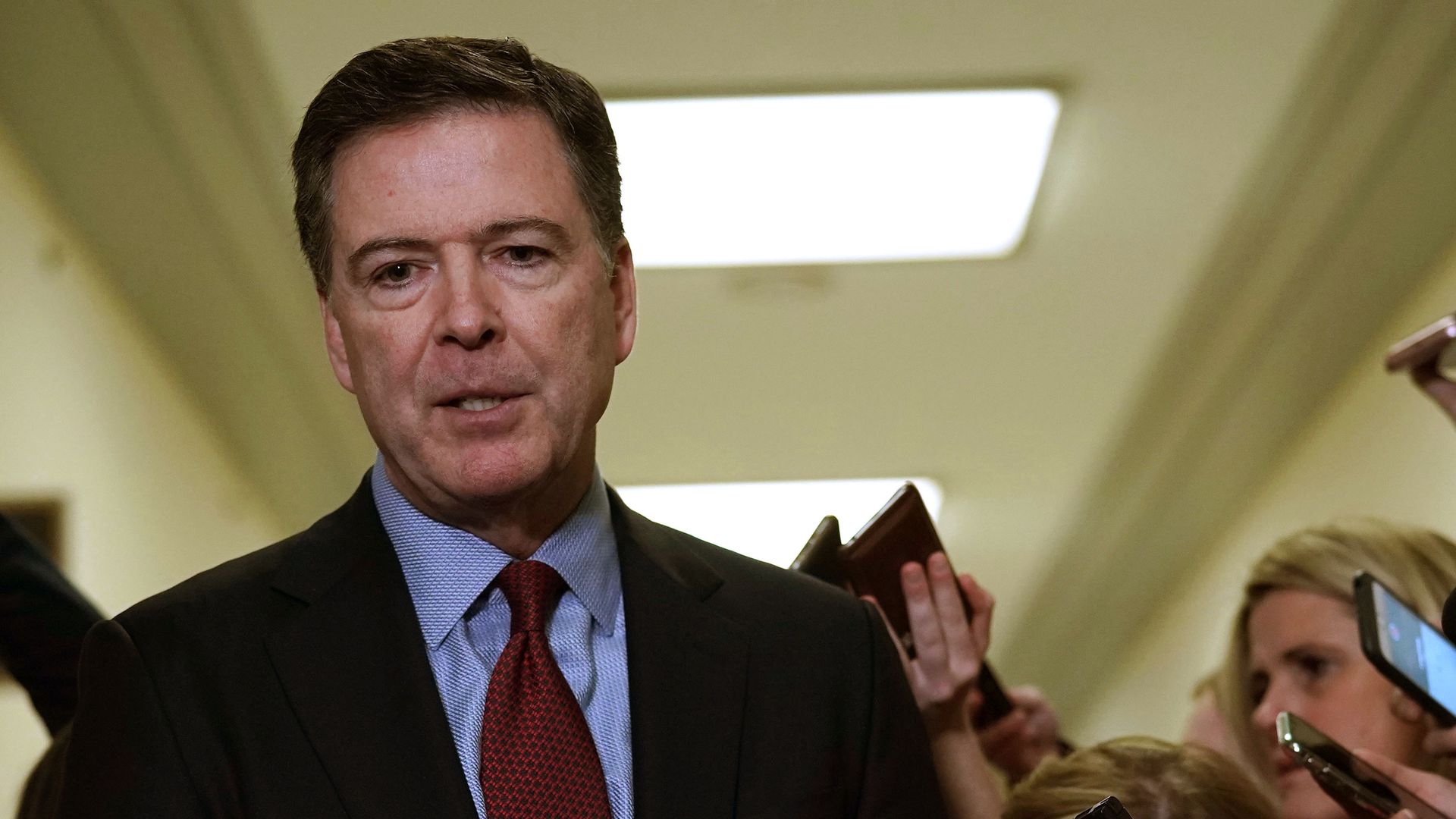
A federal judge further scrambled the Justice Department's effort to resurrect its case against ex-FBI director James Comey, finding prosecutors likely violated Comey's former lawyer's constitutional rights by using his emails and computer files seized years ago.
Why it matters: The Justice Department's path to re-prosecute Comey, after another judge tossed his indictment late last month, appears increasingly complicated, as the department continues to run into legal challenges to its rushed prosecution.
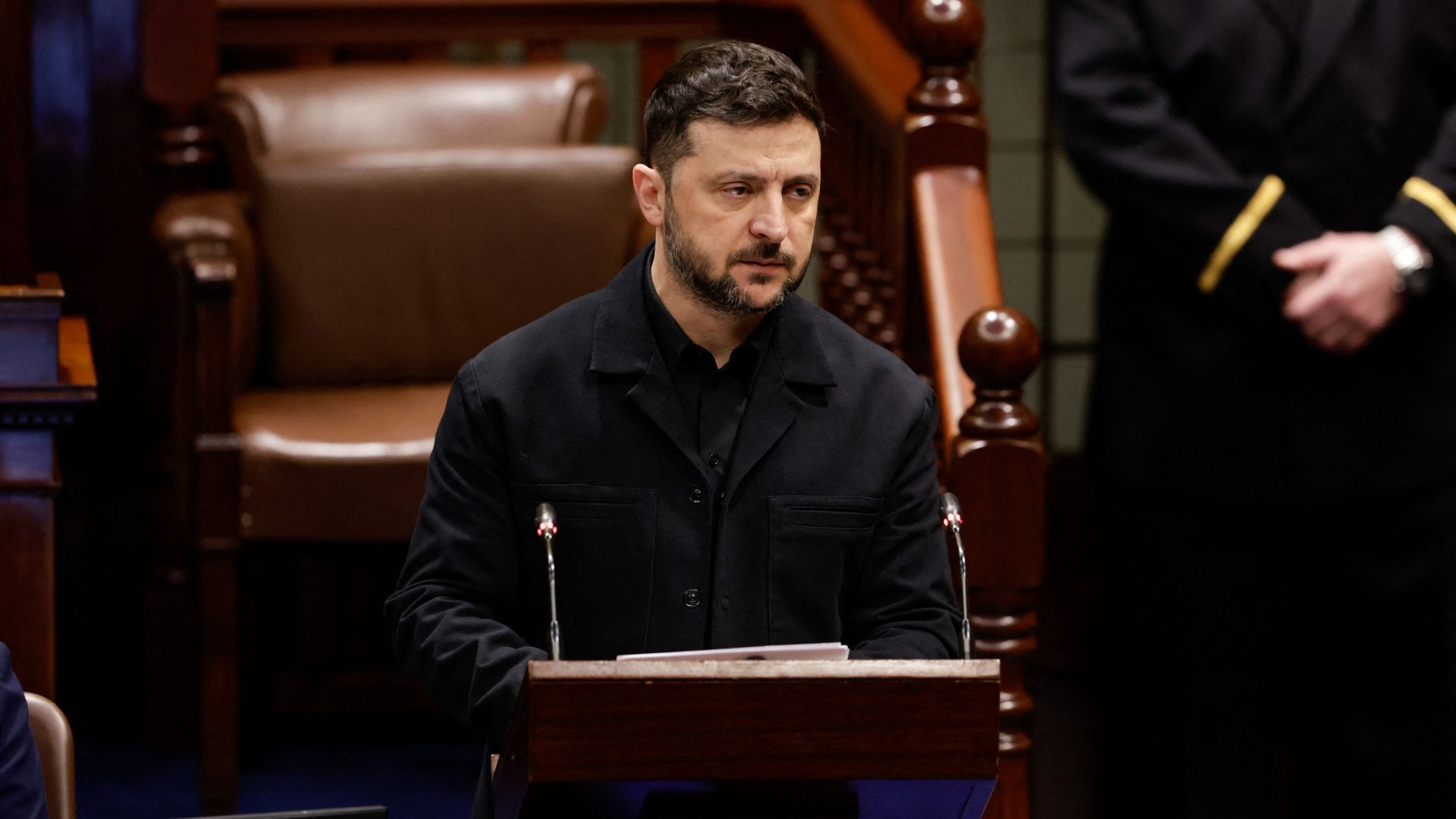
Ukrainian President Volodymyr Zelensky held a two-hour call Saturday with Trump advisers Steve Witkoff and Jared Kushner, discussing territory and security guarantees, two sources with knowledge of the call told Axios.
Why it matters: The call capped three days of marathon negotiations between senior U.S. and Ukrainian officials in Miami over President Trump's proposed peace plan.
President Trump's Cabinet applauded him this week after he described Somali immigrants as "garbage" who "contribute nothing."
The president unapologetically condemned an entire community on the basis of ethnicity — with no fear of political backlash.
Why it matters: Guardrails against racist, xenophobic or dehumanizing rhetoric have all but vanished on the American right. What was once disqualifying — or the exclusive domain of online trolls — is now a fixture of national political discourse.
Mayors and local officials aren't just criticizing ICE raids in their cities: They're making life harder for federal law enforcement, while being careful not to go over the line.
Why it matters: The law forbids local leaders from impeding or interfering with federal officers. But cities are finding ways to push back on unwanted immigration enforcement by the Trump administration.
Democrats on the House Armed Services Committee are pressing Secretary of Defense Pete Hegseth to release video of U.S. military strikes on an alleged Venezuelan drug boat that have inflamed tensions on Capitol Hill.
Why it matters: The lawmakers are seizing on to President Trump's own comments this week that he would have "no problem" releasing the footage to the public.
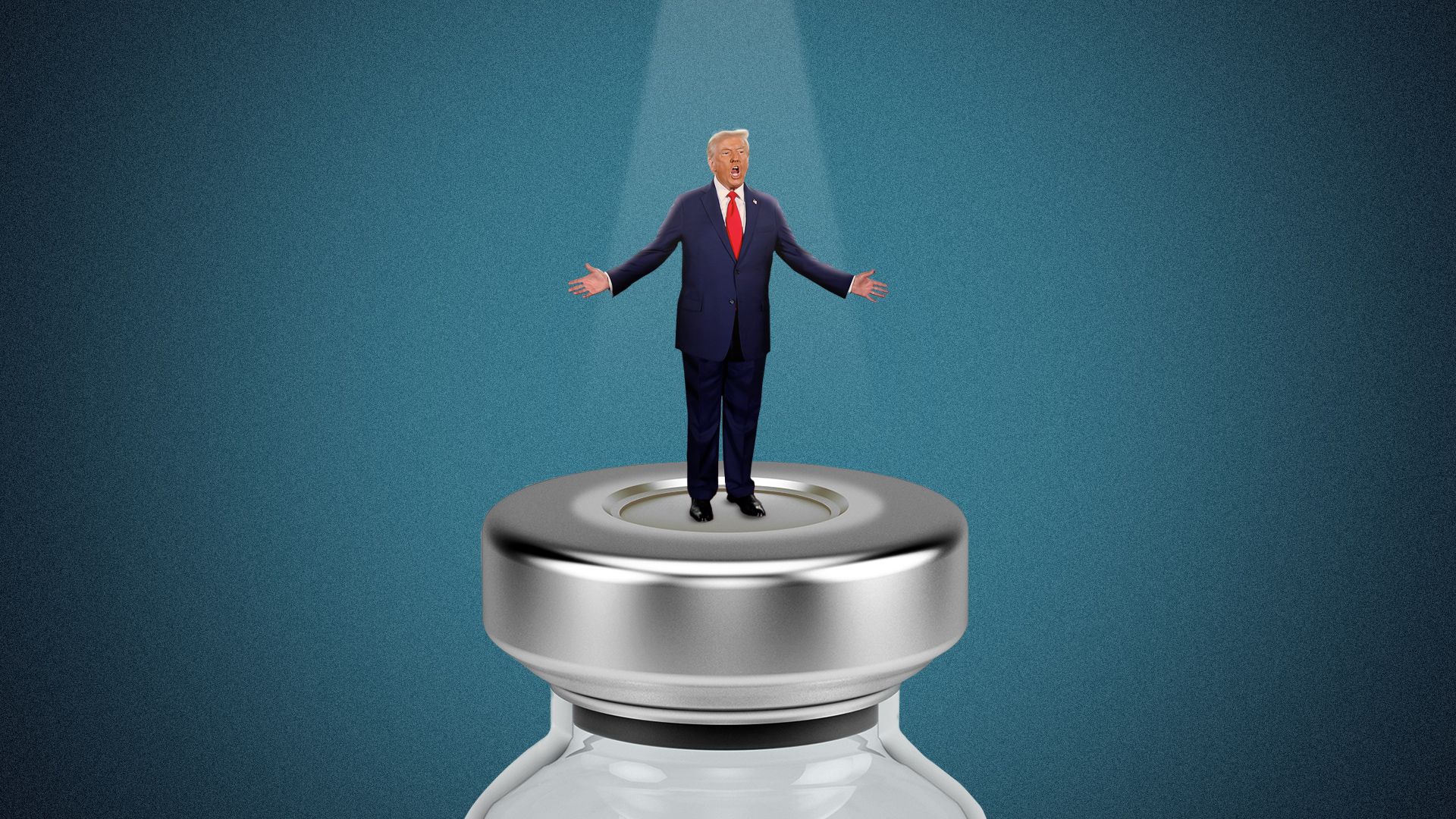
President Trump ordered his top health officials Friday night to review all U.S. childhood vaccination recommendations and align them with the "best practices" from other developed countries.
Why it matters: It's a vote of confidence in Health Secretary Robert F. Kennedy Jr.'s handpicked advisory panel on vaccines, which voted earlier Friday to to drop the decades-old federal recommendation that all infants receive the hepatitis B vaccine at birth.
The Centers for Disease Control panel "made a very good decision to END their Hepatitis B Vaccine Recommendation for babies, the vast majority of whom are at NO RISK of Hepatitis B," Trump wrote in a Truth Social post.
The big picture: Kennedy and his allies have gained the power to pursue sweeping changes in U.S. vaccine policies, driven by their embrace of discredited theories about vaccines' link to autism and other diseases.
What's inside: Trump's memorandum orders Kennedy and the CDC director to "review best practices from peer, developed countries for core childhood vaccination recommendations — vaccines recommended for all children — and the scientific evidence that informs those best practices."
If they determine that other countries' practices are better, Trump ordered them to "update the United States core childhood vaccine schedule to align with such scientific evidence and best practices from peer, developed countries while preserving access to vaccines currently available to Americans."
Kennedy responded in an X post: "Thank you, Mr. President. We're on it."
Between the lines: Trump's order suggests he's not trying to distance himself from Kennedy's vaccine agenda — at least for now — despite the outcry from medical groups over his agenda, and especially over the CDC panel's recommendation Friday to change federal policy on the hepatitis B vaccine.
In fact, it appears to fast track a comprehensive review of all childhood immunizations, which Trump has claimed is too much at once, even comparing the volume of doses to what would be given to a horse.
The U.S. immunization schedule is more comprehensive than what's found in many European countries, which sometimes use different strategies.
Medical associations on Friday assailed the CDC panel's moves on hepatitis shots.
In a statement, the American Medical Association's Sandra Adamson Fryhofer called the CDC panel's vote "reckless" and said it "undermines decades of public confidence in a proven, lifesaving vaccine."
"Today's action is not based on scientific evidence, disregards data supporting the effectiveness of the Hepatitis B vaccine, and creates confusion for parents about how best to protect their newborns."