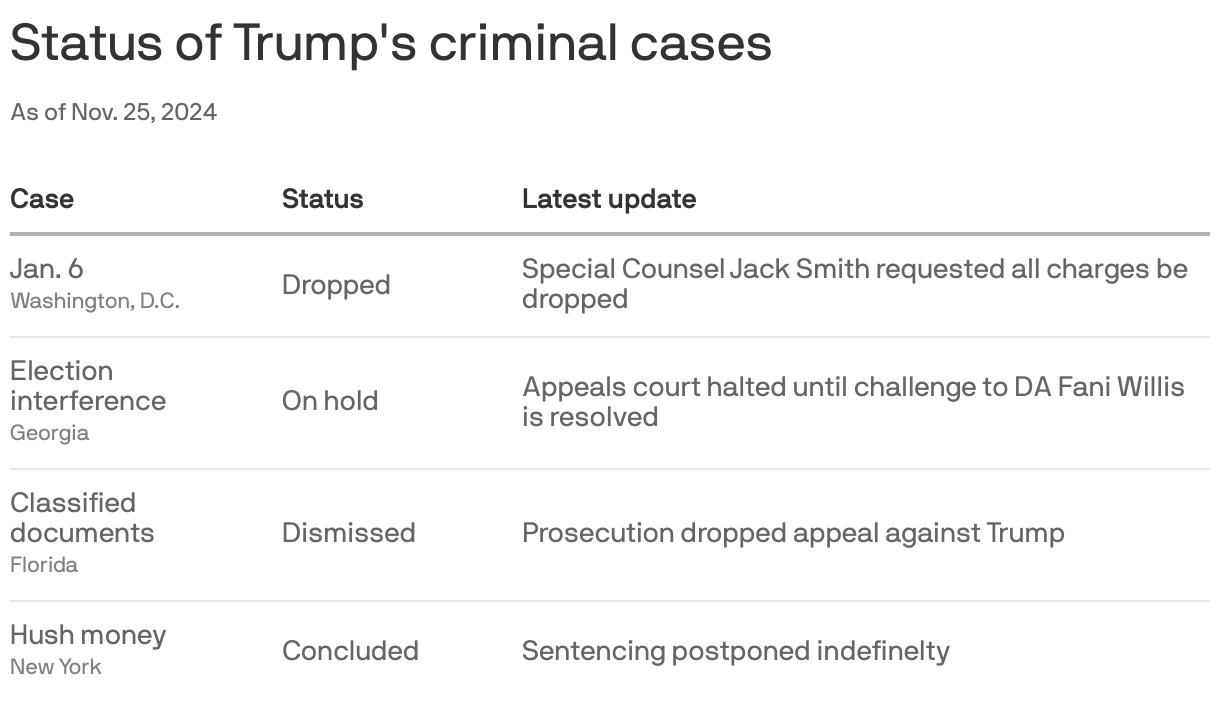
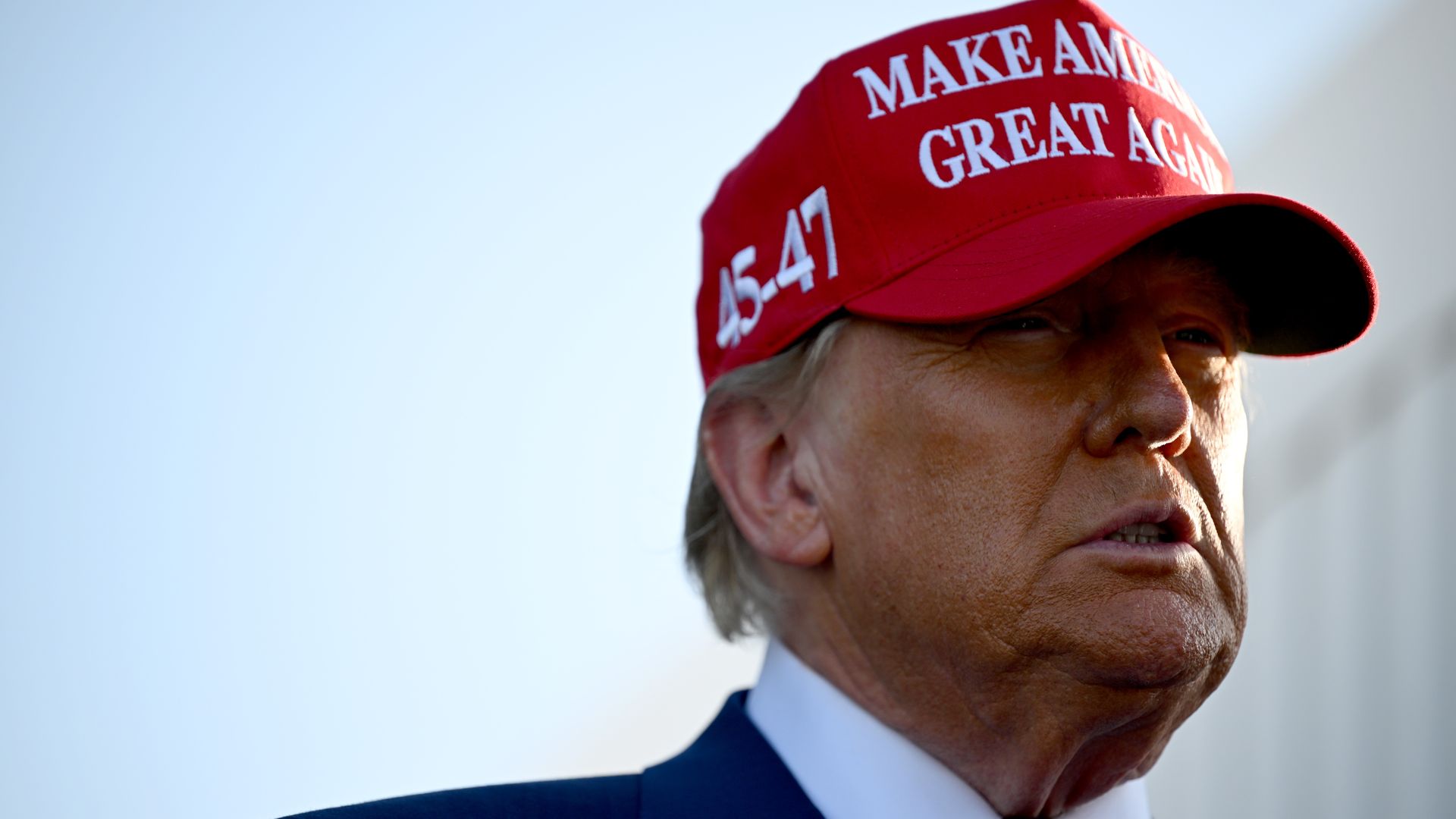
President-elect Trump cleared another legal hurdle Monday after prosecutors asked that his federal election case be dismissed in light of his reelection.
Why it matters: Trump, the first convicted felon to win the presidency, was facing the prospect of prison time if he lost the presidency. Since clinching the White House, he has seen his criminal cases grind to a halt.
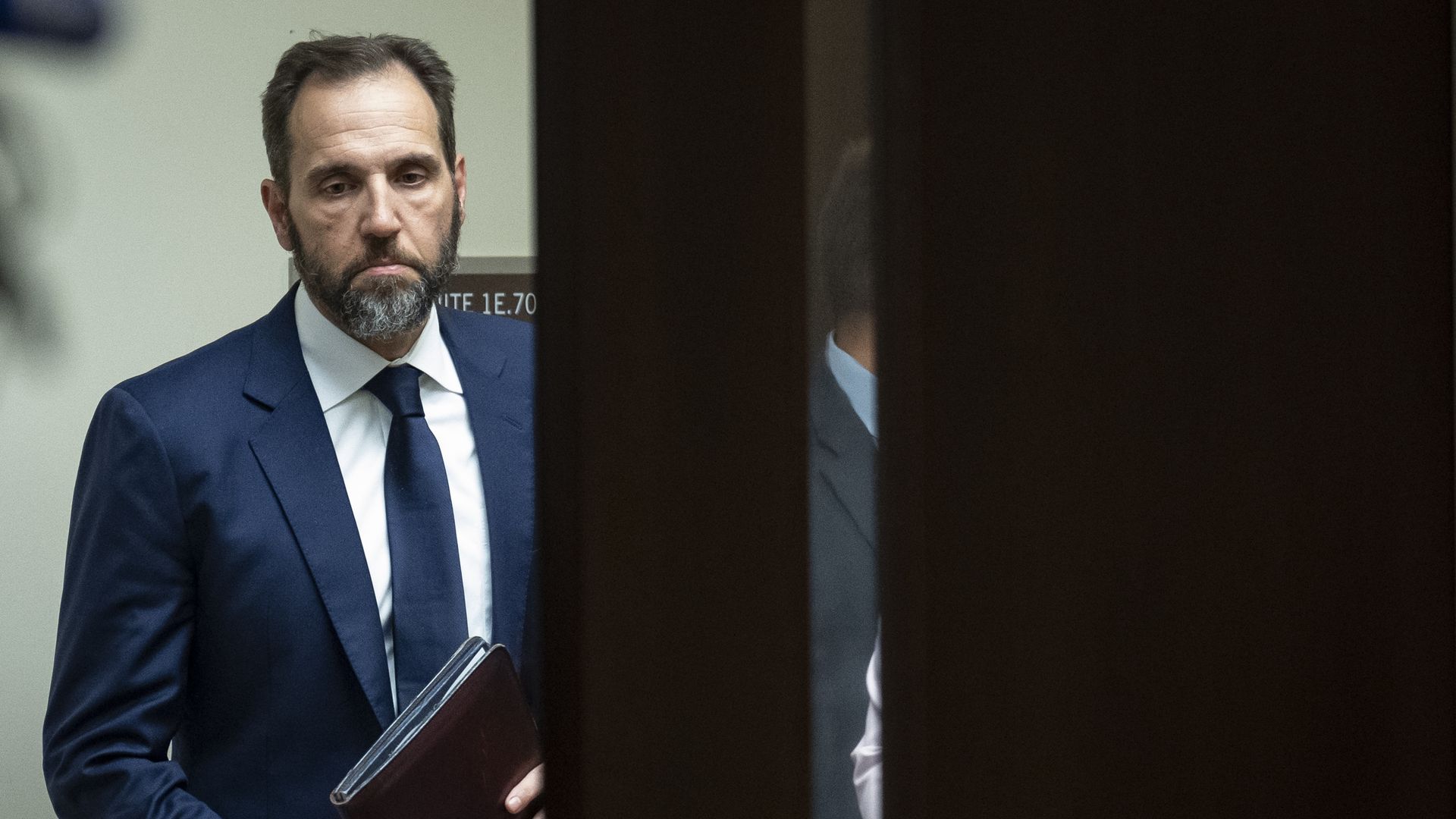
A judge granted Special Counsel Jack Smith's request Monday to drop all charges against President-elect Trump in the federal case over his alleged efforts to overturn the 2020 election.
Why it matters: Smith has already taken steps to wind down the two federal cases against Trump that he's overseeing after the president-elect became the first convicted felon to win the White House.
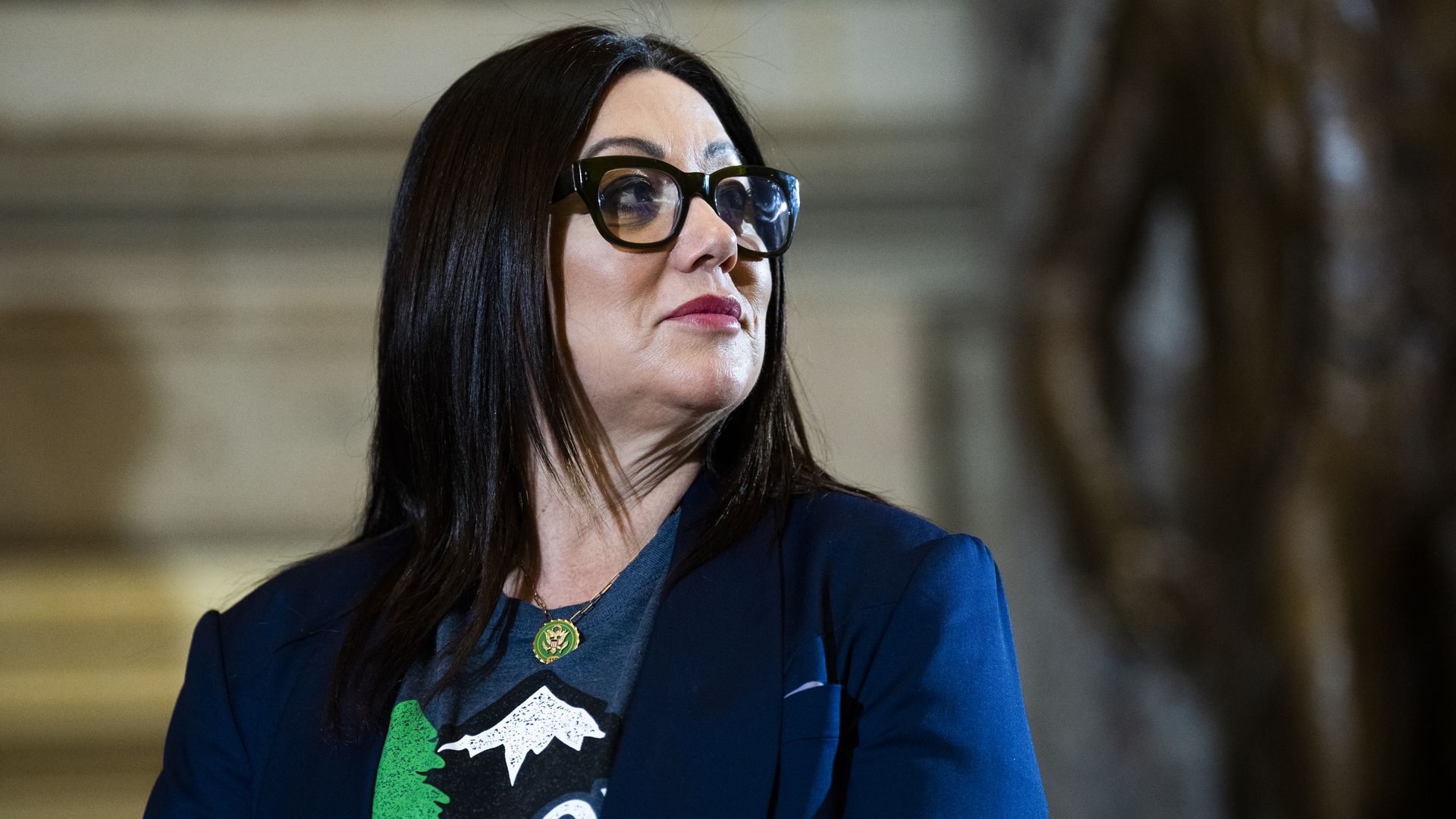
President-elect Trump's pick for Labor secretary, Rep. Lori Chavez-DeRemer (R-Ore.), appears to be a genuine union supporter and that's freaking out some business groups and conservative advocates.
Why it matters: Trump campaigned as a pro-worker and somewhat pro-labor candidate — though he was a decidedly anti-union president in his first term.
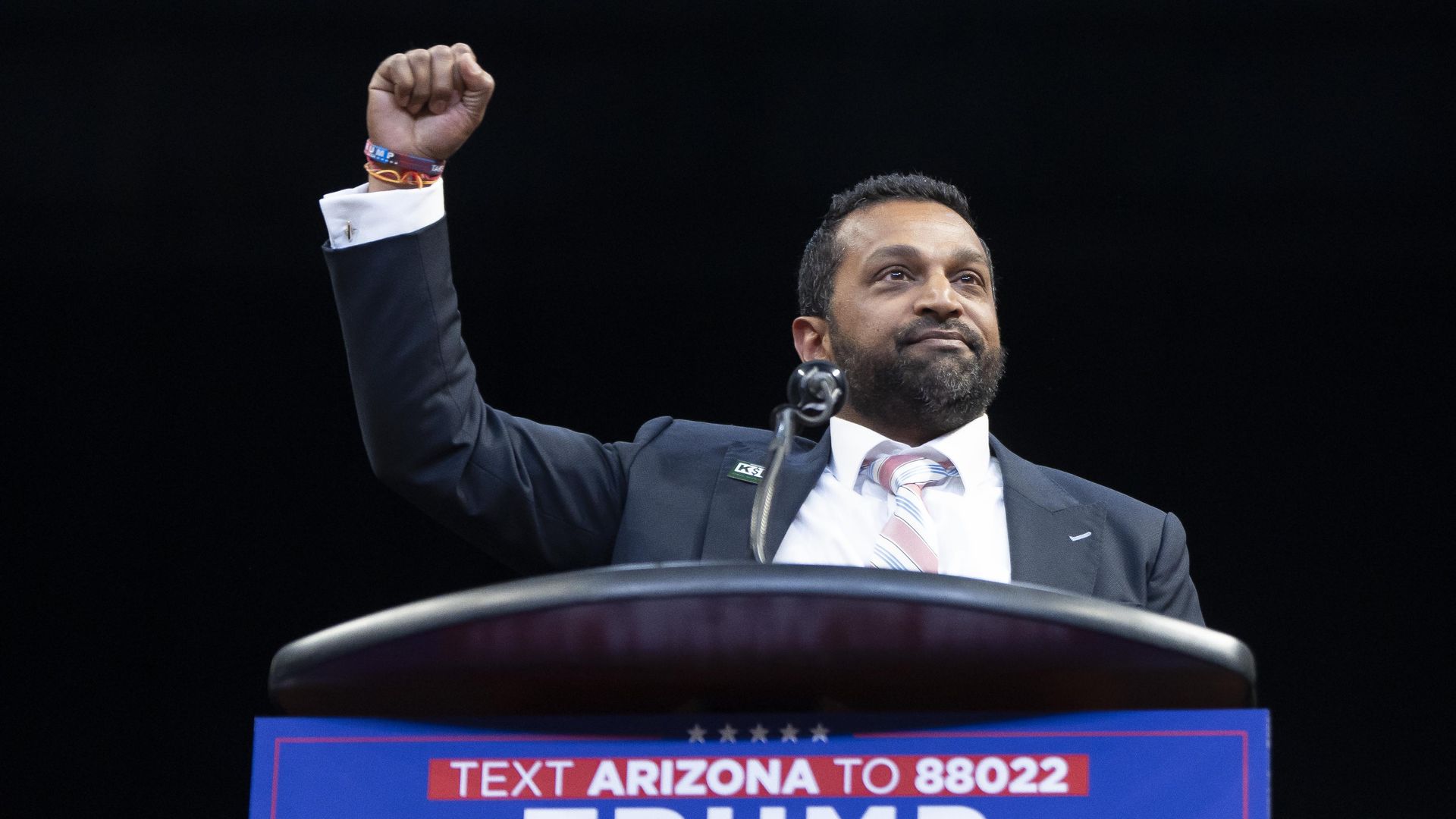
President-elect Trump is expected to appoint ultra loyalist Kash Patel to a high-profile position at either the FBI or the Justice Department, top transition sources tell Axios.
Why it matters: Patel would be a deeply controversial pick for any leadership role, especially FBI director. Given the hurdles Patel might face winning Senate confirmation, Trump is considering naming him deputy director or to an appointed investigative role within DOJ, the sources said.
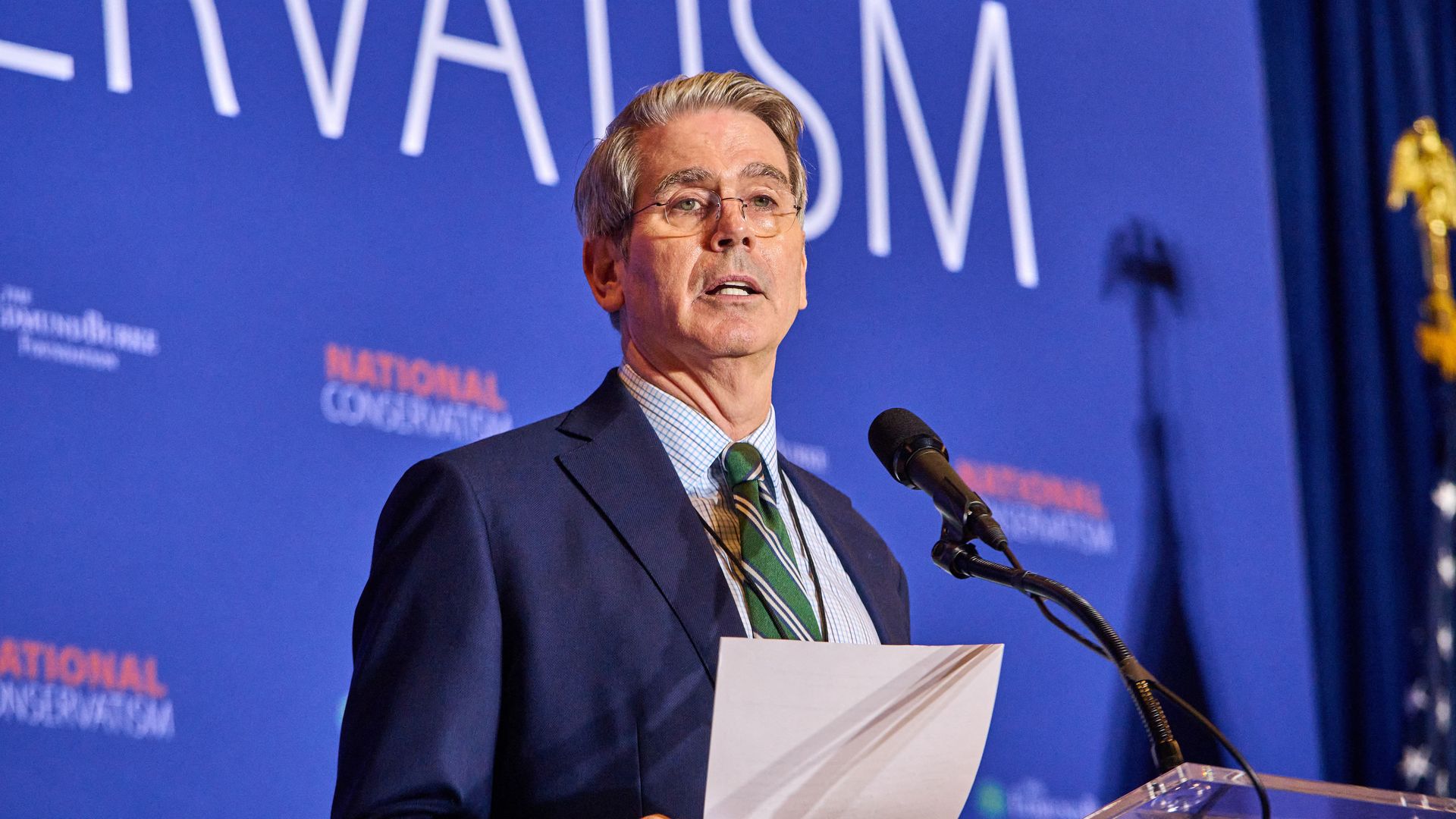
The centerpiece of Treasury secretary nominee Scott Bessent's economic agenda is what he calls a "3/3/3" approach to policy: cutting the budget deficit to 3% of GDP, achieving 3% annual growth, and increasing domestic oil production by 3 million barrels per day.
Why it matters: If achieved, these goals would result in a more sustainable fiscal picture, paired with much faster growth than is projected under most mainstream forecasts. But they are in tension with other aspects of President-elect Trump's agenda.
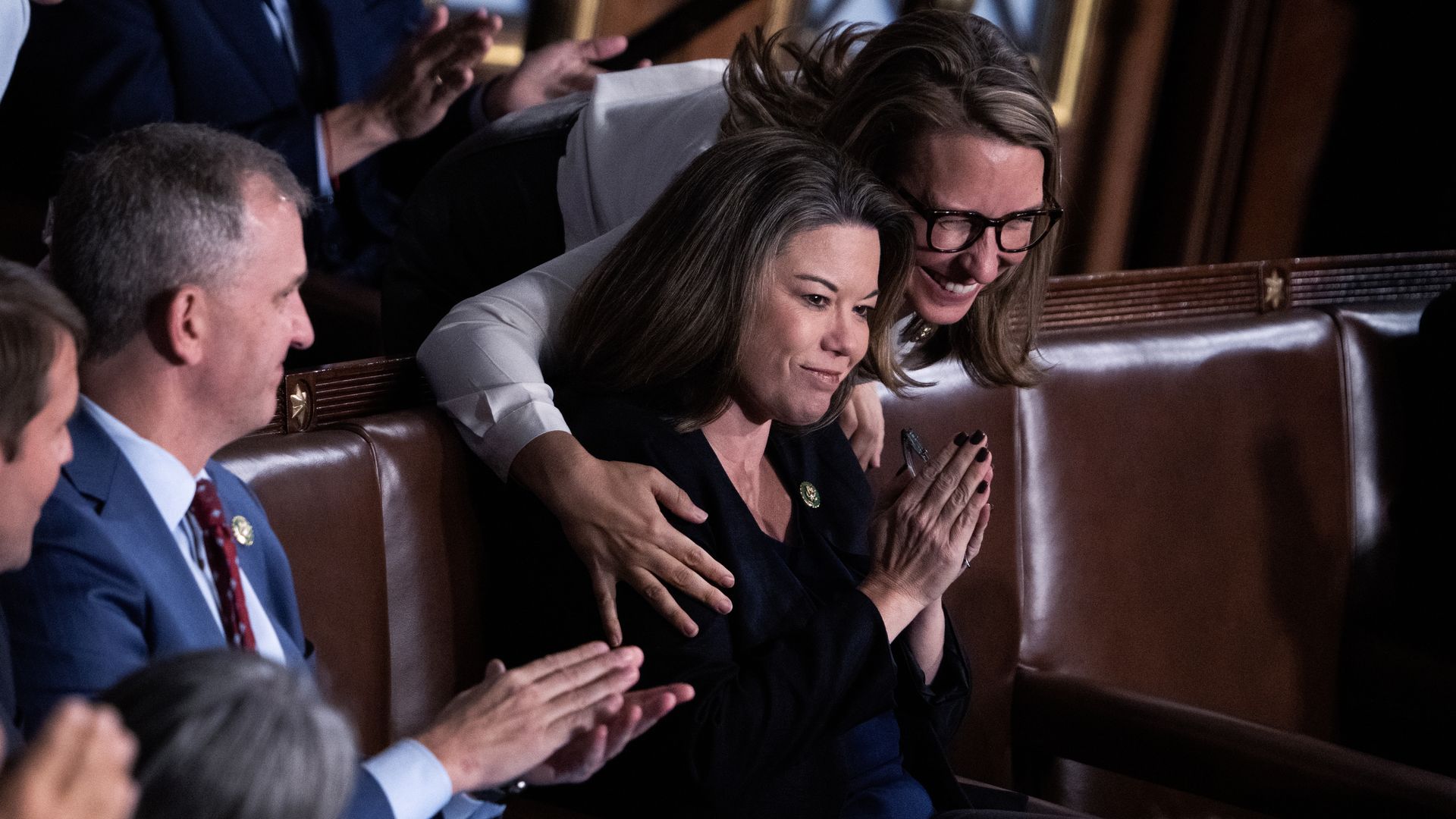
House Democrats' internal fights over committee leadership heated up Monday with Rep. Angie Craig (D-Minn.) announcing she will run to lead Democrats on the House Agriculture Committee.
Why it matters: Craig is the second lawmaker to jump into the race against incumbent ranking member Rep. David Scott (D-Ga.), who has faced persistent concerns about his health.
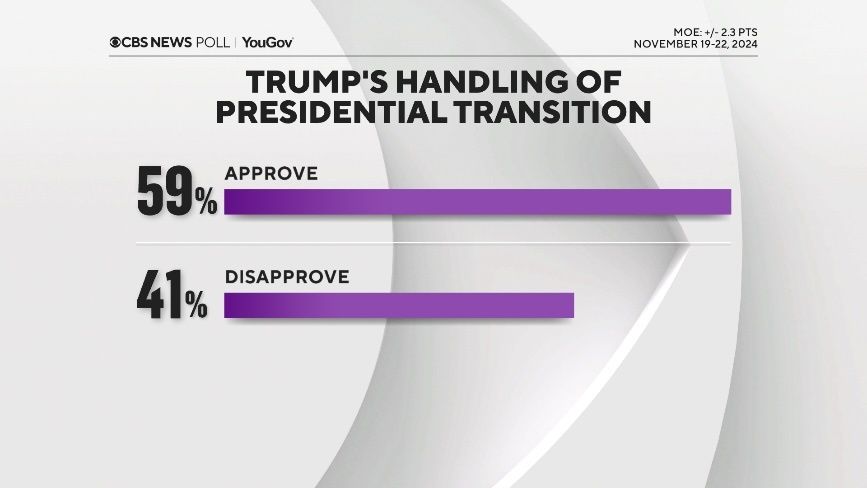
About three out of five U.S. adults approve of the way President-elect Trump is handling his transition into office after his election win, a new CBS/YouGov poll out Monday found.
Donald Trump will nullify "thousands" of regulations, Elon Musk and Vivek Ramaswamy write in a Wall Street Journal editorial last week offering some details on their "DOGE" plan to radically cut the size of the federal government.
Why it matters: There's a lot to slash and burn. President Biden's administration put through more rules than any other White House over the same time period.
By the numbers: Through October 2024, the Biden administration published 292 "economically significant" rules, meaning they're forecast to have a large impact on the economy, according to George Washington University's Regulatory Studies Center.
That's partly because the Biden White House rushed through a flurry of regulations in the spring.
The White House was trying to leverage a provision of a 1996 law called the Congressional Review Act, which allows an incoming administration — with simple majorities in Congress — to overturn rules made toward the end of the previous president's term.
Between the lines: Trump was the first president to really take advantage of the CRA's look-back provision — overturning a record number of Obama regulations early on in his term. It's expected he'll do the same this time around.
The progressive consumer advocacy group Public Citizen just published a list of more than 100 administrative rules that could be overturned using the CRA.
The big picture: Rules and regulations sound like a snore, but some of these policies — implemented by agencies to carry out laws passed by Congress — cover critical things like clean air and water, protections for workers and financial regulations meant to prevent crisis.
Some argue that a banking deregulation push in Trump's first term helped create the conditions for the banking mini-crisis of 2023.
With Congress so gridlocked in recent years, regulations have become the way for an administration to put through their agenda.
Yes, but: Republicans say this process has gone way too far.
Musk, Ramaswamy and many critics in the business world say regulations are costly and hold back economic growth. And there's plenty of business groups getting psyched about a deregulatory romp.
Zoom out: It's unclear how much real impact Musk and Ramaswamy's Department of Government Efficiency will have — DOGE can only make recommendations and doesn't have the power to cut.
Regardless, there's little doubt that the incoming administration will take a whack at the rules — just as Trump did in his first term.
Trump 1.0 rolled back over 100 environmental rules, per a 2021 New York Times analysis, weakening emission standards, removing protections for wetlands, and limiting wildlife protections.
What to watch: Trump's got Congress in his corner on this, too. Incoming Senate Majority Leader John Thune (R-S.D.) pledged to "take a hatchet to the regulatory apparatus choking our economy, " in an op-ed earlier this month.
Follow the courts: Getting rid of regulation is also easier now than it was in 2017, following several Supreme Court decisions — signed on to by the three Trump-nominated judges — that have curbed the government's ability to make these rules.
"Our North Star for reform will be the U.S. Constitution, with a focus on two critical Supreme Court rulings issued during President Biden's tenure," Musk and Ramaswamy write.
Zoom in: A few key Biden-era rules have already been quashed by the courts or appear to be on their way out under Trump 2.0.
An expansion of the overtime laws that would've covered an estimated 4 million more workers was overturned by a Texas judge last week.
The Federal Trade Commission's proposed ban on noncompetes appears similarly doomed, after a Texas ruling.
What to watch: Environmentalists are concerned about rollbacks to clean water provisions, including a rulerequiring all lead pipes in drinking water systems to be identified and replaced over the next 10 years.
President-elect Trump has unabashedly surrounded himself with men who've said, done or been accused of things that would disqualify them under any other U.S. leader in our lifetimes.
It begs the question: Why? Why go to the mat to pick and defend people Trump knows will raise questions about his judgment, heart or morality? In almost every case, there are similarly loyal and tested alternatives. Yet he often goes with the bad boys.
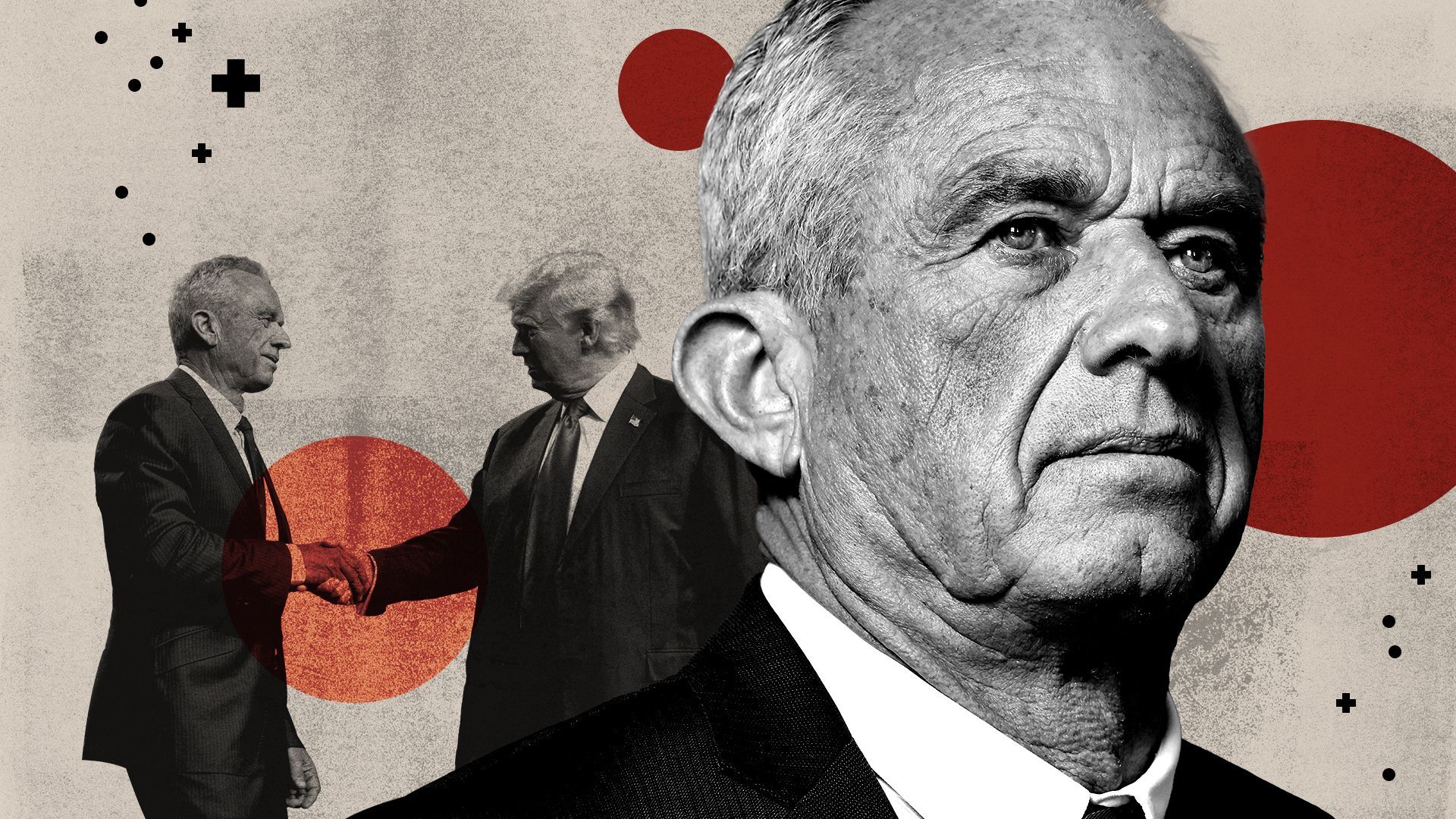
President-elect Trump's nominees to lead the Food and Drug Administration and the Centers for Disease Control and Prevention appear amenable to Robert F. Kennedy Jr.'s desire to disrupt key health agencies and, especially at the CDC, to helping him raise concerns about vaccines despite reams of data on their safety.
Why it matters: The nominees' views are nuanced and, in some cases, vary significantly, including on the topic of vaccines. But they're all choices outside of the mainstream and suggest big changes are coming to the country's health agencies.