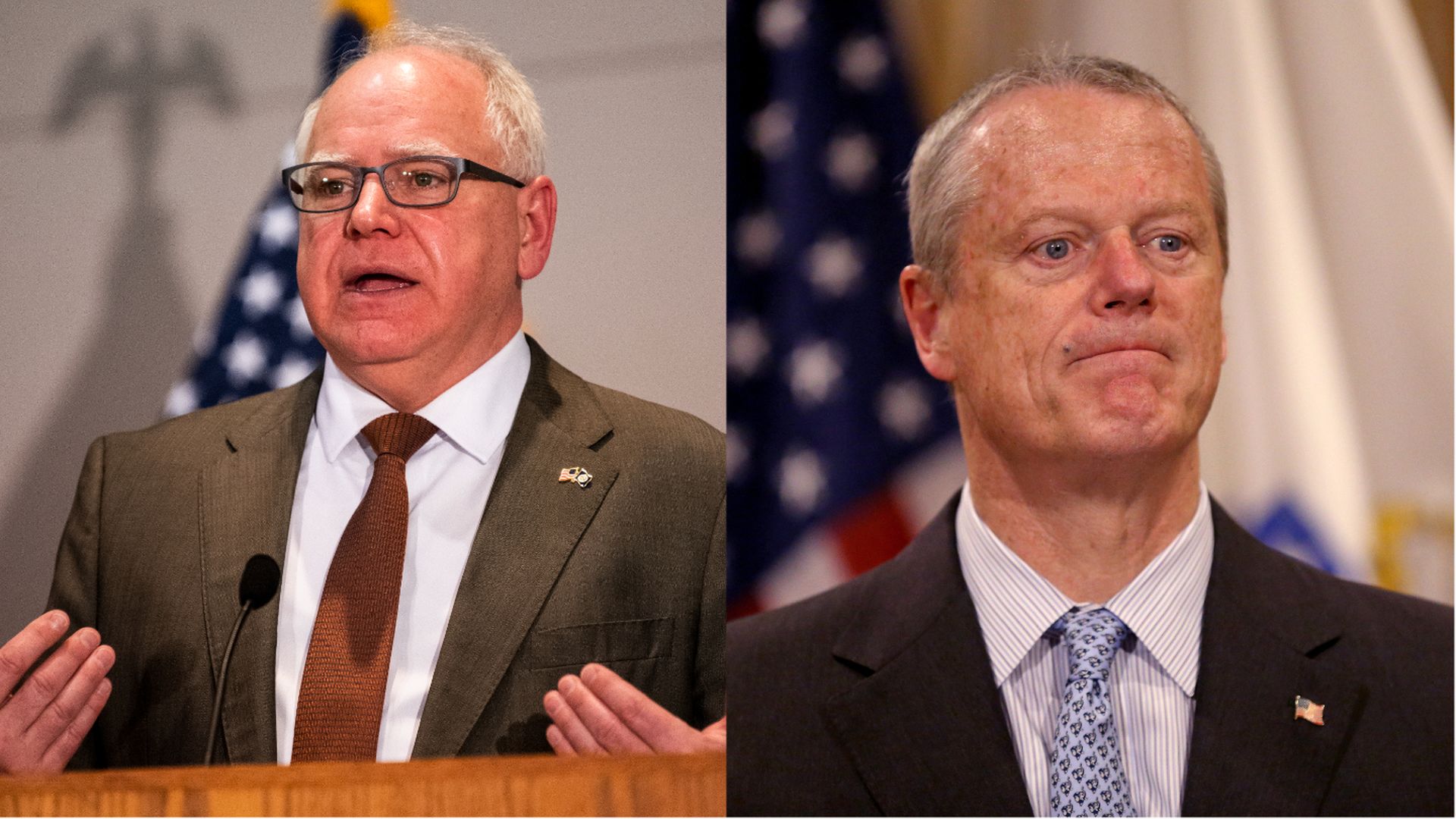
The governors of Massachusetts and Minnesota issued executive orders to protect abortion providers and patients from bans in other states in the wake of the Supreme Court overturning Roe v. Wade.
Why it matters: With Roe overturned and states now able to ban or permit the procedure at any point, it's possible that lawmakers in Republican-led states may seek to prosecute women who cross state lines to seek an abortion or charge providers in other states, according to the New York Times.
For months leading up to the Supreme Court's ruling, Mike Pence's unequivocal public and private embrace of the impending Roe decision contrasted with Donald Trump's private concerns about the political risks to Republicans if abortion rights were overturned in a midterm election year.
Why this matters: Pence is preparing to challenge Trump for the Republican nomination in 2024. Abortion is one of the key policy issues on which the former vice president has sought to define himself as more unabashedly conservative than the former president.
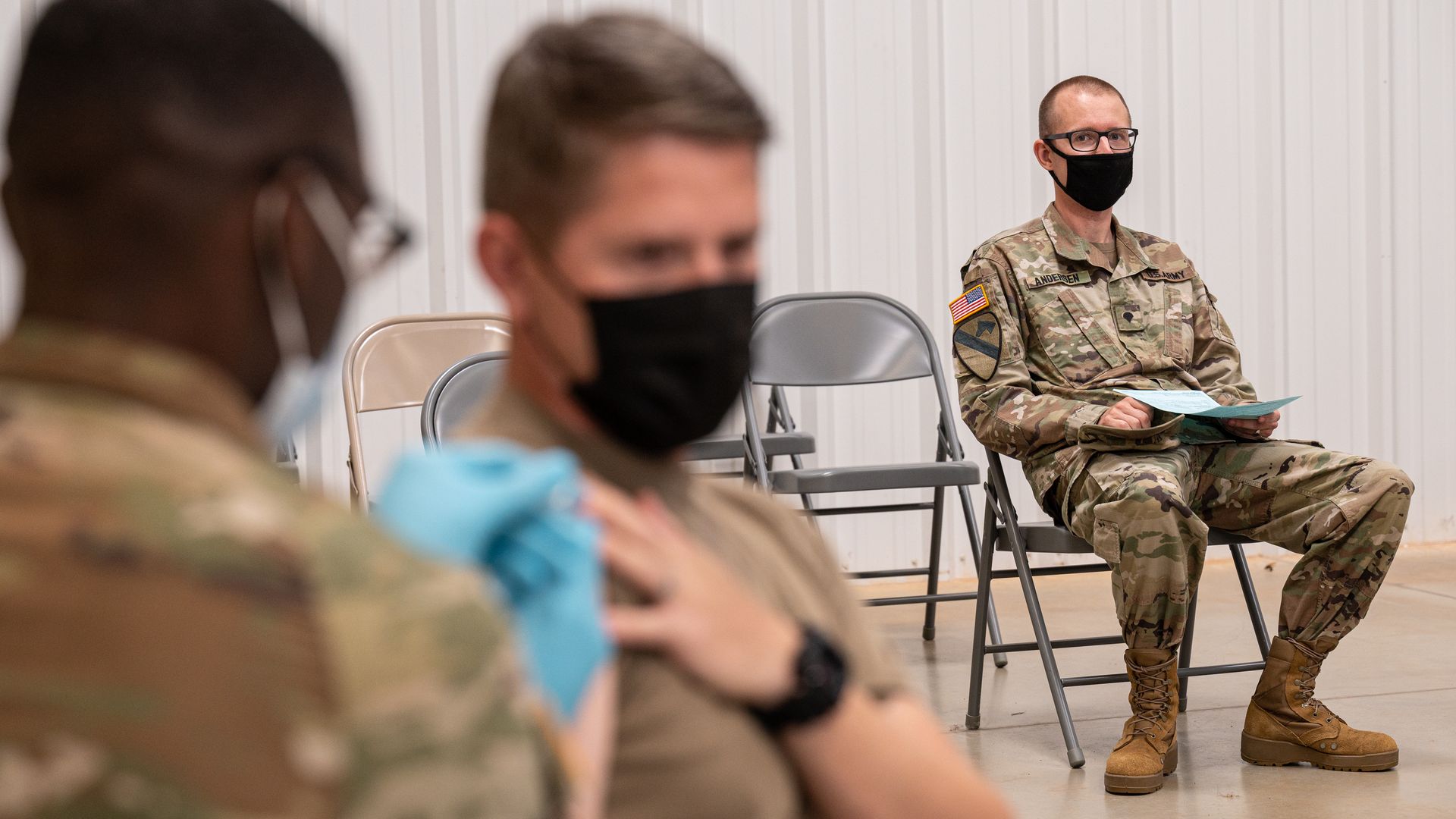
Why it matters: Defense Secretary Lloyd Austin set the deadline last year. The mandate allowed soldiers to seek an exemption, but failure to do so or receive the shots could result in discharge from the service.
Defense Secretary Lloyd Austin said Friday that the Pentagon is working to ensure that members of the military, their families and its civilian employees will still have access to "reproductive health care" after the Supreme Court's decision to overturn Roe v. Wade.
Why it matters: The Defense Department currently does not have a policy to accommodate service members or employees who are seeking an abortion but are stationed in a state that has outlawed abortion, Politico reports.
California Gov. Gavin Newsom (D) on Friday signed into law a bill to protect abortion providers and patients from bans, lawsuits and penalties in other states.
Driving the news: The measure is in response to laws like those in TexasandOklahoma, which ban most abortions at early points in the pregnancy and encourage private citizens to sue those believed to be involved in obtaining an abortion.
The Supreme Court went against the prevailing public opinion on abortion rights when it overturned Roe v. Wade Friday.
Driving the news: After a leaked draft opinion showed the court was planning to overturn Roe, three in five Americans said abortion should be legal always or most of the time, per an NBC News poll.
Why it matters: The bill is now law, coming in response to multiple mass shootings last month, including one at an elementary school in Uvalde, Texas in which 19 children and two teachers were killed and another in which 10 were killed at a supermarket in Buffalo, New York.
Abortion groups that give financial and logistical support to people seeking abortions have received millions of dollars in new donations after the Supreme Court overturned Roe v. Wade on Friday, according to the New York Times.
By the numbers: The managing director of the National Network of Abortion Funds, which has 97 member organizations, told the Times it has received more than $3 million from about 33,000 new donations since the court's ruling.
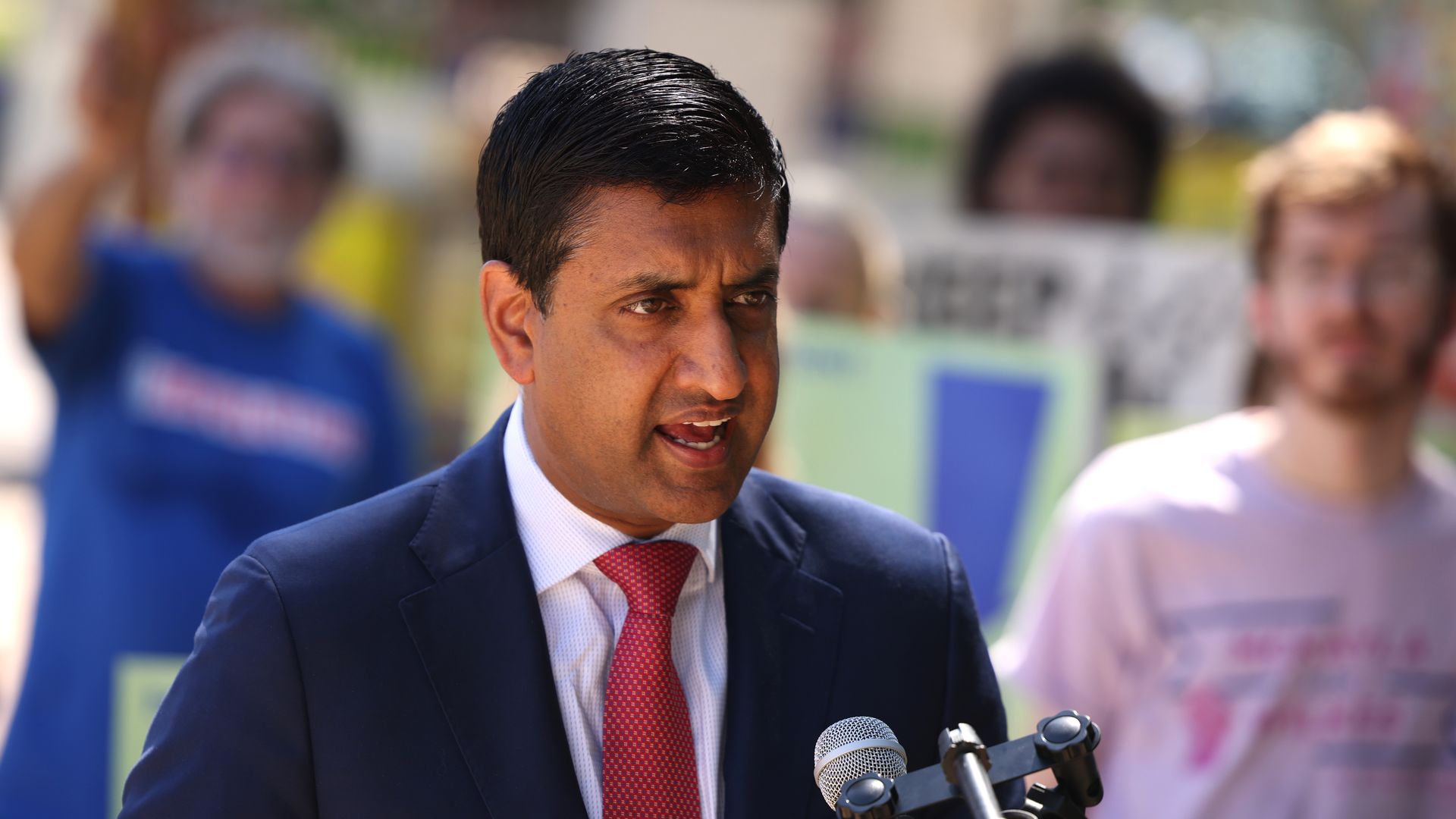
Rep. Ro Khanna (D-Calif.) will call on President Biden to support term limits for Supreme Court justices during a Saturday speech to the Nevada State Democratic Party Convention, Khanna tells Axios.
Why it matters: The prominent progressive's response to the court's 5-4 ruling overturning Roe v. Wade is expected to be followed by more calls from Democratic elected officials and activists for reforms to the court. Expanding the number of justices or restricting the court’s jurisdiction are other proposals under discussion.
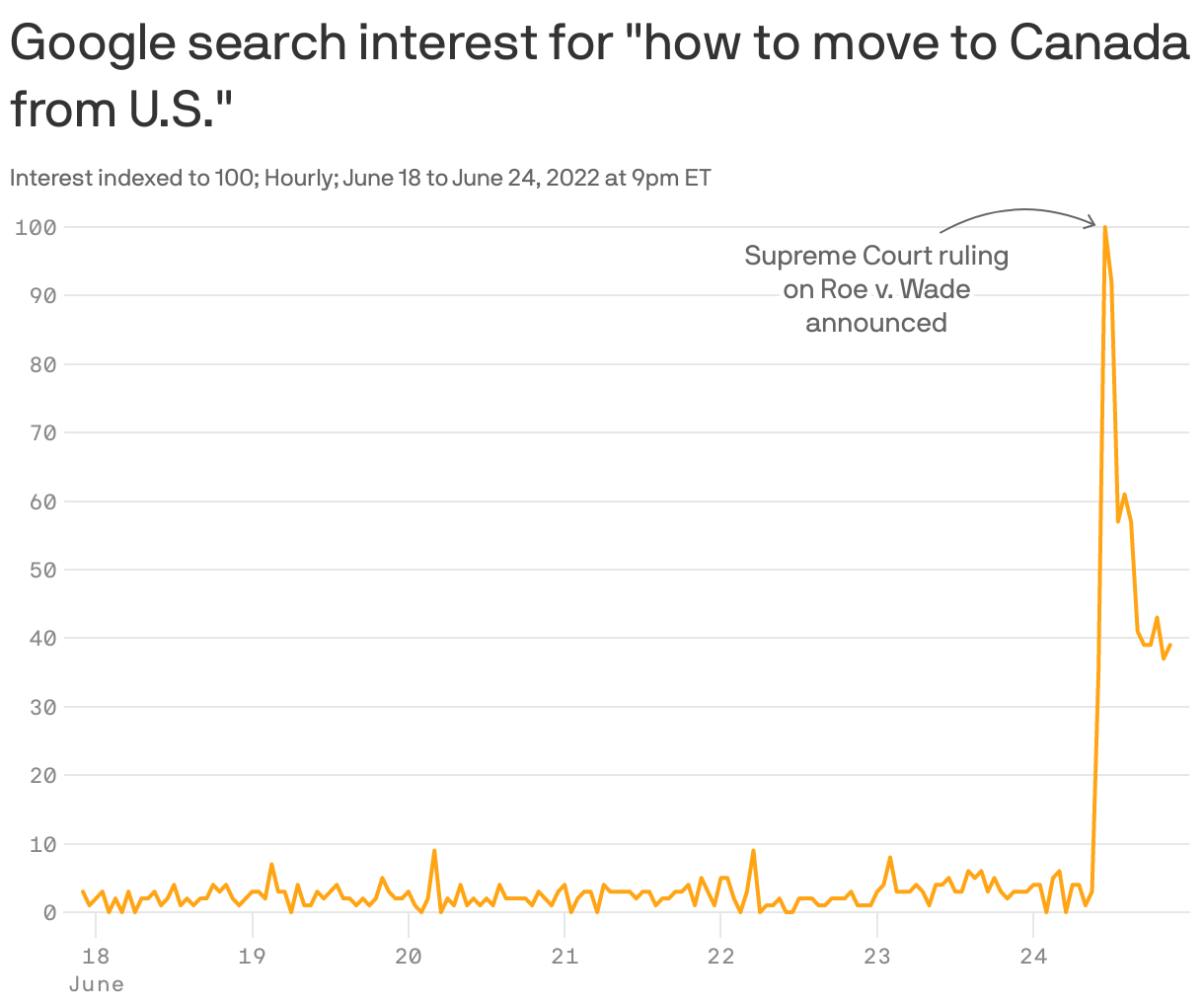
Google searches for “how to move to Canada from U.S.” surged on Friday following the U.S. Supreme Court decision overturning Roe v. Wade, according to Google Trends data.
Why it matters: Abortion is legal at all stages of pregnancy in Canada.
The Supreme Court's decision to overturn Roe v. Wade on Friday and send the question of abortion rights back to the states kickstarted a period of legal uncertainty that effectively halted abortion access across some red states.
Why it matters: For many Americans, especially those residing in the bluest parts of red states, abortions might not technically become illegal for a few more weeks — but they've instantly become almost impossible to obtain.
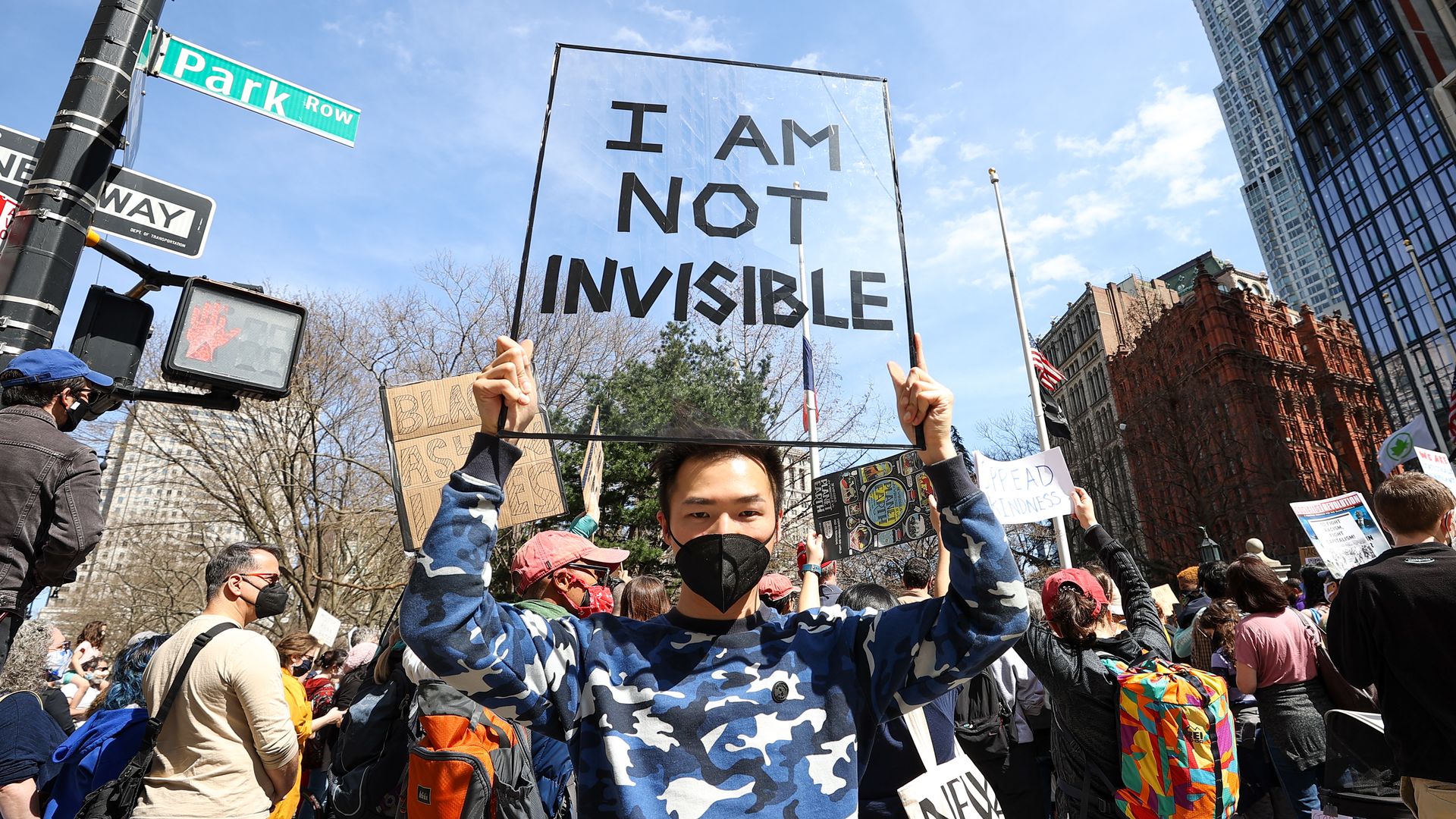
For the first time, more than 60 Asian American and multicultural groups will convene on Saturday in Washington, D.C., for a Unity March focused on addressing equity and safety for marginalized communities.
Why it matters: Spearheaded by AAPI leaders, the march is a reminder that Asian Americans have never been silent despite continued struggles with rising hate crimes and suspicions of disloyalty.
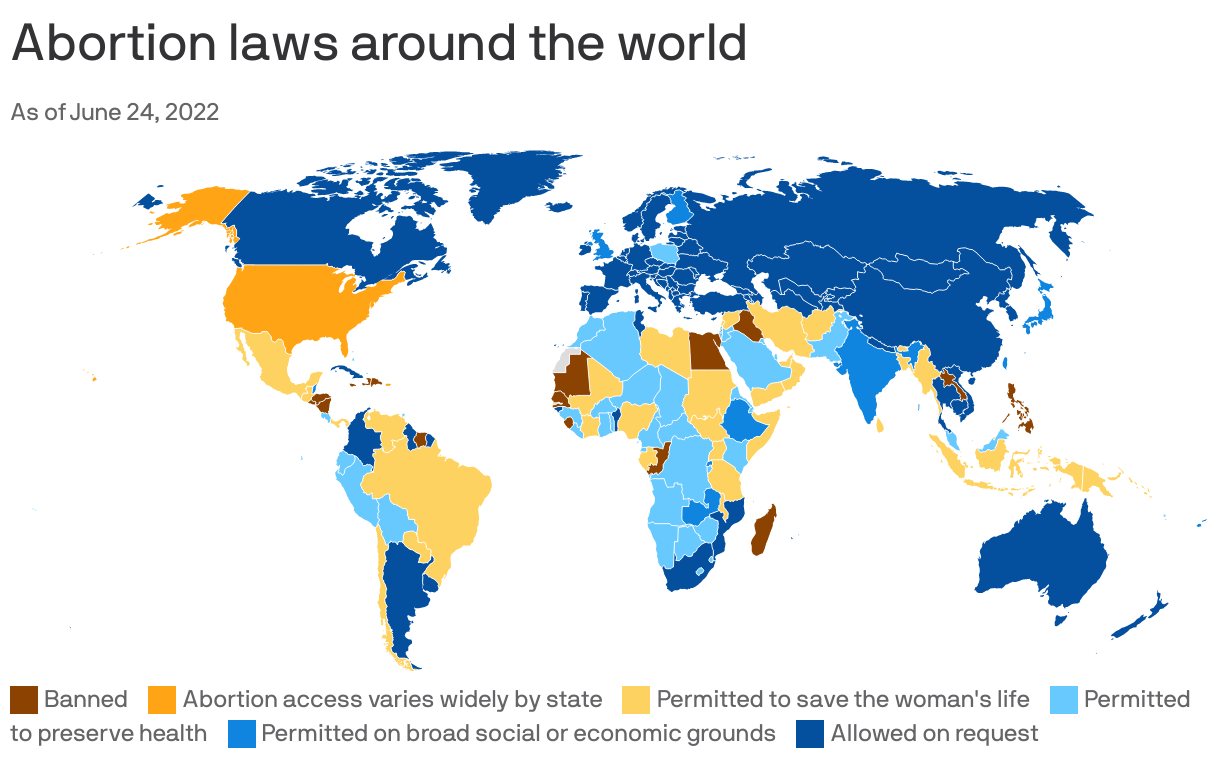
Data: Center for Reproductive Rights; Map: Axios Visuals
With the Friday's Supreme Court decision overturning Roe v. Wade, the U.S. joined only three other countries — El Salvador, Nicaragua and Poland — that have rolled back abortion rights since 1994, according to the Center for Reproductive Rights.
The big picture: Nearly 60 countries have liberalized their abortion laws — though some only incrementally — over the last 25 years.
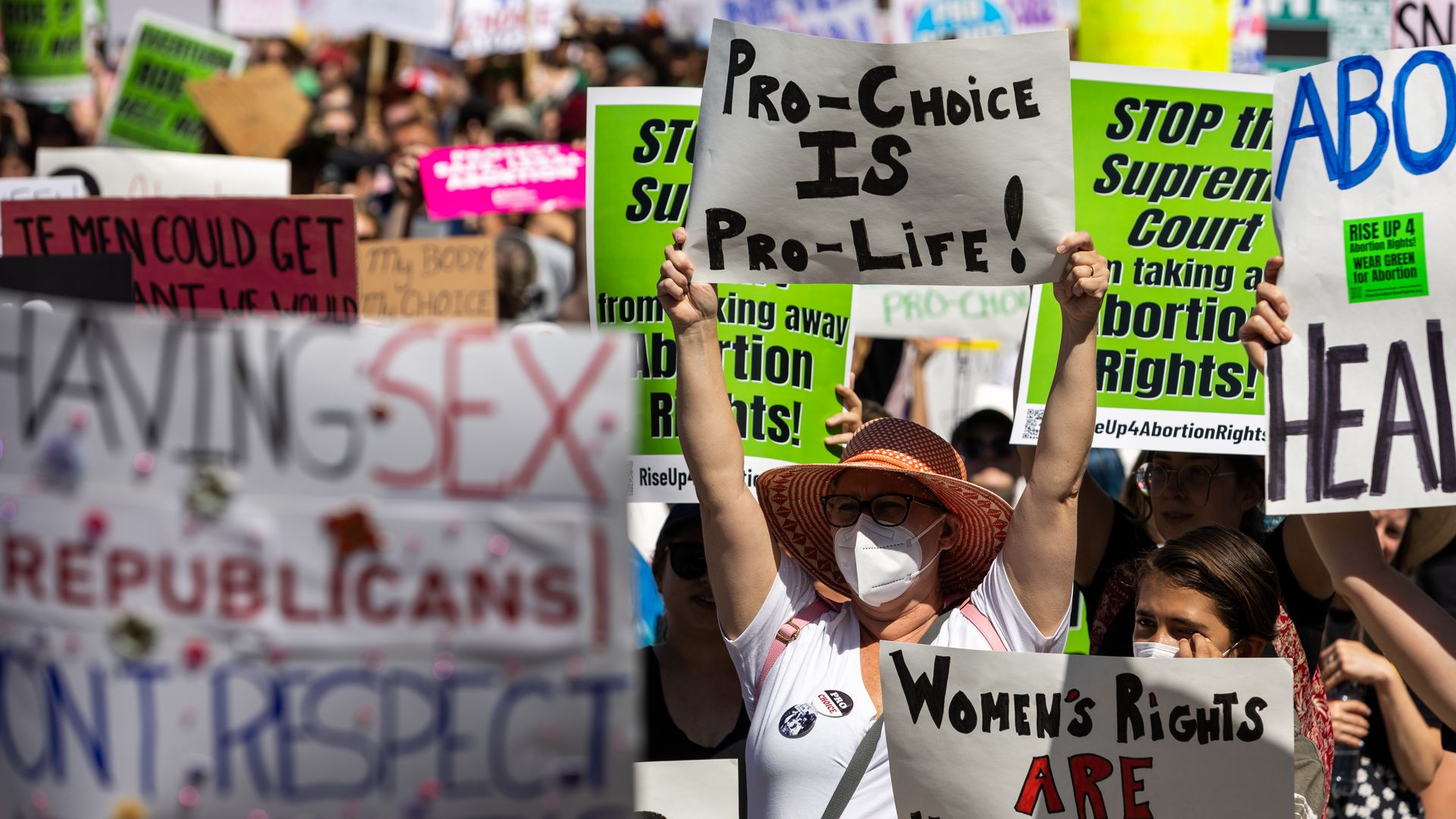
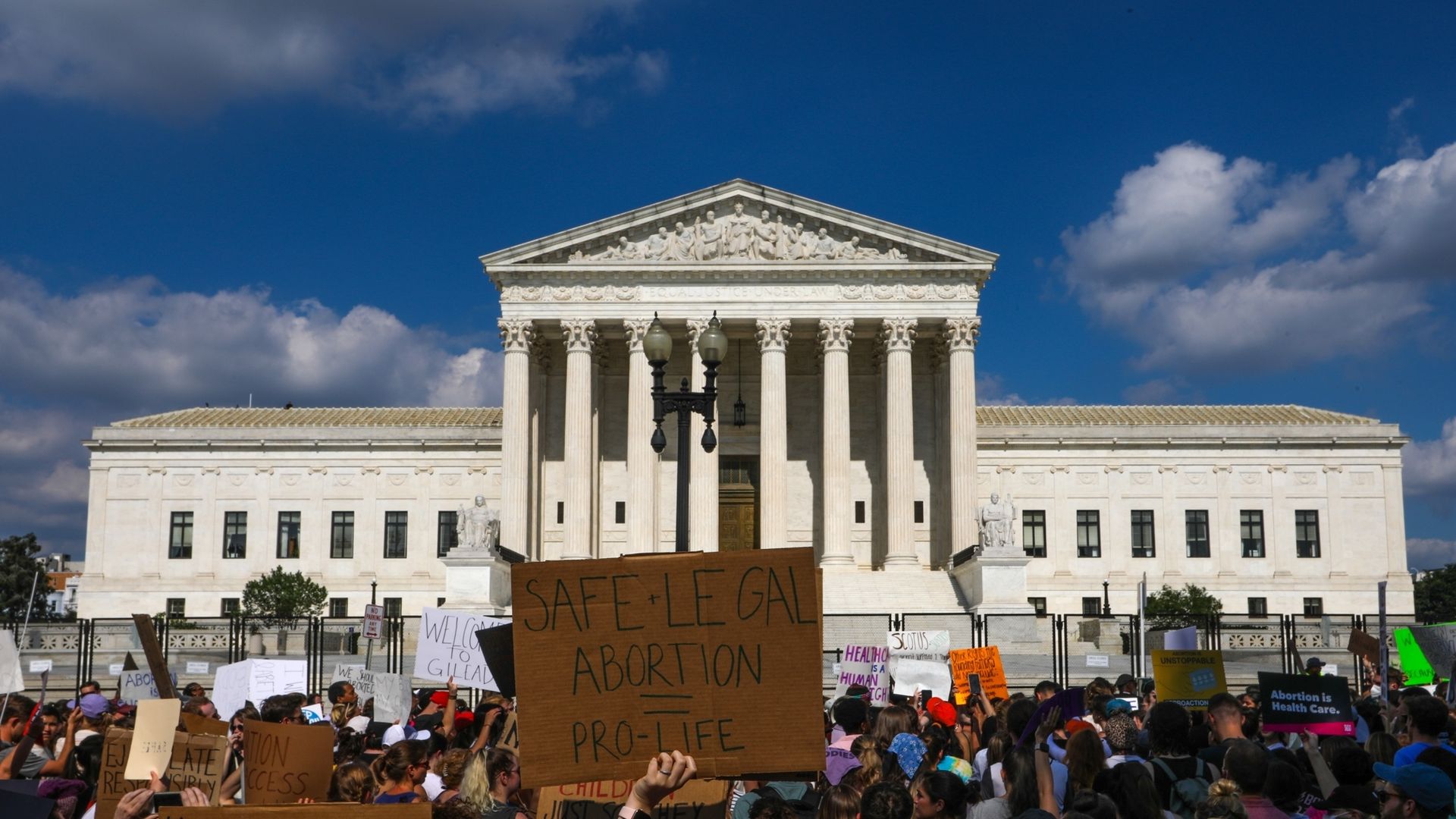
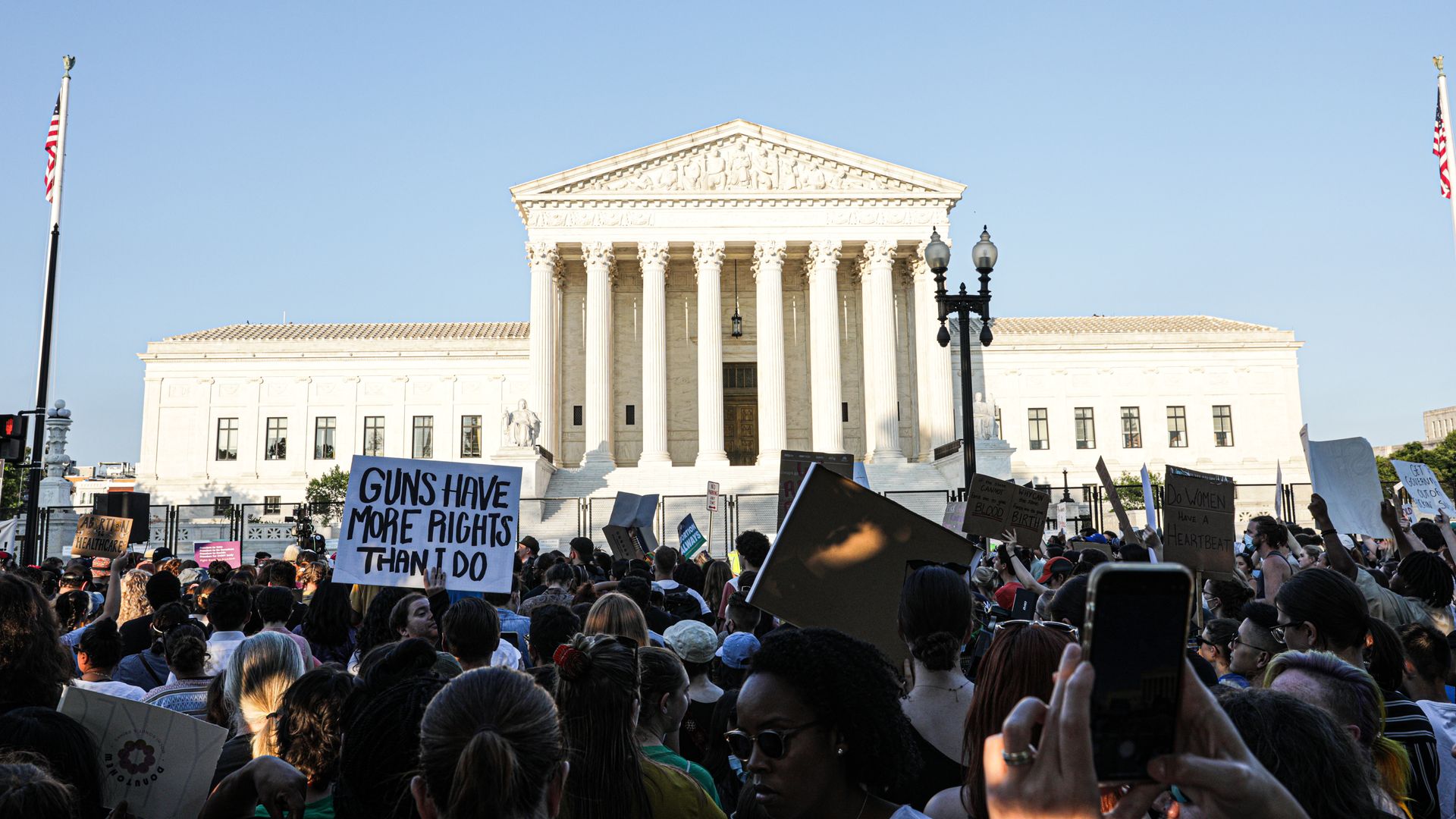
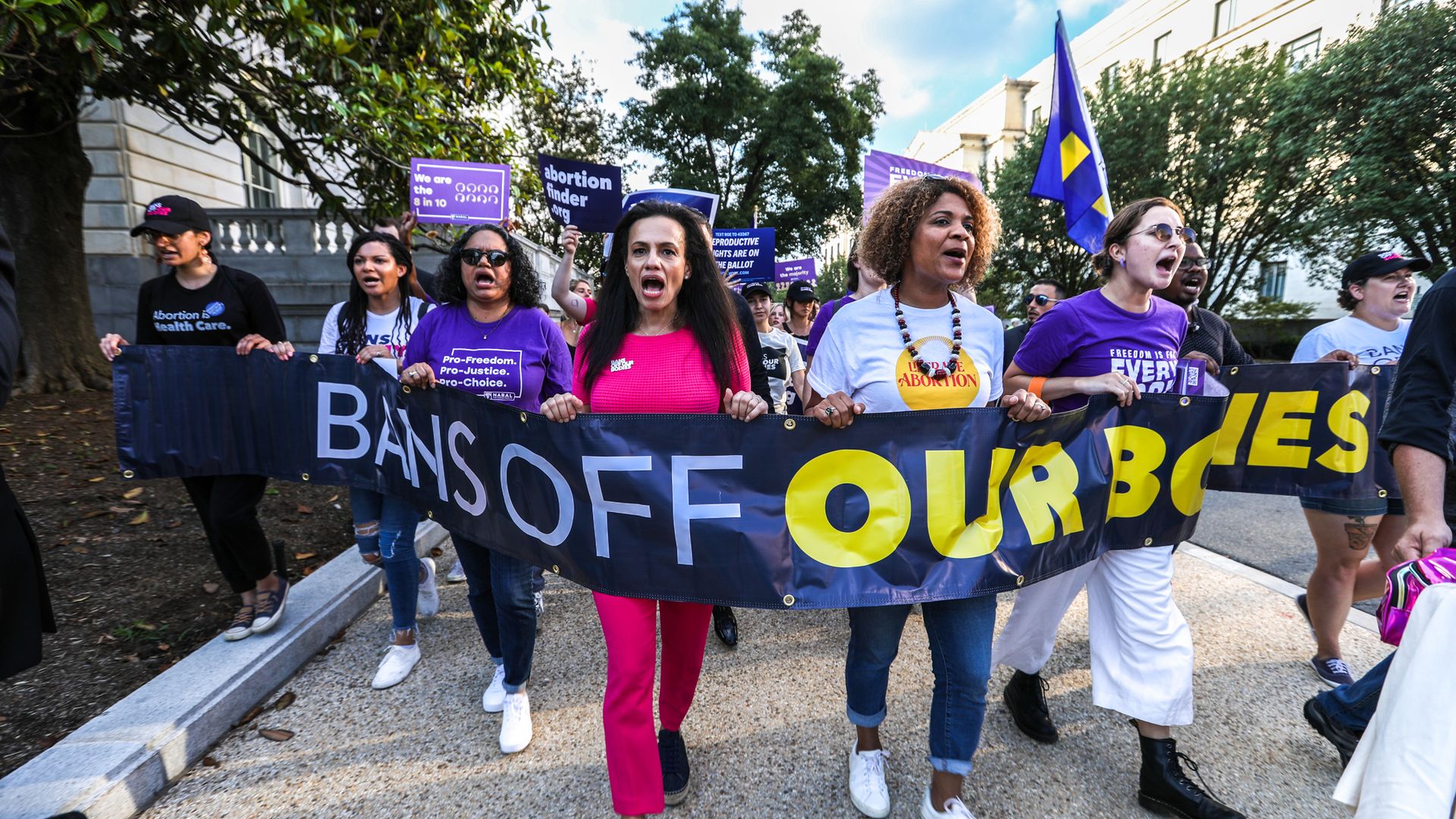
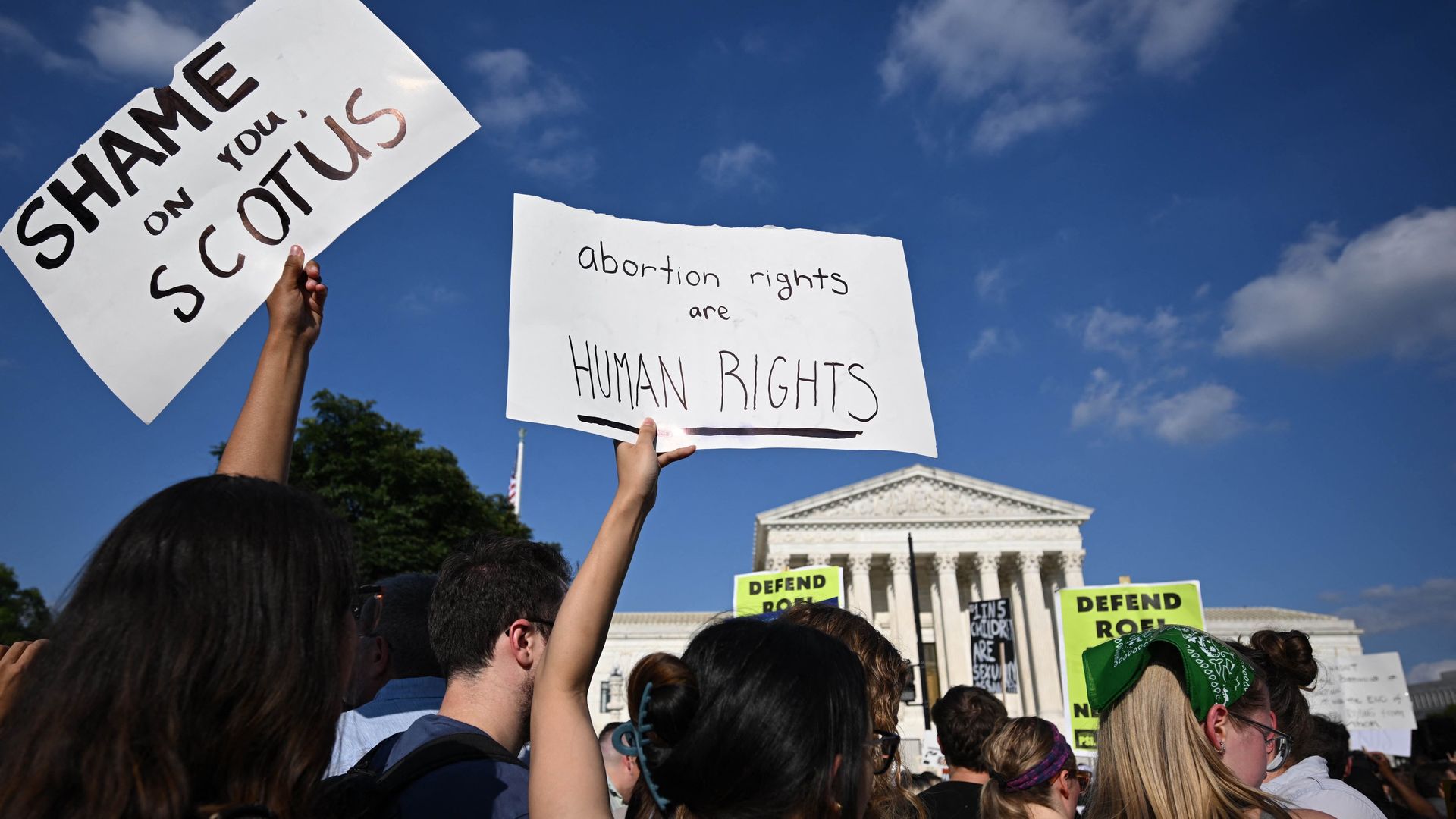
Thousands took to the streets across the nation on Friday to protest the Supreme Court's decision to overturn Roe v. Wade, as red states enacted trigger laws and blue states raced to protect abortion rights.
Why it matters: The ruling effectively made abortion immediately illegal in 13 states and cast a shadow over the future of abortion rights across the nation.