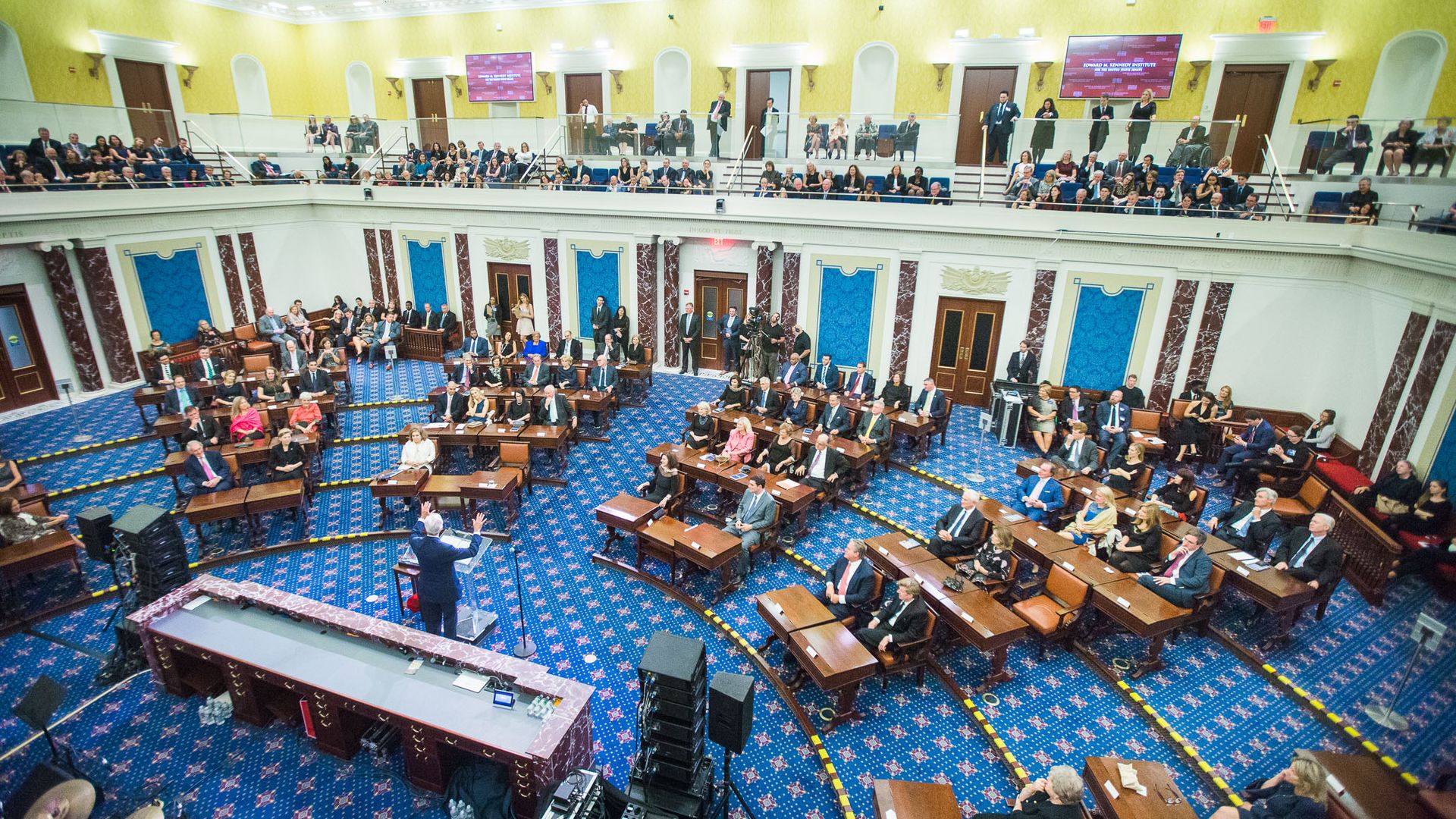
On Monday at noon, as the Jan. 6 committee wraps its second public hearing, two U.S. senators on opposite ends of the spectrum — Bernie Sanders (I-Vt.) and Lindsey Graham (R-S.C.) — will meet in Boston in a life-sized replica of the Senate chambers for an unlikely experiment in saving the art of political compromise.
Driving the news: Graham and Sanders are participating in the inaugural debate of The Senate Project™ launched by the Bipartisan Policy Center, the Orrin G. Hatch Foundation and the Edward M. Kennedy Institute for the United States Senate.
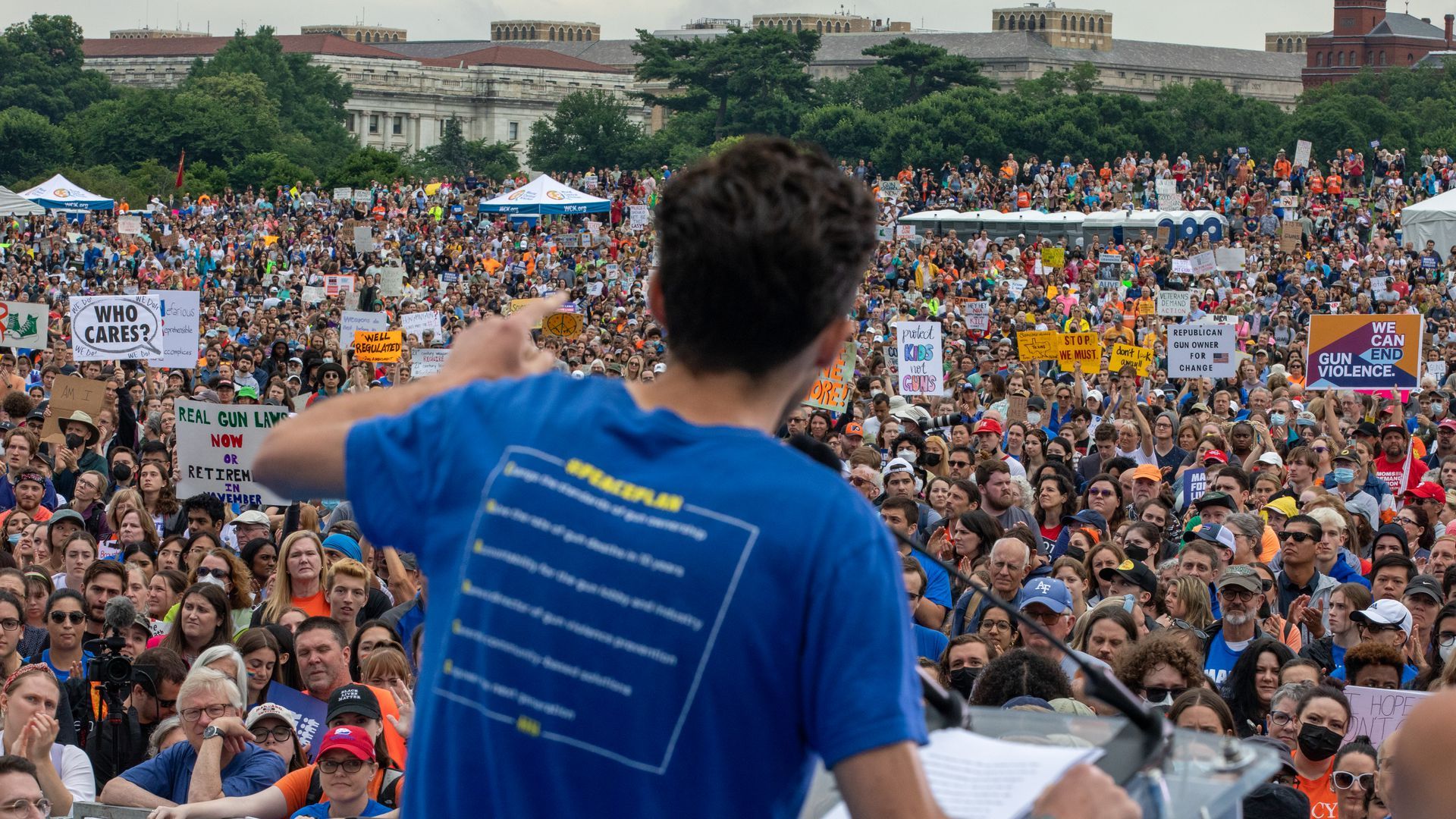
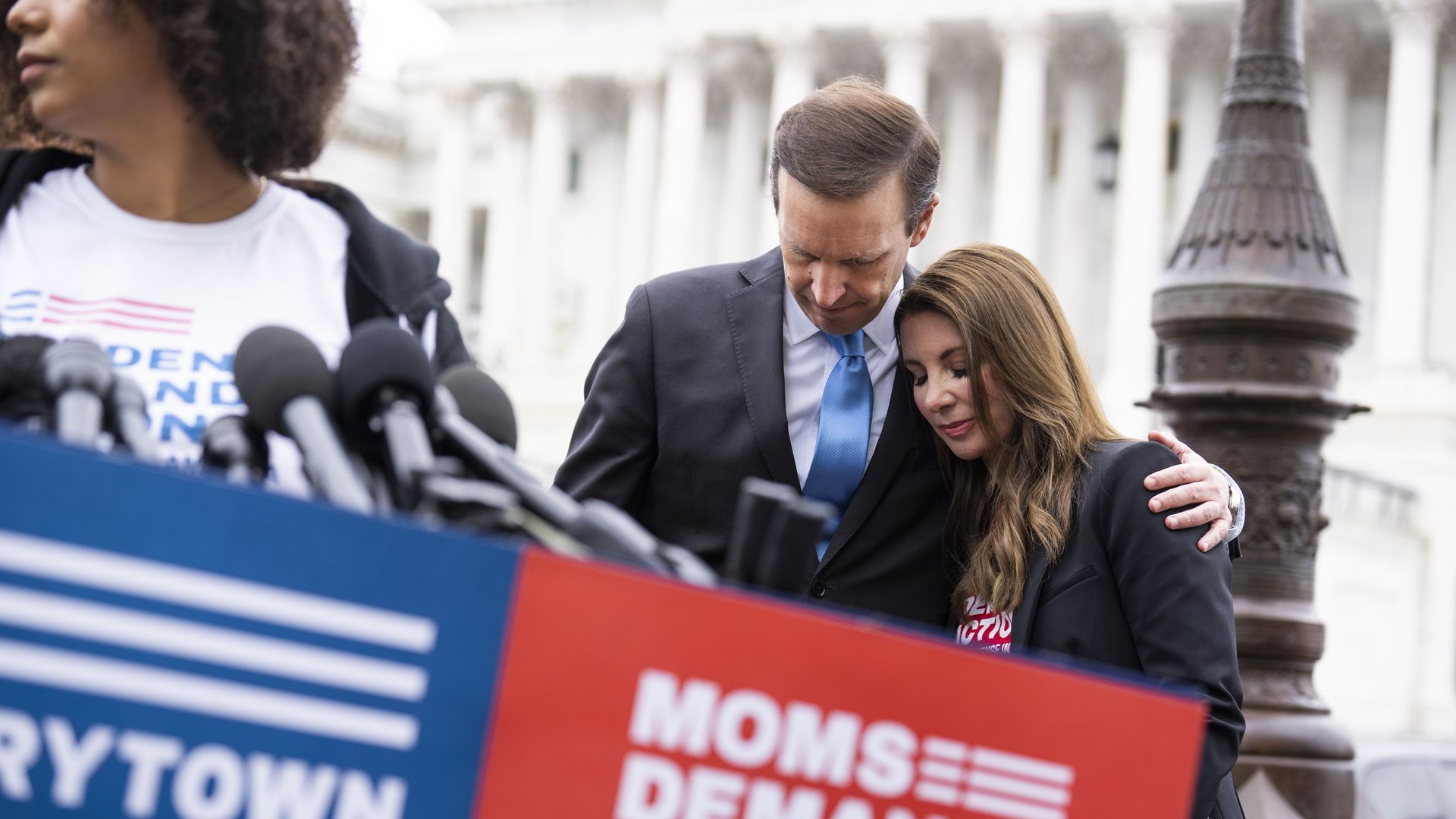
The bipartisan gun safety deal announced today falls well short of what President Biden has called for but still marks the first time in decades Republicans have shown a willingness to do anything resembling progress in this arena.
Why it matters: Narrowing the scope of negotiations to rule out restrictions on gun ownership was critical to securing the support of 10 Republicans — but there are still plenty of opportunities for the wheels to fall off.
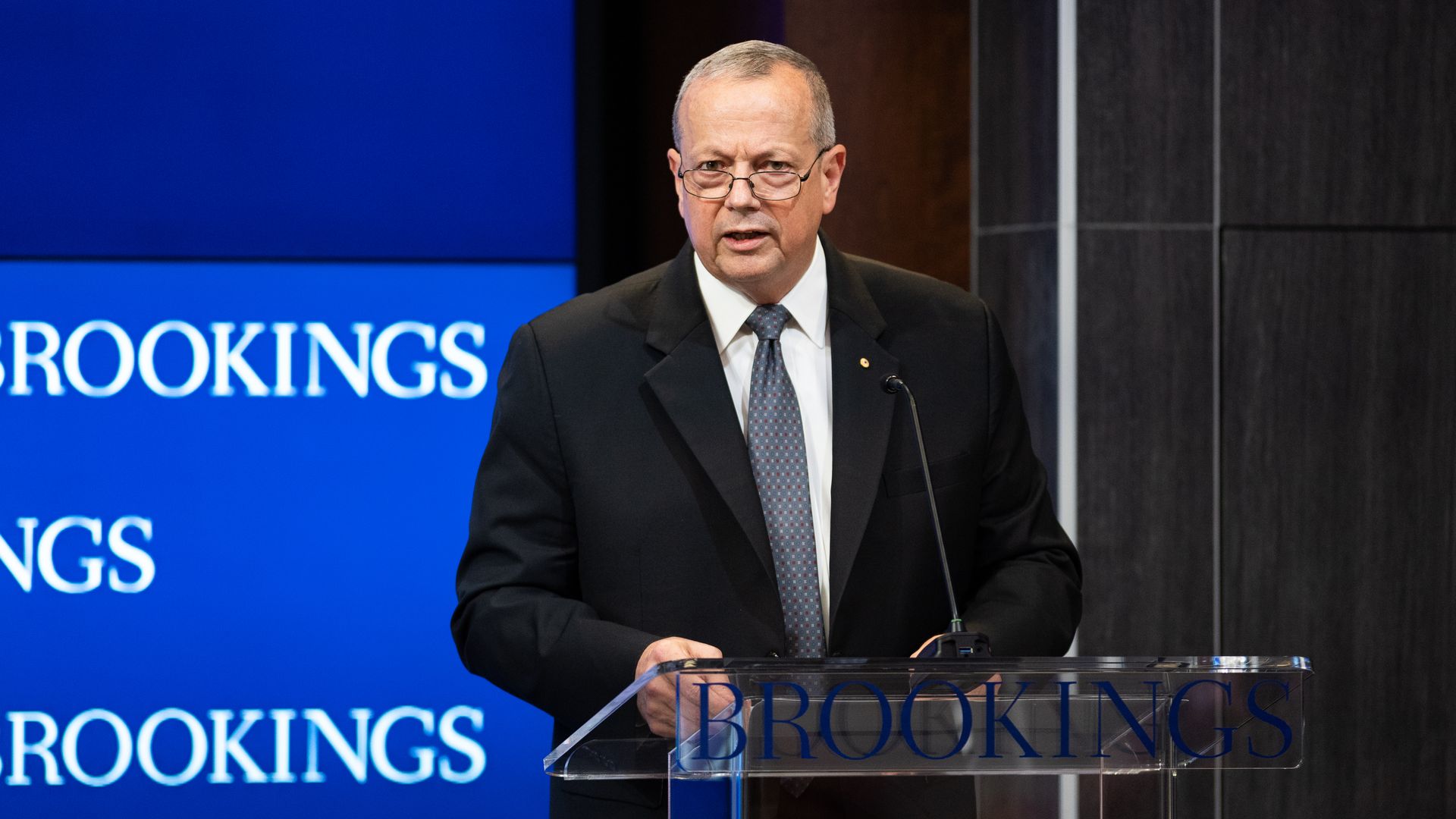
Former Marine Gen. John Allen, the president of the prestigious Brookings Institution, resigned from his post on Sunday amid a federal investigation into his role in a foreign lobbying campaign on behalf of Qatar, Axios has confirmed.
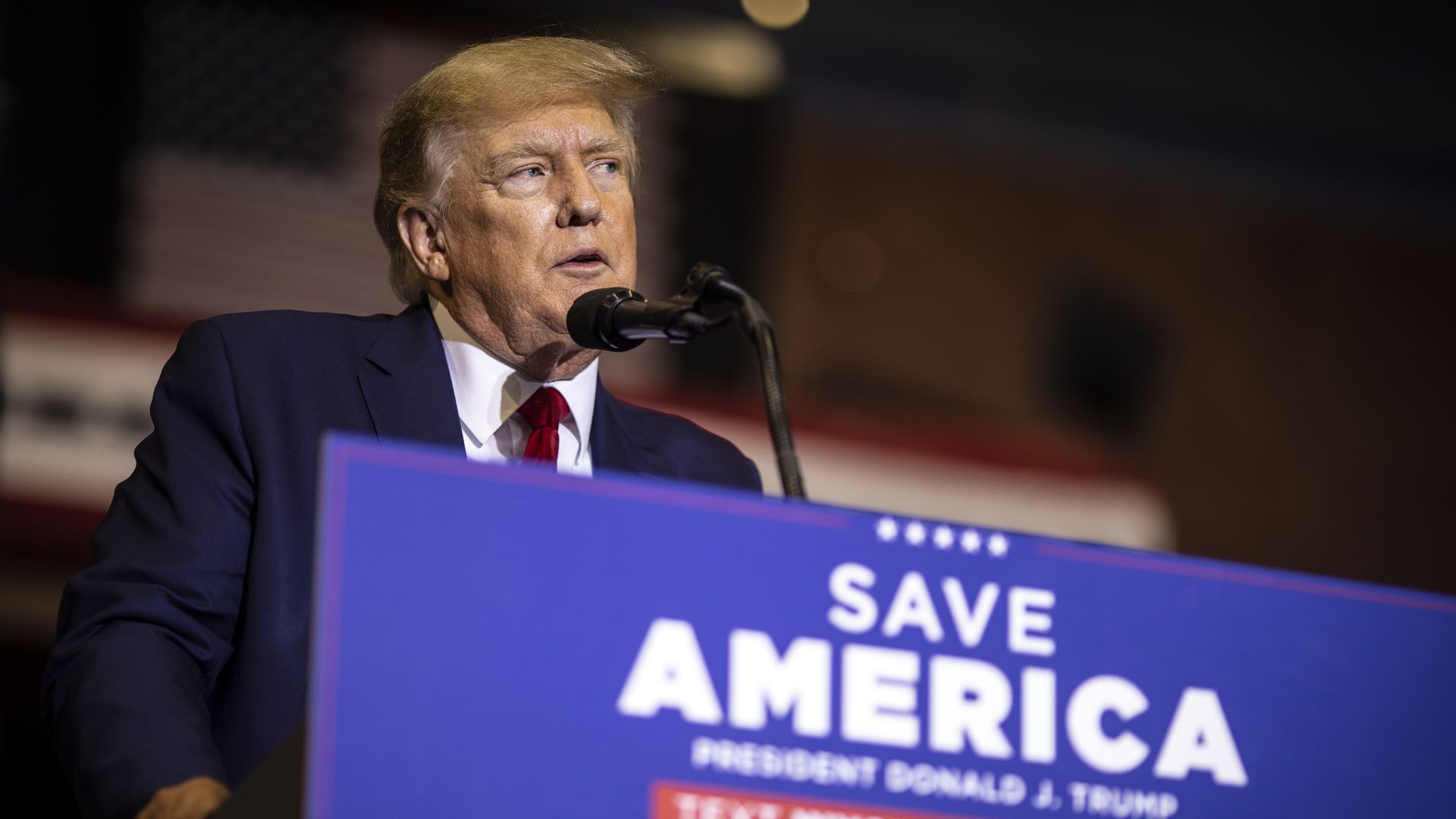
Members of the House Jan. 6 committee said on Sunday shows that they have gathered evidence to support a Justice Department indictment of former President Trump over his efforts to overturn the 2020 election.
Why it matters: It would be the first time in American history that a former president is indicted on criminal charges.
Rep. Alexandria Ocasio-Cortez on Sunday declined to endorse President Biden if he runs for reelection in 2024, telling CNN's "State of the Union" on Sunday "we'll cross that bridge when we get to it."
The big picture: Biden has indicated he plans to run in 2024. But some Democrats have grown wary of that prospect as the president has faced low approval ratings and economic pressures, all while struggling to enact key pieces of his agenda, the New York Times reports.
A group of bipartisan senators have reached a gun safety framework, which includes enhanced background checks for those under 21, funding for mental health and school safety and state grants for "red flag" laws.
The U.S. will likely enter a recession within the next two years, former U.S. Treasury Secretary and Obama administration adviser Larry Summers told CNN's "State of the Union" on Sunday.
Why it matters: Soaring inflation poses a huge challenge to the Biden administration and is souring Americans' views of the economy.
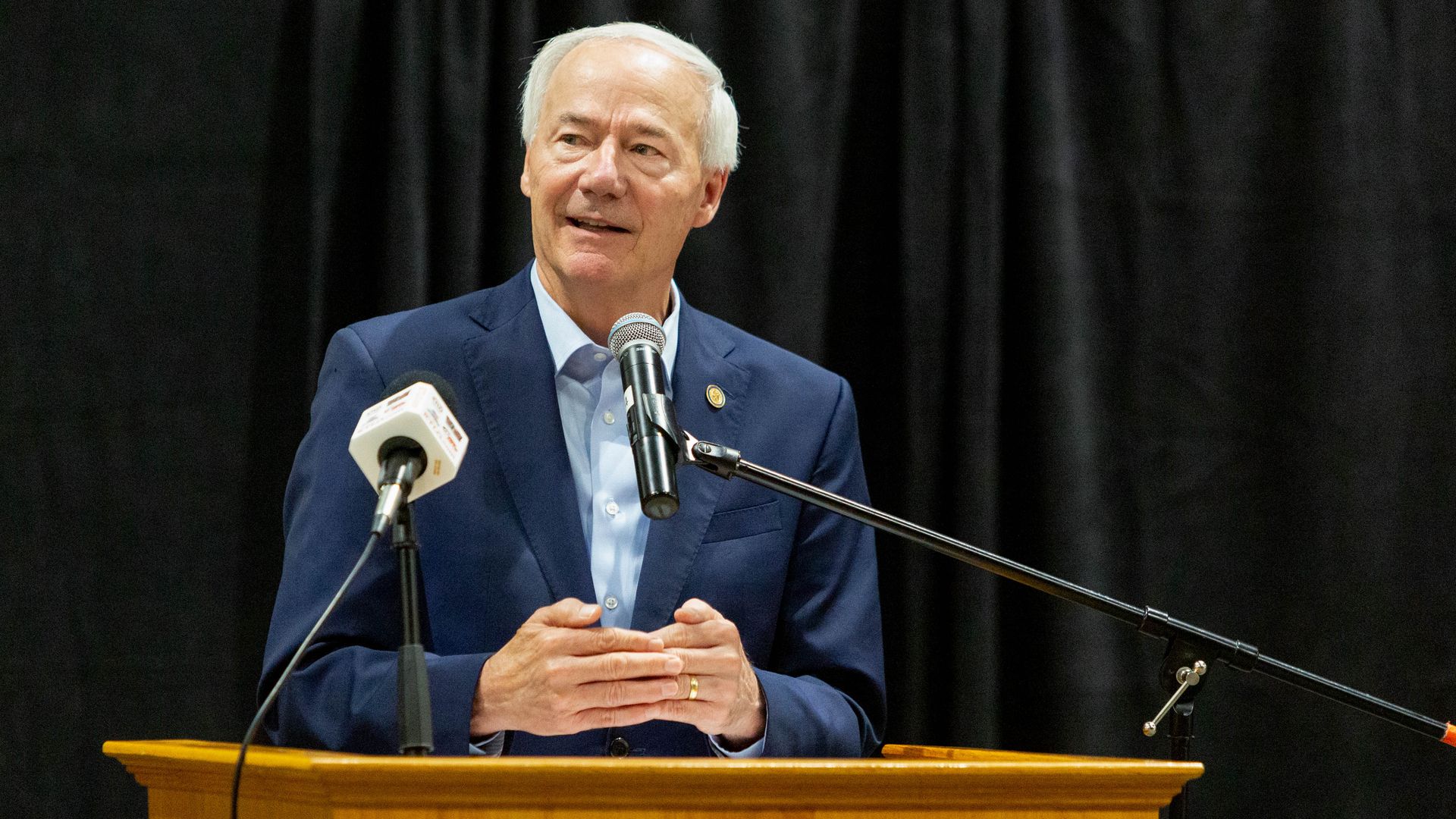
Former President Trump is “politically, morally responsible” for the Jan. 6 insurrection, Arkansas Gov. Asa Hutchinson (R) said on “Fox News Sunday.”
Why it matters: Hutchinson, who's been among the few elected Republicans to repeatedly criticize Trump, said his party needs to do some “soul-searching” more than a year on after the deadly attack.
Former President Donald Trump wouldn't get Rep. Don Bacon's (R-Neb.) vote in the 2024 primary election if the former president chose to run again, Bacon told NBC's "Meet the Press" on Sunday.
Why it matters: Speculation has been rife for months about whether Trump will run for president a second time and whether he still enjoys the same dominance over the GOP as he used to.
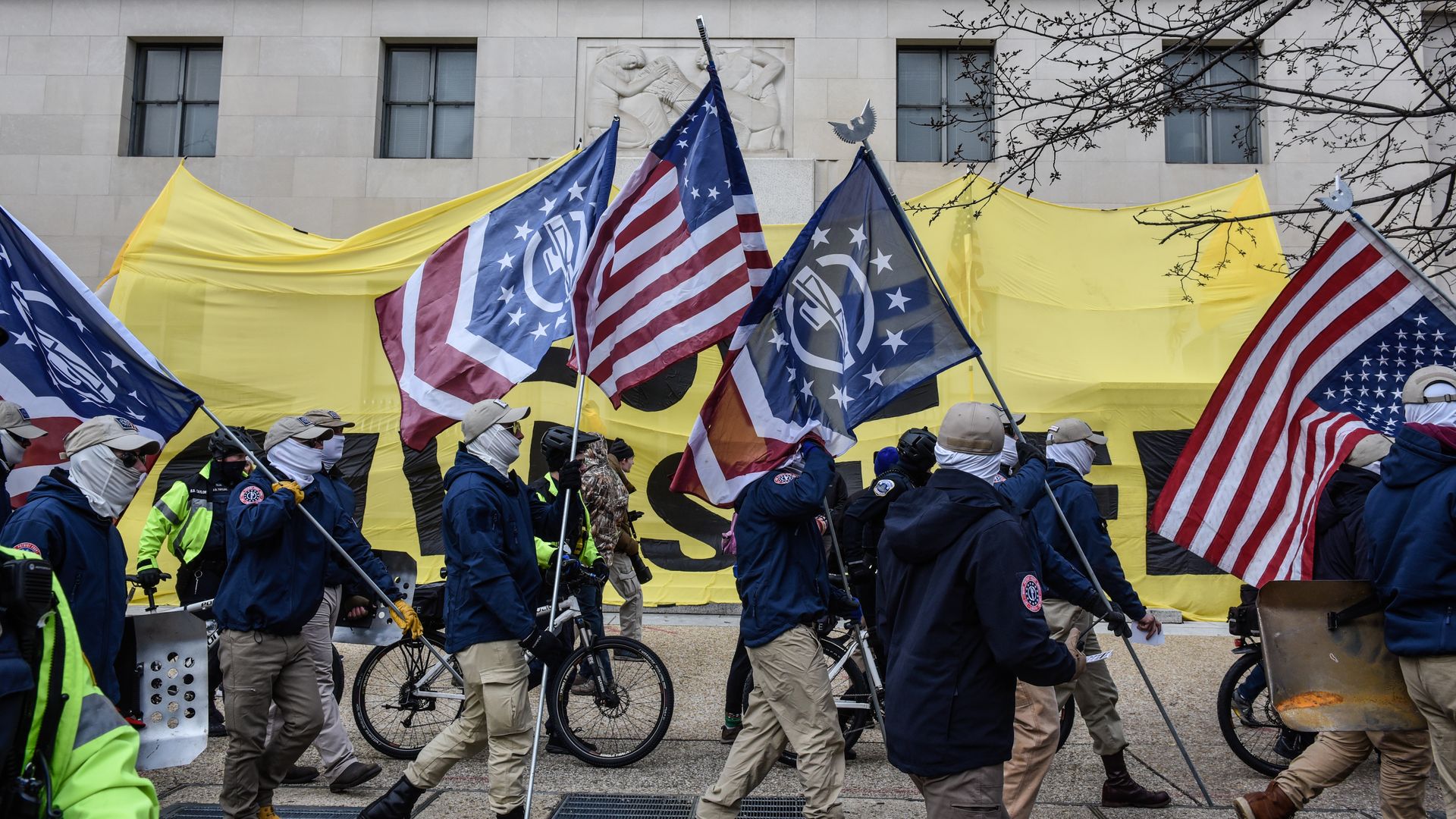
Idaho police arrested 31 members of the Patriot Front, a white supremacist group, on Saturday after they were discovered packed into a U-Haul truck with riot gear near an LGBTQ Pride event in Coeur d’Alene, AP reported.
Driving the news: All 31 members were arrested and charged with conspiracy to riot, a misdemeanor, after being found in the truck when it was pulled aside in a traffic stop, the Idaho Statesman reported.
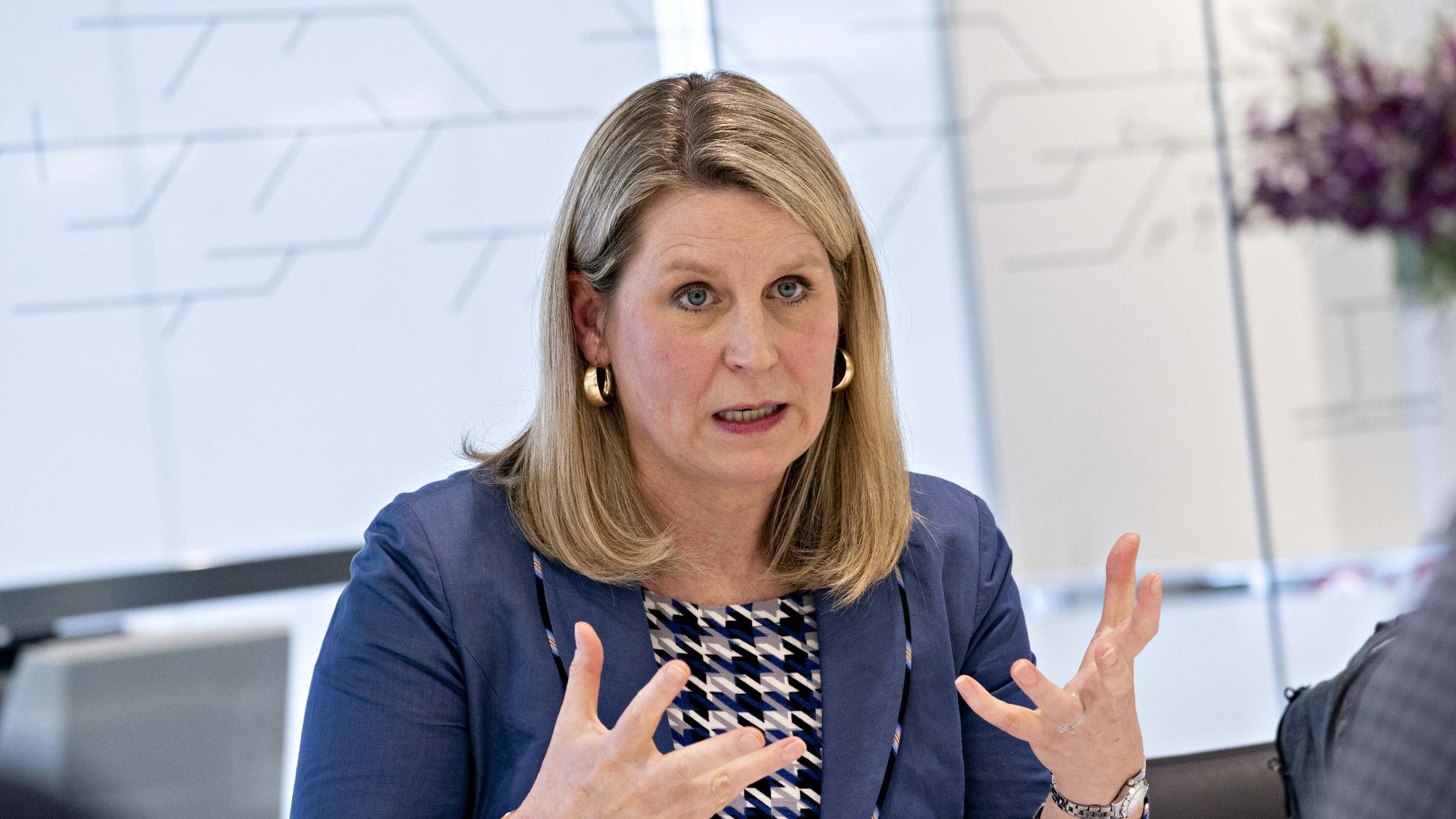
The new leader of the AFL-CIO is zeroing in on the tech sector as one of organized labor's top targets and plans to shift more of the powerful union's resources to organizing and growing its members, she and her deputy told Axios in a joint interview.
Driving the news: Liz Shuler will be confirmed today as the group's president at its constitutional convention in Philadelphia, the first woman to lead the federation of 57 U.S. and international labor unions representing 12 million workers.
She's been running the AFL-CIO since former president Richard Trumka's sudden death last summer.
"It's our moment to write the next chapter of the labor movement," she said in a joint interview with Fred Redmond, the group's first Black secretary-treasurer.
Why it matters: They want to build upon unprecedented union victories at companies like Amazon and Starbucks. To do so, they plan to reallocate resources toward organizing and pare back AFL-CIO leadership, a shift from Trumka's approach.
"We are looking to seize on this moment to show that the labor movement is wide open — that we are open to transformational change," Shuler said.
Between the lines: Redmond mentioned "tech workers" as one area they want to focus on, but the leaders were cagey about naming specific companies they want to target.
"We can't say who because we don't want — obviously — the companies to be notified," said Shuler.
The big picture: Shuler and Redmond need to harness the energy and enthusiasm of the biggest wave of union organizing campaigns and strikes in decades.
They know this moment — with Democrats controlling Congress at least through November, Joe Biden as the most pro-labor president in recent times and workers feeling emboldened to organize at the most powerful and anti-union companies in the world — won't last forever:
During Trumka's tenure, an internal debate raged in labor circles about the best use of the AFL-CIO's time and money: Should the storied group concentrate on adding members by investing more in organizing workers and unionizing new sectors of the economy? Or should it be more Washington-focused and work on building consensus around policy and lobbying for labor's agenda in D.C.?
Trumka was a skilled political player in Washington, but as the New York Times reported, funding for organizing dropped and the rate of union membership fell by about 1.5 percentage points during his tenure to under 11%.
Shuler rejected the idea the AFL-CIO must choose between politics or organizing — but indicated it must put a significantly heavier emphasis on organizing at a moment when workers like Amazon's Christian Small are notching up stunning victories electrifying labor activists everywhere.
Some reformers in the labor movement are skeptical that Shuler — who had been Trumka's working partner for 12 years — can be a change agent. They'll be watching closely to see whether she and Redmond keep their promises around organizing.
What they're saying: Shuler and Redmond say they want to emphasize and build upon the diversity of the labor movement.
"The emerging workforce is people of color, is young people, is women, particularly women of color," Shuler said. "This is not your granddaddy's labor movement."
Yes, but: Shuler recently had to confront a relic of its past. The Pennsylvania AFL-CIO leader Frank Snyder retired amid an investigation into workplace misconduct just days before he was supposed to become the state group's president.
Shuler told Axios, "I did put my thumb on the scale" to push Snyder out.
Asked whether she was going to make the results of the investigation public, Shuler said: "The report was never written. ... We decided to take action prior to official findings because I knew it would divide the labor movement, and we are going into an important election year. Pennsylvania is a critical state."
A spokesperson for the Pennsylvania AFL-CIO did not respond to a request for comment.
Snyder's replacement, Angela Ferritto, is the first woman to lead the state labor organization.