Senators will almost certainly get to voteon whether or not to call impeachment witnesses. The resolution laying out the rules of the trial, which will be presented Tuesday, is expected to mandate that senators can take up-or-down votes on calling for witnesses and documents.
Yes, but: Those votes won't come until the House impeachment managers and President Trump's defense team deliver their opening arguments and field Senators' questions.
Trump officials say they feel especially bullish about one key argument against calling additional impeachment witnesses: It could compromise America's national security.
The big picture: People close to the president say their most compelling argument to persuade nervous Republican senators to vote against calling new witnesses is the claim that they're protecting national security.
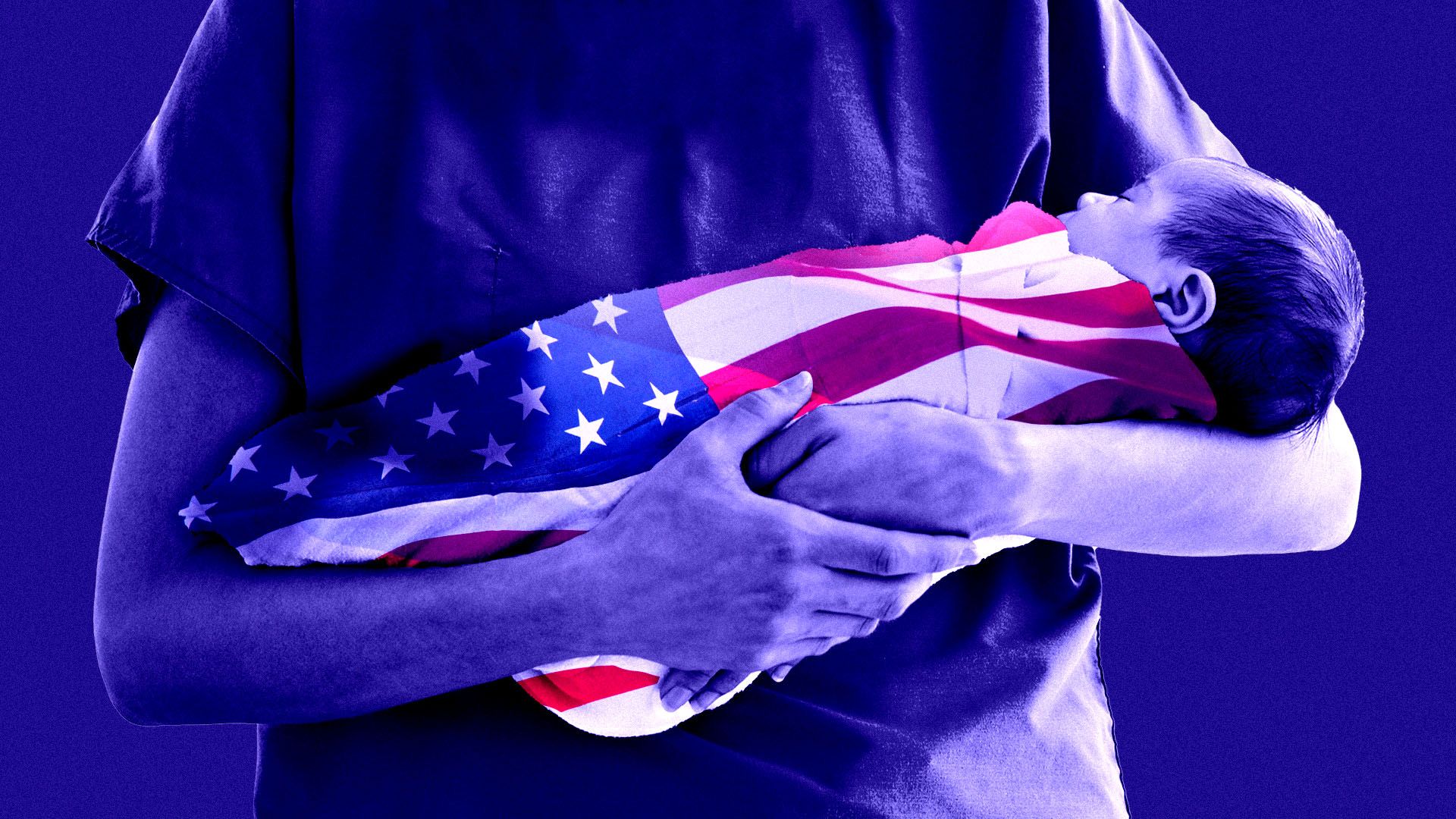
The Trump administration has a new target on the immigration front — pregnant women visiting from other countries — with plans as early as this week to roll out a new rule cracking down on "birth tourism," three administration officials told Axios.
Why it matters: Trump has threatened to end birthright citizenship and railed against immigrant "anchor babies." The new rule would be one of the first tangible steps to test how much legal authority the administration has to prevent foreigners from taking advantage of the 14th Amendment's protection of citizenship for anyone born in the U.S.
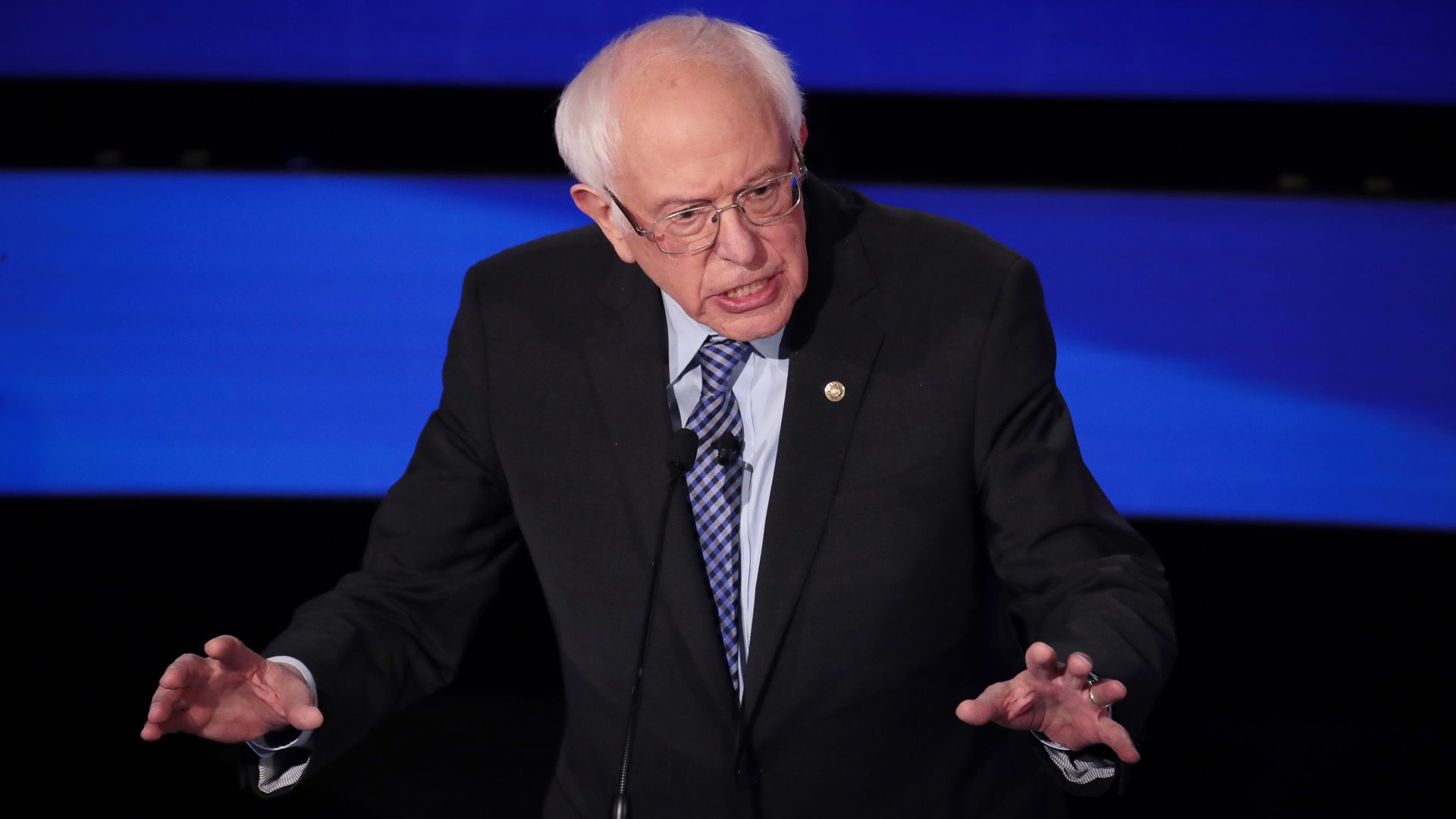
Sen. Bernie Sanders said on New Hampshire Public Radio Sunday that gender could be viewed as an "obstacle" for female politicians running for president, but that everyone has their "own set of problems" — such as his own age, for example — and that it's important to look at the "totality" of a candidate.
Why it matters: Sanders is continuing to deal with the fallout from Sen. Elizabeth Warren's claim that he told her in 2018 that a woman could not win the presidency. Sanders has denied saying this, stressing on Sunday that the country has come a long way over the past few decades and that anyone can become president.
Sen. John Cornyn (R-Texas) on CBS's "Face the Nation" Sunday dismissed new impeachment evidence obtained from Lev Parnas, an indicted associate of Rudy Giuliani, stating that there is "no question that there have been a series of grifters" who have associated themselves with the Trump campaign.
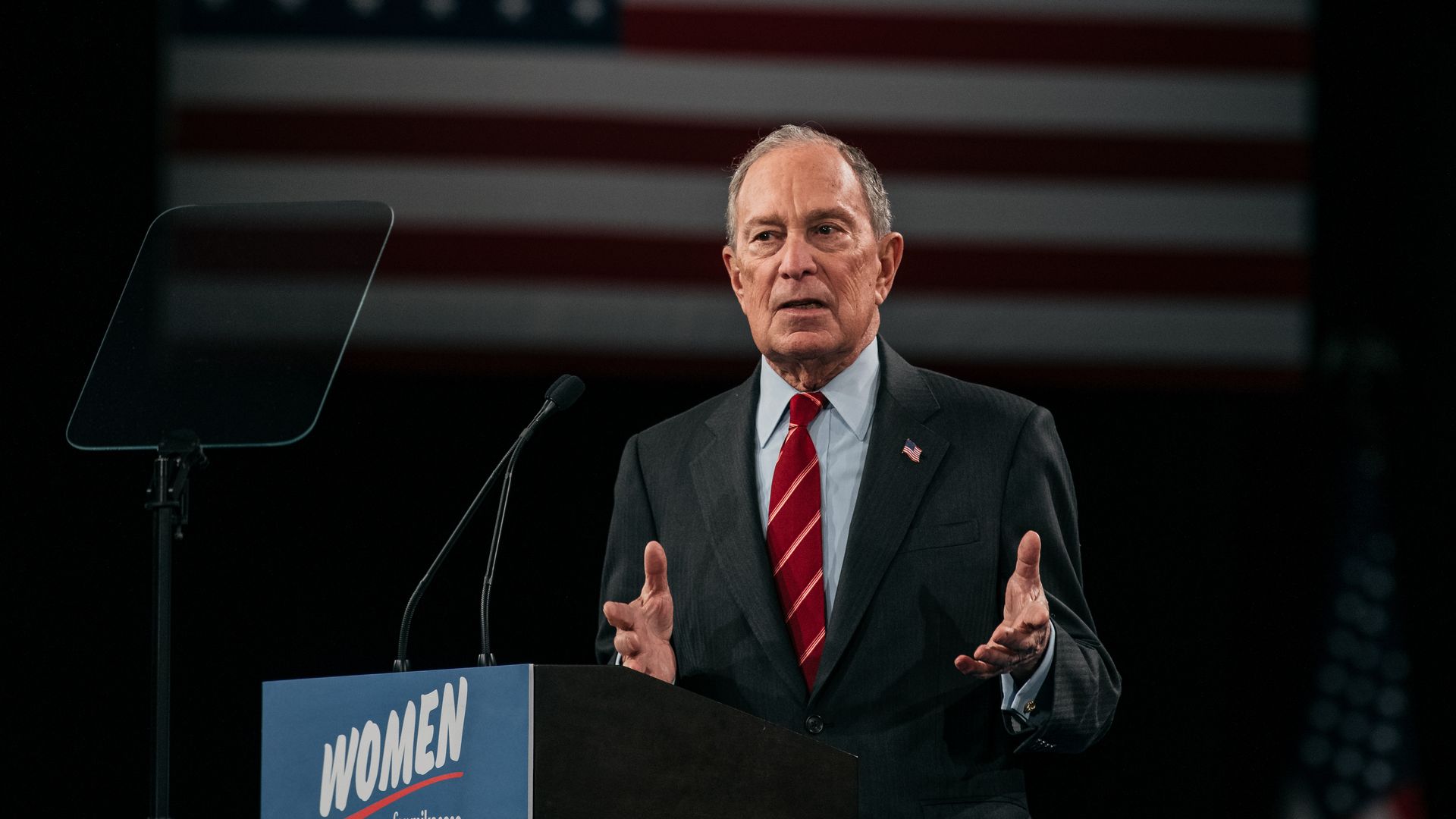
TULSA, Okla. — Mike Bloomberg is ready to acknowledge his white privilege, and he's hoping it'll help him with black voters.
Why it matters: Bloomberg’s courtship of black voters appears an uphill climb because of his past support for stop-and-frisk in New York City. He's seeking to redefine his reputation with black voters using his biggest strength — an understanding of data and the economy — to present himself as a wealth advocate on their behalf.
Sen. Lindsey Graham (R-S.C.) said on "Fox News Sunday" that when it comes to President Trump, House Speaker Nancy Pelosi "may pray for him privately, but she's orchestrated the church of holy hell from the time Trump has been sworn in until now."
House Intelligence Chairman Adam Schiff (D-Calif.) said on ABC's "This Week" that Alan Dershowitz's argument that abuse of power is not an impeachable offense — even if proven — is an "absurdist position" that President Trump is only making because the facts are so "dead set" against him.
Alan Dershowitz, a member of President Trump's legal defense team for the impeachment trial, said on CNN's "State of the Union" that he will be arguing in the Senate that abuse of power and obstruction of Congress do not amount to impeachable offenses, even if proven.
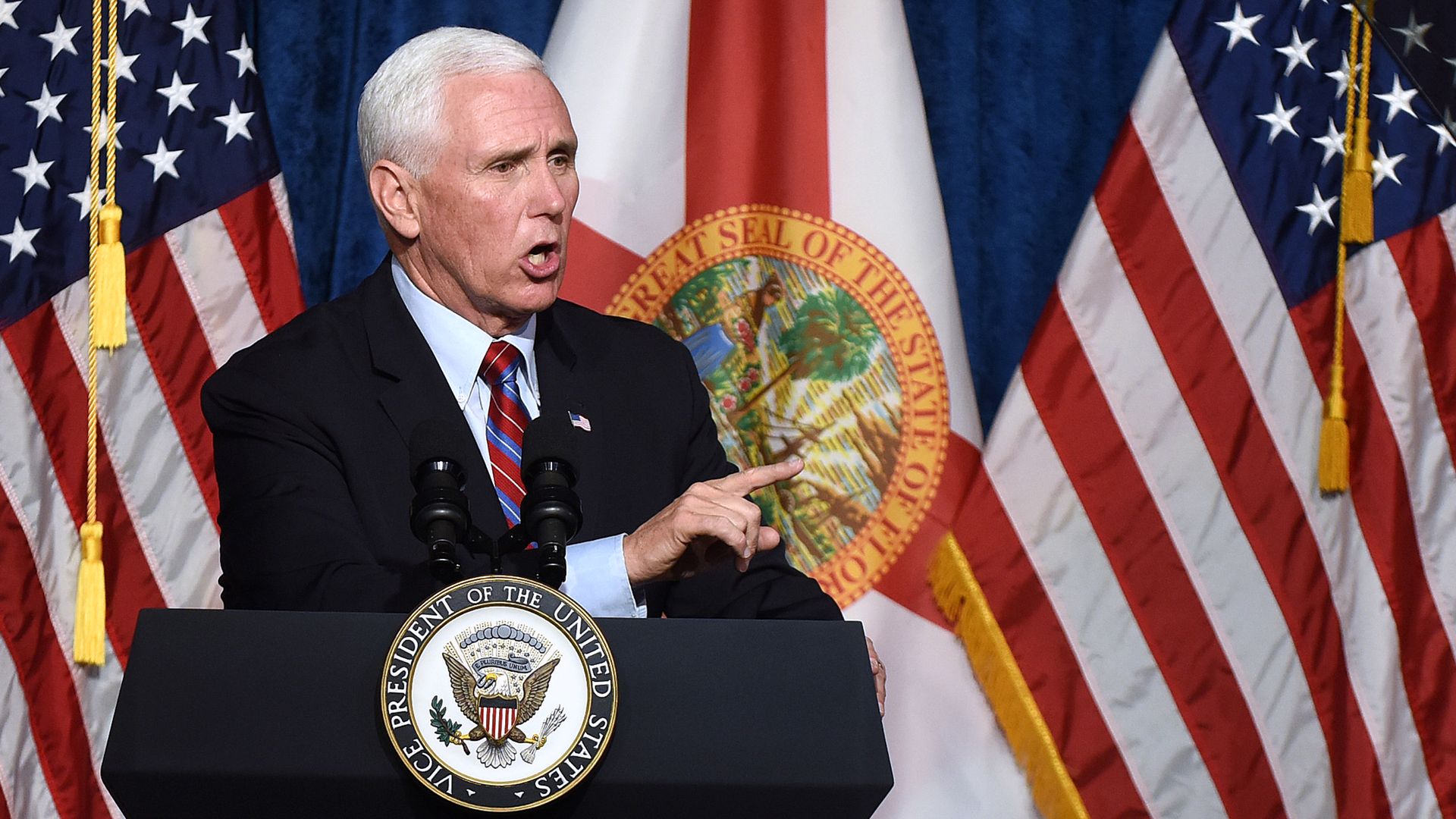
Jack Schlossberg, President John F. Kennedy's only grandson, tweeted on Saturday that a Wall Street Journal op-ed by Vice President Mike Pence — in which he cited JFK's book "Profile in Courage" to attack President Trump's impeachment — is a "total perversion of JFK's legacy and the meaning of courage."
Driving the news: Pence cited a chapter of the book on Republican Sen. Edmund Ross of Kansas, who defied his party by voting to acquit President Andrew Johnson during his 1868 impeachment trial.
More voters than ever oppose capitalism. That fact has profound implications for the 2020 presidential election, but also for the future of the entire U.S. and global economy.
By the numbers: A Harris poll for "Axios on HBO" finds that socialism is gaining popularity: Four in 10 Americans — and 55% of women between 18 and 54 — say they would prefer to live in a socialist country over a capitalist one.
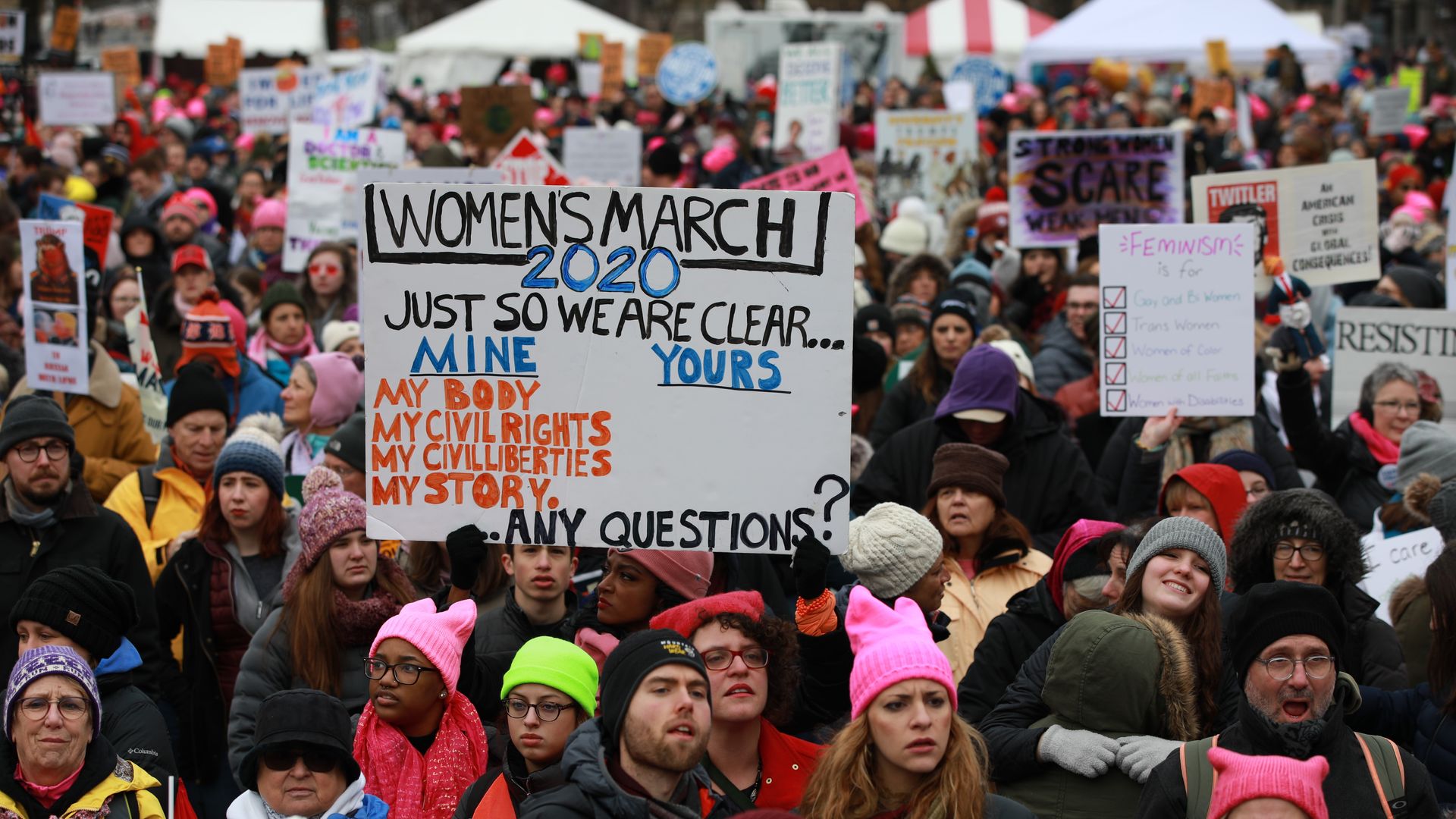
The fourth annual Women's March on Washington, D.C., Saturday drew much smaller crowds than the millions who rallied in the capitol after President Trump's 2017 inauguration, but the crowd was just as passionate, NPR reports.
The big picture: Over 25,000 people signed up online to attend the D.C. march and more than 250 events were held around the U.S, per the New York Times. Here's what else unfolded, in photos.
The next Democratic debate offers candidates left behind by increasingly difficult Democratic National Committee rules the chance to get back on stage, New York Times' Maggie Astor writes.
Why it matters: The DNC's new rule, which allows candidates to qualify for the Feb. 7 debate by gaining just one pledged delegate from the Iowa caucuses, could land candidates like Andrew Yang back in the mix and, possibly for the first time, Michael Bloomberg.