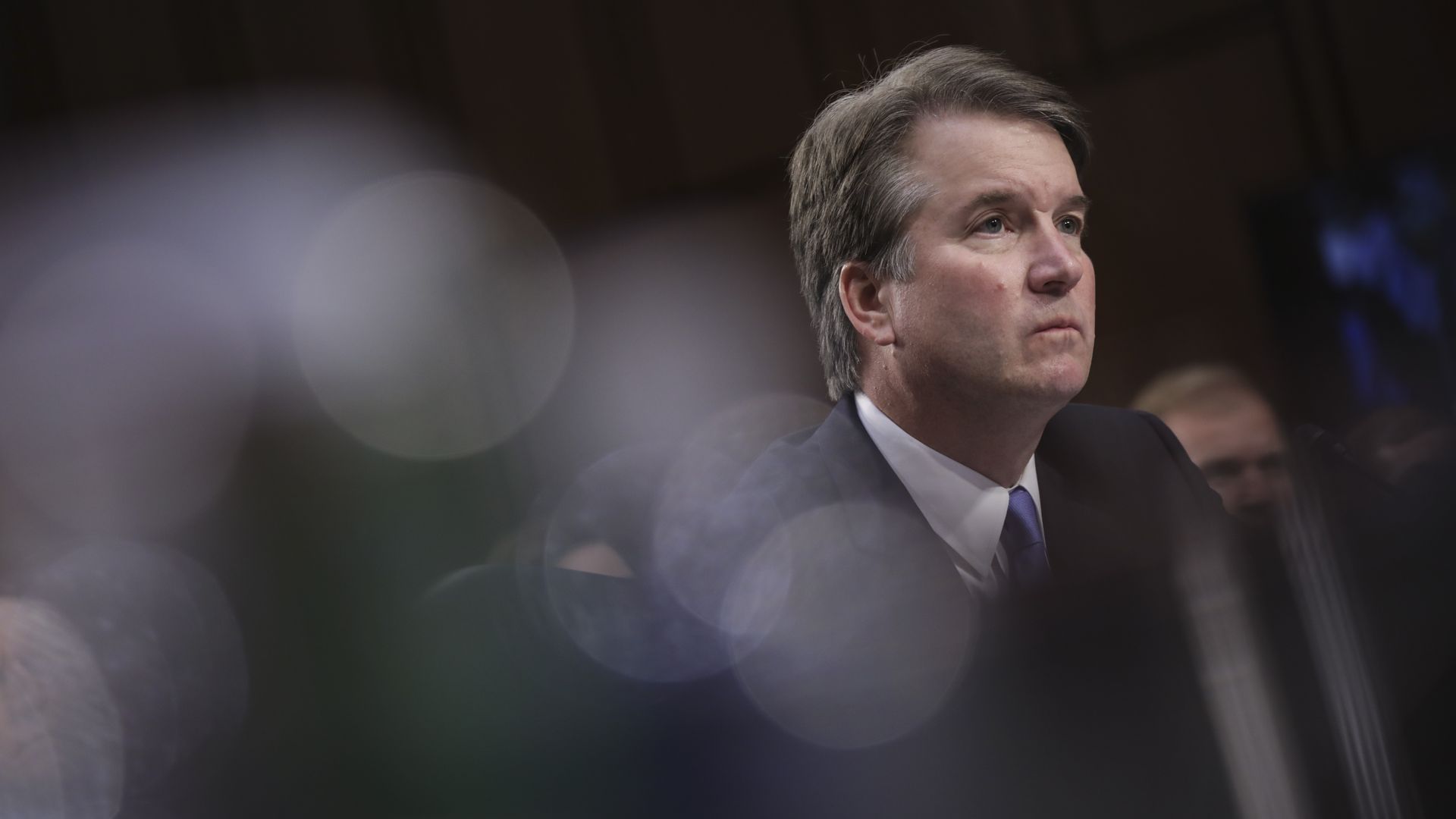
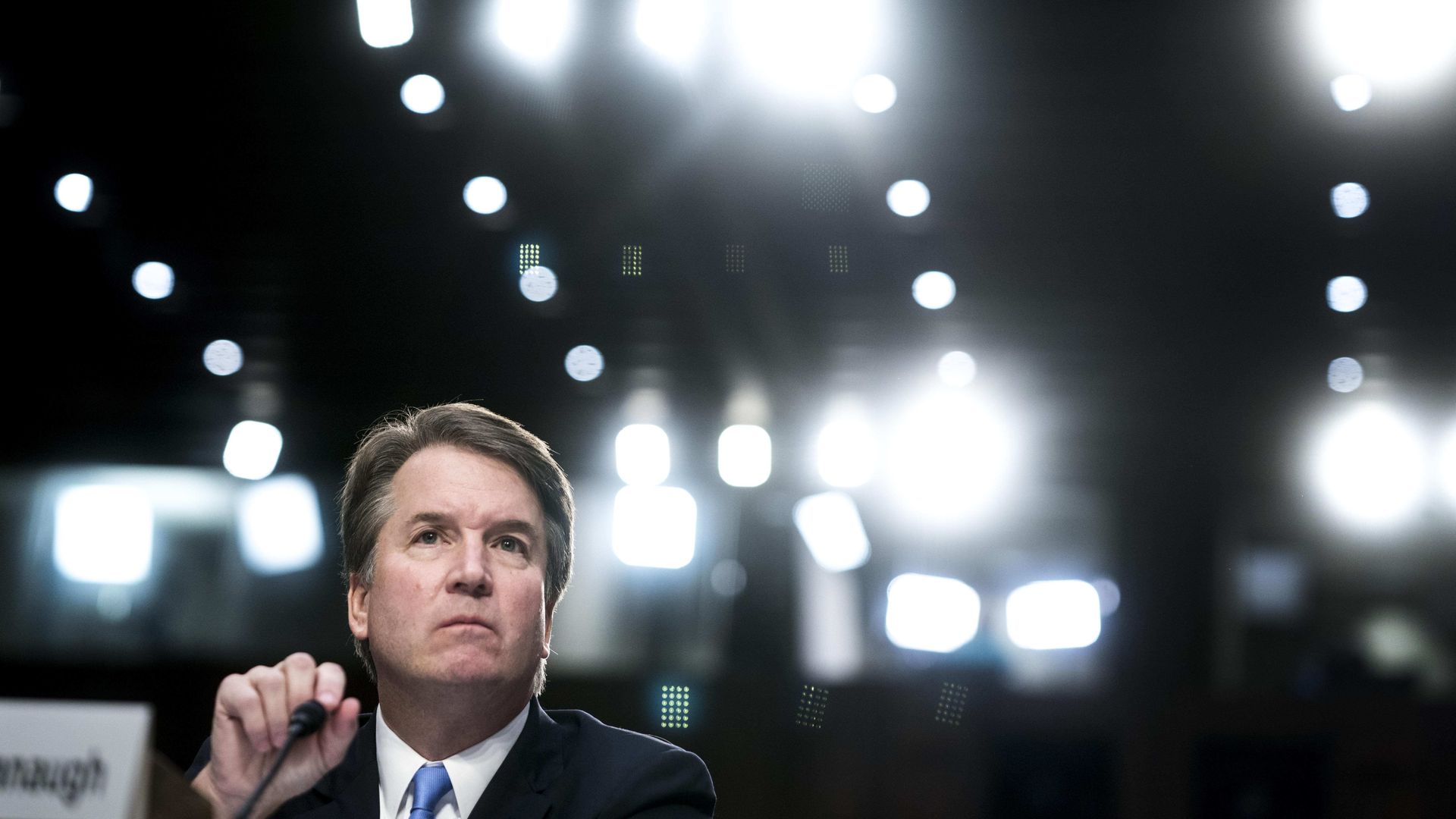
Senate Judiciary Chairman Chuck Grassley officially canceled a committee vote on Brett Kavanaugh's Supreme Court nomination that was scheduled for Thursday.
What's next: A Monday hearing with Christine Blasey Ford who has accused Kavanaugh of sexual assault. Democrats want Republicans to call other witnesses to testify under oath.
Mark Judge, the man that Christine Blasey Ford said was in the room when Brett Kavanaugh allegedly sexually assaulted her in high school, issued a statement to the Senate Judiciary Committee Tuesday maintaining that he has "no memory" of the incident and that he does not wish to testify publicly.
Why it matters: Senate Democrats have called on Judge to testify — both Ford and Kavanaugh will be testifying publicly Monday — given Ford identified him as a witness to the alleged sexual misconduct. The letter comes days after Judge denied the incident to The Weekly Standard in an interview. "It's just absolutely nuts. I never saw Brett act that way," he said.
The Trump administration has again cut the number of refugees allowed into the U.S., and the overwhelming majority of the small group of refugees who were admitted this past year are Christians.
The big picture: Islam is the predominant religion in nations such as Syria, Afghanistan and Somalia, which account for 39% of the 25 million refugees in the world, according to UN data. Most Christian refugees came from Iraq, Iran and Myanmar (formerly Burma), where many faced brutal persecution.
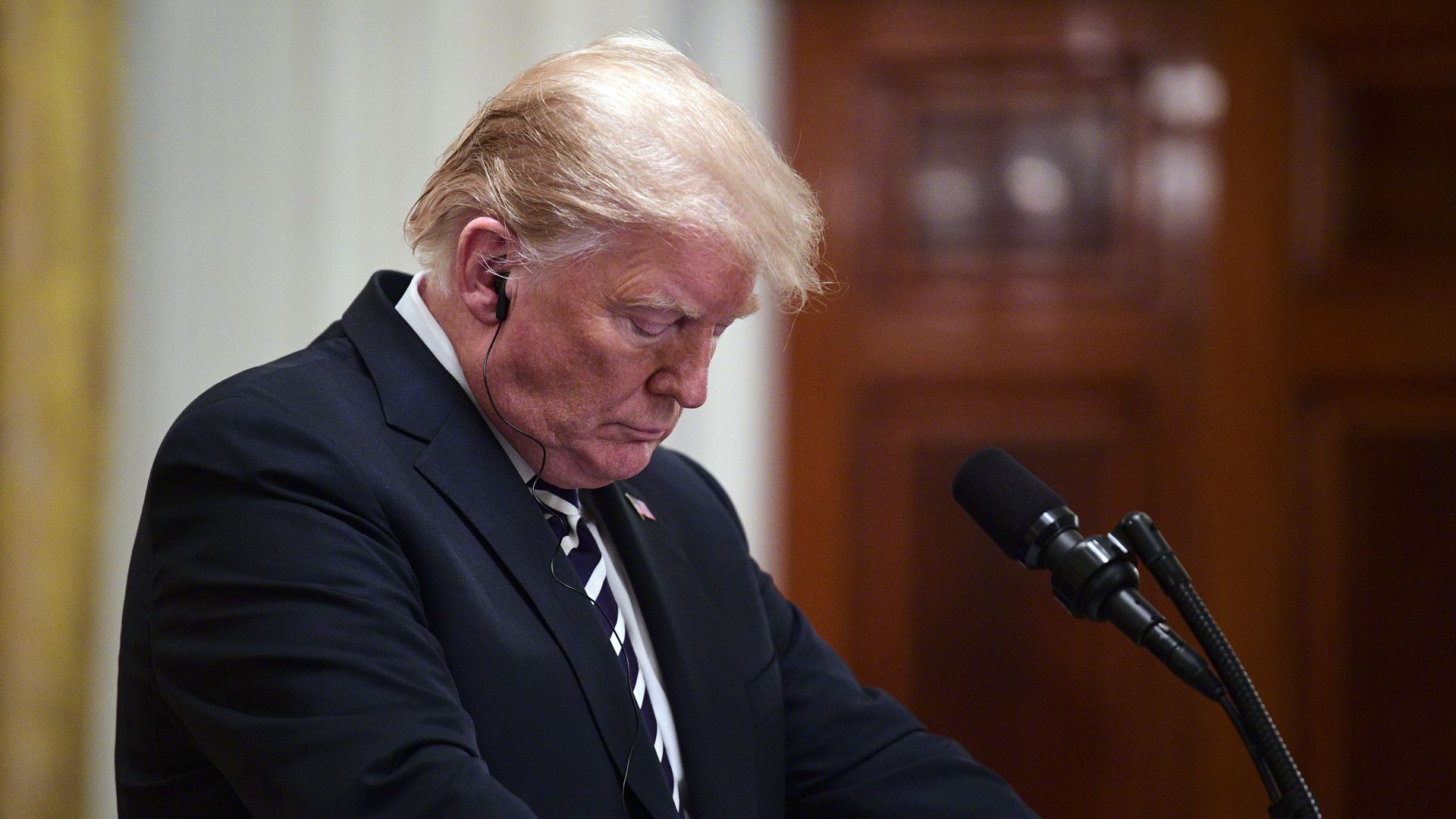
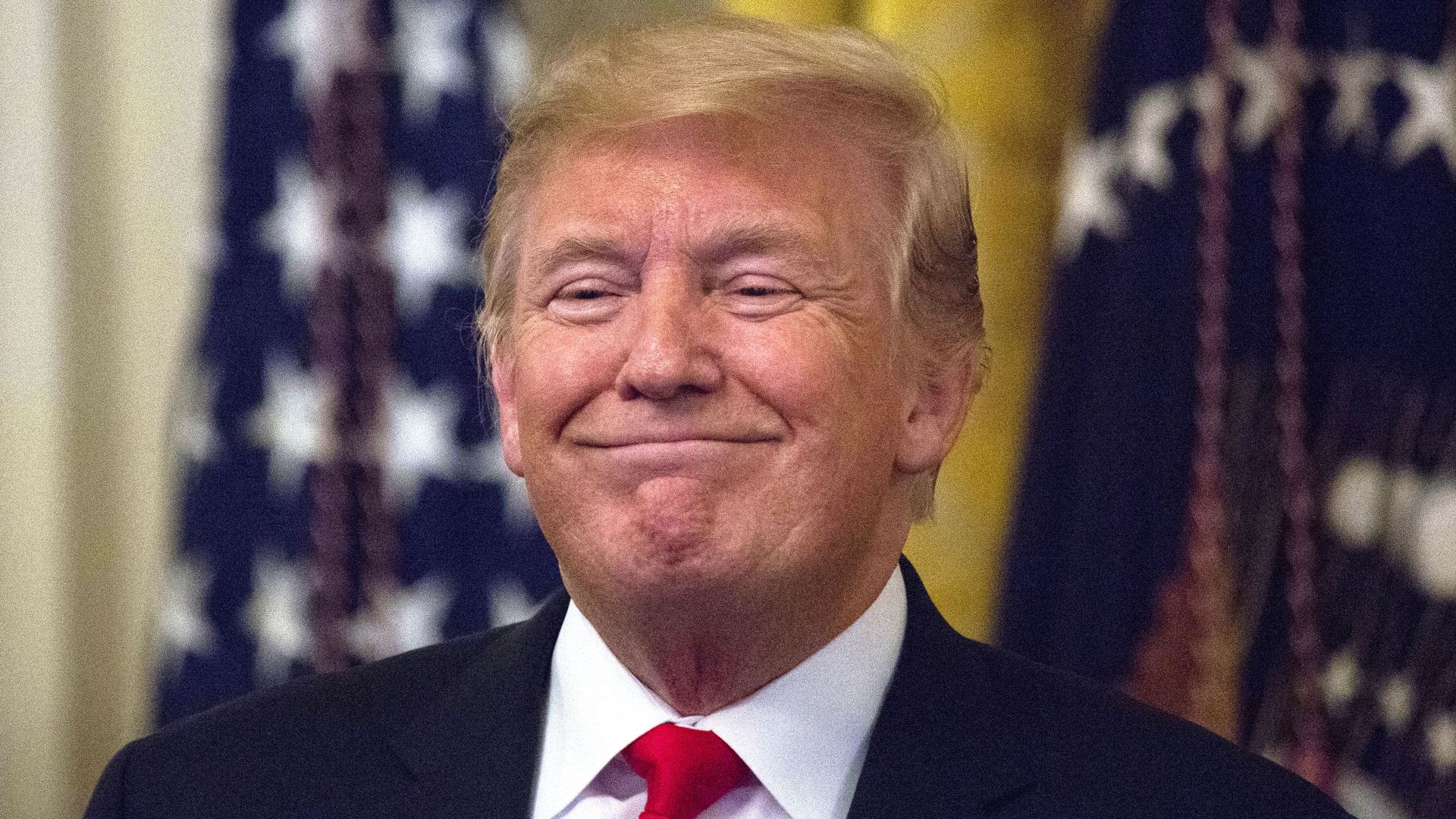
President Trump says he feels "so badly" that his Supreme Court nominee, Brett Kavanaugh, is facing sexual assault allegations.
"I feel so badly for him. This is not a man that deserves this ... I feel terribly for him, for his wife, who is an incredibly lovely woman, and for his beautiful young daughters."
— Trump, speaking at a press conference with the president of Poland
The context: Trump placed blame on the Democrats for bringing up the allegations so close to the scheduled vote on his nomination. "It should have been brought to the fore …long ago," Trump said. Democrats, he said, "just resist and they just obstruct. Frankly, I think they’re lousy on policy and they’re lousy politicians."
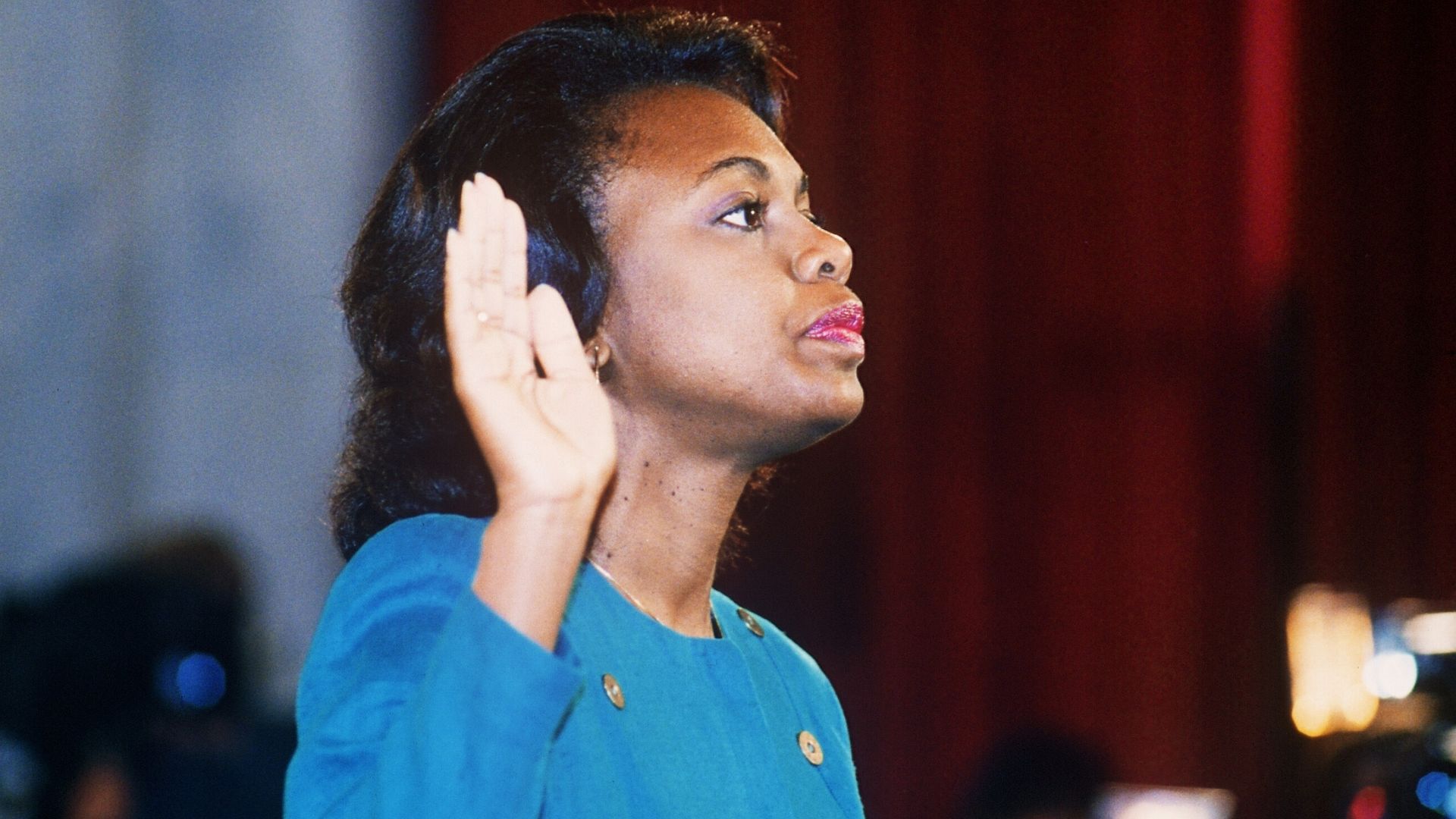
Anita Hill has a few "ground rules" for senators in the upcoming hearing on Christine Blasey Ford's claims that Supreme Court nominee Brett Kavanaugh sexually assaulted her when they were in high school: "''[N]ot getting it' isn’t an option for our elected representatives. In 2018, our senators must get it right," Hill writes in an op-ed published in the New York Times.
Why it matters: Hill writes from her own experience in 1991, when she testified in front of the Senate with accusations of sexual misconduct on the part of then-Supreme Court nominee Clarence Thomas. She was aggressively questioned about her story, and Justice Thomas was ultimately confirmed. "There is no way to redo 1991, but there are ways to do better," Hill's op-ed begins.
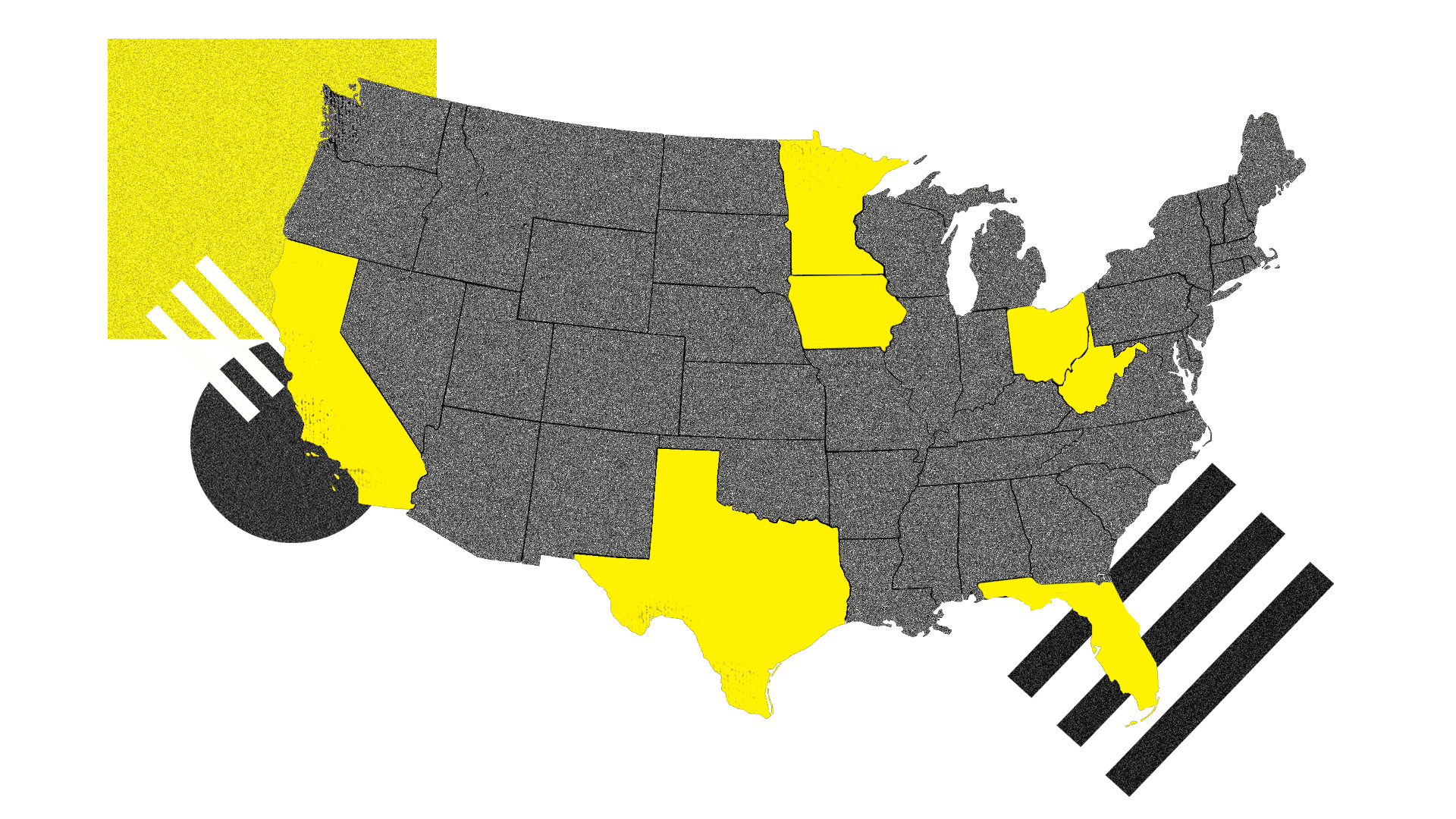
Eight races will help determine if the "blue wave" will be strong enough to live up to the hype, allowing Democrats to wipe out the GOP in the House and possibly even win the Senate.
Why it matters: If it's a truly strong wave, we'll know not just from the high-profile races, but from lesser-known ones that would only be competitive if Democrats are winning everywhere.
President Trump has ordered the declassification of documents regarding the U.S. government's surveillance of Trump campaign adviser Carter Page and the investigative activities of senior Justice Department lawyer Bruce Ohr, a move Jonathan Swan reported earlier this month.
Trump also ordered the release of "all text messages relating to the Russia investigation, without redaction, of James Comey, Andrew McCabe, Peter Strzok, Lisa Page, and Bruce Ohr," Press Secretaty Sarah Sanders said in a statement Monday.
Why it matters: Republicans on the House Intelligence and Judiciary committees believe the declassification will permanently taint the Trump-Russia investigation by showing the investigation was illegitimate to begin with.
Secretary of State Mike Pompeo announced Monday that the U.S. will limit refugee admission to 30,000 in 2019, down from 45,000 in 2018. When Trump took office, the refugee cap stood at 110,000.
The big picture: It's the smallest cap placed on the refugee program since it was created in 1980.
Special counsel Robert Mueller asked a judge on Monday to set the sentencing date for President Trump's former national security adviser Michael Flynn as part of his ongoing Russia probe, according to a court filing. The filing said the parties are available the week of Nov. 28.
Why it matters: Flynn who pleaded guilty in December to lying to the FBI about his conversations with former Russian ambassador to the U.S. Sergey Kislyak, had agreed to cooperate fully with Mueller's investigation. It's unclear what he's told the special counsel's team so far and how that may affect his sentencing. His single charge carries a maximum of five years in prison and a fine up to $250,000.
President Trump said Monday that he is open to the Senate Judiciary Committee delaying Brett Kavanaugh's confirmation process following allegations of sexual assault.
"I want the American people to be happy because they’re getting somebody that is great. I want him to go in at the absolute highest level. And I think to do that you have to go through this. If it takes a little delay it'll take a little delay ... I'm sure it will work out very well."
— President Trump
Why it matters: This is the first time Trump has weighed in on the allegations against his SCOTUS pick. Trump also defended Kavanaugh, and said he wished that the Democrats had brought this up sooner. His comments come as Senate leaders continue to debate how to handle the accusation, given the Judiciary Committee was expected to vote Kavanaugh onto the bench later this week.
Why it matters: This comes amid backlash over the announced test, given the substance of the text is at the discretion of the president and the system doesn’t offer an option to opt-out. Some critics have said they plan to turn their phones off in protest over concern that the president could overuse or abuse the alert to send political messages.
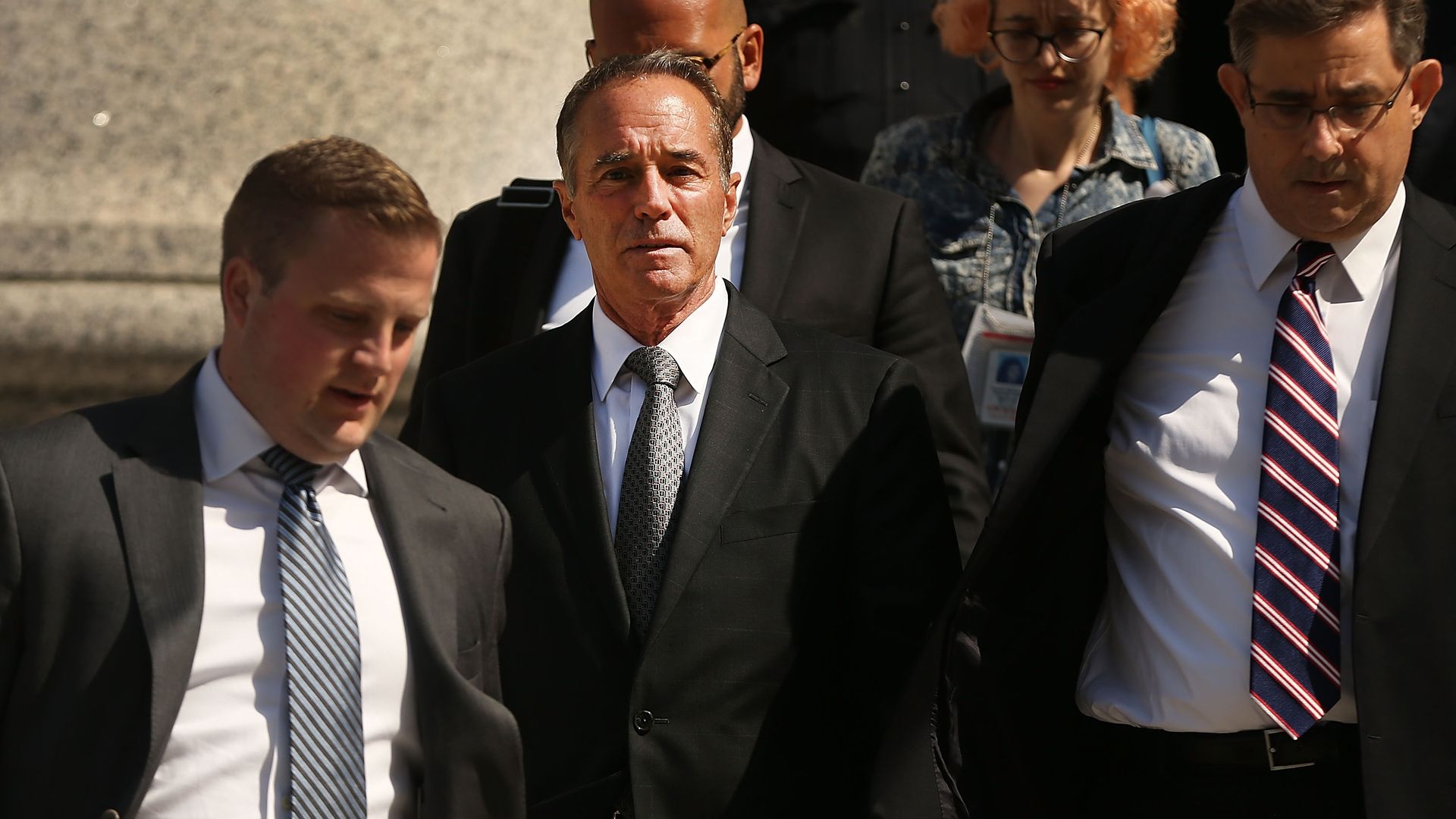
Rep. Chris Collins (R-N.Y.) will be on the ballot in November, despite initially saying he would suspend his reelection campaign due to an indictment for insider trading and lying to the FBI.
Why it matters: Collins' controversy could potentially put his solidly red district in play this November. But state law has prohibited the GOP from replacing primary-winner Collins with a safer Republican nominee without the House member dying, moving out of state, or accepting a nomination for state office elsewhere, per the Washington Post.
Sen. John Kennedy told reporters following a meeting among Senate Judiciary Committee Republicans there will be a public forum on Monday in which the professor accusing Trump Supreme Court nominee Brett Kavanaugh of sexual assault will get to speak to lawmakers, per NBC News and NYT.
President Trump said Monday afternoon he would be open to having Brett Kavanaugh's nomination delayed following allegations he committed a sexual assault in high school, and the White House said Kavanaugh is ready to testify as early as Tuesday.
Bradley Tusk, who managed Mike Bloomberg's third mayoral campaign and devised his unused 2016 presidential strategy, does not believe that the billionaire has made a decision about 2020. When asked by the Axios Pro Rata podcast about Monday's New York Times report that Bloomberg may run for president as a Democrat, Tusk said:
"Not that I know of. ... I think the only real distinction between what you saw in 2016 and what you're hearing now is the realization that the country at the moment is so partisan that, whereas an independent run in 2016 might have been feasible, it would be really tough in 2020. And I think that's what he's really been saying. Whether or not he chooses to run is still a totally open question."
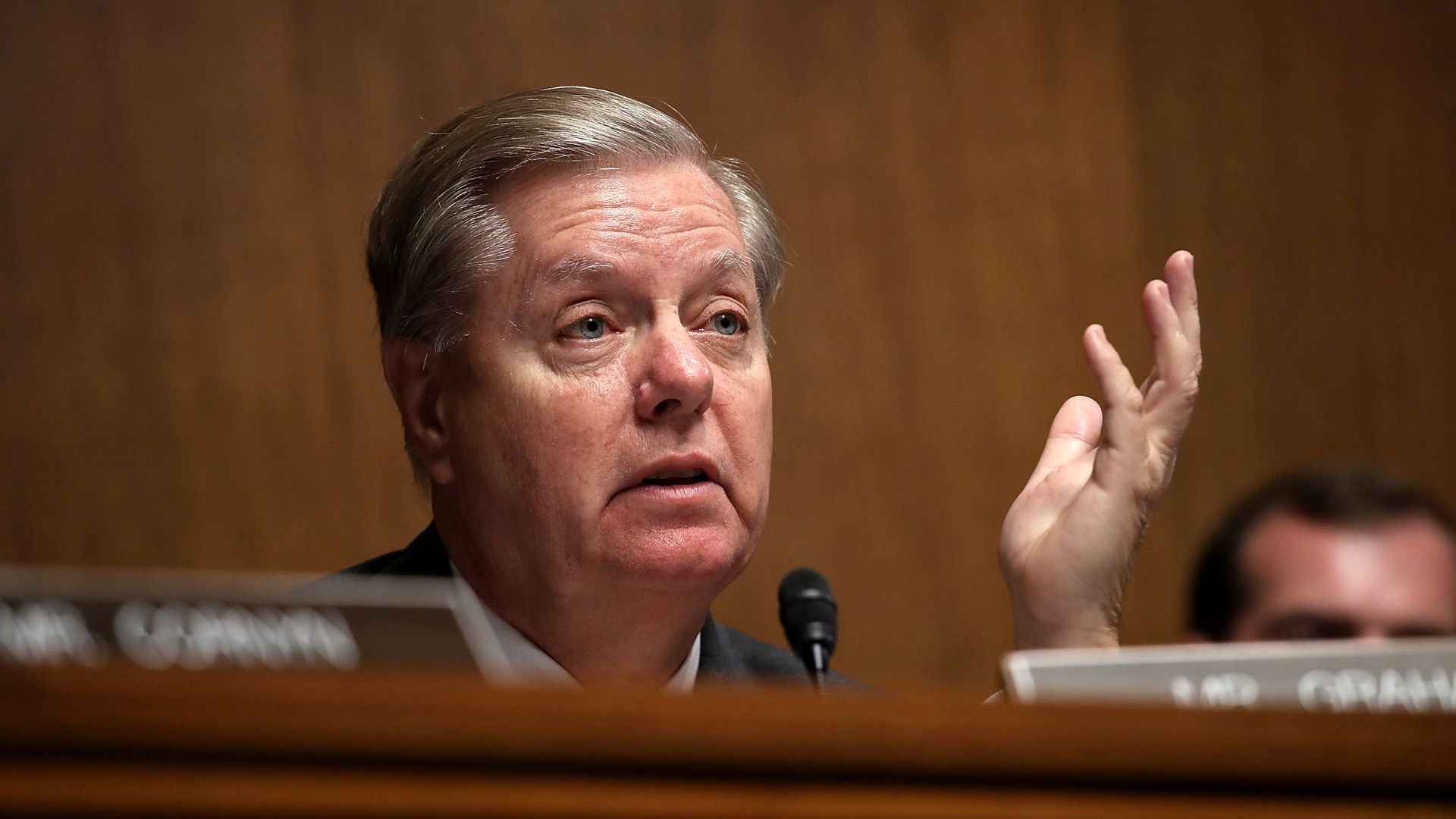
Republican Sens. Lindsey Graham, Jeff Flake, and Bob Corker said Sunday that they would like the Senate Judiciary Committee to hear from Christine Blasey Ford, the woman who accused Supreme Court nominee Brett Kavanaugh of sexually assaulting her in the 1980s.
The big picture: Flake was more forceful with his request, telling the Washington Post's Sean Sullivan that the committee "can't vote until we hear more." Corker told Politico it "would be best for all involved." Meanwhile, Graham issued a statement that he would "gladly hear" from Ford, but indicated his support for an earlier joint Republican statement from Chairman Chuck Grassley's office that said it was "disturbing" that Democrats would sit on these allegations until the eve of Kavanaugh's confirmation vote.
On Saturday morning, a senior administration official told me President Trump has "come to realize that there's not a path to 60 votes" to pay for his border wall before the November elections. "The president, I think, is not really in veto mode right now," the official said.
Between the lines: Trump has privately assured Republican leaders Paul Ryan and Mitch McConnell that he accepts his border wall won't be funded before the midterms. He's promised them he won't shut down the federal government at the end of September in a fight over the wall.