Four historically Black medical schools are getting $600 million from Michael Bloomberg's philanthropic organization to bolster their endowments.
Why it matters: The medical profession needs more diversity to ensure it's adequately serving the public and avoiding blind spots.
And Black people are particularly underrepresented among physicians.
Driving the news: Bloomberg Philanthropies today announced $175 million each for Howard University College of Medicine, Meharry Medical College and Morehouse School of Medicine, and $75 million to Charles R. Drew University of Medicine & Science.
A new medical school in New Orleans, Xavier Ochsner College of Medicine, is also getting $5 million in seed funding.
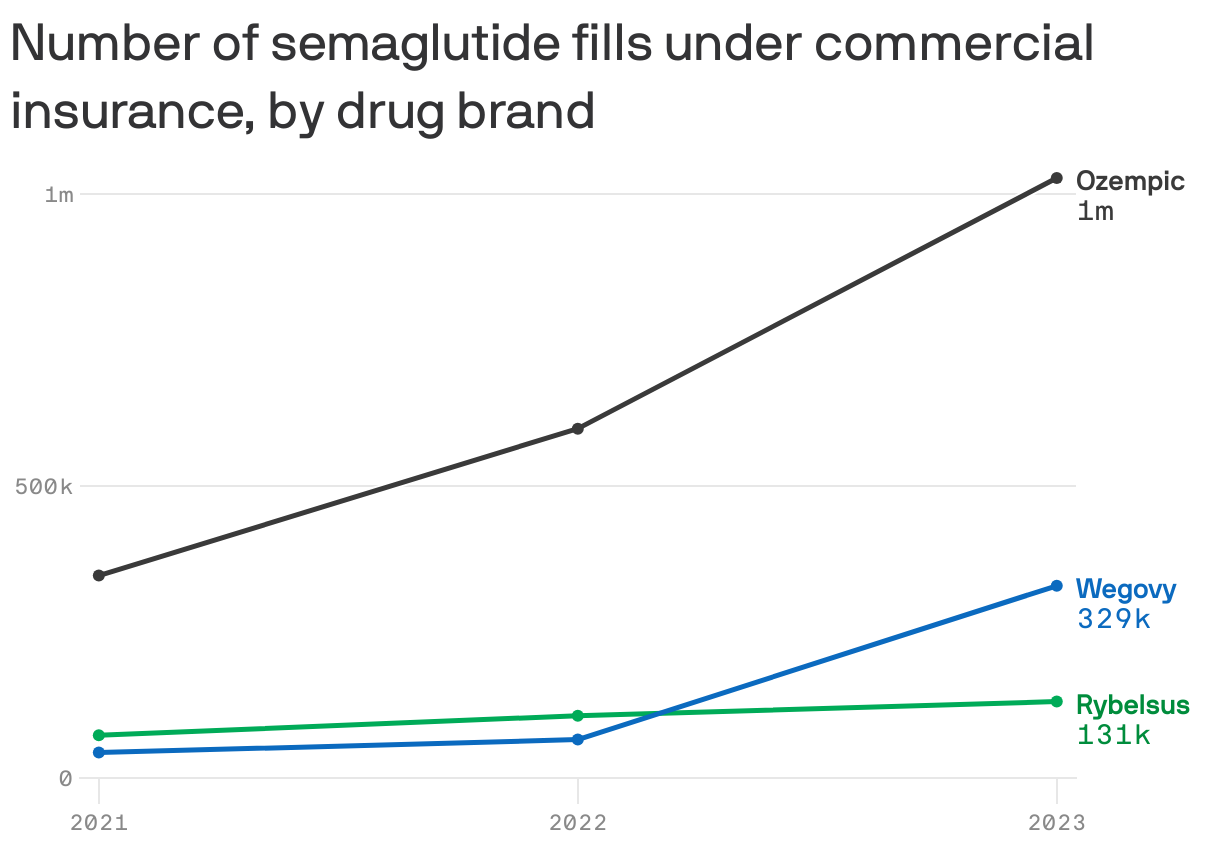
Growing demand for GLP-1 drugs like Ozempic and Wegovy and hospital consolidation could help drive up the cost of Affordable Care Act coverage next year by 9% or more, according to a preliminary review by the Peterson Center on Healthcare and KFF.
Why it matters: While most enrollees in the market get subsidies and won't have to foot the added bill, premium increases generally result in higher federal spending on subsidies, the analysis notes.
Inmates in U.S. prisons appear to not be seeking the health care they need because they can't afford co-pays, per a study inJAMA Internal Medicine.
Why it matters: Co-pays, found in up to 90% of state and federal prisons, could be a barrier to addressing the increasing prevalence of chronic health conditions among the incarcerated.
1.6 million more people lost health coverage in the first quarter of this year as states continued to cut their Medicaid rolls and unemployment ticked up, according to preliminary Centers for Disease Control and Prevention data.
Why it matters: After the uninsured rate hit a record lowof 7.2% last year, coverage gains stemming from pandemic-era policies are starting to slip — and could fall further if health costs continue to rise and enhanced Affordable Care Act subsidies aren't renewed next year.
Some of America's largest hospital systems saw their financials soar in the first half of 2024. And yet, more than 700 facilities across the country still are at risk of closing.
Why it matters: It's a familiar tale of the rich getting richer, as big, mostly for-profit health systems see improved margins while smaller facilities in outlying areas are barely hanging on.
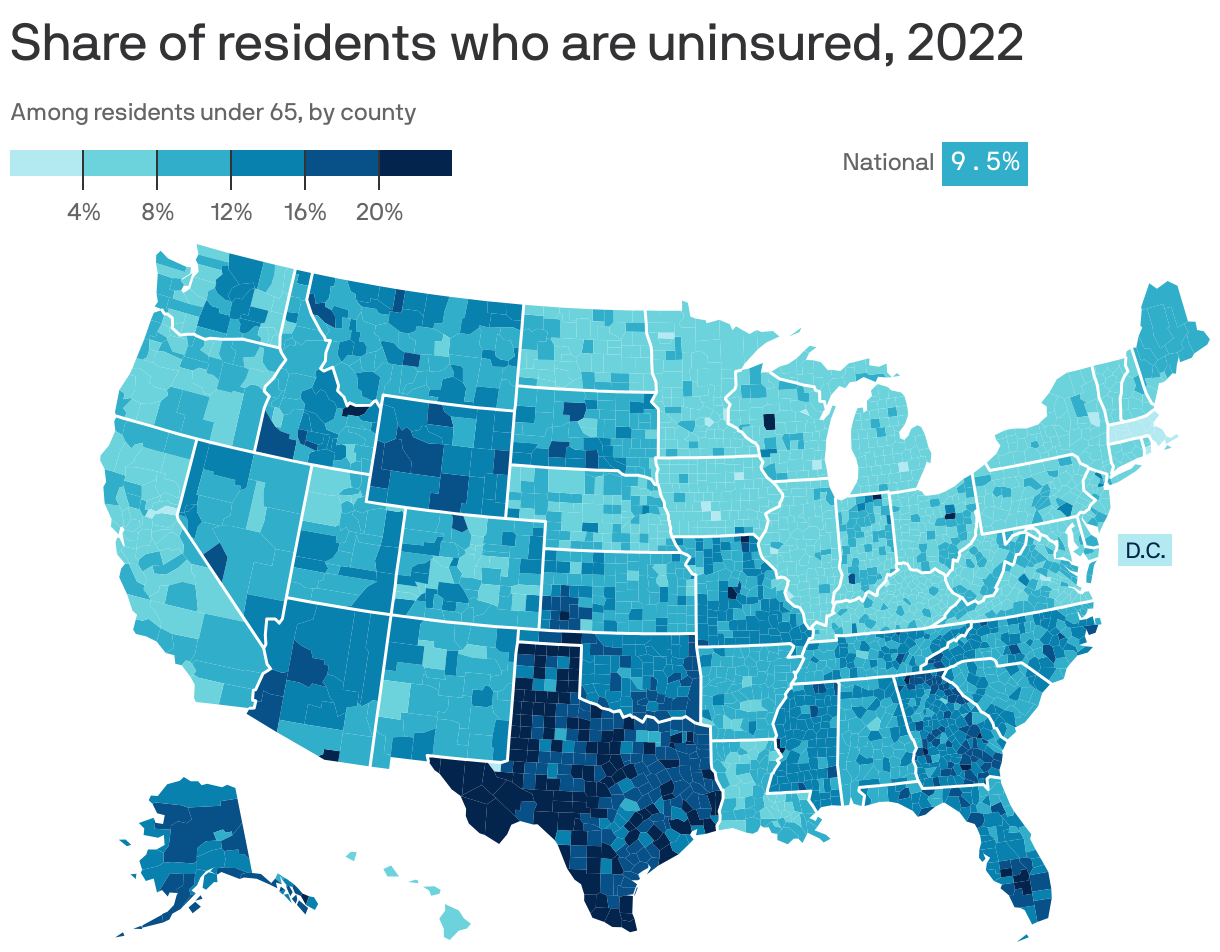
Texas is home to the country's largest share of Americans under 65 without health insurance, according to new Census Bureau data, with 18.8% of residents uninsured as of 2022.
Why it matters: That's a big improvement over 2006, when 27.6% of Texans were uninsured — but still nearly double the national uninsured rate of 9.5%.
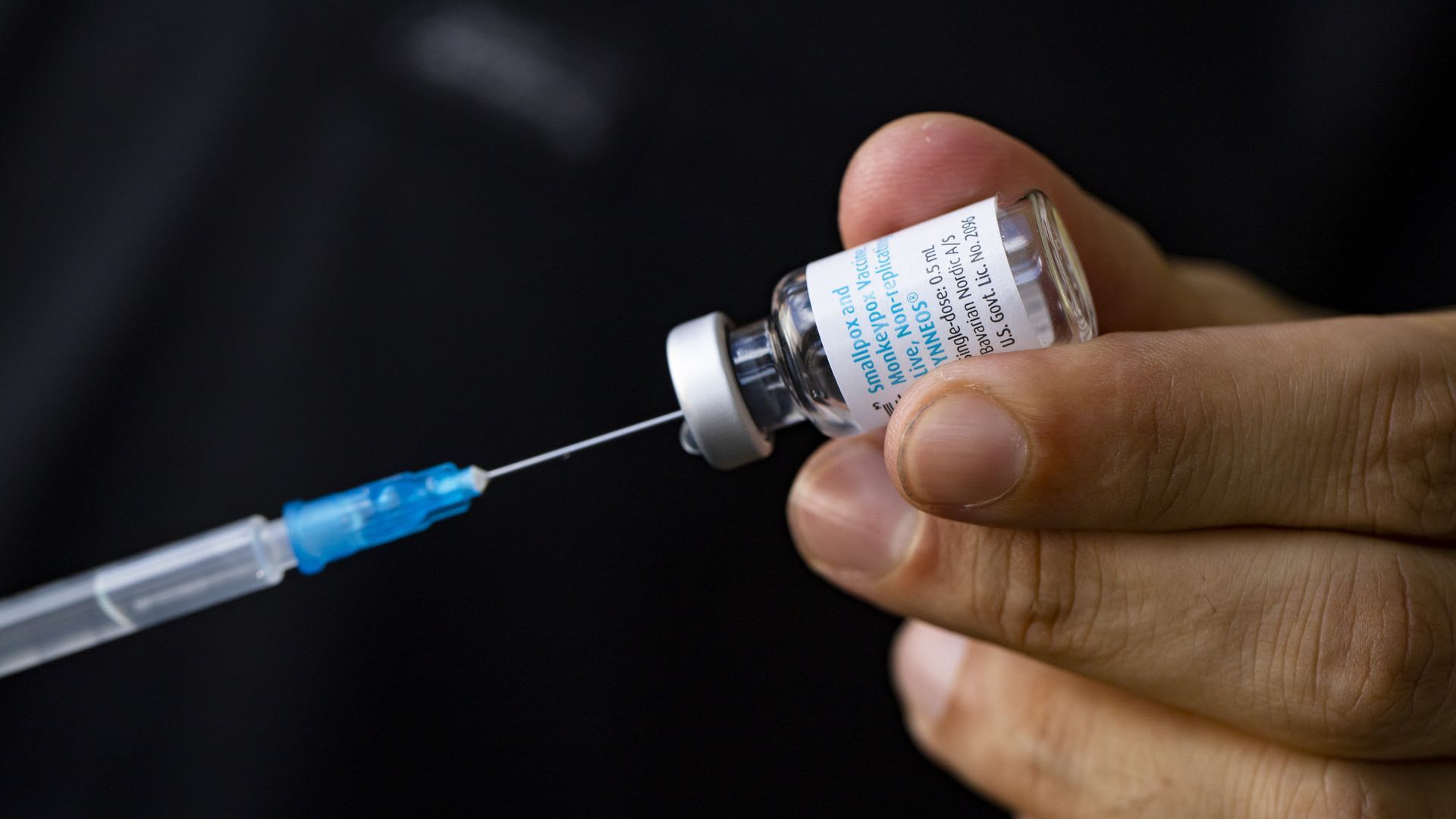
The World Health Organization is weighing discussions on whether to declare an international public health emergency as a deadlier strain of mpox spreads in Africa.
Why it matters: Vaccines and public health surveillance could control the virus, which is killing about 3% of those infected with a new strain in Africa this year and spreading via sex, Sciencereports.
Prescriptions for blockbuster drugs that treat diabetes, obesity and heart disease are soaring, but the mix of payers shows access to the drugs is far from equitable, per a study published in JAMA Health Forum.
Why it matters: Patients on Medicare and Medicaid appear less likely to be able to access the drugs than those with private coverage.
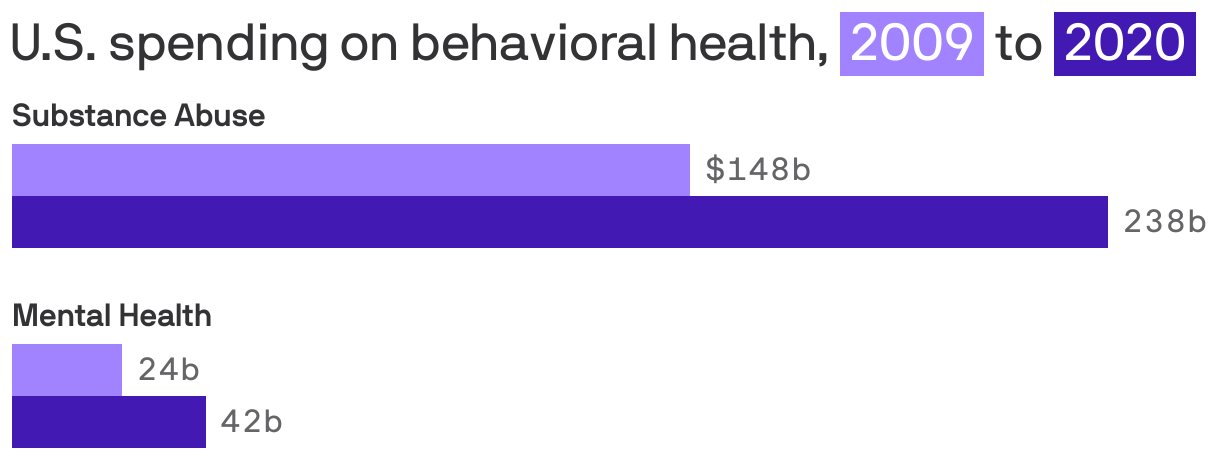
U.S. spending on behavioral health topped $280 billion at the start of this decade, with substance abuse treatment exceeding treatment for mental health conditions by nearly 6 to 1, per an analysis by Bourne Partners.
Why it matters: The findings help quantify the scope of mental health and opioid crises even before the worst of the pandemic, while acknowledging there's still a large undiagnosed population.
Conservatives are targeting the hundreds of billions of dollars infederal spending that's led to the highest insured rate in U.S. history — and no program is more in the crosshairs than Medicaid.
Why it matters: The Affordable Care Act expansion of Medicaid for low-income adults helped drive enrollment to nearly 75 million people as of April.