Global health experts are sounding the alarm on the need to prepared for the hypothetical emergence of a deadly new pathogen, dubbed Disease X.
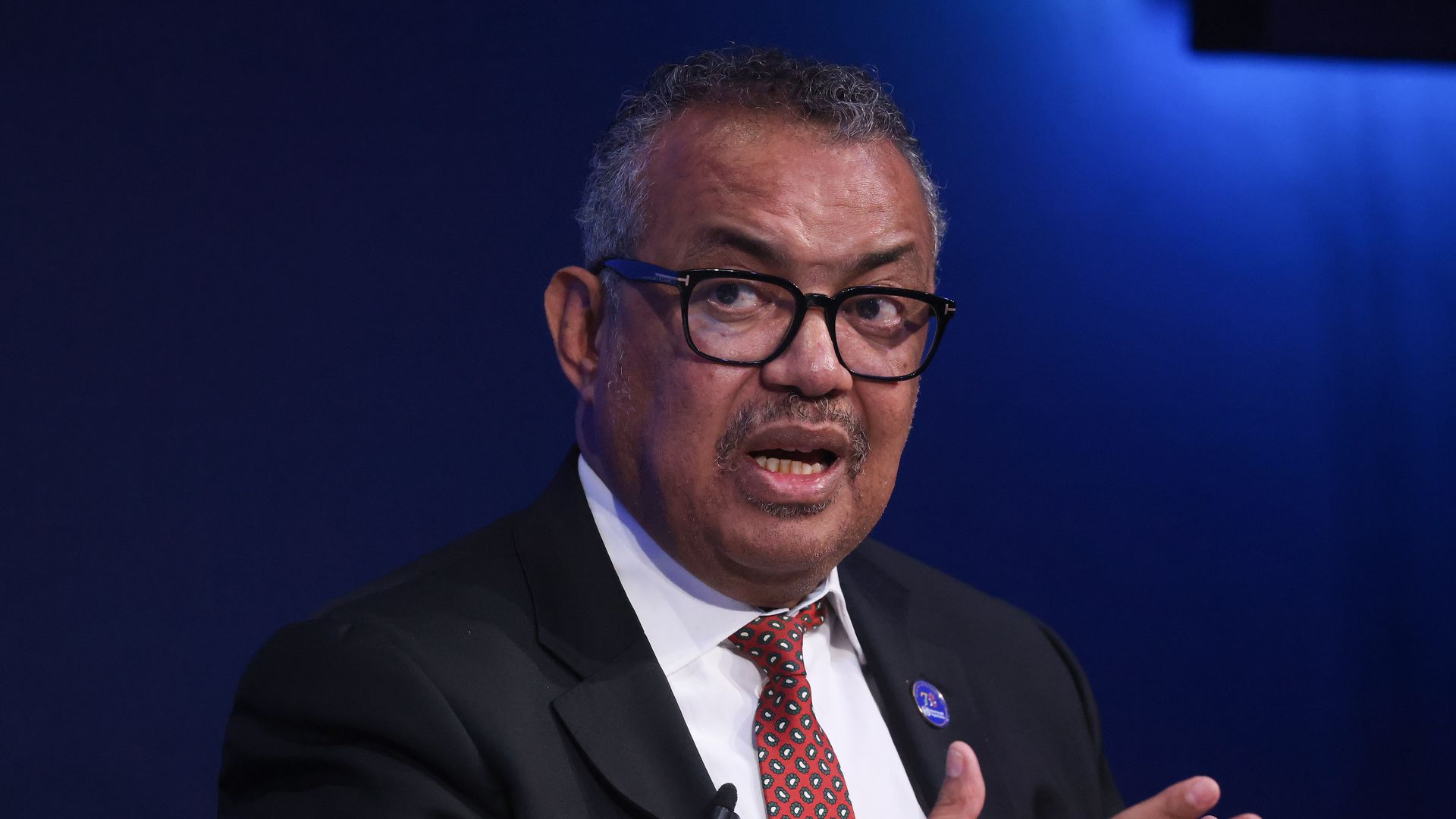
Driving the news: A panel of healthcare experts gathered Wednesday during the World Economic Forum's 2024 annual meeting to discuss the prospect of Disease X, bringing renewed attention to the concept.
An obesity drug boom is sweeping America, dominating headlines, upending entire industries and stoking belief in the transformational potential of appetite-suppressing injectable treatments like Ozempic.
Why it matters: Behind the wave are plenty of unknowns, including the long-term health effects and how much the skyrocketing demand will drive up health spending.
Roe v. Wade may be history but Monday's anniversary of the 1973 decision is providing a potent rallying point for both sides in the abortion wars.
Driving the news: Amid a showdown over funding the government, House Republican leaders brought up a pair of symbolic bills they said would protect pregnant women's rights but that Democrats contend would further erode abortion access.
Defense Secretary Lloyd Austin was requested to testify before Congress about not immediately disclosing his recent hospitalization to the White House.
Driving the news: House Armed Services Chair Mike Rogers (R-Ohio) said in a letter to Austin Thursday that his "unwillingness to provide candid and complete answers" on his health meant his testimony was required at a Feb. 14 hearing "regarding decisions made to withhold information" from President Biden, Congress and the American people.
New federal rules requiring health insurers to streamline requests to cover treatments are being hailed as a good first step toward addressing a problem that's increasingly aggravated patients and doctors.
But it may not be Washington's last word on so-called prior authorization, as lawmakers look to jumpstart legislation that would further limit the practice.
Employers are facing stronger legal requirements to ensure they aren't wasting their workers' money on overpriced health insurance, at the growing risk of financial consequences.
But employers say secrecy around negotiated health care prices too often prevents them from accessing data that would help them figure out if they're getting a good deal.
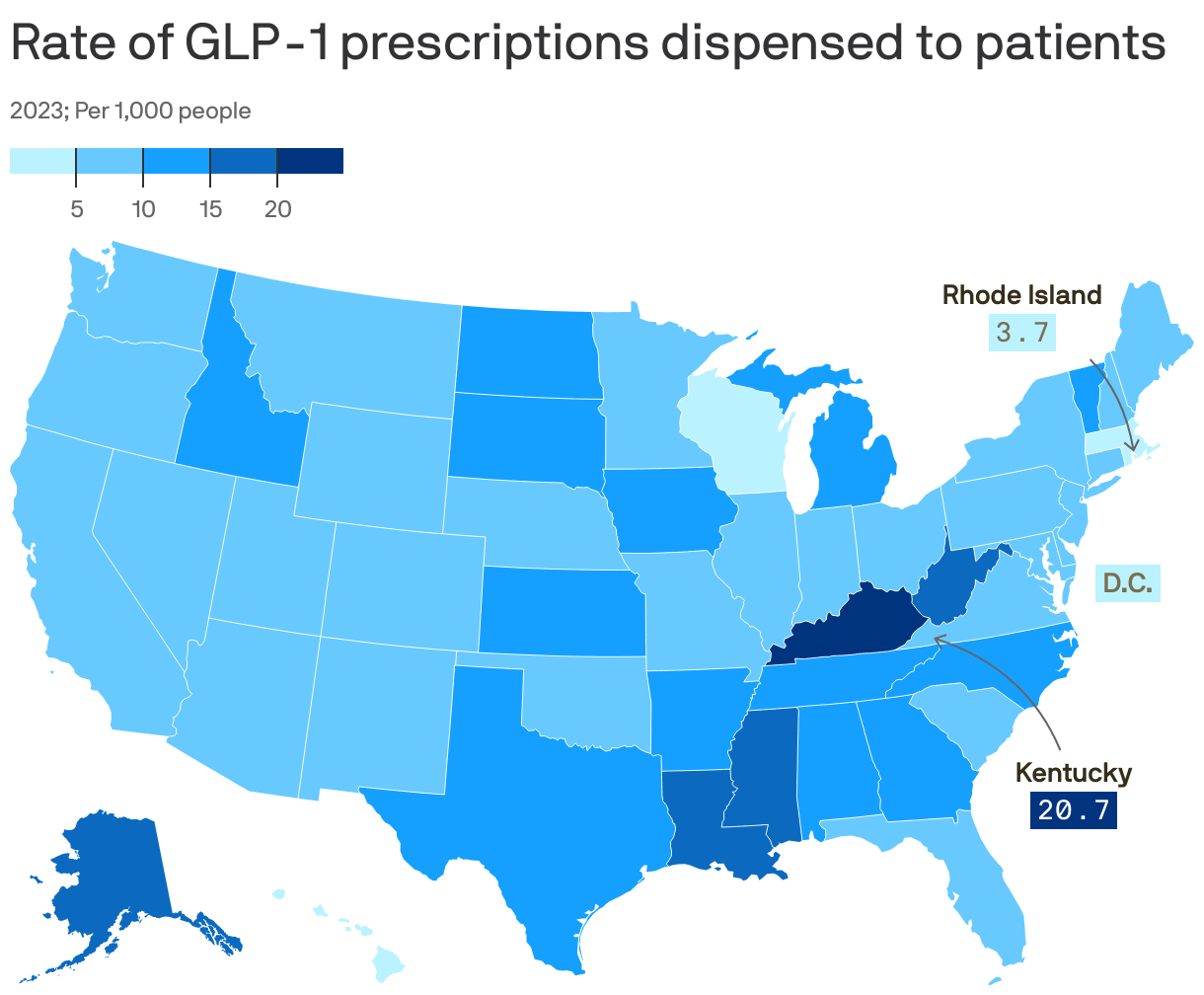
For every 1,000 people in Kentucky, roughly 21 were prescribed a drug that belongs to a buzzy class of diabetes and anti-obesity medications last year — the highest rate of any state, according to insurance claims data provided to Axios by health analytics company PurpleLab.
The big picture: It's among a few Southern states, including Louisiana and Mississippi, that had some of the highest prescribing rates for drugs like Ozempic and Wegovy.