The World Health Organization isn't sweet on non-sugar sweeteners, the agency announced.
Driving the news: It advised against using sugar substitutes like Splenda, stevia and Sweet'n Low for weight loss — and warned about potential long-term health risks of too much intake.
Driving the news: Shortly after Gov. Henry McMaster (R) signed the measure into law on Thursday, abortion providers filed a lawsuit challenging the law, which took effect immediately upon being enacted.
Elon Musk's Neuralink said it has been cleared by the Food and Drug Administration to begin human trials on its brain-implant technology.
Why it matters: The company hopes to someday treat neurological disorders with a chip but has drawn scrutiny over animal testing and issues involving the lithium battery of the device, per Reuters.
The type of bacteria, fungi, and viruses in colorectal cancer tumors varies significantly between younger and older patients, offering a clue toward understanding why cases are rising in people under 45, according to a study due to be presented at next week's American Society of Clinical Oncology annual meeting.
Why it matters: While the incidence of colorectal cancer in the U.S. has declined overall, it's risen dramatically among patients under 45, since the mid-1990s.
Researchers have identified a dozen symptoms that most commonly characterize long COVID, based on an analysis of nearly 10,000 participants in a National Institutes of Health effort to study the long-term health effects of the virus.
Why it matters: Though more than 658 million people worldwide have been infected with the virus, researchers said most studies have focused on defining long COVID based on the frequency of individual symptoms — and have generated widely divergent estimates of their prevalence.
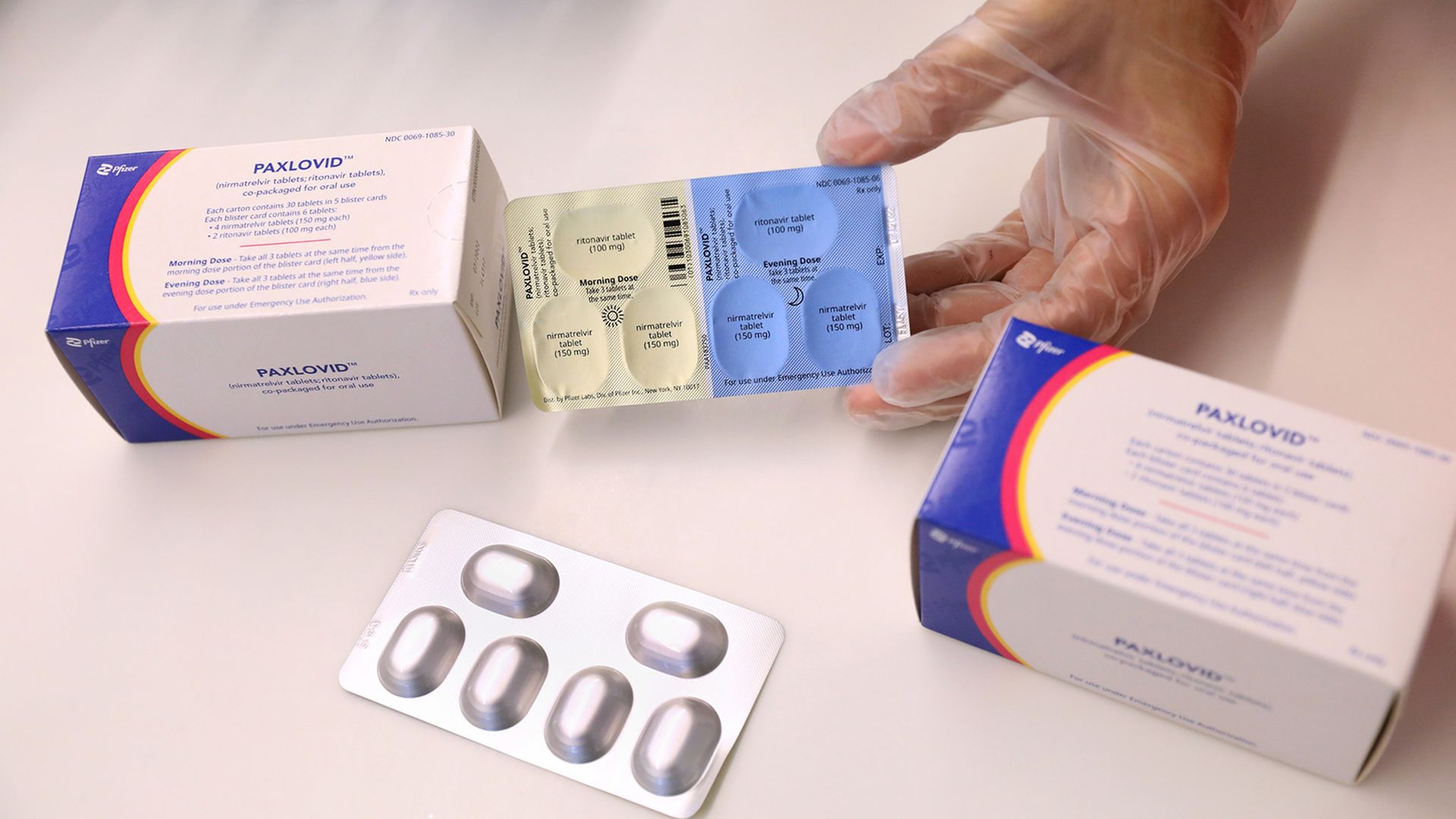
The Food and Drug Administration granted full approval Thursday to Pfizer's COVID antiviral pill Paxlovid for adults considered at high risk for getting severely ill from COVID-19.
Why it matters: Once considered a "game changer," Paxlovid is the first oral antiviral pill to be approved by the FDA to treat COVID-19 in adults, a few years after the pandemic's outset.
ElevateBio, a Massachusetts-based developer of cell and gene therapies, raised $401 million in Series D funding led by existing investor Matrix Capital Management.
Why it matters: This is the year's largest biotech VC deal, topping the mark set just one day earlier when ReNAgade Therapeutics raised a $300 million Series A round.
Addressing the fentanyl crisis has become a priority in an often-deadlocked federal government with the Biden administration calling on Congress to pass a bill aimed at tackling fentanyl trafficking in the U.S.
Why it matters: The overdose death rate involving the synthetic opioid fentanyl in the U.S. nearly quadrupled between 2016 and 2021, according to the Centers for Disease Control and Prevention.
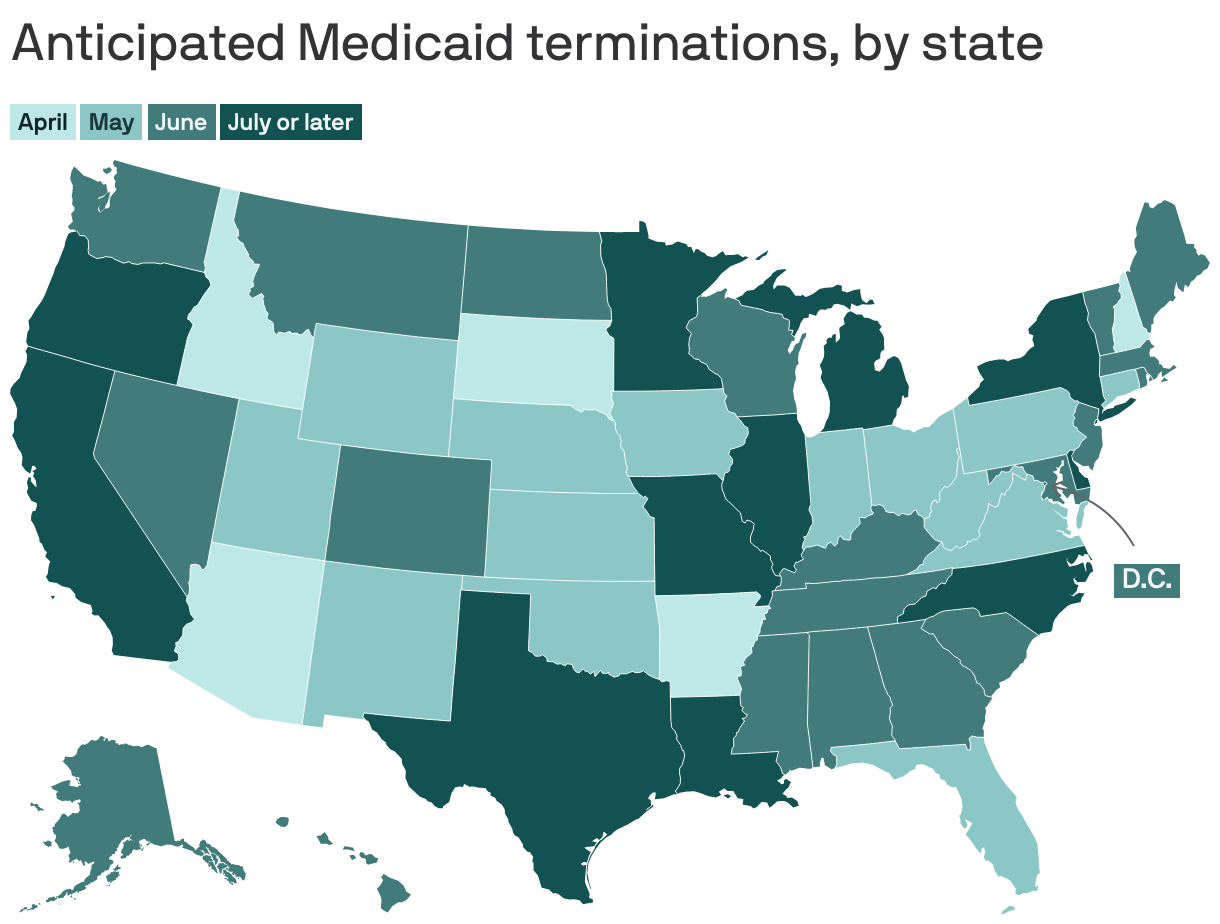
Data: Center for Medicare and Medicaid Services; Chart: Tory Lysik/Axios Visuals
About 1 in 4 Medicaid enrollees don't know where to look for other coverage if they drop off the safety net program's rolls, and 15% say they'll be uninsured, according to a new KFF survey.
Why it matters: The findings begin to quantify how unprepared many enrollees are for the eligibility renewal process that's begun in states with the end of the COVID-19 public health emergency.
The House Energy and Commerce Committee on Wednesday advanced a series of health care measures to promote price transparency and overhaul regulation of pharmacy benefit managers (PBMs) in a mostly bipartisan markup.
Driving the news: The measures advanced on a unanimous 49-0 vote addressed:
House Republicans' first major attempt to address the opioid crisis since taking power is resurfacing a long-running debate over the role of law enforcement in drug policy.
Driving the news: The GOP-sponsored HALT Fentanyl Act is up for a House vote on Thursday, marking this Congress' first substantive response to the epidemic.