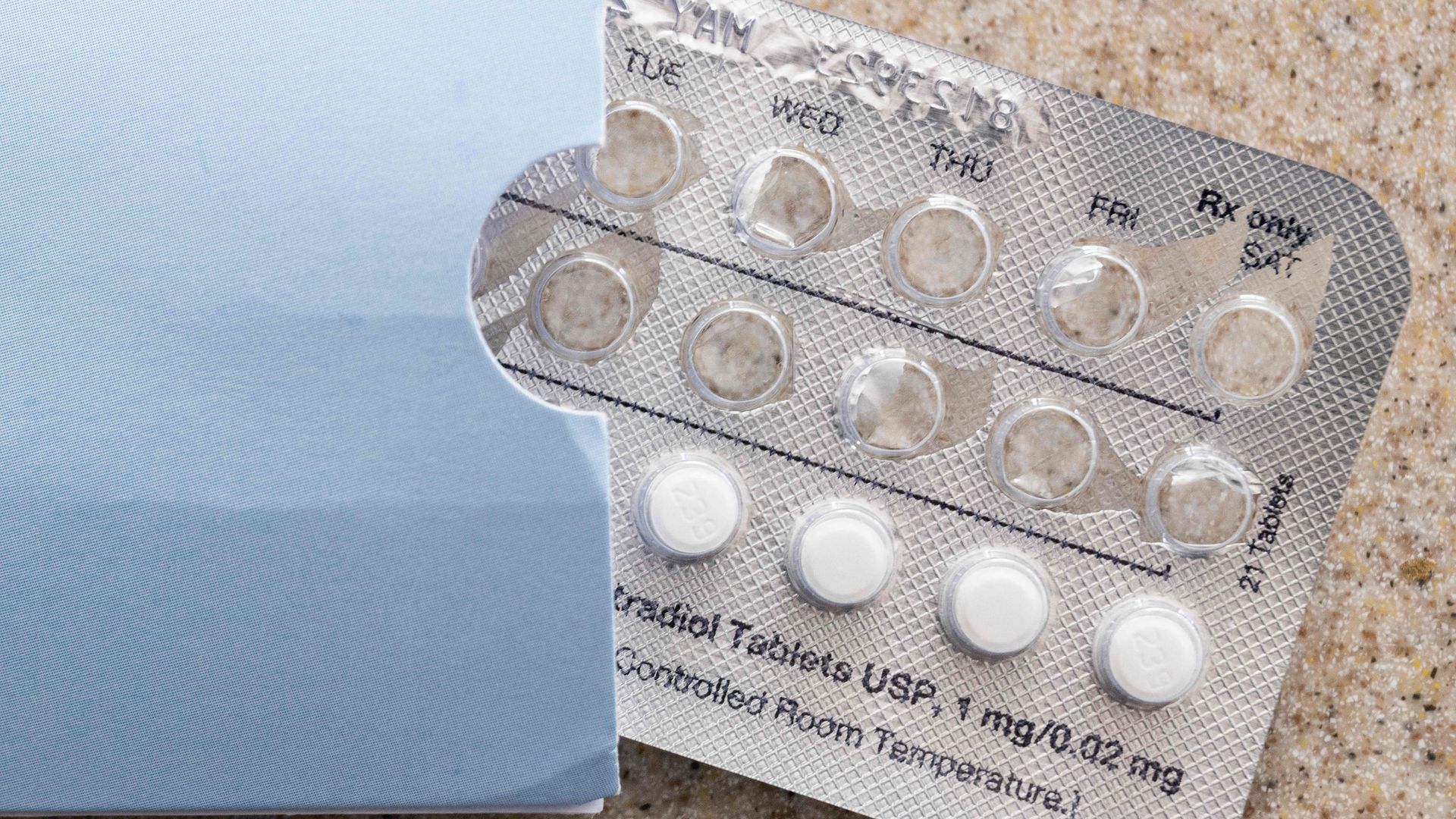
The Biden administration on Monday moved to reverse a Trump-era policy that made it easier for employers to refuse to offer birth control coverage in company-sponsored health plans.
The big picture: The Trump administration's rollback of the Affordable Care Act's contraceptive mandate allowed organizations to opt out of coverage, citing moral objections. Before that, exemptions were limited to religious grounds.
The number of women who died during pregnancy or shortly after giving birth jumped in the first year of the pandemic, a study in JAMA Network Open shows.
Why it matters:While pregnancy-associated causes were still the leading cause of death, the jump in mortality between 2019 and 2020 was largely not related to the pregnancies themselves.
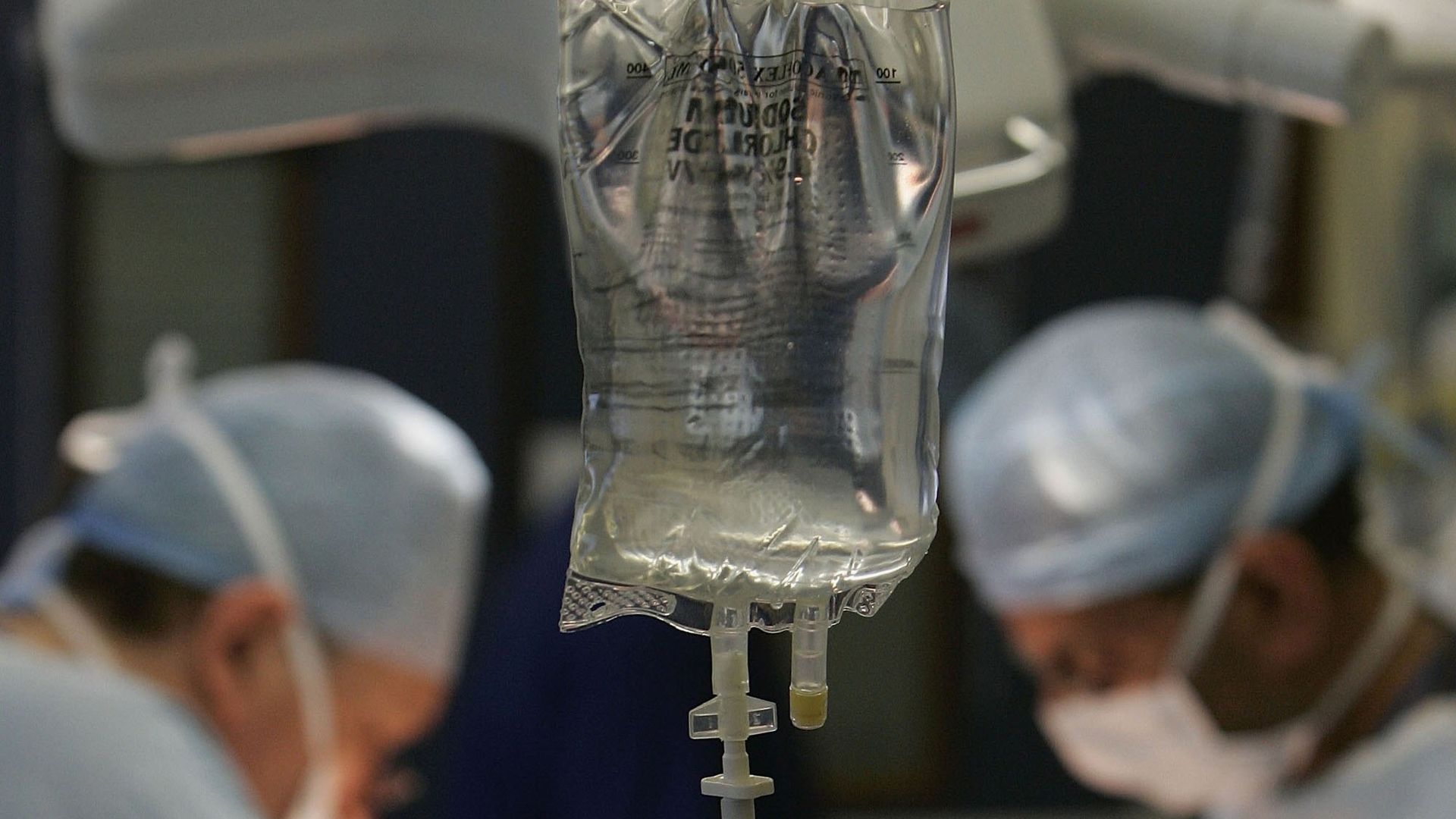
Paradigm, a New York-based clinical trial tech platform, raised $203 million in Series A funding and acquired an oncology patient recruitment startup called Deep Lens.
Why it matters Clinical trial recruitment is a costly bottleneck for drug development, yet many patients struggle to access relevant trials. Thus a new class of matchmaking infrastructure startups like Paradigm, whose outsized bankroll could help it quickly catch rivals.
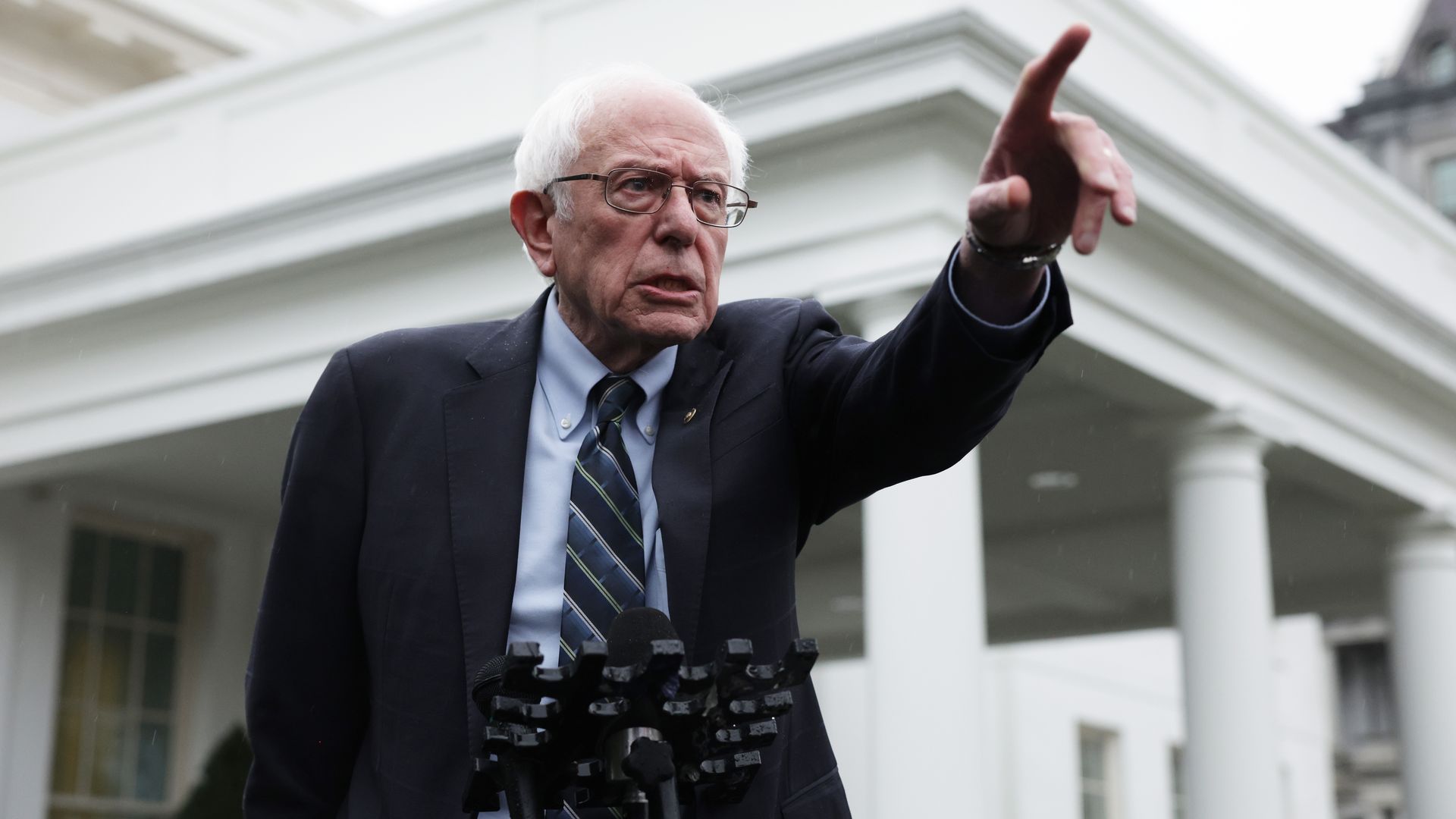
Sen. Bernie Sanders has long made no secret that he thinks drug companies and health insurers are ripping off Americans. But now he's chairman of the Senate health committee.
Why it matters: Sanders has signaled an early focus of the committee's work will be drug prices, and manufacturers are bracing for some contentious hearings.
Mining giant Rio Tinto apologized Monday as authorities in Western Australia searched for a tiny radioactive capsule that went missing in the vast Australian state.
Driving the news: A radiation alert was issued across parts of W.A. after the capsule containing a small amount of radioactive Caesium-137 vanished while being transported from Rio Tinto's Gudai-Darri mine in the remote Pilbara region to a storage facility about 870 miles away in state capital Perth, authorities said.
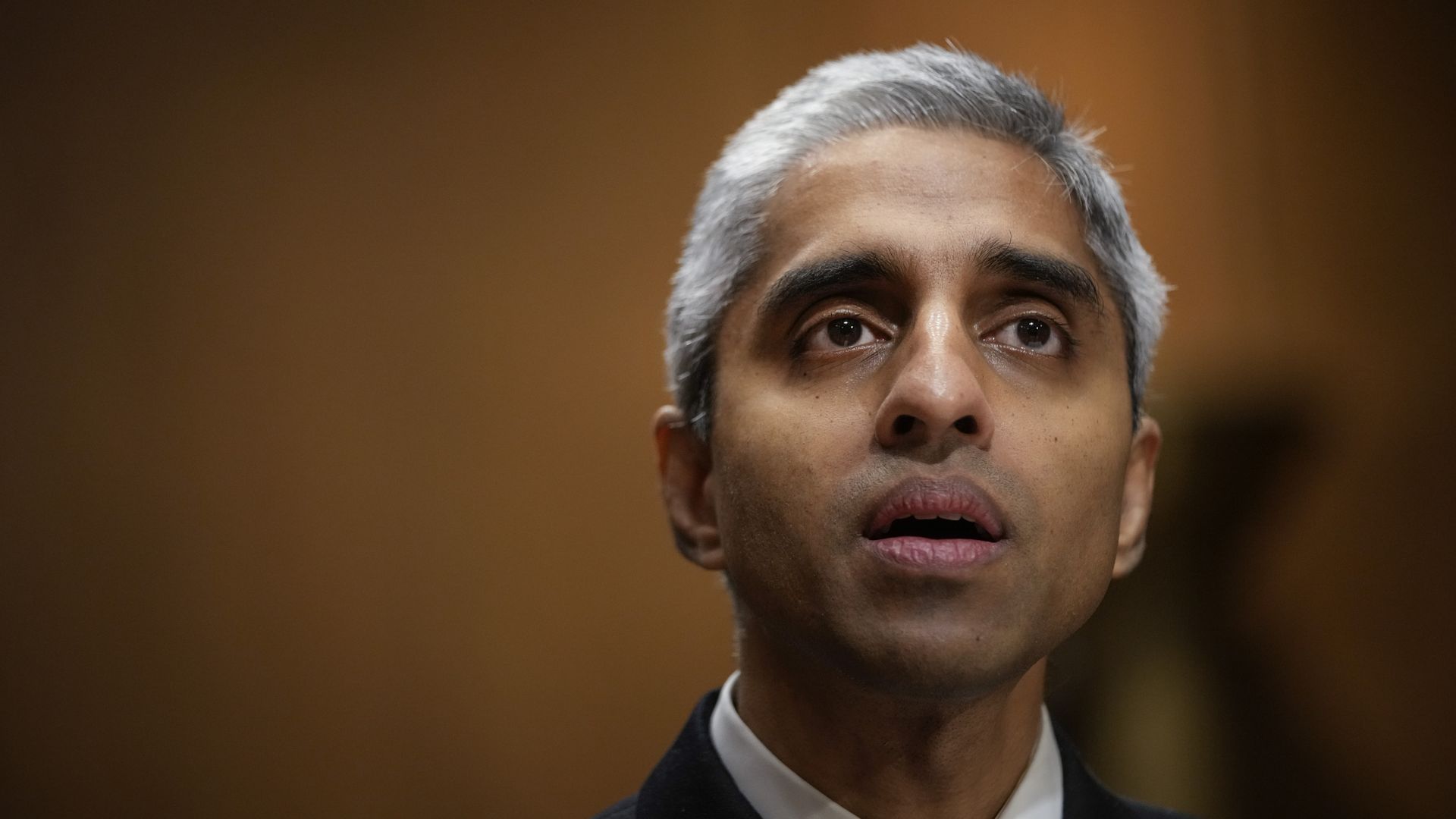
Surgeon General Vivek Murthy said on “CNN Newsroom” on Saturday he believes 13-year-olds are too young to join social media and that being on those platforms does a "disservice" to children.
The big picture: Scientists have warned of a connection between heavy social media use and mental health issues in children, saying that the negatives outweigh the positives.
Kids' mental health is now parents' biggest concern, according to a new study from the Pew Research Center.
The big picture: Gone are the days of parents sitting up worrying about their kids getting into fights, or trouble with drugs and alcohol. Social media and the pandemic have ushered in a new dimension to parents' already challenging jobs.