The World Health Organization will temporarily switch from a two-dose cholera vaccine regimen to a one-dose approach due to an "unprecedented rise in cholera outbreaks worldwide" and a shortage in vaccine supply, the global health body said Wednesday.
Driving the news: Twenty-nine countries including Haiti, Syria, Lebanon and Malawi have reported outbreaks so far this year. Fewer than 20 had outbreaks on average in the previous five years, the WHO said.
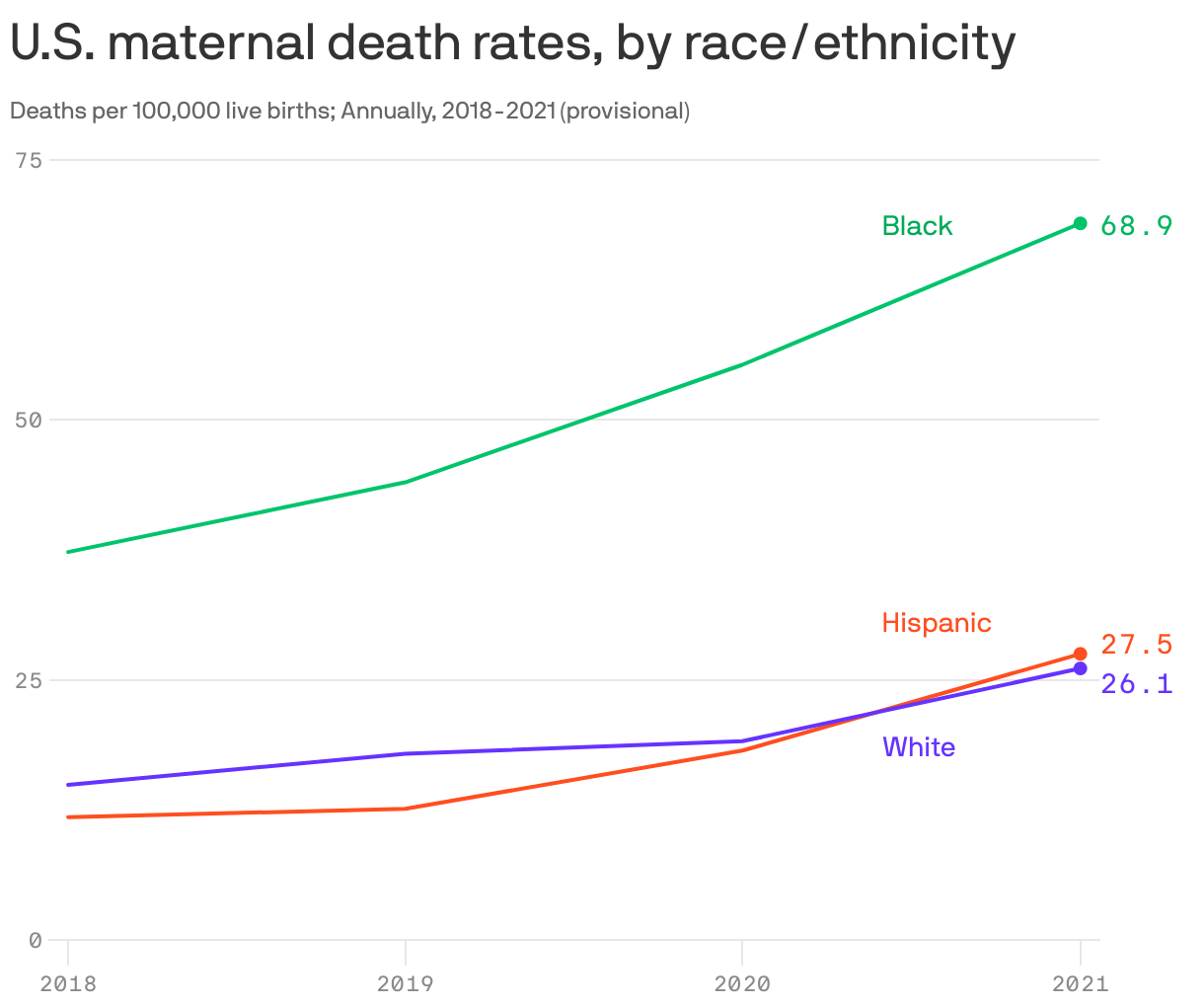
Data: U.S. Government Accountability Office analysis of CDC and NCHS data; Note: Maternal deaths are those which occur while pregnant or within 42 days of being pregnant; Chart: Axios Visuals
COVID-19 contributed to a quarter of maternal deaths in the first two years of the pandemic, with Black pregnant women experiencing a mortality rate nearly three times higher than their white peers, according to an oversight report to Congress released on Wednesday.
The big picture: While maternal mortality rates in the U.S. were already higher than in other similarly wealthy countries pre-COVID, researchers found the pandemic continues to aggravatethe factors driving up deaths from pregnancy — potentially leading to a worsening crisis.
The Food and Drug Administration issued an emergency use authorization on Wednesday for Novavax's COVID-19 vaccine as a booster shot for all adults in the U.S., including those who initially received Pfizer’s or Moderna’s shots.
Why it matters: The move adds another booster option to the market at a time when booster uptake remains low.
Advisers to the Food and Drug Administration on Wednesday recommended that a treatment to prevent women from having preterm births be removed from the market.
Why it matters: Covis'Makena drug is the only one of its kind in the U.S. and has received support from the leading OB-GYN group in the country.
The Biden administration is catching flak from congressional Democrats upset that it hasn't limited "short-term" health insurance plans that can erode the Affordable Care Act's insurance markets.
Why it matters: The Trump administration promoted these cheaper plans that offer fewer benefits, which have been derided by Democrats for not meeting ACA coverage requirements and for the way they can deny coverage to people with pre-existing conditions.
This article originally appeared in Axios Finish Line, our nightly newsletter on life, leadership and wellness. Sign up here.
Americans are drinking less than they used to.
By the numbers: The average number of drinks Americans consume in a week has been falling over the last several years, from 4.8 in 2009 to 3.6 in 2021, Gallup found.
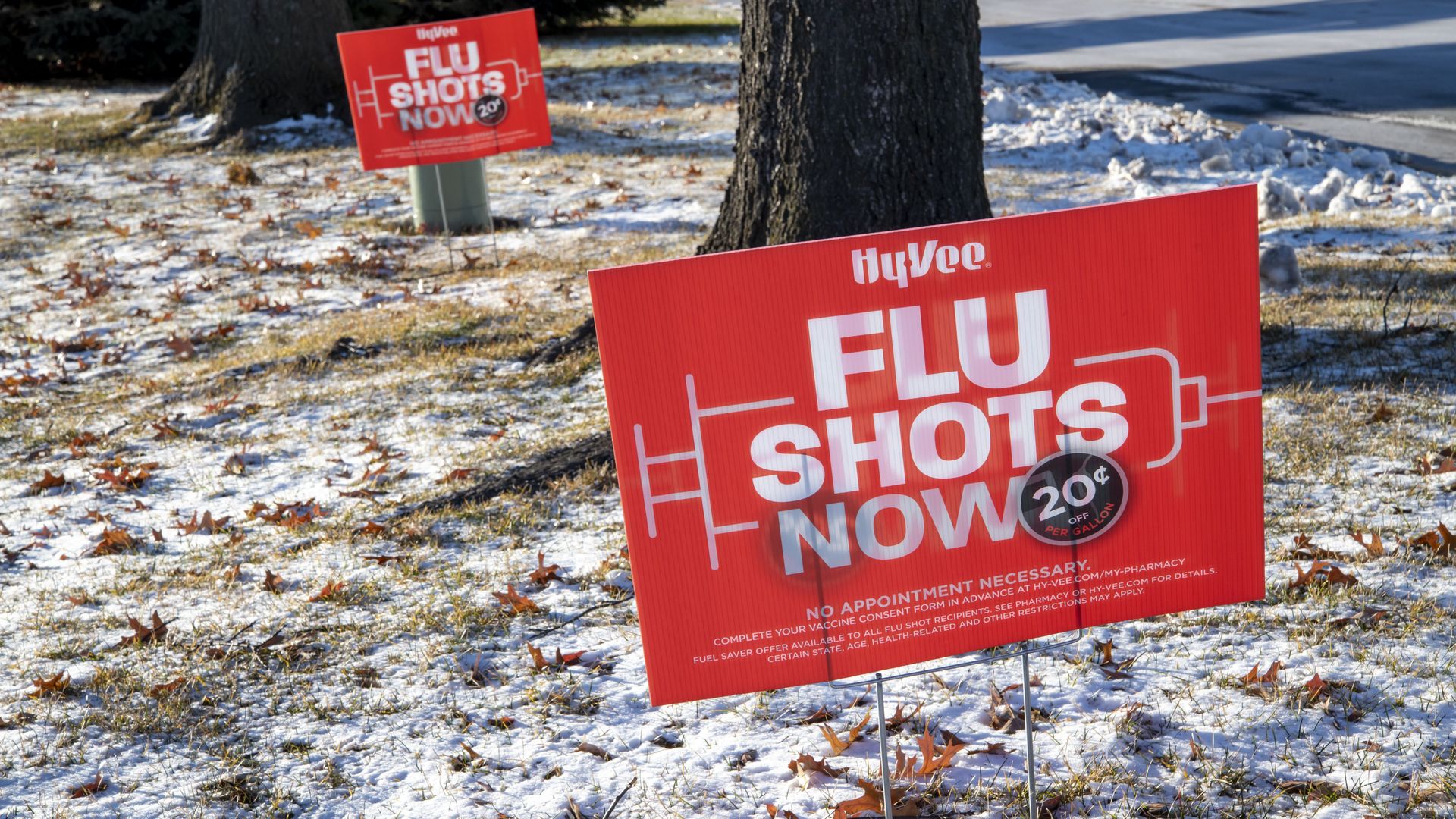
Black, Hispanic and Indigenous adults are more likely to get hospitalized for the flu and less likely to be vaccinated against it compared to white adults, according to a new study released by the Centers for Disease Control and Prevention (CDC) on Tuesday.
The big picture: The report, which comes amid an early start to flu season in the U.S., highlights the work needed to close gaps in access to care.
Data: Gaffney, et al., Prevalence and Correlates of Patient Rationing of Insulin in the United States: A National Survey; Chart: Axios Visuals
More than 1 million adults in the United States are forced to ration insulin due to the drug's high costs, according to a new study in the Annals of Internal Medicine.
Why it matters: U.S. insulin prices tend to be five to 10 times higher than those in 32 other high-income countries.
Multiple versions of the Omicron variant are emerging around the world, raising concerns that a potential next COVID-19 wave could be driven by a host of viruses, rather than just one single one.
The big picture: Experts are monitoring BQ.1 and BQ.1.1, which is about 11% of the viruses sampled in the U.S., per data from the Centers for Disease Control and Prevention.
A crippling ransomware attack on the second-largest U.S. nonprofit health system is showing how much patients can be left in the dark when critical health care infrastructure goes down.
Why it matters: The attack earlier this month on CommonSpirit Health, which has 142 hospitals in 21 states, left IT locked, delayed surgeries and caused widespread disruptions in patient care.
Big Tech platforms are blocking abortion-pill distribution information and permitting false narratives about abortion to spread, more than 100 days after the Supreme Court's ruling overturning a constitutional right to abortion.
Why it matters: Social media firms were caught flat-footed by that sudden change in the legal and informational landscape at a time when there's an overwhelming, sudden need for solid information and access to healthcare services online.
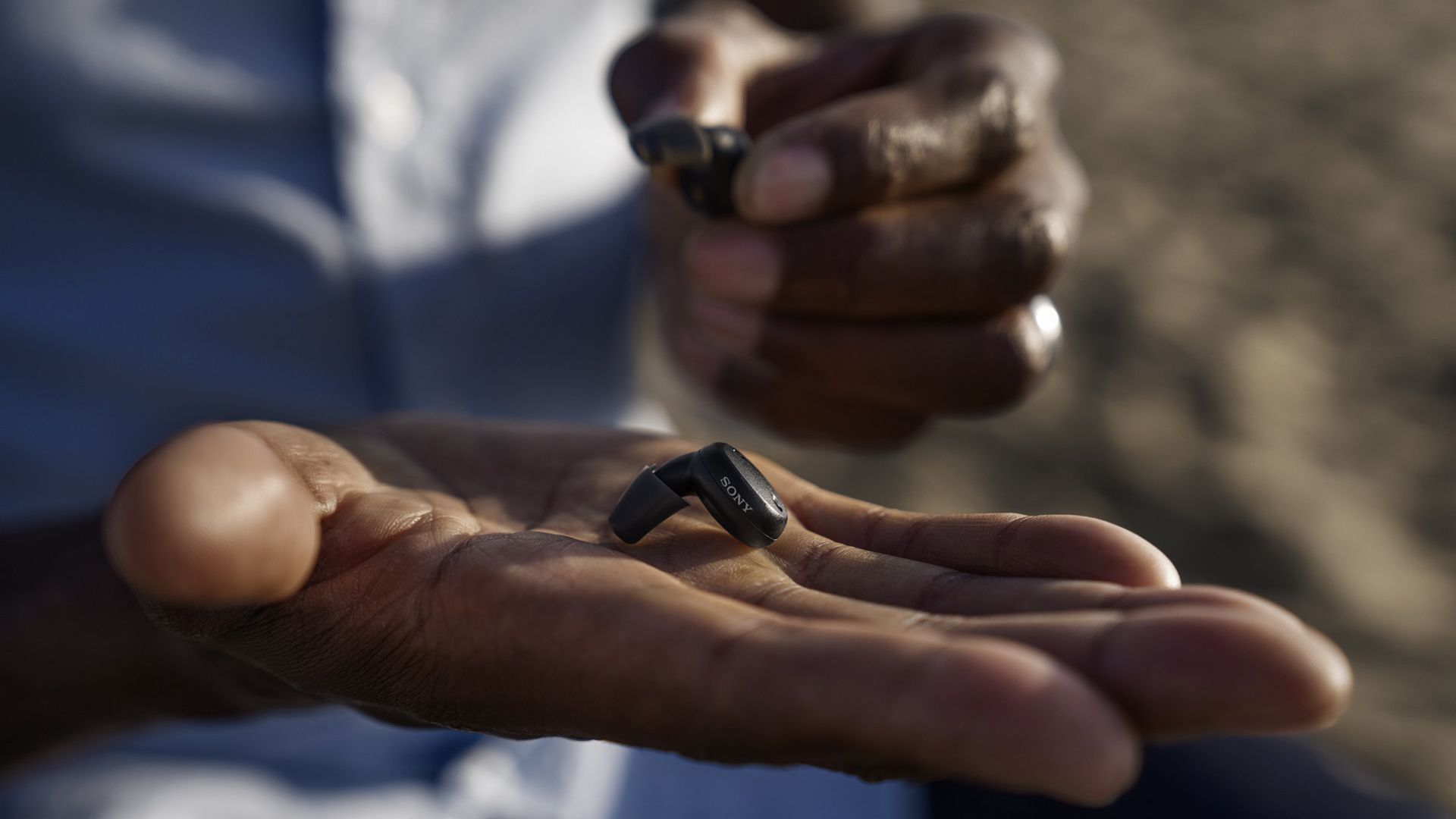
Hearing aids can now be sold over the counter in the U.S., a major change that stands to improve access and innovation — though isn't without some risk.
Why it matters: Historically, getting hearing aids can be a time-intensive and sometimes costly process, involving trips to the doctor's office that aren't always covered by insurance. (Medicare, for instance, doesn't cover hearing aids or fitting exams.)
This article originally appeared in Axios Finish Line, our nightly newsletter on life, leadership and wellness. Sign up here.
America needs more sleep. And 80% of us try to catch up with naps.
Why it matters: A third of Americans aren't getting enough sleep at night. When work schedules, parenting and life get in the way, naps — done right — can be highly effective at filling the gaps.
California's COVID-19 state of emergency will end on Feb. 28, Gov. Gavin Newsom (D) announced Monday.
The big picture: Newsom declared the emergency in March 2020 to redirect funds to more rapidly respond to the pandemic, but Republicans said his decision to keep the measure in place so long was an abuse of the governor's powers, per the Los Angeles Times.
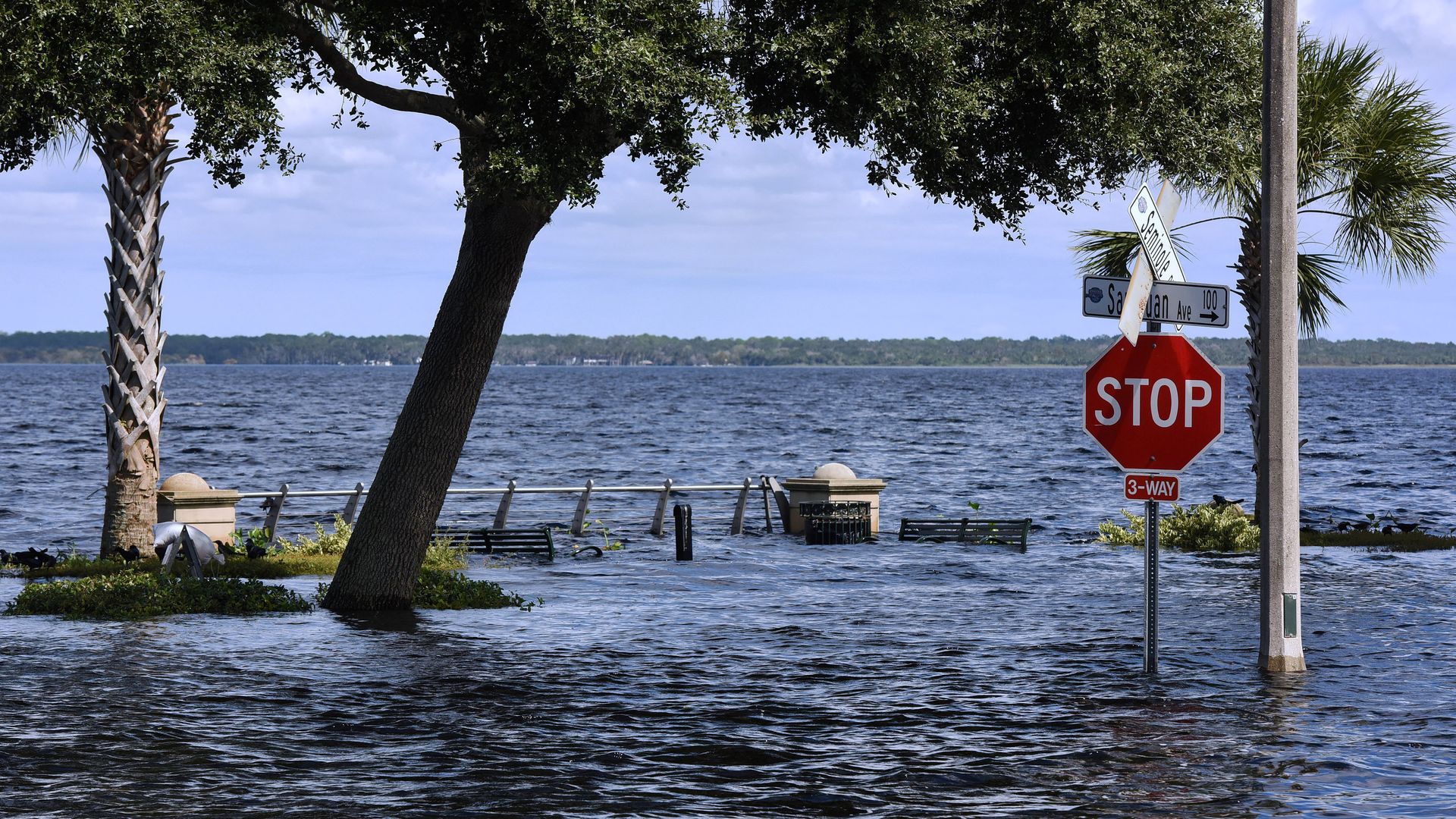
Florida is reporting a surge in deadly infections caused by the bacteria Vibrio vulnificus in the aftermath of Hurricane Ian.
Driving the news: Lee County alone has recorded 29 cases and 4 deaths as of Friday, according to Florida's Department of Health. The state's overall numbers have risen to 65 cases and 11 deaths, compared to 34 cases and 10 deaths in 2021.