Pfizer announced on Tuesday it will allow low and middle-income countries to make and distribute the company’s COVID-19 pill inexpensively. The move is an attempt to increase the global supply in 95 poorer nations.
While the deal helps treat patients, the company has not made the same decision when it comes to its COVID-19 vaccine.
Axios Re:Cap host Felix Salmon is joined by Axios health care business reporter Bob Herman to discuss Pfizer’s decisions and the global ramifications.
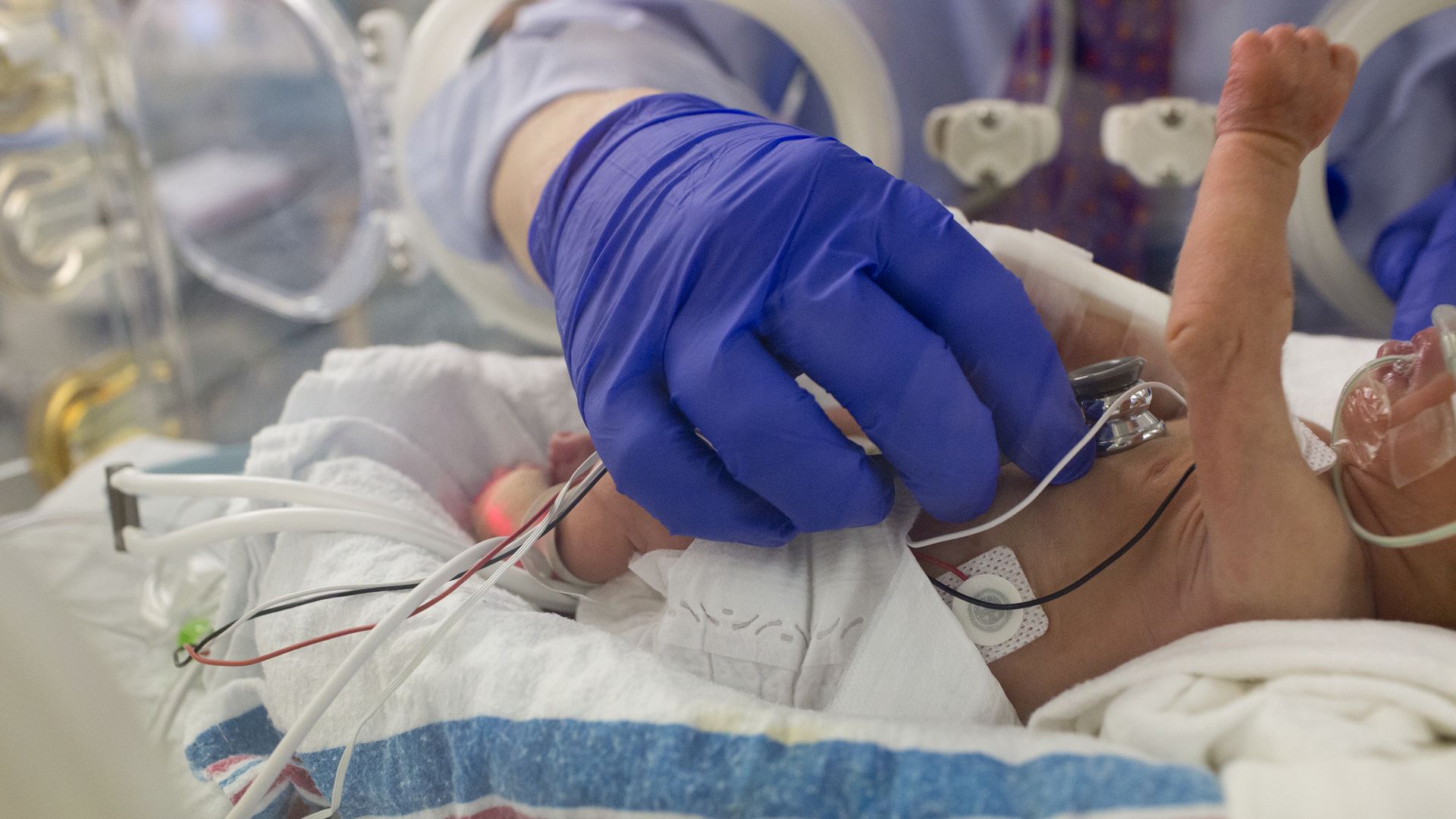
The overall rate of premature births in the U.S. declined for the first time in six years between 2019 and 2020, despite increases in preterm births among Black Americans and Native Americans or Alaska Natives, according to a report published Monday by the nonprofit March of Dimes.
Why it matters: A tenth of births in the U.S. were premature in 2020, according to the Centers for Disease Control and Prevention. These infants face a higher chance of having to deal with health risks, like breathing problems, difficulties feeding, and vision and hearing problems.
Pfizer said Tuesday it has asked the FDA for emergency authorization of Paxlovid, its experimental COVID-19 treatment.
Why it matters: Antiviral drugs can be a key pandemic-fighting tool, as not everyone will get vaccinated against the virus, Axios Caitlin Owens reports. If authorized, the drugs can also be administered at home.
Pfizer has agreed to a licensing deal with the UN's Medicines Patent Pool for its COVID-19 pill — roughly a month after Merck said it licensed its COVID pill with the MPP.
Why it matters: These antiviral pills have showed promising results in reducing the severity of infection and preventing death among the unvaccinated, and Pfizer's licensing agreement, combined with Merck's, will allow generic drug companies to cheaply produce the pills for more than 100 low- and middle-income countries.
The Biden administration is expected to begin the process of expanding the booster authorization to all adults as early as this week, according to a source familiar with internal planning.
Why it matters: America's booster campaign got off to an underwhelming start, potentially leaving millions of vulnerable people at risk as the holidays approach.
New York City is telling health providers not to turn away anyone over 18 years old who wants a COVID-19 booster shot, city health commissioner Dave Chokshi announced Monday.
Details: Adults will be allowed the booster shot six months after receiving their second dose of the Pfizer or Moderna vaccines, or two months after receiving the Johnson & Johnson vaccine, per Chokshi's announcement.
The World Organization for Animal Health (OIE) has received several reports of outbreaks of bird flu in Europe and Asia in recent days, Reuters reports.
Why it matters: Avian influenza, commonly known as bird flu, is a highly contagious strain of influenza that affects food-producing birds, pet birds and wild birds. Previous outbreaks have prompted the mass culling of birds and trade restrictions in some regions, Reuters notes.
Nearly 40% of patients reported new or continuing symptoms of depression in the first year of the COVID-19 pandemic — a problem that could lead to increases in future physical health problems, according to a new study by Intermountain Healthcare.
Why it matters: The study, presented this weekend at American Heart Association's virtual 2021 Scientific Session, warns that the uptick could be linked to future increases in heart concerns.
BioNTech, the German biotech that gained global attention for its partnership with Pfizer on a COVID-19 vaccine, has turned its attention back to one of its earlier mRNA targets: cancer.
Driving the news: CEO Uğur Şahin presented new cell therapy data at the Society for Immunotherapy of Cancer conference in D.C. over the weekend.
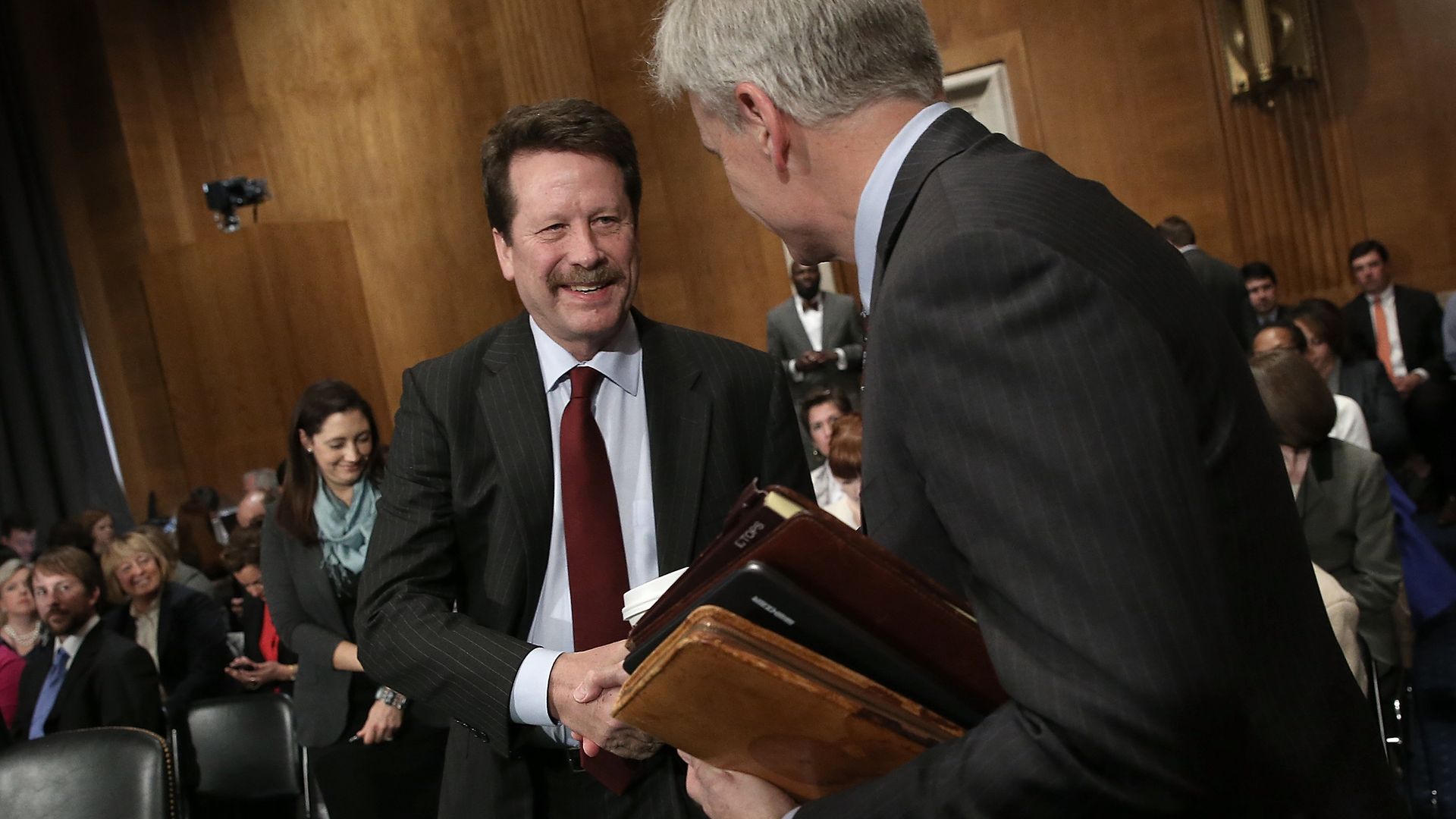
Why it matters: The agency has been without a Senate-approved commissioner for nearly a year, all while playing a central role in the response to the ongoing COVID pandemic.
Monthly premiums that cover physician and outpatient care for Medicare patients will increase by 15% next year, the Biden administration said in a notice Friday evening.
Why it matters: People on Medicare are getting slammed with a big hike during an election year, due largely to the big price tag from the questionable Alzheimer's treatment, Aduhelm, and uncertainty stemming from the coronavirus.
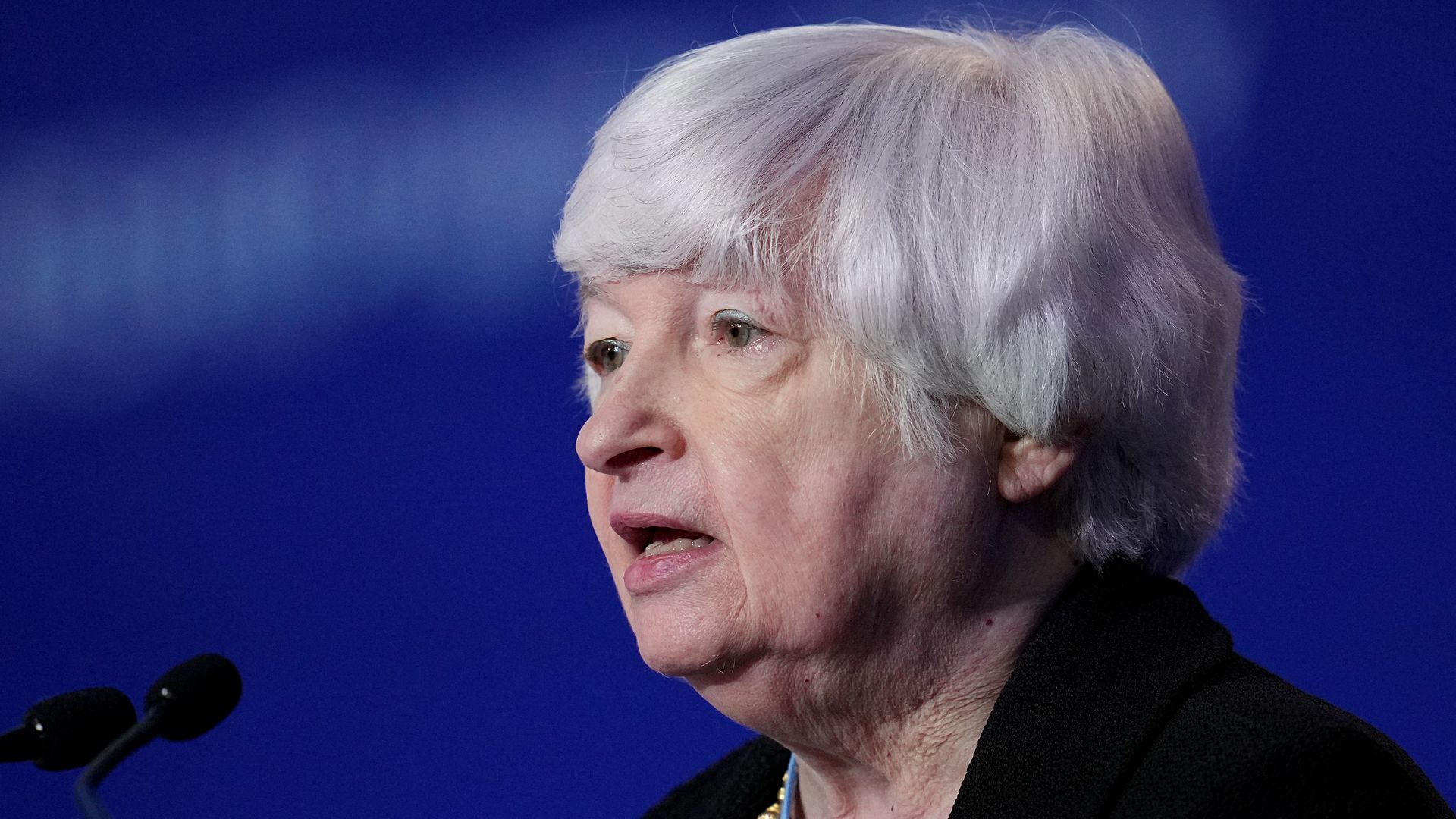
Treasury Secretary Janet Yellen said in a CBS interview broadcast Sunday that COVID-19 "has been calling the shots for the economy and for inflation" in the U.S. and future stability depends on the outcome of the pandemic.
Why it matters: The rate of price growth has remained consistently strong in recent months, per Axios' Kate Marino. The Consumer Price Index released last Wednesday showed inflation has reached a 30-year-high, with overall prices rising 6.2% from one year ago.