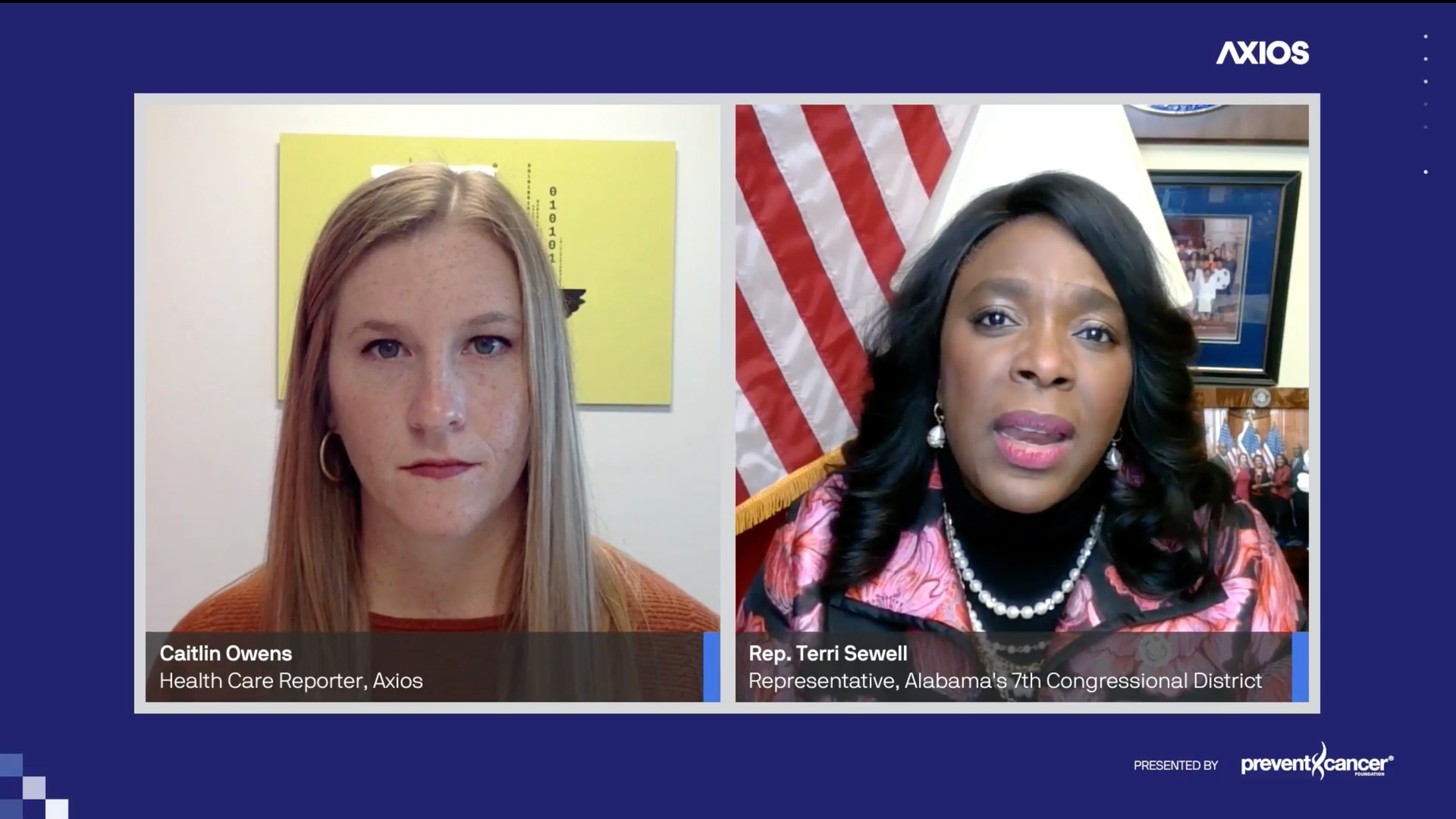
Rep. Terri Sewell (D-Ala.) told Axios during an event Wednesday she hopes the extended premium tax credits from President Biden's social spending bill will be key to detecting cancers earlier, if the legislation passes.
Why it matters: Sewellsaid some 300,000 people in her home state of Alabamafall into the "Medicaid gap" — meaning they make too much money to qualify for Medicaid, but too little to afford their own insurance.
An estimated 100,306 people in the United States died from a drug overdose in a 12-month period ending April 2021, according to new provisional data released by the Centers for Disease Control and Prevention Wednesday.
Why it matters: It's the first time drug overdose fatalities reached six figures in a 12-month period and signals that the country is on track to set another tragic milestone after reporting a record 93,331 drug deaths in 2020.
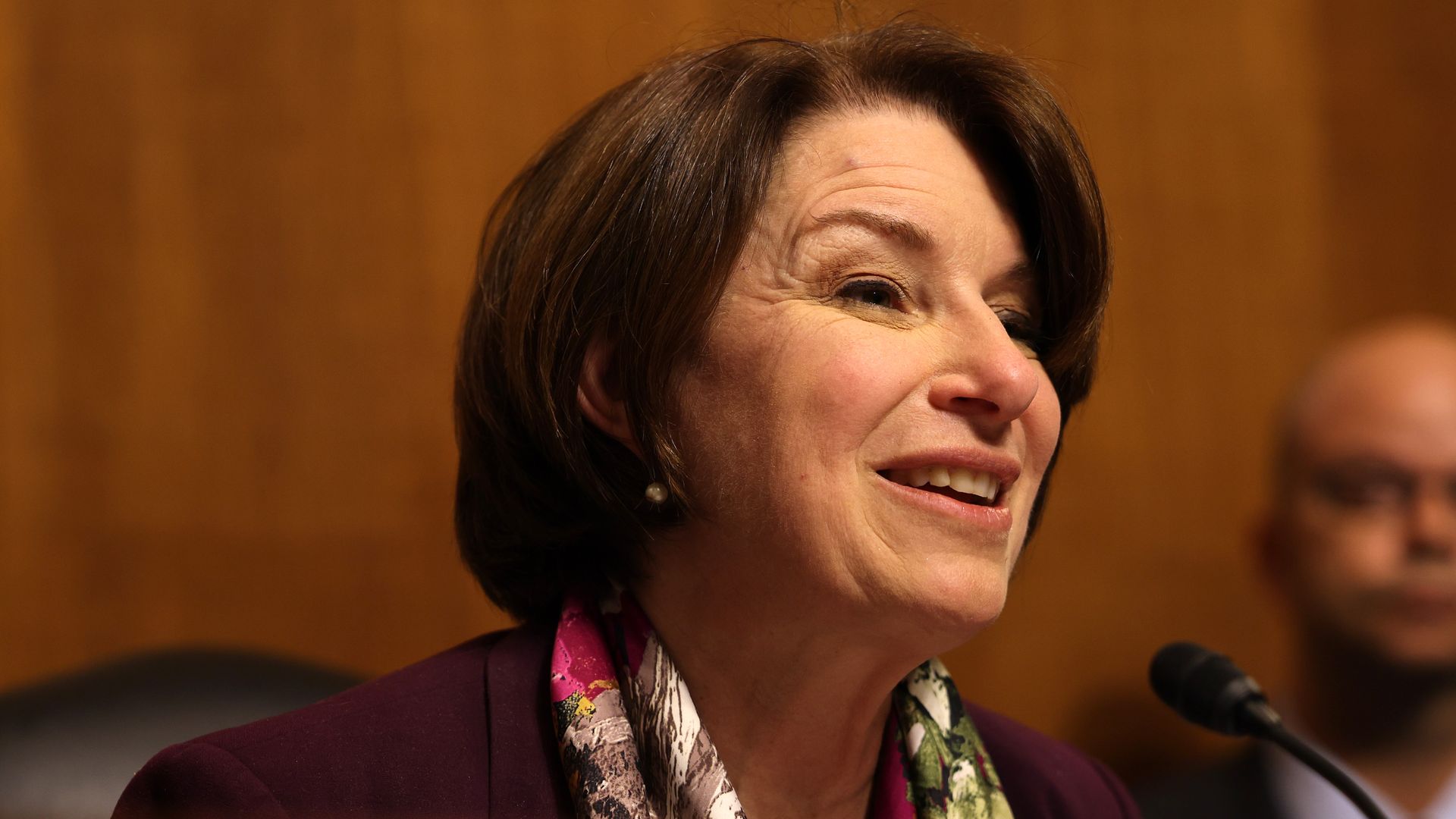
Sen. Amy Klobuchar (D-Minn.) said Wednesday that her first six-month post-cancer exam showed that "everything was clear."
The big picture: Klobuchar revealed in September that she had been diagnosed with stage 1A breast cancer in February. She completed radiation treatment in May and "it was determined in August that the treatment went well."
Axios has removed the article published here on Nov. 17, 2021, because it fell short of our editorial standards. Axios incorrectly stated that we contacted Global Plasma Solutions for comment before publication. We wrongly relied upon a source who is a former employee of a competitor of GPS and is now an adviser to that same competitor. We apologize to GPS and to our readers.
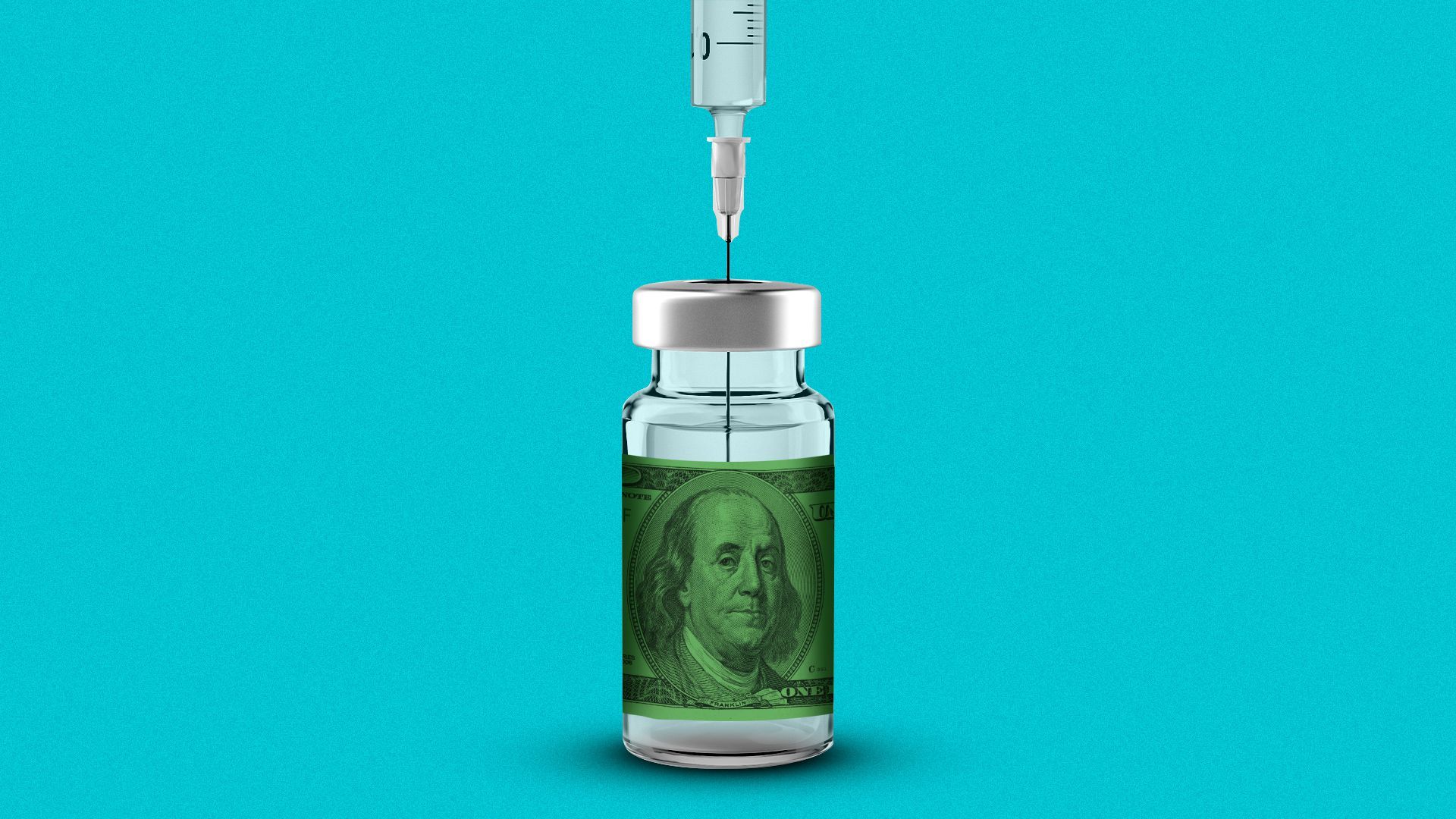
Drug company Viatris has priced its new generic insulin, called Semglee, at almost $270 per vial, a mere $20 cheaper than the longstanding competitor that has existed for years.
The big picture: The rollout of Semglee highlights the specific warped incentives within the insulin market, where diabetes patients have struggled to afford their insulin for years.
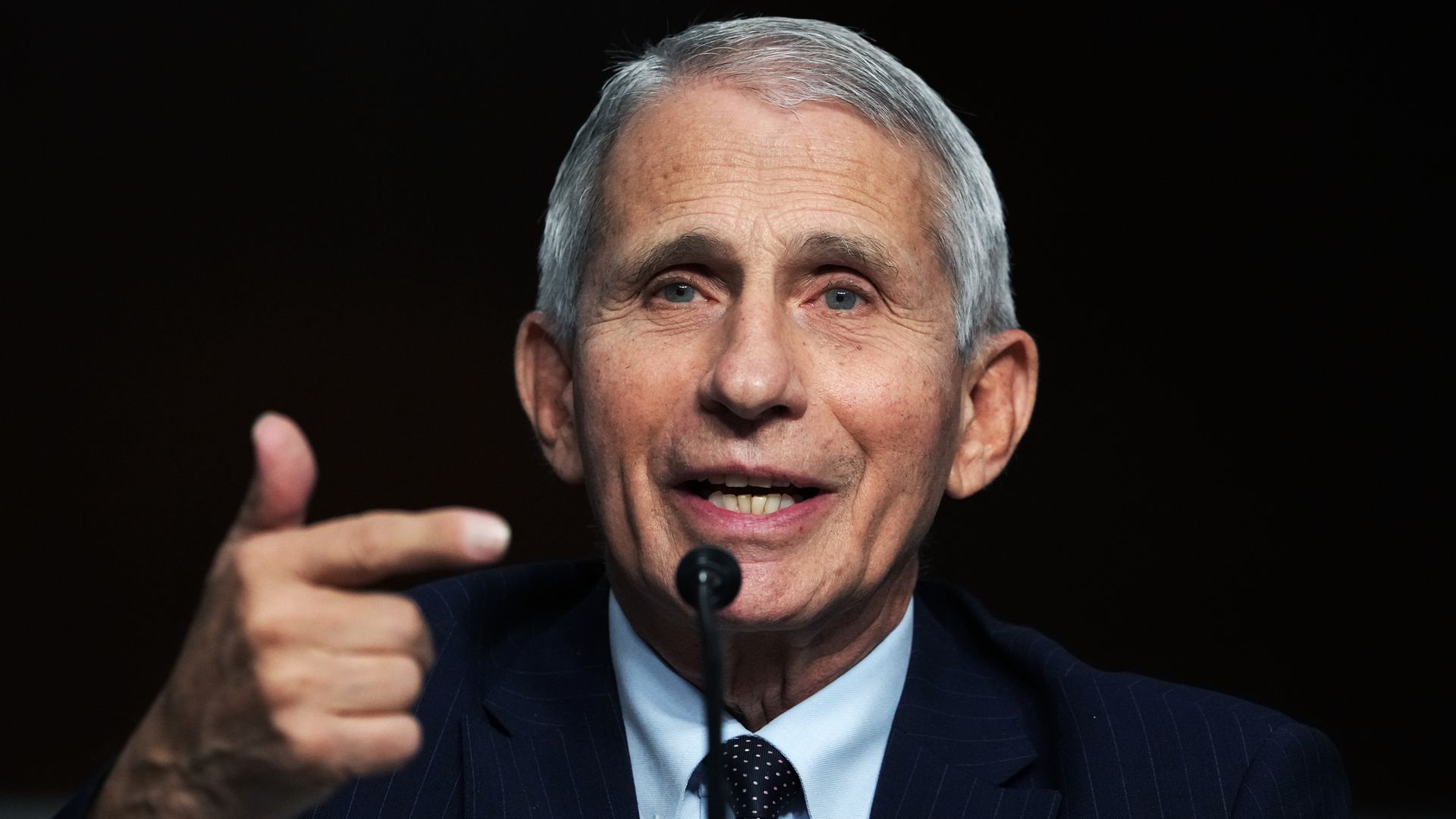
NIAID director Anthony Fauci believes the COVID-19 pandemic could become endemic in the U.S. next year, but increased vaccination rates and booster shots would be key to achieving this.
The big picture: The nation's top infectious disease expert made the comments in an interview with Reuters on Tuesday on the sidelines of the STAT Summit. But he noted to CNBC that coronavirus cases need to fall "well below 10,000" a day for the U.S. "to get back to a degree of normality."
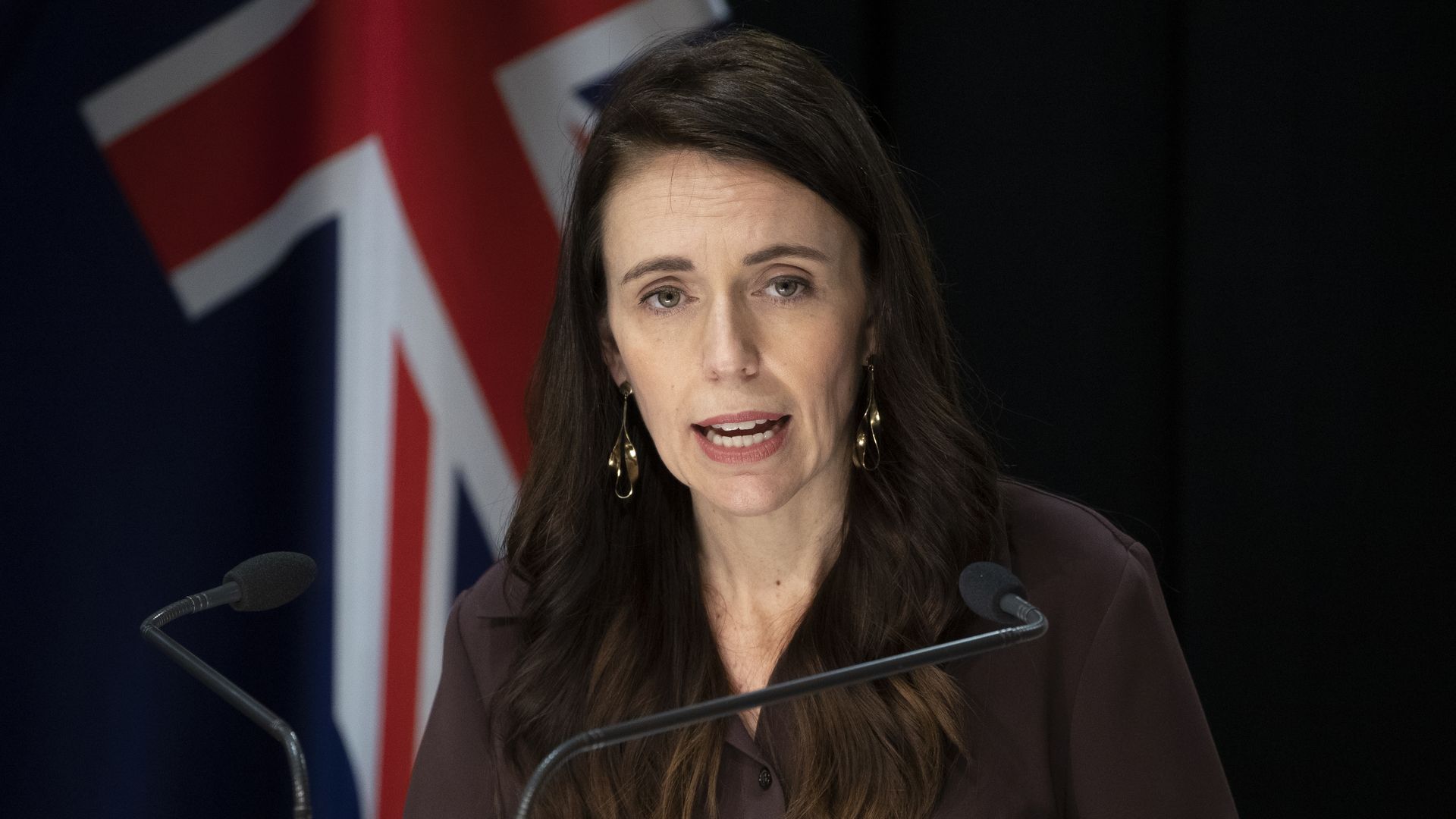
New Zealand Prime Minister Jacinda Ardern announced pandemic travel restrictions on the Auckland region imposed in August will lift next month, but travelers must provide proof of vaccination or a negative test within 72 hours of departure.
Why it matters: Those who fail to comply with the requirement face an NZ $1,000 fine (U.S. $700) and police will be responsible for enforcement when it takes effect on Dec. 15, Ardern said at a briefing Wednesday afternoon New Zealand time.
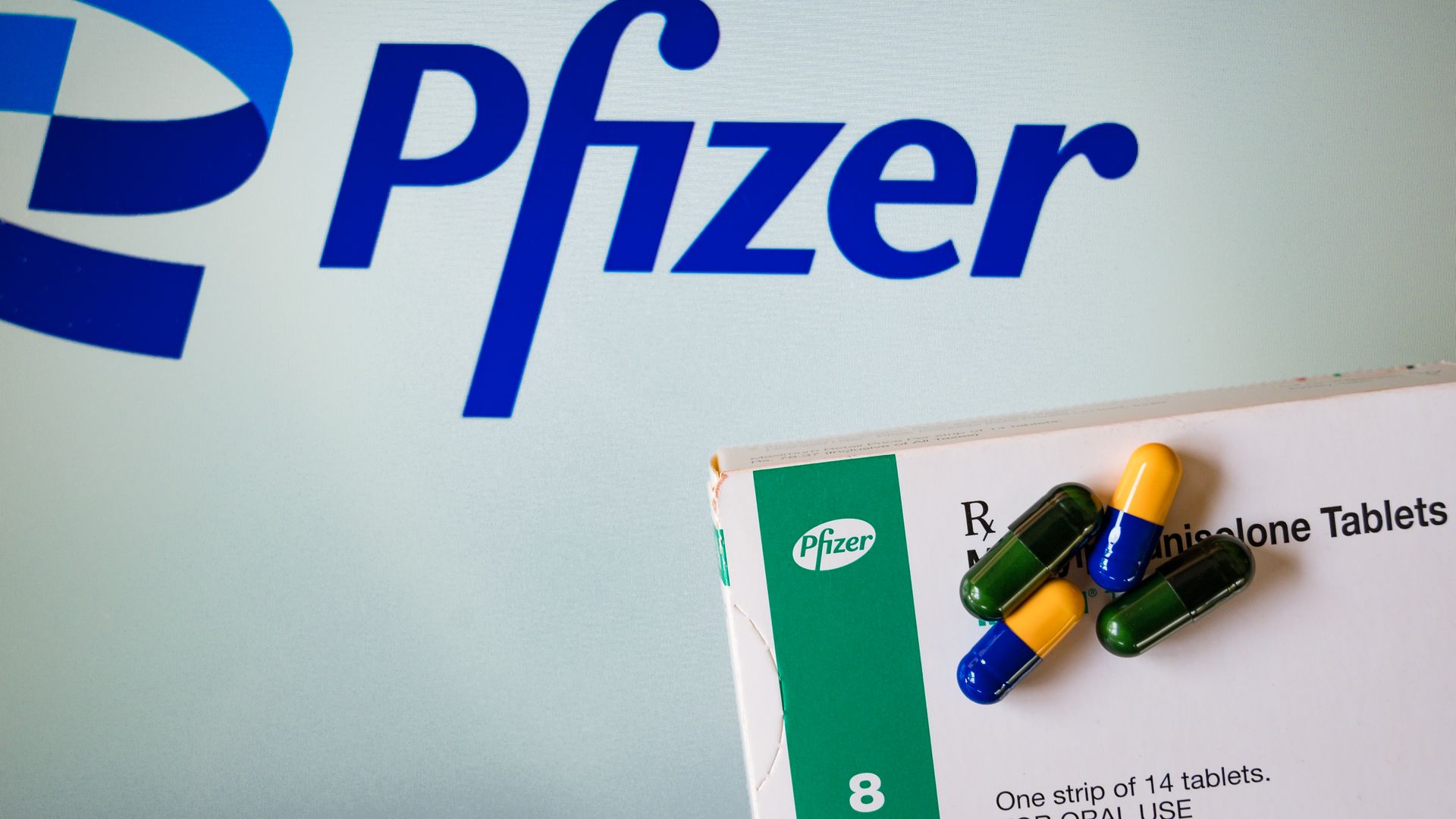
Pfizer announced on Tuesday it will allow low and middle-income countries to make and distribute the company’s COVID-19 pill inexpensively. The move is an attempt to increase the global supply in 95 poorer nations.
While the deal helps treat patients, the company has not made the same decision when it comes to its COVID-19 vaccine.
Axios Re:Cap host Felix Salmon is joined by Axios health care business reporter Bob Herman to discuss Pfizer’s decisions and the global ramifications.
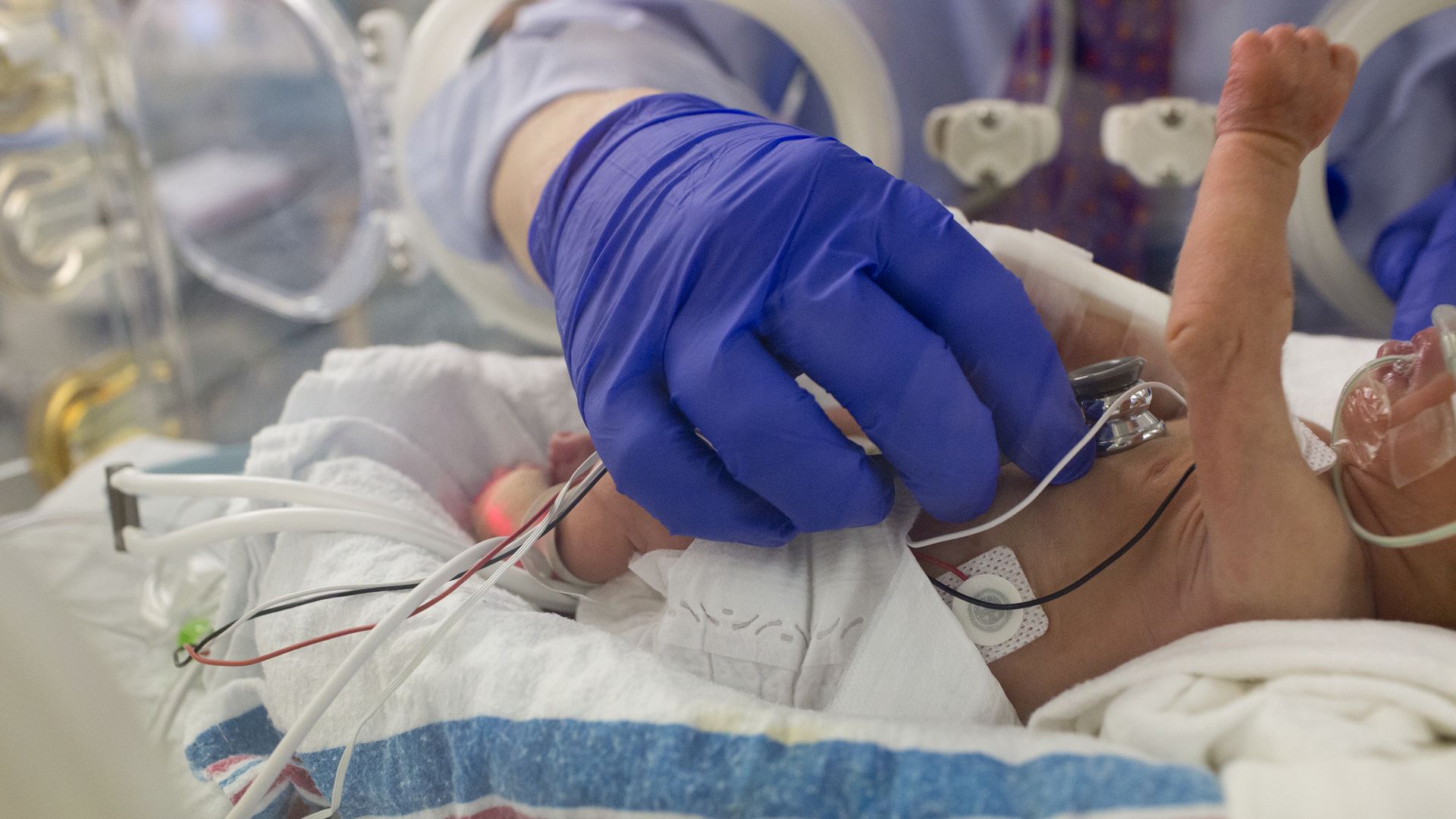
The overall rate of premature births in the U.S. declined for the first time in six years between 2019 and 2020, despite increases in preterm births among Black Americans and Native Americans or Alaska Natives, according to a report published Monday by the nonprofit March of Dimes.
Why it matters: A tenth of births in the U.S. were premature in 2020, according to the Centers for Disease Control and Prevention. These infants face a higher chance of having to deal with health risks, like breathing problems, difficulties feeding, and vision and hearing problems.
Pfizer said Tuesday it has asked the FDA for emergency authorization of Paxlovid, its experimental COVID-19 treatment.
Why it matters: Antiviral drugs can be a key pandemic-fighting tool, as not everyone will get vaccinated against the virus, Axios Caitlin Owens reports. If authorized, the drugs can also be administered at home.
Pfizer has agreed to a licensing deal with the UN's Medicines Patent Pool for its COVID-19 pill — roughly a month after Merck said it licensed its COVID pill with the MPP.
Why it matters: These antiviral pills have showed promising results in reducing the severity of infection and preventing death among the unvaccinated, and Pfizer's licensing agreement, combined with Merck's, will allow generic drug companies to cheaply produce the pills for more than 100 low- and middle-income countries.
The Biden administration is expected to begin the process of expanding the booster authorization to all adults as early as this week, according to a source familiar with internal planning.
Why it matters: America's booster campaign got off to an underwhelming start, potentially leaving millions of vulnerable people at risk as the holidays approach.