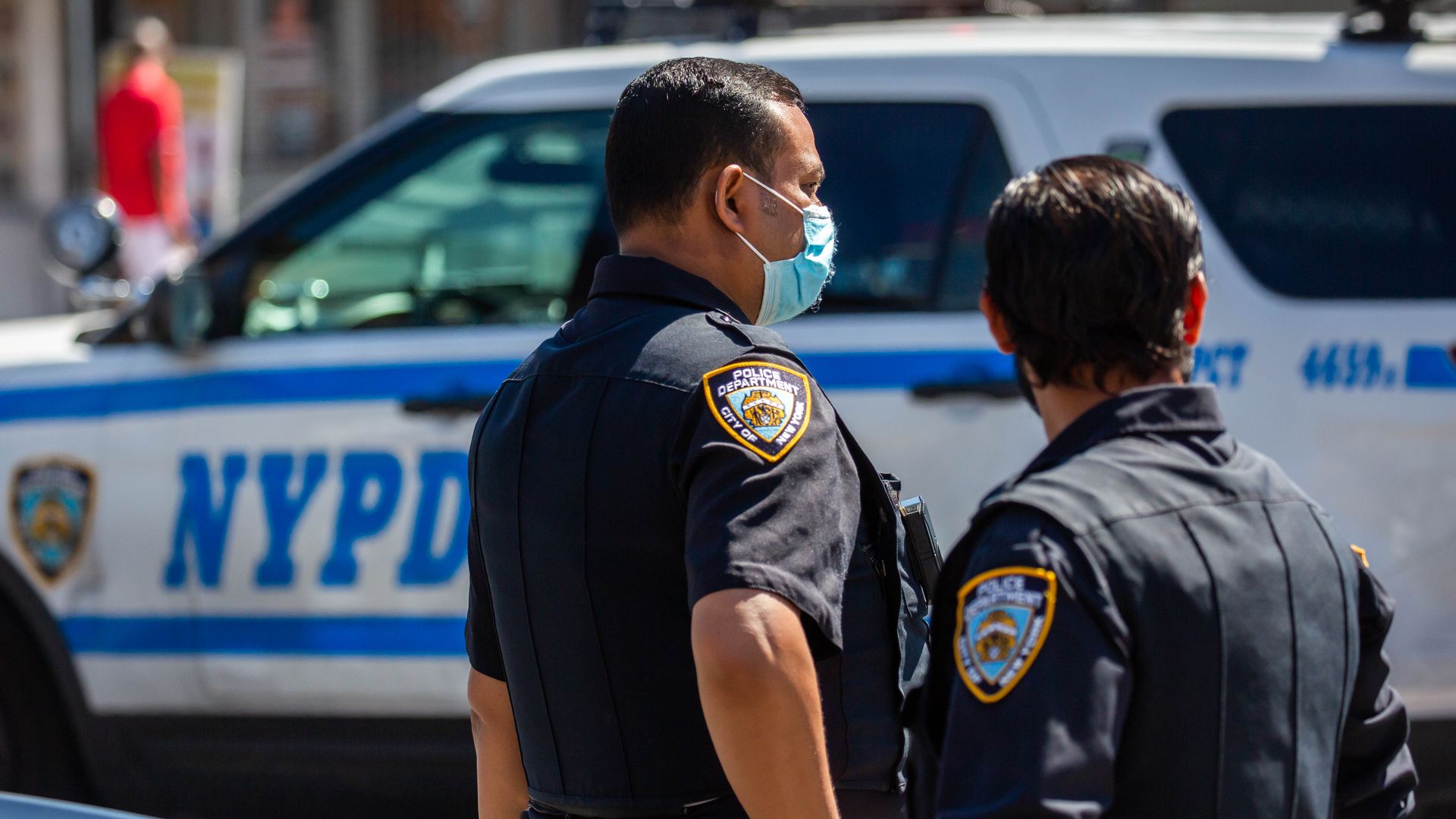
Over 26,000 New York City municipal workers are unvaccinated after a Friday deadline to have received at least one dose of the COVID-19 vaccine, AP reports.
Driving the news: New York City Mayor Bill de Blasio expanded a COVID-19 vaccine mandate on Oct. 20 that covers all of the city's public employees, including police officers and firefighters. Nearly 46,000 unvaccinated employees needed to receive one dose by Friday.
Getting outside is good for us — especially in a pandemic.
The big picture: Nature's benefits for mental health and well-being are part of the human experience and have been studied for decades. But the COVID-19 pandemic is a real-time experiment in studying exactly how green spaces can help us in difficult times.
More and more, our mental health care is being delivered using tech solutions like smartphone apps, AI-powered chatbots and wearables — especially sincethe start of the pandemic.
Why it matters: Technology has its flaws, but experts say it has been critical in addressing some of the obstacles in access to mental health care: too few providers and too little insurance coverage.
The forced isolation, disruption to treatment and resource demands created by the pandemic have set America back in its efforts to end the opioid epidemic.
What we're watching: It's not just opioids. The use of other substances, particularly alcohol, increased over the last year and a half, and experts say this may lead to more people struggling with addiction.
The number of children struggling with mental health issues has skyrocketed amid the pandemic, and the crisis isn't abating as life returns to normal.
Why it matters: Many children won't just bounce back to normal on their own, experts say, and will need additional care and support in their homes, schools and broader communities.
There's been a drastic increase in the number of Americans who need mental health care, putting even more stress on a system that was already strained by the significantly lower pre-pandemic demand.
Between the lines: In a competition for scarce resources, the most vulnerable people — particularly those who don't have access to care or can't afford it — are most likely to lose out.
America’s mental health crisis began long before the coronavirus pandemic did, but a year and a half of loss, stress, isolation and treatment disruption has only increased the number of Americans struggling with their mental health.
Why it matters: As demand rises well beyond pre-pandemic levels, the system is facing burned-out providers and staffing shortages, and even more people who need care aren’t getting it.
Young adults and people of color are disproportionately reporting symptoms of anxiety or depression, according to CDC data.
By the numbers: The portion of U.S. adults reporting these symptoms has hovered around 30% since this spring — a drop from the more than 40% of adults reporting symptoms last winter.
In 2019, only 11% of adults reported symptoms of anxiety or depression, per the CDC.
Mental health care was already inequitable and in short supply in the U.S. This Axios AM Deep Dive, led by health care reporter Caitlin Owens, looks at how the pandemic made it worse.
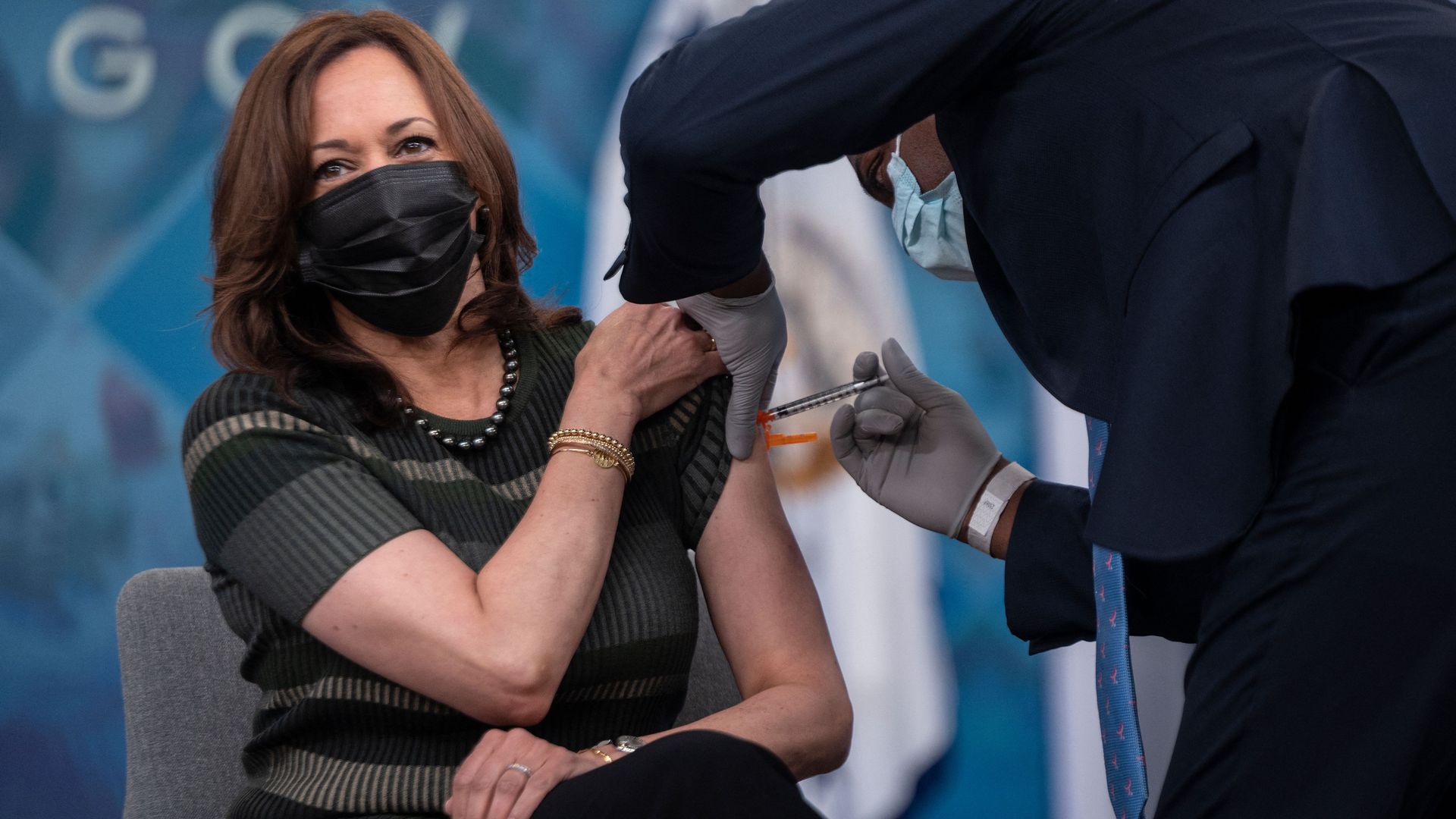
Vice President Kamala Harris received a third shot of the COVID-19 vaccine Saturday, while calling on Americans to get vaccinated to "get through and beyond" the pandemic.
Driving the news: The White House said Harris qualifies for a booster shot due to her job duties that include frequent traveling and interacting with people, AP reports.
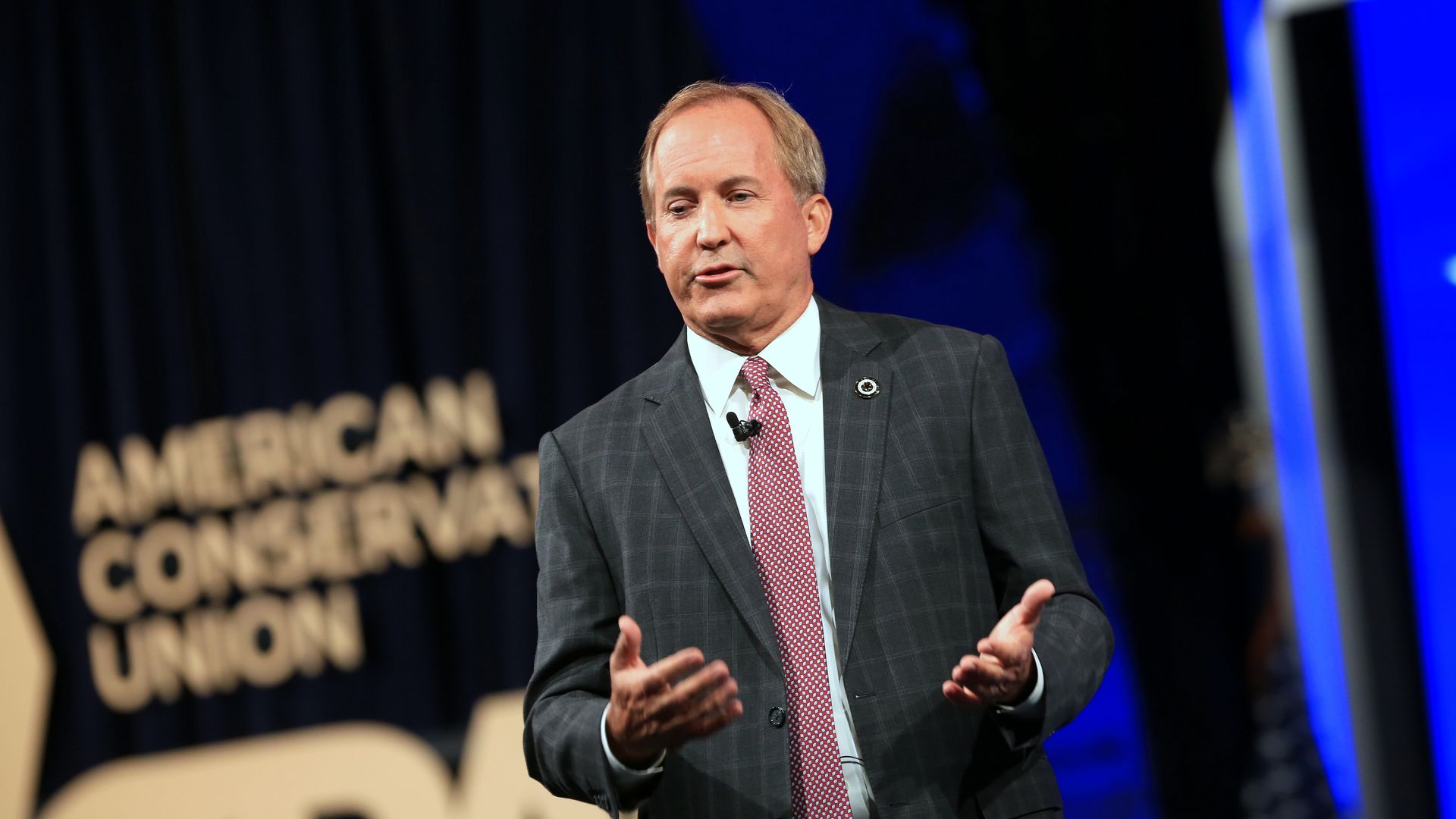
What they're saying: The executive order is "a dramatic infringement upon individual liberties, principles of federalism and separation of powers, and the rule of law," according to the lawsuit, which was filed Friday evening in the U.S. District Court for the Southern District of Texas.