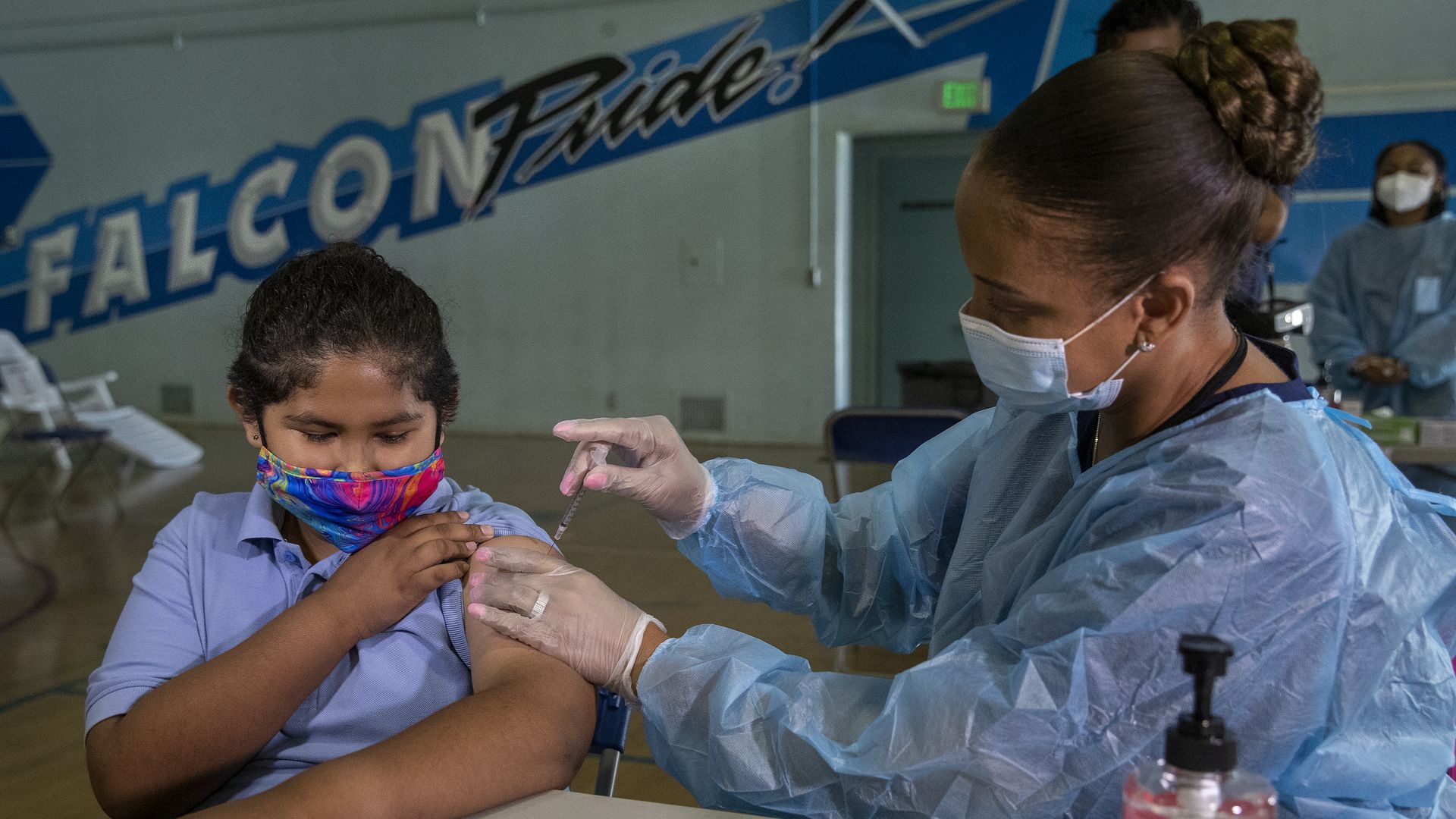
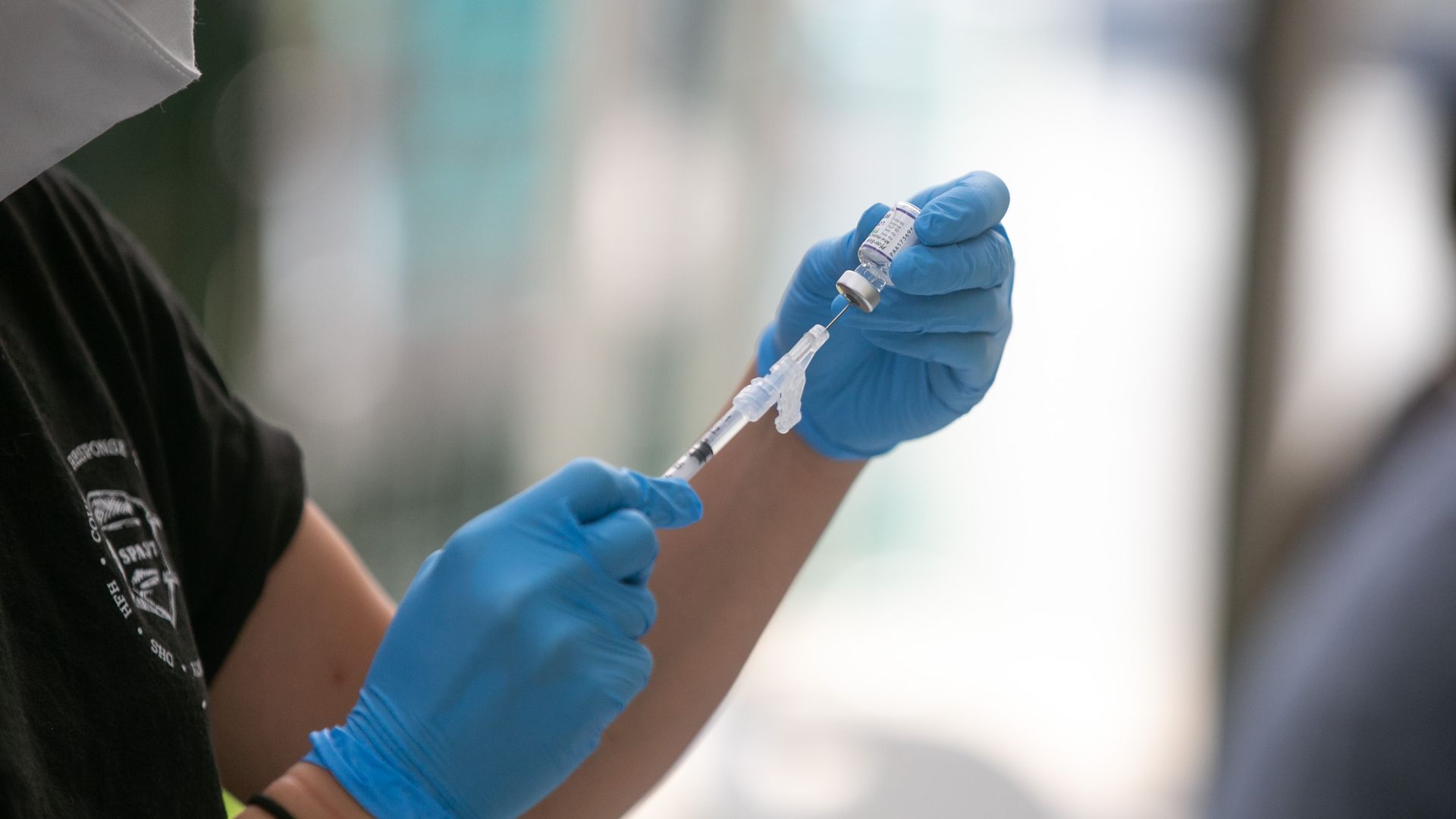
Pfizer plans to submit data about its COVID-19 vaccine for children ages 5 to 11 to the Food and Drug Administration "pretty soon," CEO Albert Bourla told ABC's "This Week" on Sunday.
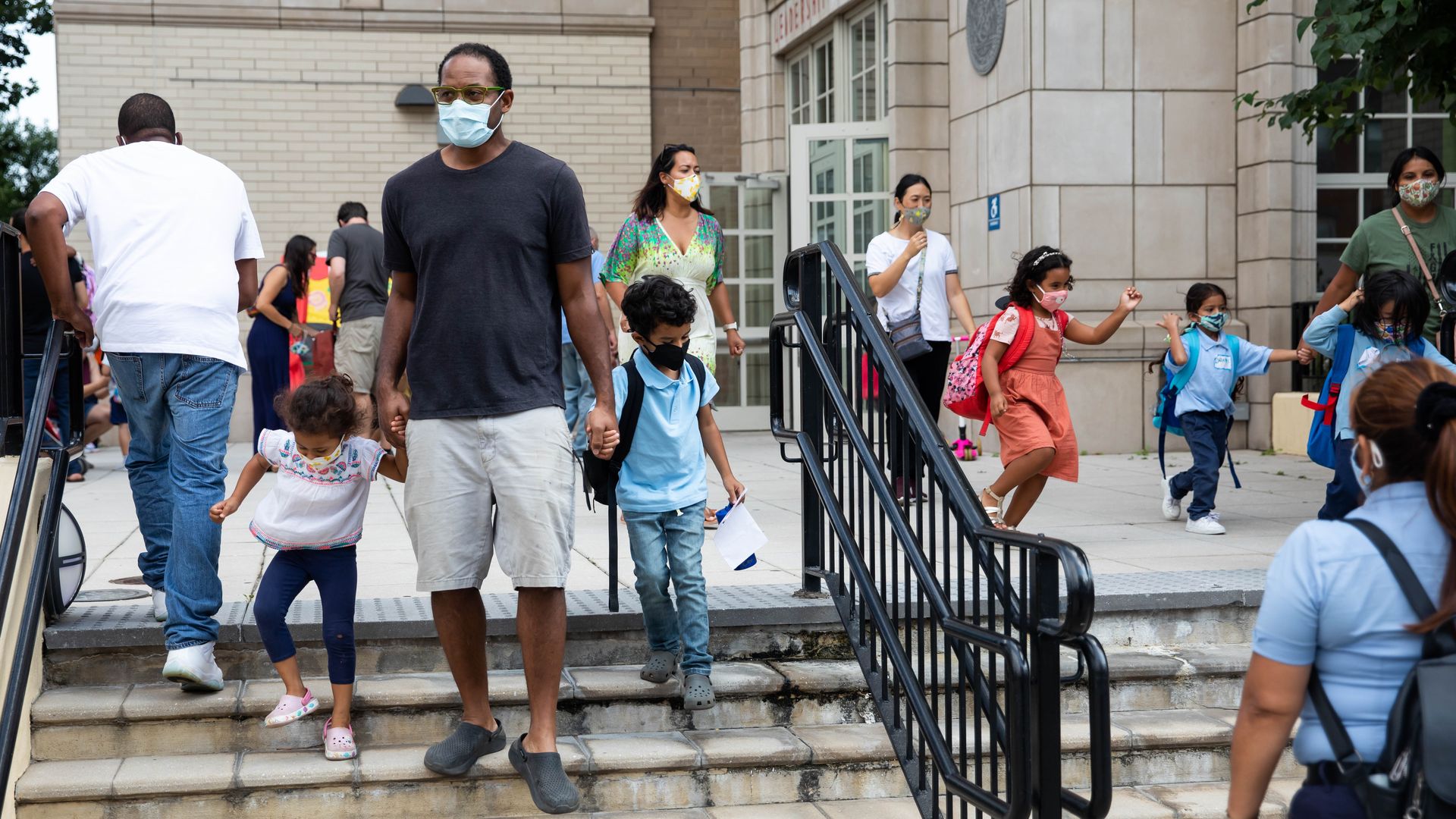
Why it matters: The start of the school year saw a rise in COVID-19 infections among kids, and heightened the focus on when the vaccine will be available for children.
The U.S. COVID-19 vaccine supply is large enough to meet the rise in demand prompted by the approval of booster shots and the imminent authorization of vaccines for younger children, AP reported.
Driving the news: Last week, the Food and Drug Administration approved Pfizer-BioNTech coronavirus booster shots for people over 65 or at risk of developing severe COVID-19.
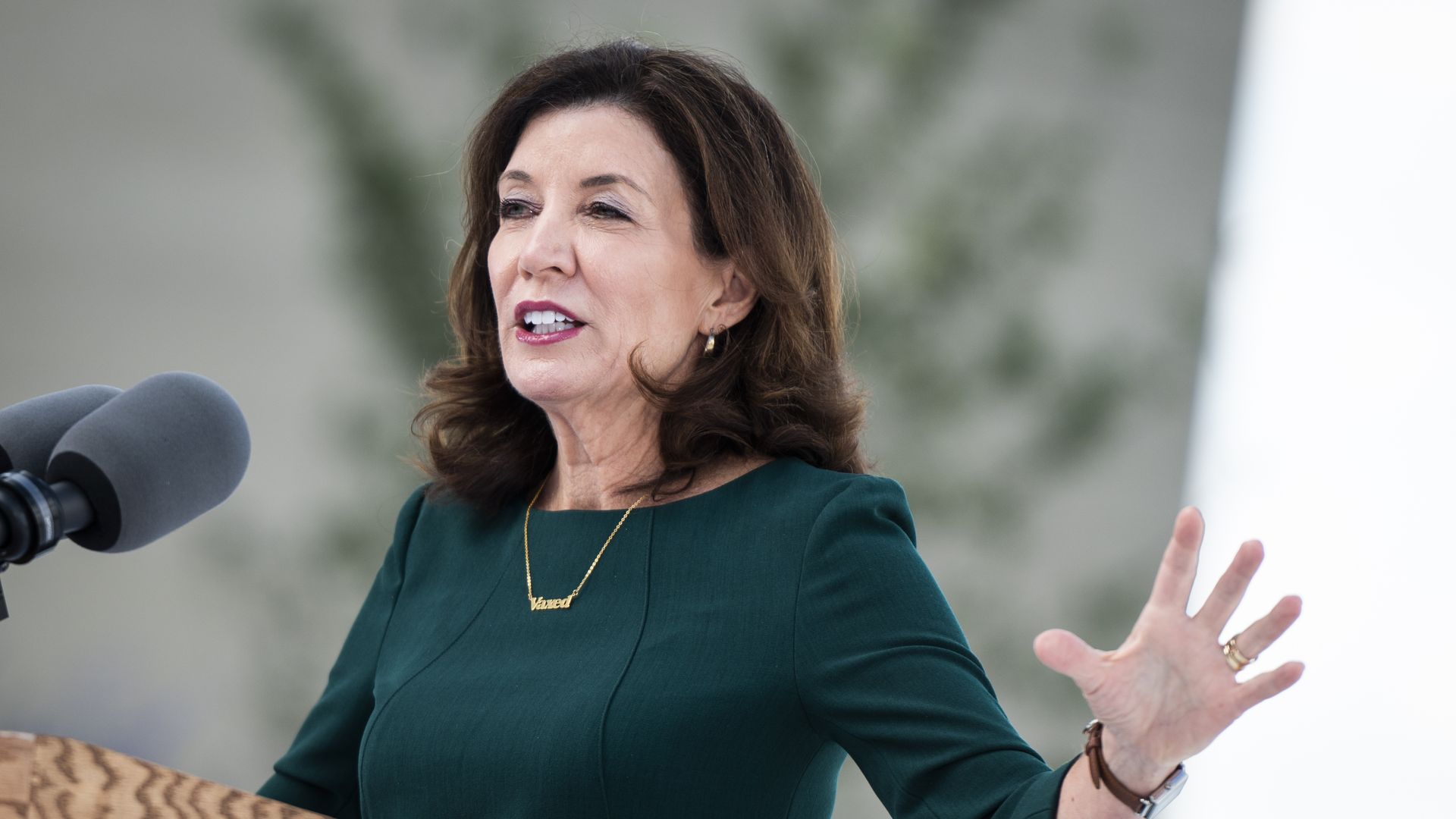
Gov. Kathy Hochul (D) announced Saturday she would declare a state of emergency if there were health worker shortages due to New York's upcoming COVID-19 vaccine mandate.
Why it matters: Hochul moved to reassure concerns of staffing shortages in the health care sector in a statement that also outlined plans to call in medically trained National Guard members, workers from outside New York and retirees if necessary when the mandate takes effect Monday.
Millions of Americans are still suffering from a wide spectrum of symptoms long after they've recovered from their original coronavirus infections, and it's very unclear what the disease's trajectory is — or even how many people are affected.
What we're watching: We still don't have a good grasp on how susceptible vaccinated people are to long COVID. If the condition remains a threat even for the vaccinated, that could shape the risks people are willing to take in the future.
One major tool that we've been missing in the coronavirus fight is a pill that people can take right after they've been diagnosed with the virus. It may not be that far off.
Why it matters: An effective antiviral pill could prevent an infected person from ever getting sick, or at least from requiring hospitalization. It's not a substitute for vaccination, but it would make living with the coronavirus safer.
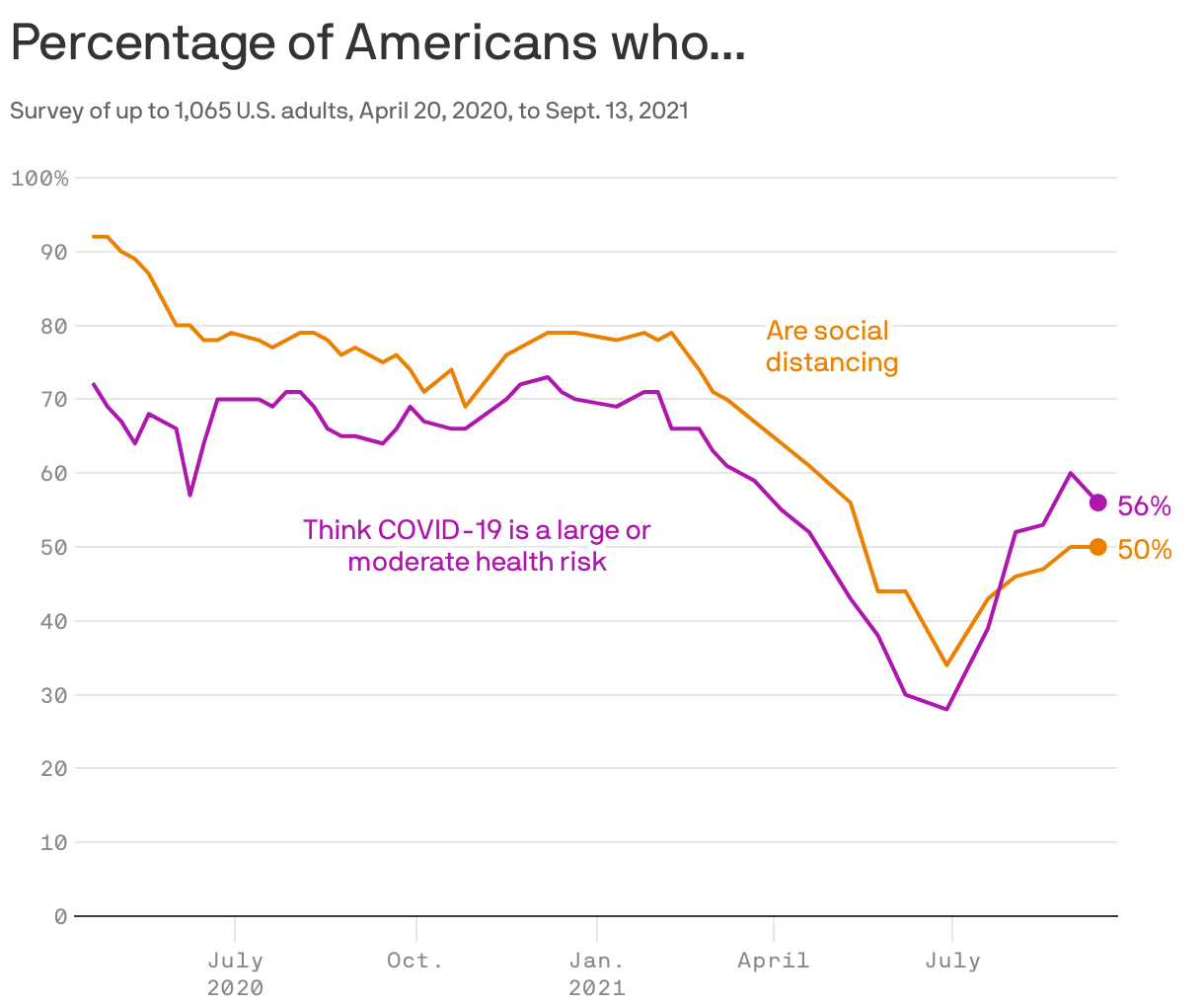
When the Delta variant caused coronavirus infections to spike over the summer, Americans began thinking of COVID as a larger risk and resumed social distancing.
Why it matters: Life won't look normal until there's much less virus around — even if the majority of the population is vaccinated — as millions of people will voluntarily try to avoid it.
Whatever living with the virus looks like, Delta-level surges aren't considered to be sustainable for the public or the hospitals that will treat the seriously infected.
Why it matters: A major determinant of how seriously we'll take the coronavirus in the future is how many hospitalizations and deaths it's causing — and whether our health system can handle the load.
The U.S. has fallen from the top of the world's list of most-vaccinated countries, largely due to the substantial percentage of Americans who don't want the vaccine.
What we're watching: Vaccine mandates are becoming much more common in the U.S., and children under 12 will likely become eligible for vaccines within the next few months — both of which should help boost the vaccination rate here.
We're almost certainly going to have to live with the coronavirus, in some form, for the foreseeable future. But what that means will be shaped in large part by what we do now.
Why it matters: More than half of the world — and a substantial portion of Americans — remains unvaccinated. Getting these rates up could mean the difference between the virus becoming a back-burner nuisance, or something that continues to define our lives for years to come.
It was 563 days ago that the WHO declared Covid-19 a pandemic. This Axios AM Deep Dive, led by healthcare reporter Caitlin Owens, looks at our Covid future.
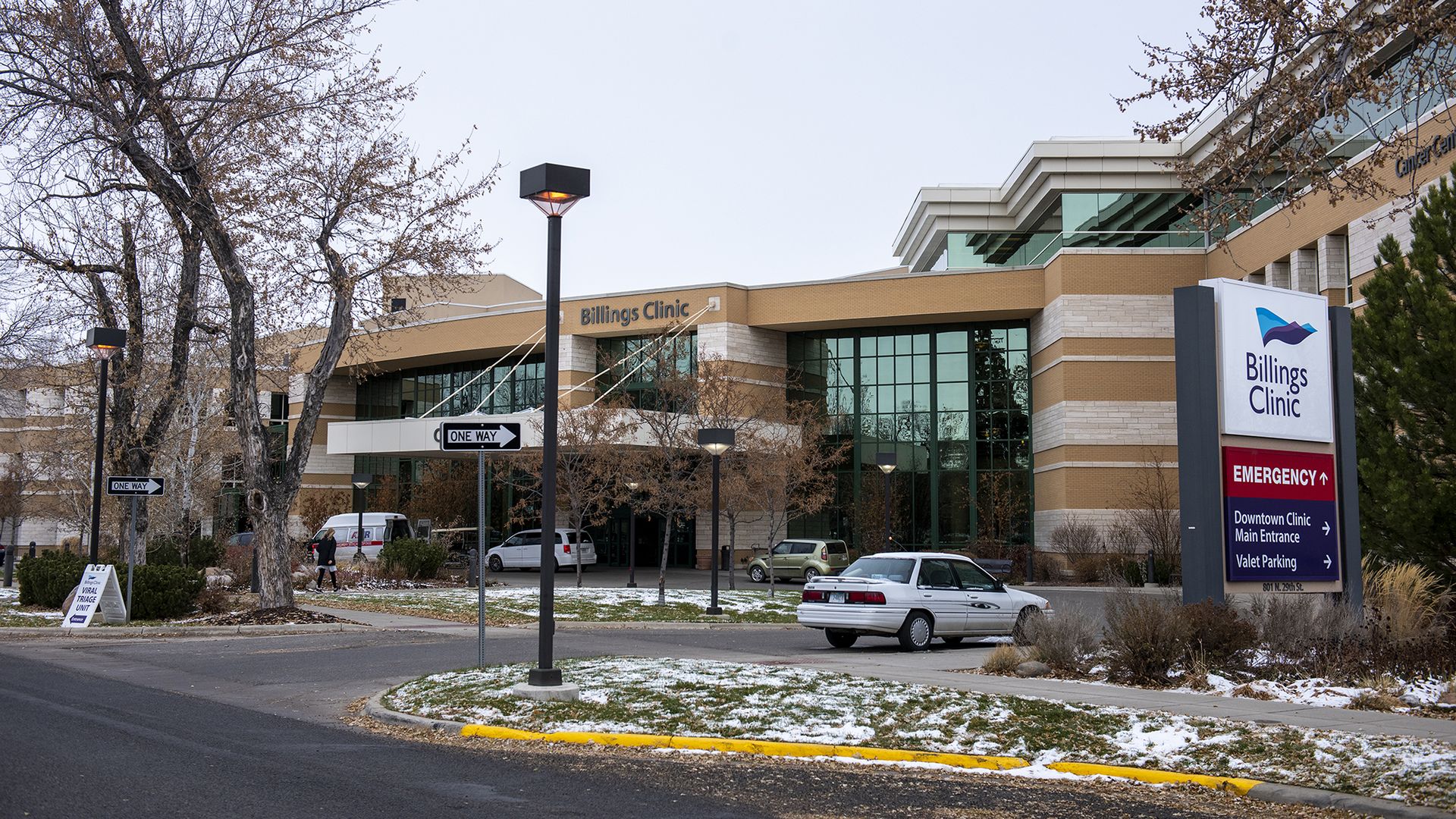
A veterans medical facility in Montana is planning to accept non-eligible patients as a COVID-19 surge overwhelms nearby hospitals in the state, CNN reports.
Why it matters: The move underscores the dire health situation in Montana due to the latest COVID-19 case surge, where some hospitals in the state have started to consider rationing care, according to the Montana Free Press.
Teachers and workers at New York City schools have until Monday to receive their COVID-19 vaccine before the city's mandate takes effect, prompting concerns over staffing shortages in schools across the city, ABC 7 reports.
Why it matters: About 6,000 teachers remain unvaccinated as the mandate's deadline looms, the New York Times reports.
Human aging is the latest and greatest field being disrupted by technology.
The big picture: Work on therapeutics that could slow or even prevent the aging process is moving out of the fringes and into the mainstream, fueled by funding from tech billionaires who have one thing left to conquer: death.
A federal judge ruled Friday that a health care provider serving the Northern Kentucky and Greater Cincinnati region can issue mandates requiring its more than 10,000 employees to get vaccinated or risk termination.