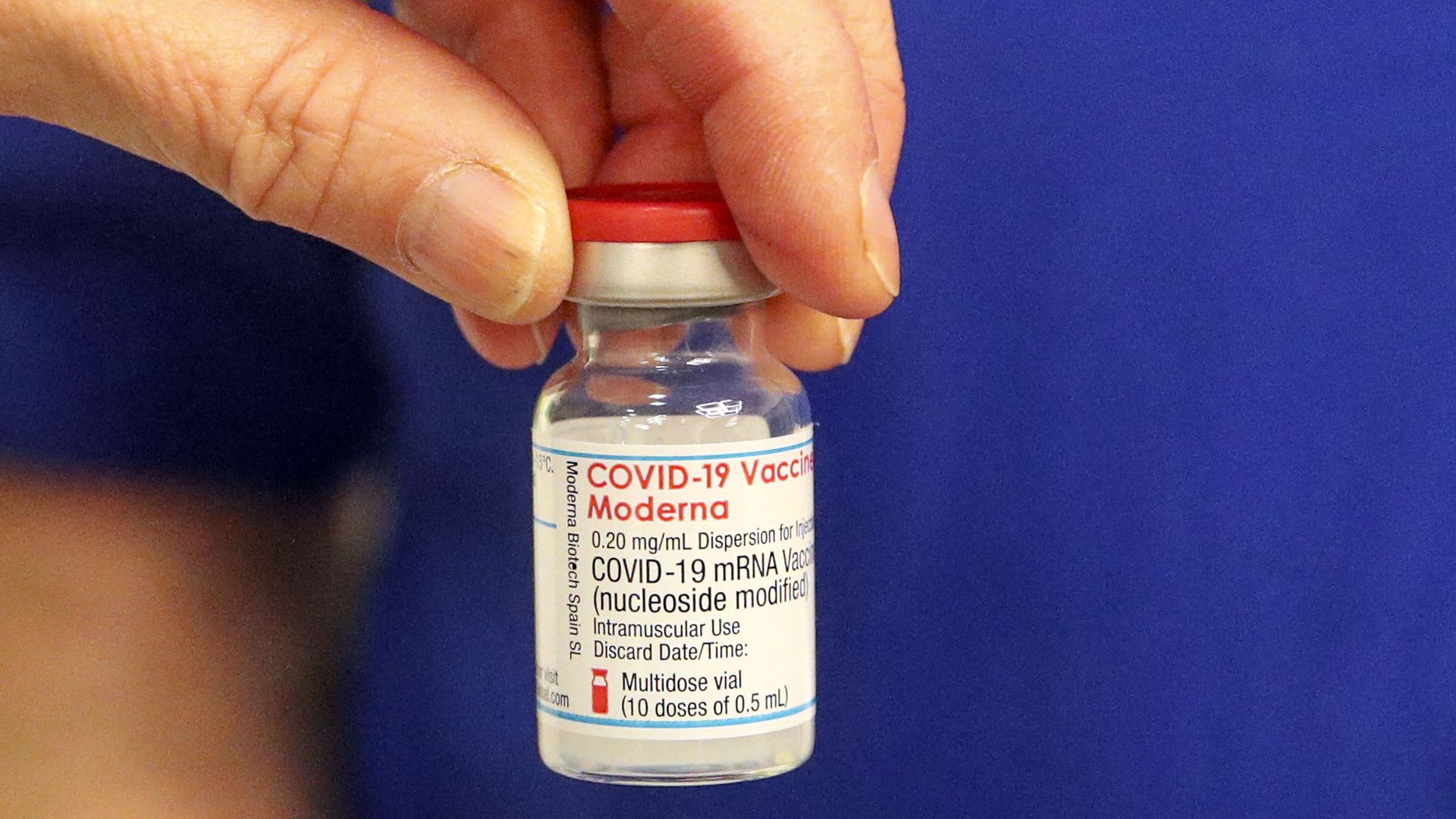
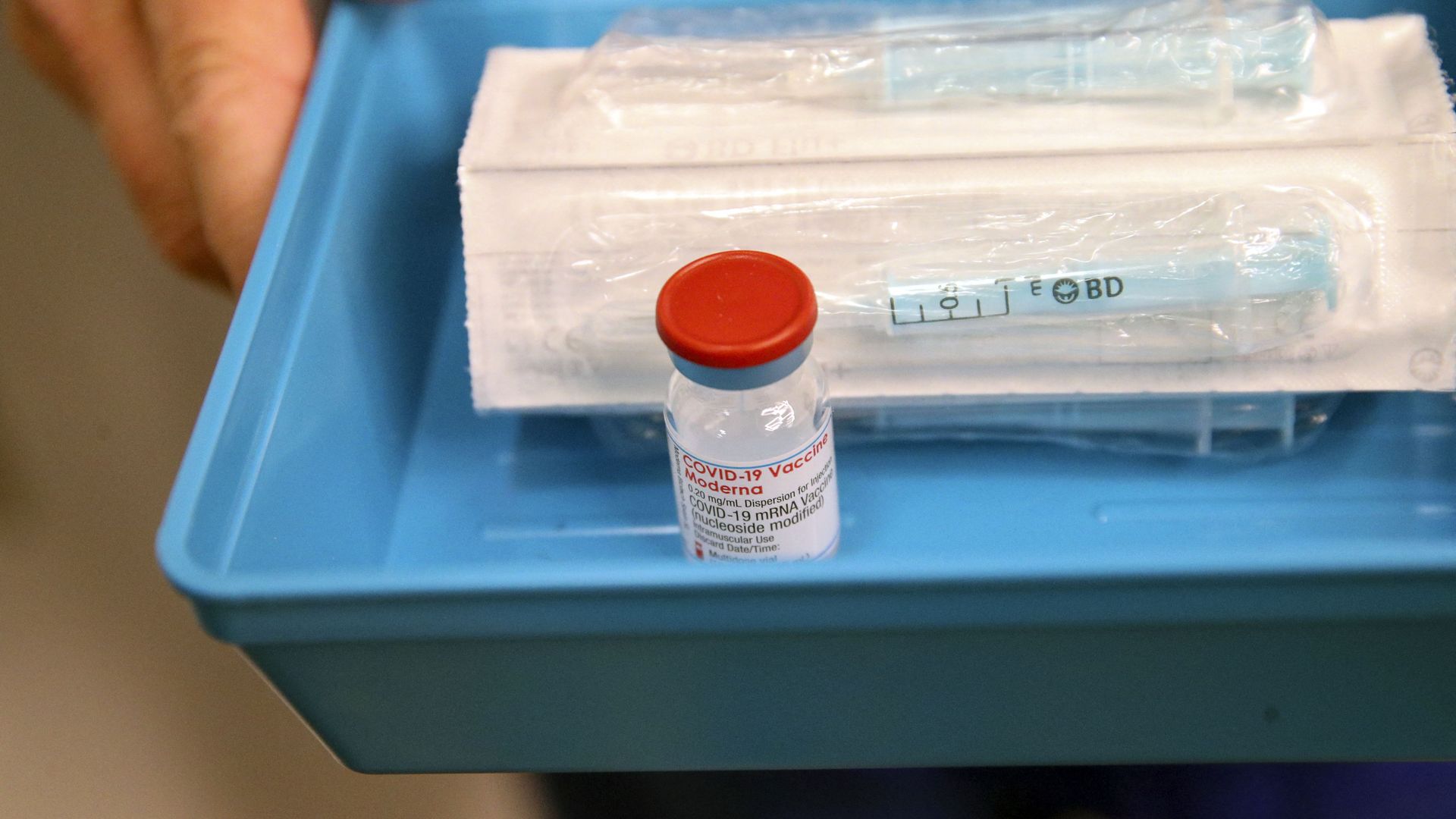
Moderna's COVID-19 vaccine is more than 90% effective against the coronavirus approximately six months after the second dose is administered, according to preliminary data published in the New England Journal of Medicine.
Why it matters: Details about the Moderna vaccine's long-term effectiveness come after the FDA recommended earlier Tuesday that the U.S. pause its use of Johnson & Johnson's coronavirus vaccine, citing six cases of a rare blood clot disorder.
Pfizer CEO Albert Bourla on Tuesday announced the company has ramped up production of its coronavirus vaccine and can deliver 10% more doses to the U.S. by the end of May than it previously agreed to produce.
What he's saying: Bourla added that the company can deliver the full 300 million doses two weeks earlier than expected.
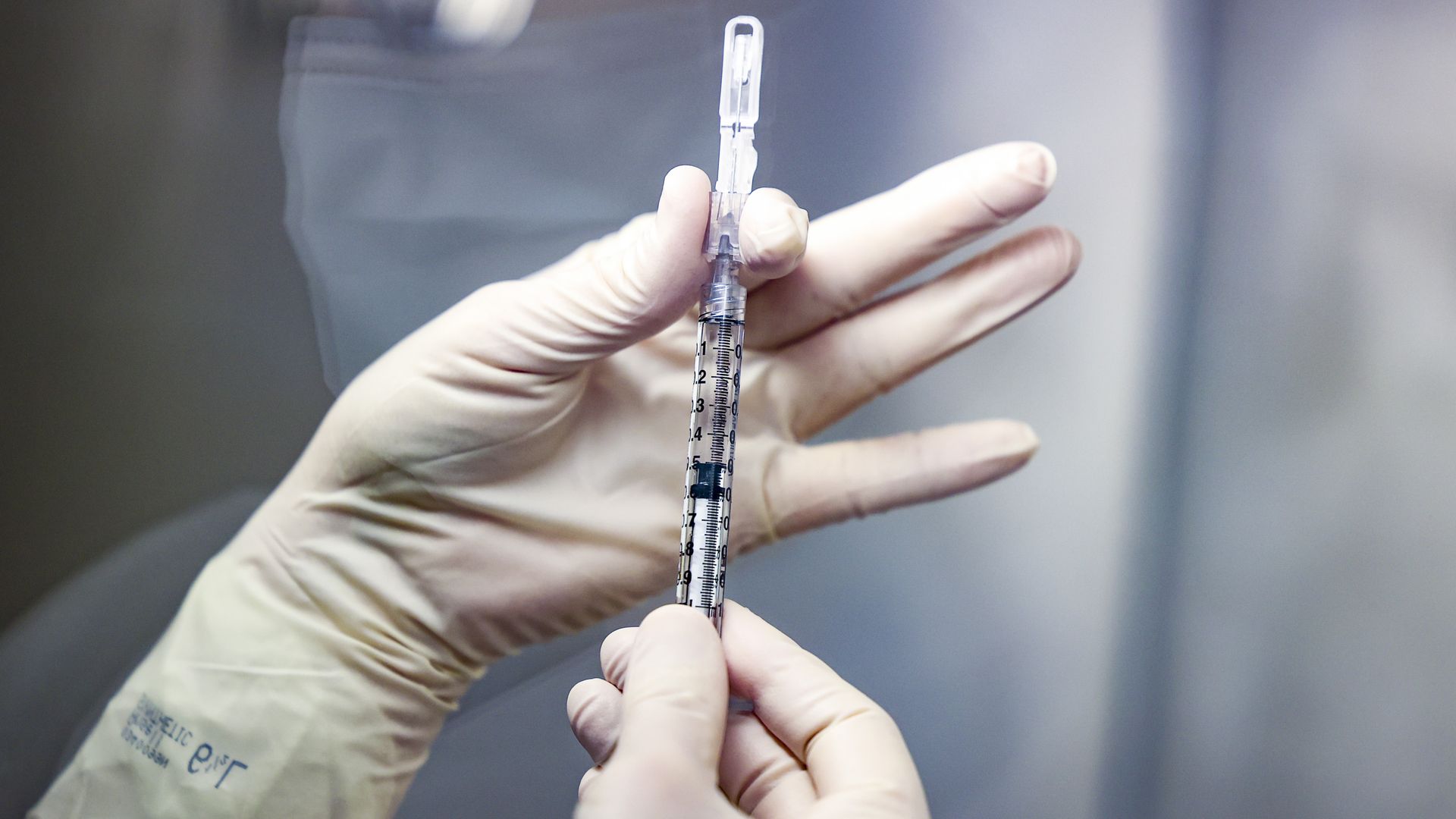
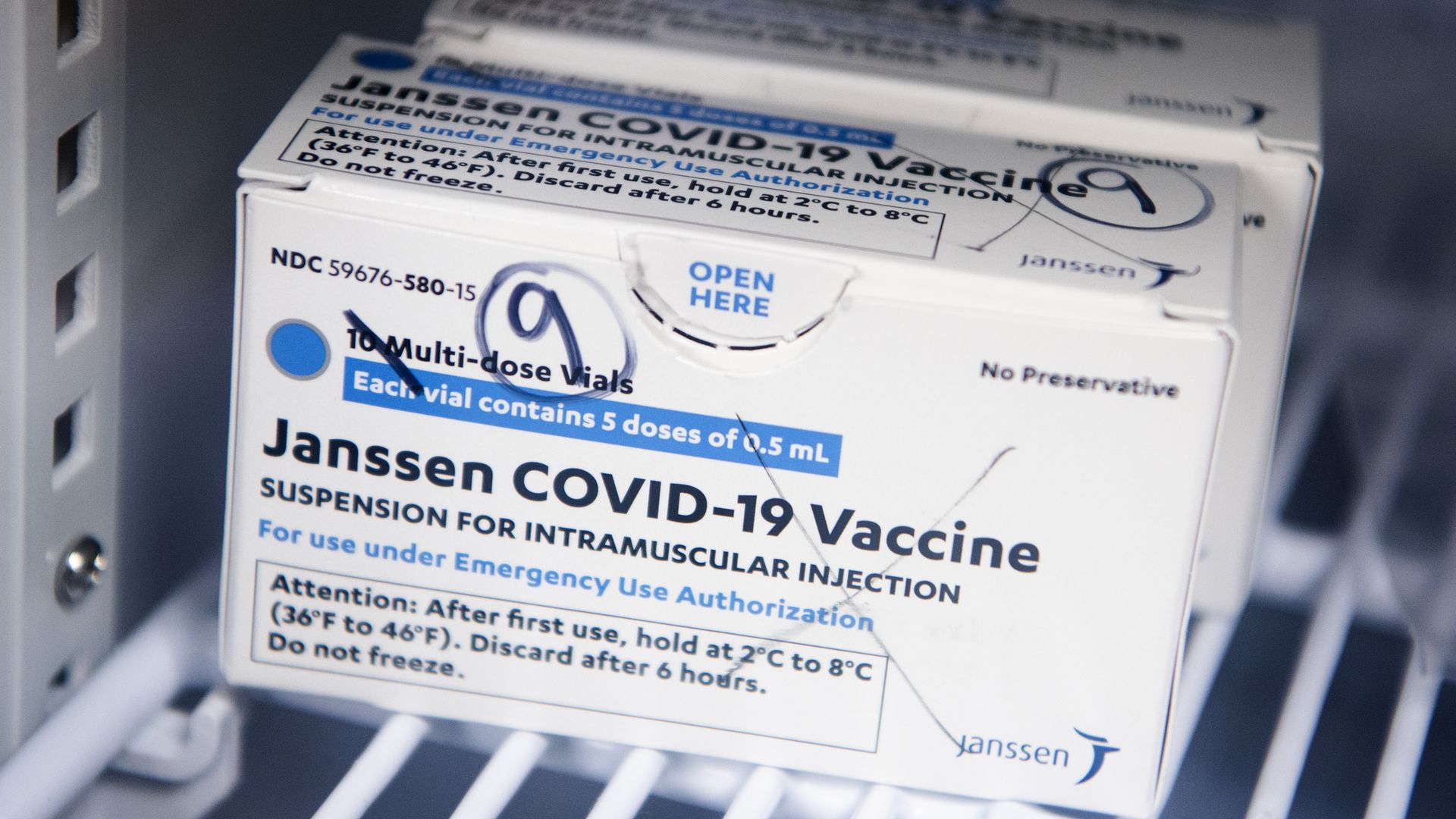
After the U.S. administered nearly 7 million doses of the Johnson & Johnson COVID-19 vaccine, the CDC and FDA this morning issued a recommendation to pause using that particular vaccine after six women developed blood clots following their vaccinations.
Axios Re:Cap digs into how this recommendation was likely made, why and how to understand it with Julie Morita, executive vice president of the Robert Wood Johnson Foundation, who has served on the CDC’s Advisory Committee on Immunization Practices, as commissioner for the Chicago Department of Public Health, and on the Biden COVID-19 advisory board.
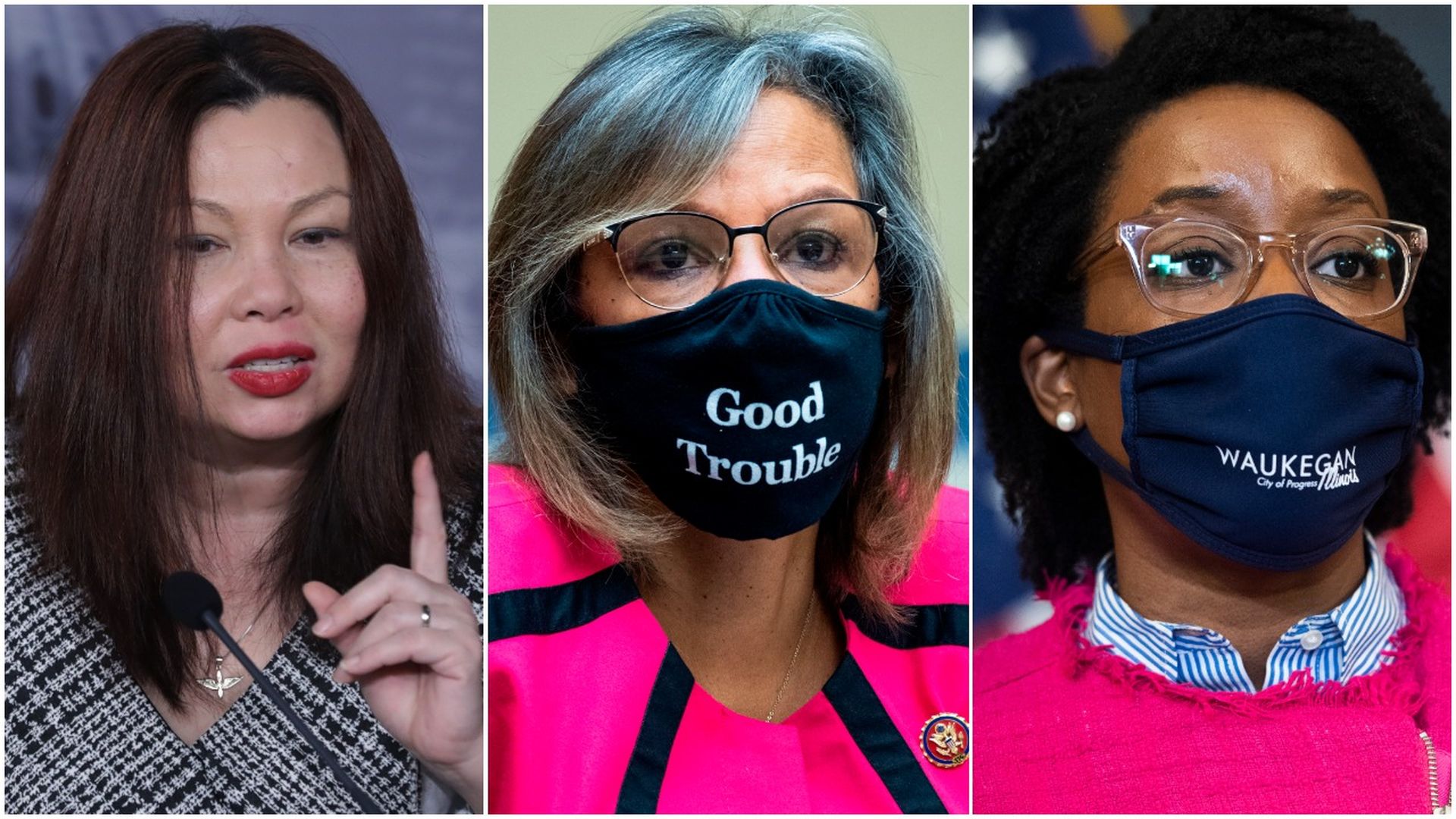
The White House on Tuesday issued its first-ever presidential proclamation marking Black Maternal Health Week as part of an effort to highlight racial gaps in pregnancy and childbirth-related deaths.
Why it matters: The U.S. retains the highest maternal mortality rates in the developed world, largely due to high mortality rates among Black mothers, according to research by Commonwealth Fund. Black women in the U.S. are 2.5 times more likely to die from pregnancy-related complications than white women.
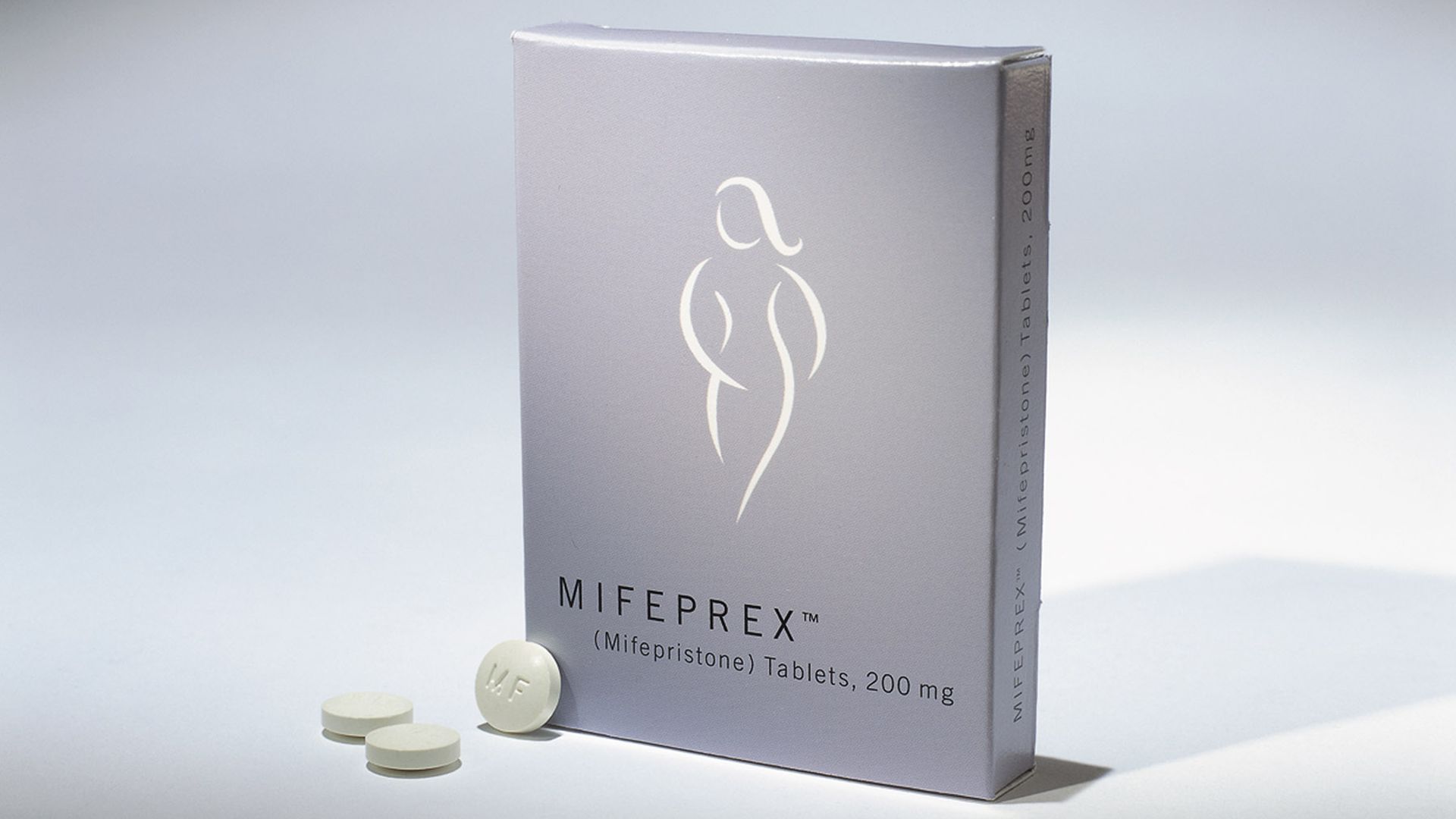
The Food and Drug Administration on Tuesday announced that patients seeking abortion pills will not be required to obtain the drug from hospitals or medical facilities in person while the coronavirus pandemic persists.
Why it matters: The move will allow women to get prescriptions for mifepristone via telemedicine and receive the drug by mail. The FDA's decision comes as abortion opponents in multiple Republican-led states push legislation to limit access to pregnancy termination methods.
The U.S. FDA on Tuesday recommended an immediate halt of the use of Johnson & Johnson's COVID-19 vaccine, citing cases of a rare blood clot disorder that six women developed within two weeks of receiving the shot.
The latest: Acting FDA Commissioner Janet Woodcock said at a briefing that she expects the pause to only last "a matter of days," as health officials investigate the data surrounding the "extremely rare" blood clots.
The state of play: J&J was set to send 50 million doses of its one-shot coronavirus vaccine to the European Union within the next few weeks. But the company now says it is reviewing cases of the "extremely rare" blood clotting with European authorities.
The White House said Tuesday that the FDA's recommendation that the U.S. pause use of Johnson & Johnson's COVID-19 vaccine "will not have a significant impact" on the administration's vaccination plans.
Why it matters: The Biden administration says it has secured enough Moderna and Pfizer doses for 300 million Americans. The U.S. will be able to continue administering 3 million vaccine doses a day even without the Johnson & Johnson shot, according to the White House.
Moderna released a statement Tuesday reassuring people of the safety of its coronavirus vaccine hours after the FDA recommended pausing the administration Johnson & Johnson (J&J) vaccines due to reported cases of "extremely rare" blood clots.
What they're saying: After over 64.5 million doses administered globally, a comprehensive assessment using data through March 22 "does not suggest an association with" blood clots in the brain or veins, Moderna said.
New York will replace Johnson & Johnson's COVID-19 vaccines with the Pfizer vaccine for appointments scheduled for Tuesday, New York's health commissioner Howard Zucker said in a statement.
Why it matters: The FDA, out of "an abundance of caution," recommended on Tuesday an immediate pause of the use of Johnson & Johnson's COVID-19 vaccine, citing cases of a rare blood clot disorder that six women developed within two weeks after receiving the shot.
Democrats are exploring adding a huge array of health policies to upcoming spending legislation, ranging from further enhancing Affordable Care Act subsidies to allowing Medicare to negotiate prescription drug prices.
Why it matters: The next few months may give Democrats the opportunity to walk the walk after campaigning extensively on health care for years, and to plug some of the glaring holes in the system that were exposed by the pandemic.
Illinois on Monday became the first state to extend Medicaid coverage for new mothers, offering a year of coverage instead of the standard 60 days.
Why it matters: 52% of pregnancy-related deaths in the U.S. occur within a year of giving birth. In Illinois, it's 80% of maternity deaths, Health and Human Services Secretary Xavier Becerra said on a media call Monday.