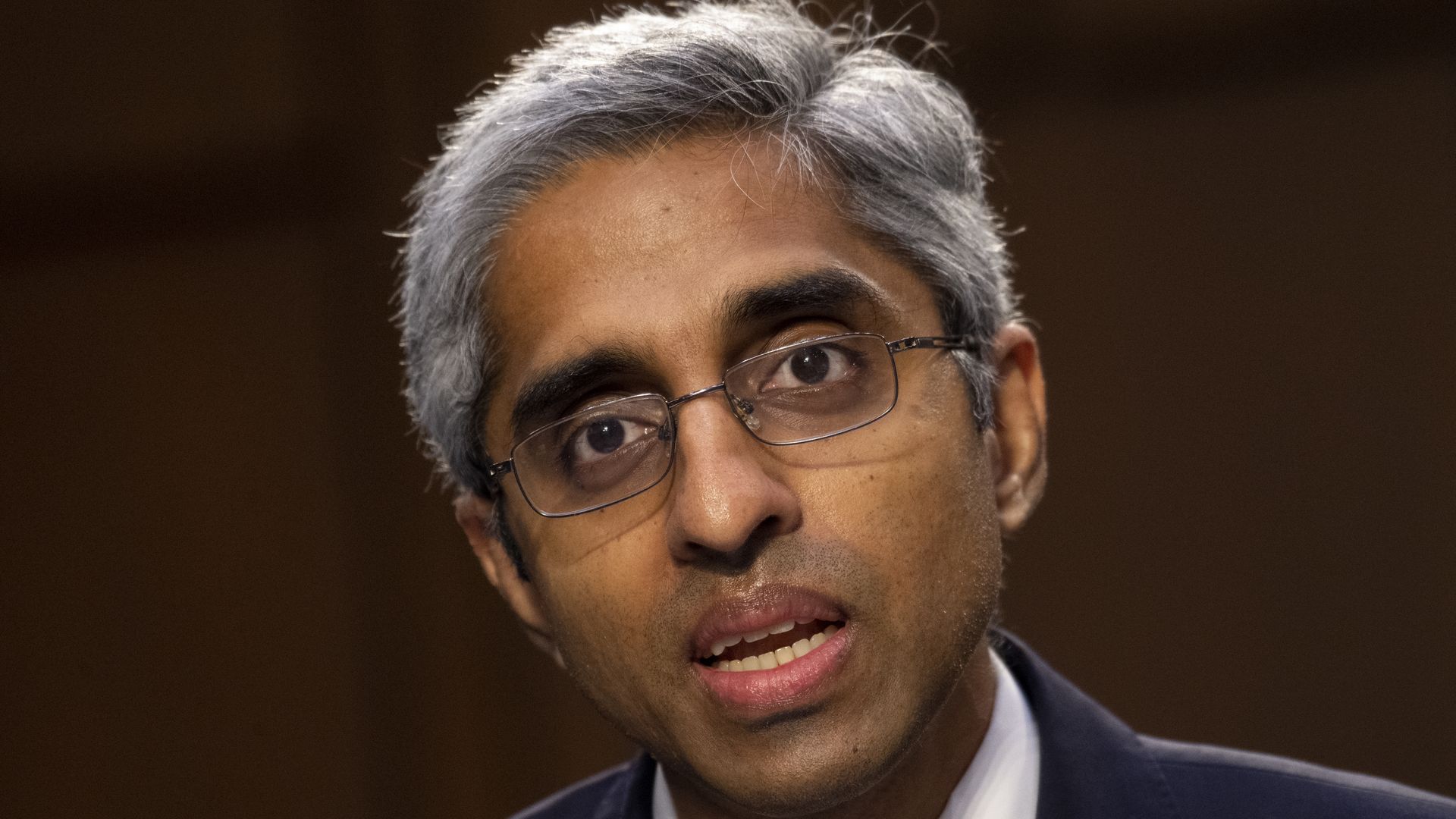
The Senate voted 57-43 on Tuesday to confirm Vivek Murthy as surgeon general.
Why it matters: His appointment will allow him to reprise a role he previously held. Murthy served as surgeon general under the Obama administration but was dismissed in 2017, a year before the end of his term, by the Trump administration.
The special enrollment period for Americans to sign up for Affordable Care Act health plans will continue through Aug. 15, the Biden administration announced Tuesday.
The big picture: The administration already extended the enrollment period earlier this year after millions of people lost their health insurance coverage during the pandemic.
Scientists have produced the first consensus criteria to diagnose chronic traumatic encephalopathy (CTE) in living people.
The state of play: As of now, CTE can only be diagnosed after death. But a new paper, written by over 20 scientists, is a step toward a "biomarker" that could definitively say whether a living person has the disease.
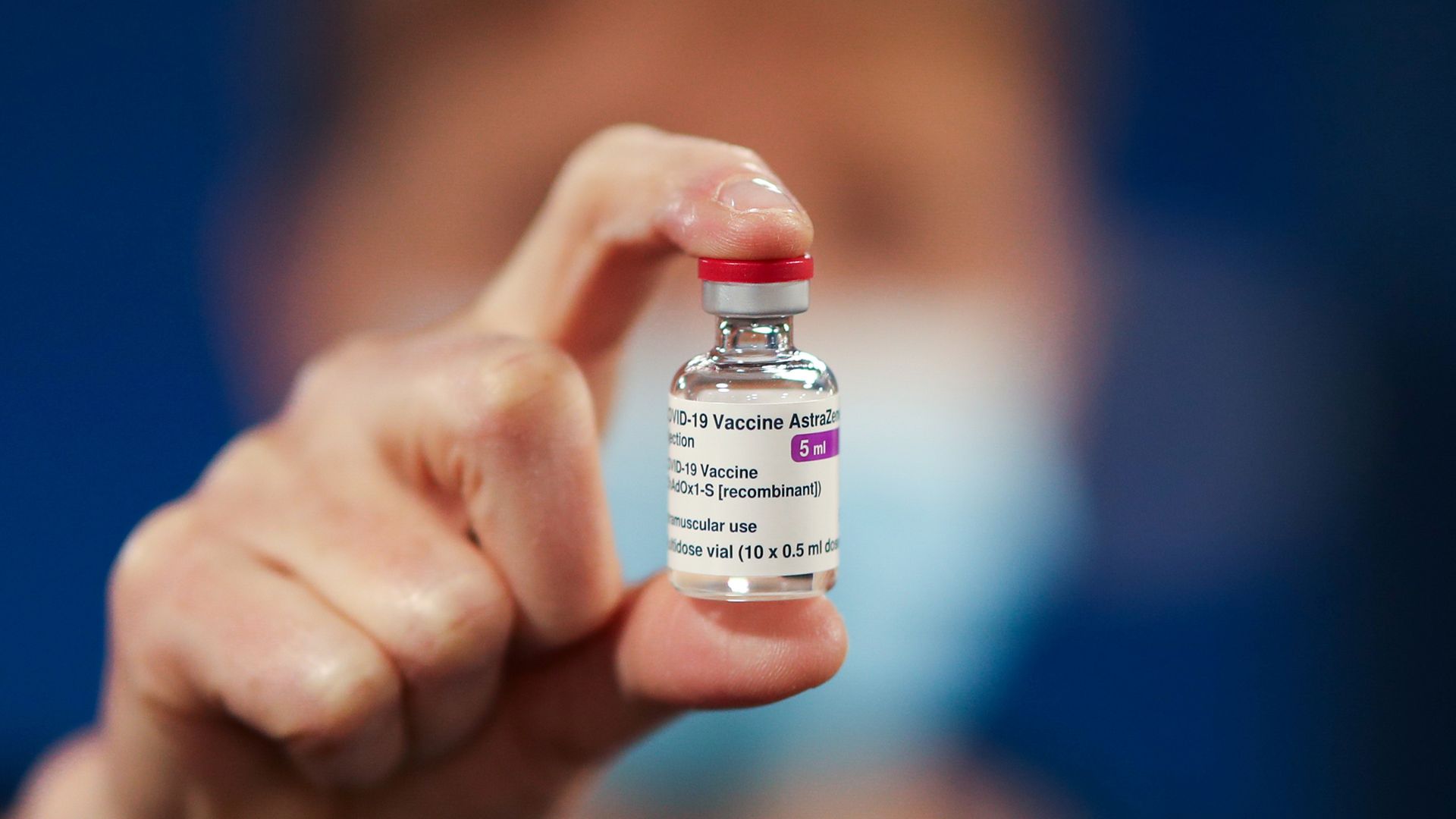
AstraZeneca acknowledged on Tuesday morning that a press release about its U.S. coronavirus vaccine trial was based on data through Feb. 17, and promised to release more complete results that are "consistent with" the interim data within the next 48 hours.
Why it matters: The National Institute of Allergy and Infectious Diseases (NIAID) released an unusual statement early Tuesday expressing concerns that AstraZeneca's release may have used "outdated information" that "may have provided an incomplete view of the efficacy data."
Public health experts are divided over whether the U.S. should add AstraZeneca's coronavirus vaccine to its arsenal, or let the rest of the world have it.
Why it matters: By the time the AstraZeneca vaccine is authorized for distribution, the U.S. may already have more than enough supply. Meanwhile, most of the world is still waiting for shots.
Experts and health officials are afraid that spring break travelers could touch off new coronavirus outbreaks after they return home.
Driving the news: Air travel hit its peak for the year so far on Sunday, and local news reports have shown spring breakers crowding beaches and streets in Miami and South Texas.
With each shot in the arm, more and more Americans are letting down their guard — seeing family and friends outside the home again, venturing out to eat or relaxing social distancing precautions, according to the latest installment of the Axios/Ipsos Coronavirus Index.
The big picture: Nine in 10 respondents said they know someone who's already been vaccinated, and 36% said they've been vaccinated themselves. Meanwhile, the share who know someone who died from COVID-19 has leveled off at around one in three, after climbing through 2020.
NIAID said early Tuesday it's "concerned" that AstraZeneca "may have included outdated information" from a trial of its COVID-19 vaccine that "may have provided an incomplete view of the efficacy data."
Why it matters: The statement comes after the company announced the vaccine it developed with the University of Oxford was found to be 79% effective at preventing symptomatic COVID-19 and 100% effective against severe disease and hospitalization in a Phase III trial.
Chancellor Angela Merkel announced Tuesday Germany's COVID-19 restrictions are being extended for another month, and the country will endure an "even stricter lockdown" in April to combat spiking cases, per DW.com.
Driving the news: Merkel said the spread of coronavirus variants put Germany in a "very serious situation" as they're "significantly more deadly" and more infectious, so Germany needs an "emergency brake."